This Roadside Virginia Plant Leaves Marks That Last For Months
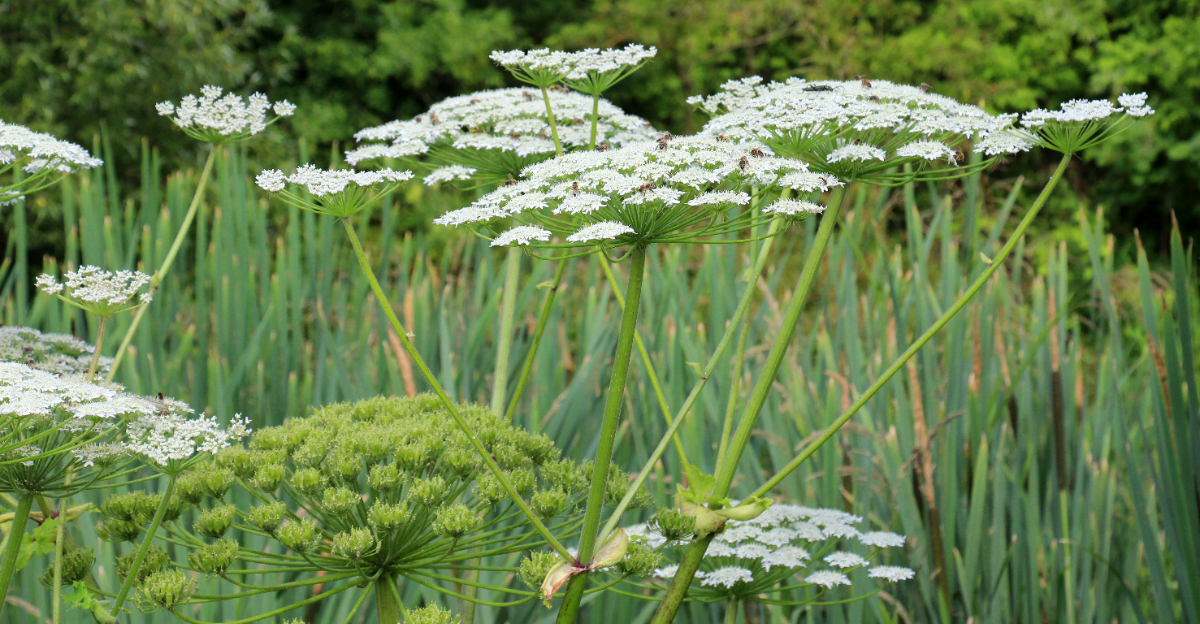
Danger rarely announces itself before it strikes. Along quiet roadsides in Virginia, a common-looking plant hides a nasty secret. Brushing against it can leave your skin blistered within hours, no warning given.
Doctors have already treated cases most people never saw coming. Scarring from contact often lingers for months, sometimes longer than a bad memory should. Sightings keep climbing across several states, and Virginia now sits among the confirmed locations.
Nobody assumes a plant could do this much damage. You might have walked past it already, completely unaware of the risk you carried home. Reactions frequently show up hours later, long after the moment has passed.
Awareness now could spare you weeks of regret later. What you learn next might be the only thing standing between you and a summer you won’t forget.
Roadside Danger Hiding In Plain Sight
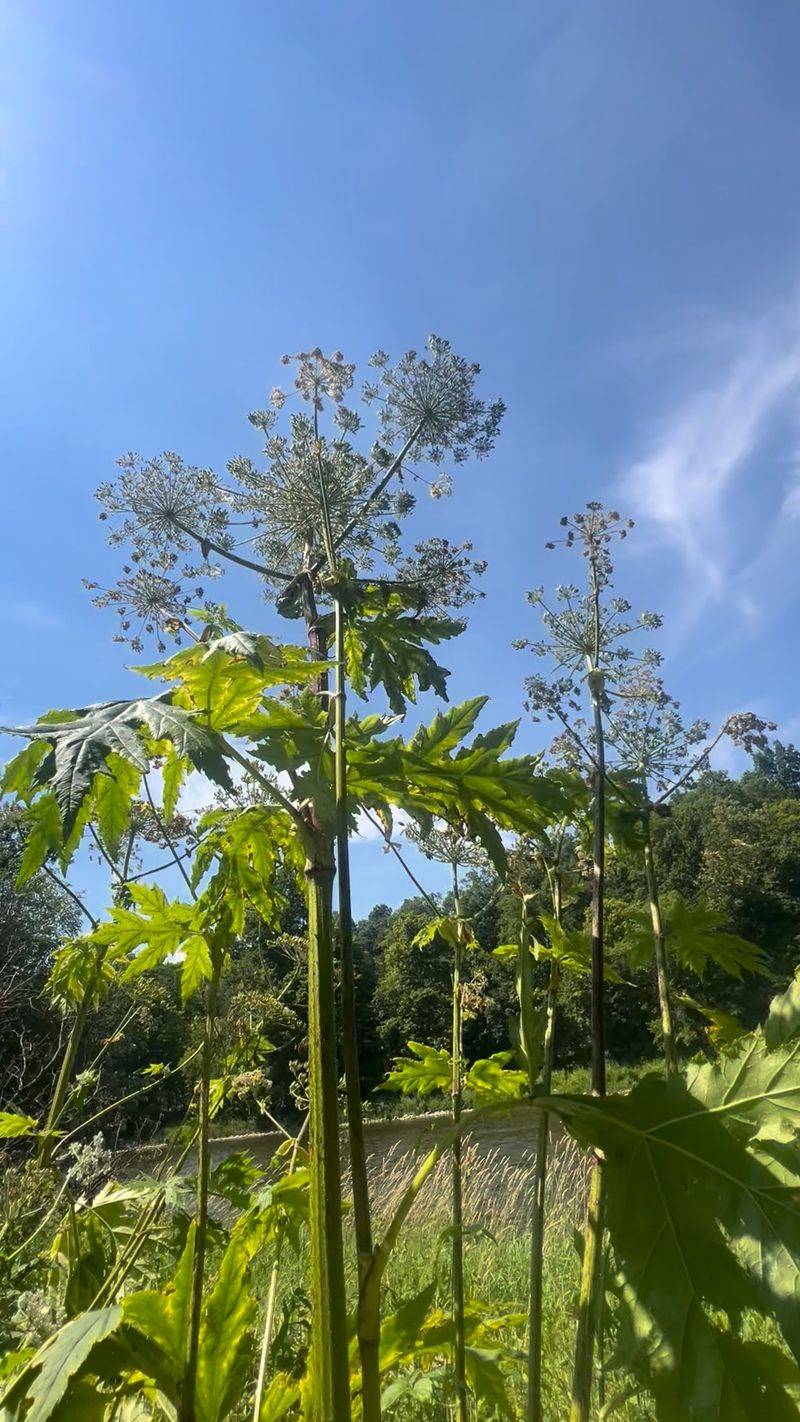
You may have walked past something similar without a second glance. Giant hogweed lines roadsides, ditches, and trail edges across parts of the eastern United States.
This plant can grow up to 20 feet tall. Its massive white flower clusters make it impossible to miss once you know what to look for.
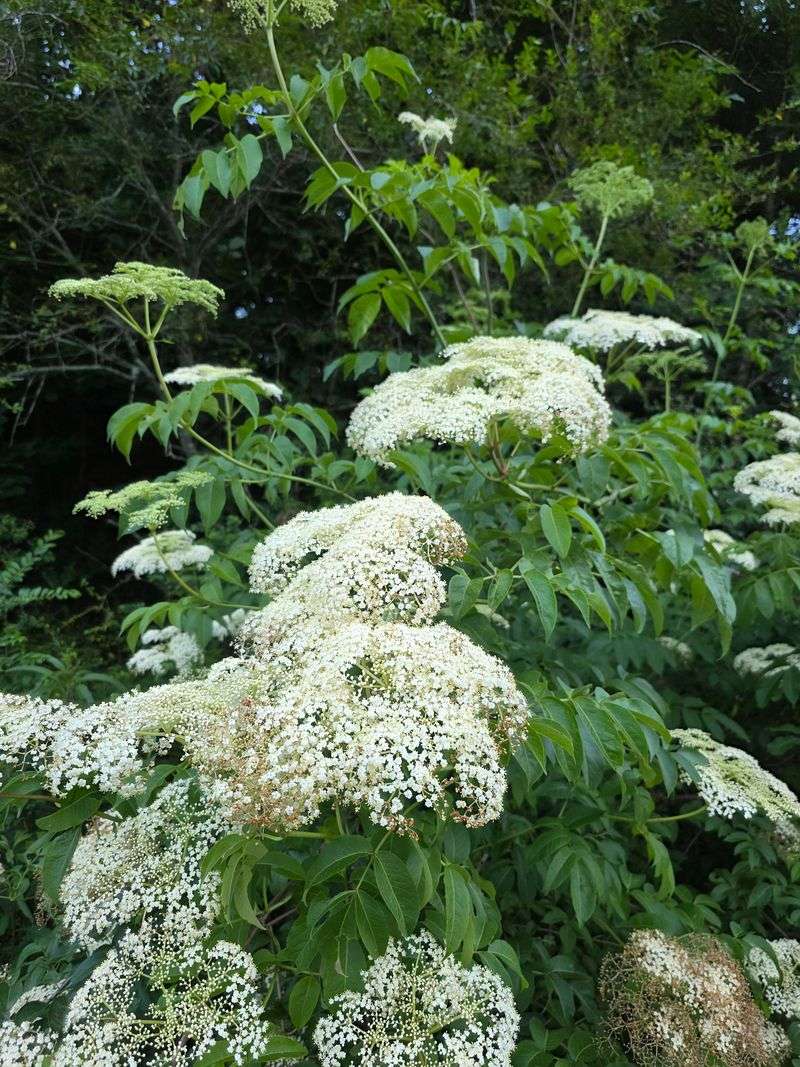
Most people mistake it for Queen Anne’s Lace or cow parsnip. The resemblance is close enough to fool even experienced hikers.
What sets giant hogweed apart is its thick, blotchy purple stem. Those splotches are one of the clearest warning signs you can spot from a distance.
The leaves are enormous, sometimes reaching five feet across. Brushing against one feels completely harmless in the moment.
That is exactly the problem with this plant. The danger is invisible until hours later.
Sap from the plant is triggered by sunlight, turning ordinary contact into a serious skin reaction. Most people have no idea what hit them until the next day.
Spotting this plant early, before you touch it, is your best protection. Train your eyes to recognize it on every outdoor walk.
Virginia’s Confirmed Sighting Raises New Concerns
Not every hogweed sighting gets attention, but Virginia’s confirmed population has raised serious concern. The plant was first identified in the state in Clarke County, and researchers have since tracked dozens of individual plants in the area.
What makes this sighting different is location. Trails and rural properties where families spend time outdoors are now part of the confirmed range.
Children are especially at risk because they tend to touch plants without thinking. A quick grab at a tall stem can lead to weeks of skin damage.
Experts say the plant is not native to North America. It was brought over from the Caucasus region as a decorative garden plant in the early 1900s.
Once established, giant hogweed spreads aggressively. A single plant can produce tens of thousands of seeds in one season.
Those seeds travel by wind and water, making containment extremely difficult. That is why one sighting often turns into a cluster of plants within a few years.
State agencies have been working to map and remove confirmed patches. Reporting a sighting through your state’s invasive species hotline helps crews respond faster.
Your Virginia Garden Changes Every Week. Your Plan Should Too.
Gardening in Virginia changes quickly throughout the season. Every Friday you’ll receive a simple weekly plan showing exactly what to plant, prune, fertilize, harvest, and protect so you never miss the right timing.
This plant is not just a rural curiosity anymore. Its rapid spread makes every new sighting a public health concern worth taking seriously.
Sunlight Is The Trigger Behind The Damage
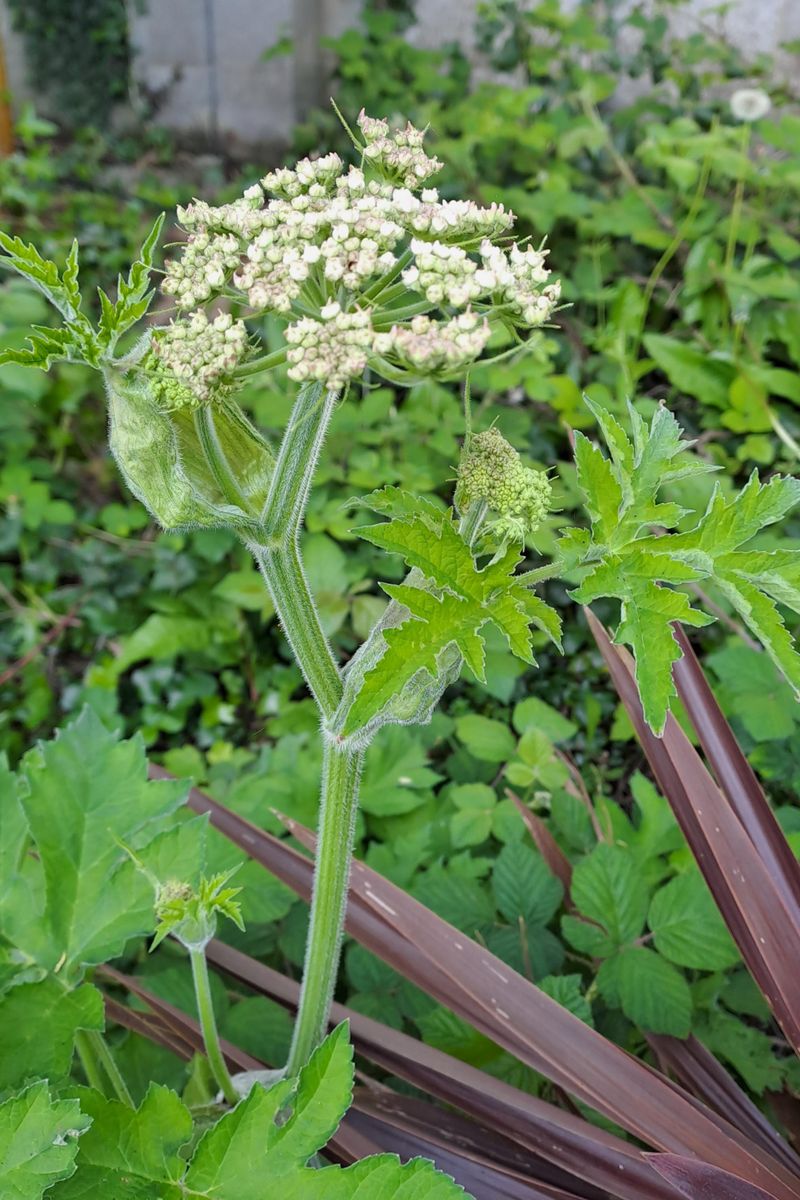
Here is the part that surprises almost everyone. Giant hogweed sap does not burn you on its own.
The sap contains chemicals called furanocoumarins. These compounds sit harmlessly on your skin until ultraviolet light hits them.
Once sunlight activates those chemicals, a phototoxic reaction begins. Your skin loses its ability to protect itself from UV damage in that exact spot.
The reaction is called phytophotodermatitis. It sounds complicated, but the effect is straightforward and painful.
Within 24 to 48 hours, blisters can form on the exposed area. The severity depends on how much sap touched the skin and how long it stayed there.
Even a cloudy day offers little protection. UV rays pass through clouds easily enough to trigger the reaction.
That means stepping outside after accidental contact is enough to cause damage. Many people do not connect their injury to the plant until they research their symptoms.
Washing the sap off immediately and staying out of sunlight are the two most important steps. Acting fast can reduce how severe the reaction becomes.
This is exactly why sunlight turns a minor brush into a medical event. The chemical stays dormant until light gives it a reason to act.
Skin Damage Unfolds In Stages
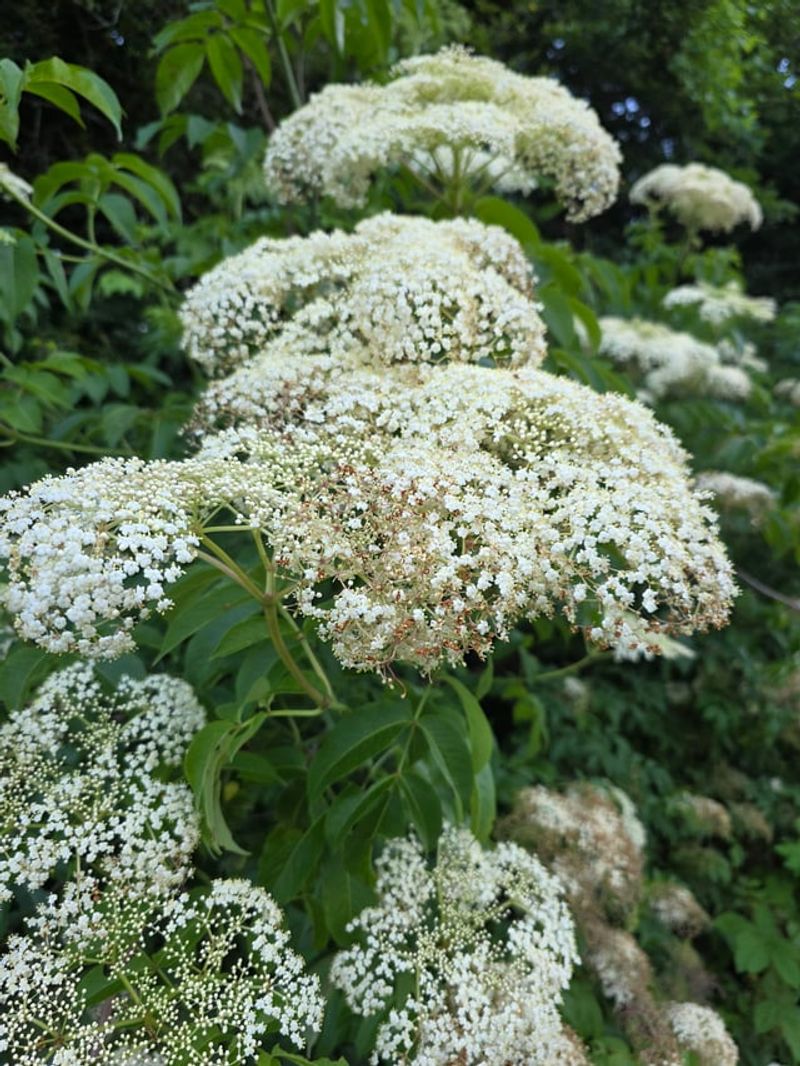
The first sign is usually redness, similar to a sunburn. Many people brush it off and go about their day.
Within 48 hours, fluid-filled blisters can appear. These blisters can be small or cover a large section of skin depending on exposure.
When the blisters heal, they leave behind dark brown or purple marks. These marks, called post-inflammatory hyperpigmentation, can last for months or even years.
The discoloration is one of the hardest parts for those affected. Sunscreen helps prevent the marks from darkening further, but fading takes time.
In severe cases, scarring can occur even after blisters heal cleanly. Eyes are also at serious risk if sap splashes onto the face.
Eye exposure has been linked to temporary and, in rare cases, lasting vision changes. That is why protective eyewear matters when working near suspected hogweed plants.
Children tend to experience more intense reactions because their skin is more sensitive. Parents should know the symptoms so they can seek care quickly.
Doctors often treat exposure with topical steroids and strict sun avoidance. The goal is to calm the reaction before it escalates.
Those marks are not just cosmetic. They are a reminder of how quickly a walk outdoors can turn into a medical situation.
States Where Sightings Have Been Confirmed
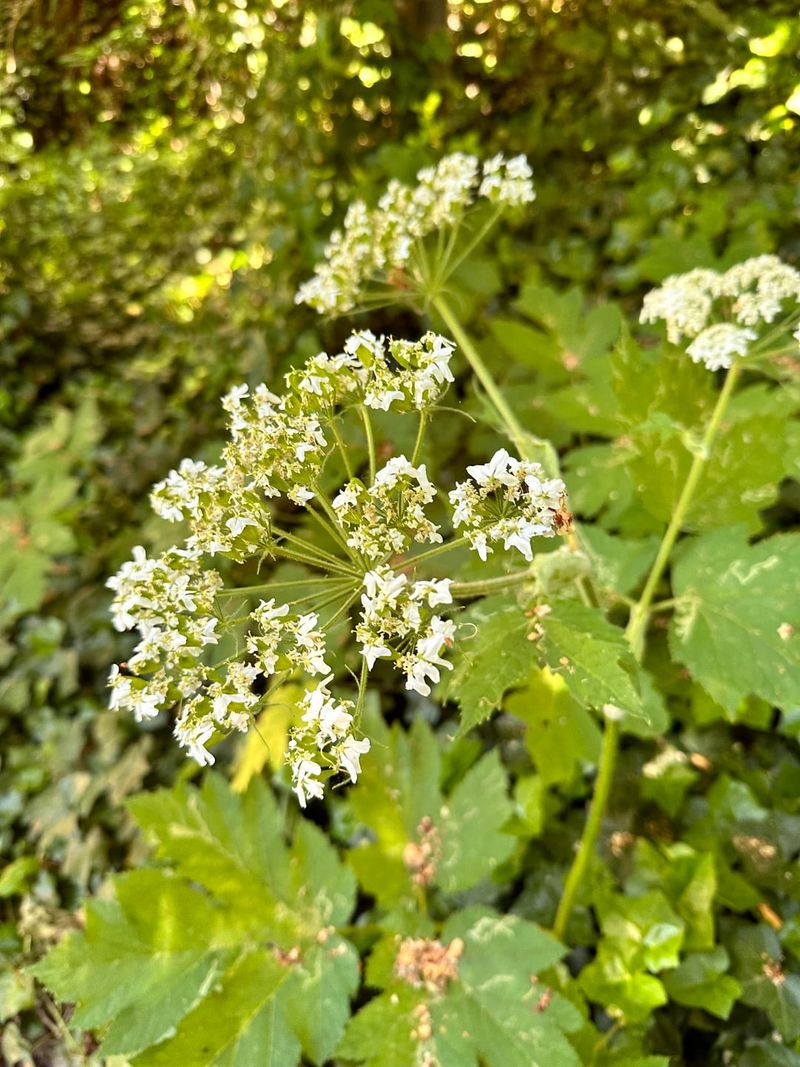
Giant hogweed is not exclusive to one state. Confirmed sightings span more than a dozen states across the eastern and midwestern United States.
New York has documented some of the highest concentrations. The plant was first recorded there in 1917 and has spread steadily since.
Pennsylvania, Michigan, Ohio, and Virginia all have confirmed populations. Reports from the Pacific Northwest have also surfaced in recent years.
Virginia’s confirmed population traces back to a single site in Clarke County. Since then, researchers have documented additional plants nearby, and monitoring has expanded across the region.
Each state handles removal differently. Some have dedicated task forces, while others rely on volunteer reporting networks.
The USDA and state departments of agriculture track confirmed sightings on public databases. Checking your state’s invasive species list is a smart first step before hiking.
Neighboring states are also watching closely. Once a plant establishes itself near a waterway, seeds can travel downstream into new counties.
Awareness campaigns have helped communities identify and report patches faster. Social media has played a surprising role in spreading identification tips.
Knowing which states have active populations helps you stay alert when traveling. This plant does not respect state lines, and neither should your caution.
Your Role In Stopping The Spread
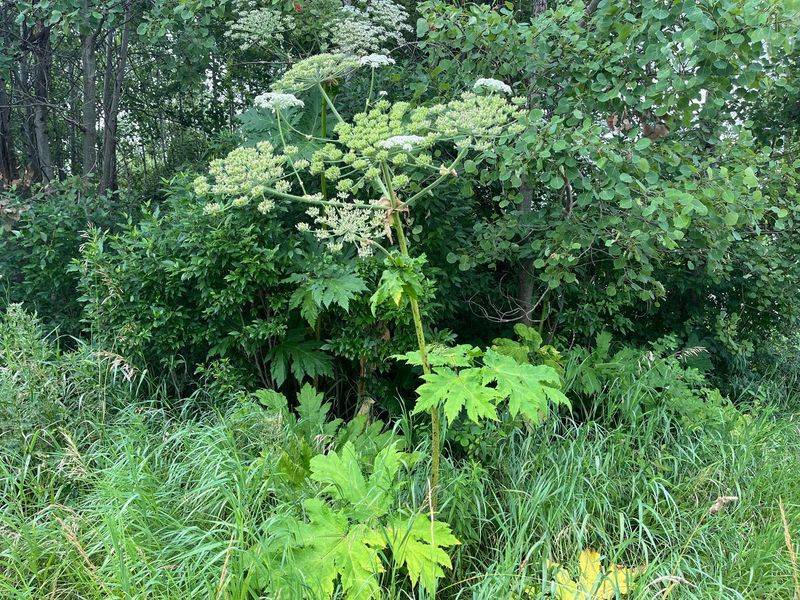
You do not need a science degree to make a real difference. Everyday people are among the most effective tools in tracking invasive plants.
Download a plant identification app like iNaturalist or EDDMapS before your next hike. Both platforms send your sightings directly to researchers and land managers.
When you spot a suspicious plant, photograph the stem, leaves, and flower head separately. Multiple angles give experts enough detail to confirm the species remotely.
Share sighting posts in local community groups and neighborhood apps. A single post can reach many people who walk the same trails.
Avoid picking or disturbing the plant when you photograph it. Even moving leaves can release small amounts of sap onto hands or clothing.
Clean your boots and gear after hiking in areas where hogweed has been spotted. Seeds can hitch a ride home and establish in your yard without you knowing.
Contact your county extension office if you find the plant on private property. They can send someone to confirm the identification and advise on next steps.
Advocate for trail signage in areas with known populations. Clear warning signs help protect visitors who are not familiar with the plant.
Inaction is what lets this plant spread. Awareness, reporting, and a healthy dose of caution are what stop it.
Steps To Take After Accidental Contact

Speed matters the moment you realize you touched hogweed. Getting the sap off your skin as fast as possible limits how much damage occurs.
Wash the area thoroughly with soap and cold water for at least 15 minutes. Avoid rubbing, which can push sap deeper into pores.
After washing, cover the area completely before going back outside. Long sleeves, gloves, or bandaging work to block UV light from reaching the skin.
Stay out of sunlight for at least 48 hours after contact. Even brief exposure during that window can trigger a stronger reaction.
If blisters develop, do not pop them. Breaking blisters open increases the risk of infection and can worsen scarring.
See a doctor as soon as possible, especially if the face or eyes were involved. Medical treatment can reduce the severity and speed up healing.
Photograph the plant if you can do so safely without touching it again. A clear photo helps medical staff and plant authorities confirm the species.
Report the location to your local cooperative extension office or state invasive species program. Your report could prevent someone else from the same experience.
It may look harmless, but your response after contact makes all the difference. Acting fast is a powerful tool you have.