The Backyard Fruits California Black Bears Are Looking For In Late Summer
A backyard loaded with ripe fruit can feel like a little California luxury. You step outside, spot branches heavy with something delicious, and start mentally planning what to pick first.
Unfortunately, you might not be the only one paying attention to what is hanging over the fence.
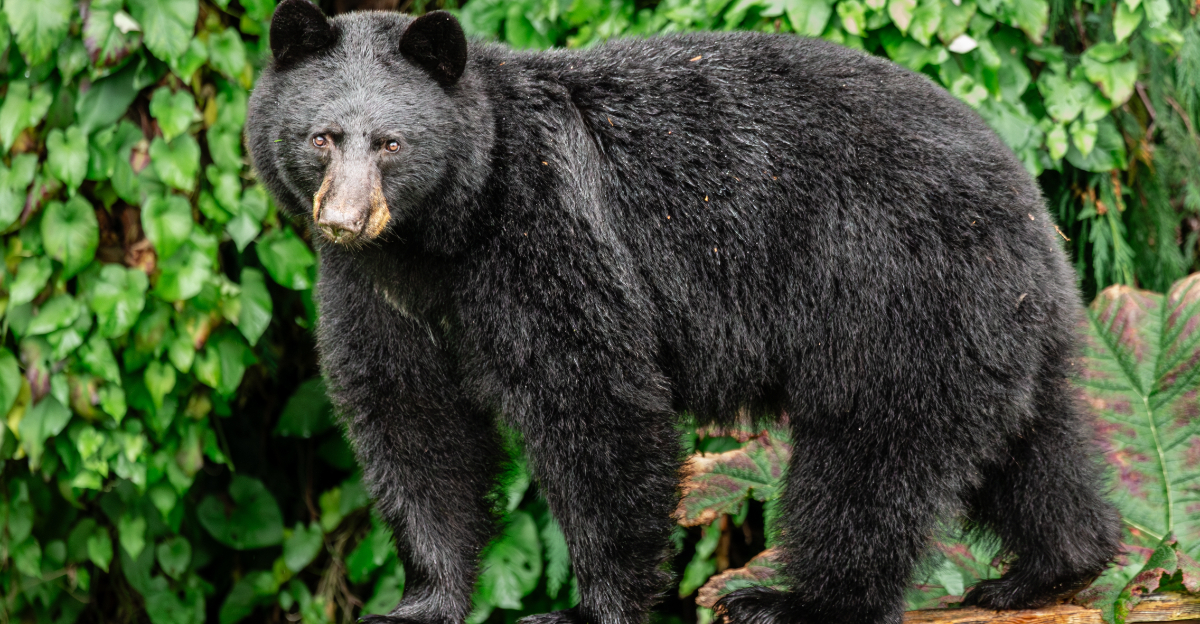
Black bears have a remarkable ability to notice food opportunities, and a productive yard can become surprisingly interesting when fruit starts reaching its sweetest stage.
That does not mean every tree or shrub is rolling out a welcome mat, but certain fruits can be far more tempting than homeowners realize. Apparently, bears appreciate a good seasonal snack too.
For people living near foothills, forests, or other areas where bears are active, that can make an ordinary harvest feel a little more complicated.
A tree that has been quietly producing all summer may suddenly deserve a closer look once wildlife activity picks up nearby.
If your yard is bursting with fruit right now, it is worth knowing which ones may catch a black bear’s attention. Some backyard favorites can be surprisingly hard for them to ignore.
1. Figs Can Become An Easy Late-Summer Meal
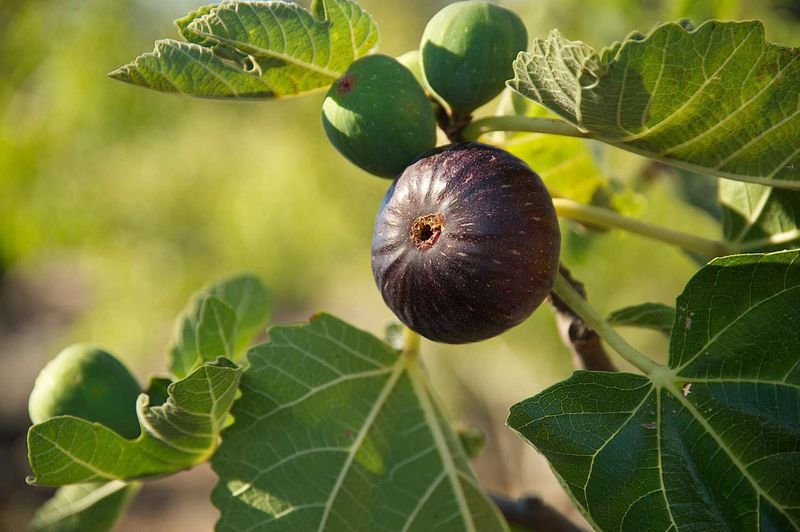
Few backyard trees in California offer a bear as easy a meal as a fig tree loaded with ripe fruit. Figs get soft and sweet very quickly, and that sweetness sends out a strong smell that bears can pick up from a long distance.
By late summer, a mature fig tree can have dozens of ripe figs hanging low and ready to eat.
Bears do not need to work hard to get figs off the tree. The fruit is soft, easy to pull off, and packed with natural sugar.
That combination makes fig trees one of the most attractive food sources in any neighborhood where bears are active. Once a bear finds your fig tree, it is very likely to come back.
Homeowners with fig trees should check them every day during peak ripening season. Pick ripe figs as soon as they are ready, even if you do not plan to eat them right away.
Do not leave fallen figs on the ground overnight. A pile of soft, overripe figs sitting at the base of a tree is almost impossible for a hungry bear to ignore.
Storing harvested figs indoors or in a sealed container also helps reduce smell. Taking these small steps consistently through late summer can lower the chances of a bear making your yard a regular stop on its nightly food search.
2. Apples Left On The Tree Can Draw Bears In
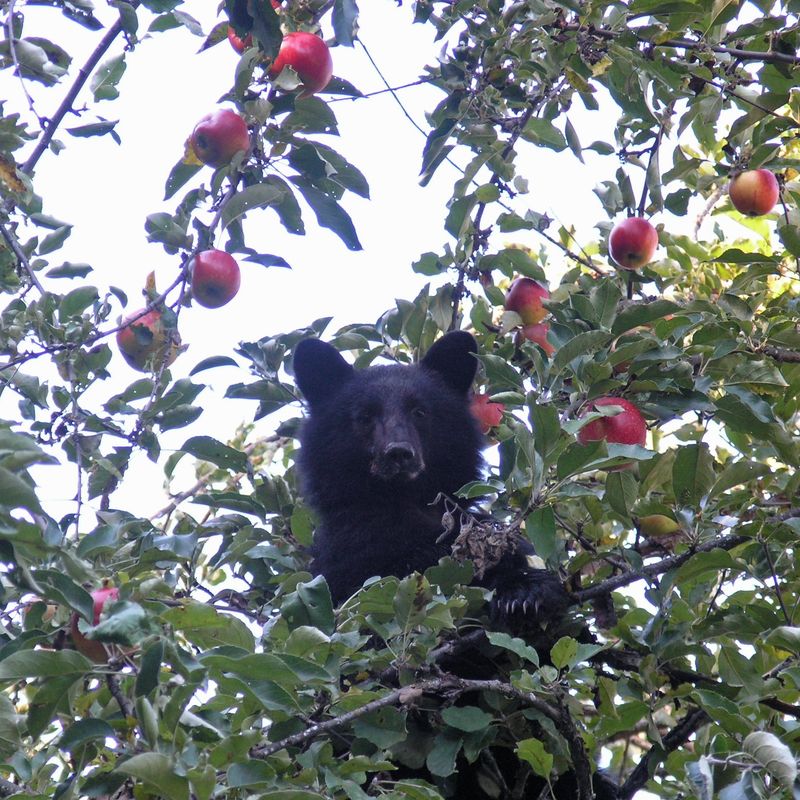
Apple trees are one of the most common fruit trees found in California backyards, and they are also one of the biggest reasons bears wander into neighborhoods each fall.
By late summer, apples begin to ripen and release a sweet, cidery smell that carries far through the air.
A bear following that scent does not stop to think twice about entering a yard. What makes apples especially tricky is how long they stay on the tree. Many homeowners do not pick their apples all at once.
Your California Garden Changes Every Week. Your Plan Should Too.
Gardening in California changes quickly throughout the season. Every Friday you’ll receive a simple weekly plan showing exactly what to plant, prune, fertilize, harvest, and protect so you never miss the right timing.
They leave fruit hanging for weeks, and during that time, the smell only gets stronger. Windfalls pile up below, and the combination of fruit on the tree and fruit on the ground creates a powerful draw for any bear passing through the area.
The best way to handle an apple tree is to harvest fruit as soon as it ripens. Do not let apples hang past their peak.
Pick them in batches if the tree produces more than you can use at once. Give extras away, compost them in a sealed bin, or freeze them.
Remove fallen apples from the ground every single day. Bears are most active at night, so cleaning up before dark is especially helpful.
Consistent management through the harvest season is the most reliable way to keep bears from treating your apple tree like their personal snack station.
3. Fallen Pears Are Just As Attractive
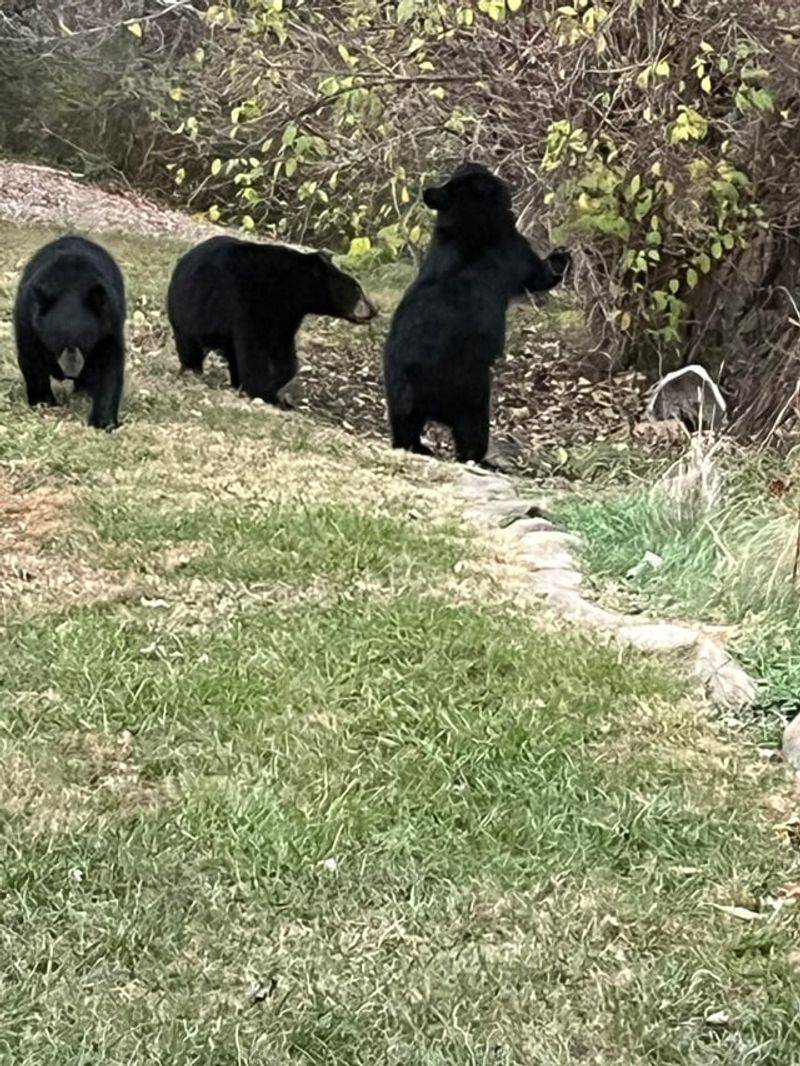
Pears ripen fast, and once they start falling from the tree, things can get out of hand quickly. A pear that lands on the ground begins to ferment within a day or two in warm weather.
That fermenting smell is incredibly strong and travels easily on a breeze. Bears are built to find exactly this kind of smell, and they will follow it straight into your yard.
Many people do not realize how fast pears accumulate on the ground. One windy afternoon can bring down dozens of them.
Left uncollected, they create a sweet, mushy mess that is practically a written invitation for a bear to visit. Even a small pear tree can produce enough fallen fruit to attract wildlife on a regular basis.
Staying on top of fallen pears takes daily effort, especially during the warmest weeks of late summer. Walk your yard each morning and evening to collect any fruit that has dropped.
Use a bucket or garden bag to gather them up and dispose of them in a sealed trash bin or compost setup that is bear-resistant. If you have more pears than you can use, consider sharing with neighbors or a local food bank before they ripen fully.
Picking pears slightly early, before they hit peak softness, is also a smart move. Pears continue to ripen after picking, so you lose nothing by bringing them in a little ahead of schedule.
4. Ripe Plums Can Disappear Quickly
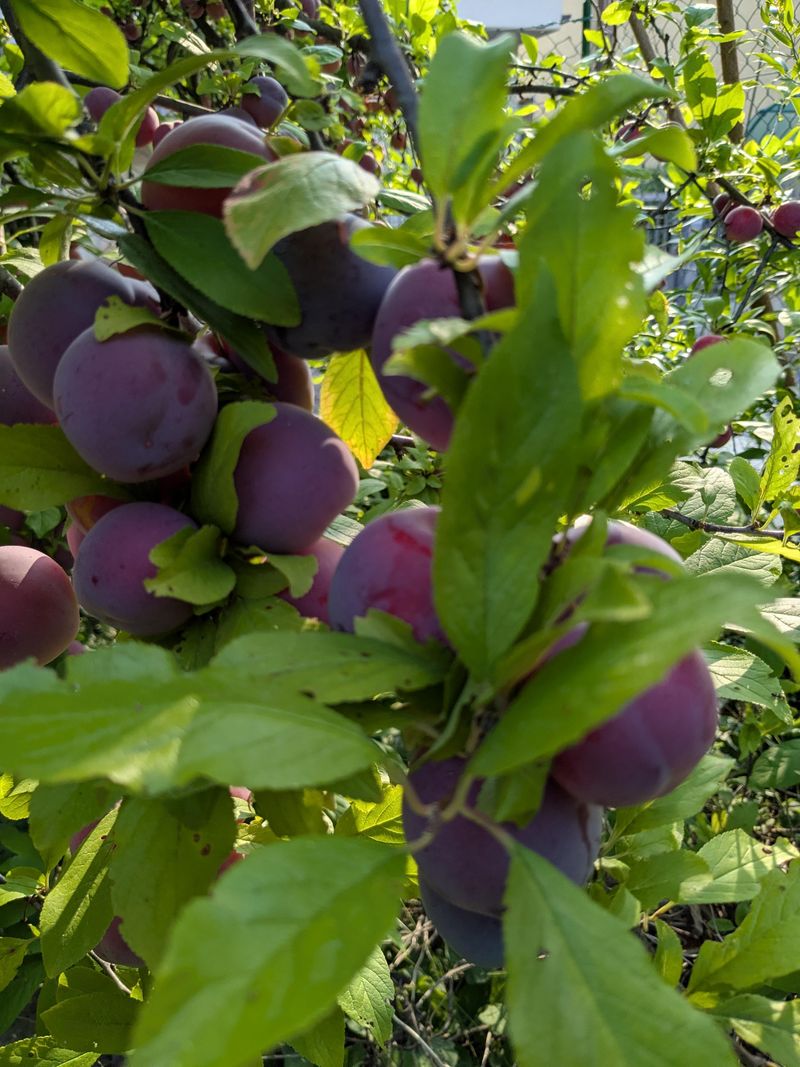
Plums are one of the sweetest and juiciest fruits a backyard tree can produce, and bears know it. When plums hit their peak ripeness, they develop a deep, fruity aroma that is hard to miss.
That smell drifts through neighborhoods and wooded areas, acting like a signal to any bear within range that an easy meal is nearby.
Plum trees tend to produce a lot of fruit in a short window of time. That burst of ripeness can be overwhelming, even for homeowners who plan ahead.
When more plums ripen than you can pick in a day or two, the excess falls to the ground and begins to break down fast. Fermented plums are especially attractive to bears because the smell intensifies as the fruit softens.
Keeping up with a productive plum tree means checking it every day once the fruit starts to color up. Pick plums as soon as they feel slightly soft to the touch.
You can ripen them further on your kitchen counter if needed. Do not leave full bags of plums sitting on your porch or in your garage, since the smell can still reach a bear’s nose from there.
Freeze or share your harvest quickly. Rake or pick up any fallen plums before evening each day.
A clean yard during plum season sends a clear message that there is nothing worth stopping for.
5. Grapes Give Bears An Easy Sugar-Rich Snack
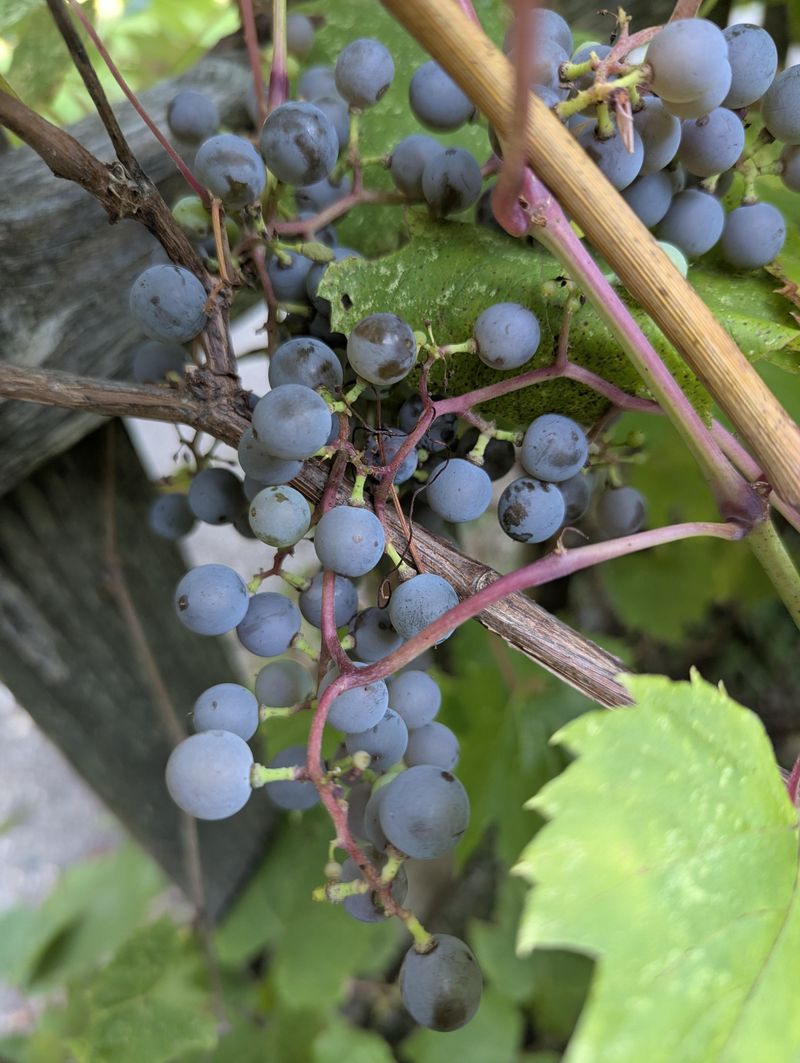
Grapevines are a popular addition to many backyards, but they can quietly become a major bear attractant by late summer.
Clusters of ripe grapes are loaded with sugar, and their sweet, fermented smell grows stronger as the season progresses. Bears love high-calorie foods, and grapes check every box on that list.
What makes grapes especially tempting is how accessible they are. A grapevine trained along a fence or trellis puts fruit right at bear height.
There is no climbing required. A bear can walk up, grab cluster after cluster, and be gone before anyone notices.
Grapes that fall to the ground ferment quickly in warm weather, adding another layer of scent that is hard for a passing bear to resist.
If you grow grapes, try to harvest them in stages as they ripen rather than waiting for the whole vine to peak at once. Inspect the vine daily and remove any clusters that are fully ripe or starting to shrivel.
Pick up fallen grapes from the ground each evening. If your harvest is more than you can use, make juice, freeze the grapes, or share them with friends before they overripen on the vine.
Keeping the area around your grapevine clean and free of dropped fruit is one of the simplest things you can do to make your yard less interesting to a foraging bear during late summer.
6. Overripe Fruit On The Ground Is Especially Tempting
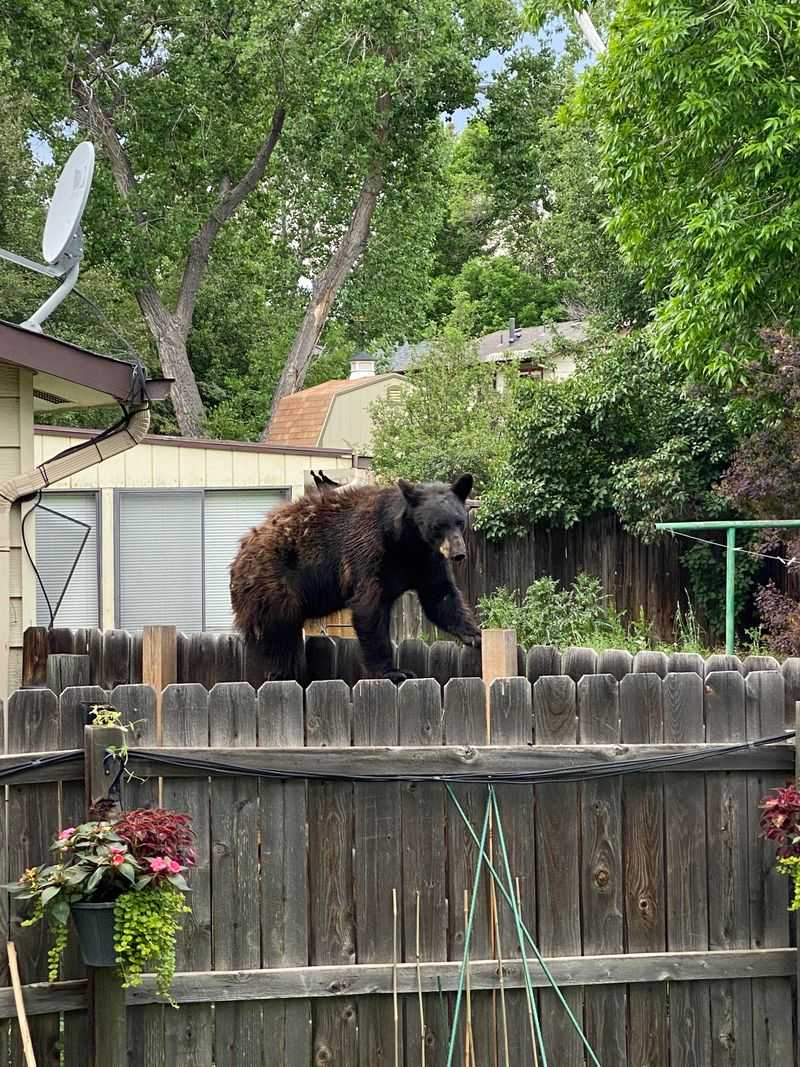
There is something about overripe fruit that bears simply cannot walk past. Once fruit starts to break down on the ground, it releases a concentrated, fermented smell that is far stronger than fresh fruit hanging on a tree.
That smell spreads wide and fast, especially on warm evenings when the air carries scent easily through neighborhoods and into nearby wild areas.
Fallen fruit is often overlooked by homeowners who do not realize how quickly it becomes a problem. A few dropped apples or figs left for just one day can begin to smell strongly enough to attract wildlife.
When fruit sits for several days, the problem grows significantly. The ground beneath a productive fruit tree can turn into one of the most attractive spots in the area for a hungry bear looking to load up on calories.
Cleaning up fallen fruit is one of the most effective things you can do to reduce bear activity near your home. Make it a daily habit during harvest season.
Use gloves and a bucket, and dispose of collected fruit in a sealed, bear-resistant trash can or a secure compost bin. Do not pile fruit near the edge of your property or toss it into the bushes.
That just moves the problem a few feet away. A clean yard underneath your fruit trees is your strongest defense against repeat bear visits during the most active weeks of late summer.
7. One Productive Tree Can Bring A Bear Back Again
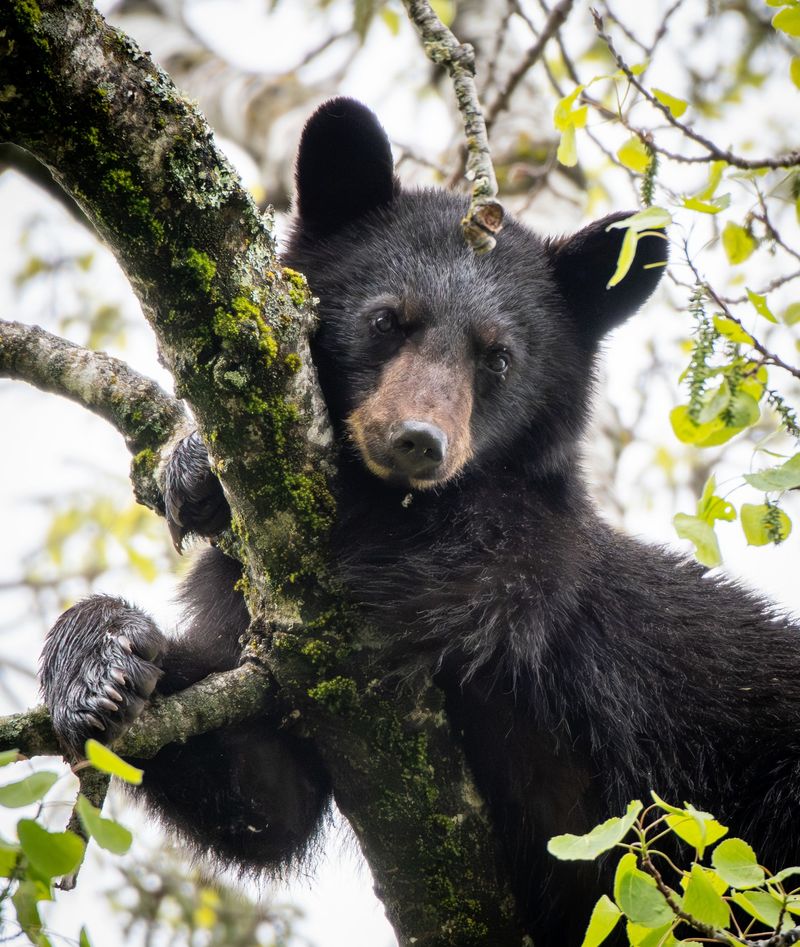
Bears have excellent memories. Once a bear discovers a food source, it will return to that same spot again and again as long as the food is available.
A single productive fruit tree in your backyard can become a regular destination on a bear’s nightly route without you ever knowing it at first.
This is one of the most important things to understand about bear behavior around fruit trees. You do not need a whole orchard to attract a bear.
One generous apple tree, one loaded fig, or one heavy plum tree is enough. Bears are patient and will keep checking back even if the tree is not always producing.
They remember where the food was and return on schedule.
Breaking that pattern requires consistent action over time. If a bear visits your yard and finds nothing to eat several nights in a row, it will eventually move on and look elsewhere.
But if you miss even a few days of cleanup, the bear may find a reward and reset its habit of visiting. Think of fruit management as an ongoing routine rather than a one-time fix.
Pick fruit regularly, clean up windfalls every day, and store anything harvested in a place where the smell cannot escape easily.
Over time, a yard that offers no reward becomes a yard that bears stop visiting. Consistency really is the key to changing a bear’s routine.
8. Picking Fruit Early Removes An Easy Food Source
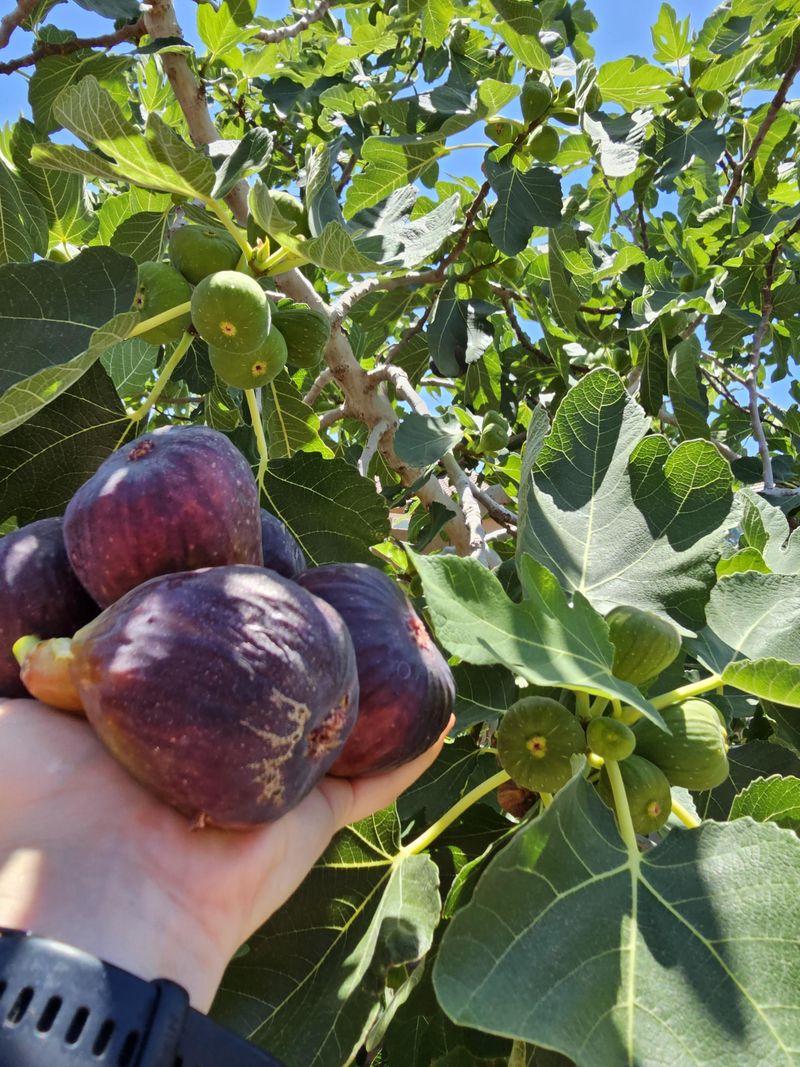
One of the smartest things a fruit tree owner can do is pick fruit a little earlier than feels natural. Most people wait until fruit looks and smells perfectly ripe before harvesting.
But by that point, the scent has already been broadcasting to every bear in the area for days. Getting ahead of peak ripeness is a simple strategy that makes a real difference.
Picking fruit early does not mean eating unripe food. Most fruits, including apples, pears, and plums, continue to ripen off the tree when left at room temperature.
You can bring them inside while they are still firm and let them reach full sweetness on your counter or in a cool room. This approach removes the strongest source of scent from your yard before it has a chance to attract wildlife.
Early picking also means less fruit falling to the ground on its own. Windfalls are often the biggest problem because they go unnoticed and pile up fast.
When you harvest regularly, you reduce the number of fruits that drop unexpectedly. Set a schedule to check your trees every two to three days once ripening begins.
Bring in anything that is starting to soften or color up. Share your harvest with neighbors, freeze extras, or donate to a local food pantry.
Getting fruit off the tree early is one of the most proactive steps you can take to keep bears out of your yard all season long.