Native California Groundcovers For Under Oak Trees Without Summer Irrigation
Planting beneath a California oak can feel like gardening with a very specific set of house rules.
The shade is appealing, the canopy is beautiful, and the space underneath begs for something more interesting than bare soil. The tricky part is finding plants that actually belong there.
Oak trees create conditions that are nothing like an ordinary flower bed. Light shifts through the branches, roots dominate the soil, and extra summer water is not always part of the plan.
That can make the usual groundcover favorites a poor fit, no matter how tempting they look at the nursery.
Native plants offer a much more natural way to fill those quiet spaces. Some can handle dry summers, filtered light, and the seasonal rhythm found beneath established oaks without turning the area into a constant maintenance project.
Done well, the result feels less like landscaping squeezed under a tree and more like a tiny piece of California woodland.
Soft foliage, low growth, and seasonal interest can transform that difficult patch into one of the most relaxed-looking parts of the yard.
1. Yerba Buena Spreads Softly Through Dry Oak Shade
Few plants carry as much history as yerba buena. Spanish explorers named it “good herb” because of its sweet minty smell, and Native people used it for centuries as a tea and a remedy.
Today, it earns its place in the garden by doing something most plants simply cannot: growing quietly and happily in dry oak shade without any summer water.
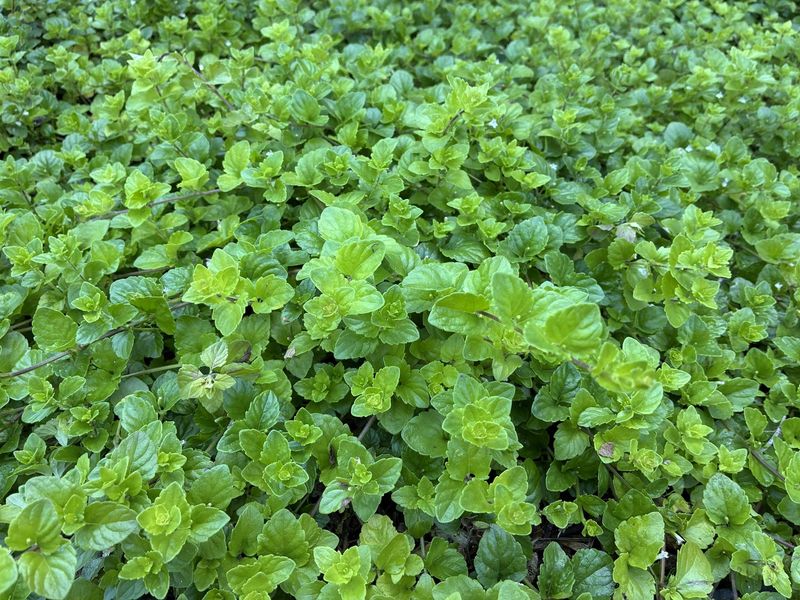
Yerba buena is a low, trailing plant that hugs the ground as it spreads. Its small, round leaves are a soft green, and when you brush them with your hand, they release a pleasant minty scent.
The stems creep along slowly, filling in gaps between rocks and roots over time. It never grows tall enough to compete with your oak, which makes it a respectful neighbor.
Planting it is straightforward. Choose a spot with well-drained soil and some natural leaf litter from the oak.
Water it regularly during its first fall and winter to help roots settle in. After that, rainfall alone is usually enough to keep it going.
It does best in partial to full shade and actually prefers the dry conditions that most plants find stressful. Yerba buena rarely needs pruning, but a light trim in early spring keeps it looking tidy.
Over a few seasons, it forms a soft, fragrant carpet that feels right at home beneath the oak canopy.
2. Woodland Strawberry Handles Shade Beneath Open Oak Canopies
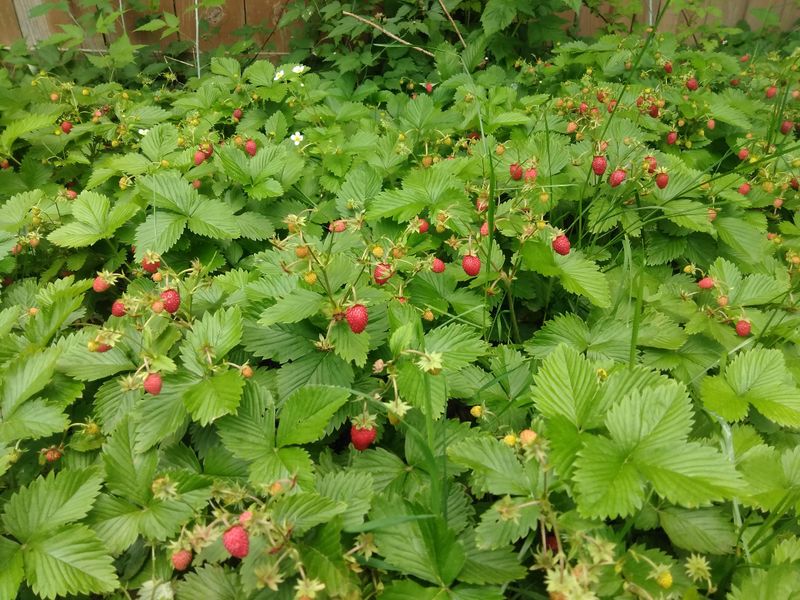
There is something charming about a plant that feeds both people and wildlife while asking for almost nothing in return. Woodland strawberry does exactly that.
Its tiny red fruits attract birds, its white flowers bring in pollinators, and its spreading runners slowly fill bare ground under oaks without any fuss or extra watering once established.
Unlike the large strawberries you find at the grocery store, woodland strawberry stays small and ground-hugging. The leaves have three lobes with toothed edges, and they stay green through most of the year.
Your California Garden Changes Every Week. Your Plan Should Too.
Gardening in California changes quickly throughout the season. Every Friday you’ll receive a simple weekly plan showing exactly what to plant, prune, fertilize, harvest, and protect so you never miss the right timing.
In spring, small white flowers appear, followed by little red berries that are sweet but bite-sized. Birds tend to find them before most gardeners do, which just adds to the plant’s value as a wildlife habitat plant.
It spreads by sending out runners that root where they touch the soil. Over time, it builds a loose, natural-looking mat that fills in the rough ground beneath oaks nicely.
Plant it in fall so it has the cool, wet season to get established before summer arrives. It handles both partial and full shade well, and once its roots are deep, it needs no irrigation.
Avoid planting it in spots that stay wet, since good drainage is key. With a little patience, woodland strawberry turns a bare oak understory into a living, productive, and beautiful groundcover.
3. Creeping Snowberry Fills In Around Dry Woodland Edges
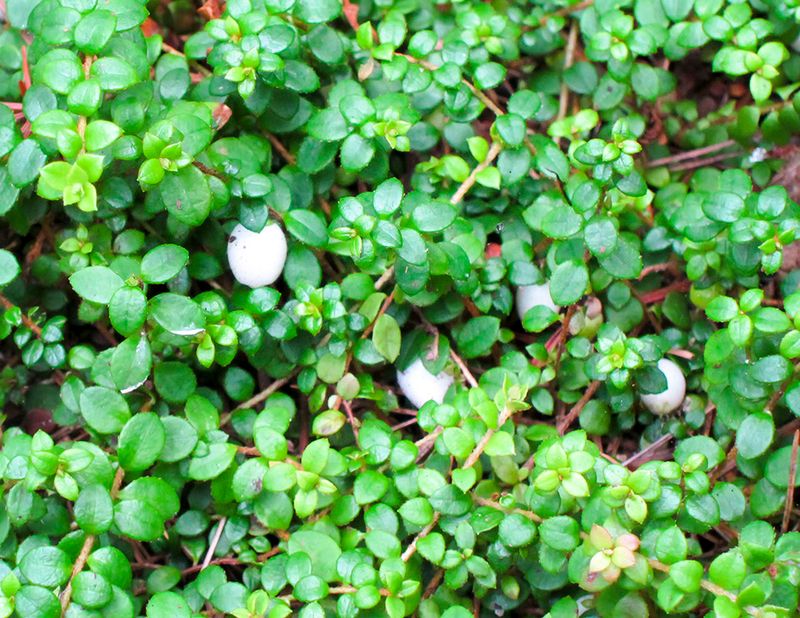
Not every groundcover has to be a delicate, low-growing herb. Creeping snowberry brings a little more structure to the oak understory.
It is a low, woody shrub that spreads slowly outward, weaving between roots and rocks with a relaxed, unhurried attitude.
Its small white berries appear in late summer and last into fall, giving birds a reliable food source right when they need it most.
The plant stays low, usually under a foot tall, but it spreads wider over time through underground stems. Its tiny leaves are oval and slightly waxy, which helps it hold moisture during dry summers.
In spring, small pink bell-shaped flowers appear along the stems. They are easy to miss if you are not looking closely, but they add a quiet beauty that fits perfectly with the natural woodland feel under an oak.
Creeping snowberry is especially useful on slopes or uneven ground where erosion can be a problem. Its spreading root system holds soil in place without any help from you.
Plant it in fall and give it occasional water through its first dry season. After that, it is on its own and does just fine.
It tolerates deep shade and dry, rocky soil better than most plants. If you have a challenging spot under a dense oak where nothing else seems to want to grow, creeping snowberry is worth trying. It is tough, quiet, and genuinely useful.
4. Pacific Sanicle Works Naturally In Oak Woodland Conditions
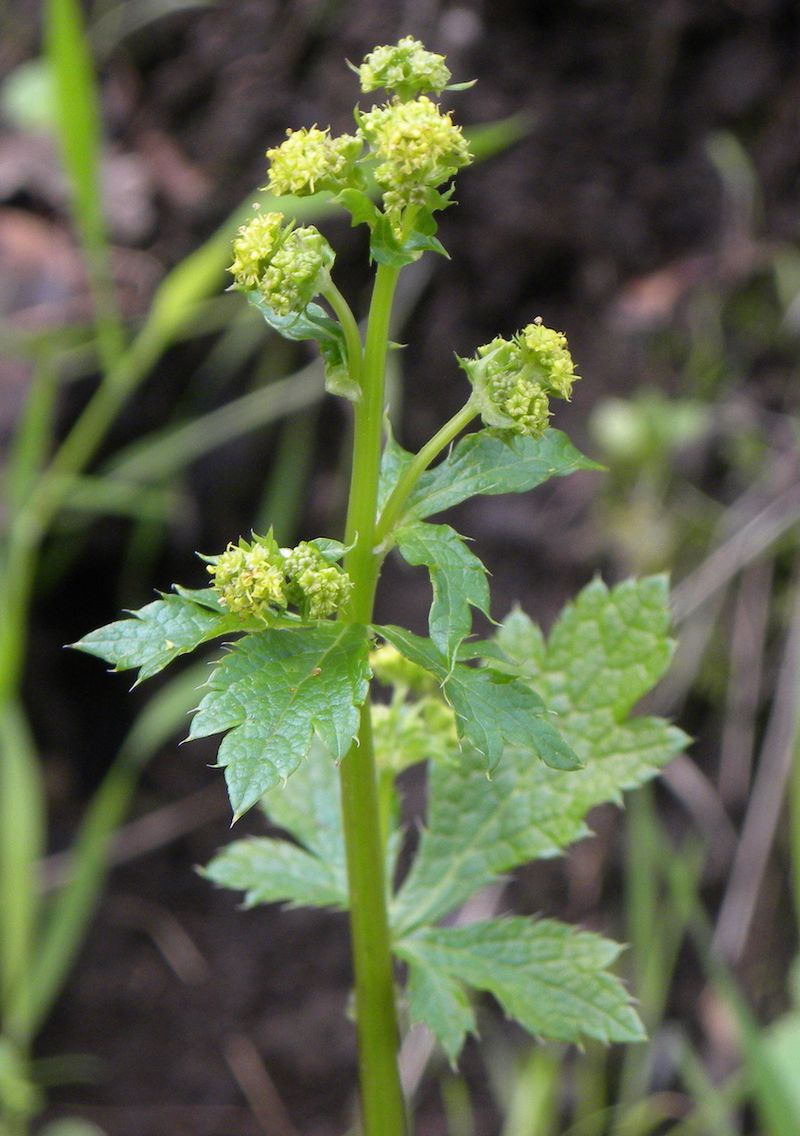
Pacific sanicle is not the flashiest plant on this list, but it is one of the most honest. It does not pretend to be something it is not.
It grows in exactly the conditions found under oak trees: dry summer soil, filtered light, and leaf litter. It has been doing this for thousands of years, long before anyone thought to call it a groundcover.
The leaves are deeply divided and glossy, catching whatever light filters through the oak canopy above. They stay low to the ground and form a rosette shape that looks tidy without any pruning.
In late spring, slender stems rise up and carry small clusters of white flowers. The flowers are not showy, but they attract small native bees and other beneficial insects, which is exactly the kind of quiet ecological work that makes native plants so valuable.
Pacific sanicle is a perennial, meaning it comes back year after year from the same root system. It goes partially dormant in summer when things get hot and dry, but it does not disappear entirely.
Once fall rains arrive, it perks back up and looks fresh again. Plant it in fall or early winter for best results.
It needs no fertilizer, no irrigation after its first year, and no fussing. For gardeners who want a low-maintenance, ecologically sound groundcover that fits naturally under oaks, Pacific sanicle is a genuinely smart choice.
5. California Hedge Nettle Handles Seasonal Moisture Then Summer Dryness
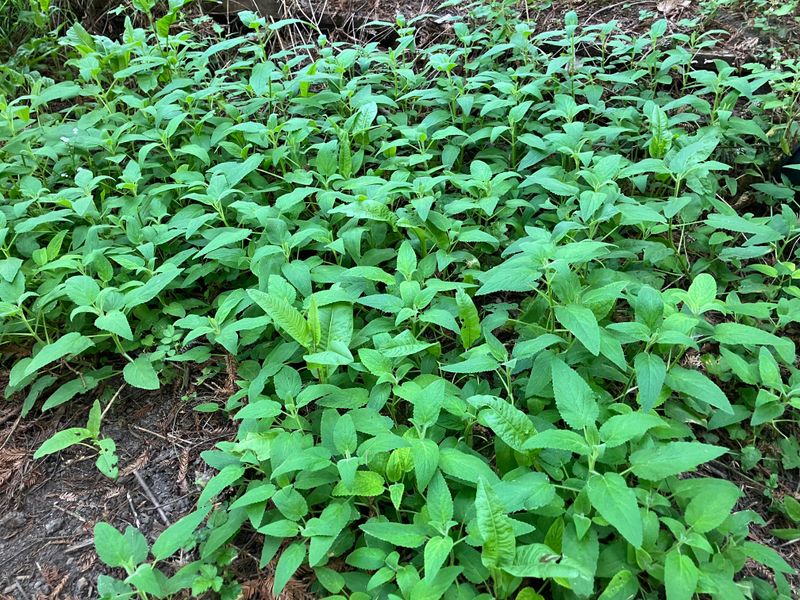
Most plants want consistency. They want steady water, steady light, and steady temperatures.
California hedge nettle is different. It actually thrives on the seasonal rhythm that oak woodlands create: wet winters, moist springs, and bone-dry summers.
That pattern, which frustrates so many garden plants, is exactly what this native perennial is built for.
The plant grows upright stems that reach about two feet tall in good conditions. Its leaves are opposite, toothed, and slightly fuzzy.
The flowers are the real highlight. They appear in whorls along the upper stem in spring and early summer, showing off shades of pink and purple that hummingbirds find irresistible.
If you want to attract hummingbirds to your oak garden, hedge nettle earns its place immediately.
After flowering, the plant goes dormant in summer as the soil dries out. The above-ground stems fade back, but the roots stay alive underground, ready to return when fall rains arrive.
This cycle repeats every year without any help from you. Plant hedge nettle in fall or early winter, in a spot with partial shade and decent drainage.
Give it water through its first summer to help roots establish, then step back and let the seasons do the rest.
It spreads slowly by underground rhizomes, gradually building a loose colony that looks natural and supports local wildlife beautifully year after year.
6. Miner’s Lettuce Can Reseed Beneath Oaks In Cooler Spots
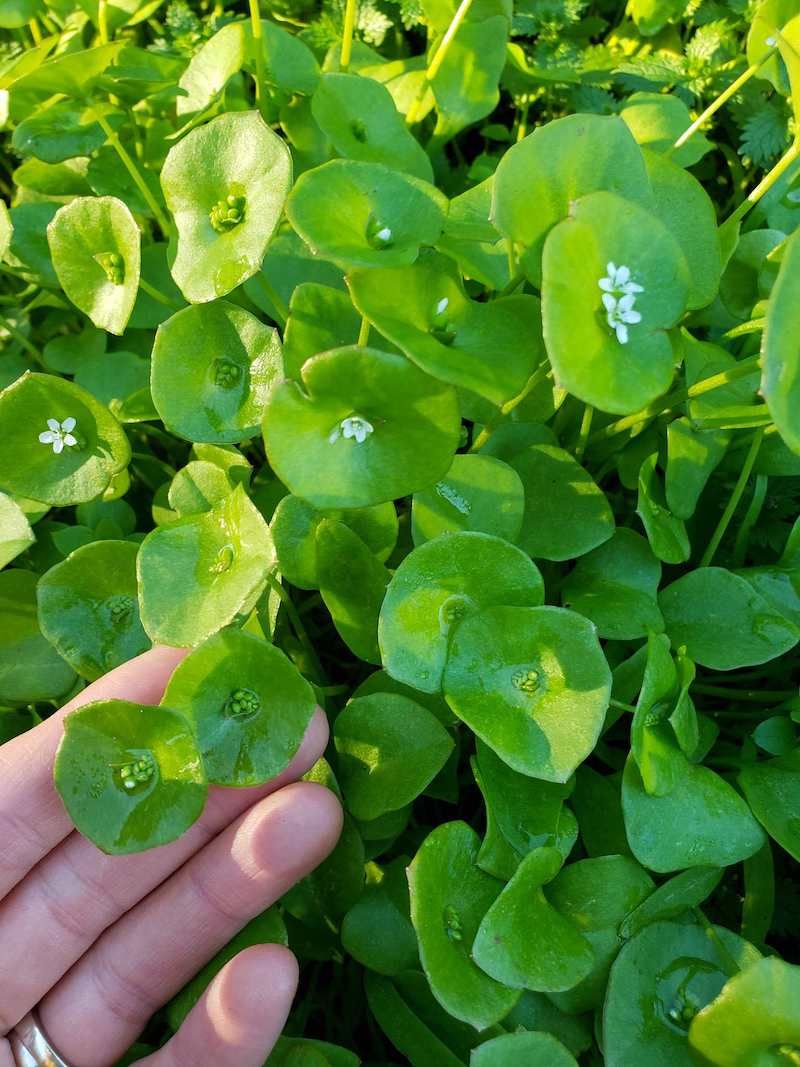
During the Gold Rush, miners in the Sierra Nevada foothills ate this plant raw to prevent scurvy. It was free, abundant, and surprisingly tasty.
Today, miner’s lettuce still grows freely in cool, shaded spots across the state, and it brings that same easygoing abundance to the garden beneath oak trees.
The plant is an annual, which means it completes its life cycle in one season. It germinates with fall rains, grows through winter and spring, flowers, sets seed, and then fades as summer heat arrives.
But before it goes, it drops thousands of tiny seeds into the soil. Those seeds wait patiently through summer and sprout again the following fall.
Once you have miner’s lettuce in a spot, it tends to return on its own every year without any replanting.
Its leaves are distinctive and hard to mistake. Young plants have small, oval leaves, but as they mature, the round leaves form a disc shape with the stem growing right through the middle.
Small white flowers appear at the center of that disc in late winter and early spring. The whole plant is edible and mild-tasting, which makes it a fun addition to a garden where kids spend time.
Plant seeds in fall in a shaded, cool spot under your oak. Give the area a light water to help germination, then let nature take over. Miner’s lettuce is one of the easiest natives you will ever grow.
7. California Polypody Goes Dormant Instead Of Demanding Summer Water
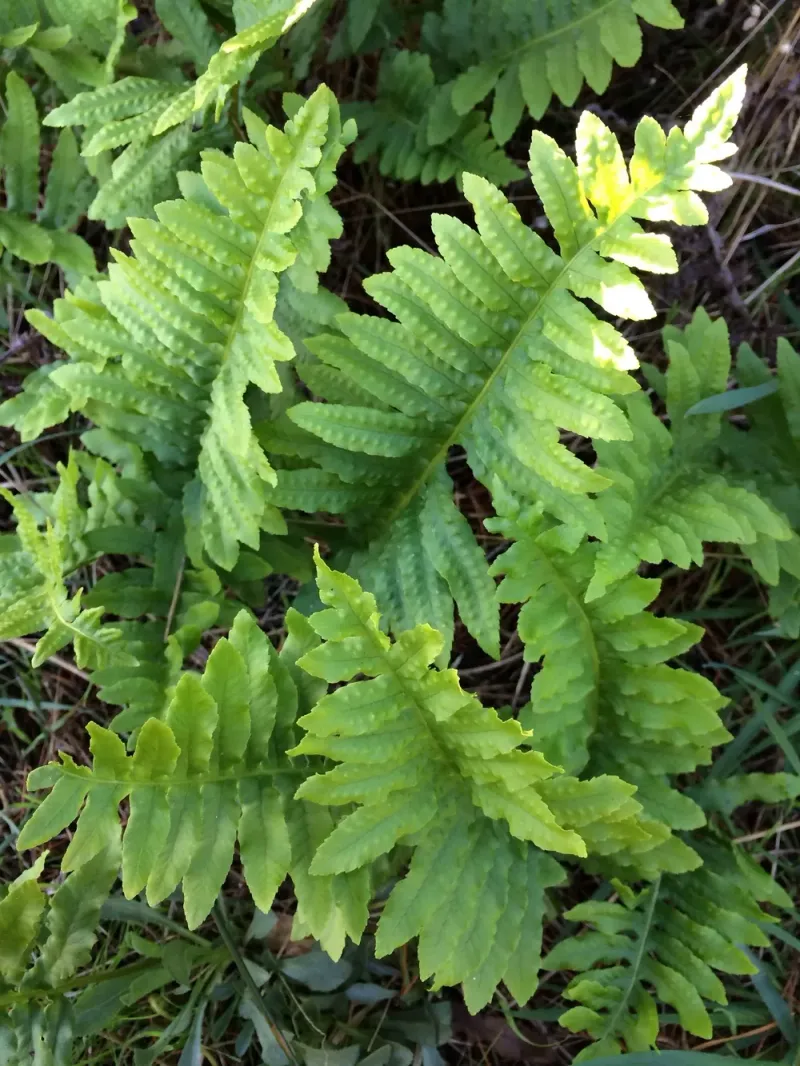
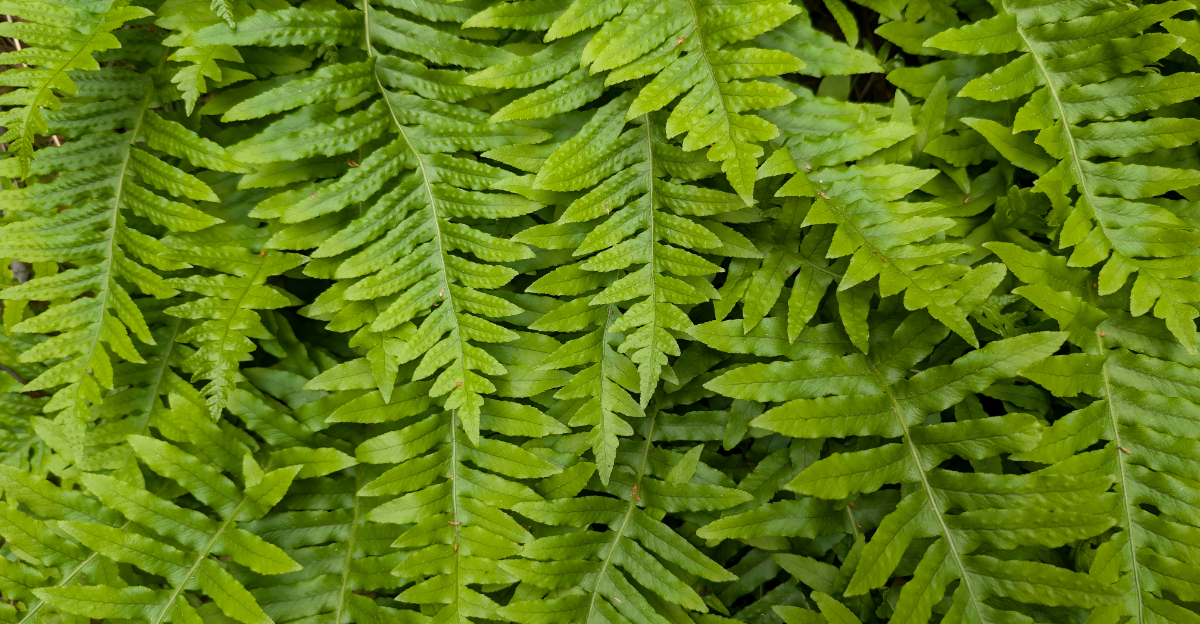
Most people assume ferns need constant moisture. California polypody breaks that rule completely.
When summer arrives and the soil under your oak dries out, this fern does something clever: it simply rolls up its fronds and goes dormant. No drama, no struggle.
It just waits for rain to return, and when it does, the fronds unfurl again like nothing happened.
This fern grows on rocky outcrops, dry slopes, and the bases of oak trees across its native range. Its fronds are leathery and deeply divided, giving it a classic fern look without the fragility.
It stays relatively low to the ground, usually under a foot tall, which keeps it from competing visually with the oak above.
The texture it adds to a dry shade garden is genuinely striking, especially in winter when its bright green fronds contrast with fallen oak leaves.
Planting California polypody works best in fall. Choose a spot with good drainage and some rocky or gravelly soil if possible.
It grows well in crevices between rocks, which mimic its natural habitat nicely. Once established, it needs no summer water at all.
In fact, watering it in summer can cause more harm than drought does. Let it go dormant, enjoy the bare patch for a few months, and trust that it will return with the first fall rains.
For a low-effort, high-reward fern in a dry oak garden, nothing competes with this resilient native.
8. Douglas Iris Fits Dry Shade Once Established
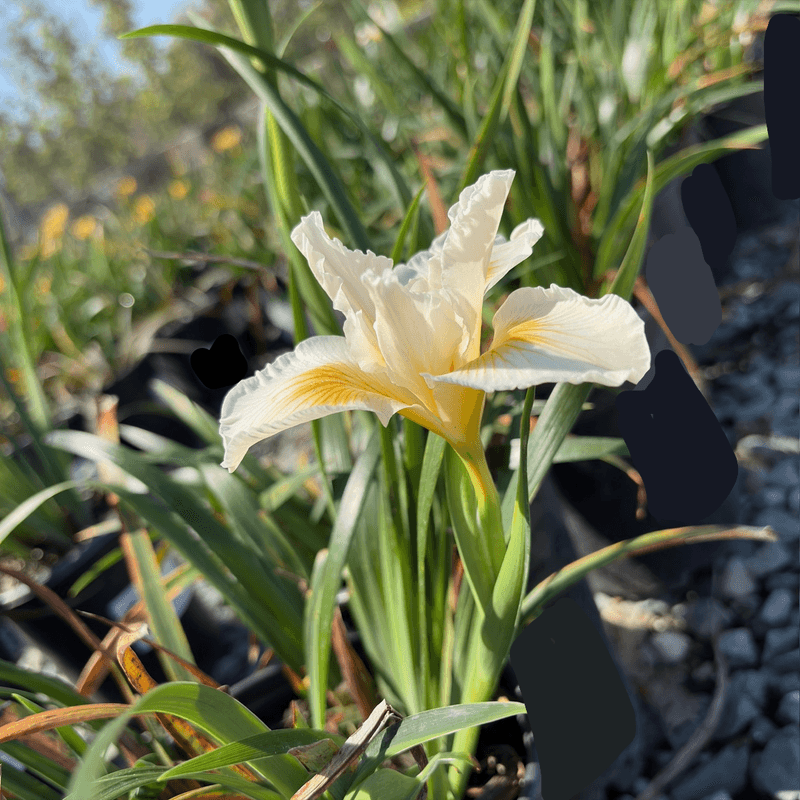
Purple flowers in dry shade under an oak tree sound almost too good to be true. Douglas iris makes it happen.
Every spring, this tough little iris sends up blooms in shades of purple, lavender, cream, and occasionally deep blue-violet. The flowers are elegant and delicate-looking, but the plant behind them is anything but fragile.
Douglas iris forms clumps of narrow, upright, grass-like leaves that stay green through most of the year.
The clumps grow slowly outward over time, eventually forming a dense mat that covers bare ground effectively.
Under an oak, where few plants can handle both deep shade and summer drought, this iris holds its own with quiet confidence. It is a plant that looks refined but requires almost no pampering once its roots are settled.
Getting it established takes one full year of attention. Plant in fall, and water regularly through the first dry season.
After that, the roots are deep enough to find moisture on their own. Avoid watering in summer once the plant is established, as summer irrigation can lead to root rot in the dry, well-drained conditions it prefers.
Divide clumps every few years to keep them vigorous and spreading. Douglas iris also works well along the edges of oak shade where it gets a little more light.
It pairs beautifully with other native groundcovers, creating a layered, natural-looking garden that requires almost no maintenance year after year.