9 California Native Perennials You Can Still Plant Before October Ends
Most gardeners put the trowel away when September ends and call it a season. Completely understandable, but also a little bit of a missed opportunity.
Here is something worth knowing: fall is actually one of the best times to get plants in the ground across the state, and native perennials in particular absolutely love going in right now.
Cooler temperatures take the pressure off young roots, winter rain does a lot of the watering work for you, and by the time spring rolls around your plants are settled, established, and ready to put on a serious show.
Meanwhile your neighbors are still waiting for planting season to start again.
October still has plenty of good gardening days left in it, and a handful of tough, beautiful California natives are genuinely waiting for a spot in your yard right now.
1. White Sage, The Silver Star Of Southern California
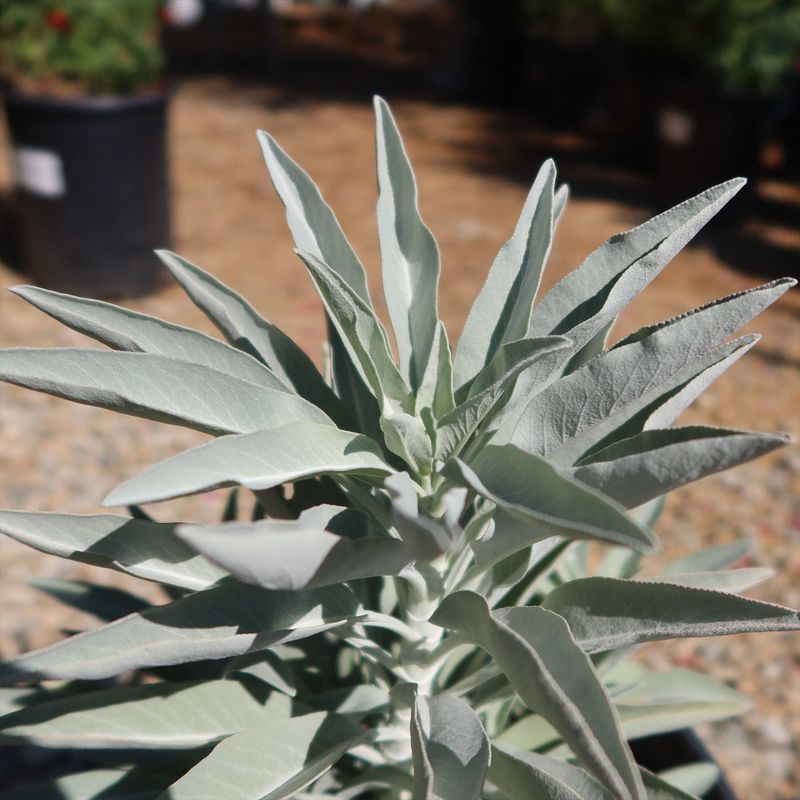
Brush your hand across a white sage leaf and your fingers will smell like a mountain hike. Those silvery leaves almost glow under the bright sun.
Salvia apiana grows wild in the dry hills of the southern part of the state. It loves heat, rocky soil, and very little water once it settles in.
October planting works well here. The soil is still warm, which helps roots spread before winter rain arrives.
Pick a spot with full sun and fast drainage. Heavy clay can cause root rot, so try a slope or a raised mound if your yard stays soggy.
Water your new plant about once a week through fall if rain is slow. After the first year, you can mostly let nature handle the job.
By late spring, tall flower stalks shoot up with pale blooms. Bees go wild for them, and you may spot tiny native bees you have not seen before.
Give it room to grow, since a happy plant can reach five feet wide. Skip the fertilizer, because rich soil makes it floppy and weak.
Here is a fun fact to share with friends. Native peoples have used this sage for generations, so treat the plant with respect and harvest only a few leaves at a time.
2. California Fuchsia Brings Hummingbird Fireworks
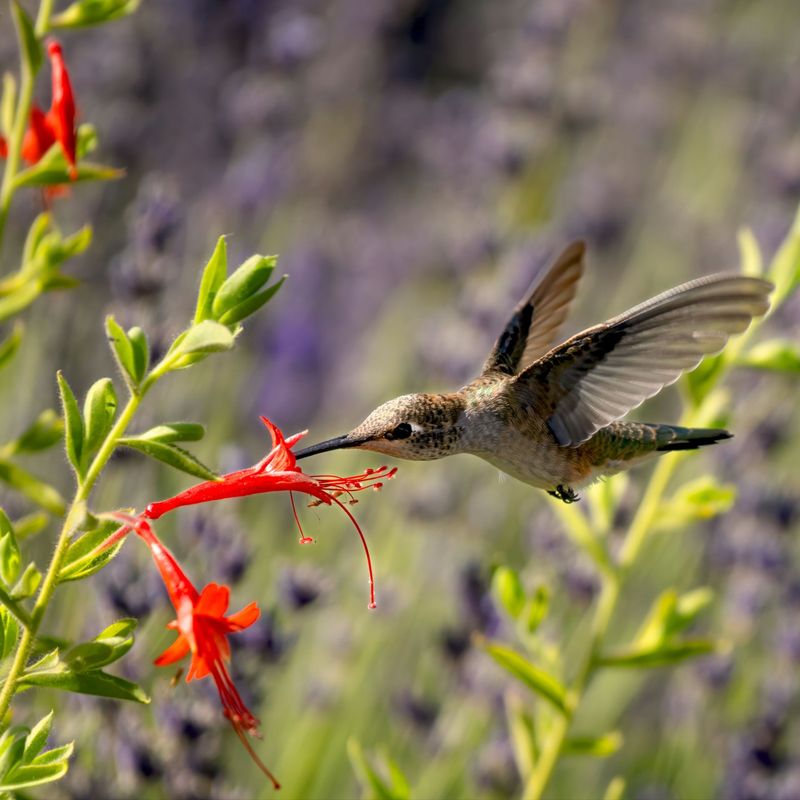
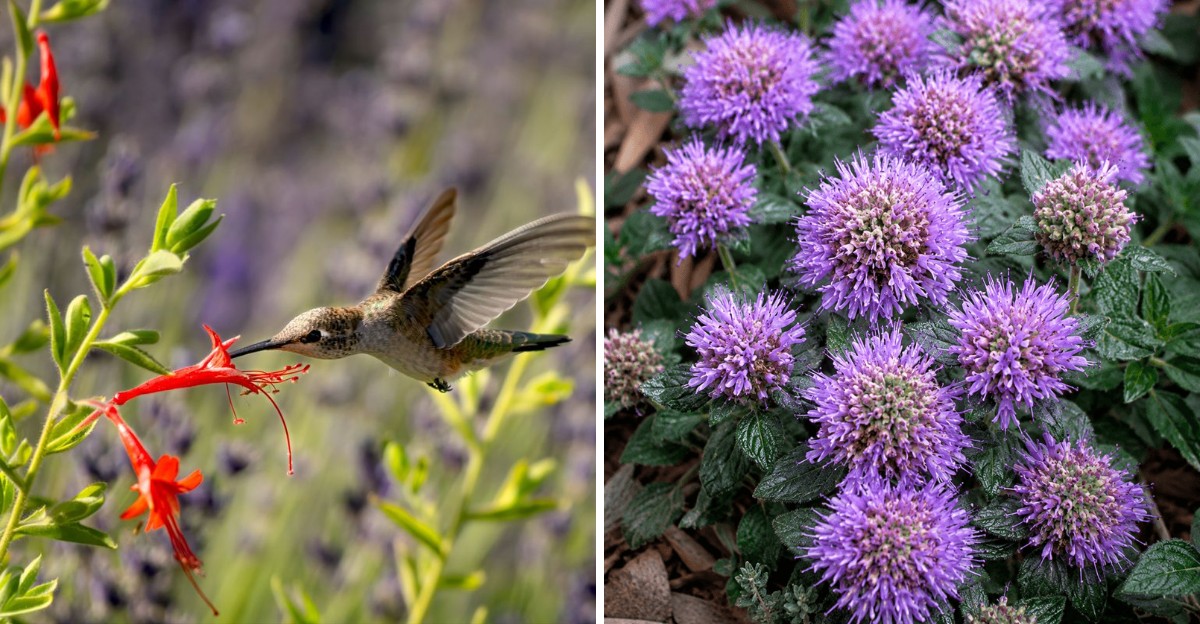
Picture a hummingbird zipping past your ear like a tiny jet. Chances are it is racing toward a patch of California fuchsia.
Epilobium canum blooms late summer into fall, when many gardens look worn out. Its bright red-orange tubes act like a snack bar sign for hummingbirds.
You might wonder why you would plant something that is already blooming. The answer is simple, roots grow fast in cool fall soil, and next year the show gets bigger.
Choose a sunny spot with soil that drains well. It handles poor, sandy ground like a champ and needs little water after the first summer.
Plants spread by underground runners. That makes them great for slopes, rock gardens, or the edge of a dry path.
Once blooms fade in late fall, cut stems down to a few inches. New green shoots will pop up in spring, fresh and tidy.
Your California Garden Changes Every Week. Your Plan Should Too.
Gardening in California changes quickly throughout the season. Every Friday you’ll receive a simple weekly plan showing exactly what to plant, prune, fertilize, harvest, and protect so you never miss the right timing.
Worried it might wander too far? Plant it where edges are easy to control, like beside a sidewalk or in a large pot.
Gardeners across the state love it for another reason. Deer usually leave it alone, so you get color without a nightly munching party.
Pair it with gray-leaved plants, and the red flowers really pop against the soft background.
3. Common Yarrow, Tough Little Lace Maker
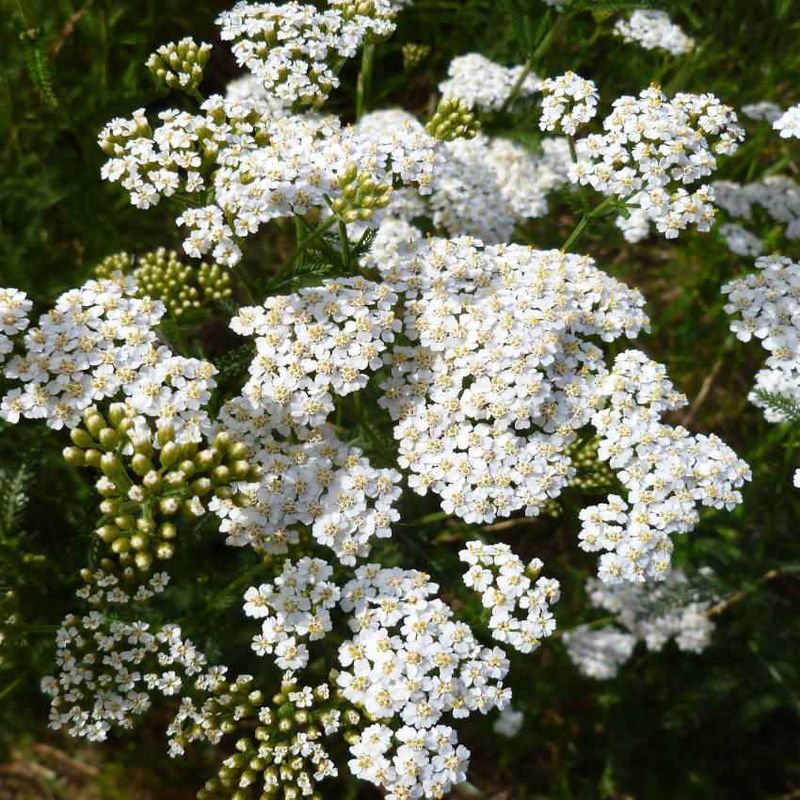
Some plants act like divas, and some act like good neighbors. Yarrow is the friendly neighbor who waters your plants while you are on vacation.
Achillea millefolium grows almost everywhere in the state, from beaches to mountain meadows. Its feathery leaves look soft, but the plant is tough as boots.
Fall planting gives yarrow a quiet season to build roots. By spring, flat clusters of tiny flowers rise above the leaves like lace doilies.
Plant it in sun or light shade. It takes clay, sand, and most soils in between without much fuss.
Here is a clever trick. Yarrow can stand in for a lawn if you mow it a few times a year, and it uses far less water than grass.
Butterflies, ladybugs, and helpful wasps all visit the blooms. Those good bugs then snack on aphids in the rest of your garden.
Plants spread slowly by roots, so dig and share clumps every few years. Your friends will thank you.
A bit of history makes it even cooler. The name comes from Achilles, the Greek hero, who was said to use it on wounds.
Snip faded flowers to keep new ones coming. Dried blooms also look great in a jar on the kitchen table.
4. Foothill Penstemon Paints The State Blue
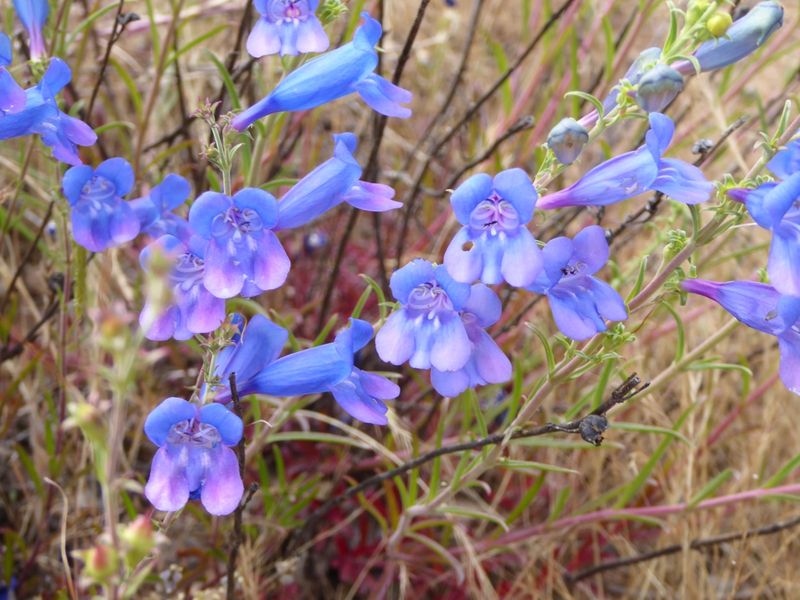
Blue is a rare color in the plant world. So when foothill penstemon bursts into bloom, it feels like finding treasure.
Penstemon heterophyllus grows in the dry foothills around the Golden State. Its flowers shift from sky blue to deep purple, often on the same stem.
Late October is a sweet time to plant it. The ground stays warm while cooler air keeps young plants from getting stressed.
Drainage matters more than anything else. Set it in sandy or gravelly soil, and avoid spots where water sits after a storm.
Water gently during its first fall and winter if rain is light. After that, too much summer water can make it fade early.
Plants stay fairly small, about one to two feet tall. That makes them perfect for the front of a border or a sunny pot on the patio.
Bees and hummingbirds visit the tube-shaped flowers all spring. You can almost hear the buzz from the kitchen window.
One tip many people miss is this. Penstemons tend to live only a few years, so let a few seeds drop, and new babies may pop up nearby.
Trim spent flower stalks after bloom for a neat look. Your plant will reward you with fresh leaves and maybe a second round of color.
5. Seaside Daisy, A Cheerful Gift From The Coast
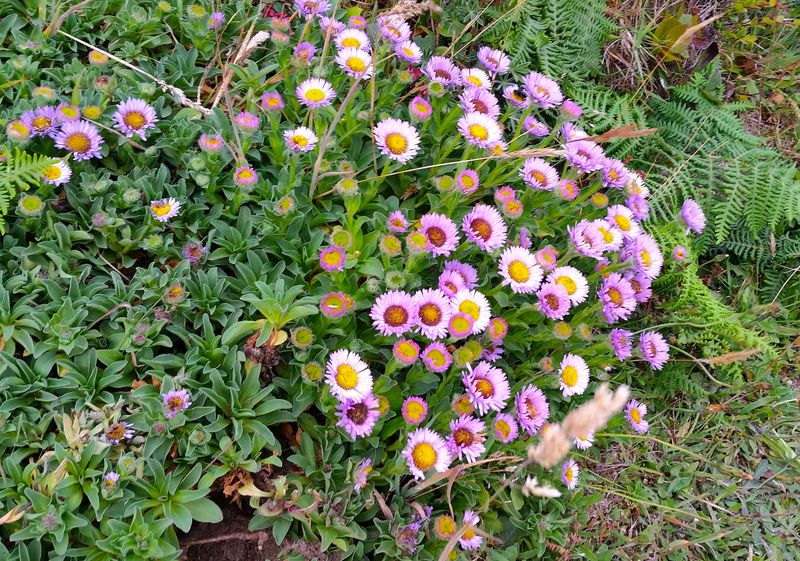
Close your eyes and imagine salty wind, crashing waves, and a patch of pink daisies waving from a cliff. That is where seaside daisy calls home.
Erigeron glaucus grows along the California coast, hugging bluffs and sandy edges. Its soft lavender petals circle a sunny yellow center.
If you live near the ocean, this plant will feel right at home. Inland gardeners can grow it too, as long as they offer afternoon shade.
Fall planting lets roots settle before winter storms roll in. You will likely see blooms by spring, and often on and off all year.
Plant it in well-drained soil and give it moderate water. It likes a drink more often than desert plants, but not a swamp.
Low, rounded mounds make it great for edging paths or tucking between stepping stones. It also spills nicely over the side of a container.
Want more flowers? Pinch off old blooms, and the plant will keep pushing out fresh ones.
Every couple of years, clumps can get a bit leggy in the middle. Just cut them back in late fall, and they bounce right back.
Butterflies love the open daisy shape. Kids do too, since the flowers are easy to spot and fun to count.
6. Coyote Mint, California’s Sweet-Smelling Secret
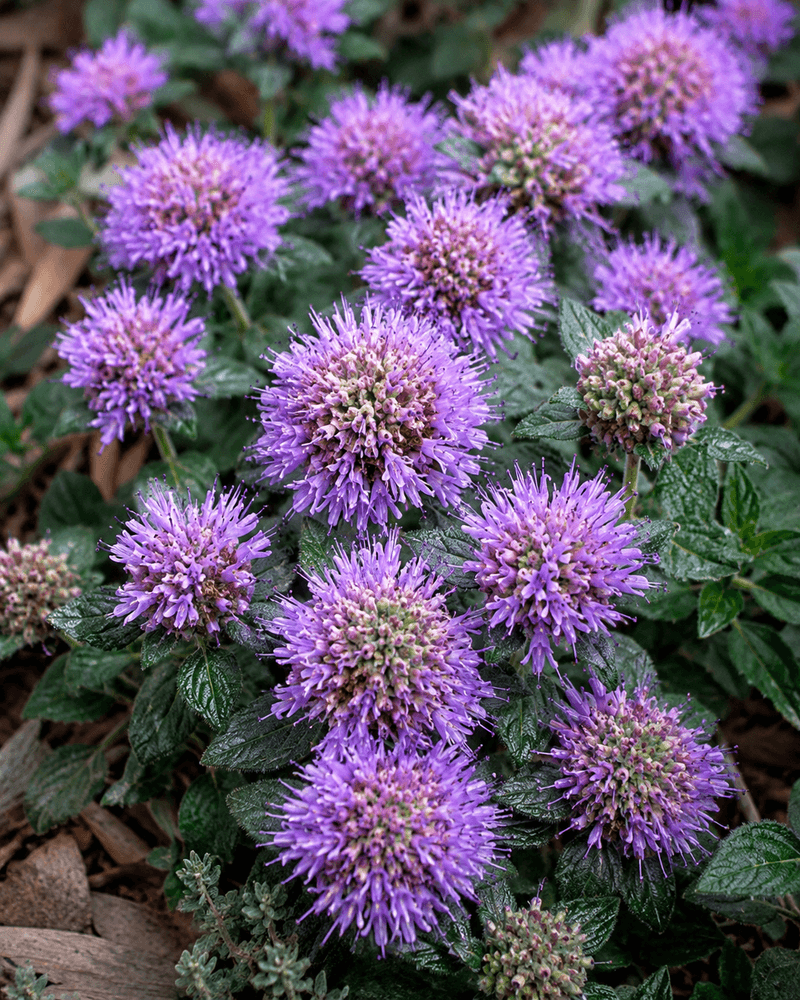
Crush a leaf of coyote mint, and you get a burst of fresh minty scent. It is like chewing gum for your nose.
Monardella villosa grows on rocky slopes and open woodlands. Its fuzzy leaves and puffy lavender flower heads look like tiny pom-poms.
Many gardeners have never heard of it, which makes it a fun conversation starter. Planting it in October gives you a head start on summer blooms.
Pick a sunny spot with well-drained soil. It can handle a little shade, especially in hot inland areas.
Once settled, it needs only light summer water. Too much can cause it to flop or rot at the base.
Flowers appear in early to mid summer. Butterflies swarm them, and so do busy native bees looking for nectar.
Here is a neat fact to share. Some native tribes brewed its leaves into tea for colds and upset stomachs.
Plants stay compact, around one to two feet tall. They fit nicely in rock gardens or near a bench where you can brush past and enjoy the smell.
After blooming, trim it back by about a third. That keeps it bushy and full for the next season.
Pair it with sages for a garden that smells amazing on warm evenings.
7. Blue-Eyed Grass Winks From California Meadows
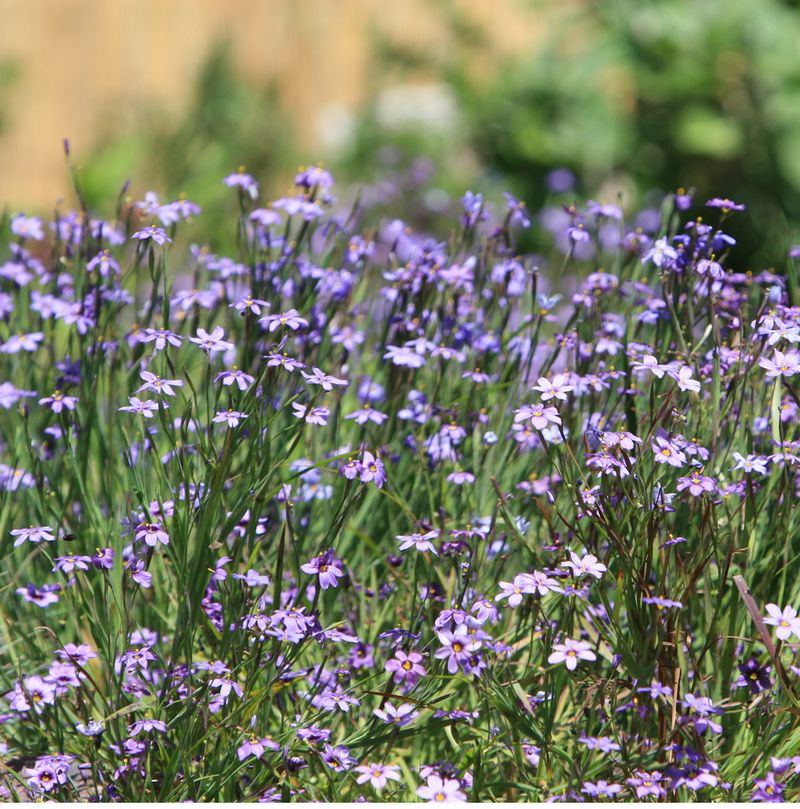
Here is a small riddle. What looks like grass, is not grass, and blinks tiny purple eyes at you each spring?
Sisyrinchium bellum is actually part of the iris family. Its skinny leaves fool many people, but its star-shaped flowers give it away.
This little charmer grows in grasslands all over the Golden State. It is easy, forgiving, and a great choice for new gardeners.
Fall is the ideal time to plant because it wakes up with winter rain. By early spring, flowers open each sunny morning and close in the evening.
Plant clumps about a foot apart in sun or part shade. It grows in clay, loam, and even sandy soil.
Summer is its rest time. Leaves may turn brown and dry, so just trim them back and wait for fall to bring it back.
Plants reseed on their own, filling gaps with new clumps. Think of it as free plants every year.
Try it along the edge of a path or tucked into a meadow planting. It also looks sweet in pots with other small wildflowers.
Kids love watching the flowers open. Set a spot near a window, and you can play a game of who spots the first bloom.
8. Sea Thrift Pops Up Pink Along California Shores
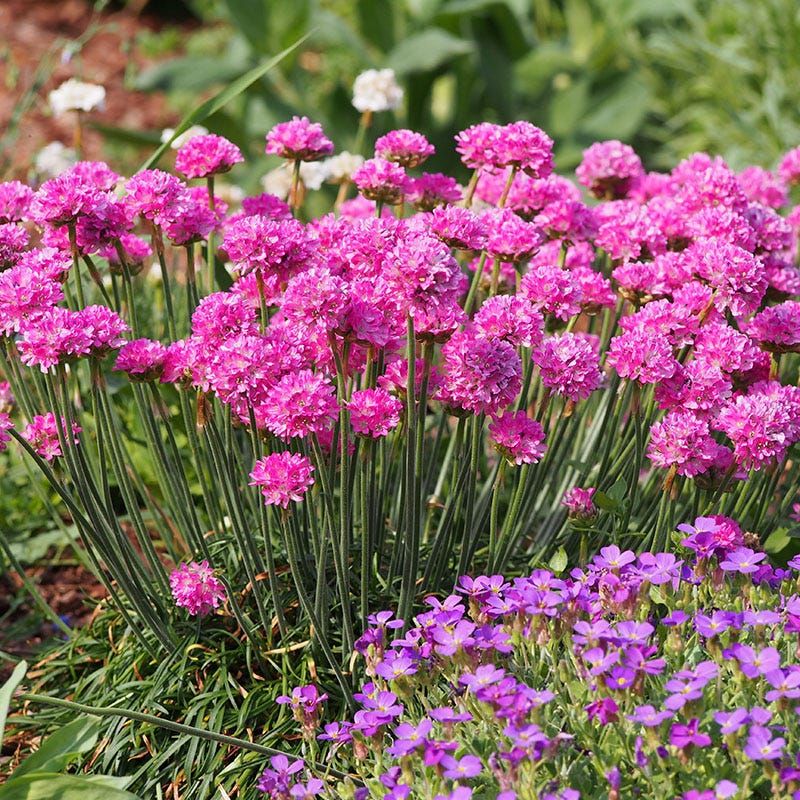
Tidy, round, and topped with pink puffballs, sea thrift looks like something from a storybook. Yet it is tough enough to handle salty sea spray.
Armeria maritima grows along rocky coasts, including bluffs in northern parts of the state. It forms tight green cushions of grassy leaves.
Worth noting is that its native status in California is occasionally debated among botanists, and it performs most reliably in coastal gardens rather than inland settings.
In spring, wiry stems hold up bright pink flower balls. They bob in the breeze like a crowd of tiny lollipops.
October planting helps it settle before cool, wet months. Give it full sun near the coast or a bit of afternoon shade inland.
Good drainage is key. Rocky or sandy soil works best, and wet feet can cause the center to rot.
Its small size makes it perfect for rock gardens, container edges, or gaps between pavers. You can fit a dozen in a small bed.
Once blooms fade, snip off the stems. Sometimes you will even get a second round of flowers.
Fun fact time. An old British coin, the threepence, once had sea thrift stamped on its back.
Water it lightly but regularly during hot spells. It likes a bit more moisture than desert plants, but it hates soggy soil.
Divide clumps every few years to keep them healthy and blooming strong.
9. Arroyo Lupine Lights Up Springs
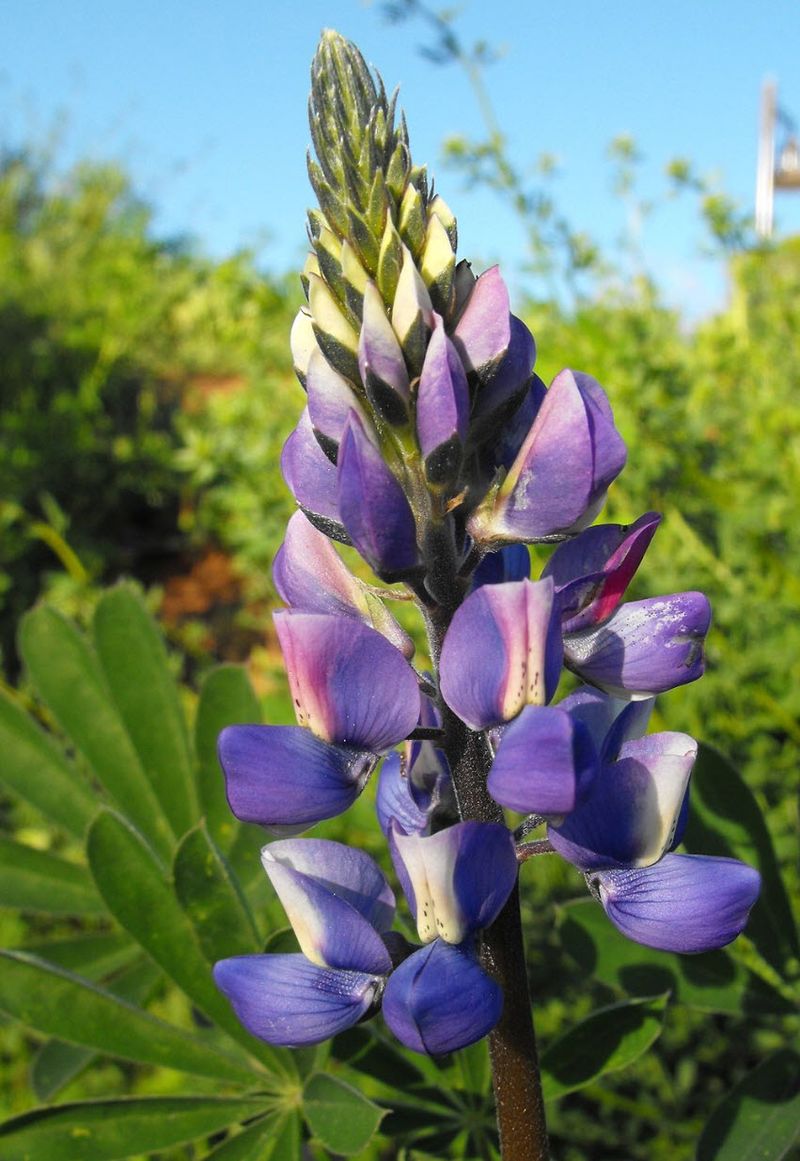
Drive along a California highway in March, and you may spot hillsides washed in purple and blue. Many of those colorful spikes belong to arroyo lupine.
Lupinus succulentus is a short-lived bloomer that often behaves like an annual. Still, it earns a spot on this list because fall is the magic window to sow it.
Seeds have a tough coat, so soak them overnight in warm water first. You can also nick them lightly with a nail file to help water get inside.
Scatter seeds in full sun during October or early November. Winter rain will do most of the work from there.
Plants grow fast, reaching two to three feet tall. Leaves look like tiny green hands and hold raindrops like jewels.
Here is something surprising. Lupines add nitrogen to the soil, which feeds nearby plants for free.
Bumblebees love the flowers and will crawl right inside them. It is fun to watch the blooms bend under their weight.
Let some seed pods dry on the plant. They pop open with a snap and sow next year’s crop on their own.
Pair lupines with poppies for a classic spring look. Your yard will feel like a slice of wild countryside.