Why California Salvia Plants Flop Over In Summer And The Simple Fix
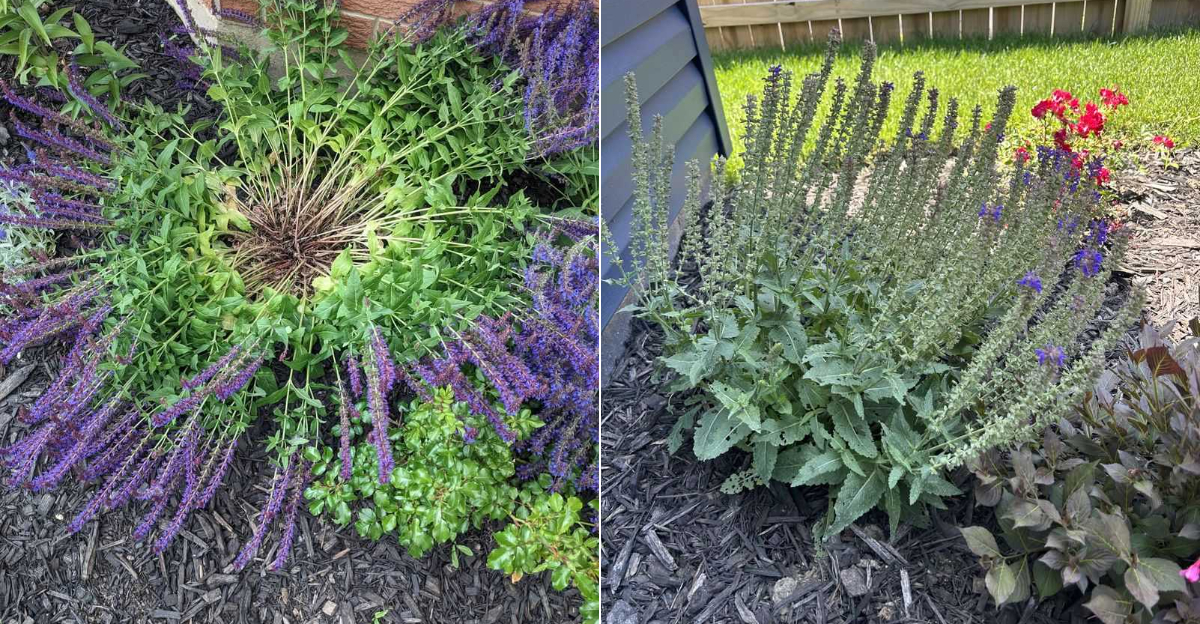
Salvia can look sturdy and colorful in spring, then suddenly lean like it lost all confidence once summer settles in.
California gardeners often see this when fast growth gets too tall before the plant has a chance to branch well.
Heat, rich soil, or too much water can make the stems even softer. The result is a plant that still wants to bloom but cannot hold its shape.
Luckily, the fix is usually simple and does not require starting over. A well-timed trim can help salvia grow fuller instead of stretching.
Better spacing can also give the plant more light and airflow. Once you know why it flops, summer salvia care becomes much less frustrating.
A few small changes can keep those flowers standing proud through the hot months.
1. Spent Flower Spikes Can Pull Salvia Plants Down
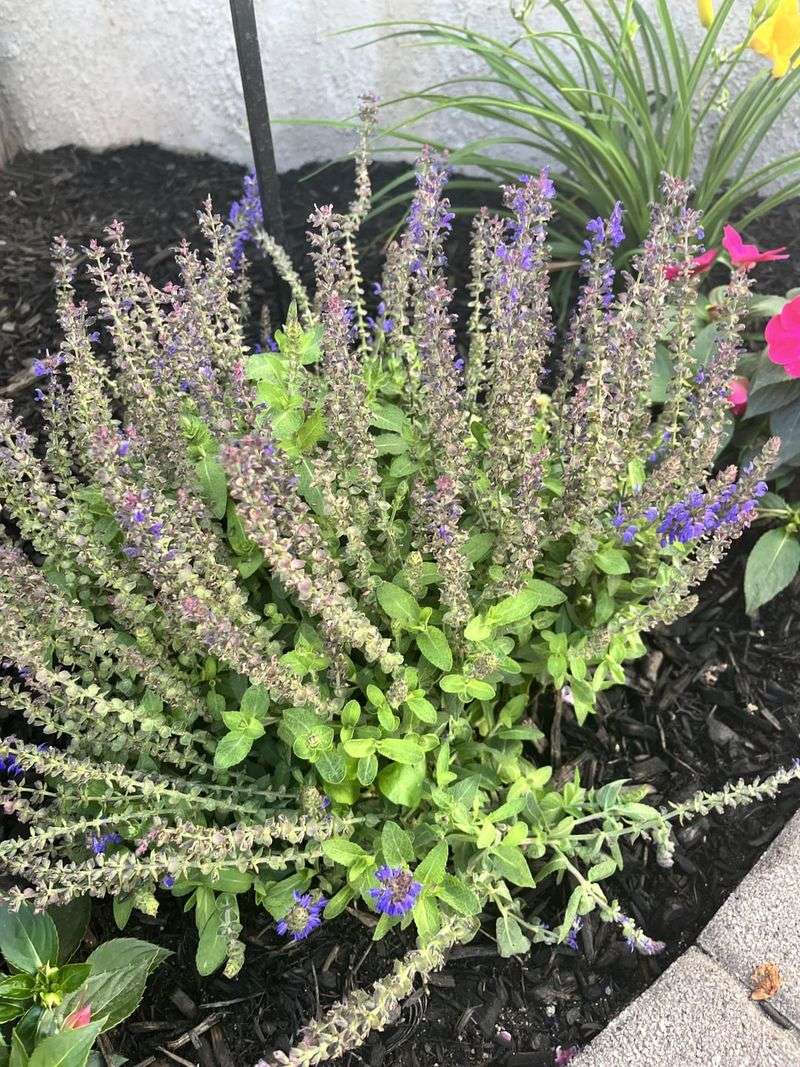
Old flower spikes are sneaky troublemakers. Once salvia blooms fade and dry out, those long stems do not just disappear.
They stay attached to the plant and slowly get heavier as they dry, especially when dust and debris collect on them.
Over time, the weight of multiple spent spikes adds up. The plant cannot hold all that extra load upright, so the stems start to lean.
Before long, the whole plant looks like it gave up and decided to take a nap on the ground.
The fix is simple. Grab a pair of clean garden shears and cut off those old flower spikes as soon as the blooms fade.
Do not wait until they are fully brown and dry. Removing them early keeps the plant lighter and encourages new flower growth from lower on the stem.
Many California gardeners are surprised by how quickly their salvia bounces back after a deadheading session.
Within a week or two, fresh new growth usually appears, and the plant stands much more upright.
Make deadheading a regular habit through the warm months. Set a reminder to check your plants every two to three weeks during peak bloom season.
A few minutes of trimming can save you from dealing with a completely collapsed plant later on. It is one of the easiest garden tasks with one of the biggest payoffs.
2. A Light Summer Cutback Keeps Salvias Upright
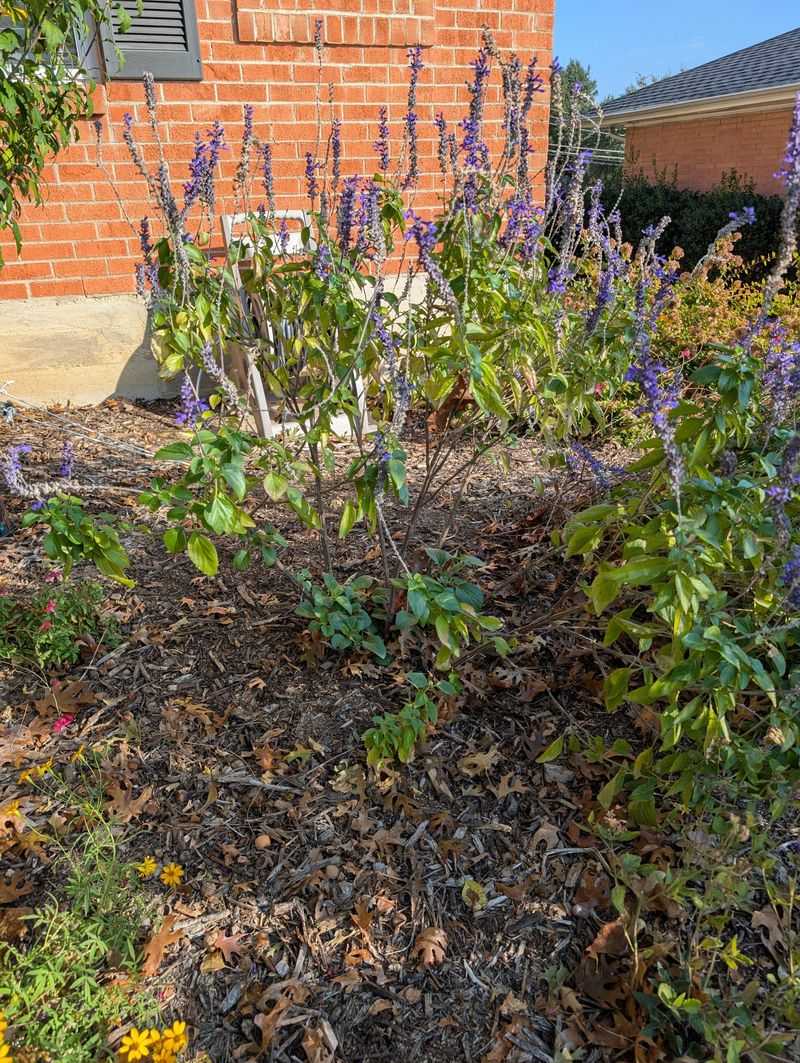
Sometimes deadheading alone is not enough. When salvia plants have been growing all spring without much trimming, the stems get long, woody at the base, and floppy by midsummer.
That is when a light cutback makes all the difference. A summer cutback means trimming the plant back by about one third of its total height. You are not cutting it down to nothing.
You are just removing the long, tired top growth so the plant can redirect energy into fresh, compact stems.
Timing matters here. The best window for a light summer trim in California is usually after the first big flush of blooms fades, which often happens in late spring or early summer.
Cutting back at this point gives the plant enough warm weather to push out a second round of growth and flowers before fall arrives.
Your California Garden Changes Every Week. Your Plan Should Too.
Gardening in California changes quickly throughout the season. Every Friday you’ll receive a simple weekly plan showing exactly what to plant, prune, fertilize, harvest, and protect so you never miss the right timing.
Use clean, sharp pruners for this job. Dull blades can crush stems instead of cutting cleanly, which opens the door to disease.
After trimming, give the plant a good deep watering to help it recover and push new growth.
Most salvia varieties respond really well to this kind of trim. Within a few weeks, you will notice tighter, bushier growth coming in from lower on the plant.
That new growth tends to be much more upright and sturdy than the floppy stems you removed. A little haircut goes a long way.
3. Cut Back To Fresh Green Growth, Not Bare Wood
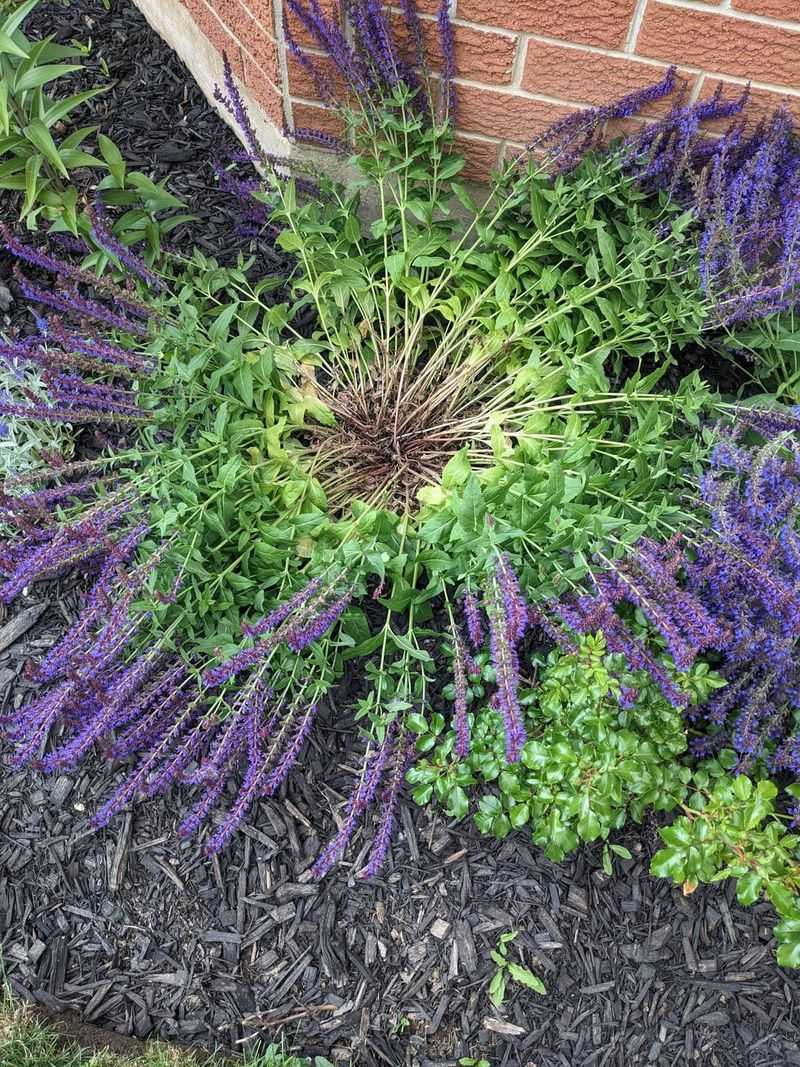
One of the biggest pruning mistakes California gardeners make with salvia is cutting too far down into the woody base of the plant.
Woody stems on salvia do not always push out new growth the way softer stems do. Cut too low, and you might end up with a plant that struggles to recover.
The key is to always cut back to a point where you can see fresh green leaves or new growth buds on the stem. That green zone is where the plant has active energy.
Cutting just above that point encourages the plant to branch out from there and grow back fuller and more upright.
Look closely at your salvia stems before you start cutting. Near the base, stems are usually thick, grayish, and bare.
As you move up toward the tips, you will start to see green leaves and small side shoots. That green area is your target zone for cutting.
Different salvia varieties handle hard pruning differently. Some, like Salvia leucantha, are more tolerant of being cut back.
Others prefer lighter trims. When in doubt, err on the side of cutting less. You can always take a little more off, but you cannot put stems back once they are gone.
After a proper cutback to green growth, most plants bounce back quickly. Keep the soil lightly moist for the first week or two after pruning to support healthy regrowth.
New stems that emerge after a correct cutback tend to be compact, strong, and far less likely to flop.
4. Too Much Water Can Make Salvia Stems Weak
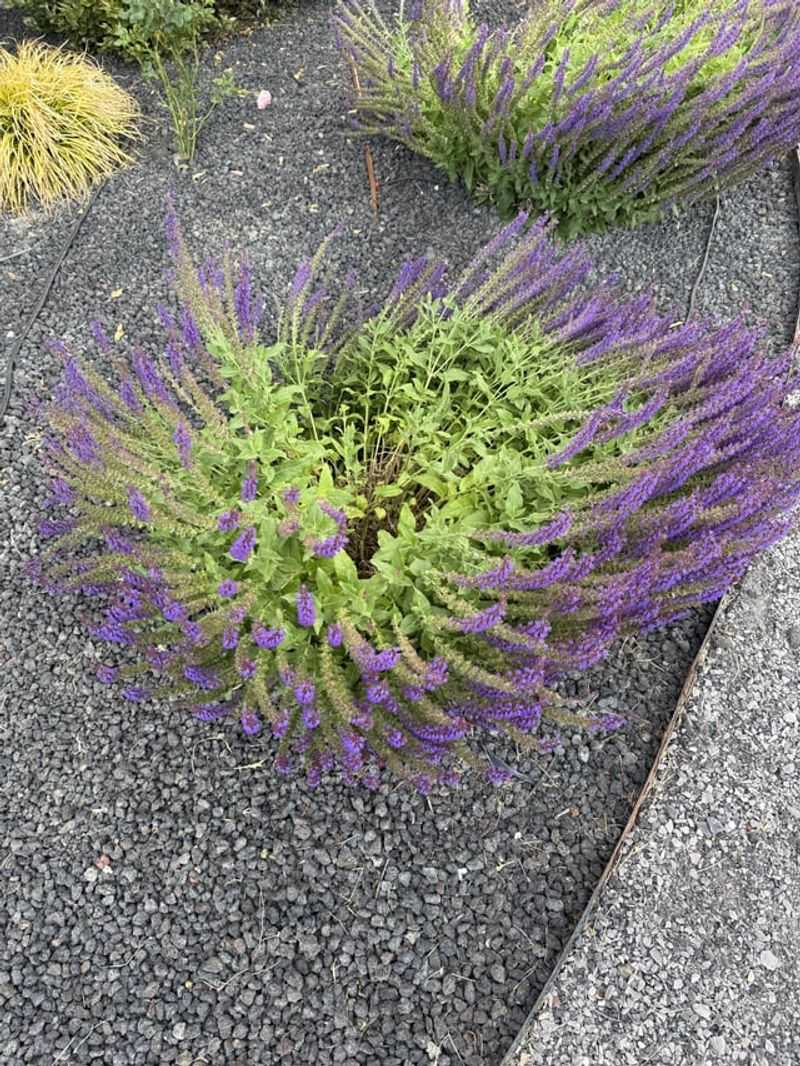
Salvia is a drought-tolerant plant at heart. It evolved in dry, rocky conditions where water is not always easy to find.
When you give it too much water, something unexpected happens. The stems grow fast but soft, almost like they puffed up too quickly to stay firm.
Overwatered salvia stems lack the density and strength of stems that grew more slowly in drier conditions.
They might look lush and full at first, but they tend to flop over easily under their own weight, especially once the plant loads up with flower spikes in summer.
Check your watering schedule honestly. In California, established salvia plants often need water only once a week or even less during summer, depending on your soil and location.
If your garden gets regular irrigation or you are watering on a timer, your salvia might be getting far more than it needs.
Let the soil dry out between waterings. Stick your finger about two inches into the soil near the plant.
If it still feels damp, hold off on watering for another day or two. Salvia roots actually go deeper in search of moisture when the top layer dries out, which makes the plant stronger and more self-sufficient over time.
Cutting back on water often firms up stems noticeably within a couple of weeks.
Combine drier conditions with a light pruning and you will likely see your salvia standing much more upright than before. Less water truly means a stronger plant here.
5. Rich Soil Can Push Floppy Growth Instead Of Flowers
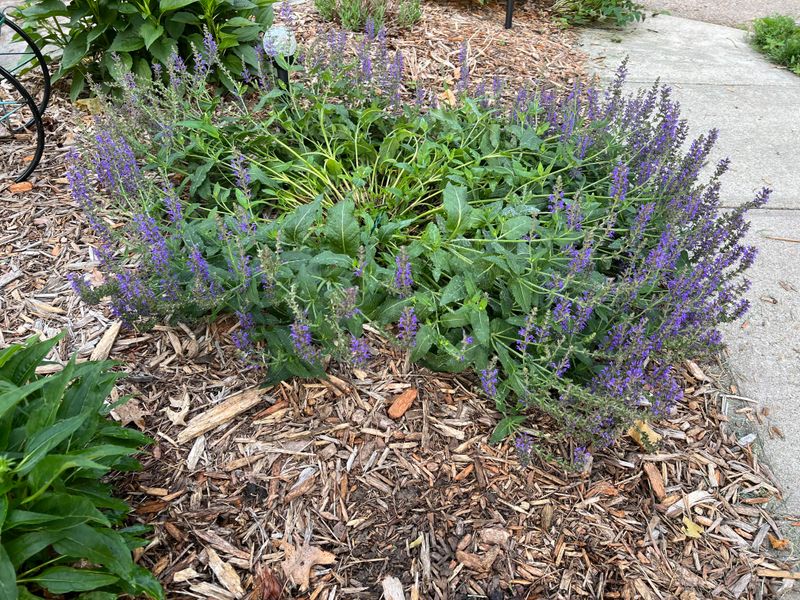
Salvia does not need fancy soil to thrive. In fact, planting it in overly rich, heavily amended garden beds can actually work against you.
When soil is packed with nutrients, salvia tends to put all its energy into making leaves and long stems rather than flowers.
That leafy, fast growth sounds nice at first. But stems that grow quickly in rich soil tend to be soft and stretchy.
They reach upward fast, get tall, and then flop over because the plant did not have time to build strong, sturdy tissue along the way.
California has a wide range of native soils, and many of them are actually well-suited for salvia without any changes. Sandy or loamy soil with decent drainage is often ideal.
If you added compost or a rich planting mix when you put your salvia in the ground, that might be part of why it keeps flopping.
You cannot remove nutrients from soil once they are in, but you can stop adding more. Skip the compost top-dressing around your salvia.
Let the soil lean toward the leaner side. Over time, as the plant uses up available nutrients, growth will naturally become more compact and upright.
If floppy growth is a recurring issue in a specific bed, consider moving the plant to a spot with naturally poorer, well-draining soil.
Sometimes a location change solves the problem entirely and gives the plant the lean conditions it truly prefers to thrive.
6. Too Much Fertilizer Makes Salvias Stretch And Collapse
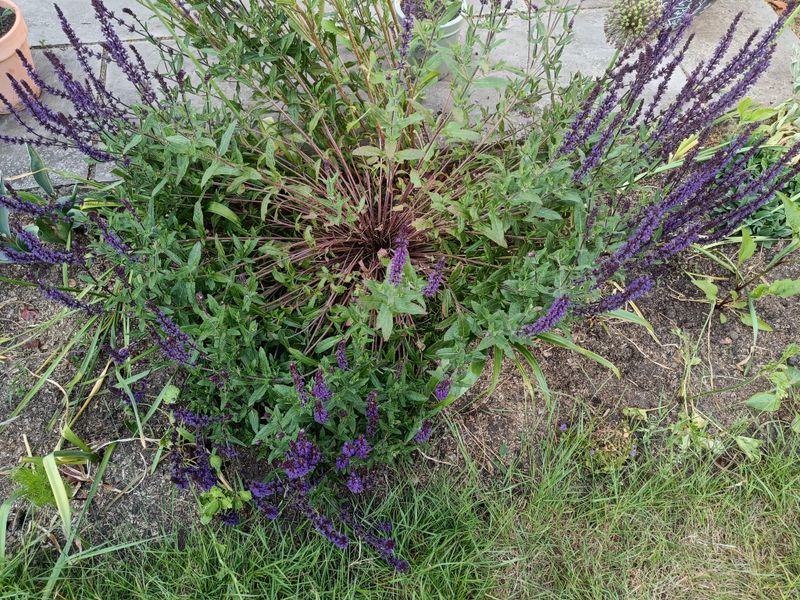
Fertilizer seems like it should always help plants grow better. For salvia, though, too much of it creates more problems than it solves.
Heavy feeding pushes rapid, spindly growth that looks impressive at first but quickly becomes too tall and weak to support itself.
Nitrogen is the biggest culprit. It is the nutrient most responsible for leafy, fast growth.
When salvia gets a big dose of nitrogen, it shoots upward quickly. The stems are long and thin, the leaves are large and dark green, and the whole plant looks lush.
Then comes the flop. Most established salvia plants in California do not need fertilizer at all. The dry, lean conditions of our climate are actually what salvia prefers.
If you have been feeding your salvia regularly with a balanced fertilizer or a high-nitrogen blend, try stopping completely for the rest of the season.
Instead of fertilizer, focus on good pruning and proper watering. Those two things do far more for salvia health and structure than any product from a bag or bottle.
If you feel like you must feed your plant, use a low-nitrogen, bloom-boosting fertilizer very sparingly, maybe once in early spring and nothing more after that.
Over-fertilized plants often recover well once the feeding stops. New growth that comes in after you cut back on fertilizer tends to be shorter, sturdier, and much more upright.
Your plant will look tidier and hold itself up far better through the rest of summer.
7. Not Enough Sun Can Leave Stems Tall And Loose
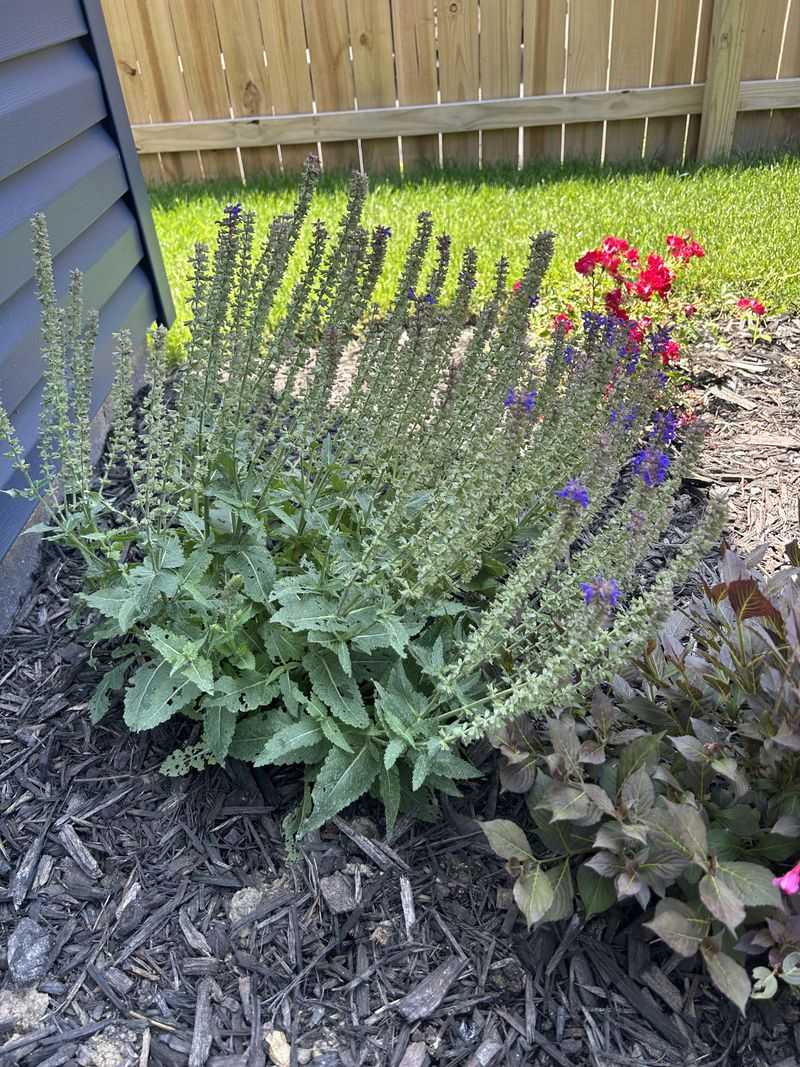
Salvia is a sun-lover through and through. Put it in a spot with too much shade, and it will spend all its energy reaching toward whatever light it can find.
That reaching behavior creates exactly the kind of tall, loose, floppy stems that frustrate gardeners every summer.
Plants that do not get enough light go through a process called etiolation. Basically, they stretch themselves out trying to reach more sun.
The stems grow longer than they should, the spaces between leaves get bigger, and the overall structure of the plant becomes weak and unstable.
Most salvia varieties need at least six to eight hours of direct sunlight each day to grow compactly and stay upright.
If your plant is under a tree, next to a fence, or in the shadow of a taller shrub, it might not be getting enough light to stay strong through summer.
Observe your garden at different times of day to see how light moves across your beds. Morning sun is gentler, but afternoon sun in California can be intense.
Salvia handles that intensity well and actually prefers it over shade.
If your salvia is in a container, moving it to a sunnier spot is easy. For in-ground plants, pruning back nearby shrubs or trees that cast shade can help a lot.
Giving your salvia more direct sun often produces a noticeable improvement in stem strength and overall plant posture within just a few weeks.
8. Crowded Plants Flop When Airflow Is Poor
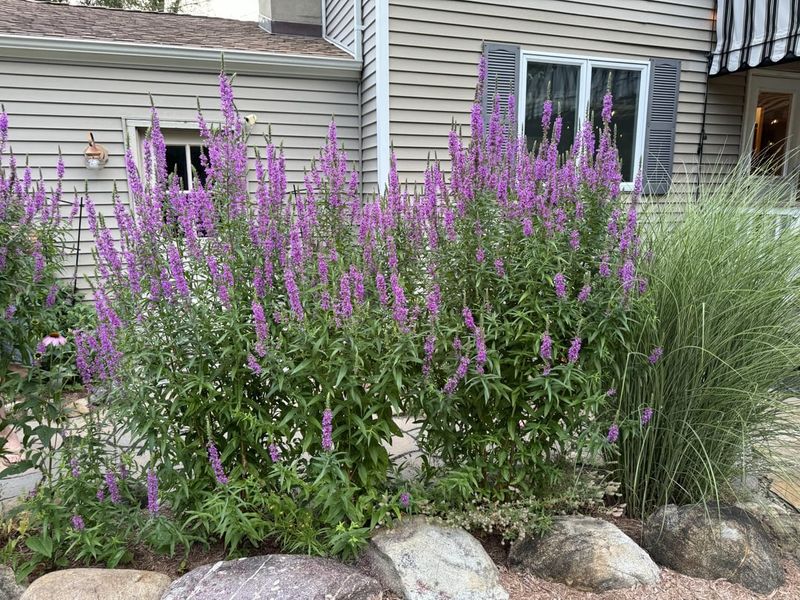
Planting too close together is a surprisingly common cause of floppy salvia. When plants are crowded, they compete for light, water, and space.
Each plant ends up leaning outward to find room, and the result is a whole bed of stems pointing in every direction except straight up.
Poor airflow makes things worse. When plants are packed tightly, air cannot move freely between them.
Stems stay damp longer after watering or rain, which softens them over time. Soft, moisture-logged stems simply cannot hold the plant upright the way firm, dry ones can.
Salvia plants generally need at least two to three feet of space between them, depending on the variety. Some larger types, like Salvia apiana, need even more room.
Check the spacing on your plants and be honest about whether they have enough breathing room to grow the way they should.
Thinning out a crowded bed can feel a little painful, especially when plants look healthy. But removing one or two plants to give the others more space almost always improves the overall look and health of the whole bed.
The remaining plants quickly fill in the gaps with stronger, more upright growth.
After thinning, give each plant a light trim to encourage compact regrowth. With better spacing and airflow, stems dry out faster after watering, stay firmer, and grow more vertically.
A less crowded bed is a healthier, tidier bed, and your salvia will stand tall to prove it.