Why Pollinator-Friendly Fall Gardens Are Becoming More Valuable In Alabama
Most pollinators don’t disappear when November arrives in Alabama. They simply run out of options. Nothing forces your garden to shut down completely once the first frost hits.
A few flowers keep blooming straight through November in Alabama. Bees still forage on warm afternoons, and hoverflies and the occasional late butterfly drift through gardens long after summer fades.
Beneficial insects need real shelter now, because winter is close. Late-blooming asters and mistflower feed hungry stragglers for the last weeks before a hard freeze.
Skipping fall cleanup helps overwintering insects endure. Leaving seed heads and hollow stems standing gives them food and shelter through winter, and leaf litter gives them somewhere to hide. Timing decides which insects make it to spring.
Every plant you add now quietly shifts next year’s population balance. November is prime planting season in Alabama, and your choices this month carry unusual, lasting weight.
Few gardeners realize how much power they hold. Right now, your choices can still change everything that follows. What you plant this month decides who lasts.
1. Late Blooms Provide Crucial Last-Chance Pollinator Food
Picture your garden on a mild November afternoon. A few bees are still working the flowers, which means pollinators have found what they need to survive the final stretch of warm weather.
Late-season flowers are not just pretty. They are lifelines for bees that must build energy reserves before temperatures drop for good.
By November, goldenrod has mostly gone to seed, so it is better planted now for next year’s late-season supply. Seed heads left standing still feed birds and shelter insects.
In the meantime, late asters, mistflower and frostweed carry the load, and witch hazel is just beginning to open.
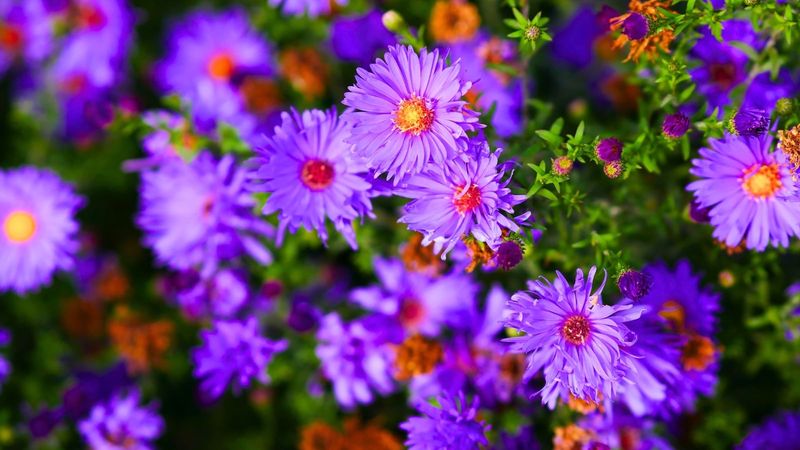
Asters are still a powerhouse. Their purple and white flowers can stay open into November, giving foragers one last reliable stop.
Without these plants, pollinators face a serious food gap. That gap can weaken bees heading into winter.
Even a small patch of late bloomers makes a measurable difference. Some research suggests that late-season nectar can influence how well bee populations recover the following spring.
Alabama’s mild autumns extend the feeding window longer than in northern states, and in much of the state frost is only now arriving. Your garden still has time to matter.
You do not need a big yard to help. A few containers of late-blooming native asters on a porch can feed a steady stream of visiting bees on warm days.
Think of November blooms as the last meal before a long winter. Pollinators that eat well now are the ones that show up strong next year.
2. Native Bees Rely On Late Flowers And Safe Shelter Before Winter
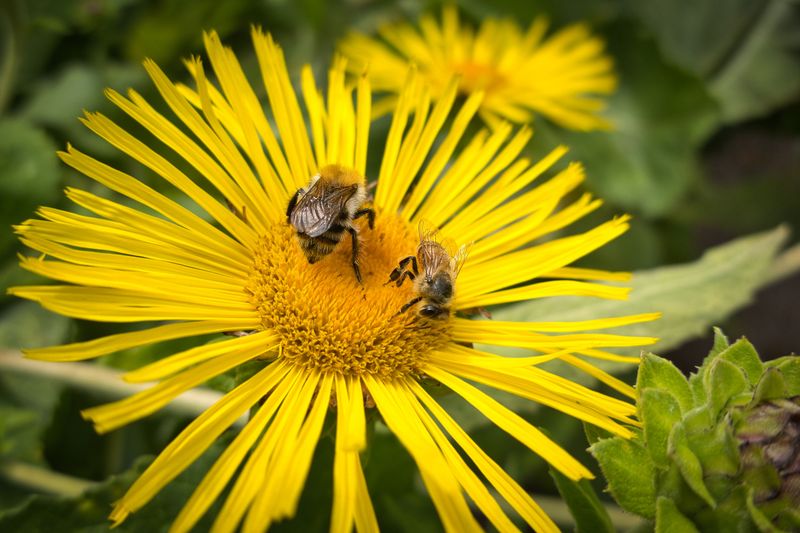
Most people think of honeybees when they hear the word bee. But Alabama is home to a wide range of native bee species, and their winter survival story is just as compelling.
By November, most native bees are either tucked away for winter or in their final days. Mason bees are already sealed in nests as cocoons, and many sweat bees and long-horned bees are finishing their last foraging flights.
The late flowers still matter to the ones that remain. Queen bumblebees are the most critical group to support.
They are the only members of the colony that survive winter, and they typically settle into sheltered spots to go dormant after loading up on nectar in early fall.
A queen that cannot find enough food and shelter in the fall will struggle to start a healthy colony next spring. This can affect crop pollination and wild plant reproduction more broadly.
Native bees are also better pollinators than honeybees for many local plants. Their body shapes and foraging habits match Alabama’s native flora in ways that imported species cannot replicate.
November is the time to plant native perennials, shrubs and seed so that overlapping bloom windows are ready next year. Staggered bloom times mean more bees get fed over a longer stretch of weeks.
Leaving some bare soil, leaf litter and brush piles also helps. Many native bees nest underground or in stems and need undisturbed patches to survive winter.
Supporting these bees is one of the smartest investments a gardener can make. Their pollination work contributes to the food system and wild ecosystems that people depend on daily.
3. Late Monarch Butterflies Still Pass Through Alabama
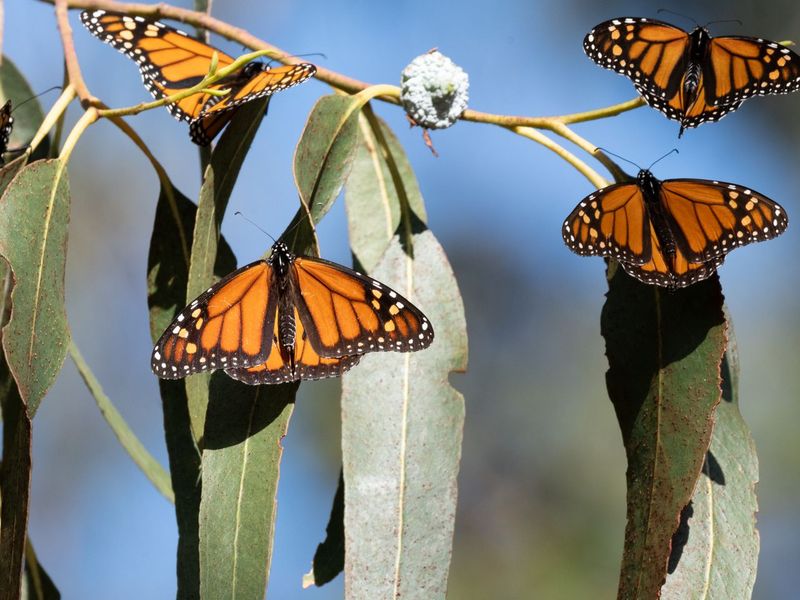
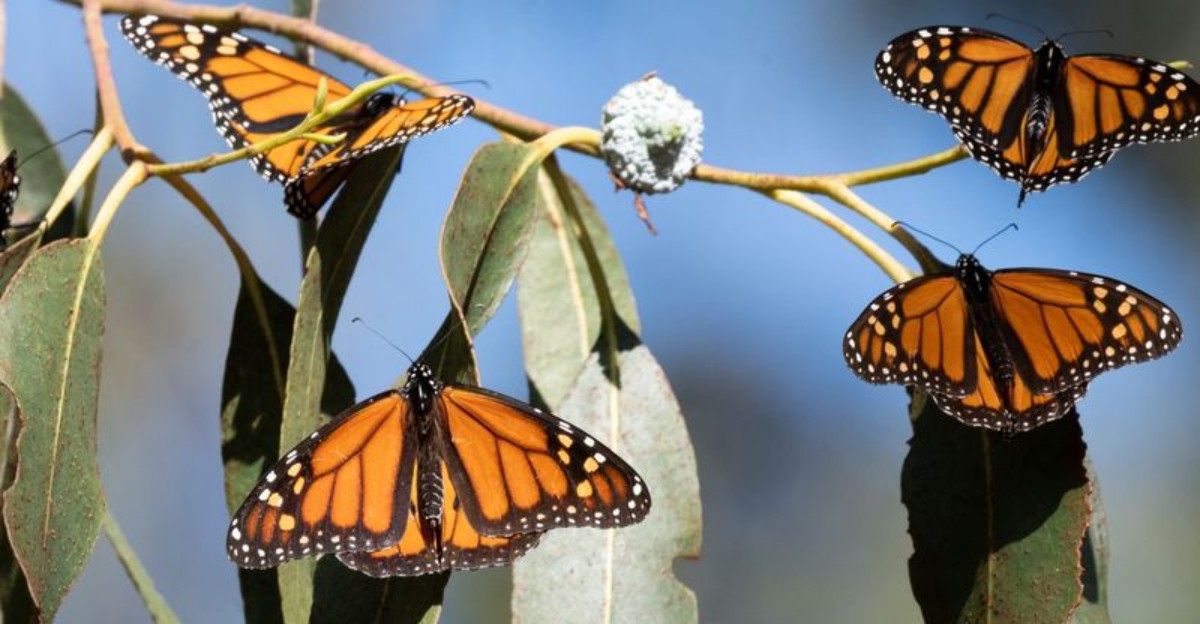
Every fall, one of the continent’s longest insect migrations passes through Alabama. Monarch butterflies travel thousands of miles from the northern United States and southern Canada to central Mexico, and they need pit stops along the way.
By November, the main wave has already passed. Straggling monarchs can still appear, especially in southern Alabama and along the Gulf Coast, and they arrive tired and low on fuel.
Monarchs burn enormous energy during migration. Without reliable nectar sources, late migrants cannot complete the journey in healthy condition.
Late-blooming nectar plants matter most now. Mistflower, late asters, frostweed, and any surviving salvias are among the best choices for passing monarchs. Zinnias and other frost-tender flowers fade quickly this time of year.
Monarch populations have declined significantly over the past few decades, according to conservation researchers. Habitat loss along the migration corridor is widely considered one of several major factors driving that decline.
Your garden can act as a bridge in that corridor. Even a small patch of the right flowers can help a late monarch finish its journey.
November is also a good time to sow native milkweed seed, which needs winter cold to germinate.
That sets up your garden to support next year’s migration, whose peak travel weeks are September and October. Watching a late monarch land on a flower you planted is a memorable moment.
Joining local monarch watch programs is a great next step, since citizen science data from Alabama gardeners helps researchers track population trends and identify the most important stopover zones.
Pollinator-friendly gardens in Alabama are not just local projects. They are links in a chain that stretches from Canada to Mexico every single year.
4. Habitat Loss Makes Garden Refuges More Important
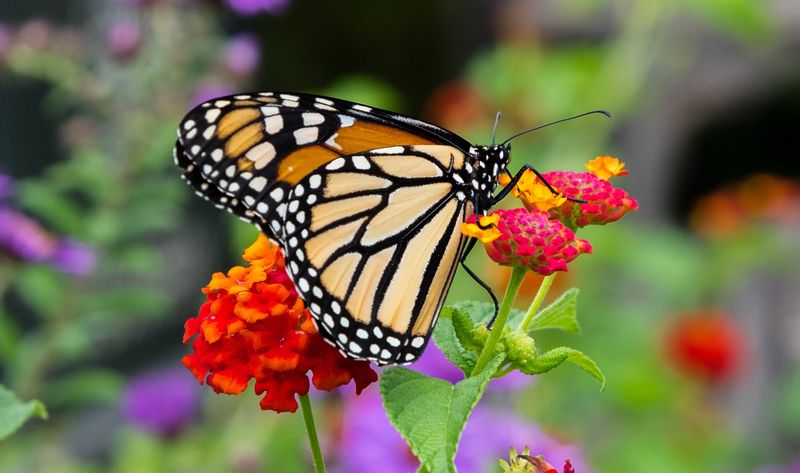
Wild spaces across Alabama have been shrinking for decades. Forests, meadows, and wetlands give way to roads, buildings, and parking lots at a pace that leaves pollinators with fewer safe places to go.
That pressure makes private gardens more important than ever before. What used to be a bonus for wildlife is now closer to a necessity.
Fragmented habitats are especially hard on pollinators. When green spaces are separated by long stretches of pavement, bees and butterflies cannot travel safely between them.
Gardens act as stepping stones across that fragmented landscape. A row of pollinator-friendly yards can create a connected corridor that allows insects to move, feed, and overwinter.
Urban and suburban areas in Alabama are growing quickly. The good news is that the yards in those areas can replace some of what development takes away.
Native plants are the key ingredient. They provide the specific pollen, nectar, and shelter that local pollinators evolved to use over thousands of years.
November is an ideal time to put them in the ground, because cool weather and winter rain help roots establish.
A single backyard planted with natives can support surprising levels of biodiversity. Small urban gardens with a diverse mix of native plants can support a surprising number of bee species.
Neighborhood gardens that connect to each other multiply this effect. When several houses on the same street go pollinator-friendly, the combined habitat becomes far more powerful than any single yard alone.
Every new pollinator garden chips away at the damage caused by habitat loss. That quiet act of planting carries more weight than most people realize.
5. Fewer Chemicals In Late Fall Gardens Help Pollinators Thrive
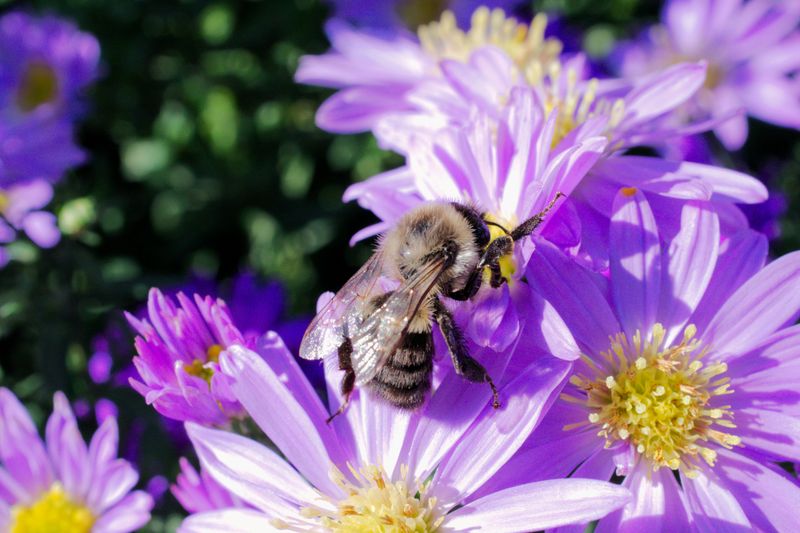
November gardens have far fewer pest problems than summer ones. Cool temperatures slow or stop many insects that damage plants, so there is rarely a reason to reach for a spray.
That reduction in chemical use is a big win for pollinators. Pesticides, even ones labeled safe for gardens, can harm bees and butterflies in ways that are not always visible right away.
Systemic insecticides are especially dangerous. They move through plant tissue and end up in pollen and nectar, poisoning the very resources that pollinators come to collect.
Those residues can persist into the next season, so keep them out of your garden now.
Choosing native plants naturally reduces the need for pest control. These plants evolved alongside local insects and developed their own defenses over thousands of years.
Organic mulch and compost improve soil health without introducing harmful chemicals. November is a great time to apply both, and healthy soil grows stronger plants that resist pests on their own.
Hand-picking pests and using water sprays for aphids are effective low-impact alternatives. These simple methods protect your garden without leaving toxic residues on flowers.
If you must treat a plant, do it in the evening when pollinators are less active, and never when cold-sluggish insects are sheltering on or near it. That timing significantly reduces the chance of direct exposure.
Switching to a chemical-light approach also benefits your family and pets. The same compounds that harm pollinators can linger in soil and runoff, affecting far more than just the insects you were targeting.
A cleaner garden is a safer space for everyone. Pollinators notice the difference almost immediately, and so will you.
6. Longer Blooming Seasons Support Broader Pollinator Diversity
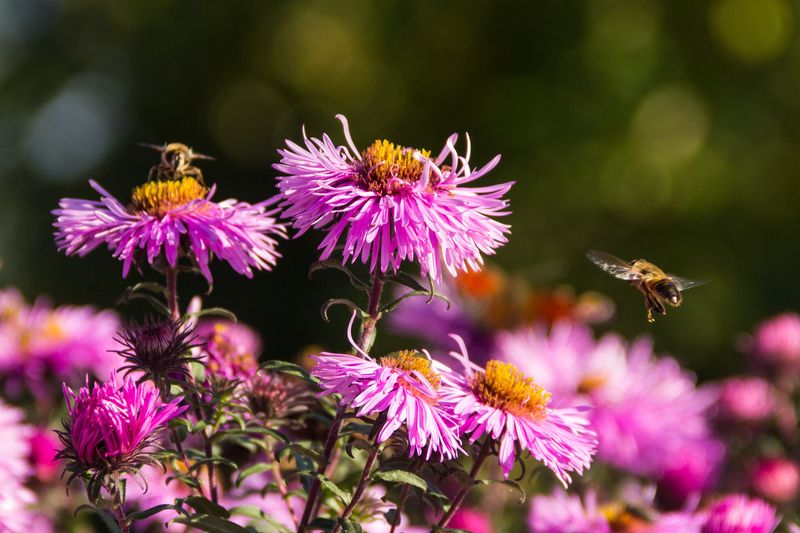
Alabama’s climate offers a notably long growing season. Warm spells linger well into November, giving gardeners a longer window to keep flowers going than most of the country enjoys.
That extended season matters enormously for pollinator diversity. Different species emerge, feed, and complete their life cycles on different schedules throughout the year.
A garden that blooms only in summer misses entire groups of pollinators. Fall specialists, including certain native bee species, only become active when temperatures cool and specific flowers appear.
Planting now for early fall, late fall, and even winter bloomers creates a year-round buffet. Winter-blooming plants like witch hazel and fall-blooming camellias fill the gap when little else is flowering.
That variety attracts a much wider range of insects than a single wave of color ever could. Hoverflies, often mistaken for bees, are important pollinators that many gardeners overlook.
They stay active on mild November days and love flat, open flowers like asters and native sunflowers, which are easy to plant in any yard.
Diverse pollinator communities are more resilient than single-species populations. When one group struggles, others can step in to handle pollination duties for plants and crops in the area.
Extending your bloom season also keeps your garden looking beautiful longer. Neighbors notice, and that social proof often inspires others to try pollinator-friendly planting for themselves.
Think of a long blooming season as a gift you give to your entire neighborhood ecosystem. The insects that benefit from your garden will also pollinate surrounding plants and trees when spring returns.
Pollinator-friendly gardens in Alabama are uniquely positioned to make this kind of broad, lasting impact.
7. Homeowners Increasingly Value Biodiversity Over Traditional Lawns
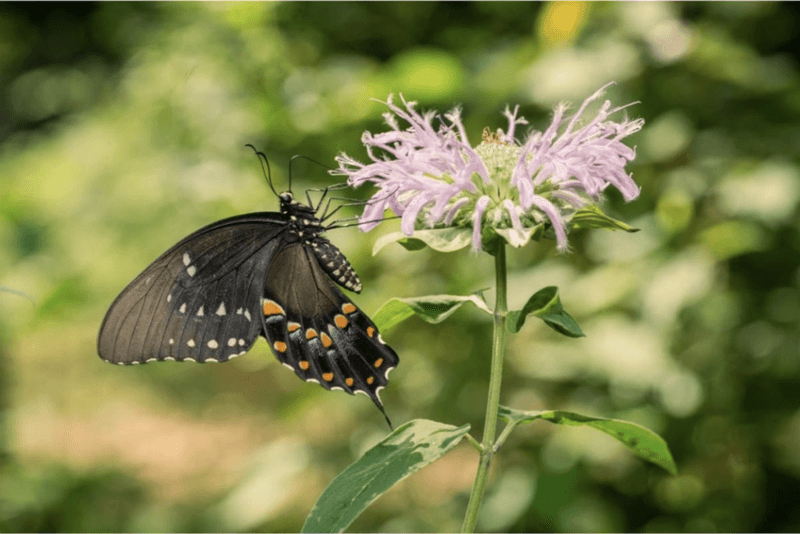
The traditional green lawn has long been the suburban standard. For decades, a weed-free carpet of grass was the gold standard of suburban pride in neighborhoods across Alabama.
That standard is shifting. More homeowners are trading mowing time and fertilizer costs for something that actually gives back to the natural world around them.
Biodiversity-focused yards are growing in popularity for several reasons. They cost less to maintain, require less water, and create a living space that feels more connected to nature than a flat expanse of turf.
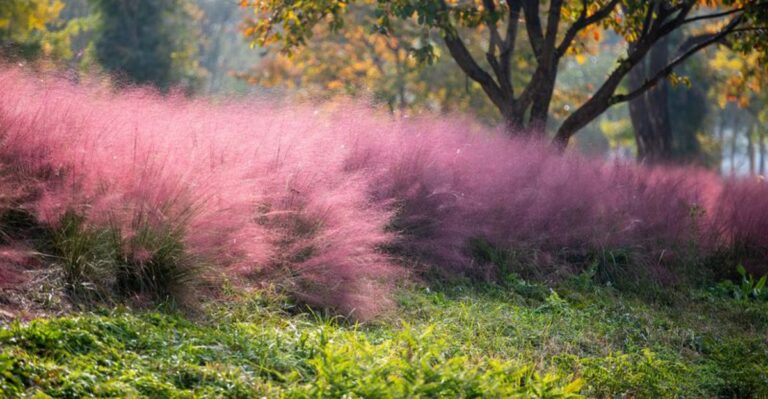
Native plant landscapes also hold their visual appeal in November, just as lawns go dormant and brown. Ornamental grasses, seed heads, and the last late wildflowers create texture and color that a monoculture lawn cannot offer.
Younger homeowners especially are drawn to this approach. They are often drawn to landscaping choices that reflect environmental values.
Social media appears to have contributed to this trend. Photos of thriving pollinator gardens spread quickly, inspiring neighbors and followers to rethink what a beautiful yard can look like.
Interest in local garden clubs and native plant societies across Alabama appears to be growing. Many hold fall plant sales and swaps, which makes November a natural time for individual choices to turn into neighborhood-wide transformations.
Shifting away from traditional lawns does not mean accepting a messy yard. Thoughtful design with native plants can be just as structured and attractive as any conventional landscape.
The best part is that your yard becomes a place where something actually happens. Life moves through it every single day, even in the quiet of late fall, and that makes all the difference.
8. Climate Shifts Extend Pollinator Activity Later Each Year
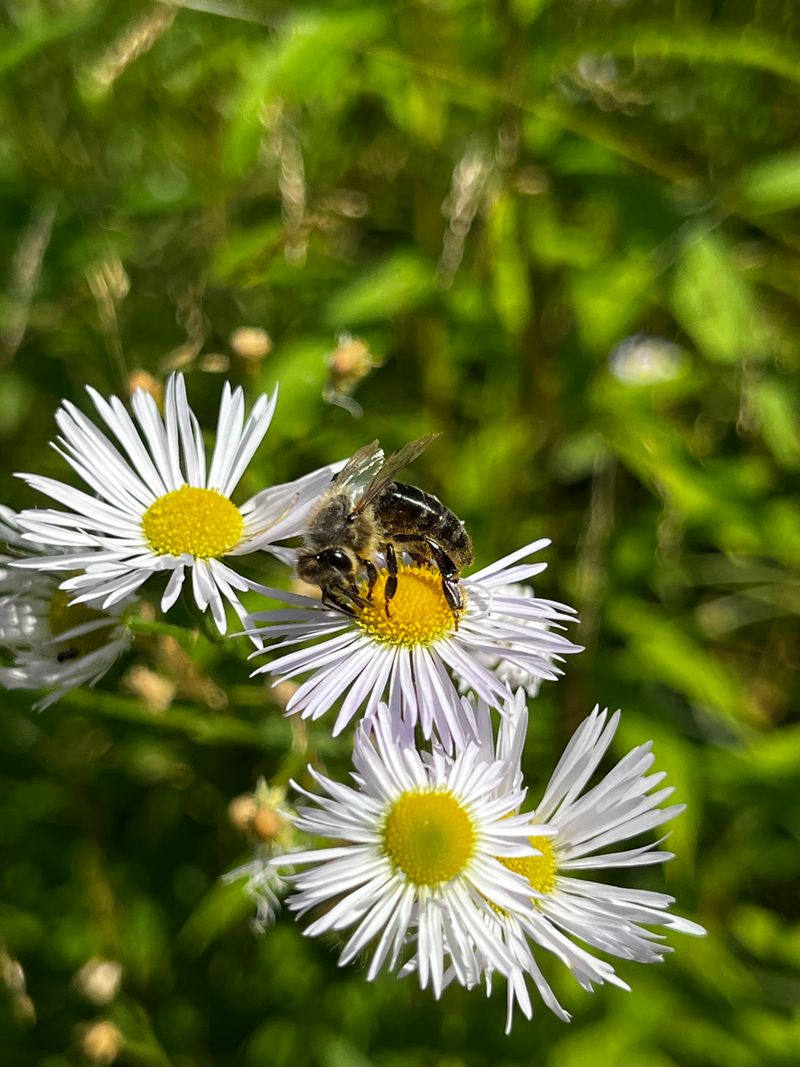
Autumn in Alabama used to arrive on a fairly predictable schedule. Now, warm days stretch deeper into November and sometimes December, changing the rhythms that pollinators have followed for generations.
That shift creates both challenges and opportunities for gardeners who pay attention. Extended warmth means pollinators stay active longer, but it also means they need food sources to match that extended schedule.
Bees that would normally wind down in October are now foraging well into November across much of Alabama. If gardens shut down with the calendar instead of the weather, those bees go hungry during a critical window.
Planting late-blooming species fills that gap. Witch hazel, fall-blooming camellias, and late aster varieties can carry color and nectar into December when most gardens have already gone dormant.
Migratory species like monarchs also feel the effects of shifting seasons. Warmer falls can delay their travel, making reliable nectar sources along the Alabama corridor important well past the usual peak.
Gardeners who adapt to these changes become active participants in local conservation. Their yards become anchor points in a landscape that is still figuring out how to respond to a warming climate.
Tracking bloom times and pollinator visits in a simple journal helps you spot patterns over the years. That personal data becomes surprisingly useful for planning the following season’s garden layout.
Pollinator-friendly gardens in Alabama are not just responding to climate shifts. They are helping pollinators adapt to them, one late bloom and one sheltered corner at a time.