The Alabama Tree That Feeds Squirrels And Gives Bats A Place To Hide
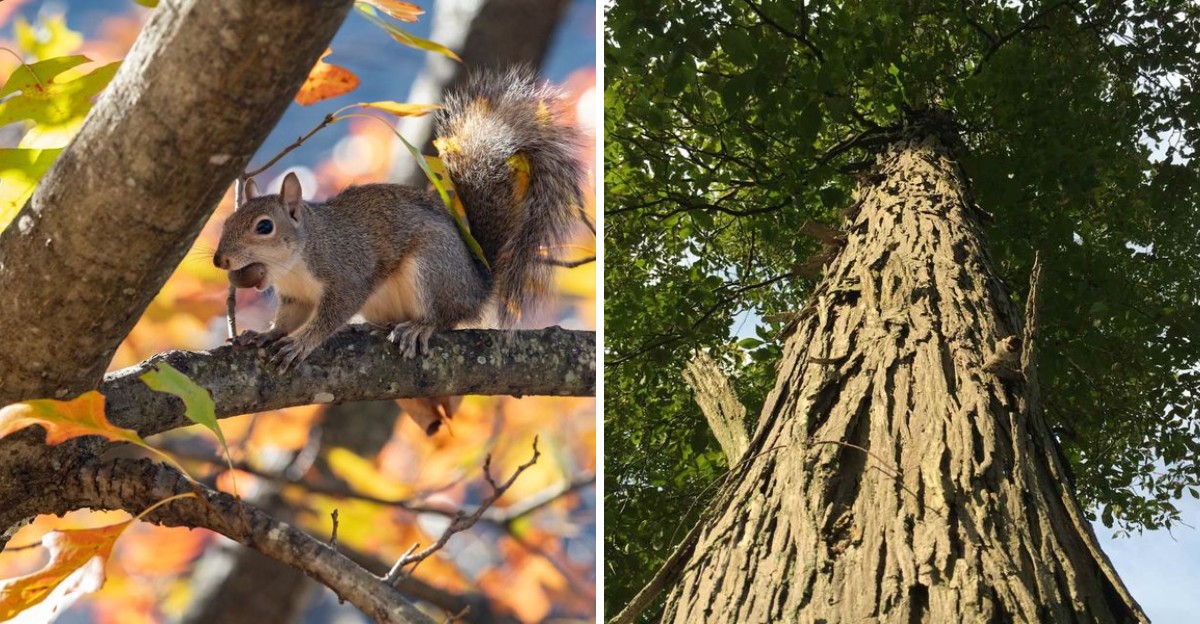
Can you spot the tree that hides a hotel in plain sight? Walk into an Alabama forest this October, and you will hear crunching overhead.
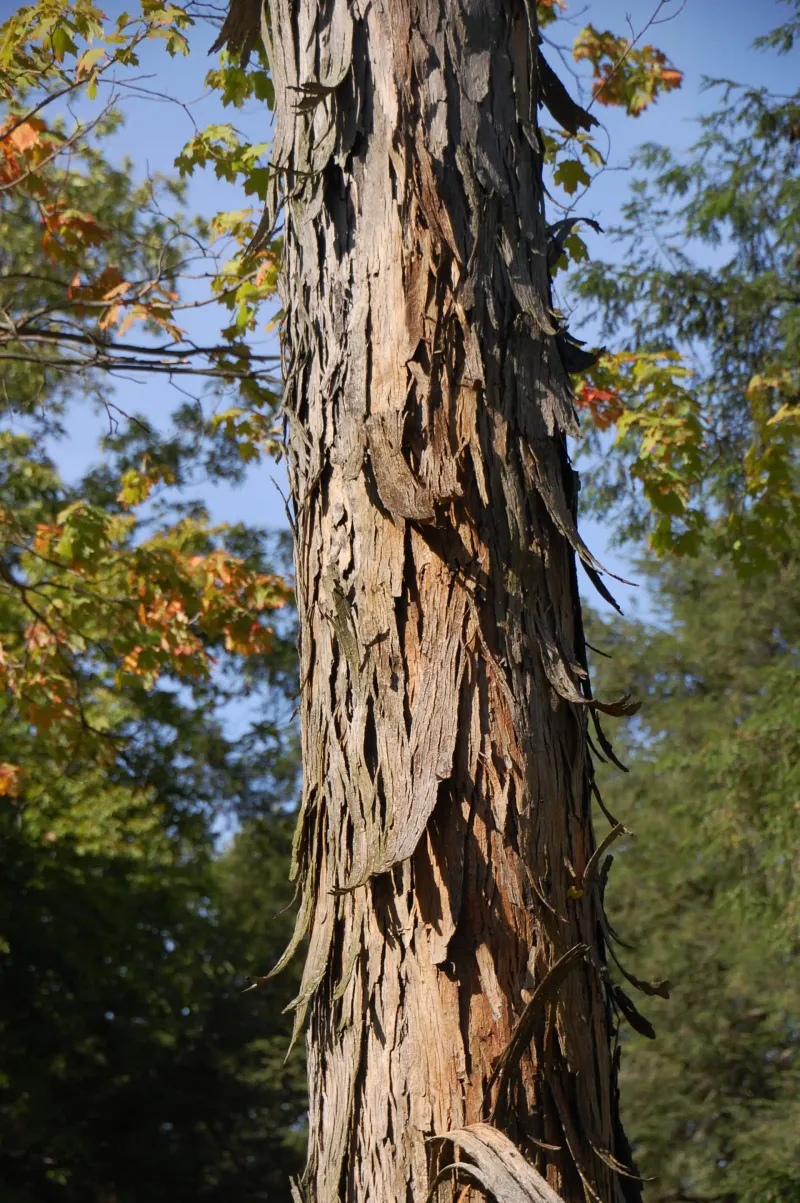
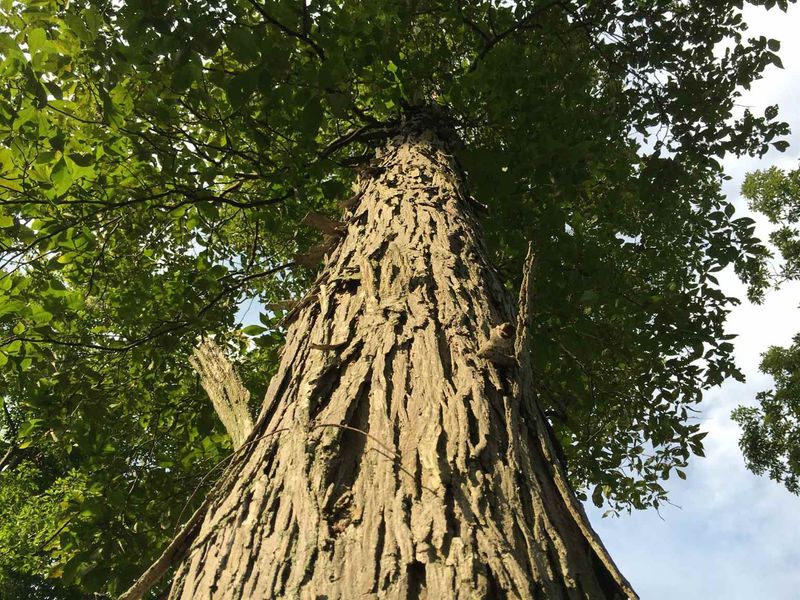
Look up, and you will find shaggy gray plates of bark curling off the trunk. Squirrels race along those branches while you watch them rip into sweet hickory nuts.
Bats tuck behind the loose bark, and you will miss them in daylight. Mothers raise summer pups behind that bark, so you may pass a nursery.
Shagbark hickory feeds a hungry crowd and houses a sleepy crowd, and you watch both. Hunt north and central Alabama, and you will spot it on hardwood slopes.
Visit in early summer at dusk with binoculars, and you may catch bats flying out. Stay quiet near the trunk, and you will hear the nibbling above. Your hike gains a mission.
Shagbark Hickory, Alabama’s Shaggy Squirrel Pantry
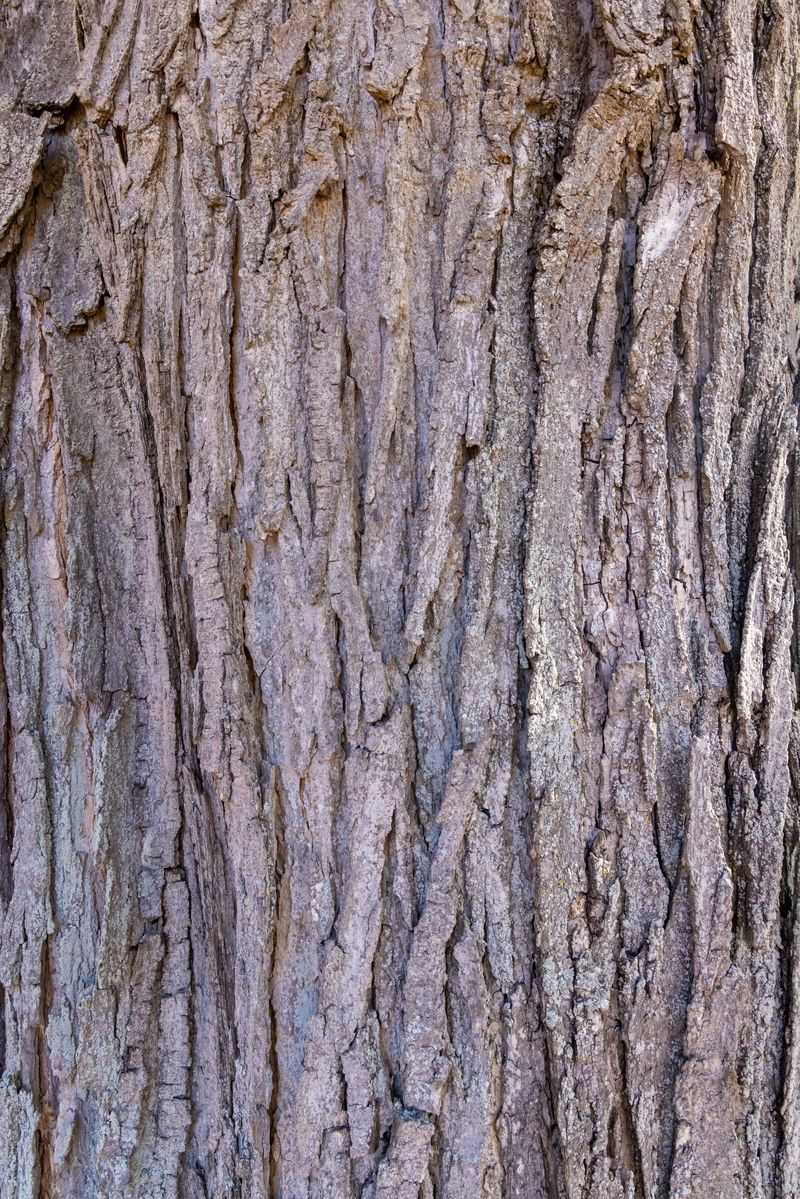
Picture a tree that seems to wear a ragged gray coat two sizes too big. That shaggy giant is the shagbark hickory, and it grows mainly in north and central Alabama.
Its nuts feed gray squirrels, fox squirrels, chipmunks, and even wild turkeys each fall. Its loose bark gives bats a cozy, hidden place to rest during warm months.
Few native trees offer both food and shelter in such a clever package. Wildlife biologists often list it among the useful hardwoods for wildlife in the Southeast.
You can spot one by its bark, which peels in long strips, often one to three feet long. The strips stay attached at the middle, so the ends curl outward like bent shingles.
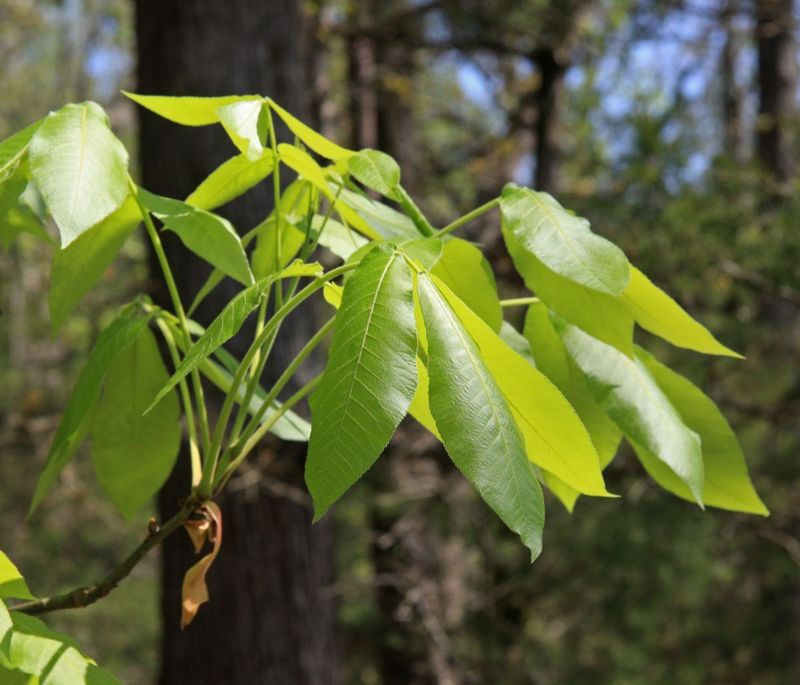
Leaves also help with identification, since each one usually holds five leaflets. In October those leaflets turn a warm golden yellow that glows against blue sky.
Mature trees can reach eighty feet tall and live for two hundred years or more. Some Alabama specimens were already old when your great-grandparents were kids.
The wood is famous too, prized for tool handles and smoking barbecue. Still, a living hickory supports more wildlife standing in the woods than stacked as firewood.
Hardwood slopes in north and central Alabama, including areas near Huntsville and Birmingham, often hold them. Rich, moist soil near creeks seems to suit them best.
Next time you hike a state park trail, look up and search for that scruffy trunk. Once you learn its shape, you will notice it popping up in surprising places.
October Nut Drop In Alabama Woods
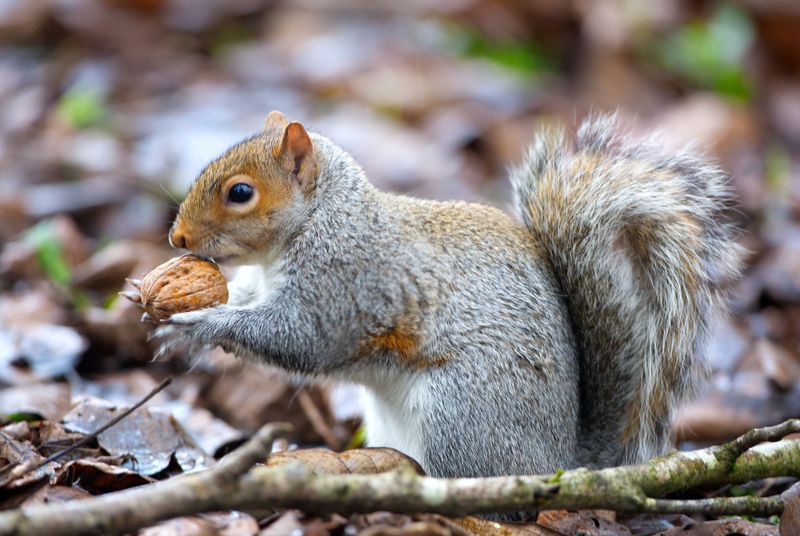
A sudden thunk on a tin roof is the classic sound of hickory season in Alabama. By October, the round green husks start splitting into four neat sections and tumbling down.
Inside each husk sits a hard, pale nut with a sweet kernel tucked inside. Many folks say it tastes richer than a pecan, its close cousin.
Squirrels grow very active at this time of year, racing up and down trunks all day. They crack some nuts on the spot and bury many others for winter meals.
Your Alabama Garden Changes Every Week. Your Plan Should Too.
Gardening in Alabama changes quickly throughout the season. Every Friday you’ll receive a simple weekly plan showing exactly what to plant, prune, fertilize, harvest, and protect so you never miss the right timing.
Forgotten buried nuts can sprout into new trees, so squirrels act as accidental gardeners. Scientists suggest this habit may have helped hickories spread across the South long ago.
Crops vary from year to year, which keeps animals guessing. A big harvest might arrive every two or three years, with lighter crops in between.
Deer, raccoons, black bears, and wood ducks also snack on fallen hickory nuts. Even small mice store a few in hidden piles under logs.
People can gather nuts too, as long as they leave plenty behind for wildlife. Pick ones that feel heavy, since light nuts are often empty or wormy.
Crack them on a sturdy surface with a hammer, because the shells are tough. A nutpick helps you dig out the kernels without losing your patience.
Watch a hickory for one quiet afternoon this month and you will catch the action. Squirrel activity is entertaining to watch, and admission is free.
Peeling Bark As A Bat Hideout
Imagine sleeping all day squeezed inside a wooden sleeping bag hanging thirty feet off the ground. For several Alabama bats, that sounds like a comfortable afternoon.
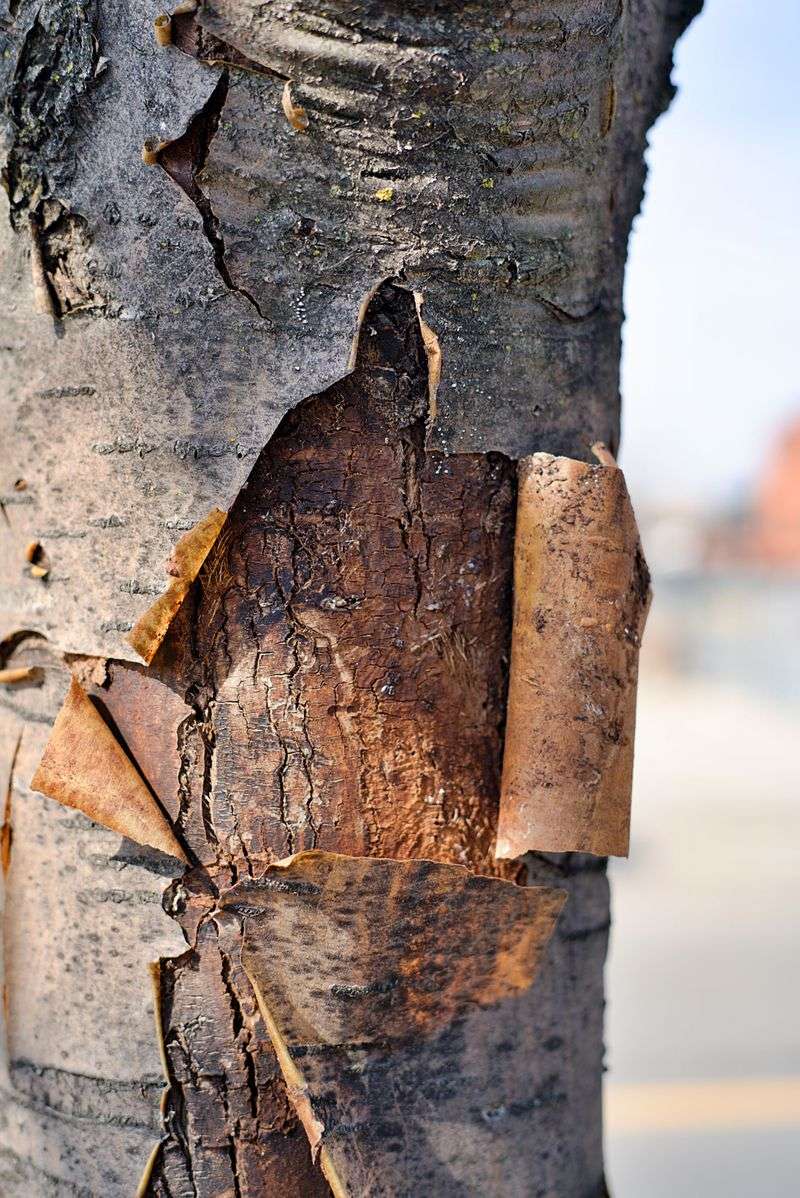
Shagbark hickory bark peels into loose plates that leave narrow gaps against the trunk. Those gaps are warm, shaded, and hidden from predators such as owls and hawks.
The Indiana bat, a federally endangered species, is known for roosting under shaggy bark in summer, though in Alabama it is better known as a cave hibernator. Northern long-eared bats, also federally endangered, and other forest bats may use similar spots too.
Mother bats sometimes gather in small groups called maternity colonies during late spring and summer. Pups grow up safely behind the bark until they can fly.
By October, many bats begin shifting toward caves and other winter shelters. Some still visit hickories on mild autumn nights before cold weather settles in.
Bats repay the favor in a big way. A single little brown bat can eat hundreds of insects in one hour, including moths, beetles, and other crop pests.
Farmers benefit because fewer bugs means healthier corn, cotton, and soybeans. Families may also notice fewer insects on summer evenings.
Bark also shelters moths, beetles, spiders, and tree frogs, building a tiny neighborhood. Woodpeckers and brown creepers then visit to pick snacks from the crevices.
If you want to see this hideaway, bring a flashlight to a hickory near dusk in late spring or summer. Stay quiet, keep your distance, and watch for small shapes fluttering out into the night.
Remember to admire roosting bats without touching them or poking at the bark. A respectful peek keeps the whole bark apartment building happy.
Why Loose Bark Should Stay On The Tree
Some homeowners spend a Saturday peeling the messy strips off a backyard hickory. They think they are helping, but they displace the animals that shelter there.
Pulling or trimming shaggy bark is an error some homeowners make. That loose layer is not a sign of sickness, it is how the tree naturally grows. Stripping it away removes shelter for bats, insects, and small birds in one afternoon.
Another frequent mistake is cutting old hickories during summer months. Bats may be raising pups in the bark then, and they may be unable to escape.
Experts suggest scheduling needed tree work between November and March whenever possible, though exact windows vary by state and agency. That window avoids most bat activity and gives nesting birds a break too.
Raking up every fallen nut in October is another habit worth skipping. Squirrels, deer, and turkeys count on that free food to fatten up for winter.
Of course, nuts on a sidewalk can roll under feet and cause slips. Sweep paths clear, but toss the nuts into a wild corner rather than the trash.
Some folks also spray strong pesticides around hickories to stop leaf-chewing caterpillars. Those chemicals can harm the very insects bats depend on for dinner.
Shaggy bark is normal and not a sign of poor health. Let it look scruffy, and your yard becomes a busy wildlife hotel without any extra effort. Leave the bark in place, and the squirrels and bats will keep using the tree.
A Planting Plan For Your Yard
October can be a suitable month to plant a container-grown shagbark hickory in Alabama. Bare-root seedlings are usually best planted while dormant, from November through February.
Cooler air and autumn rain help roots settle in before spring growth begins. Start with a young seedling from a native plant nursery or a state forestry sale. Hickories grow a long taproot, so small trees transplant far better than big ones.
Pick a sunny spot with deep, well-drained soil and plenty of room overhead. Keep it at least thirty feet from houses, driveways, and power lines.
Dig a hole as deep as the root ball and about twice as wide. Set the tree so the root collar sits level with the ground.
Water deeply after planting, then give it a good soak each week during dry spells. A ring of shredded leaves or wood chips keeps moisture in and weeds out.
Patience matters with this tree, since growth starts slowly. Most shagbarks need forty years or so before producing big nut crops.
That might sound like forever, but planting one is a gift to the future. Your grandkids could watch squirrels feasting in a tree you planted as a kid.
You can also grow a hickory from a nut gathered this fall. Bury it about two inches deep and cover the spot with wire mesh to block squirrels that dig up nuts.
The shaggy bark often starts showing after about ten to twenty years. Until then, the young trunk stays smooth and gray.
Planting with friends or classmates makes the job quicker and more memorable. Mark the date on a tag and check its progress each autumn.
Protection For Hickory Groves Down The Road
Old-growth oak-hickory forests once covered large areas of the Southeast. Today, many have been cleared for farms, roads, and neighborhoods.
Losing big trees can remove both squirrel food and bat shelter at the same time. Protecting existing hickories is often easier than replacing them later.
Landowners can help by keeping a few large, shaggy trees standing during logging or clearing. Even a single old hickory along a fence row supports plenty of wildlife.
Groups like the Alabama Wildlife Federation and state forestry offices offer advice on managing woodlands. Some programs may share costs for planting native hardwoods, so check with each agency for current details.
Students can join in by building bat houses or hosting nature walks. A science fair project counting squirrel visits to one hickory could teach your whole class something.
Watch for threats such as hickory bark beetles, which can infest stressed trees during droughts. Watering yard trees in long dry spells helps them fight back.
Spreading the word matters too. Tell friends the shaggy bark is a feature, not a flaw, and fewer trees will be stripped or chopped.
Each October, a healthy hickory proves its worth with falling nuts and busy wildlife. Bats tucked behind the bark earlier in the year were part of that same story.
Caring for these trees connects you to Alabama history, since Native peoples and early settlers valued hickory nuts. They made hickory nut milk and soups from pounded kernels.
Protect one tree, and you support many creatures. That is a pretty great trade for a little patience and some scruffy bark.