The Watering Mistake That’s Often Overlooked And Quietly Weakening Alabama Mums
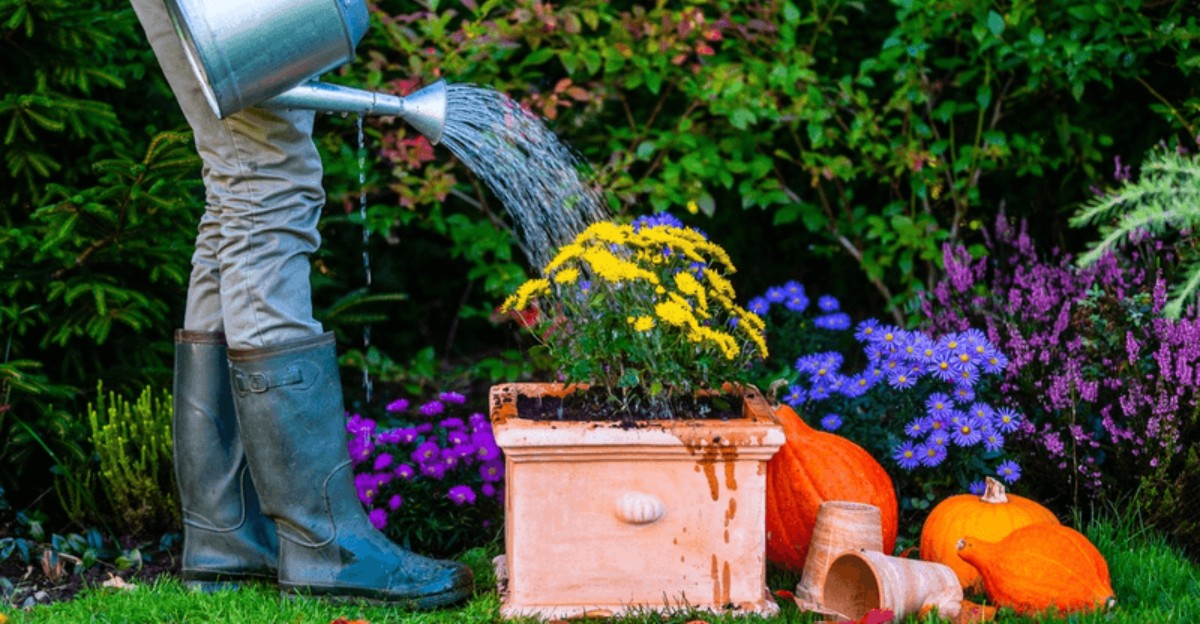
You bought healthy mums, so why do they sag by Thursday? Alabama porches glow gold and plum in October, yet the glow fades fast.
Leaves slump at noon and perk up by evening. Heat plays a part, but it is not the whole story.
Trouble starts underground, in a spot you overlook. Garden center mums arrive packed tight, and you inherit the problem.
Inside the pot you carried home sits a root mass wound tight in dense peat. Dry peat repels water like a waxed jacket.
Your hose runs, the saucer fills, and the roots stay thirsty. Humid Alabama air fools you into trusting the surface.
Wet topsoil can mislead you. Meanwhile the center of that root ball sits very dry. Daily sprinkles only soak the outer inch. Slide that root ball out of its pot and see the truth.
Up-And-Down Moisture Cycles Are A Likely Cause

Picture eating a giant feast on Monday and then skipping food until Friday. Your body would feel shaky, and garden mums feel the same way about water.
The quiet problem is inconsistent watering, not too much or too little on any single day. Soil swings from soggy to very dry, then back again, over and over.
Some Alabama gardeners water heavily when plants droop, then forget for several days. That pattern seems harmless because the mums bounce back quickly after each soak.
Each bounce, though, costs the plant something you cannot see right away. Tiny root hairs dry out and shrivel during the parched stretches between drinks.
Those root hairs do most of the drinking and nutrient gathering for the whole plant. Once they shrivel, the mum must spend energy growing new ones instead of flowers.
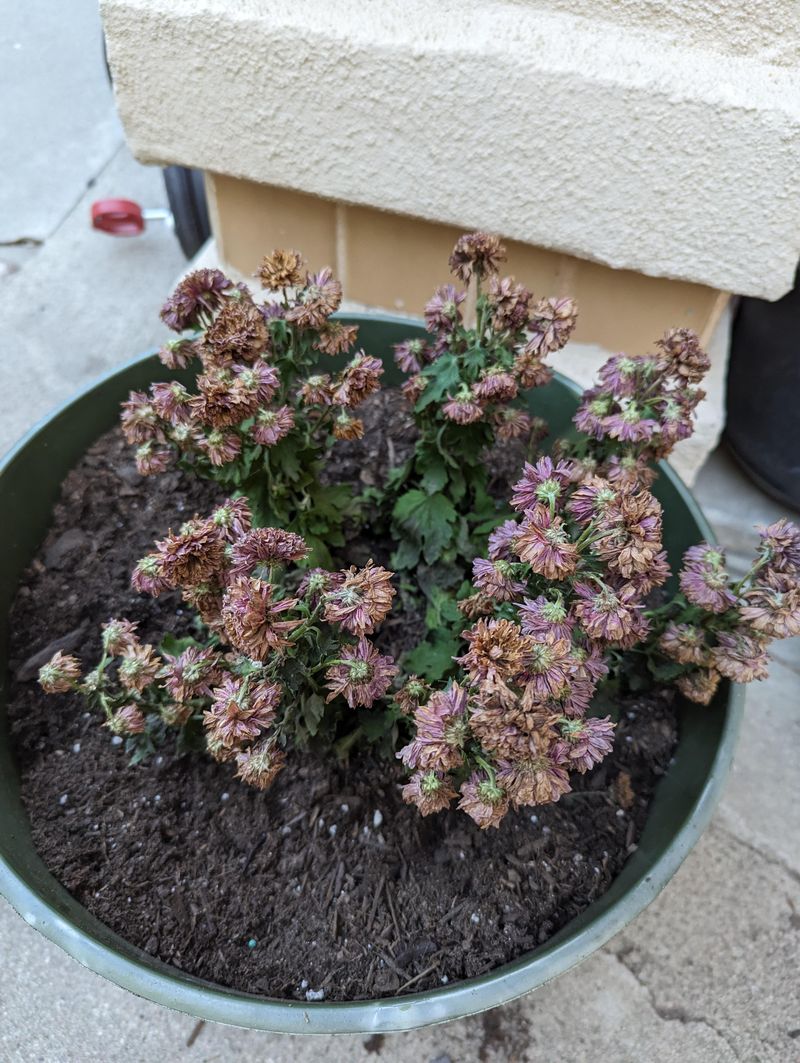
Over a few weeks, the damage stacks up like unpaid bills. Buds stay small, stems grow weak, and lower leaves turn yellow or crispy brown.
Mums sold in fall are often root-bound in small nursery pots, which makes things worse. A tight root ball dries quickly and then sheds water instead of soaking it up.
So the main factor here is not heat or bad luck, though pests can also cause wilting. It is the rhythm in how water reaches the roots.
The encouraging part is that rhythm can be learned quickly. A few small habit changes keep moisture steady and give those blooms room to shine.
Roots That Ride A Moisture Roller Coaster
Underground, a mum’s roots behave a lot like a sponge with a short memory. When soil turns dry and crusty, that sponge shrinks and pulls away from the pot.
Gaps form between the root ball and the surrounding soil, leaving little air channels. The next splash of water races down those gaps and out the drainage hole.
You think the plant got a deep drink, but much of it escaped. Meanwhile, the center of the root ball stays dry and stressed.
Then comes the opposite problem after a heavy soak or a rainy spell. Roots sitting in soggy soil cannot breathe, because water pushes oxygen out of the pores.
Your Alabama Garden Changes Every Week. Your Plan Should Too.
Gardening in Alabama changes quickly throughout the season. Every Friday you’ll receive a simple weekly plan showing exactly what to plant, prune, fertilize, harvest, and protect so you never miss the right timing.
Roots need air almost as much as they need moisture. Without oxygen, root tips weaken and become an easy target for rot and fungus gnats.
Flip between these two extremes enough times, and the root system gets stressed from both directions. Each swing leaves fewer healthy roots to support all those buds.
Heavy clay soil, common across much of Alabama, makes the swings even sharper. Clay holds water like glue when wet, then cracks like old pottery when dry.
Gardeners in sandier soils near the coast face the reverse challenge. Water drains through so fast that roots dry out within a single breezy afternoon.
Either way, the goal stays the same for most mums. Steady, even moisture lets roots grow wide, strong, and ready to feed a full crown of color.
Think of it as giving roots a calm home instead of a stormy one. Calm roots grow more hairs, and more hairs mean better drinking.
October Weather Makes The Swings Worse
Ask any Alabama gardener about October, and you might hear a laugh. One morning feels like sweater weather, while the afternoon feels like July sneaked back in.
Those large temperature swings change how fast pots lose water from day to day. A cool, cloudy Tuesday might leave soil damp, while a sunny Thursday bakes it dry by dinner.
October is also typically the driest month of the year across the state. Long stretches without rain are common, so mums depend on you more than usual.
Then a tropical system or cold front rolls through and dumps two inches overnight. Pots fill up, saucers overflow, and roots suddenly sit in a puddle.
Breezy fall days add another challenge that many people overlook. Wind pulls moisture from leaves and soil faster, especially for pots sitting on sunny porches or concrete steps.
Shorter days can fool gardeners, since cooler air feels like the plant needs less. Mums in full bloom are still thirsty, because flowers use plenty of water.
Because the weather keeps changing, a fixed calendar schedule often misses the mark. Watering every Saturday works one week and overwaters or underwaters the plant the next.
A better plan is to watch the forecast and the soil together. Check pots daily during warm, windy spells, and skip a day after a good soaking rain.
Moving pots under a porch roof before a big storm also helps. That small step keeps the soil from turning into soup right when blooms open.
October rewards gardeners who pay attention instead of guessing. A quick morning glance at your pots takes less time than pouring a cup of coffee.
The Weekend Soak Habit That Backfires
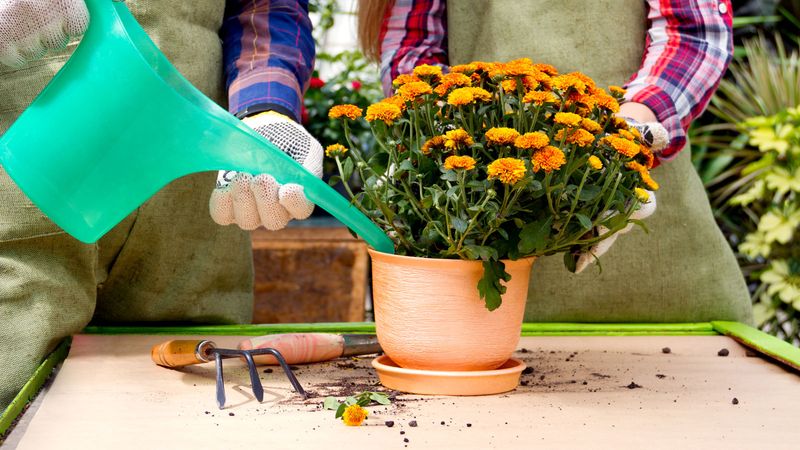
Confession time from many busy households across Alabama. The mums get ignored Monday through Friday, then receive one big soaking every Saturday morning.
It feels generous, like making up for lost time with one big gesture. Sadly, plants do not keep score the way we hope they do.
By Wednesday, a small pot in the sun can already be dry to the bottom. Thursday and Friday leave soil dry, and the plant may drop buds to cope.
Then Saturday arrives with a heavy flow and a full gallon of water. Much of that water rushes straight through dry soil and puddles on the porch.
Another sneaky version of this habit is watering only when leaves wilt. Wilting is a late alarm, so the stress has already happened by the time you see it.
Store-bought mums make the habit even riskier. Growers often keep them on drip irrigation, so a sudden switch to feast-or-famine care stresses them quickly.
Even quick splashes from a cup can backfire in their own way. A shallow sip wets only the top inch, leaving deeper roots thirsty and stretching upward.
Shallow roots dry out faster, so the cycle speeds up over time. Before long, the plant needs water twice a day just to look decent.
Spotting the habit is the hardest part, because it feels so normal. Once you notice the pattern, breaking it takes only a few small adjustments.
Try writing a quick note on your calendar or setting a phone reminder. Your mums will reward that tiny bit of planning with longer, brighter blooms.
A Steady Routine Built On The Finger Test
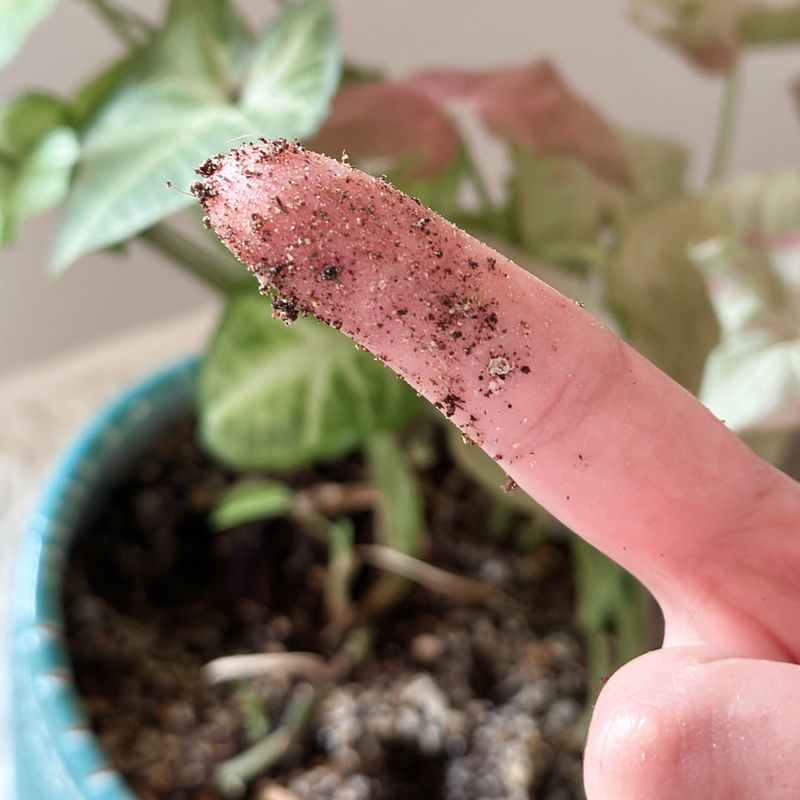
Your index finger is a handy moisture meter you already own. Push it about two inches into the soil, right near the base of the plant.
If it feels dry at that depth, it is time to water. If it feels cool and damp, wait another day and check again.
Water slowly at the soil line until it trickles from the drainage holes. Pouring slowly gives dry soil time to absorb moisture instead of letting it escape.
For badly dried pots, try bottom soaking instead. Set the pot in a tub of water for about twenty minutes, then let it drain well.
Morning is the sweet spot for most mums in Alabama. Leaves dry before evening, which helps prevent mildew and leaf spot during humid fall nights.
Lifting the pot works as a handy backup test. A freshly watered pot feels heavy, while a thirsty one feels surprisingly light in your hands.
Mums planted in the ground need deeper but less frequent drinks than potted ones. About one inch of water per week, including rain, keeps most garden beds happy.
A cheap rain gauge stuck in the bed tells you roughly how much fell. Subtract that amount, and you will know whether to add more.
Root-bound nursery mums often benefit from repotting into a container one size larger. Fresh potting mix holds water more evenly and gives roots room to spread.
Consistency matters more than the exact amount you pour. Checking at the same time each day builds a rhythm your plants can count on.
Mulch And Smart Containers For Steady Moisture
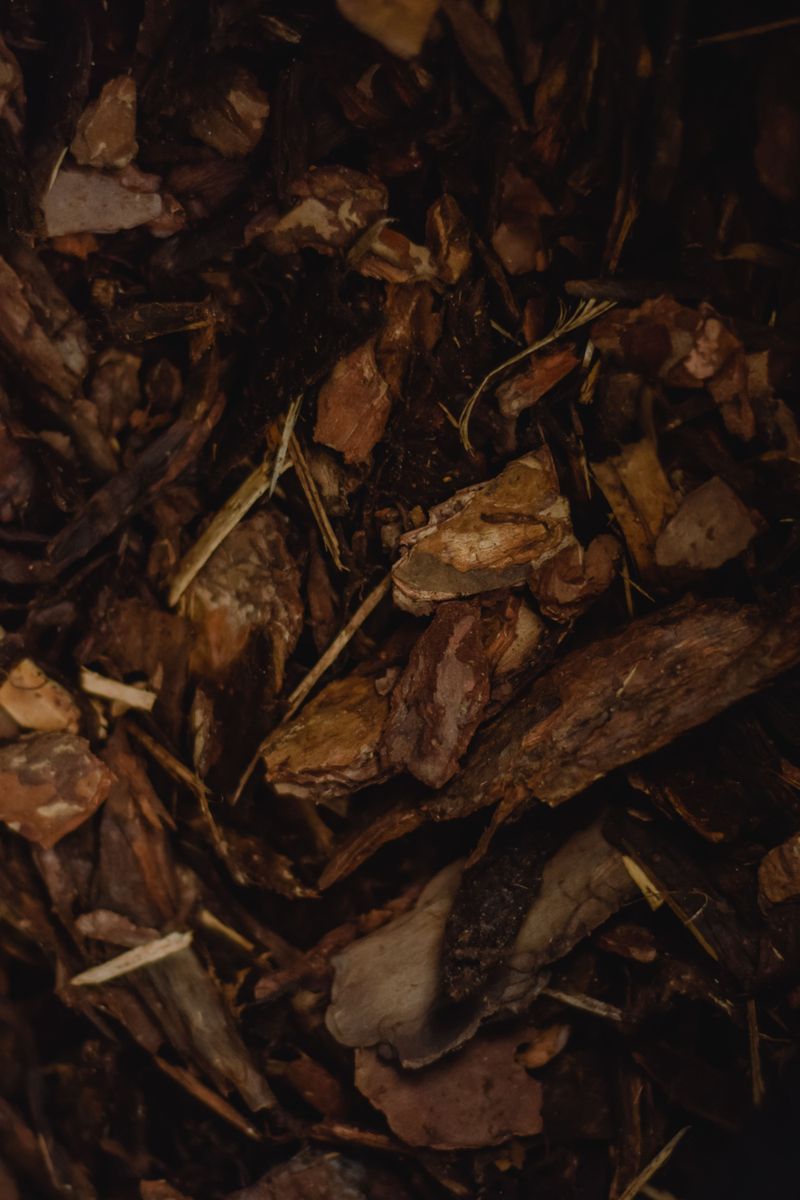
Many gardeners tuck pine straw around their plants, and their porch mums often look like fireworks in fall. Think of mulch as a blanket for the roots.
A two-inch layer of pine straw, shredded bark, or leaf mulch noticeably slows evaporation. It also shades the soil, keeping roots cooler on surprise warm afternoons.
Keep mulch an inch away from the stems to avoid rot. Crowding the base traps moisture right where the plant is most delicate.
Container choice matters just as much as mulch for potted mums. Glazed ceramic or plastic pots hold moisture longer than thin terra cotta, which wicks water away.
Bigger pots also help, since more soil means a bigger water reserve. Tiny decorative pots look cute but can dry out in a few hours.
Self-watering containers and simple drip stakes are worth a look for busy families. Both release water slowly, smoothing out the highs and lows between your checks.
Grouping pots together creates a little pocket of shared humidity. Clustered plants shade each other and lose less moisture to sun and wind.
Gardeners who keep moisture steady often see blooms last quite a bit longer. Flowers open fuller, colors stay richer, and stems hold up straighter under heavy buds.
Garden mums sold as hardy perennials may return next spring if planted early enough to establish roots. Spring planting is the safer choice.
Small, steady care usually beats big, dramatic rescues overall. Your porch will thank you with color right through Thanksgiving.