The Most Underrated Pennsylvania Native Flower That Feeds Late-Season Bees
Late season bees in Pennsylvania are working against a shrinking window. As September and October arrive and the majority of summer blooms fade, native bees that are still active and still building reserves face a landscape that is offering less and less with each passing week.
Most gardens have already wound down. Most flowering plants have given what they’re going to give for the year. One native Pennsylvania flower keeps feeding bees long after everything else has checked out.
It blooms in the window that matters most for late season pollinators, produces the kind of dense, accessible nectar that native bees seek out specifically during this period, and does it consistently year after year without any fuss or special treatment.
The ecological timing of its bloom is not accidental. This plant evolved alongside Pennsylvania’s native bee community and its flowering cycle reflects that relationship directly.
Most Pennsylvania gardeners have never grown it. Most have never even considered it for their late season garden.
Here’s the underrated native flower that could be the most important addition to your Pennsylvania garden this fall.
Goldenrod Feeds Bees When Many Flowers Are Fading
Late summer and early fall can be a tough time for bees. Many of the wildflowers and garden blooms that carried them through spring and summer have already finished.
Food sources start getting thin right when bees need to store up energy for the colder months ahead. That is exactly where goldenrod steps in and makes a real difference.
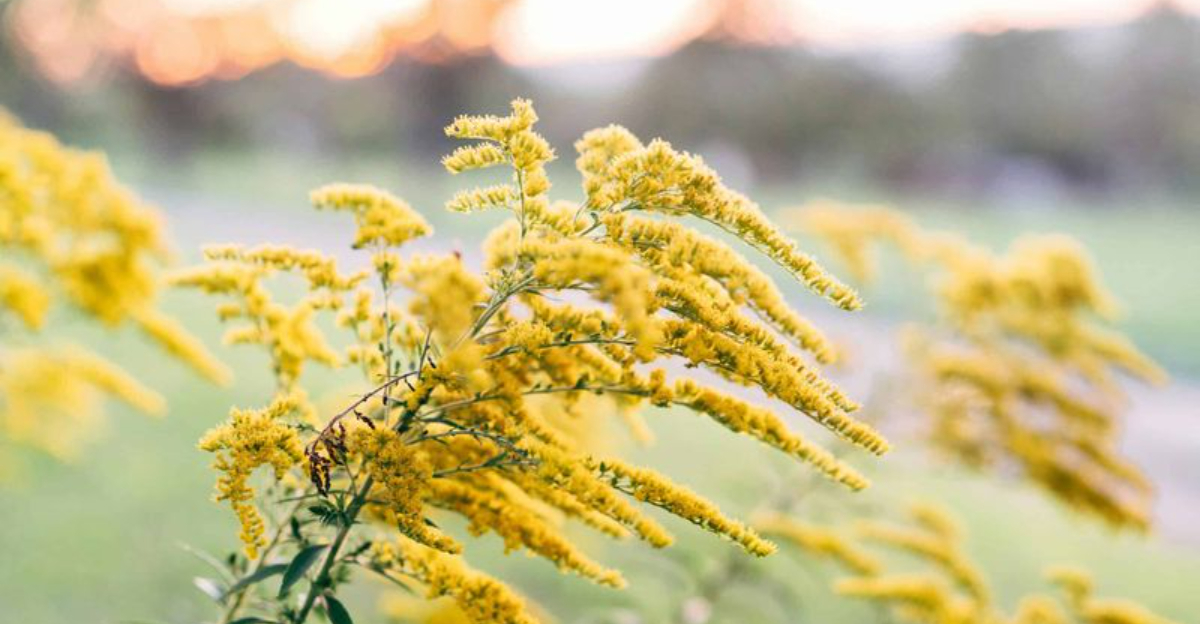
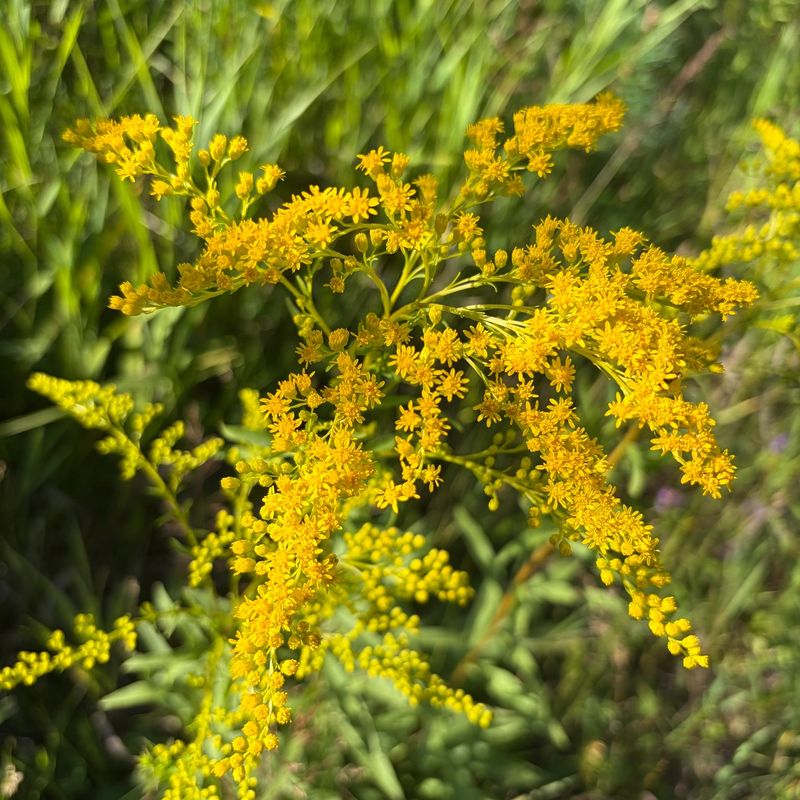
Goldenrod blooms from late summer well into October across much of Pennsylvania. Its bright yellow flower clusters open up at a time when most other plants are winding down.
Bees can gather both nectar and pollen from goldenrod flowers, giving them a rich and reliable source of nutrition during a critical window. Without plants like goldenrod, many bee colonies would struggle to build up their winter food supplies.
The timing of goldenrod’s bloom is not just helpful, it is almost perfectly matched to what native bees need most. Bumblebee queens, for example, are busy fattening up in fall so they can survive the winter and start new colonies the following spring.
Goldenrod gives them the fuel they need to do exactly that. Honeybees also use goldenrod nectar to help fill their hives before cold weather arrives.
Planting goldenrod in your yard means you are offering a lifeline at a moment when few other plants are pulling their weight. Even a small patch can attract dozens of bee visits on a warm September or October afternoon.
Gardeners in Pennsylvania who want to support local pollinators should think of goldenrod not as a weed, but as one of the most valuable plants they can grow.
It Supports More Than Just Honeybees
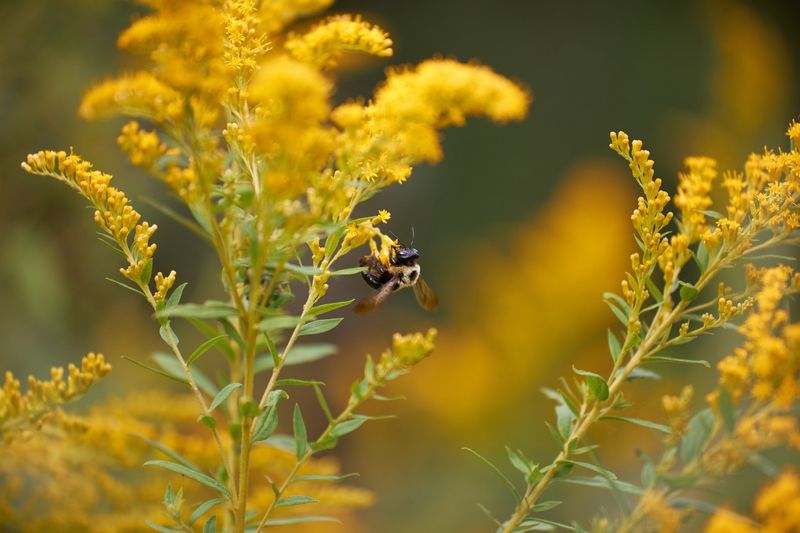
Most people think of honeybees when they hear the word pollinator. But Pennsylvania is actually home to over 400 native bee species, and a surprising number of them love goldenrod.
Sweat bees, bumblebees, mining bees, and leafcutter bees are just a few of the visitors you might spot buzzing around a goldenrod patch on a warm fall day.
Your Pennsylvania Garden Changes Every Week. Your Plan Should Too.
Gardening in Pennsylvania changes quickly throughout the season. Every Friday you’ll receive a simple weekly plan showing exactly what to plant, prune, fertilize, harvest, and protect so you never miss the right timing.
Some native bees are what scientists call specialist bees. These bees have evolved to depend heavily on pollen from goldenrod and its close relatives in the aster family.
Without goldenrod in the landscape, these specialist species would have a much harder time finding enough food to raise their young. Losing goldenrod from the environment would put real pressure on those already vulnerable bee populations.
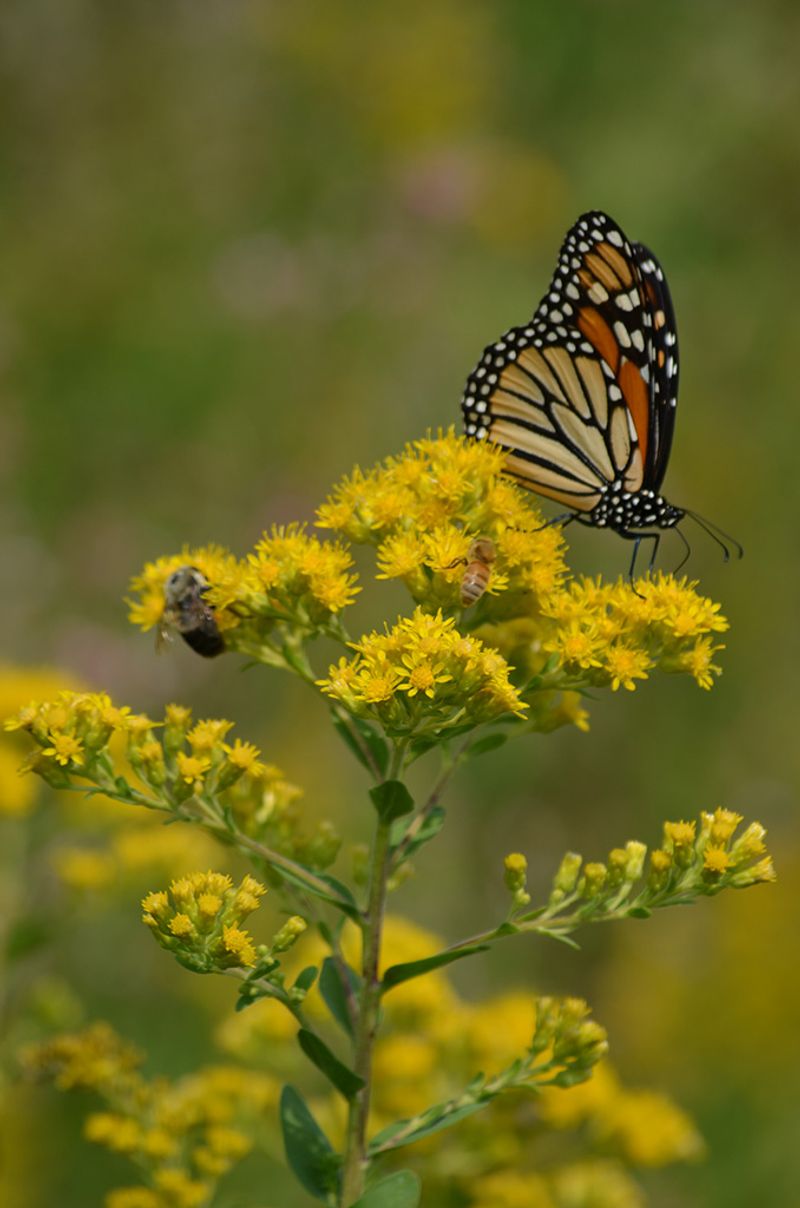
Goldenrod also supports insects beyond bees. Butterflies, wasps, beetles, and even some flies use the flowers for food.
The plant becomes a buzzing hub of activity in late summer, drawing in a wide web of wildlife that all benefit from what it provides. Birds also visit goldenrod patches to snack on the insects that gather there.
Gardeners who plant goldenrod are essentially setting up a free wildlife buffet. You do not need to do much once the plant is established.
Just let it bloom, and the insects will find it on their own. Watching the variety of pollinators that show up can be genuinely surprising and exciting, even for people who have never paid much attention to bees before.
Goldenrod is a community builder in the truest sense of the word, quietly connecting dozens of species in your own backyard.
It Thrives In Tough Pennsylvania Conditions
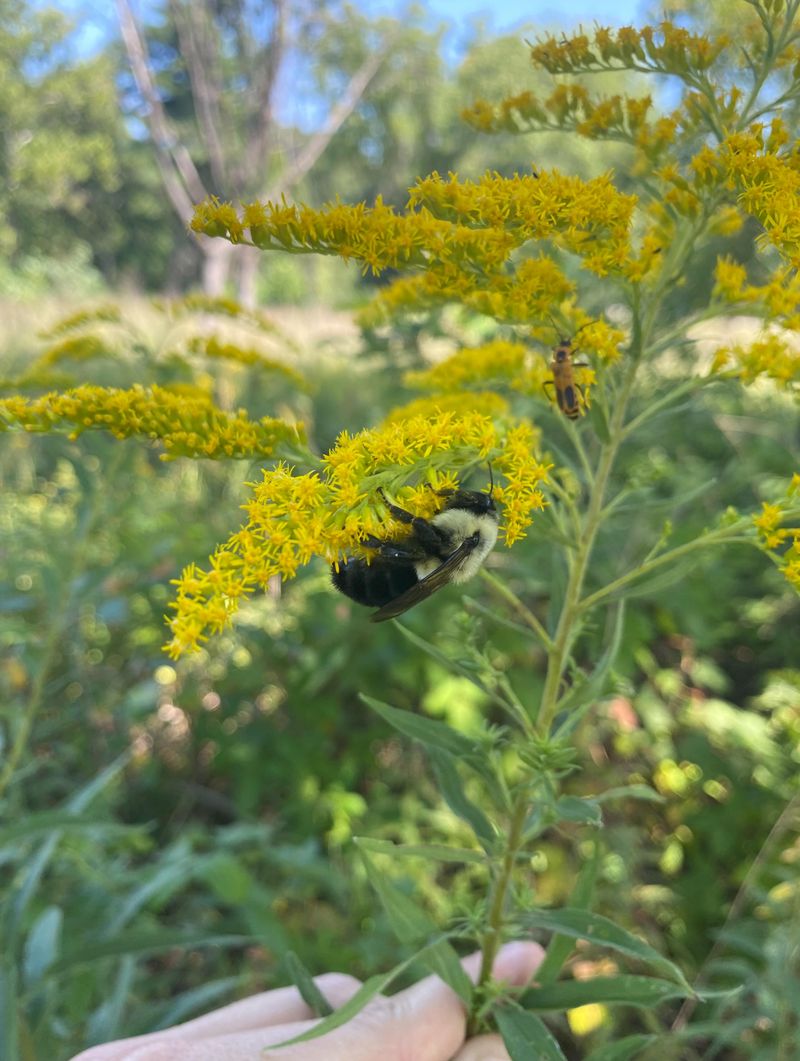
Not every gardener has perfect soil and ideal growing conditions. Some yards are dry, rocky, or full of clay.
Many native plants struggle in those spots, but goldenrod handles tough conditions with ease. Several species native to Pennsylvania grow well in full sun, dry soil, and even ground that has low nutrients.
That resilience makes goldenrod a practical choice for spots where other plants simply will not cooperate.
Once goldenrod gets established, it generally takes care of itself. You do not need to water it constantly or add fertilizer every season.
The plant has deep roots that help it find moisture during dry spells, which is a big advantage in Pennsylvania summers that sometimes go weeks without rain. Established goldenrod can bounce back from heat and drought without much help from you.
Goldenrod is also winter-hardy across most of Pennsylvania. It goes dormant in the cold months and comes back reliably each spring.
The dried seed heads and stems even provide shelter and food for birds and small insects through the winter months, which means the plant keeps giving long after its blooms have faded. That kind of year-round value is hard to beat.
For gardeners who want a low-maintenance plant that actually does something useful for wildlife, goldenrod checks every box. You can plant it along fence lines, in rain gardens, or in patches where grass refuses to grow well.
It handles slopes and disturbed soil too, making it a smart choice for erosion-prone areas. Tough, reliable, and beautiful in fall, goldenrod earns its place in even the most challenging Pennsylvania landscapes without complaint.
It Adds Color To Late-Summer Gardens
By August, a lot of gardens start looking a little tired. Spring bloomers are long gone, and summer flowers are starting to fade.
That mid-to-late-season slump is exactly when goldenrod shows up looking bold and bright. Its clusters of tiny yellow flowers create a cheerful burst of color that stands out against the greens and browns of a late-summer landscape.
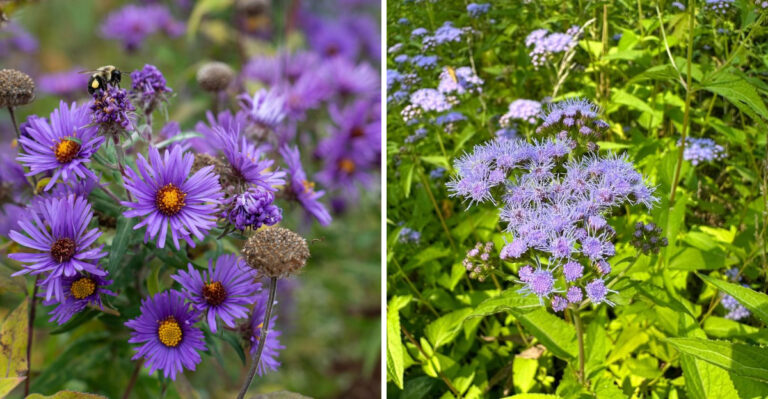
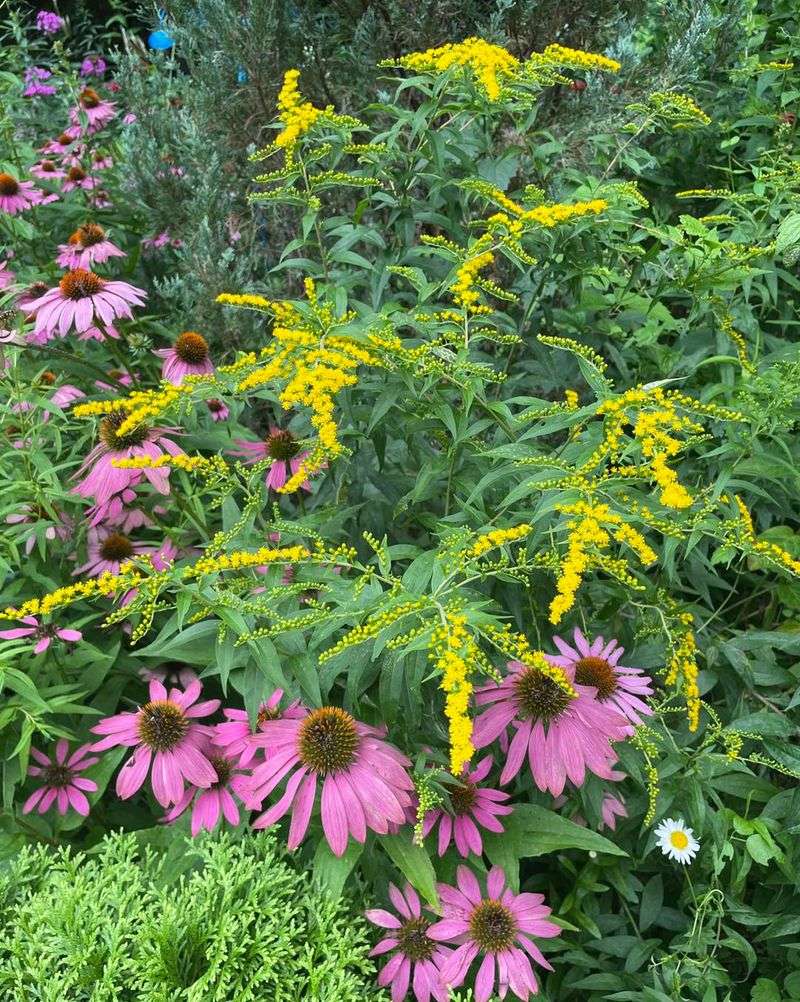
Goldenrod pairs beautifully with other fall-blooming native plants. Purple and blue asters are a classic combination that looks stunning in any garden bed.
The contrast between goldenrod’s yellow and the cooler tones of asters creates a color combination that feels both wild and intentional. Native plant gardeners often call this pairing one of the best natural design choices you can make for a Pennsylvania yard.
Beyond flower beds, goldenrod works well in meadow plantings and naturalized areas. You can let it grow freely in a corner of your yard to create a mini wildlife habitat.
It also fits nicely into formal pollinator gardens where you want structure alongside seasonal color. Whether your style is tidy or wild, there is a way to work goldenrod into your outdoor space.
One of the best things about growing goldenrod is that it requires almost no effort to look good in fall. While other plants need regular deadheading or extra water to keep blooming, goldenrod just does its thing.
The flowers hold their color for weeks, giving your garden a long season of visual interest. If you want your yard to look alive and welcoming in September and October, goldenrod is one of the easiest ways to make that happen.
It Is Often Blamed For The Wrong Allergy Problem
Here is a fun fact that surprises almost everyone: goldenrod does not cause hay fever. For decades, this bright yellow plant has been blamed for the sneezing and watery eyes that so many people suffer in late summer and early fall.
But goldenrod is actually innocent. The real troublemaker is a much less noticeable plant called ragweed, and it blooms at almost exactly the same time.
The key difference comes down to pollen. Goldenrod produces heavy, sticky pollen that clings to insects and gets moved from flower to flower by bees and butterflies.
It does not float through the air in large amounts because it does not need to. Ragweed, on the other hand, produces enormous quantities of light, powdery pollen that the wind carries for miles.
That airborne pollen is what irritates people’s sinuses and triggers allergic reactions. Because goldenrod is so easy to spot with its showy yellow blooms, people naturally assumed it was the source of their misery.
Ragweed, which has tiny greenish flowers that most people never notice, flew under the radar for a long time.
Scientists have known for many years that ragweed is the bigger seasonal allergy culprit, but the myth about goldenrod has been slow to disappear.
Knowing the truth means you can feel good about planting goldenrod near your home. People with pollen allergies do not need to avoid it.
In fact, having goldenrod in your yard actually draws more insect pollinators, which helps keep pollen-heavy plants like ragweed slightly more in check. Goldenrod deserves a full reputation reset, and the science is firmly on its side.
Choose The Right Goldenrod For Your Space
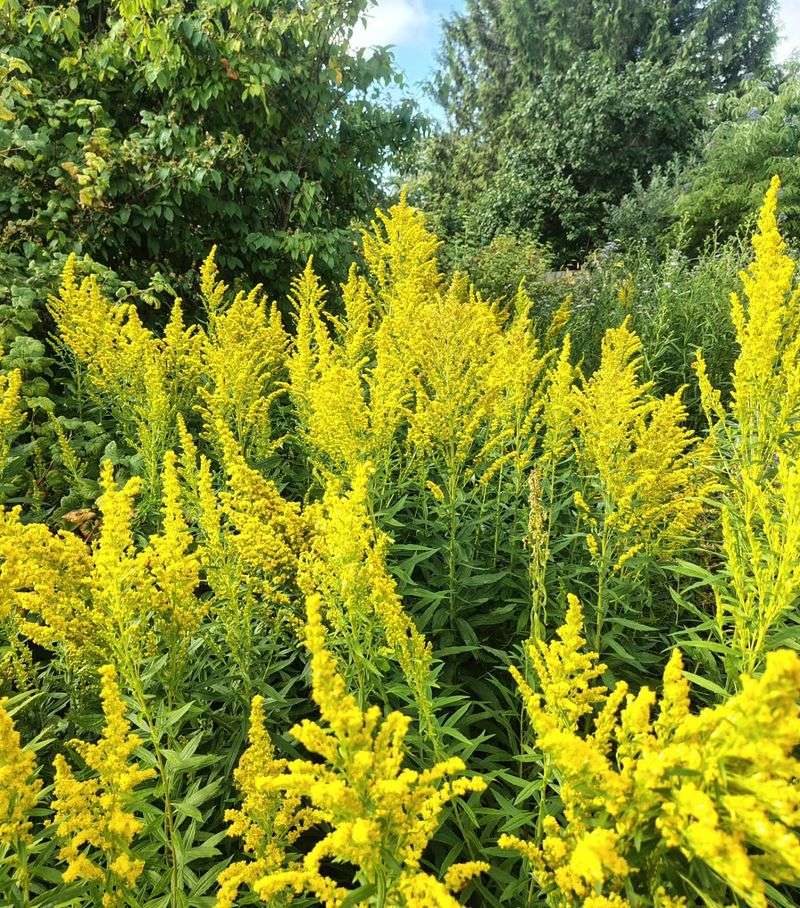
Not all goldenrod is the same, and that is actually great news for gardeners. Pennsylvania is home to more than a dozen native goldenrod species, and they vary quite a bit in height, spread, and preferred growing conditions.
Picking the right one for your space can make the difference between a plant that fits perfectly and one that takes over your garden before you know it.
Some goldenrod species, like tall goldenrod (Solidago altissima), spread aggressively through underground roots and can quickly colonize a large area. Those types work well in open meadows or naturalized spaces where you want wide coverage.
But in a smaller backyard garden, they can become overwhelming fast. For tighter spaces, look for more compact species like stiff goldenrod (Solidago rigida) or gray goldenrod (Solidago nemoralis), which tend to stay better-behaved and clump rather than spread widely.
Moisture and soil type also matter when choosing a species. Zigzag goldenrod (Solidago flexicaulis) actually prefers shady, moist woodland conditions, which makes it a rare option for spots that do not get much sun.
Most other species prefer full sun and well-drained soil. Matching the plant to your actual conditions gives it the best chance to thrive without needing extra attention.
When buying goldenrod, try to source plants from local native plant nurseries in Pennsylvania. Local plants are already adapted to the regional climate and soil, which means they tend to establish faster and perform better over time.
Ask nursery staff about the specific species they carry and how each one behaves in a home garden. A little research upfront saves a lot of effort later and helps you find the goldenrod that fits your yard just right.