Why You Should Never Leave North Carolina Garden Soil Bare In August
Bare soil feels harmless enough, especially once summer crops finish producing and beds start looking a little empty by August. Most gardeners assume there’s no real downside to leaving that space open until it’s time to plant again.
But exposed soil during this specific stretch sets off a chain of problems that quietly work against you long before fall planting even begins.
Understanding exactly what happens to uncovered soil this time of year changes how you think about those empty patches in your garden.
Many gardeners don’t realize the damage being done until they’re left wondering why their fall crops struggle right from the start. Once you know what bare soil actually costs you in August, covering it becomes an easy habit to adopt.
This simple shift could protect the health of your garden beds for the rest of the season and beyond.
1. Bare Soil Gets Hot Fast
Picture stepping barefoot onto a sidewalk in the middle of August. That same burning heat hits open garden soil, and the temperature near the surface can soar far higher than the air around it.
Roots living just below that top layer feel every degree. When the ground gets too warm, plants slow their growth, wilt during the day, and struggle to take up water even when you have watered them well.
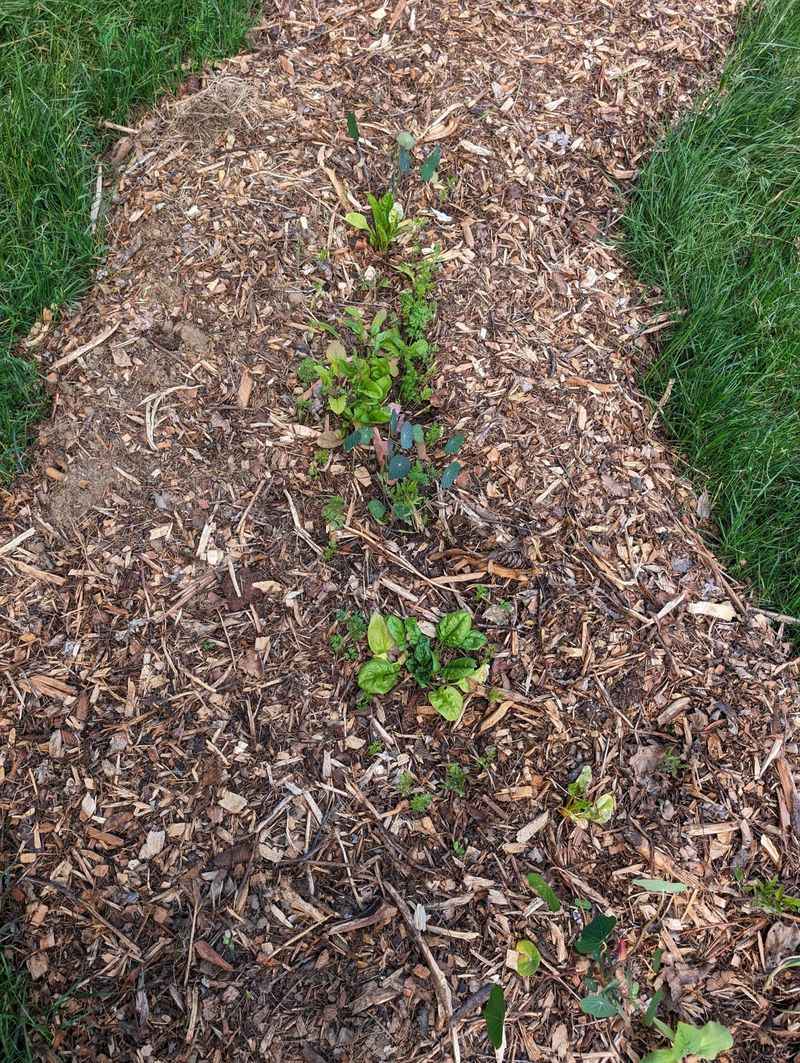
Tomatoes, peppers, and leafy greens all get cranky when their feet cook. Mulch acts like a cozy hat for your soil, but in reverse. A few inches of straw, shredded leaves, or pine needles block the sun before it reaches the ground.
Underneath that cover, the soil stays several degrees cooler and much steadier through the day.
Cooler roots mean happier plants that keep producing instead of shutting down. You will notice less afternoon wilting and stronger new growth once the heat stops pounding the surface.
Spread your mulch about two to three inches thick, and keep it pulled back an inch from plant stems so air can still move. Refresh it whenever it thins out from wind or watering.
Here is a neat fact: light-colored mulches like straw reflect sunlight, which cools the ground even more than dark materials. In North Carolina’s fierce summer sun, that small choice makes a real difference.
Give your soil that protective blanket, and your garden will thank you with steady, healthy growth all month long.
2. Moisture Disappears Faster
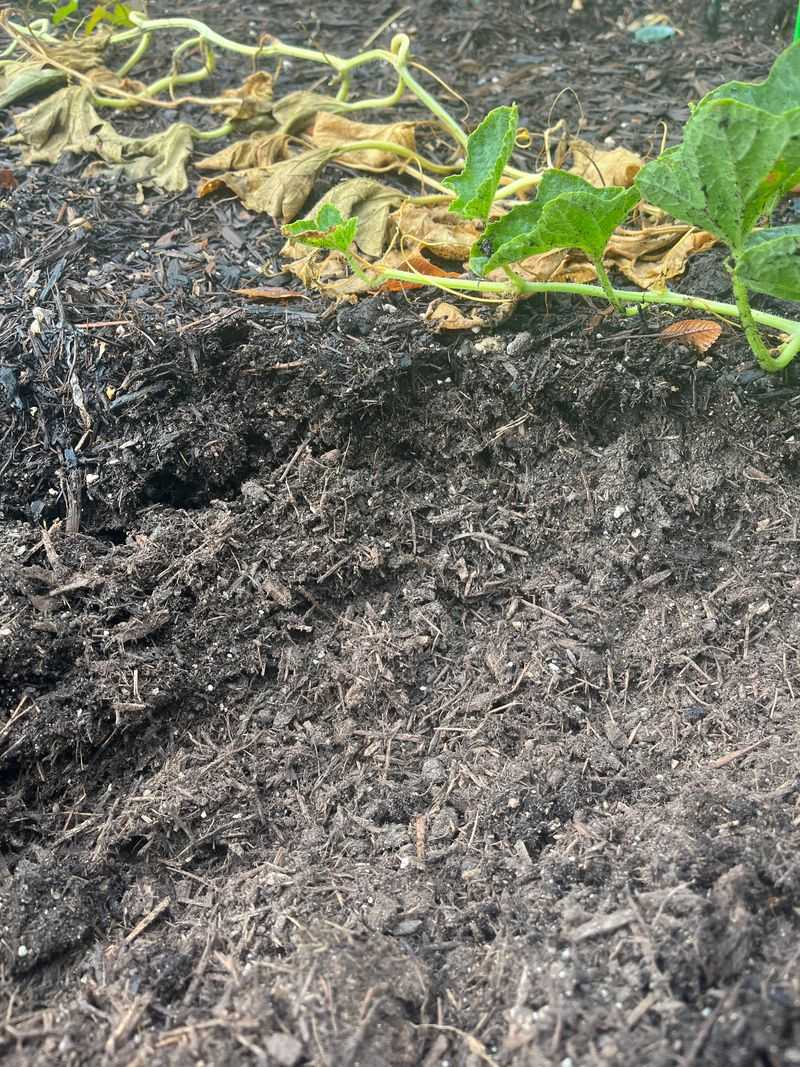
You water your garden in the morning, and by afternoon the ground looks dusty and thirsty again. That vanishing act happens because bare soil lets water escape straight into the hot air.
The sun and dry August wind pull moisture up from the surface in a process called evaporation. Without any cover, your soil can lose water so quickly that plants never get the steady drink they need.
That means more watering, higher water bills, and stressed-out roots.
Mulch slows the whole thing down. By shading the surface and trapping humidity near the ground, it keeps water where your plants can actually use it.
Your North Carolina Garden Changes Every Week. Your Plan Should Too.
Gardening in North Carolina changes quickly throughout the season. Every Friday you’ll receive a simple weekly plan showing exactly what to plant, prune, fertilize, harvest, and protect so you never miss the right timing.
Gardeners often find they water half as often once they mulch well. Think of mulch as a lid on a pot of soup. The lid keeps the steam from floating away, and mulch keeps moisture locked into your beds the same way.
Spread organic mulch two to three inches deep over damp soil for the best results. Water first, then cover, so you seal in that moisture rather than trapping dry dirt.
You will also notice fewer cracks forming across the surface, which is a sure sign the ground is holding water better. During a stretch of hot days with no rain, that saved moisture keeps your vegetables plump and growing.
Consistent moisture also helps prevent problems like blossom end rot on tomatoes, which shows up when watering swings from wet to dry. A steady, mulched bed keeps everything even and calm through August’s heat.
3. Heavy Rain Can Wash Soil Away

North Carolina summers love a surprise. One minute the sky is clear, and the next a booming thunderstorm dumps buckets of rain across your yard.
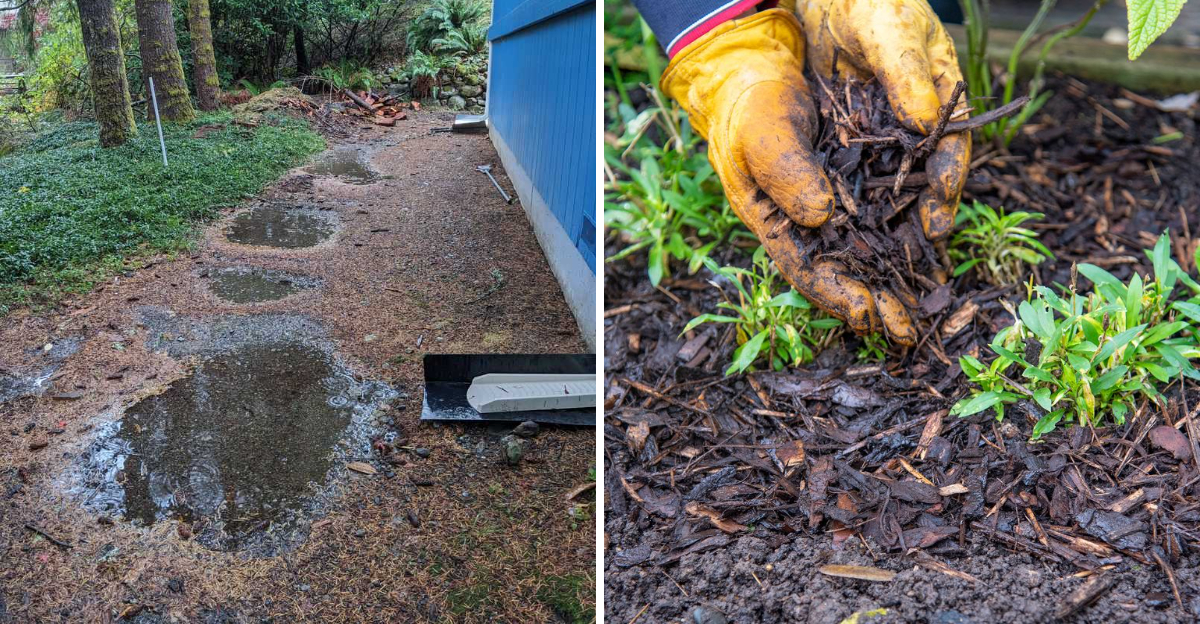
When that heavy water lands on bare soil, it grabs loose particles and carries them downhill. This washing away is called erosion, and it robs your garden of the rich top layer where most nutrients live.
On sloped beds, the damage happens even faster. Every storm that strips soil away leaves your plants with less to grow in. Over a summer of pop-up storms, those little losses add up to real trouble.
A blanket of mulch breaks the fall of raindrops before they hit the ground. Instead of blasting the surface and knocking soil loose, the water soaks in gently and stays put.
Straw and shredded bark work especially well because they knit together and hold firm even in a downpour. On steeper spots, you can add a light netting or use a cover crop to lock everything in place.
You will see the difference right away. After a storm, a mulched bed stays smooth and level while bare ground shows gullies and washed-out streaks.
Keeping your top layer in place means keeping your nutrients, your seeds, and your hard work where they belong. It also stops muddy runoff from clogging paths and drains around your garden.
Given how wild August storms can get in North Carolina, covering your soil is one of the smartest moves you can make to protect everything you have planted.
4. Weeds Find Open Ground
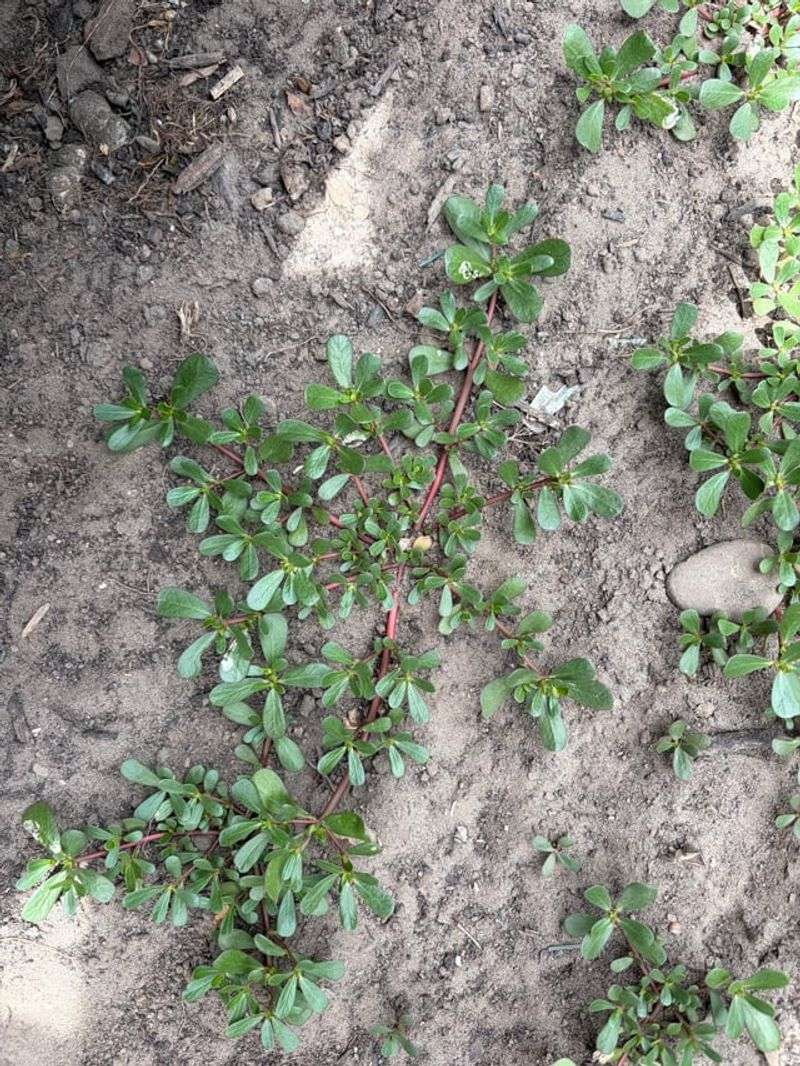
Weed seeds are always waiting for their chance, and open soil is exactly the invitation they want. Give them sunlight and bare ground, and they sprout by the dozens almost overnight.
Once those weeds pop up, they fight your vegetables for water, nutrients, and space. In the warm August weather, they grow shockingly fast and can take over a bed before you know it.
Every hour you spend pulling weeds is an hour you could spend enjoying your garden instead. Bare soil basically hands those pesky plants a head start.
Mulch changes the game by blocking sunlight from reaching the weed seeds below. Without light, most of them simply cannot get going, so far fewer break through the surface.
The few weeds that do sneak up through mulch come out easily because the ground beneath stays soft and loose. A quick tug and they slide right out, roots and all.
For extra weed-blocking power, lay down a sheet of cardboard or newspaper before piling on your mulch. That combo smothers stubborn weeds and breaks down naturally over time.
Keep your mulch layer thick enough, around three inches, to really shade the soil. Thin spots are where weeds love to sneak through, so patch them as needed.
A tidy, mulched bed not only looks great but also lets your vegetables grab all the resources for themselves. Less competition means bigger harvests and a whole lot less bending, pulling, and grumbling in the summer sun.
5. Rain Splashes Soil Onto Plants
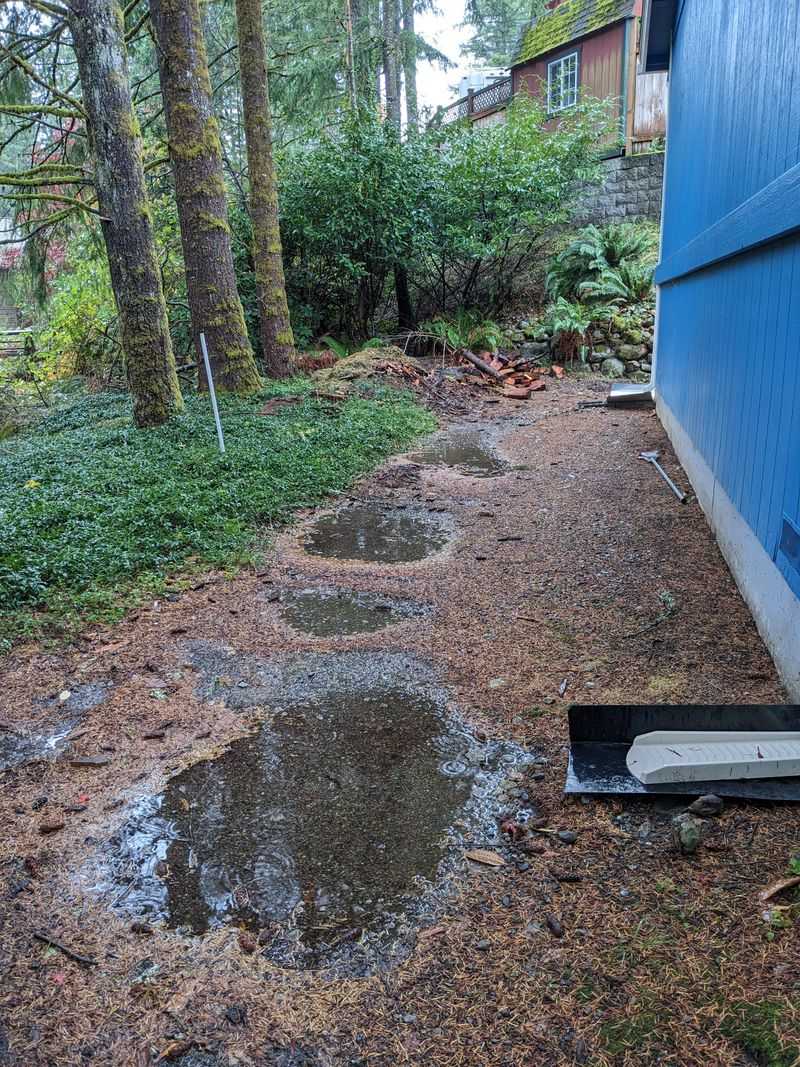
Watch what happens the next time rain pounds a bare garden bed. Little bits of mud fly upward and coat the lower leaves and fruits of your plants.
That splashing does more than make things messy. Soil often carries tiny spores and germs that cause plant illnesses, and when they land on leaves, they can start spreading trouble fast.
Tomatoes are especially picky about this. Diseases like early blight often begin on the lowest leaves right where splashed dirt lands after a storm.
Mulch stops the splash before it starts. By covering the soil, it keeps raindrops from blasting mud up onto your plants and their fruit.
A clean layer of straw or leaves means the water hits the mulch, soaks in gently, and never flings dirt around. Your vegetables stay cleaner and much healthier as a result.
You will also spend less time scrubbing mud off your harvest. Cucumbers, squash, and greens that rest near the ground stay tidy and ready to eat.
For the best protection, mulch early in the season before storms become frequent, and keep the layer even across the whole bed. Pay special attention to the base of tall plants like tomatoes and peppers.
Pairing mulch with good spacing and lower-leaf trimming gives your plants an even stronger defense against splash-borne problems. Together these steps keep leaves dry and clean.
With North Carolina’s frequent summer showers, a simple mulch barrier quietly protects your plants storm after storm, helping them stay strong straight through the growing season.
6. Soil Can Become Compacted
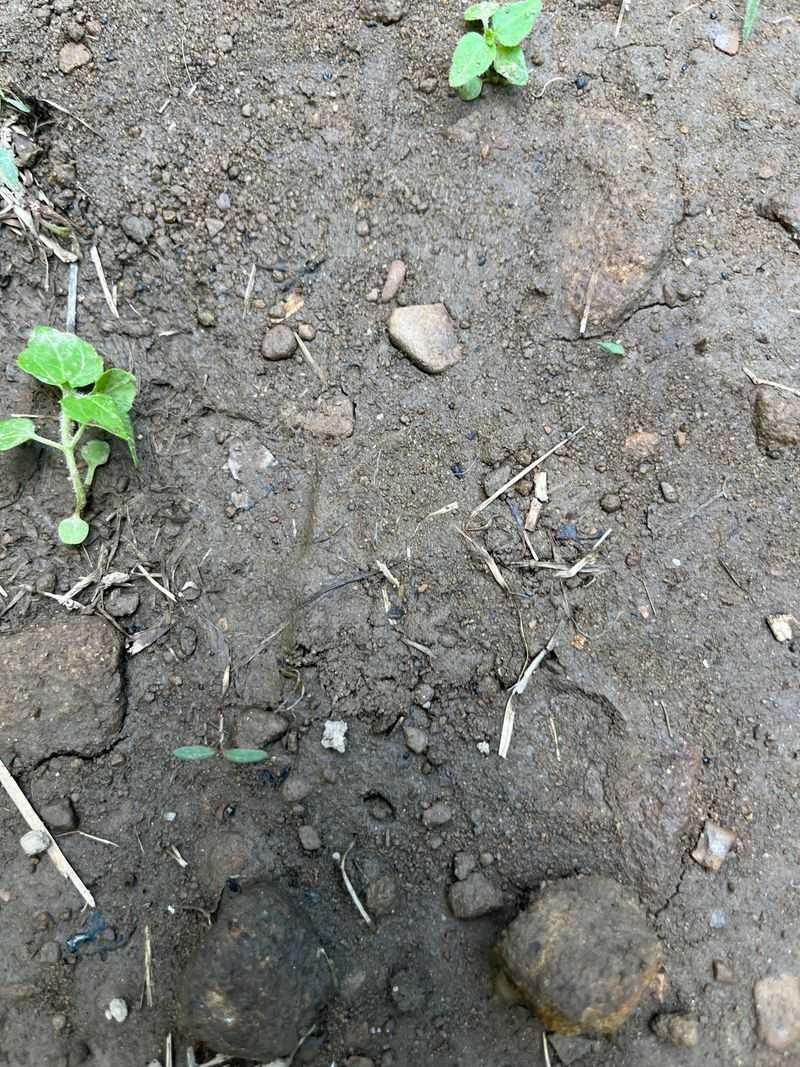
Rain feels gentle to us, but to bare soil a heavy downpour hits like a hammer. Each drop pounds the surface and packs the tiny particles tighter and tighter.
Over time this creates a hard, crusty top layer that water struggles to soak through. Instead of sinking in, rain runs off, and your plant roots miss out on the drink they need.
Compacted soil also makes it tough for roots to push through and for air to reach them. Roots need loose, crumbly ground to spread out and stay healthy.
Mulch softens every raindrop before it touches the soil. That cushion keeps the surface loose, open, and easy for water to enter.
Under a good mulch layer, the ground stays fluffy instead of hard-packed. Earthworms and helpful tiny creatures also stay active there, and their tunnels keep the soil airy and open.
You can test your soil by pressing a finger into it. Mulched beds feel soft and give way easily, while bare, beaten soil feels stiff and stubborn.
If your soil has already crusted over, loosen the top gently with a hand fork before adding mulch. That combo restores good structure and keeps it that way.
Better soil structure means water, air, and roots all move freely, which sets up your whole garden for stronger growth. It also makes future planting and digging so much easier.
With August storms rolling through North Carolina regularly, that soft mulch shield keeps your beds loose, breathable, and ready to grow anything you plant.
7. Organic Mulch Feeds The Soil
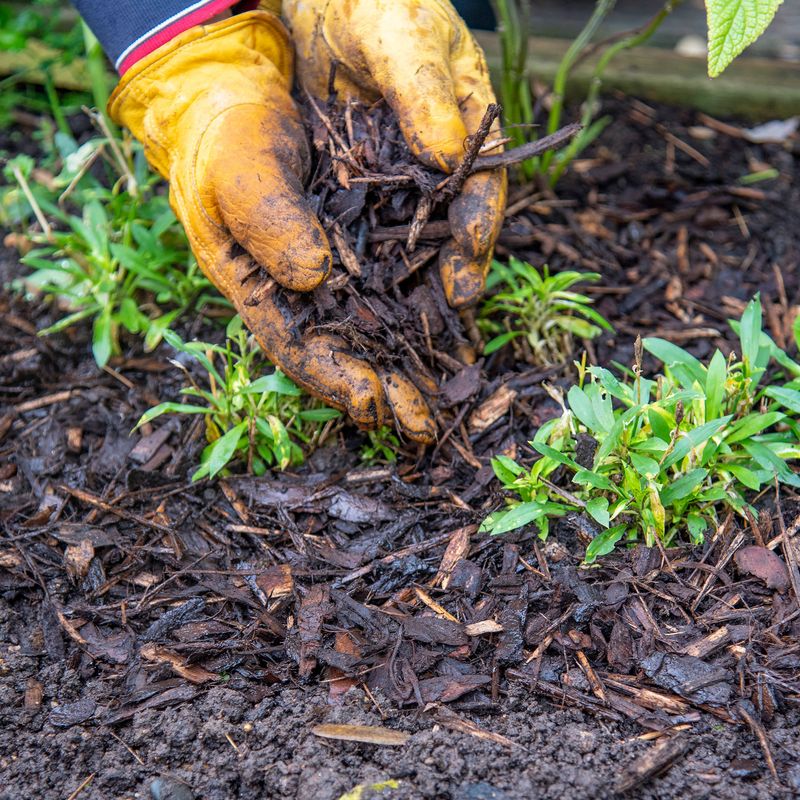
Here is a bonus that makes organic mulch feel almost magical. While it protects your soil on top, it is quietly improving the ground from below.
Materials like shredded leaves, straw, pine needles, and grass clippings slowly break down over the weeks. As they do, they add rich organic matter that feeds your soil naturally.
That organic matter turns plain dirt into dark, crumbly, healthy soil packed with nutrients. Your plants get a steady supply of food without you buying bags of fertilizer.
Tiny helpers do most of the work for you. Earthworms, fungi, and microbes munch on the mulch and release nutrients your plants can drink up through their roots.
The result is soil that holds water better, drains well, and grows stronger plants season after season. Each layer of mulch you add builds on the last.
Different mulches offer different perks. Pine needles work great around plants that like slightly acidic soil, while straw and leaves suit almost any vegetable bed.
To keep the feeding going, top off your mulch as the old layer breaks down and thins. Think of it as refilling the buffet for all those helpful creatures underground.
Chop leaves or run a mower over them first so they break down faster and stay put in the wind. Smaller pieces disappear into the soil much more quickly.
Over a few seasons this simple habit transforms tired ground into rich, living soil. In North Carolina’s climate, that steady boost keeps your garden productive year after year with barely any extra effort.
8. Cover Empty Beds Before Fall
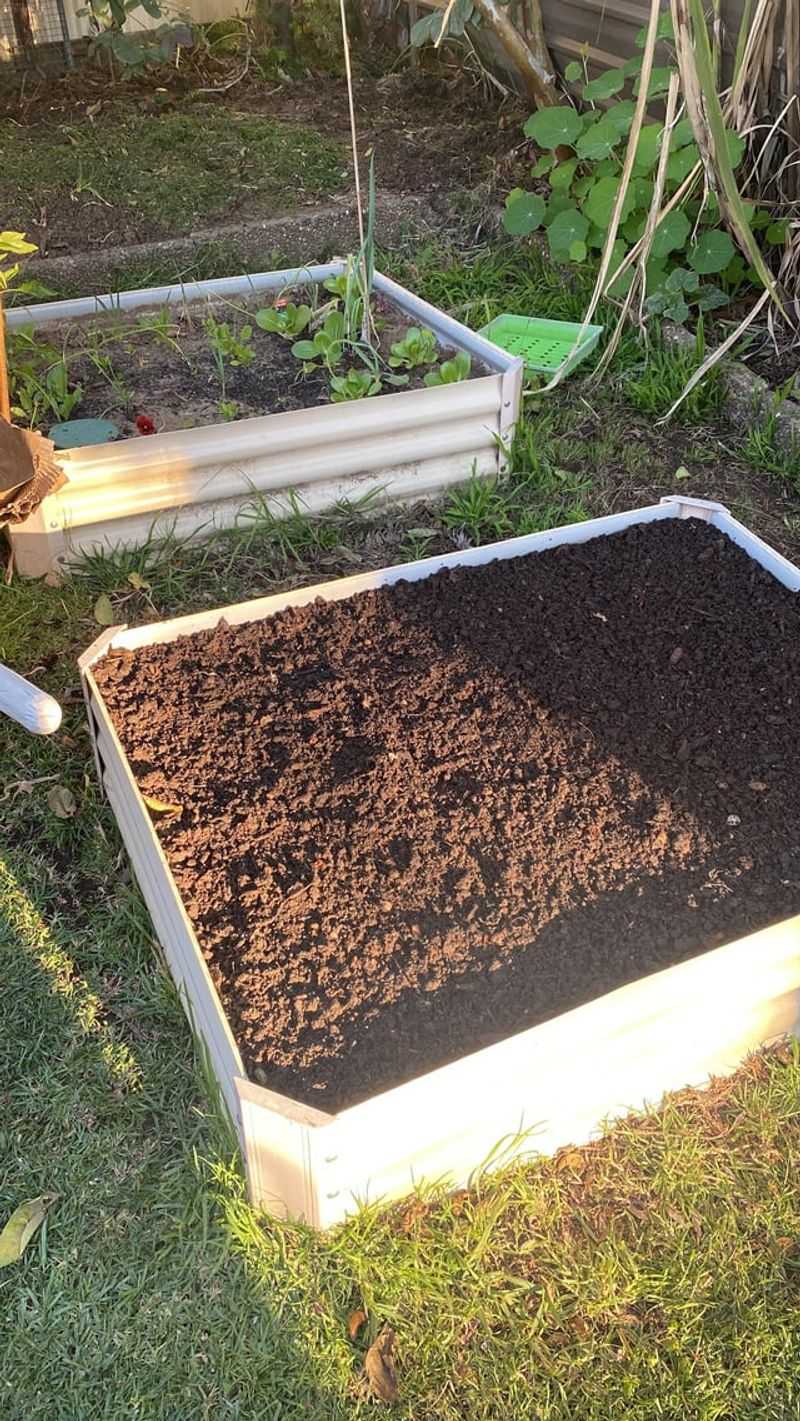
When August winds down and a bed sits empty, do not let it sit there naked and exposed. Open ground with nothing growing invites all the problems we have talked about.
Instead of leaving beds bare between plantings, give them a protective covering. You have two great choices, and both keep your soil safe and healthy.
The first option is a thick layer of mulch, just like you use around plants. It shields the surface, blocks weeds, and holds moisture until you are ready to plant again.
The second option is a cover crop, sometimes called a green manure. Fast growers like clover, buckwheat, or annual rye blanket the soil with living roots.
Cover crops do amazing things underground. Their roots hold the soil in place, add organic matter, and some even pull nutrients from the air right into the ground.
In North Carolina, late summer and early fall are perfect times to sow cool-season cover crops. Scatter the seeds, water them in, and let them grow through the cooler months.
When spring arrives, you can chop the cover crop down and mix it into the soil. It breaks down into free nutrients that give your next planting a big head start.
Either way, the goal stays the same: never leave your ground open and unguarded. A covered bed stays richer, softer, and ready to go.
Give your empty beds this simple care before fall, and you will walk into next season with soil that is stronger, cleaner, and eager to grow.