The Alabama Mounds That Rebuild Themselves After Every Rain
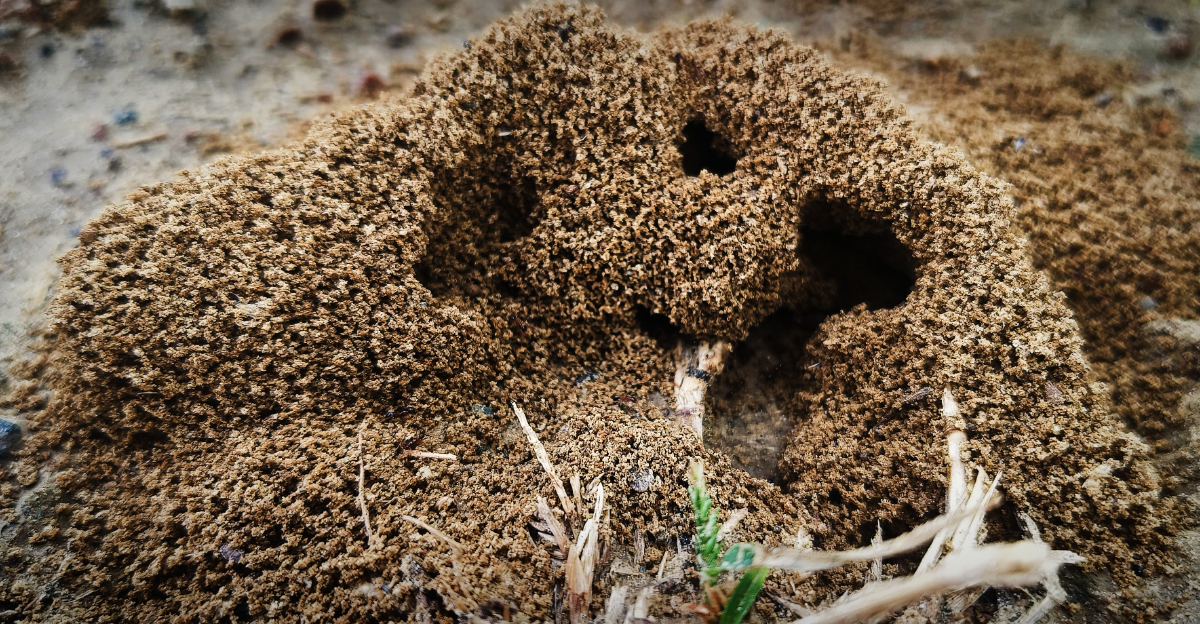
Rain pounds Alabama’s soil, and something underground refuses to stay buried. Storms wreck fences and driveways, yet this survives.
Something reappears in the exact same spot every single time. Neighbors across Alabama swap theories that rarely hold up.
Scientists studying this keep finding details that contradict old assumptions. Nothing about it obeys ordinary rules of dirt or weather.
Researchers describe behavior that looks almost deliberate, like the ground is deciding something. Homeowners still get caught off guard by its speed.
What keeps rebuilding itself beneath your feet is about to change how you see your own backyard.
Red Imported Fire Ants Rebuild Within Hours Of A Storm
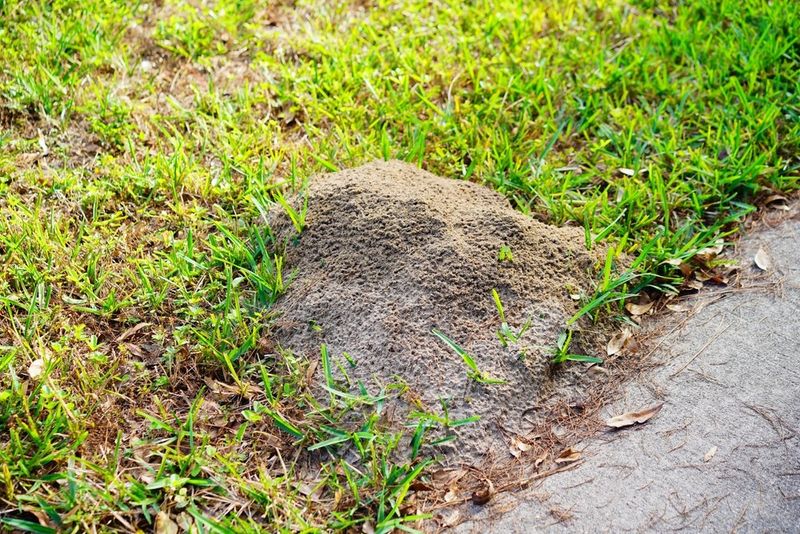
Rain hits, and these ants get to work fast. Red imported fire ants can rebuild a collapsed mound within just a few hours of a storm passing through.
Workers carry soil particles one by one back to the surface. Each ant acts like a tiny construction crew member with a very specific job.
The speed of their rebuilding shocks most homeowners. A mound that looks flattened at noon can look fully restored by sunset.
This rapid recovery is not luck. Fire ants have been perfecting this survival skill since arriving in the U.S. through the port of Mobile in the 1930s.
Their biology is built for pressure. Worker ants respond to chemical signals that essentially say “emergency rebuild” the moment water disrupts the nest.
A single mound can house hundreds of thousands of workers, giving the colony enormous manpower for rapid repairs. That sheer number is why rebuilding looks less like recovery and more like a coordinated construction operation.
Watching a mound reappear after every storm can feel discouraging. But that frustration often leads people to treat mounds the wrong way, which only makes the problem worse.
Stomping or flooding a mound with water just sends ants scattering. Knowing why they rebuild so fast helps you target them smarter, not just harder.
Rain Pushes The Colony Upward Through Waterlogged Soil
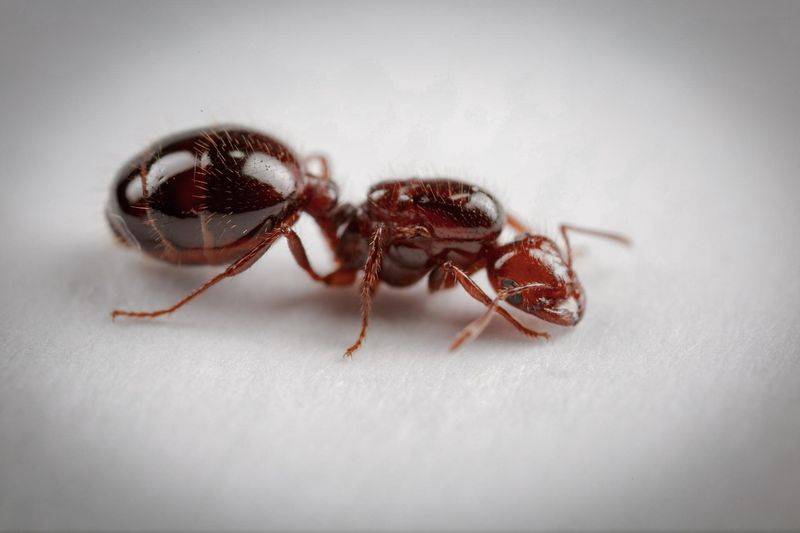
Flooding soil is the ant colony’s version of a fire alarm. When rain saturates the ground, the ants move up toward the surface to escape drowning.
The queen is typically the top priority during this upward migration. Workers form living chains and clusters to keep her safe and elevated above the water.
This movement is why mounds look taller and more active after a storm. The colony is not expanding outward yet, just rising to survive.
Soil moisture levels trigger specific chemical signals inside the nest. Those signals move fast, and every worker knows its role within seconds of the alert.
Eggs, larvae, and pupae get carried upward in a very specific order. The youngest and most vulnerable members of the colony move first.
Once the water drains away, the colony shifts back downward gradually. Workers seal off flooded tunnels and begin rebuilding the network from scratch.
Understanding this upward push explains why treating a mound right after a storm is often useless. The ants are bunched near the surface and on high alert, which makes them more likely to scatter than absorb any bait you lay down.
Your Alabama Garden Changes Every Week. Your Plan Should Too.
Gardening in Alabama changes quickly throughout the season. Every Friday you’ll receive a simple weekly plan showing exactly what to plant, prune, fertilize, harvest, and protect so you never miss the right timing.
The Mound Is Only The Visible Portion Of The Nest
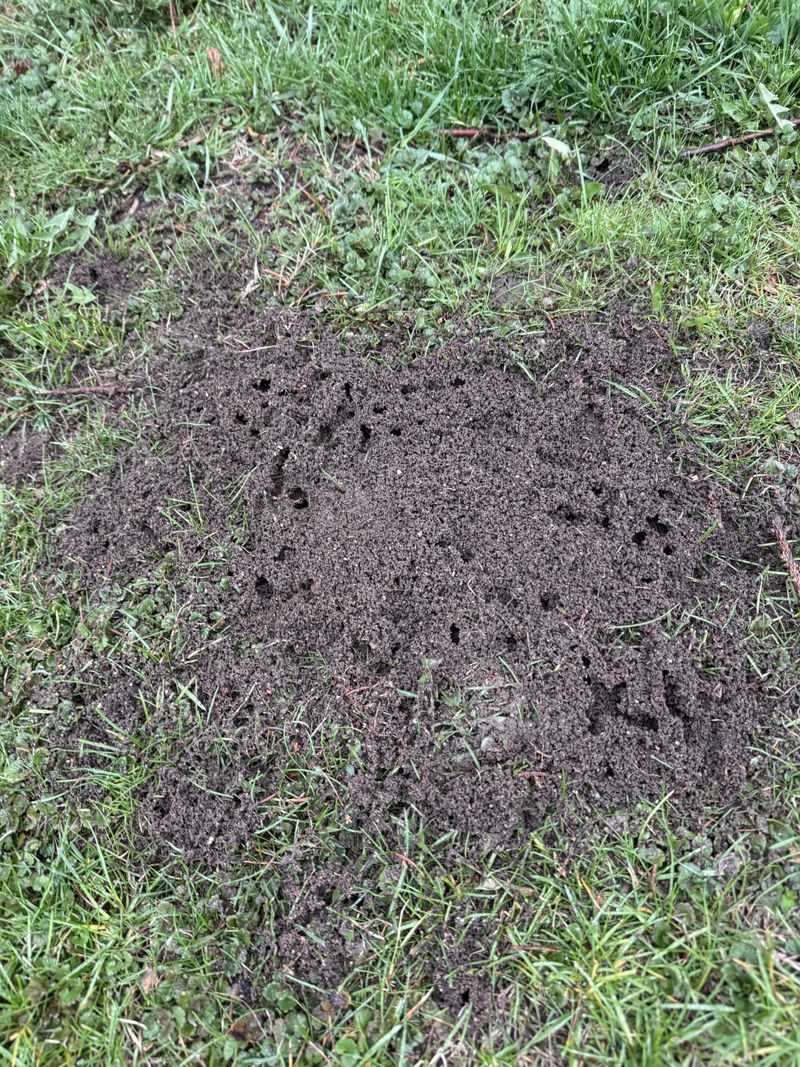
Most people treat the mound like it is the whole problem. The mound is actually just the tip of a massive underground city.
Below that dome of soil, fire ant tunnels can stretch two to three feet deep. Some mature colonies have tunnels reaching even further in sandy soil.
The queen lives well below the surface in a protected central chamber. She is rarely anywhere near the top of the mound you see above ground.
Worker tunnels spread outward from the main nest in multiple directions. Ants can travel several feet underground to reach food sources without ever surfacing.
This underground reach is why pouring boiling water on a mound rarely works. You might damage the top layer, but the queen and core colony stay untouched.
The mound itself serves as a solar collector. Its dome shape traps heat from the sun, which warms the eggs and larvae living in the upper chambers.
Knowing the mound is just the surface changes your whole treatment strategy. Products that only contact the outer mound miss the real target entirely, and the colony bounces back within days.
Disturbing A Mound Scatters The Colony Into New Sites
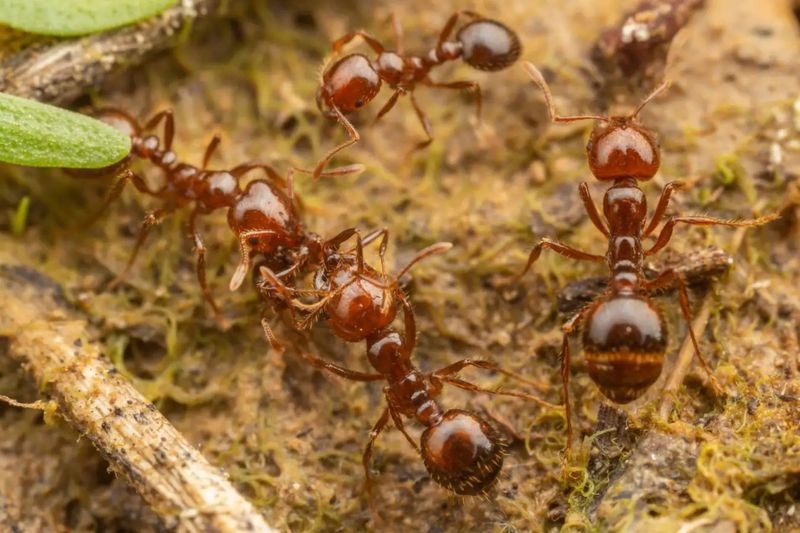
Kicking a fire ant mound feels satisfying in the moment. Two weeks later, you have three mounds where you used to have one.
Disturbing a nest triggers a defensive response called budding. Part of the colony, including a queen or reproductive female, breaks off and starts a new nest nearby.
This is one of the most common mistakes Alabama homeowners make. Physical disruption without proper treatment turns one problem into several smaller problems spread across the yard.
Budding can happen within 24 hours of serious disturbance. The new satellite mounds may not be visible right away, but the colony is already establishing underground.
Lawn equipment like mowers and tillers can accidentally trigger budding across large areas. One pass through an infested section of lawn can spread ants to multiple new zones.
Even repeated flooding with a garden hose causes the same reaction. The colony interprets the threat as a reason to split and relocate rather than stay and fight.
Smart treatment means approaching the mound calmly and from a distance. These stubborn colonies are best handled with bait placed around, not on top of, the mound itself.
The Two Step Method Alabama Extension Agents Recommend
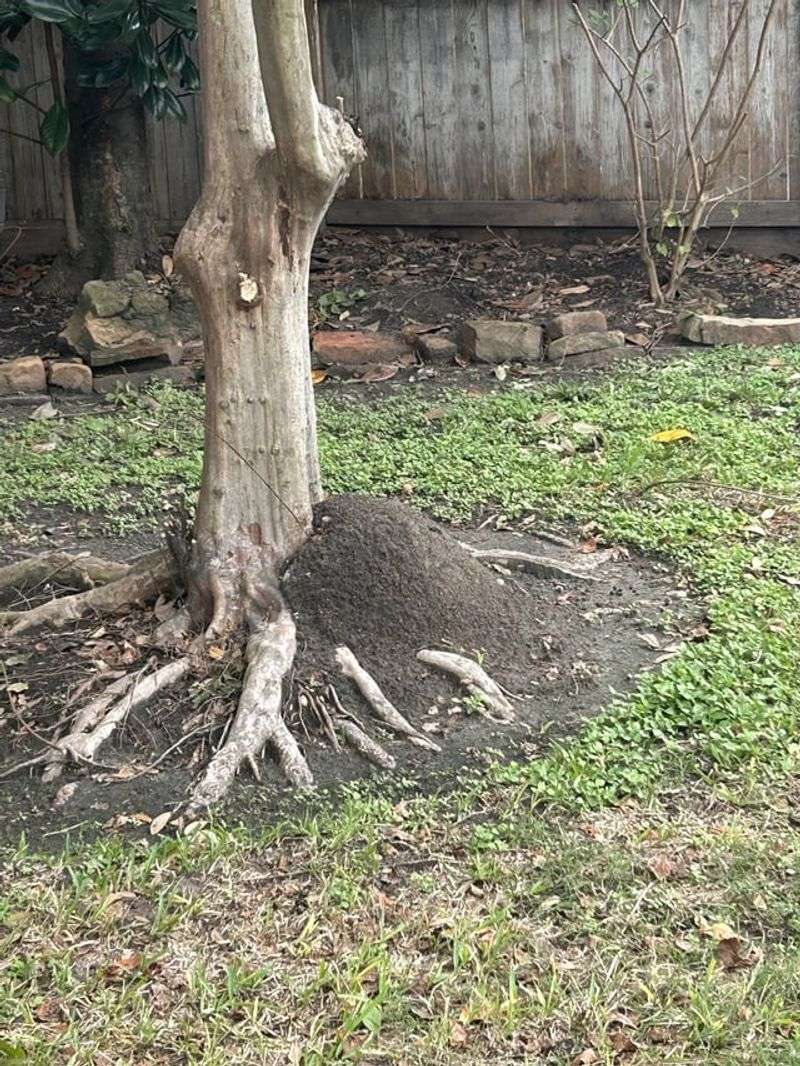
Alabama Cooperative Extension has a name for their go-to approach. They call it the Two Step Method, and it works better than most people expect.
Step one involves broadcasting fire ant bait across the entire yard. This targets foraging workers who carry the bait back to the colony and share it with the queen.
Step two involves treating individual mounds that remain active after a few weeks. You can use a drench, dust, or granule product directly on stubborn mounds.
The order matters a lot. Skipping the broadcast step and only treating mounds leaves thousands of underground workers untouched and ready to rebuild.
Extension agents recommend doing the two steps in spring and again in fall. Those seasons have the highest ant activity and the most foraging workers above ground.
Bait products work slowly by design. Workers need time to carry the active ingredient deep into the colony before it takes effect.
Patience is the hardest part of this method for most homeowners. Results can take two to six weeks, but the payoff is a yard with 80 to 90 percent fewer active mounds and far fewer surprise encounters with a colony that just won’t quit.
Bait Timing That Actually Reaches The Queen
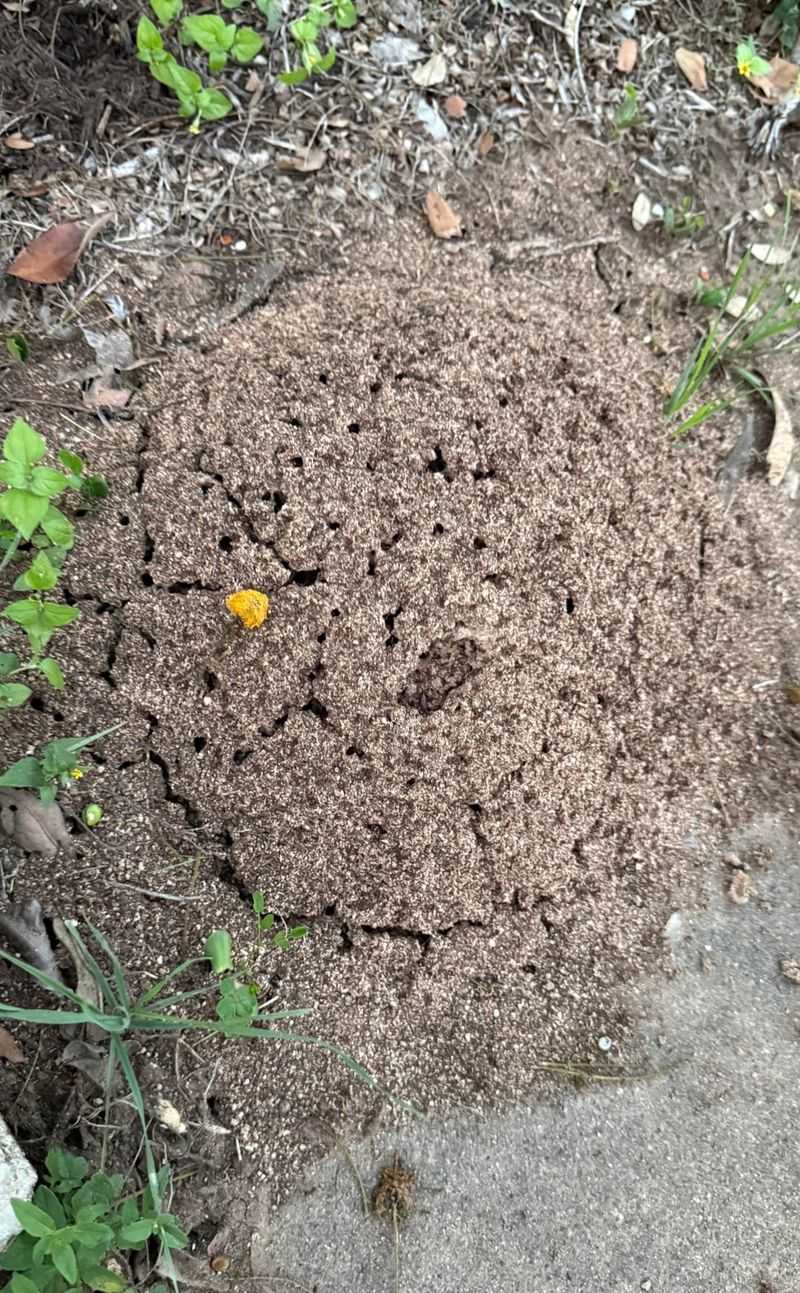
Bait timing is where most people go wrong. Putting bait out at the wrong time means ants ignore it completely, and you waste money with zero results.
Fire ants forage most actively when soil temperatures are between 70 and 90 degrees Fahrenheit. That sweet spot usually falls in morning or late afternoon hours.
Bait should never go out right before rain. Moisture breaks down the oily attractant in the granules, making the bait invisible to foraging workers.
Check the weather before you treat. If rain is expected within 24 hours, wait for a dry window to apply your product.
Fresh bait matters more than most labels suggest. Old bait that has been sitting in your garage loses its attractant quality and gets ignored by foraging ants.
A simple freshness test is to smell the bait. Good fire ant bait smells faintly like processed corn or soybean oil, which mimics the food ants naturally seek.
Reaching the queen is the most effective way to stop colony reproduction. Workers are replaceable, but without a healthy queen laying eggs, the colony shrinks fast and cannot rebound after the next storm rolls through your yard.
Protecting Yourself While Treating An Active Mound
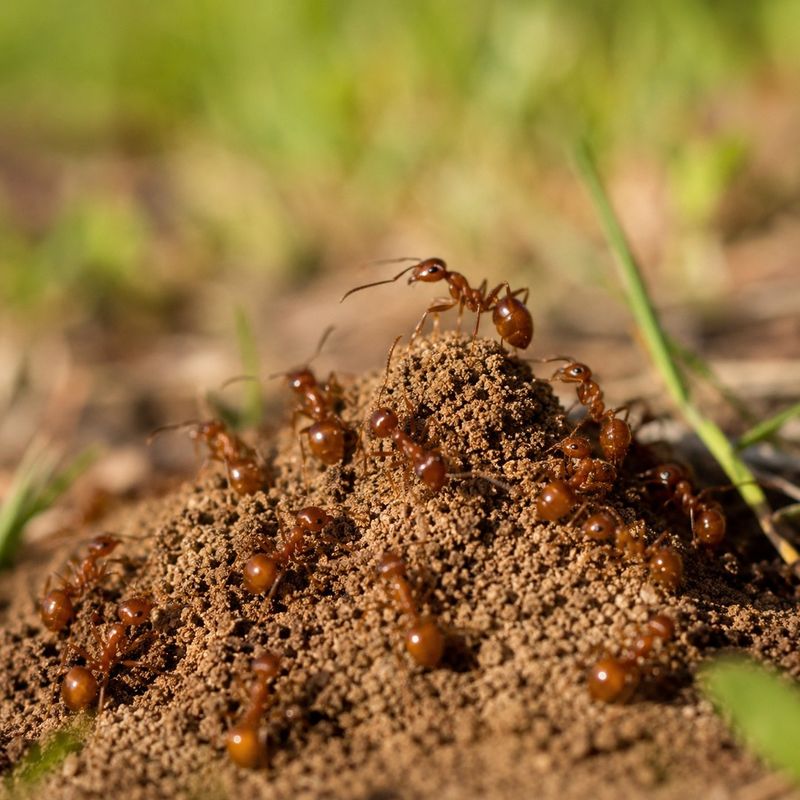
Fire ant stings are not just painful, they are sneaky. Ants crawl up your leg silently before they sting, often all at once on a chemical signal.
Wearing tall rubber boots is the single most effective protection when working near mounds. Ants struggle to grip smooth rubber the way they grip fabric or skin.
Tuck your pants into your socks before stepping anywhere near an active colony. That extra layer of coverage buys you precious seconds to move away if ants start climbing.
Apply insect repellent containing DEET to shoes and lower pant legs before treating. This adds a chemical barrier that deters ants from climbing in the first place.
Move slowly and deliberately near any mound you plan to treat. Sudden vibrations alert the colony and trigger a defensive surge of stinging workers to the surface.
Keep a bag of ice nearby when treating multiple mounds in a session. If stings happen, cold reduces swelling and eases the burning sensation quickly.
Anyone with a known allergy to insect stings should not treat fire ant mounds without a companion present. These colonies deserve serious respect, and staying safe means you can keep fighting them all season long.