7 Plants That Can Help Keep Foxes Out Of Your North Carolina Garden

Foxes wandering through a North Carolina yard might seem harmless at first, but their repeated visits can quickly become a frustrating pattern for gardeners.
Many homeowners assume there’s little they can do beyond fencing or repellent sprays that need constant reapplying.
But it turns out certain plants naturally discourage foxes from sticking around, offering a more passive, long term solution most people have never considered.
The specific scents and textures that keep foxes away are surprisingly easy to work into an existing garden design.
Once you know which plants make a difference, keeping foxes at a distance becomes far less of a daily battle. Some of these options might already be growing somewhere in your yard without you realizing their extra benefit.
Understanding this list could change how you think about foxes wandering through your garden for good.
1. Adam’s Needle Creates A Sharp Barrier
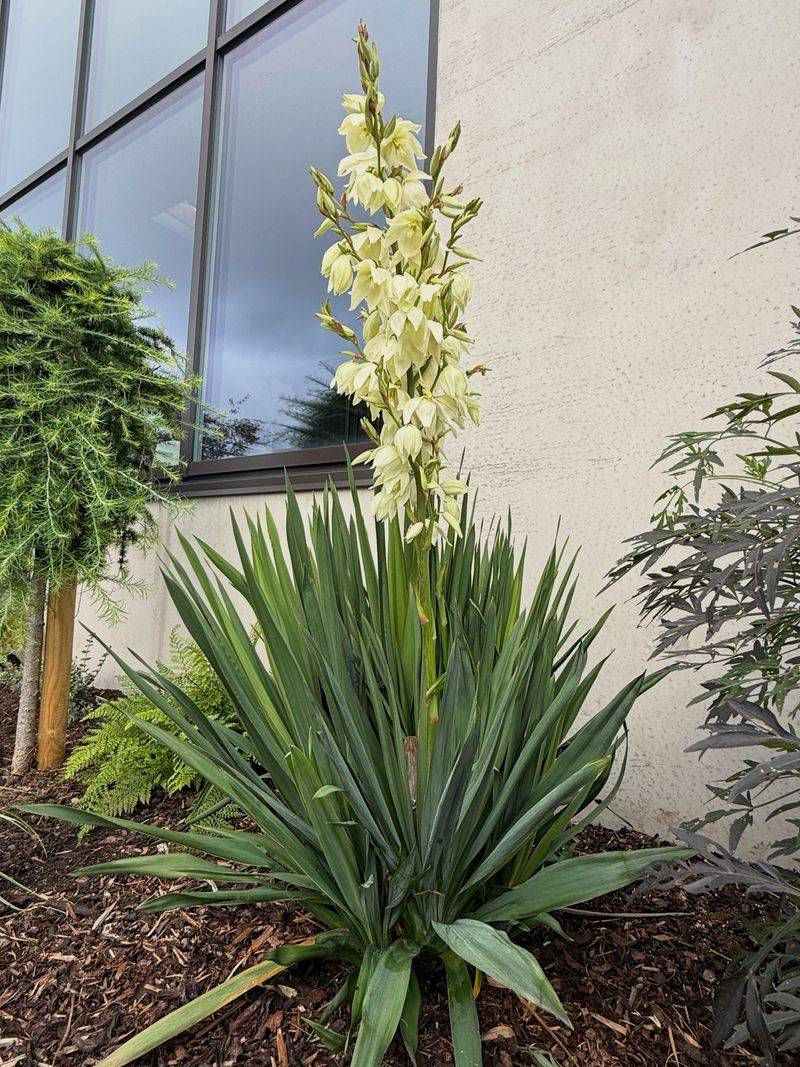
Picture a plant that guards your garden without you lifting a finger. Adam’s Needle, a yucca native to North Carolina, does exactly that with its rosette of stiff, sword-shaped leaves.
Each leaf ends in a firm, needle-like tip that gives the plant its name. When these leaves grow together in thick clumps, they form a spiky wall that most animals, foxes included, would rather walk around than push through.
Gardeners love this yucca because it asks for so little. It handles sandy soil, dry spells, and full sun without complaint, which makes it a great choice across much of the state.
In early summer, tall stalks rise from the center of the plant, covered in creamy white flowers that attract pollinators. So while the leaves keep foxes at a distance, the blooms bring beauty and buzzing visitors to your yard.
Plant Adam’s Needle along fences, garden edges, or open corners where foxes tend to slip through. Its low, dense shape works well as a natural boundary that stays green all year long.
Just be smart about placement. Those pointed tips can poke people too, so keep this yucca away from paths, seating areas, and spots where children play.
Once established, Adam’s Needle needs almost no care and spreads slowly into a tidy clump. For anyone wanting a tough, attractive, and low-effort barrier plant, this native yucca is a smart and reliable pick.
2. Spanish Bayonet Is Even Tougher
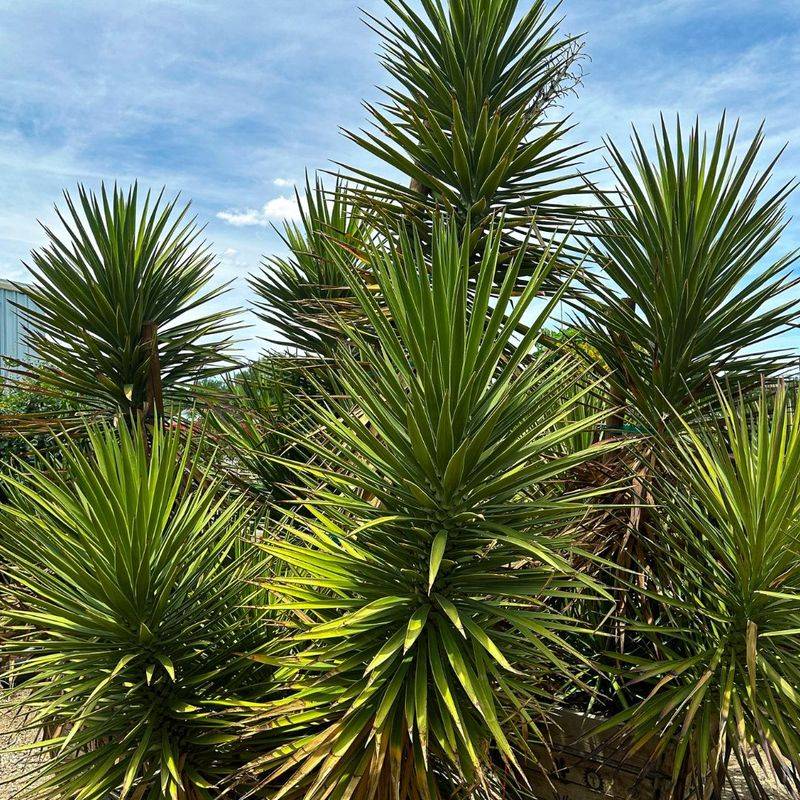
If Adam’s Needle is sharp, Spanish Bayonet takes things a step further. This coastal yucca earns its bold name from leaves so rigid and pointed that they truly resemble small blades.
Native to the sandy soils of North Carolina’s coast, Spanish Bayonet thrives in heat, salt spray, and dry conditions. Its stiff leaves grow in dense clusters along a thick trunk, creating a barrier that few animals dare to challenge.
Foxes rely on easy paths and open gaps to move through a yard. A row of Spanish Bayonet blocks those routes with a wall of firm, spine-tipped foliage that simply is not worth the trouble for a passing fox.
Beyond its defensive powers, this plant offers striking looks. Tall spikes of white, bell-shaped flowers appear in the warmer months, giving your garden a dramatic, tropical feel that stands out from ordinary shrubs.
Your North Carolina Garden Changes Every Week. Your Plan Should Too.
Gardening in North Carolina changes quickly throughout the season. Every Friday you’ll receive a simple weekly plan showing exactly what to plant, prune, fertilize, harvest, and protect so you never miss the right timing.
Because the leaf tips are so incredibly sharp, placement matters a great deal. Keep Spanish Bayonet far from walkways, driveways, patios, and any area where children or pets run around.
The best spots are back corners, property edges, or fence lines where the plant can do its job without surprising anyone. Grouped together, several plants form an impressive living fence.
Care is refreshingly simple. Once its roots settle in, Spanish Bayonet needs little water and almost no attention. For gardeners near the coast who want serious protection with striking style, this rugged yucca delivers on both fronts.
3. Cockspur Hawthorn Has Serious Thorns
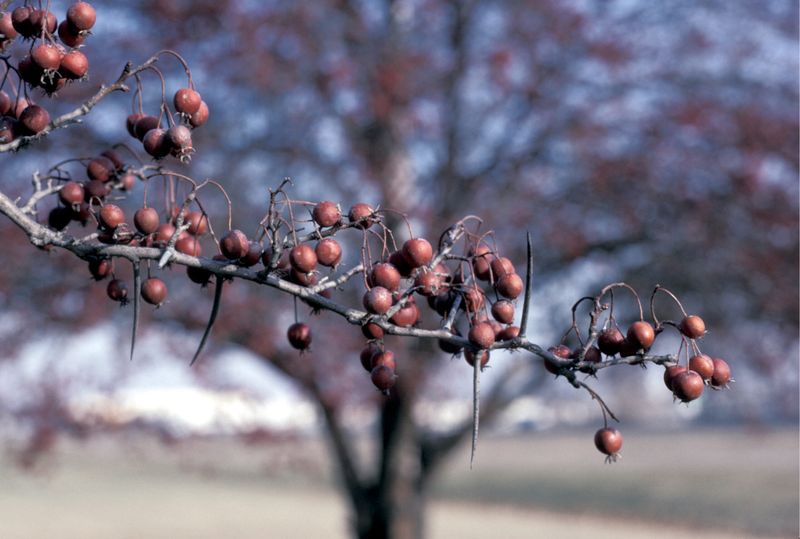
Some plants protect your garden while looking like a charming little tree, and Cockspur Hawthorn is one of them. Behind its pretty blossoms hides a set of thorns that mean business.
This North Carolina native produces long, straight thorns that can stretch several inches, lining its branches like natural spikes. Planted in a row, these small trees grow into a dense hedge that foxes and other animals steer clear of.
Spring brings clusters of white flowers that cover the branches and draw in bees and butterflies. By fall, small red fruits appear, offering food for birds and adding color to your yard.
The thick, tangled branches create a screen that blocks both sight and passage. A fox looking for a shortcut through your garden will quickly decide the effort is not worth the thorns.
Cockspur Hawthorn adapts well to many soil types and handles both sun and partial shade. That flexibility makes it a dependable choice for gardens across much of the state.
Give it room to grow, since a mature tree can reach twenty feet or more. Regular pruning keeps it shaped as a tidy hedge and encourages the dense, branching growth that makes it such a good barrier.
Because of those long thorns, plant it away from busy paths and play areas. Positioned along a boundary or back fence, Cockspur Hawthorn becomes a beautiful, wildlife-friendly guardian that keeps unwanted visitors out while welcoming birds and pollinators in.
4. Entangled Hawthorn Forms A Thorny Thicket
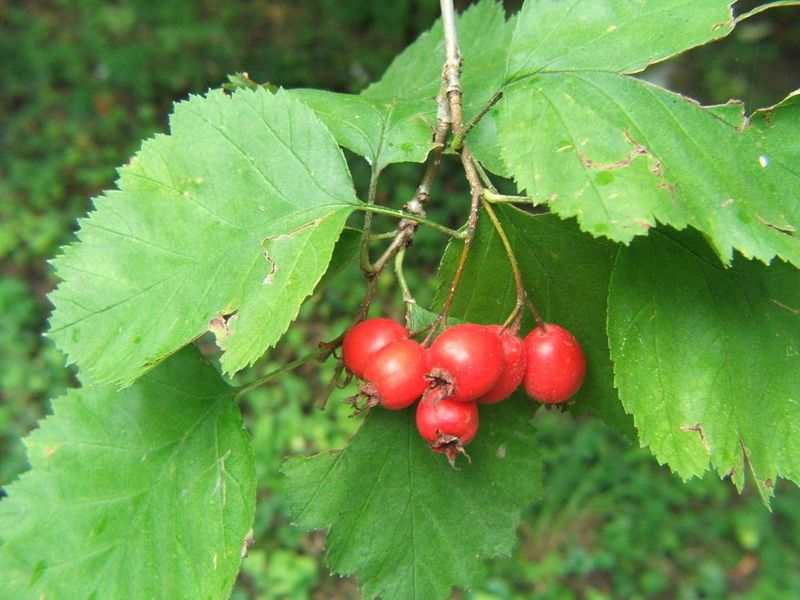
Imagine a plant that grows into a knotted maze of thorny branches, and you have the Entangled Hawthorn. Its very name hints at the twisted, dense thicket it loves to form.
Native to North Carolina, this hawthorn sends out branches that weave together into a nearly solid mass. Add long, sharp thorns to that tangle, and you get one of nature’s best security plantings.
Foxes prefer clear paths and open spaces. Faced with a wall of interlocking thorny stems, they simply turn around and look for an easier route, which is exactly what you want along a garden border.
The plant also earns its keep with seasonal beauty. White spring flowers and small autumn fruits bring pollinators and birds to your yard, so this thicket works quietly as a wildlife haven too.
Because it grows so thick, Entangled Hawthorn makes a strong natural fence. Planted in a line, several shrubs merge into a barrier that shields your garden from both animals and prying eyes.
It handles a range of soils and tolerates sun to light shade, making it easy to fit into many yards. Once settled, it needs little help to keep growing strong.
Give it space along a boundary rather than near seating or walkways, since the thorns are no joke.
Occasional pruning keeps the shape under control while preserving its protective density. For anyone wanting a rugged, natural fence with rustic charm, this tangled native is a smart pick.
5. American Holly Makes A Dense Hedge
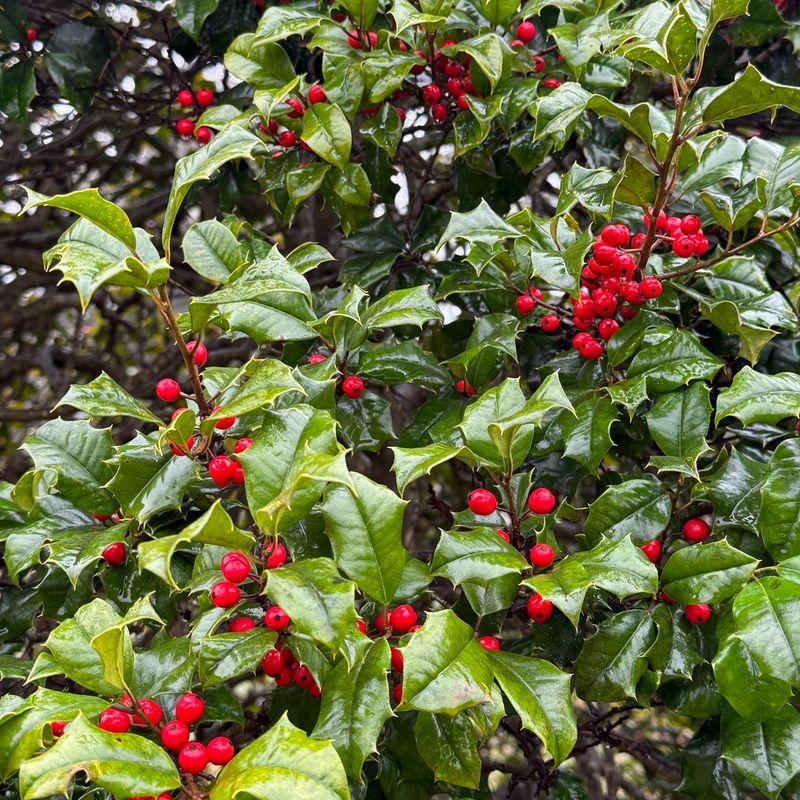
Few plants say classic Southern garden quite like American Holly, with its glossy leaves and cheerful red berries. Yet beneath that festive look sits a surprisingly tough barrier plant.
The leaves of American Holly are stiff, glossy, and edged with sharp little spines. Brush against them and you understand quickly why foxes and other animals prefer to keep their distance.
This North Carolina native stays green all year, so its protection never fades with the seasons. Grown close together, several trees form a thick evergreen hedge that blocks both animals and unwanted views.
Bright red berries appear in fall and winter, feeding birds and adding a splash of color when the rest of the garden looks bare. Only female trees produce these berries, so plant a male nearby to help them along.
American Holly can grow tall over time, but regular trimming keeps it shaped as a neat, dense hedge. That steady pruning also thickens the growth, making the barrier even harder for a fox to slip through.
It prefers well-drained soil and does fine in sun or partial shade, which makes it flexible for many yard layouts. Once its roots take hold, it becomes a low-maintenance, long-lasting feature.
Line it along fences or property edges to build a living wall that guards your garden year-round. Beautiful, sturdy, and welcoming to birds, American Holly proves that a plant can protect your space and dress it up at the same time.
6. Common Greenbrier Blocks Easy Passage
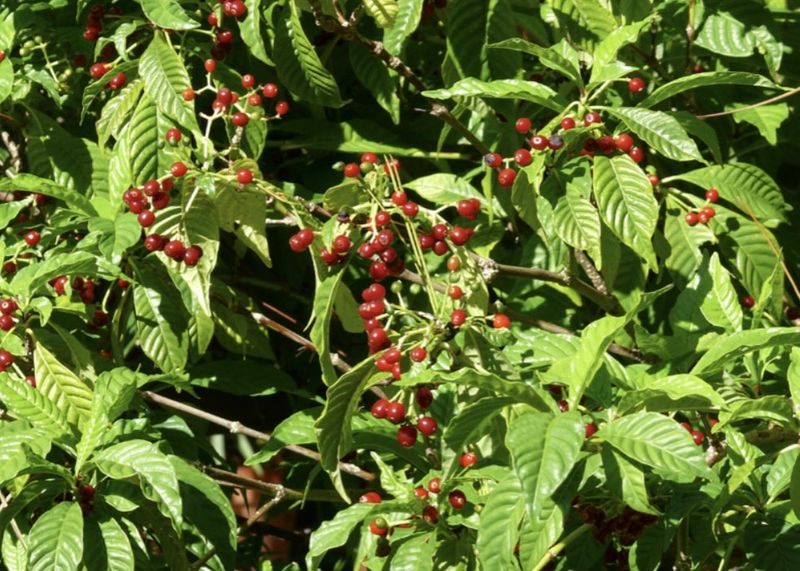
Here is a plant that climbs, tangles, and defends all at once. Common Greenbrier is a native vine covered in stiff prickles that turn any fence or thicket into a prickly obstacle.
As the vine grows, it wraps around fences, shrubs, and trees, weaving a web of thorny stems. That dense, spiny growth creates a physical barrier that foxes find very hard to push through.
Greenbrier holds glossy, heart-shaped leaves and produces dark berries that birds enjoy. So while the prickles keep animals out, the plant still feeds local wildlife and adds greenery to the space.
Along a back fence or wild edge, this vine can strengthen an existing barrier by filling gaps with tough, tangled growth. It works with other plants to close off the easy paths animals like to use.
A word of caution comes with this one. Greenbrier grows fast and spreads with determination, so it can quickly take over if you let it roam free.
Keep it in mind for naturalized corners, wild borders, or spots where you want thick cover rather than a tidy display. Regular trimming helps you control where it goes and how far it climbs.
The roots run deep and the vine returns eagerly, which means managing it takes some ongoing effort. Still, for a rugged, wildlife-friendly barrier along a boundary, Common Greenbrier does a strong job.
Plant it thoughtfully, watch its spread, and let this prickly native guard the edges of your garden.
7. Sawbrier Can Reinforce A Boundary
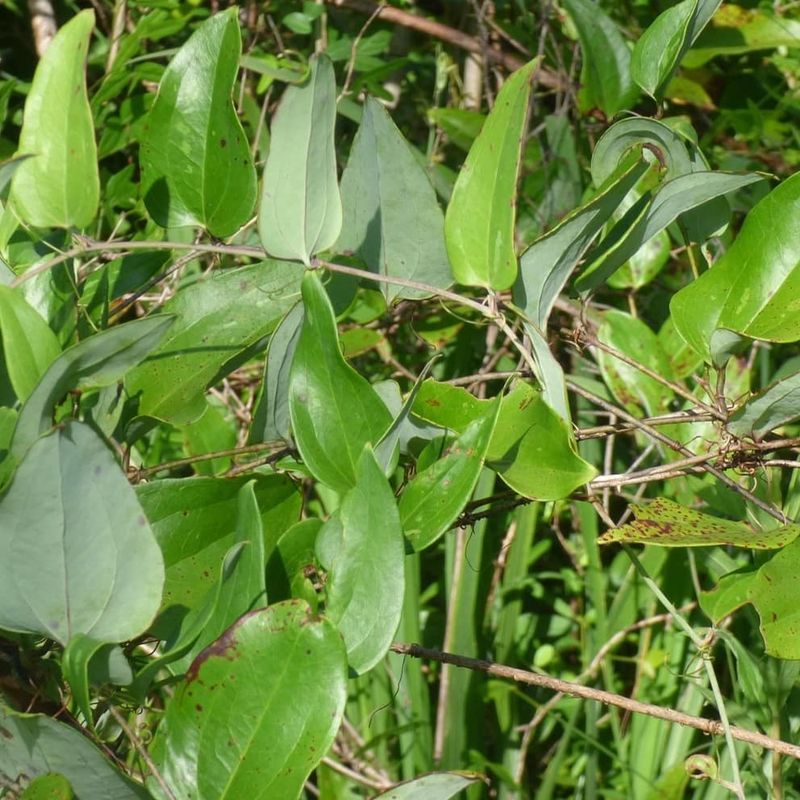
Rounding out the list is Sawbrier, a native climbing vine that turns fences and thickets into thorny fortresses. Its prickly stems earn it a place among the toughest boundary plants around.
Sawbrier scrambles upward using slender stems armed with sharp prickles. As it climbs over fences, shrubs, or old brush, it forms dense cover that foxes and other animals prefer to avoid entirely.
The vine stays green and lush, producing small dark berries that birds happily eat. That makes it a helpful plant for wildlife even as it strengthens the edges of your property.
Along a boundary line, Sawbrier fills in gaps and adds a layer of prickly protection to whatever it climbs. Paired with a fence or hedge, it makes an already sturdy barrier much harder to slip past.
Growth is the thing to watch with this vine. Sawbrier spreads with real energy, sending out new stems and roots that can reach far if left alone.
Because of that vigor, it belongs in naturalized areas, wild edges, and back corners rather than neat flower beds. Trying to grow it in a tidy garden usually leads to a constant battle with its wandering stems.
Give it a rough patch to claim, and it rewards you with thick, protective cover that asks for little care. Trim it now and then to keep it in bounds. For a wild, low-effort barrier along the outer edges of your yard, Sawbrier stands as a rugged and reliable choice.