Why September Is Actually The Best Month To Plant Trees In Ohio, Not Spring

Spring gets all the credit when it comes to planting trees in Ohio, and honestly that reputation is not entirely undeserved. Garden centers are fully stocked, the energy is right, and everything about the season feels like a fresh start.
But here is something a lot of Ohio homeowners do not realize: September might actually be one of the smartest times to put a new tree in the ground.
Warm soil, cooling air temperatures, and fall moisture create a combination that gives roots a genuine head start before winter arrives.
The tree gets to focus entirely on settling in without the added stress of summer heat bearing down on it at the same time.
September planting is not the right call for every species or every situation, but the case for it is stronger than most people expect.
1. Warm September Soil Can Support Continued Root Growth

Digging into the ground on a September afternoon in Ohio, you might be surprised by how warm the soil still feels even as the air starts to cool. That warmth is not just a curiosity.
Soil holds onto heat from the summer months much longer than the air above it does, and that stored warmth can keep conditions favorable for root activity well into the fall season.
When a tree is planted, its root system needs time to begin growing into the surrounding soil before it can support the tree through future seasons.
Roots generally remain active in soil as long as temperatures stay above certain thresholds, and Ohio soils in September can still meet those conditions for many tree species.
This means a tree planted in early fall may have several weeks of root-friendly soil temperatures available before the ground cools significantly.
Spring-planted trees, by comparison, go into soil that is still warming up from winter, and they also face the pressure of pushing out new leaves and stems at the same time roots are trying to establish.
A September planting can separate those demands a bit, allowing root growth to begin while the tree is not yet spending energy on new aboveground growth.
Planting technique still matters greatly here. Setting the tree at the right depth and avoiding compacted backfill can help roots take advantage of those warm September soil conditions.
2. Cooler Fall Weather Can Reduce Heat Stress After Planting

Planting a tree during the peak of an Ohio summer can be rough on the tree and the gardener alike.
High temperatures pull moisture out of leaves faster than a stressed root system can replace it, leaving newly planted trees vulnerable during their most critical adjustment period.
September changes that equation in a meaningful way.
As summer fades and September afternoons become milder, the gap between what a tree loses through its leaves and what its roots can supply begins to narrow.
Cooler air temperatures generally reduce the rate of water loss from foliage, which can give a newly planted tree a bit more breathing room while it begins establishing roots in its new location.
Your Ohio Garden Changes Every Week. Your Plan Should Too.
Gardening in Ohio changes quickly throughout the season. Every Friday you’ll receive a simple weekly plan showing exactly what to plant, prune, fertilize, harvest, and protect so you never miss the right timing.
This does not mean a fall-planted tree is immune to drought stress. Ohio autumns can still bring dry stretches, and supplemental watering may still be needed depending on rainfall and site conditions.
The key difference is that September conditions can be more forgiving than the intense heat of July or August, making the early establishment period a little less demanding for many species.
Deciduous trees also begin winding down their aboveground activity as fall progresses, which means the tree naturally shifts more of its energy toward root development rather than supporting a full canopy.
That seasonal shift can work in favor of a September-planted tree, giving roots a chance to anchor in before Ohio winters arrive.
3. Fall Planting Gives Roots A Head Start Before Summer Heat Arrives
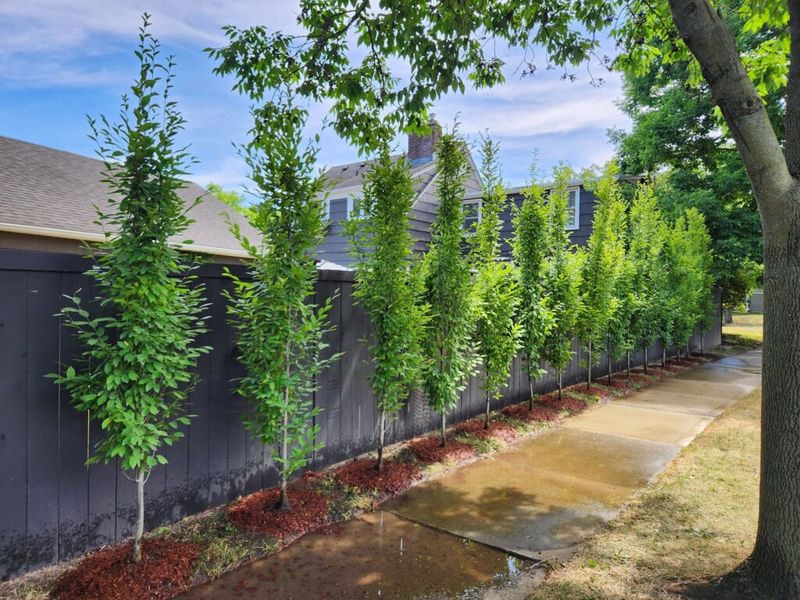
One of the quieter advantages of planting in September is what happens between fall and the following summer.
While the tree looks like it is simply sitting there through the cooler months, its root system may be doing useful work underground, slowly extending into the surrounding soil before growth slows with winter.
By the time the next Ohio summer rolls around with its heat and occasional dry spells, a September-planted tree may have had months of root establishment time compared to a tree that went into the ground the previous spring.
That extra time does not guarantee a fully established root system, but it can mean the tree enters its first real summer challenge with somewhat more root contact in the surrounding soil than it would otherwise have.
University Extension research has noted that fall planting can provide this kind of establishment advantage for many deciduous tree species, particularly when planting happens early enough in the season to allow several weeks of soil-temperature-supported root growth before the ground freezes.
Ohio winters can vary considerably depending on location and year, but planting in September generally provides more of that valuable pre-winter window than waiting until October or November.
Pairing this timing advantage with good planting practices, including proper hole depth, minimal root disturbance, and consistent watering through fall, can help the tree make the most of the time it has before summer returns.
4. September Gives Trees More Establishment Time Than Very Late Fall Planting
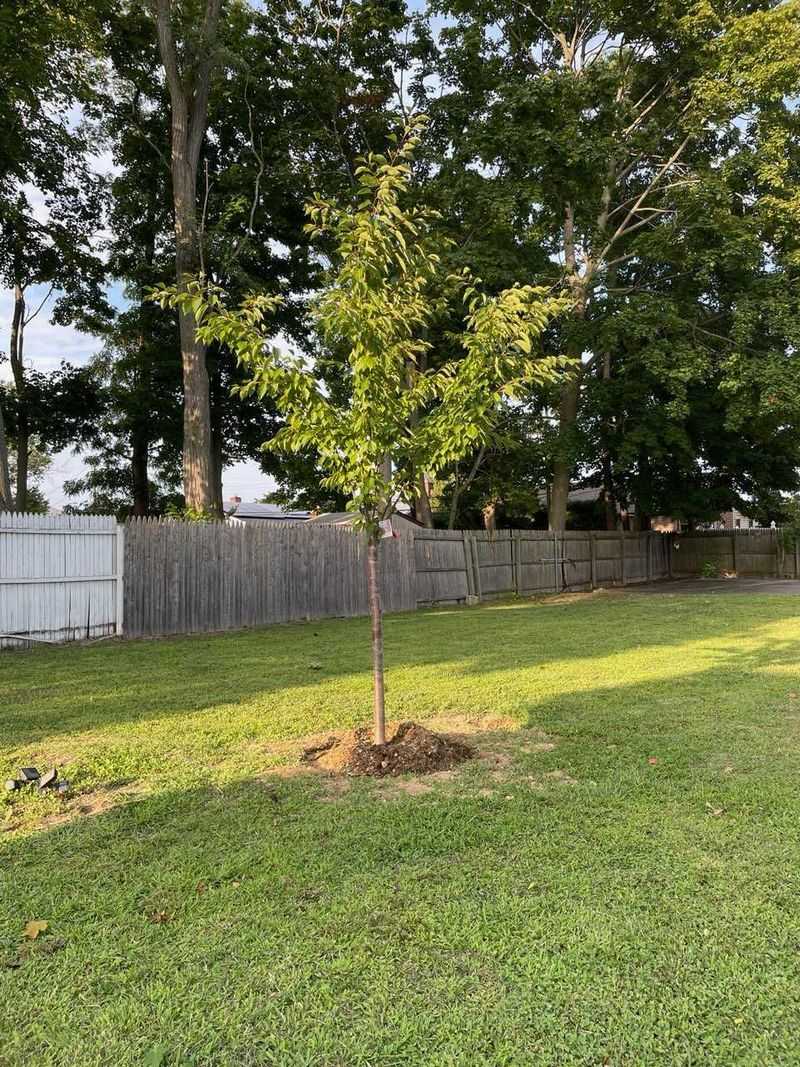
Timing within the fall season matters more than many people realize.
Planting a tree in late October or November in Ohio can be a gamble, since soil temperatures may already be dropping quickly and the window for meaningful root establishment before freeze-up shrinks considerably.
September offers a noticeably longer runway.
Ohio State seasonal gardening guidance has identified fall as an appropriate period for tree planting, and September fits comfortably within that window for much of the state.
Earlier fall planting generally means more weeks of relatively warm soil available for root growth, which gives the tree more opportunity to begin anchoring itself before winter conditions arrive.
This does not mean a rigid cutoff date applies to every Ohio county or every tree species, since weather, elevation, soil drainage, and site conditions all vary across the state.
What September planting does offer is a reasonable buffer. If the weather stays mild into October, the tree benefits from additional establishment time.
If an early cold snap arrives, a September-planted tree has already had several weeks to begin the process. Trees planted in very late fall may not have that same buffer.
Soil workability is also a practical consideration. September soil in Ohio is generally easy to dig and amend, while late fall ground can become compacted or partially frozen, making it harder to prepare an ideal planting hole and settle the rootball properly.
5. Fall Can Bring Less Pest And Disease Pressure During Establishment
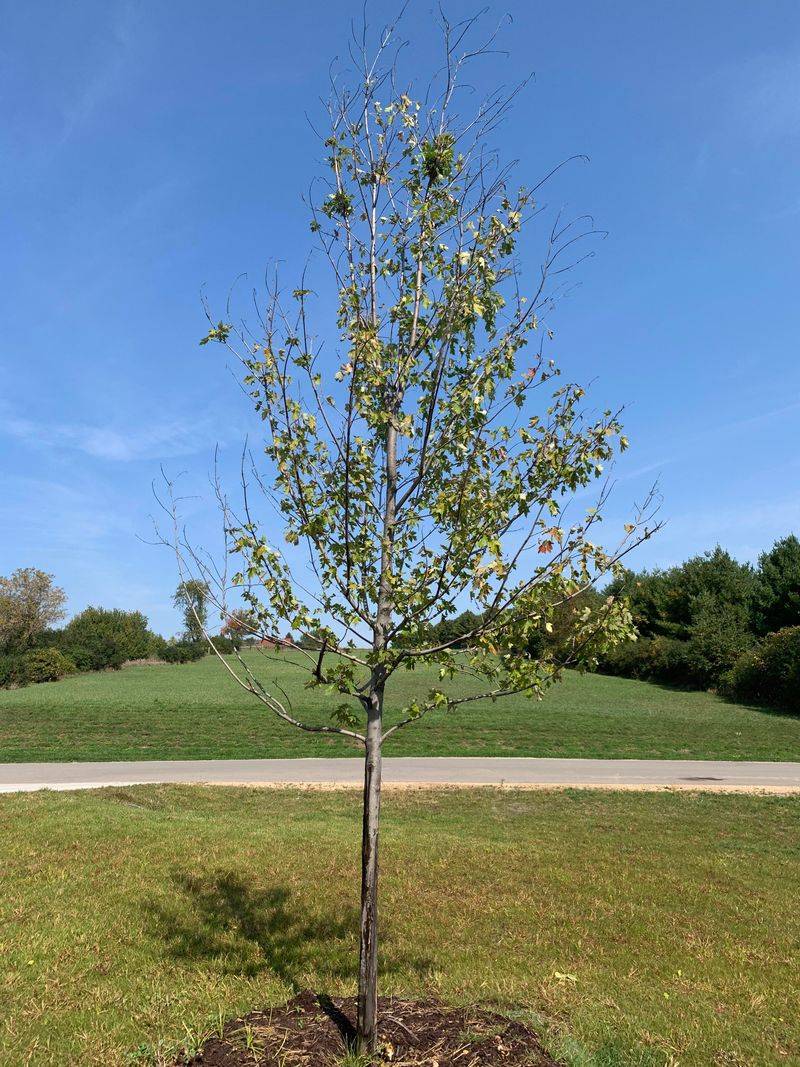
Summer in Ohio can feel like an obstacle course for newly planted trees. Insects are active, fungal diseases thrive in warm and humid conditions, and a stressed tree with a limited root system may have a harder time fending off problems.
As September arrives and temperatures begin to ease, some of that seasonal pressure starts to fade.
Ohio State guidance has noted that reduced pest and disease pressure is one potential advantage of fall planting for establishment.
Many common insects complete their active cycles as temperatures drop, and some foliar diseases that spread readily in summer humidity become less of a concern as fall progresses.
This does not mean a September-planted tree is protected from every pest, disease, wildlife pressure, or environmental problem. Deer browsing, for instance, can be a real issue in many Ohio landscapes regardless of the season.
The point is more about relative conditions. A newly planted tree going through its most vulnerable early weeks during a period of lower insect and disease activity may face a somewhat less demanding situation than one planted at the height of summer.
This can allow the tree to focus its limited resources on root establishment rather than responding to multiple stressors at once.
Monitoring the tree through fall for signs of stress, moisture problems, or physical damage from wildlife or equipment remains worthwhile regardless of when or how favorable the planting season appears.
6. Newly Planted Trees Still Need Consistent Water Through Fall

Cooler temperatures can create a false sense of security when it comes to watering. Many gardeners assume that once the summer heat backs off, a newly planted tree can look after itself through fall.
That assumption can lead to moisture problems that set back establishment or stress the tree heading into winter.
A newly planted tree has a very limited root system compared to an established one. The roots that were in place before planting may have been trimmed during digging, and the new roots growing into surrounding soil need time to develop.
Until that root system expands meaningfully, the tree depends on regular moisture in the area directly around its rootball. Ohio fall weather can vary widely, with some years bringing generous rain and others staying quite dry through October.
Rather than assuming rainfall will handle watering needs, checking soil moisture regularly gives a much clearer picture of what the tree actually needs.
Pressing a finger or a soil probe a few inches into the ground near the rootball can reveal whether conditions are adequately moist or starting to dry out.
Supplemental watering when rainfall is insufficient can make a real difference in how well the tree establishes before winter. Watering needs depend on tree size, soil type, drainage, weather patterns, and site conditions, so no single schedule fits every Ohio yard.
The goal is simply to keep the rootball area consistently moist but not waterlogged through the fall season.
7. A Proper Mulch Layer Helps Moderate Soil Moisture And Temperature
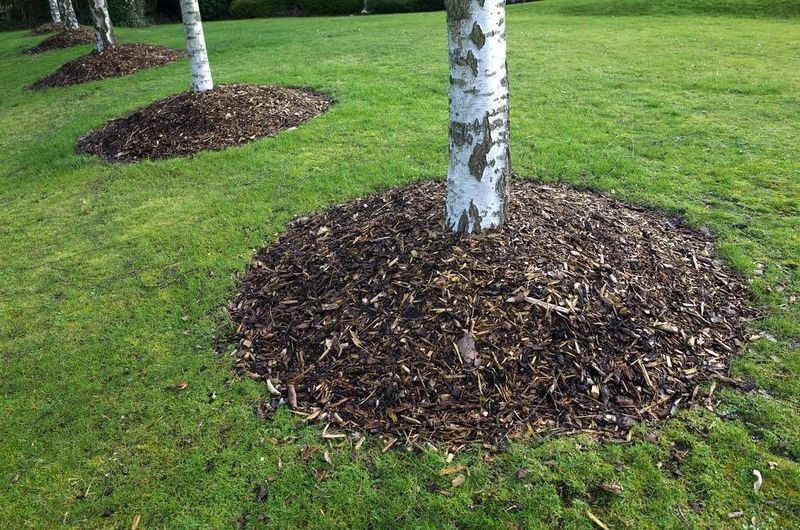
Spreading a layer of mulch around a newly planted tree is one of the simplest and most effective things an Ohio gardener can do to support fall establishment.
Mulch does several useful things at once, and its benefits are particularly relevant when a tree is trying to settle into a new location as the season changes.
An appropriate mulch layer can help retain soil moisture by slowing evaporation from the surface, which reduces how often supplemental watering may be needed.
It can also help moderate soil temperature fluctuations, keeping the root zone a bit more stable as fall air temperatures swing between warm afternoons and cold nights.
Reducing competition from surrounding turf and weeds is another practical benefit, since grass roots can compete with a young tree for moisture and nutrients in the same soil zone.
The key is applying mulch correctly. A layer spread across a wide area of the root zone, generally several feet out from the trunk depending on tree size, works far better than a narrow ring piled directly against the bark.
Mulch pushed tightly against the trunk can trap moisture against the bark and create conditions that are unfavorable for the tree over time. Keeping a clear gap between the mulch and the trunk avoids that problem.
A depth of roughly two to four inches is commonly recommended, though the specific amount may vary depending on the mulch material and site conditions. Wood chips or shredded bark are popular and widely available options for Ohio landscapes.
8. Some Trees Are Better Candidates For Spring Planting
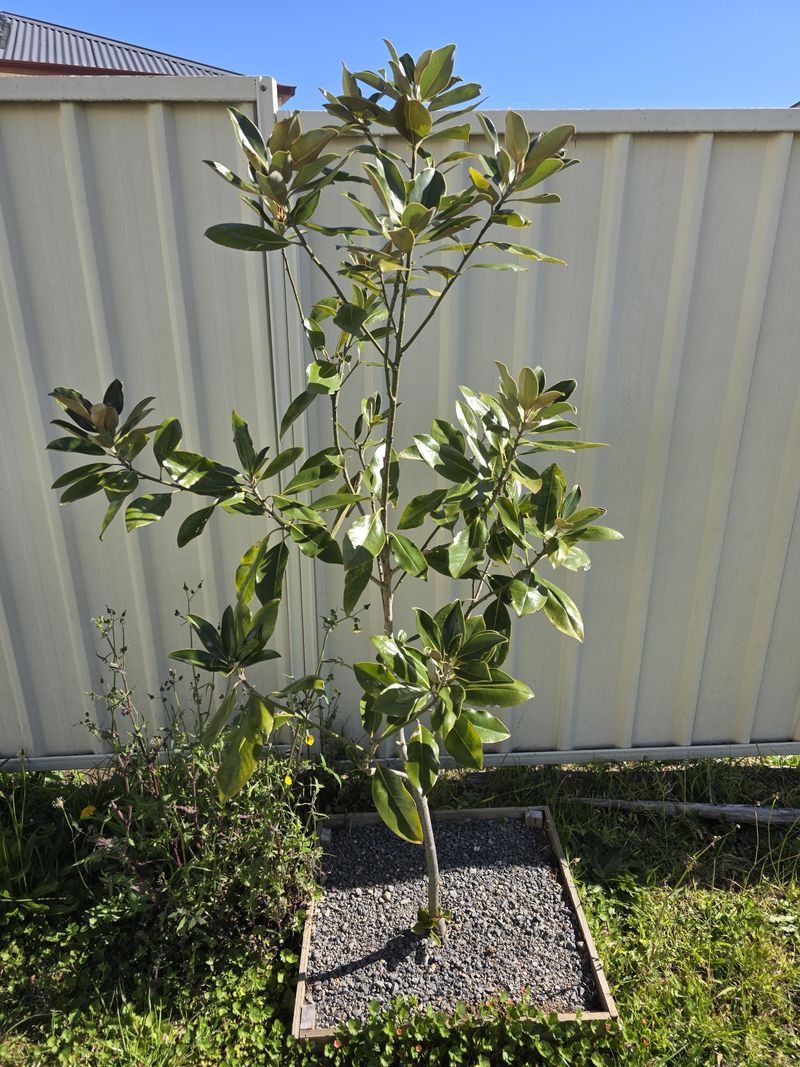
September planting works well for many Ohio trees, but it is not the right choice for every species or every situation.
Certain trees are better candidates for spring planting, and knowing the difference can save a lot of frustration and give each tree the best possible start.
Ohio State guidance has identified species such as oaks, hickories, magnolias, and sweetgums as trees that can be more challenging to transplant in fall, particularly when significant root loss occurs during digging.
These species may benefit from the longer growing season that follows a spring planting, giving them more time to push new roots into surrounding soil before facing Ohio summer conditions.
The nursery production method also plays a role. Balled-and-burlapped trees, container-grown trees, and bare-root trees each have different root conditions that can affect how well they handle fall planting.
Site conditions, tree size, and transplanting practices all factor into the decision as well. A tree that was carefully grown in a container with an intact root system may transition differently than a large field-dug specimen with significant root disturbance.
The goal is to match the planting season to the specific tree, its root condition, and the site where it will grow.
September can be an excellent planting window for many common Ohio landscape trees, including many maples, elms, and lindens, but treating fall as a universal recommendation for every species would overlook some genuinely important exceptions worth considering before you plant.