Why Katydids Get Loud In Ohio Yards Right Before The First Frost
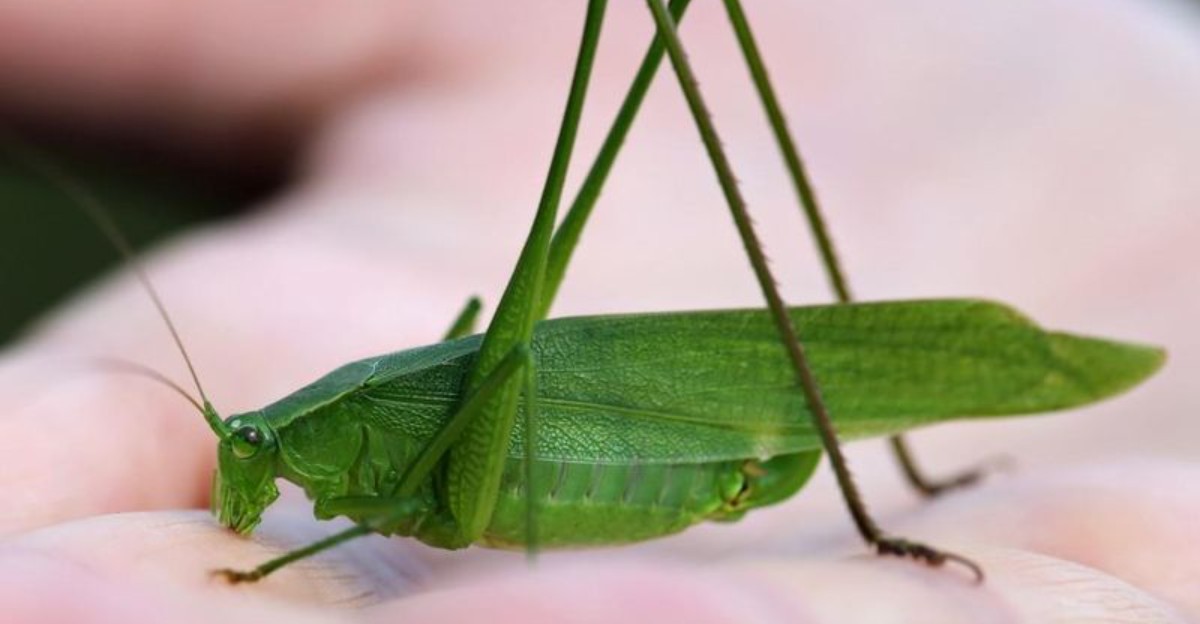
That racket coming from the trees after dark isn’t random. Every evening this time of year, the volume climbs a little higher, the calls a little more urgent, until the whole yard seems to buzz with sound the moment the sun drops.
Most people just tune it out as background noise. Something more deliberate is actually happening.
Katydids know exactly what’s coming. Cold weather cuts their season short, and every warm night left on the calendar counts.
So they call harder and longer, packing in as much activity as possible before conditions shut them down for good. It’s less summer soundtrack, more countdown.
Ohio yards tend to get especially loud during this stretch, right as temperatures start dipping toward that first real frost. The noise isn’t a glitch or a nuisance without reason.
It’s a signal, and once you know what triggers it, that racket outside your window means something completely different.
1. Peak Mating Season Arrives
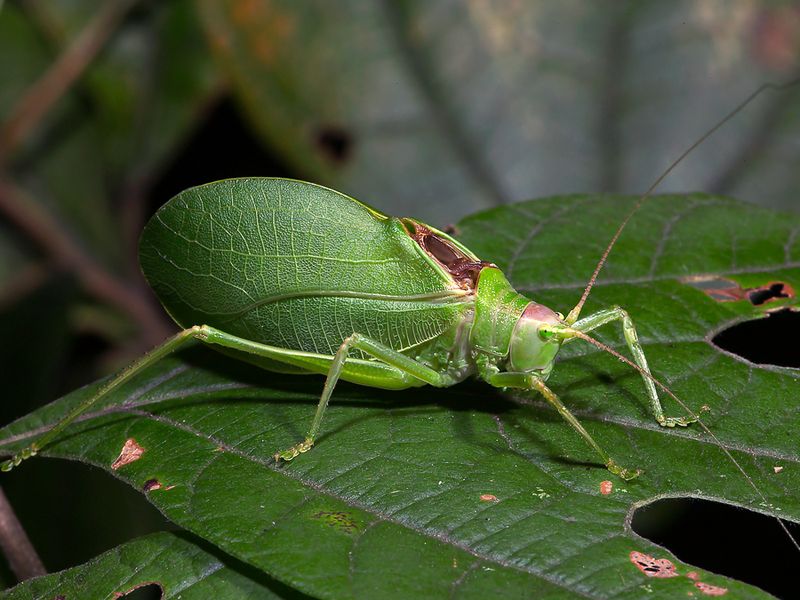
Late summer and early fall bring the busiest romance season for many katydid species. The males turn into tireless musicians, hoping their songs reach a nearby female.
Each chirp is basically a love note sent through the night air. Males rub their wings together to create sounds that carry across yards and gardens.
The goal is simple yet urgent: find a mate and pass along their genes before the season ends. With so much riding on a single sound, males put everything into their performance.
Females listen carefully, picking out the calls that catch their attention. Each male uses his species-specific song pattern to help females recognize potential mates.
This friendly rivalry fills Ohio yards with a wall of sound after dark. The closer you get to frost, the more determined these little suitors become.
In many katydid species, males produce the loud calling songs used to attract females. So that nightly chorus you hear is really a crowd of hopeful bachelors singing their hearts out under the stars.
2. Warm Nights Boost Their Energy
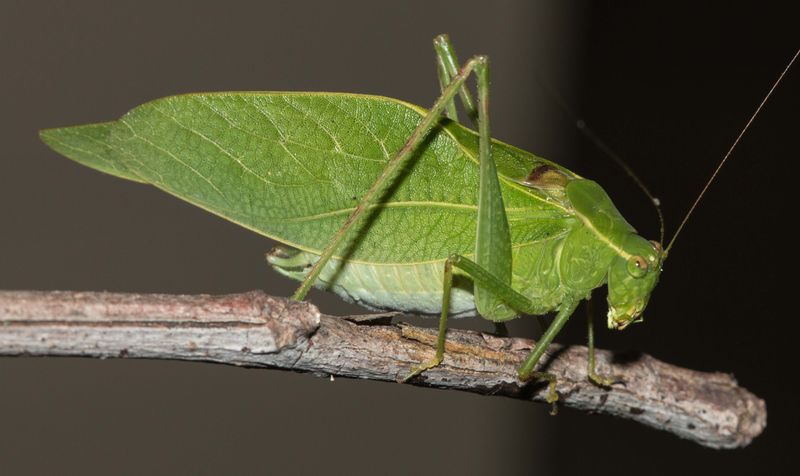
Katydids are cold-blooded, which means the outside temperature controls how active they feel. On warmer evenings, their bodies rev up and their songs come faster and stronger.
Think of them like tiny musicians who play better when the room is cozy. A mild late-summer night gives them plenty of warmth to sing at full blast.
As the air cools closer to frost, their calls may slow down a bit. Yet those last stretches of warmth before a cold snap still fuel plenty of chirping.
You might notice the chorus swells on evenings that feel unusually mild for the season. That extra heat lets them squeeze in more calling time.
On chillier nights, you may hear the same katydids sounding a little sluggish, with longer gaps between chirps. It is like their volume knob follows the thermometer.
Here is a neat trick: some people count katydid chirps to guess the temperature. Their singing rhythm rises and falls with the warmth around them, making them a living, breathing weather report right in your own backyard.
Your Ohio Garden Changes Every Week. Your Plan Should Too.
Gardening in Ohio changes quickly throughout the season. Every Friday you’ll receive a simple weekly plan showing exactly what to plant, prune, fertilize, harvest, and protect so you never miss the right timing.
3. Built-In Sound Machines
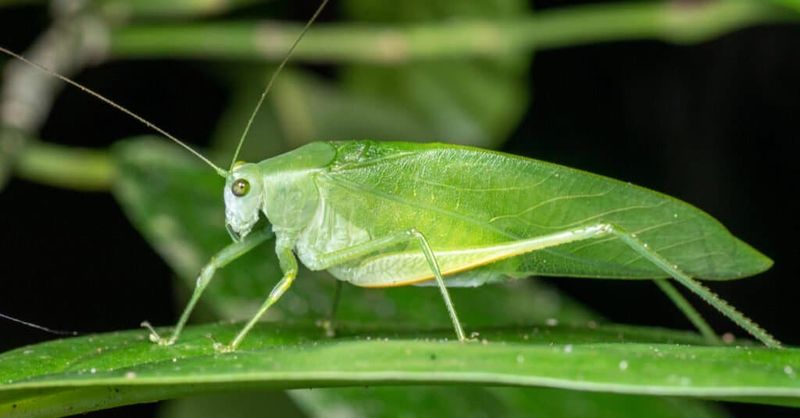
Ever wonder how such a small insect makes so much noise? Katydids have a clever body design that turns their wings into a built-in instrument.
They create sound through a process called stridulation. One forewing has a rough, file-like ridge, and the other has a sharp scraper edge.
When a male rubs these two parts together, it produces that familiar raspy chirp. It works a lot like dragging your fingernail along the teeth of a comb.
What really cranks up the volume is the shape of their wings. Their specialized wings help produce and project the sound, allowing their calls to travel surprisingly far.
That is why a bug barely the size of your thumb can fill an entire yard with noise. Their design squeezes surprising power out of a simple wing motion.
Because their bodies are made for it, katydids can keep calling for long stretches without wearing out.
So when the chorus feels overwhelming on an autumn night, remember it comes from thousands of tiny wing instruments, each one built for one important job: being heard from across the garden.
4. Every Species Has Its Own Tune
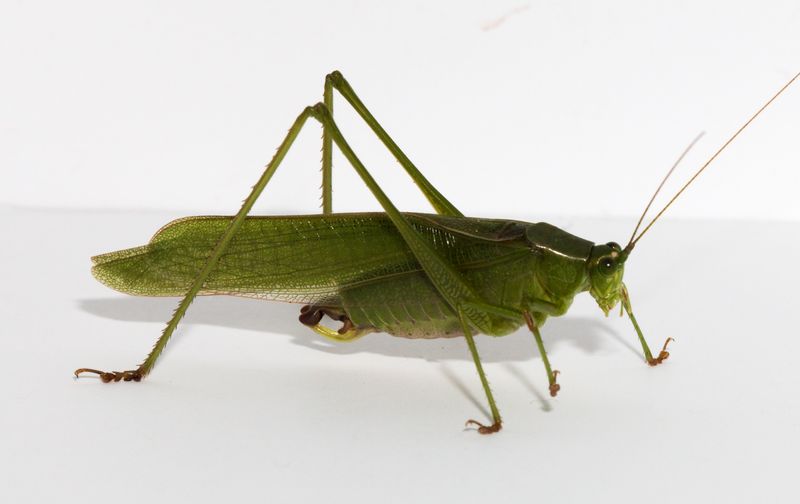
Not all katydid songs sound the same, and that is on purpose. Each species has its own special rhythm and pitch, almost like a musical signature.
These unique calls help females find the right partner in a crowded, noisy yard. A female listens for the exact pattern that matches her own kind.
Imagine a party where everyone speaks a different language. The distinct calls make sure katydids only pair up with the correct species.
This built-in code prevents mix-ups between different types living in the same area. It keeps each species separate and their families going strong.
Some calls come in quick bursts, while others sound slow and steady. A few even repeat a signature phrase over and over throughout the night.
When you hear a mix of different chirps and rasps in your Ohio yard, you are likely listening to several species at once. Each is broadcasting its own tune into the darkness.
It is a bit like tuning into many radio stations playing at the same time. Once you start listening closely, you may begin to pick out the different patterns and appreciate the variety hiding in the leaves.
5. Loud Songs Show Off Strength
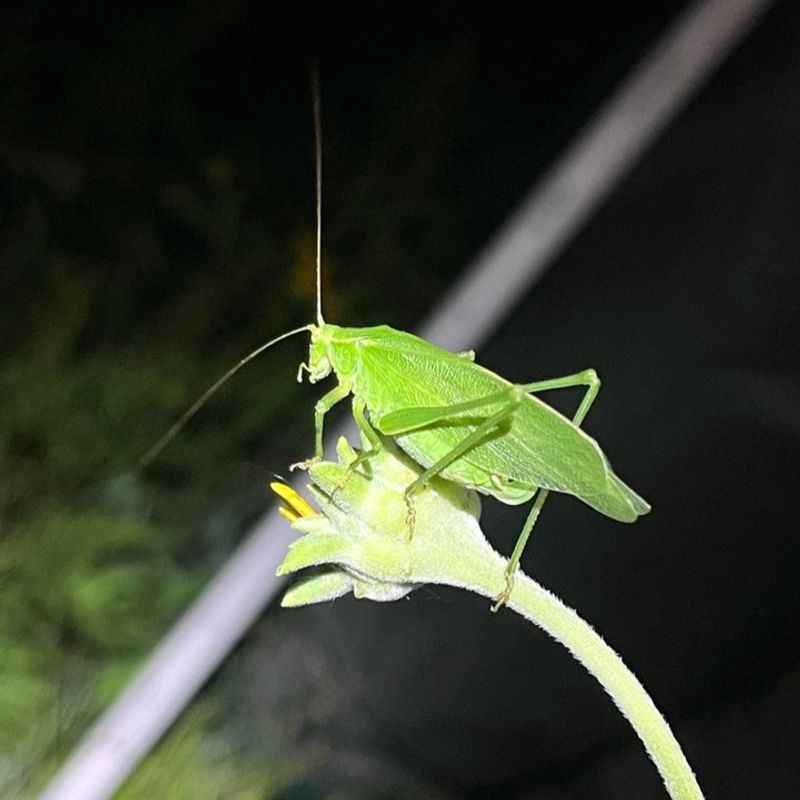
A booming katydid song is more than just noise, it is a personal ad. The way a male sings can reveal how healthy and strong he really is.
Females pay close attention to these details when choosing a mate. A loud, steady, tireless call often signals a fit and vigorous partner.
Think of it like an athlete showing off their skills to impress the judges. The best performers tend to attract the most interest.
A male that can keep singing at full volume for hours proves he has plenty of energy to spare. Weaker or tired individuals simply cannot match that stamina.
This helps females make smart choices about who will father their offspring. Picking a strong singer may mean healthier young in the next generation.
As frost draws near, males push themselves even harder to stand out from the crowd. Every extra decibel could be the difference between finding a mate and being ignored.
So that impressively loud chirping is really a contest of fitness playing out in your yard. The night air becomes a stage where the strongest voices earn the best chance at romance.
6. Competition For Attention
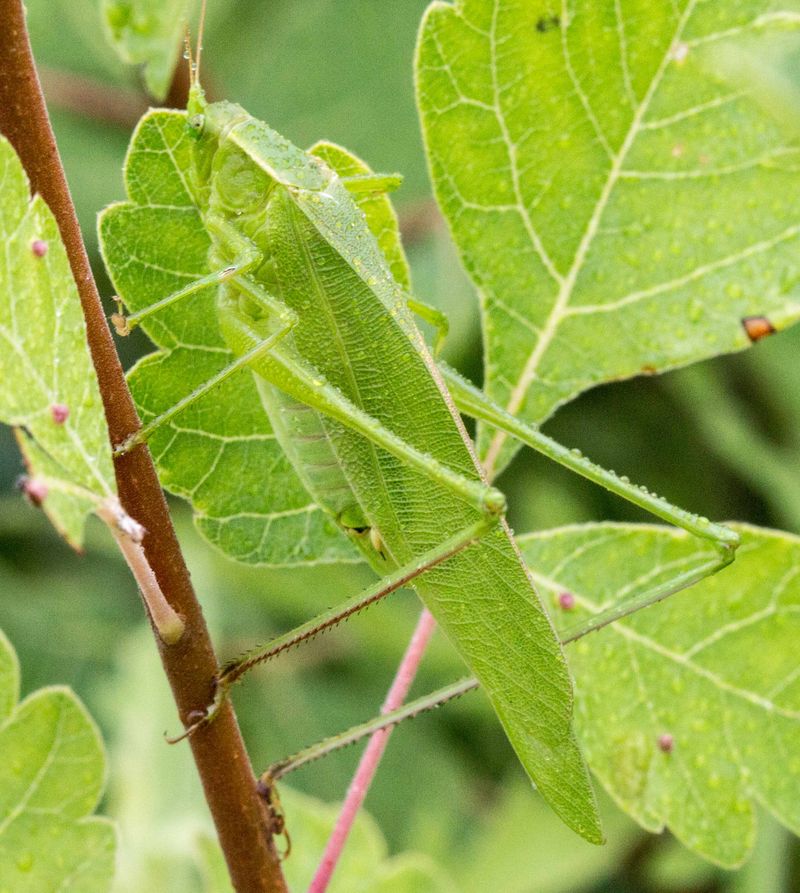
Attracting a mate is the main reason katydids turn Ohio evenings into a nighttime concert. When many males gather in the same area, their calls overlap as each one tries to make his signal stand out from the crowd.
A male’s song helps a female recognize the right species and locate a potential partner hidden among the leaves. The rhythm, pitch, and timing of the call all matter, creating a kind of natural identification system between insects.
In a busy yard, dozens of katydids may be calling at once from trees, shrubs, and tall grasses. Each one is sending out its own message into the darkness, hoping it reaches the right listener.
The result can sound like a noisy competition, but it is not a fight over who owns the yard. It is more like a crowded room where everyone is trying to make sure their voice gets noticed.
That is why the chorus can become so intense before frost arrives. With so many adults active at the same time and each male trying to attract attention, a quiet backyard can suddenly sound like a full outdoor orchestra.
7. More Katydids Than Ever
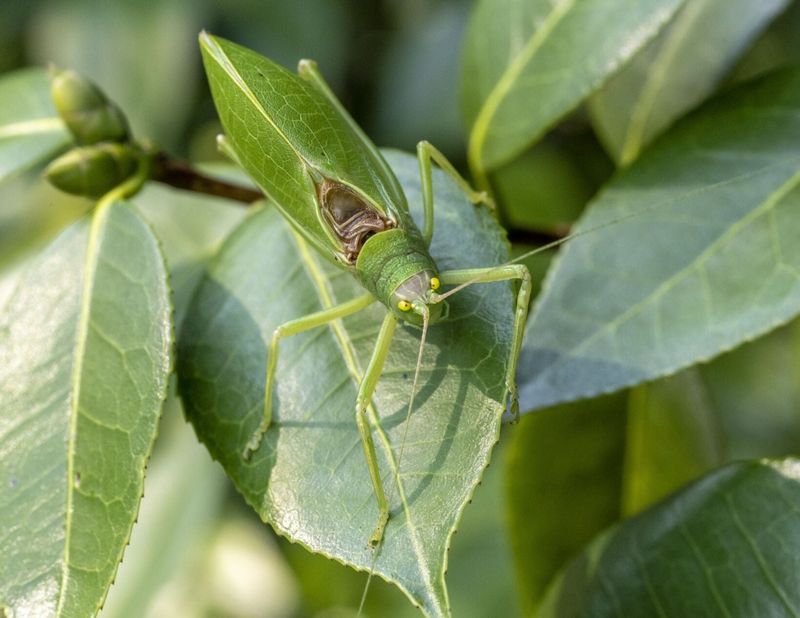
Numbers matter a lot when it comes to how noisy your yard gets. Late summer and early fall usually bring the highest count of adult katydids all year.
All those insects grew up over the warm months and reached adulthood around the same time. Now the yard is packed with grown katydids ready to sing.
With so many individuals calling at once, the sound stacks up quickly. One chirping bug is easy to ignore, but hundreds create a roaring chorus.
It is a bit like the difference between one person humming and a whole stadium cheering. The more voices join in, the harder it is to tune out.
This population peak explains why the noise feels so much stronger this time of year compared to early summer. The crowd has simply grown larger.
Different corners of your yard may each hold their own group of singers. Together they blanket the whole property in overlapping sound.
So if the nightly concert seems especially overwhelming right before frost, blame the sheer headcount. There are more performers on stage than at any other point in the season, and every one of them wants a turn to be heard.
8. Your Yard Has The Perfect Hiding Spots
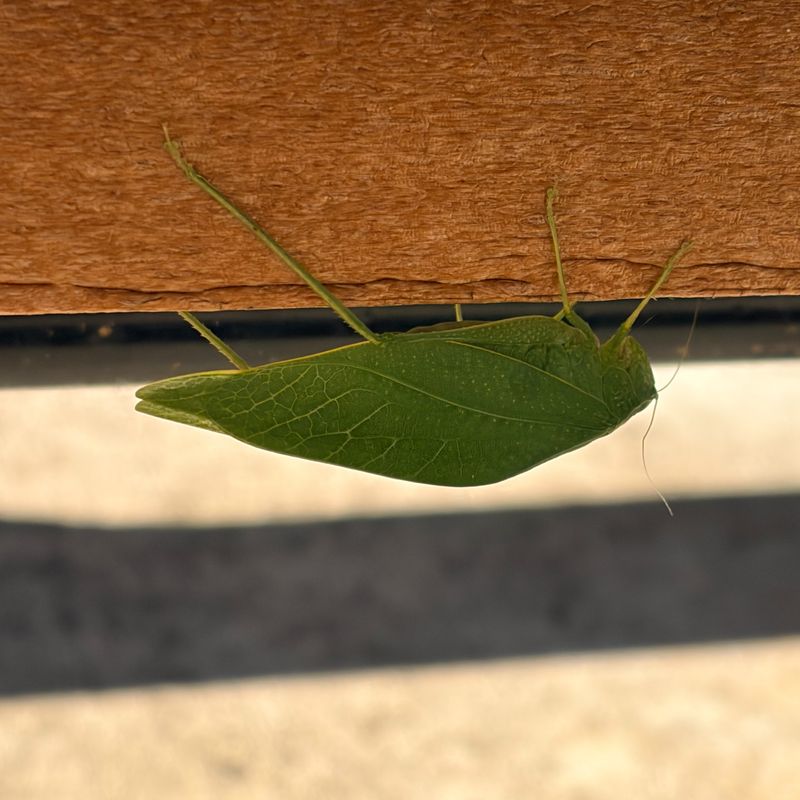
Katydids do not choose random places to spend their evenings. The trees, shrubs, and tall grasses around your Ohio home create exactly the kind of environment these insects need during the late summer season.
Dense leaves give them protection from predators while also providing plenty of places to rest during the day. Many katydids blend into green foliage so well that you can have a loud chorus nearby without spotting a single insect.
Gardens with mature shrubs, ornamental grasses, and overgrown edges often become especially attractive because they offer both shelter and food. Leaves, flowers, and smaller insects all create a miniature ecosystem where katydids can thrive.
That is why one neighborhood may sound much louder than another. A yard full of trees and layered plants can become a perfect stage for their nighttime songs, while a more open landscape may stay surprisingly quiet.
So when your backyard suddenly fills with chirping before frost, the insects are not just passing through. They may have found exactly what they need: a safe place to hide, feed, and finish their season.
9. One Last Grand Finale
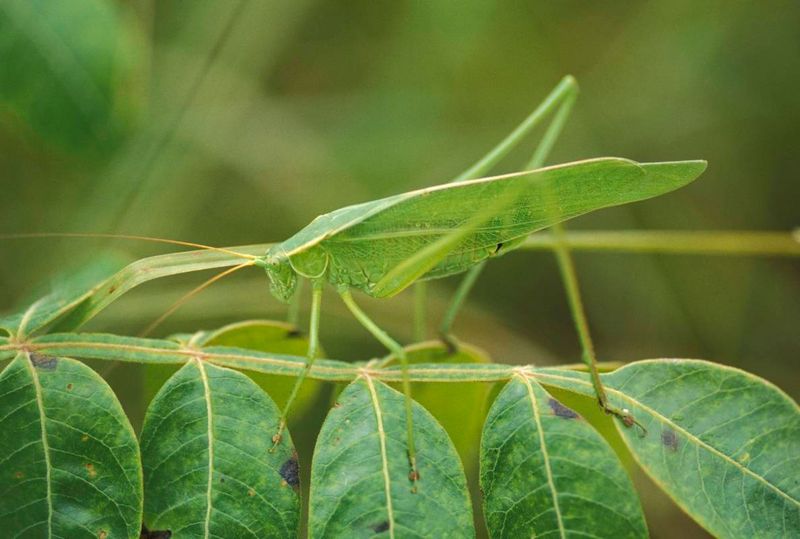
Most katydids live out their whole life within a single year. The adult generation wraps up its journey once hard frost arrives in Ohio.
That gives these insects a tight window to finish their most important task. The weeks before the cold settles in become their final chance to reproduce.
With time running short, males throw everything into their singing. It creates a sense of urgency you can practically hear in the air.
Even as cooler nights slow their rhythm, the drive to call stays strong. They keep pushing to reach a mate before the season closes out.
Think of it as a grand finale, the last big performance before the curtain falls. Every chirp carries a little extra meaning during these closing days.
This combination of urgency and shrinking time helps explain that intense pre-frost chorus. The whole yard seems to buzz with one final communal effort.
Once the frost truly arrives, the songs fade and the nights grow quiet again. So the next time you hear that late-season concert, take a moment to enjoy it.
You are listening to nature’s closing act, a heartfelt send-off before winter hushes the yard.