The North Carolina Herb Garden Mistake That Leads To Root Rot Every Fall
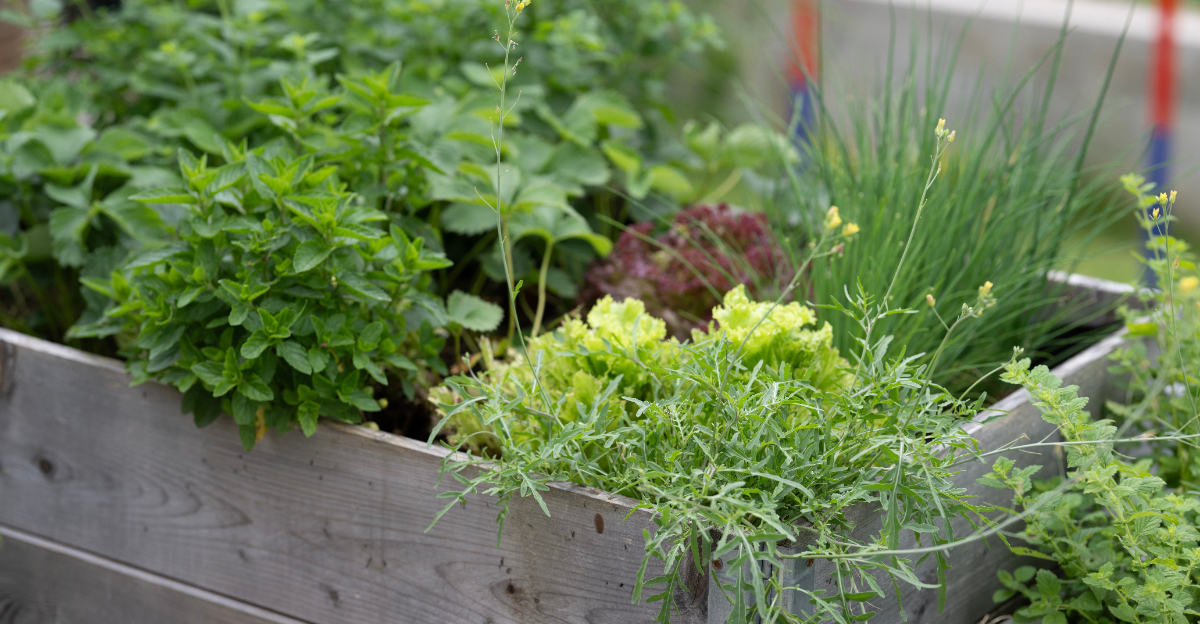
Herb gardens seem nearly foolproof during summer, which makes the sudden root rot that shows up every fall catch so many North Carolina gardeners completely off guard.
Most people assume they’re doing everything right, following the same watering and care routine that worked perfectly fine just weeks earlier.
But one specific habit quietly sets the stage for this exact problem once the season shifts, and almost nobody realizes the mistake until it’s already too late.
Understanding what actually goes wrong changes how you should be caring for your herbs as fall approaches each year. Many gardeners repeat this same mistake season after season without ever identifying the real cause.
Once you know what to avoid, protecting your herb garden through this transition becomes remarkably simple.
This one adjustment could finally break a frustrating cycle that’s been repeating in your garden for years.
1. The Mistake Is Keeping The Soil Too Wet
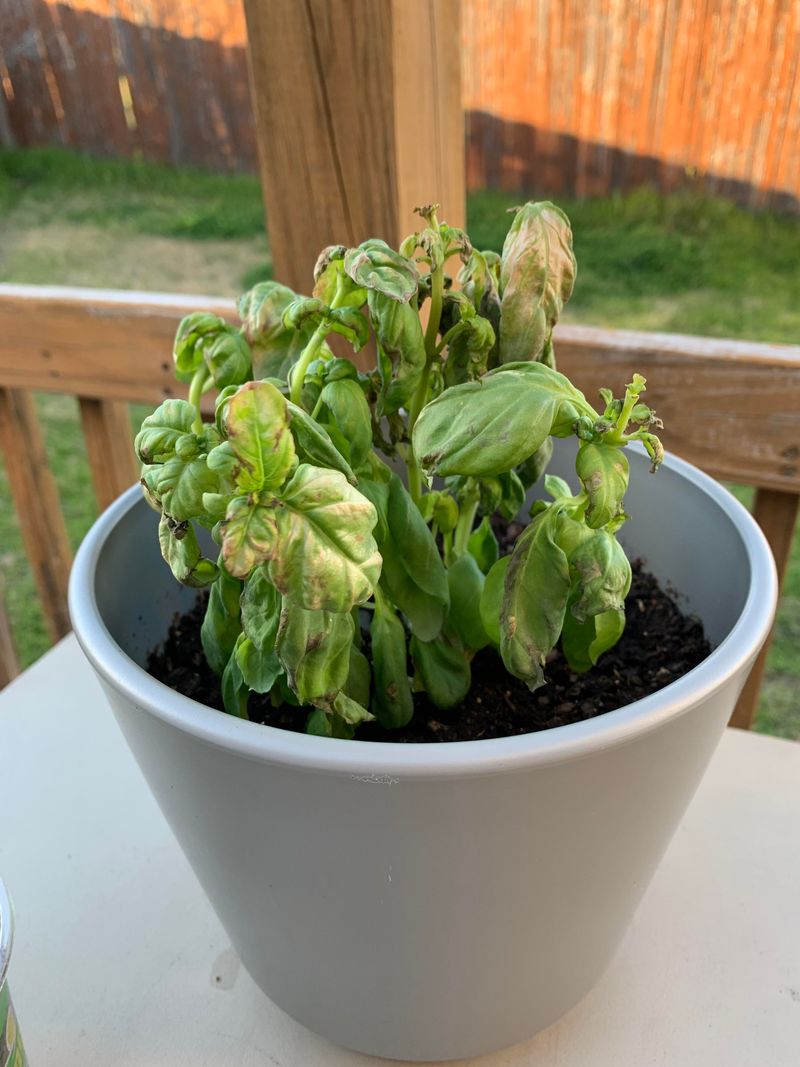
Summer heat trains us to water often, and that habit sticks. When September rolls around, many gardeners keep pouring water at the same pace even though the air feels different. That extra moisture has nowhere to go, so it lingers around the roots.
Cooler days mean the sun no longer dries the ground quickly. Water that once vanished by noon in July now sits in the soil for days. Roots that stay wet for too long start to weaken and struggle to breathe.
Herb roots need air pockets in the soil just as much as they need moisture. When those pockets fill with water, the roots cannot take in oxygen. Over time this leads to soft, mushy roots and the rot that ruins so many fall gardens.
The tricky part is that overwatered herbs often look thirsty. Their leaves droop and fade, so gardeners add even more water and make the problem worse. Recognizing this cycle is the first step toward breaking it.
A good habit is to slow down as the seasons shift. Instead of watering out of routine, pause and feel the soil first. If it still feels damp an inch below the surface, hold off for another day or two.
Your herbs will reward you with firm, healthy roots and steady growth. Adjusting your watering to match the calmer fall weather keeps the whole garden balanced. Small changes in timing make a huge difference for plants that hate wet feet.
2. Herbs Need Less Water As Fall Arrives
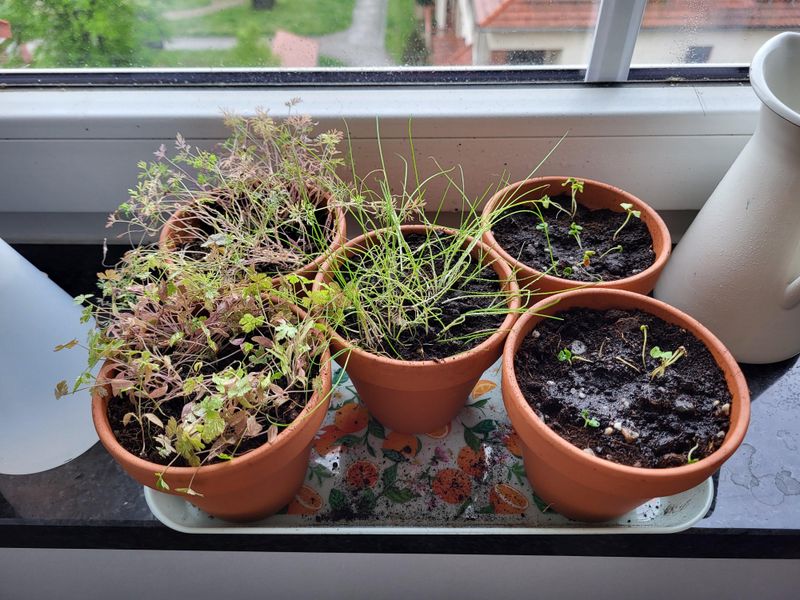
Plants slow down when the days get shorter. As temperatures drop, herbs stop growing as fast, and slower growth means they use far less water than they did in the heat of summer.
Think of it like your own appetite. On a hot afternoon you gulp down water, but on a chilly evening you barely feel thirsty. Herbs work the same way, sipping only what they need when the weather cools.
Cooler air also holds moisture longer, so soil dries out at a much slower rate. Rain showers become more common in North Carolina during fall, adding even more water to the ground without any help from you.
Your North Carolina Garden Changes Every Week. Your Plan Should Too.
Gardening in North Carolina changes quickly throughout the season. Every Friday you’ll receive a simple weekly plan showing exactly what to plant, prune, fertilize, harvest, and protect so you never miss the right timing.
Because of these changes, sticking to a summer watering routine floods the roots. The plant simply cannot use all that moisture, and the leftover water pools where it can cause harm.
The smart move is to check before you reach for the hose. Push a finger about two inches into the soil near the base of the plant. If it feels cool and damp, your herbs are set for now.
When the top layer feels dry and crumbly, that is your signal to water again. This simple test takes only a few seconds and protects your plants from too much of a good thing.
Watering less in fall might feel strange after months of daily care. Trust the plants and the weather, though. Giving herbs a break during the cooler months keeps their roots strong and ready for winter.
3. Rosemary Is Especially Vulnerable
Rosemary comes from dry, rocky hillsides near the Mediterranean Sea. That background shapes everything about how it likes to grow. This herb craves sunshine and soil that drains fast, never staying soggy for long.
Give rosemary too much water and it turns from a tough survivor into a fragile plant. Its roots are simply not built to sit in wet ground, especially when temperatures fall and evaporation slows.
During a North Carolina fall, frequent rain plus heavy watering creates the exact conditions rosemary hates. The roots suffocate, then rot, and the plant can decline before you even notice something is wrong.
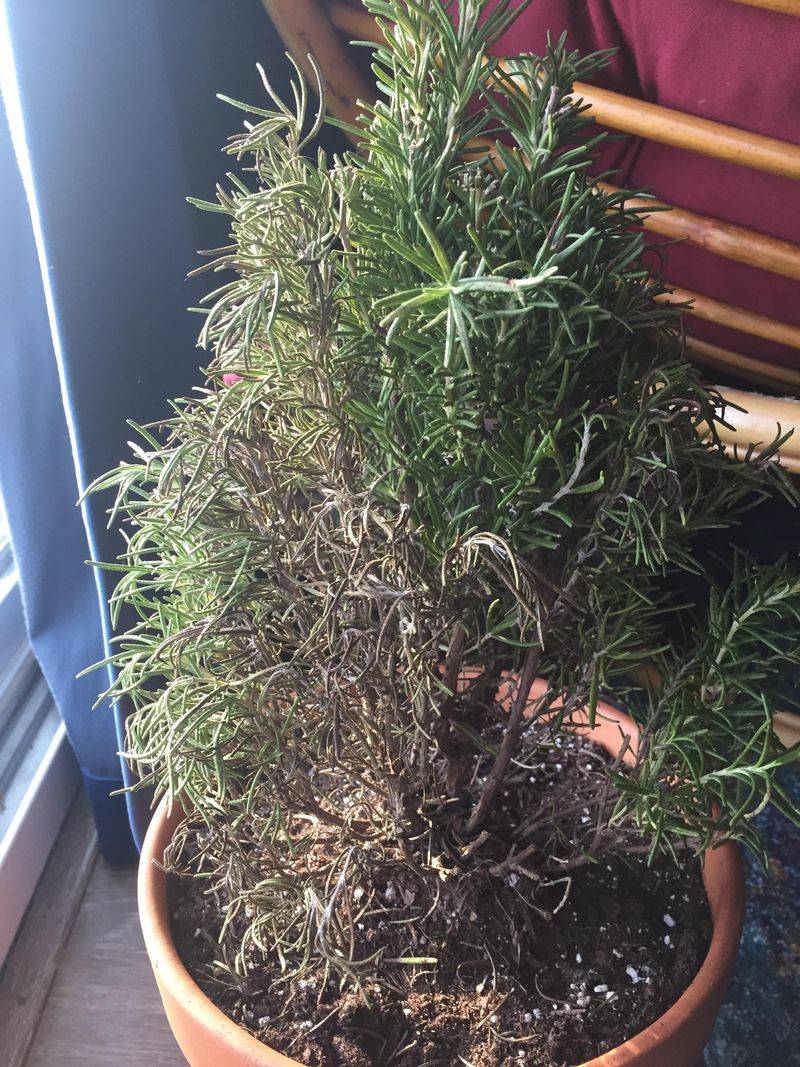
One clue is a sudden change in color. Healthy rosemary shows deep green needles, but overwatered plants often turn dull, yellow, or brown from the inside out. Sometimes the whole plant browns quickly.
To keep rosemary happy, plant it in gritty soil mixed with sand or small gravel. This helps water drain right through instead of hanging around the roots. A slightly raised spot works even better.
Let the soil dry out between waterings, even more so as fall settles in. Rosemary would rather be a little thirsty than swimming in moisture, so err on the drier side.
If you grow rosemary in a pot, make sure water flows freely out the bottom. Empty any tray beneath it so the roots never sit in a puddle.
Treat this fragrant herb like the desert lover it is, and it will thrive through fall and reward you with plenty of aromatic sprigs.
4. Mediterranean Herbs Need Sharp Drainage
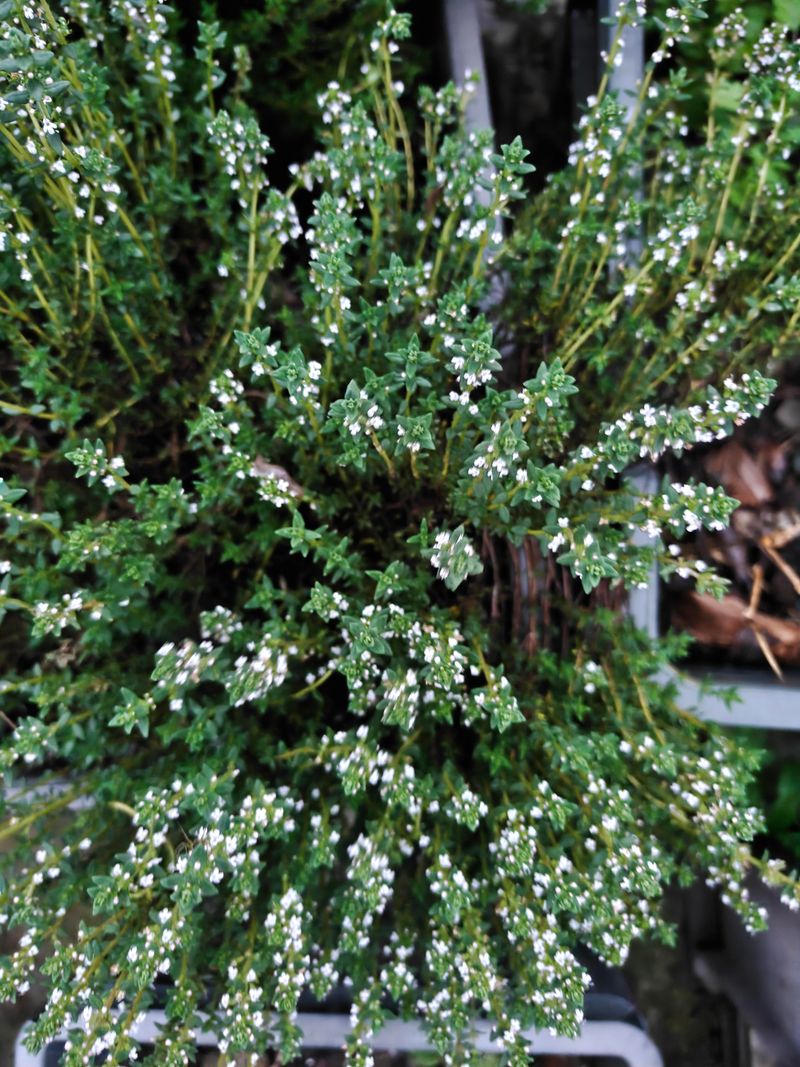
Some of the most popular kitchen herbs share the same sunny homeland. Thyme, lavender, rosemary, and French tarragon all trace back to warm, dry regions where the soil drains quickly after any rain.
These plants learned to survive in gritty ground that never holds water for long. Their roots expect dry spells and plenty of air, which is exactly what wet fall soil cannot provide.
When autumn rains soak the garden and the ground stays damp for days, these herbs get stressed. Their roots start to weaken, and rot can set in before winter even arrives.
Lavender is a great example. It puts on a stunning show in early summer but sulks in soggy conditions. Wet feet during the cooler months are its biggest weakness.
French tarragon behaves the same way, preferring soil that feels more dry than damp. Too much moisture leaves its roots gasping and its flavor fading.
The fix is all about drainage. Mix coarse sand, fine gravel, or even small pebbles into your planting area to help water move through faster. Avoid low spots where puddles gather.
Raised mounds or slopes also help these herbs stay high and dry. Even a few inches of extra height can keep roots out of standing water.
Grouping these Mediterranean lovers together makes care easier since they share the same needs. Water them lightly and let the soil dry between drinks.
Match their homeland conditions, and these fragrant herbs will stay strong and flavorful right through the wettest fall weeks.
5. North Carolina Clay Can Hold Water Too Long
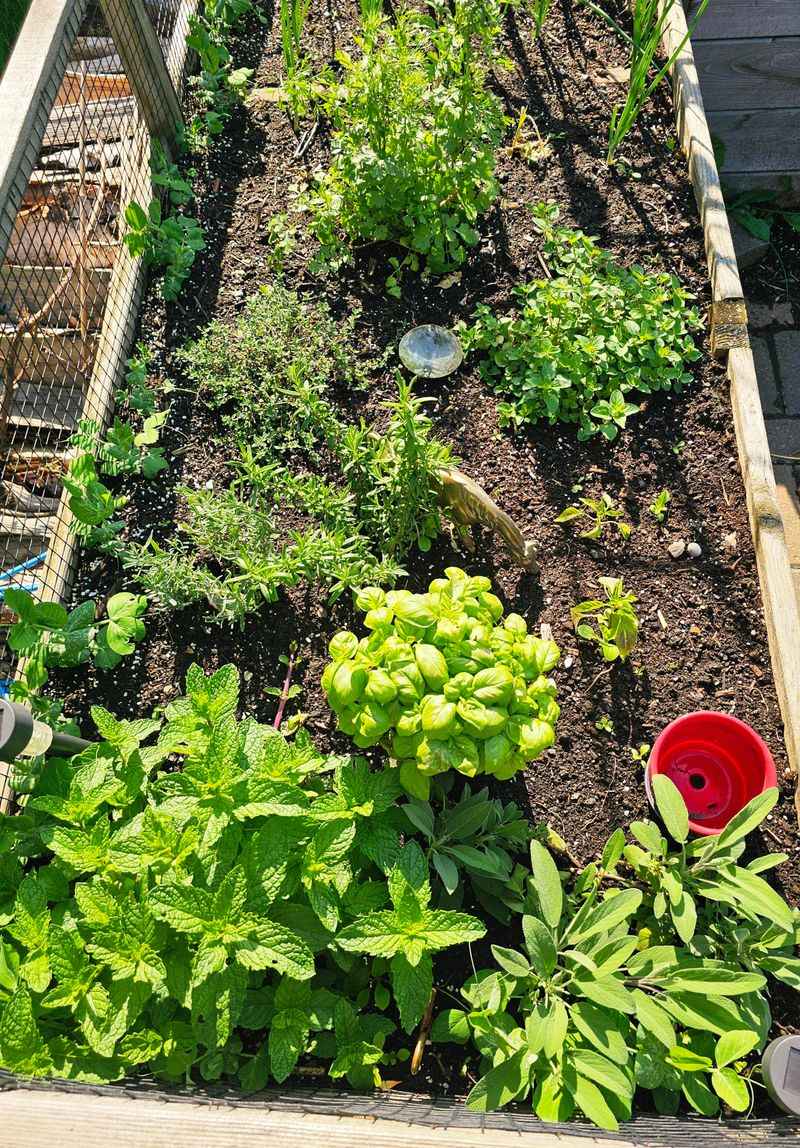
Anyone who has dug in a North Carolina yard knows the red clay that lies just below the surface. This heavy soil is famous for its color, and also for the trouble it causes gardeners.
Clay is made of tiny, tightly packed particles. Water moves through it slowly, and after a big rain the ground can stay wet for days or even a week.
That slow drainage is a real problem for herbs. Their roots need oxygen, but saturated clay leaves almost no air pockets in the soil. The roots end up gasping in muddy conditions.
Foot traffic and heavy equipment make things worse by compacting the clay even more. Compacted soil holds water like a bowl, keeping roots trapped in moisture.
During fall, when rain is frequent and drying is slow, clay becomes a perfect setup for root rot. The water simply has nowhere to go.
Improving clay takes a little effort but pays off big. Work in compost, shredded bark, or coarse sand to break up the dense texture and create space for water to drain.
Organic matter also feeds the soil and invites earthworms, which naturally loosen the ground over time. A few seasons of adding compost can transform stubborn clay.
Another trick is to plant herbs on small mounds so their roots sit above the wettest layer. Even a slight rise helps water flow away from the crown.
Understand your clay and work with it, and your herbs will handle North Carolina’s soggy fall days far better.
6. Containers Need Open Drainage Holes
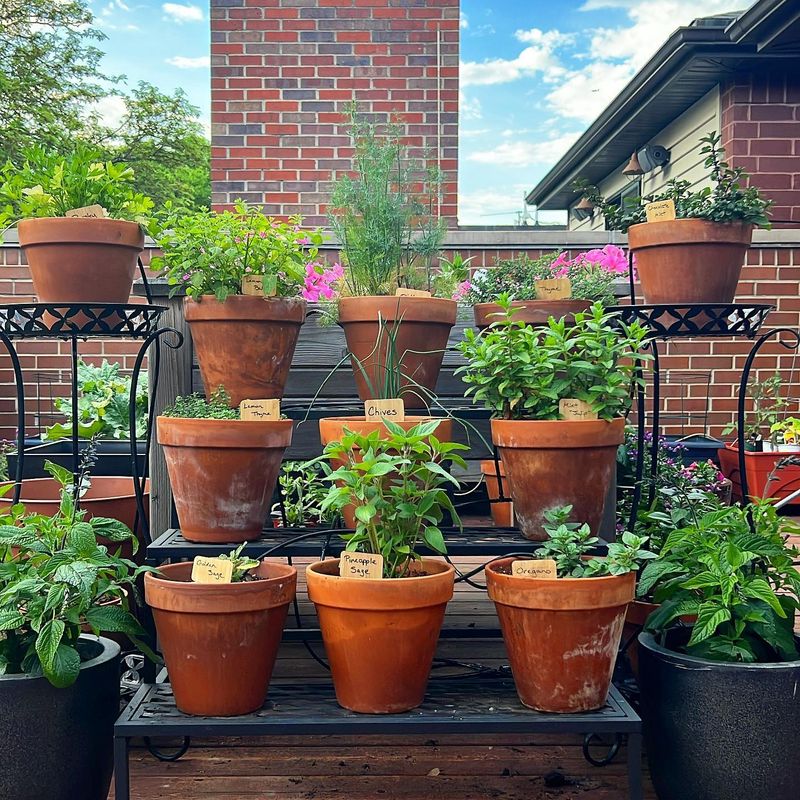
Pots seem simple, but they hide a common trap. A container without working drainage holes turns into a tiny pond every time you water, and the roots pay the price.
Water needs a clear path to escape. When holes are missing or clogged, moisture collects at the bottom of the pot and stays there, soaking the roots long after you finish watering.
Fall makes this worse because pots dry out slowly in cool weather. Add a few rain showers and the soil inside can stay soggy for a surprisingly long time.
Before planting, always check that your container has open holes at the base. If it does not, drill a few yourself to give water somewhere to go.
Those decorative pots with no holes look lovely but trap water fast. If you love the look, slip a plain nursery pot inside it and lift the inner pot out to drain.
Saucers help protect your patio, but they can backfire. Water that collects in the saucer keeps the roots wet, so empty it after every watering and rainstorm.
A layer of coarse material like small stones near the drainage holes can help water flow out smoothly. Use a light, airy potting mix rather than heavy garden soil.
Raising pots slightly on small feet or bricks also lets water drip away freely. This tiny gap makes a big difference.
Give your potted herbs a clear escape route for water, and their roots will stay healthy and firm through every fall shower.
7. Raised Beds Can Solve A Wet Site
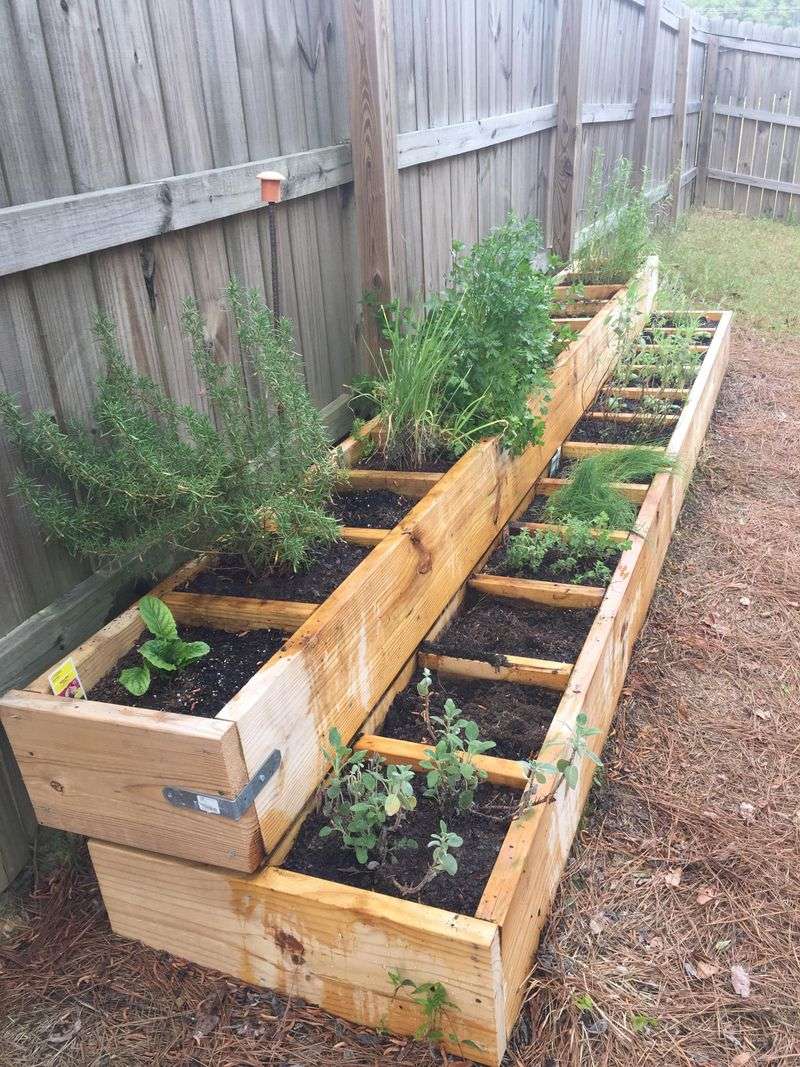
Sometimes the ground itself is the problem. If your yard turns squishy after every fall rain, planting herbs directly in that spot sets them up for trouble. A raised bed offers a clever way around it.
By building up, you lift the roots above the soggy native soil. The extra height lets water drain down and away instead of pooling around your plants.
You get to fill the bed with your own custom mix, too. A blend of quality soil, compost, and coarse sand drains far better than heavy clay ever could.
This control matters most during North Carolina’s rainy autumn months. Even when the surrounding ground stays wet, the soil inside a raised bed dries at a healthy pace.
Raised beds also warm up nicely and are easy to reach without bending too far. Your back will thank you as much as your herbs do.
Building one does not have to be fancy. Wood boards, stacked bricks, or even sturdy stone can frame a simple bed a foot or so tall.
Make the bed at least eight to twelve inches deep so roots have room to spread in loose, airy soil. Deeper is even better for Mediterranean herbs.
Place the bed in a sunny, open spot where breezes can help dry the surface. Good airflow keeps things from staying damp.
For gardens that stay wet no matter what you do, a raised bed changes everything. Your herbs finally get the fast drainage they crave, rain or shine.
8. Check The Soil Instead Of Following A Schedule
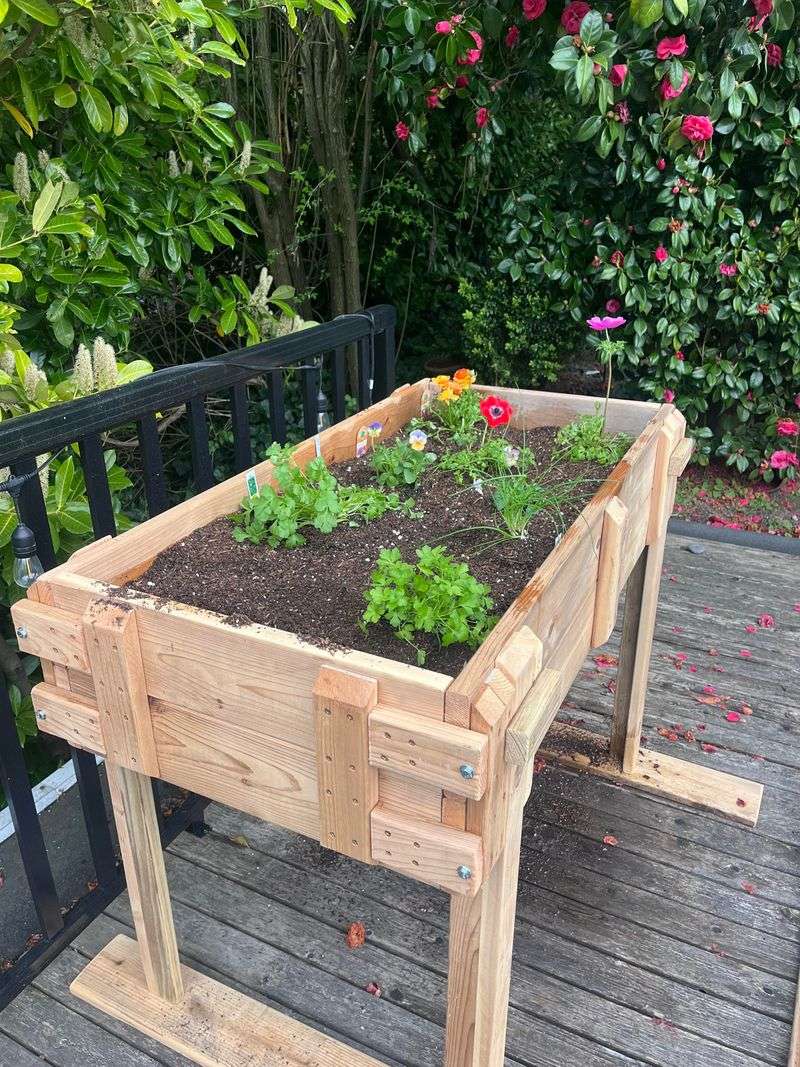
Habits feel comforting, but watering on autopilot can hurt your herbs. Many gardeners water every Monday or every third day without ever noticing what the soil actually needs.
Weather changes constantly through fall. One week brings warm, dry afternoons, while the next drops several inches of rain. A fixed schedule ignores all of that and often gives plants far more water than they can use.
The soil itself is your best guide. It tells you exactly when your herbs are thirsty and when they are perfectly content, if you take a moment to listen.
Testing is easy and quick. Push a finger about two inches into the ground near the plant. Damp and cool means wait, while dry and crumbly means go ahead and water.
You can also lift a potted herb to feel its weight. A heavy pot still holds plenty of moisture, while a light one is ready for a drink.
Pay attention to rain, too. After a good soaking, you may not need to water for many days. Let nature do part of the work for you.
Watching your plants helps as well. Firm, upright stems and steady growth show that your watering is on track.
Trading a rigid routine for a quick soil check protects your herbs from the fall root rot that catches so many gardeners off guard.
Water when the soil asks for it, not when the calendar says so. This one simple shift keeps your North Carolina herb garden healthy through the entire season.