What MSU Extension Is Warning Southwest Michigan Gardeners About This Late-Summer Potato Disease
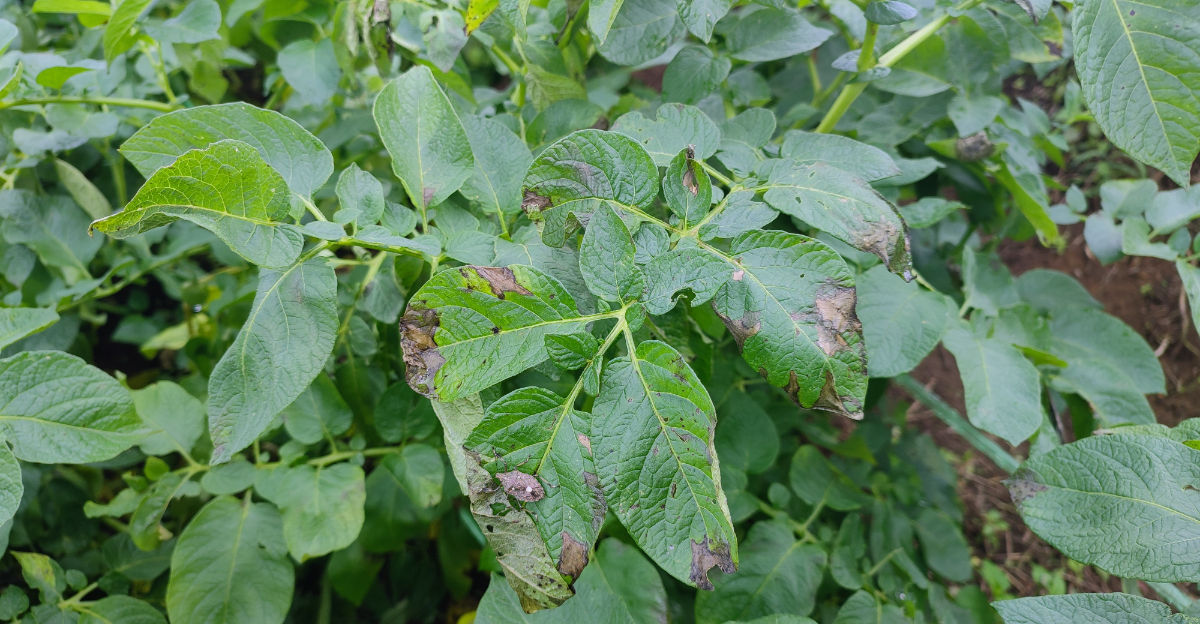
A quiet threat is spreading fast through backyard gardens across Michigan right now. Days can separate a thriving, healthy plant from complete, sudden collapse.
Warm days and damp nights have created perfect conditions for fast, aggressive spread. Potatoes and tomatoes growing across the state sit directly in its path.
You might not notice anything wrong until real damage has already set in. Leaves can shift from healthy green to blackened, wilted tissue almost overnight.
Michigan’s unpredictable late-summer weather is making this season especially unforgiving for growers. Backyard gardeners rarely expect a threat capable of moving this quickly.
Experts are urging immediate attention before symptoms become impossible to reverse or control. What happens next depends entirely on how quickly you choose to respond.
A Threat Spreading Fast Through Southwest Michigan Gardens
Late blight is not your average garden fungus. MSU Extension has flagged this disease as a serious threat to Southwest Michigan potato crops this late summer.
The pathogen responsible is called Phytophthora infestans. It travels fast, spreads wide, and hits hard when conditions are cool and wet.
Gardeners in the region have already reported suspicious symptoms on their plants. Experts say the current weather pattern is nearly ideal for an outbreak.
Late blight thrives when nighttime temperatures stay cool and humidity remains high. Combine that with humid days and frequent rain, and the disease spreads like wildfire.
Home gardeners often mistake early blight for this more dangerous strain. The two diseases look similar at first glance, but late blight moves much faster and causes far more damage.
MSU Extension urges all Southwest Michigan gardeners to check their potato plants daily right now. Catching the problem early gives you the best shot at saving your crop.
This pathogen has been documented for well over a century, and it has not gotten any less aggressive over time.
Your garden may look fine today and be devastated within a week. Acting now, rather than waiting for obvious symptoms, is the smartest move any gardener can make this season.
Greasy Brown Lesions Signal Early Infection
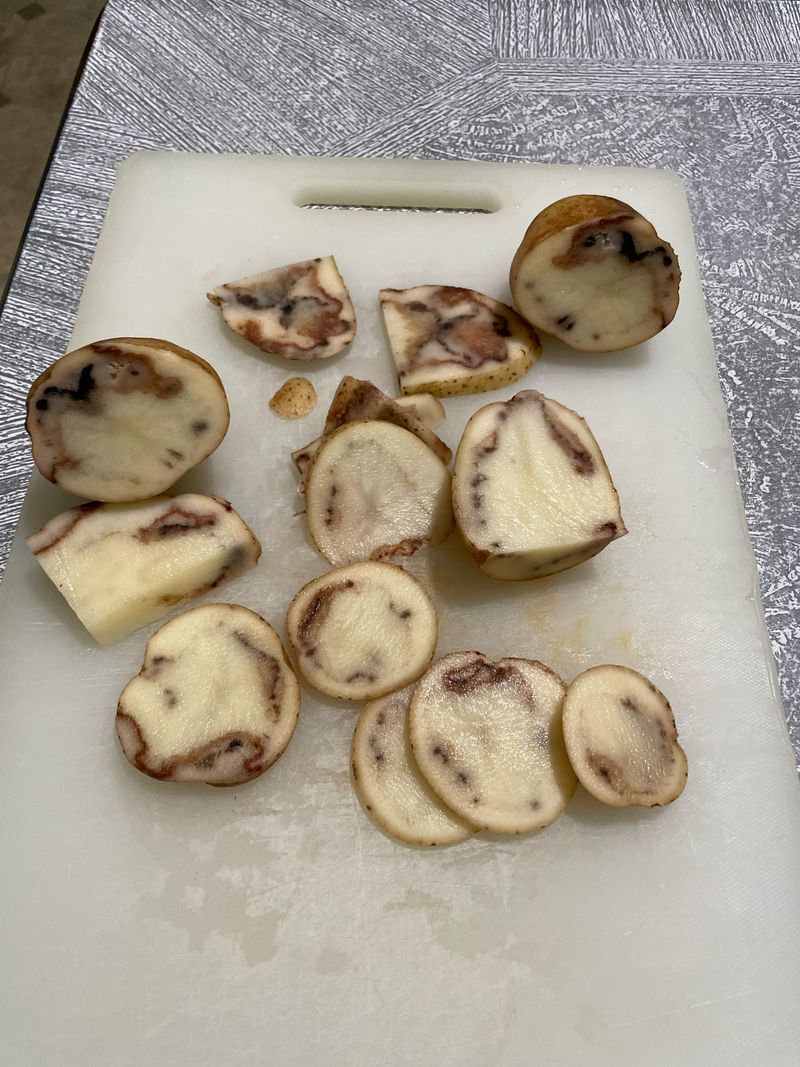
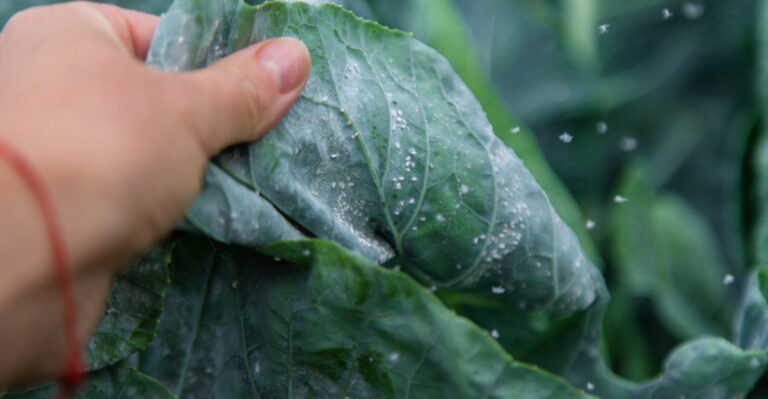
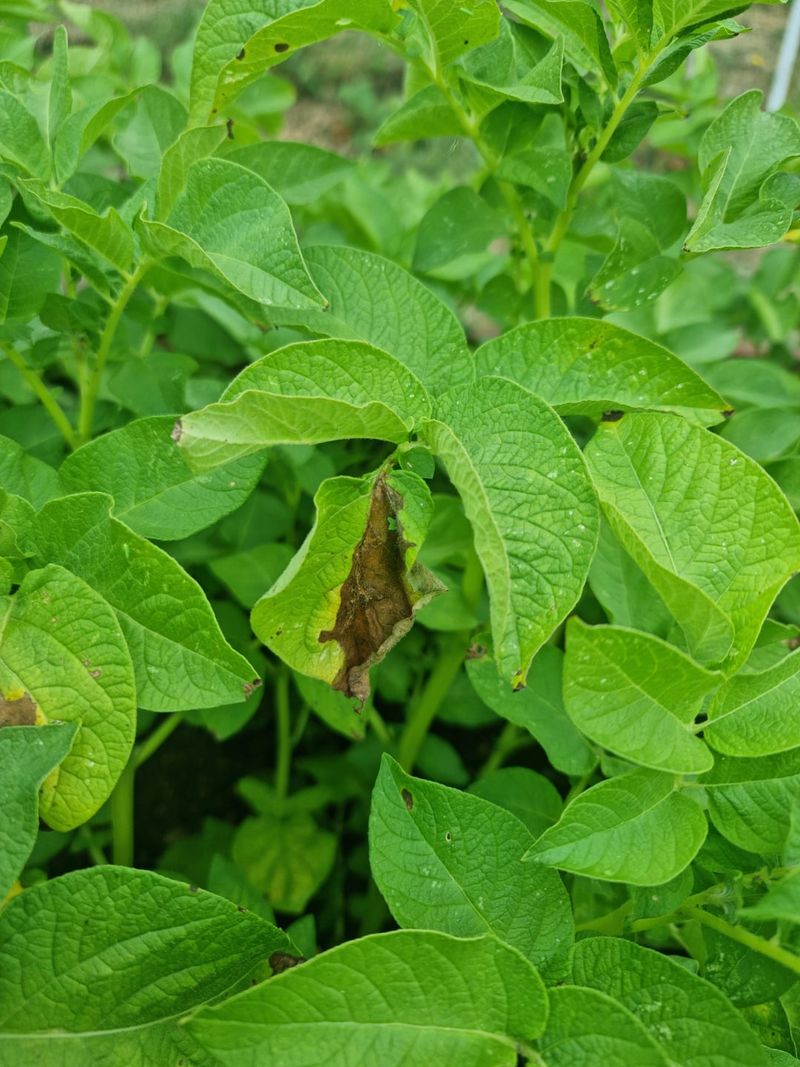
Your first clue will look like a bad bruise on a leaf. Greasy, brown, water-soaked lesions are the earliest visible sign of late blight infection on potato plants.
These spots usually appear near the tips or edges of leaves first. They spread quickly across the entire leaf surface if the weather stays moist and cool.
Many gardeners confuse these marks with drought stress or insect damage. The key difference is the greasy, almost translucent look of a late blight lesion up close.
Touch the affected area gently with your fingertip. A late blight lesion often feels slightly wet or soft, even when the surrounding soil is dry.
Stems can also show dark brown streaks running along their length. These streaks signal that the infection has moved beyond the leaves and into the plant’s core structure.
Once stems are infected, saving that individual plant becomes much harder. Removing it quickly helps protect the healthy plants growing nearby.
Your Michigan Garden Changes Every Week. Your Plan Should Too.
Gardening in Michigan changes quickly throughout the season. Every Friday you’ll receive a simple weekly plan showing exactly what to plant, prune, fertilize, harvest, and protect so you never miss the right timing.
MSU Extension recommends photographing any suspicious lesions before removing plant material. Clear photos help extension agents confirm late blight or rule out other causes.
Early detection is your most powerful tool against this disease. Spotting those first greasy brown patches and acting immediately can stop the spread before your whole garden pays the price.
White Spores Appear On Leaf Undersides
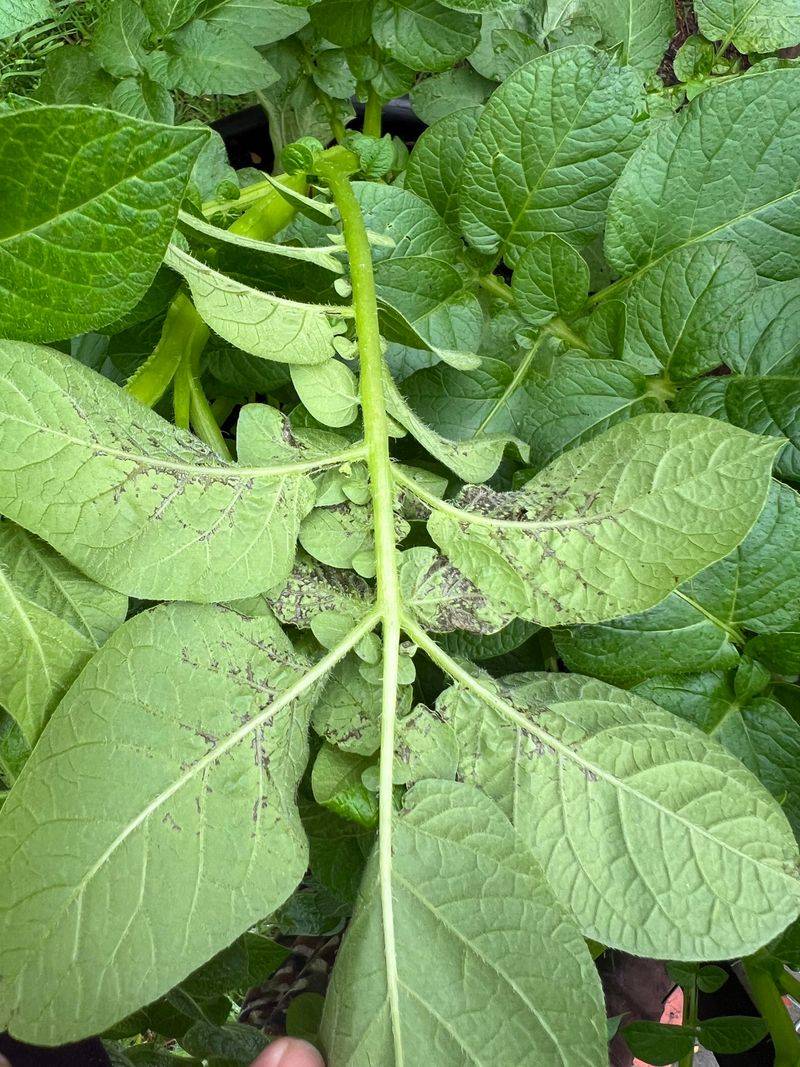
Flip a suspicious leaf over and look closely at the underside. A ring of white, fuzzy spore growth confirms late blight without any laboratory test needed.
These white spores are called sporangia, and they are incredibly efficient at spreading the disease. Wind carries them to neighboring plants within minutes during a rainy or foggy morning.
The spores become most active during periods of high humidity at night. That is why an infected garden can look dramatically worse from one morning to the next.
Gardeners who water with overhead sprinklers may be accidentally helping the disease spread. Switching to drip irrigation or watering at the base of plants reduces spore movement significantly.
A single infected leaf can release large numbers of spores in one day. Those spores land on healthy leaves, germinate in moisture, and start new infection sites within hours.
MSU Extension advises against handling infected plants when leaves are wet. Wet hands and tools become accidental carriers, moving spores from sick plants to healthy ones with every touch.
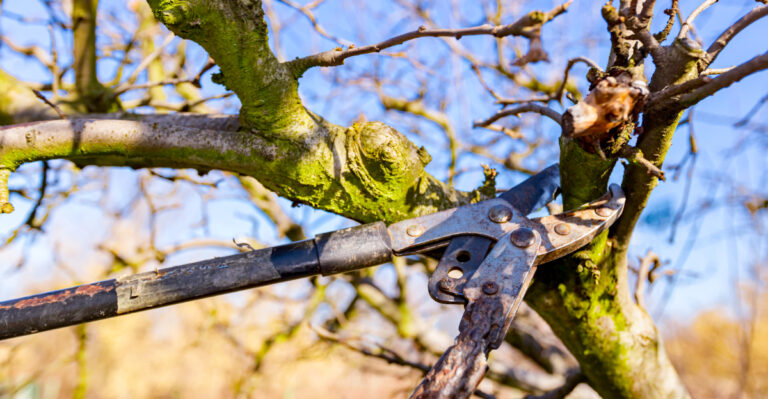
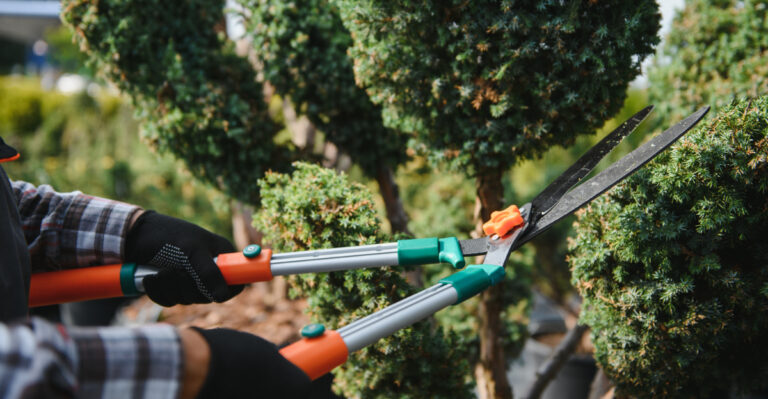
Sanitizing pruning tools between plants with a diluted bleach solution slows the spread. Even a quick wipe-down with a disinfectant solution on your shears makes a real difference.
Seeing white fuzz on leaf undersides means the disease is already reproducing rapidly. Speed matters more than anything else at this stage of late blight infection.
Tomatoes Face Risk From The Same Pathogen
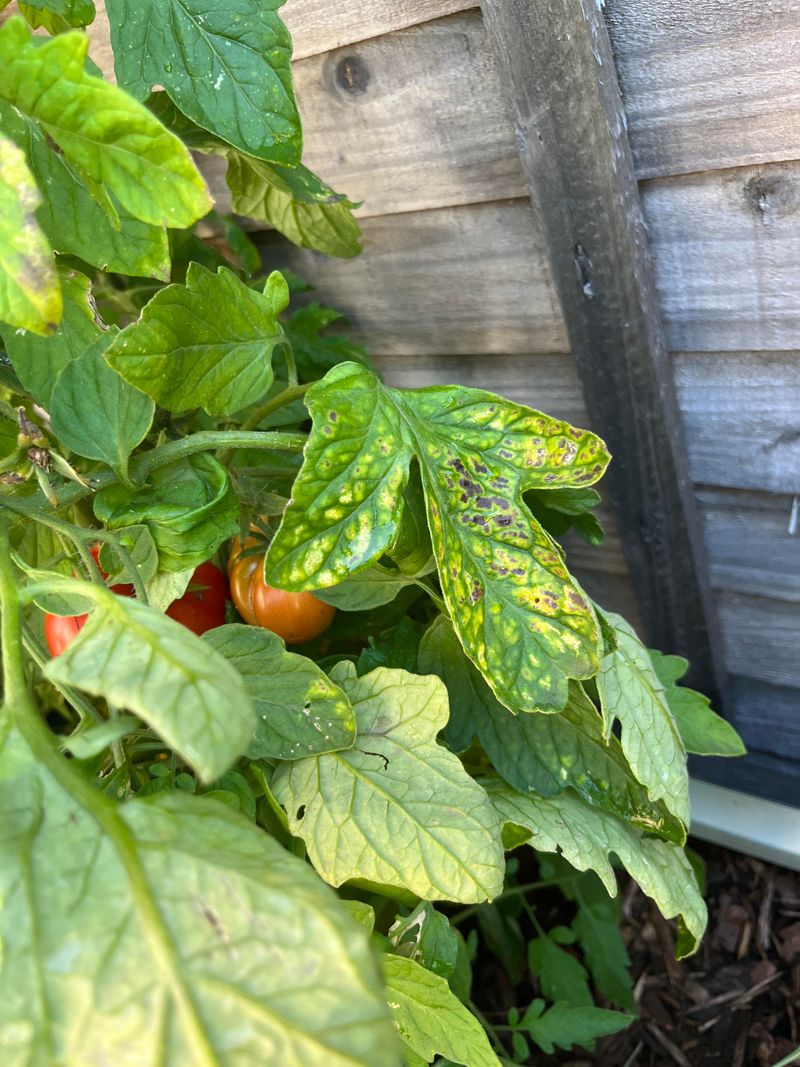
Potato gardeners are not the only ones who need to worry this season. Tomato plants are equally vulnerable to Phytophthora infestans, the same pathogen causing late blight in potatoes.
Many Southwest Michigan gardeners grow both crops side by side in the same raised beds. That proximity creates a fast highway for the disease to jump between plant families.
On tomatoes, late blight first shows up as dark, greasy patches on leaves and stems. Fruit can also become infected, developing large, firm, brown lesions that make them inedible.
Unlike some tomato diseases, late blight does not slow down as the season progresses. Cooler late-summer nights actually accelerate its spread across a tomato planting.
Home canners should pay special attention right now. Infected tomatoes are unsafe to process and store, as the pathogen can affect the safety and quality of canned goods.
MSU Extension suggests creating physical separation between potato and tomato beds when possible. Even a few feet of space and a barrier row of other plants can slow cross-infection.
Removing and bagging infected tomato plant material immediately keeps spore counts lower in your garden. Do not compost infected material, since home compost piles rarely get hot enough to destroy the pathogen.
Protecting your tomatoes means protecting your potatoes too. Treating both crops as part of the same disease management plan is the most effective approach this late-summer season.
Fungicide Options Remain Effective Against This Strain
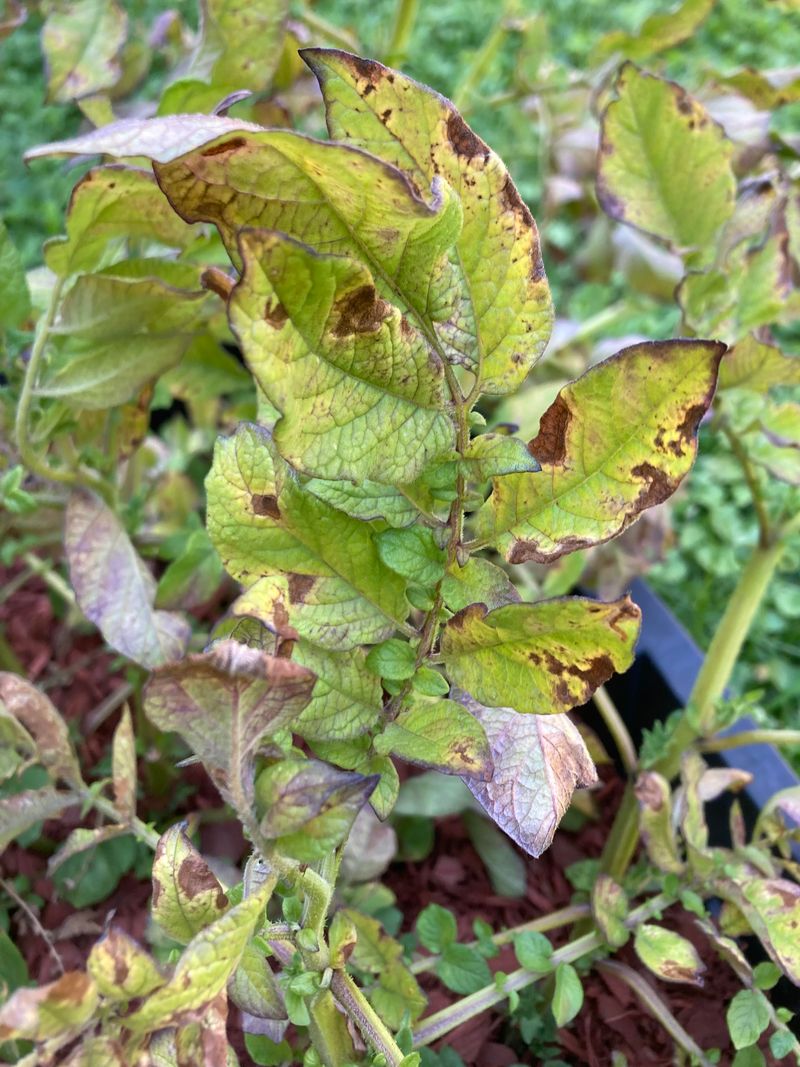
There is one encouraging point in the middle of all this concern. Several fungicide products available to home gardeners are still effective against the current late blight strain in Southwest Michigan.
Products containing chlorothalonil or copper-based compounds are commonly recommended for late blight control. Both are available at most garden centers and big-box home improvement stores.
MSU Extension emphasizes that fungicides work best as a preventive measure, not a cure. Spraying before symptoms appear, or at the very first sign of infection, gives you the strongest results.
Read product labels carefully before mixing or applying any fungicide. Labels carry legal weight and include critical safety information about application rates, timing, and protective gear requirements.
Reapplication schedules matter as much as the initial spray. Most fungicide labels recommend reapplying every seven to ten days, especially after heavy rain events wash off the protective coating.
Organic gardeners have options too, with copper-based sprays being approved for certified organic use. Neem oil shows some activity against late blight but is generally less reliable as a standalone treatment.
Avoid applying fungicides during the hottest part of the day to prevent leaf burn. Early morning or late evening applications are gentler on plants and allow the product to dry properly before dew sets in.
Fungicides are one strong layer of defense in your overall late blight management plan. Pairing them with good scouting habits makes your whole garden far more resilient this season.
Scouting Now Protects Plants Meant For Storage
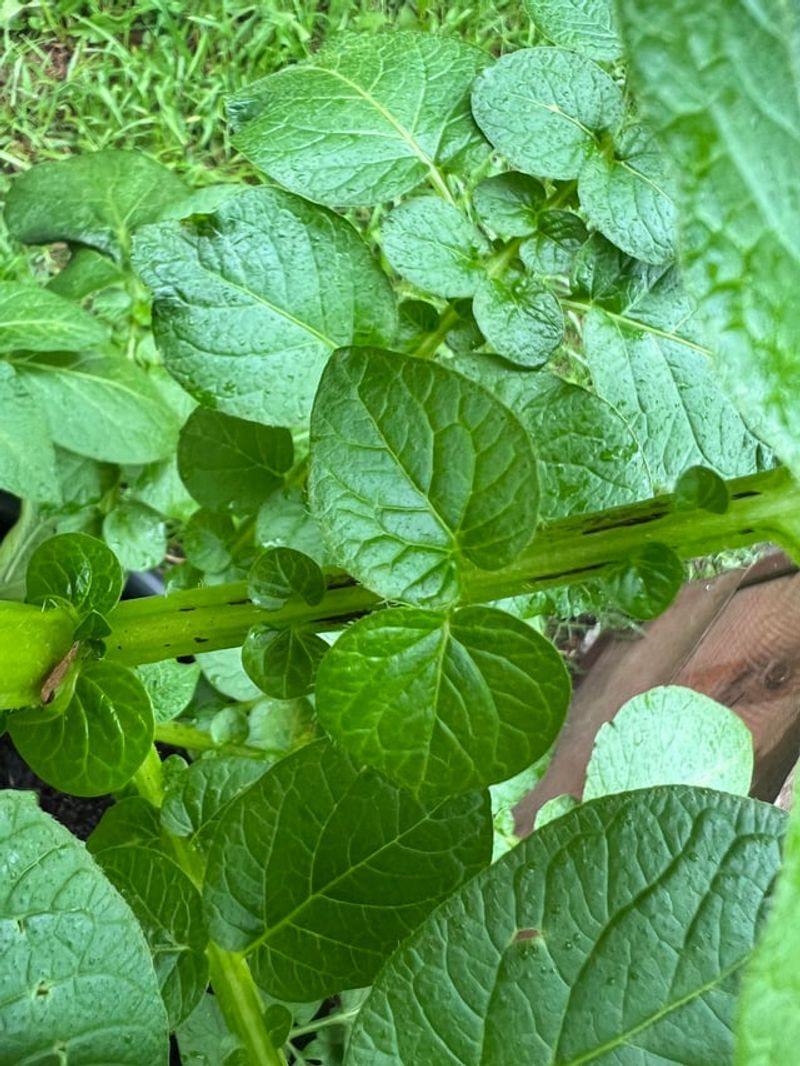
If you plan to store potatoes through the winter, scouting your garden right now is non-negotiable. Late blight can infect tubers underground without showing obvious above-ground symptoms until harvest.
Infected tubers brought into storage spread rot to healthy potatoes quickly in confined spaces. That kind of rapid spread can wipe out weeks of careful storage prep.
Scouting means walking your rows every single day during high-risk weather periods. Look at the tops and undersides of leaves, check stems, and note any changes from the day before.
Keep a simple garden journal or use your phone to photograph plants each morning. A quick side-by-side comparison of photos from two different days reveals changes that are easy to miss in real time.
MSU Extension recommends harvesting potatoes only during dry weather whenever possible. Wet conditions at harvest increase the chance of bringing Phytophthora spores into contact with tubers during digging.
Allow harvested potatoes to cure in a dry, well-ventilated space for one to two weeks. Curing toughens the skin and helps identify any infected tubers before they go into long-term storage.
Discard any potato that shows soft spots, dark discoloration, or an off smell after curing. Storing only firm, clean, healthy tubers dramatically reduces winter storage losses.
Staying ahead of late blight this season protects not just your harvest but your entire winter food supply. Consistent scouting is the simplest, most powerful habit any Southwest Michigan gardener can build right now.