Why Michigan Evergreens Are Desperately Thirsty During This Sunny October Week
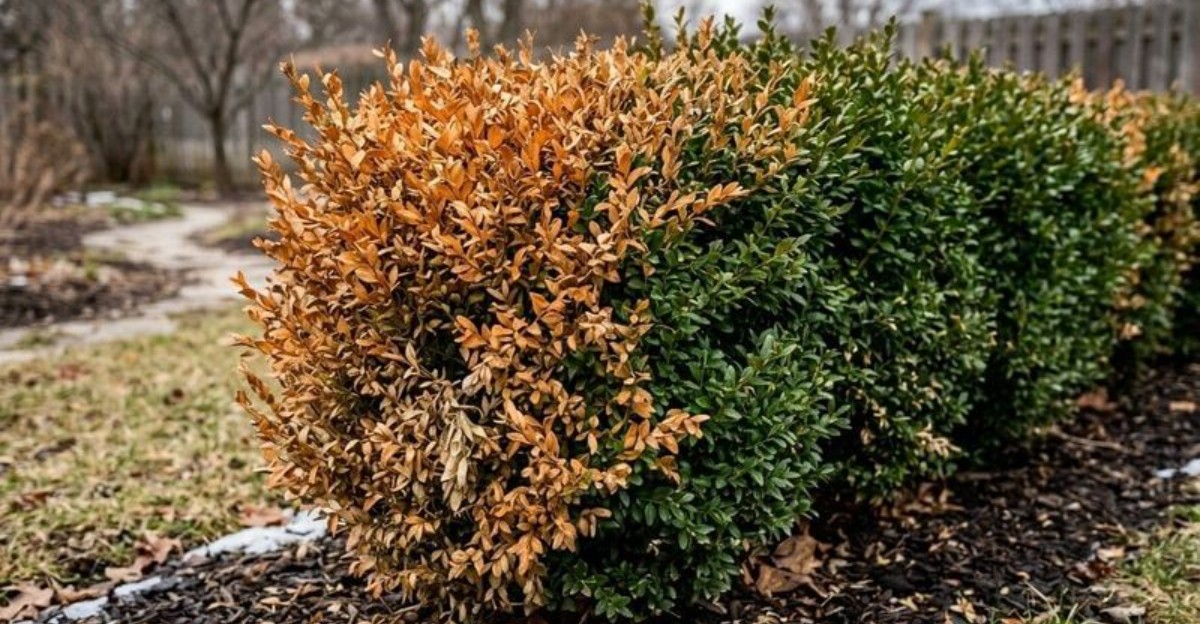
A sunny, dry week feels perfect to people, but evergreens feel it differently. Their needles lose moisture all year, even in cold weather. Roots are still working in October, though the soil is drying with each cloudless day.
Rain has been scarce, and the ground may be drier than it looks. When the soil freezes, roots can no longer replace what the needles lose. That is why a deep soaking before freezing matters so much.
Newly planted evergreens are the most vulnerable, but older ones feel it too. Spruce, arborvitae, and hemlock all benefit. Watering slowly lets moisture reach deep roots, not just the surface.
A little effort this week helps your evergreens stay full and green through winter.
1. Evergreens Keep Losing Water All Winter
Maple trees have a clever trick for winter. They drop their leaves in fall, which lets them rest without losing much water until spring. Evergreens skip that step entirely, and that choice comes with a cost.
Arborvitae, spruce, pine, fir, yew, boxwood, and rhododendron all hold on to their needles or leaves year round. Those green parts keep releasing moisture into the air every single day, even in January. On sunny, windy afternoons, the loss speeds up quite a bit.
So these plants need to start winter with plenty of water already stored in their roots, stems, and needles, almost like packing a full canteen before a long hike.
Fall is your best chance to fill that canteen. A deep, slow soak works far better than a quick spray from the hose. Set a hose at a gentle trickle near the base of the plant, or lay a soaker hose in a circle around the root zone.
Let it run long enough for water to sink well below the surface, where most of the thirsty roots are waiting.
Moving the hose to a few spots around larger trees helps too. Roots spread wider than many people think, often reaching past the outer branches. Giving the whole area a good drink means more of the root system can take up water.
Michigan winters make all of this extra important. Evergreens here face months of icy cold, gusty winds off the Great Lakes, and bright sunshine bouncing off snow. That combination pulls moisture from foliage day after day.
A plant that starts the season well hydrated has a much better shot at staying green, full, and handsome when spring finally rolls around.
2. Frozen Ground Cuts Off Their Water Supply
Imagine trying to sip a slushie through a straw after it has frozen solid. Nothing comes up, no matter how hard you pull. Evergreen roots run into that same problem every Michigan winter.
Once the ground freezes, roots simply cannot take in water. The needles and leaves above, however, keep losing moisture to the dry winter air. With no way to refill what escapes, the plant slowly runs short.
By late winter and early spring, the result often shows up as brown, crispy foliage, a problem gardeners call winter burn.
Your Michigan Garden Changes Every Week. Your Plan Should Too.
Gardening in Michigan changes quickly throughout the season. Every Friday you’ll receive a simple weekly plan showing exactly what to plant, prune, fertilize, harvest, and protect so you never miss the right timing.
Winter burn usually appears on the side of the plant facing the sun or wind. Sometimes the plant pushes out fresh growth in spring and recovers. Other times, the damage is severe enough to leave bare, ugly patches that take years to fill in.
The good news is that you have a window right now to help. Keep watering your evergreens every week or two during dry fall weather, and keep going until the ground starts to freeze. In much of Michigan, that often means watering into November.
A slow, deep soak each time matters much more than a quick sprinkle, since light watering only wets the top inch or two of soil.
A simple routine works well. Pick a day each week, check the weather, and water if rain has been scarce. Mark it on your calendar or set a phone reminder so it does not slip your mind.
Michigan soil can stay frozen for months, sometimes from December into March. That is a long stretch without a drink. Every gallon you give now is water your evergreens can lean on during that frozen season.
3. Dry Fall Conditions Leave Less Moisture In The Soil
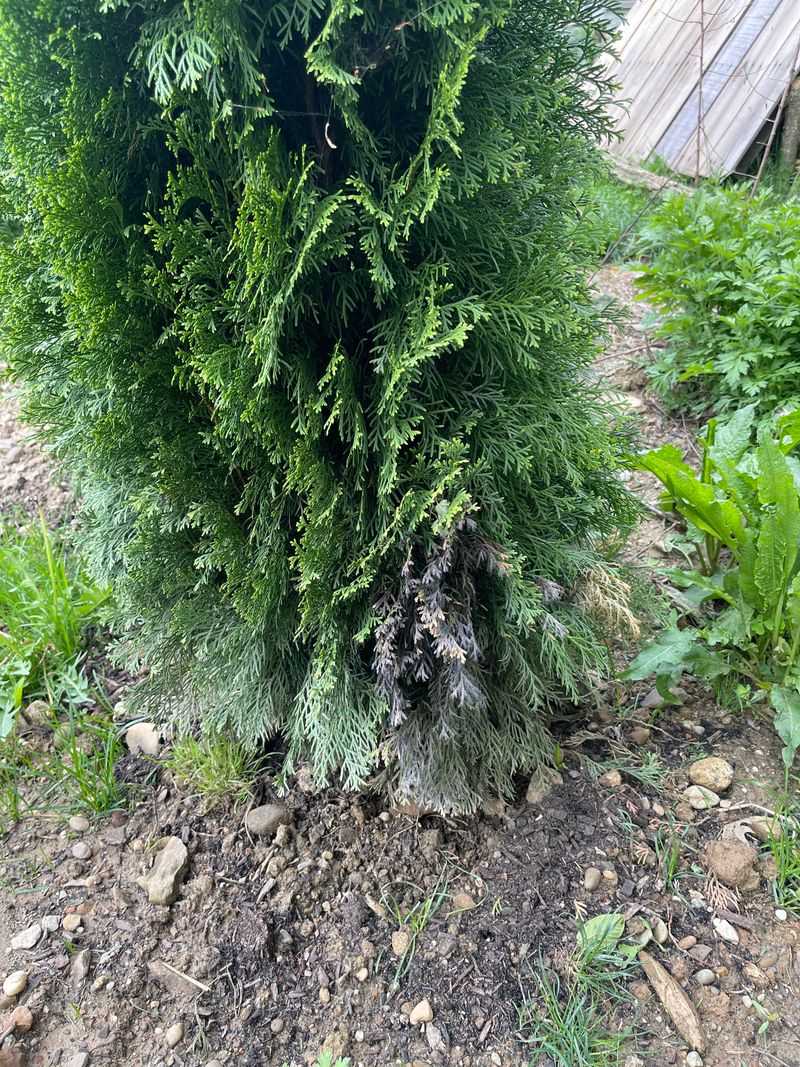
Crunchy leaves underfoot are a classic sign of fall. This year, though, the crunch may be coming from the soil too. Many parts of Michigan have seen less rain than usual, and that shortage matters a lot for evergreens.
When fall rainfall runs short, soil moisture drops steadily. Evergreens then head toward winter already low on water, before the hardest months even begin.
Starting the season thirsty makes winter damage much more likely, since the plants have less in reserve to handle cold, wind, and frozen ground.
Checking your soil is easier than you might expect. Grab a garden trowel or a long screwdriver and push it into the ground near the root zone, a foot or two out from the trunk. If it slides in easily and comes out damp, your plant is in decent shape.
If it meets resistance or comes out dry and dusty several inches down, your evergreen needs help.
When the soil is dry, water deeply and slowly. Aim for moisture that reaches 8 to 12 inches below the surface, since that is where many active roots live. After watering, wait an hour and check again with your screwdriver.
That quick test tells you whether the water actually soaked in or just ran off. Current conditions make this check worth doing right away.
Parts of Lower Michigan have been abnormally dry this fall, and the western Upper Peninsula has slipped into serious drought. Even if your lawn still looks okay, the deeper soil may tell a different story.
A few minutes with a simple tool can reveal exactly what your trees are dealing with.
4. Sunny Days Speed Up Water Loss
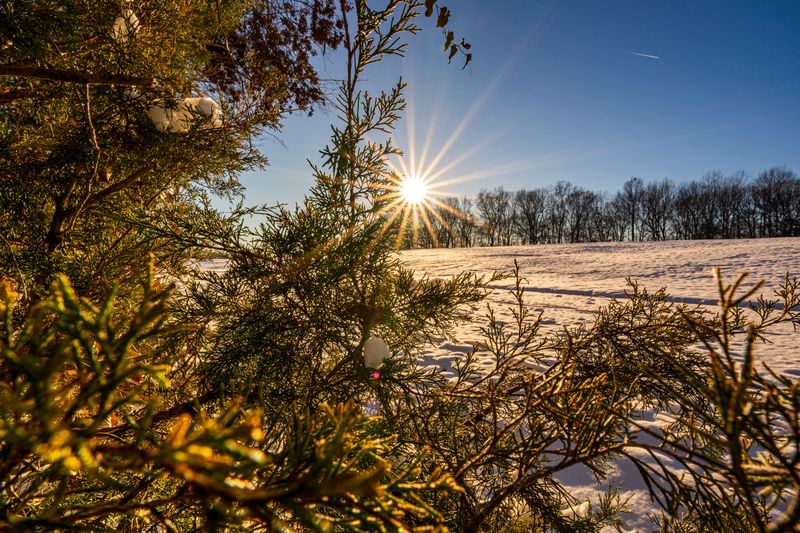
Sunshine in October feels wonderful on your face. For evergreens, those same rays work like a hair dryer aimed at their foliage. Clear skies may lift our mood, but they quietly drain water from needles and leaves.
Here is what happens. Sunlight warms the surface of needles and leaves, and warmer foliage loses more water to the air. On bright, clear days, an evergreen can lose moisture faster than dry or cold soil can replace it.
Add a breeze, and the drying effect grows even stronger. Timing your watering can help a lot. When the forecast shows a stretch of sunny, dry weather, check your soil first.
If it feels dry several inches down, give your evergreens a deep soak before the sunny spell arrives. That way, roots have water ready when the foliage starts asking for it.
Location matters too. Evergreens planted on the southern or western side of a house, or in open spots with no shelter, take the hardest hit from sun and wind.
For those plants, think about putting up burlap screens later in the season, usually after the ground freezes.
Drive a few wooden stakes on the sunny or windy side and staple burlap between them, leaving a little space so air can still move around the plant.
Skip wrapping burlap tightly around the whole shrub, though. A loose screen blocks harsh rays without trapping moisture or bending branches.
Michigan winters bring a special twist. Bright sun reflecting off fresh snow bounces extra light and heat onto lower branches. That glare adds to the drying effect, which is why a little planning now pays off months later.
5. Newly Planted Evergreens Are Most At Risk
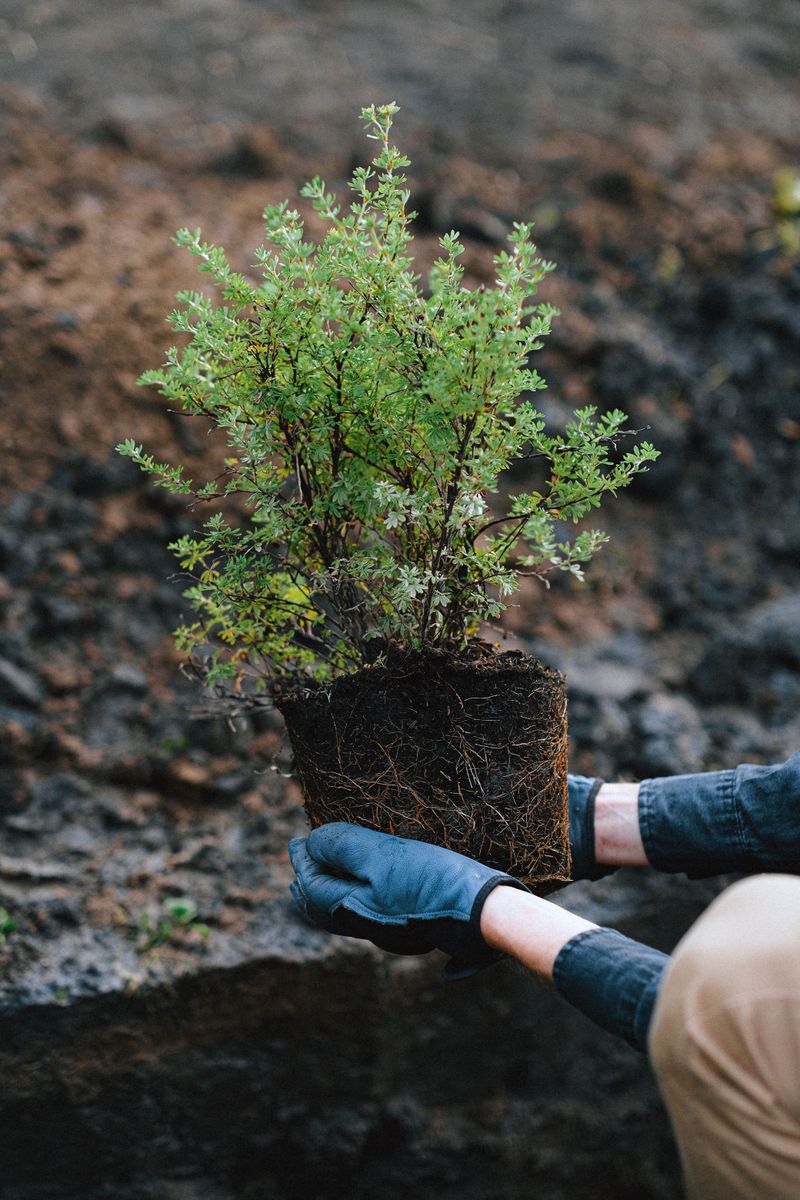
Planting a new evergreen feels exciting. You pick the perfect spot, dig the hole, and picture how tall and full it will grow. Yet that young tree is a bit like a toddler, needing more care than its grown-up neighbors for a while.
Evergreens planted in the last year or two have small root systems. Those roots have not spread far enough to reach deeper moisture in the soil. As a result, young plants dry out much faster and are far more likely to suffer winter burn or slow decline.
Watering new evergreens takes a slightly different approach. Give them a deep soak once a week during dry fall weather.
Aim the water right at the root ball, the original clump of soil and roots that came from the nursery, since that is where nearly all the roots still live.
One sneaky problem catches many gardeners off guard. Nursery root balls often contain a different soil mix than your yard, so the surrounding ground may feel damp while the root ball itself stays bone dry.
Push your finger or a trowel right into the root ball to check. If it feels dry, slow down your watering and let it soak in gradually.
A slow trickle from a hose for 15 to 20 minutes usually works well for a small tree. Larger plantings may need a bit more time.
For Michigan homeowners who added evergreens this year or last, now is the moment to pay close attention. A little extra effort this fall protects your investment and helps your new trees settle in for many happy years ahead.
6. Shallow-Rooted Evergreens Dry Out Fastest
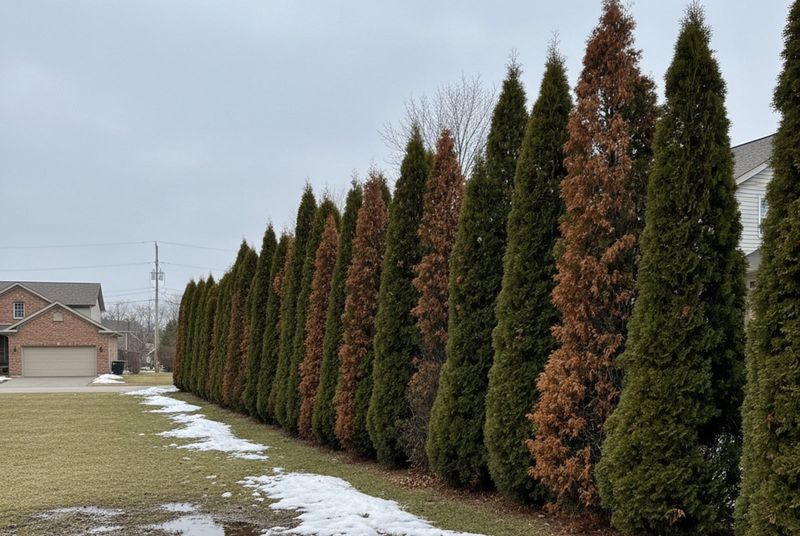
Some plants live close to the surface, and not just in personality. Arborvitae, yews, boxwoods, and rhododendrons all keep their roots fairly shallow, spreading out near the top layer of soil.
That trait makes them lovely and easy to plant, but it also makes them sensitive. The top few inches of soil dry out first whenever rain stops falling.
Deep-rooted trees like oaks can reach moisture far below, while shallow-rooted shrubs have nothing to tap into. So these evergreens feel dry weather sooner and show stress faster than their deeper-rooted cousins.
Rhododendrons give a helpful clue when they are thirsty. Their leaves may droop or curl inward, almost like they are folding their arms against the cold. Boxwoods and arborvitae are less dramatic, so a soil check is the better way to know what is going on.
Extra attention goes a long way with these shrubs. Water them deeply and regularly through fall, especially during dry spells. A soaker hose snaked along a hedge line makes the job simple, delivering water right where shallow roots can use it.
Keep their root zones covered with mulch as well, which holds moisture in that fragile top layer. Michigan yards are full of these plants.
Arborvitae hedges line countless backyards for privacy, while yews and boxwoods frame front doors and porches across the state. Sadly, they are also the shrubs that most often turn brown after a dry fall.
Giving them a steady drink now helps keep your hedges and foundation plantings looking crisp and green when neighbors walk by next spring.
7. Mulch Helps Hold On To The Water You Give
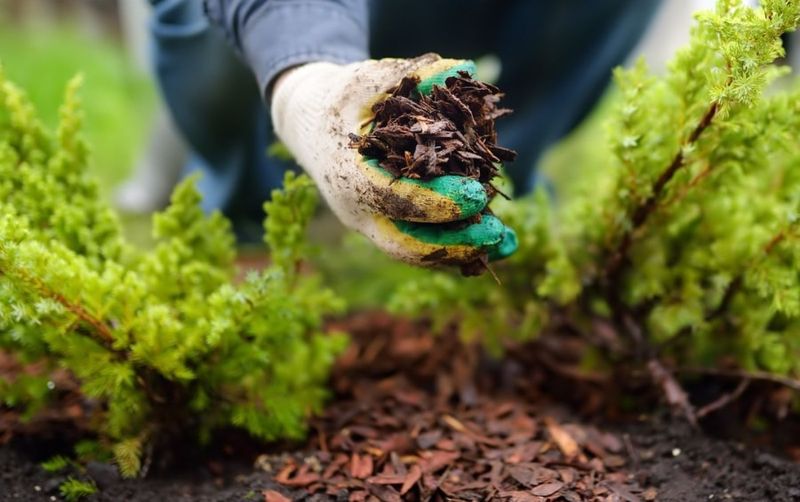
All that careful watering deserves a good lid. Mulch acts like a cozy blanket over the soil, keeping the moisture you added right where your evergreens need it.
A layer of mulch does several jobs at once. It slows evaporation, so water stays in the soil longer instead of drifting away on sunny, breezy days. It also keeps soil temperatures steadier and reduces how deeply the ground freezes.
Warmer, less frozen soil lets roots stay active a bit longer into the season, holding on to moisture and taking it up when they can.
Getting the details right makes mulch work better. Spread 2 to 3 inches of shredded bark or wood chips over the root zone. Stretch it out toward the edge of the branches, often called the drip line, rather than piling a small circle near the trunk.
Leave a gap of a few inches between the mulch and the trunk or stems. Mulch piled against bark, sometimes called a mulch volcano, can hold too much dampness and invite rot, insects, and rodents looking for a winter snack.
A flat, doughnut-shaped ring is the goal. Order matters as well. If your soil is dry, water first and then add mulch. Mulch spread over dry ground can actually block light rain from soaking in, which defeats the purpose.
Michigan winters stretch long and cold, and evergreen roots appreciate every bit of protection.
A fresh mulch layer this October, paired with deep watering, gives your trees and shrubs a strong, steady start. Come spring, you will likely see the reward in rich green growth.