Connecticut’s Most Rebellious Garden Trend Is Hiding In Plain Sight
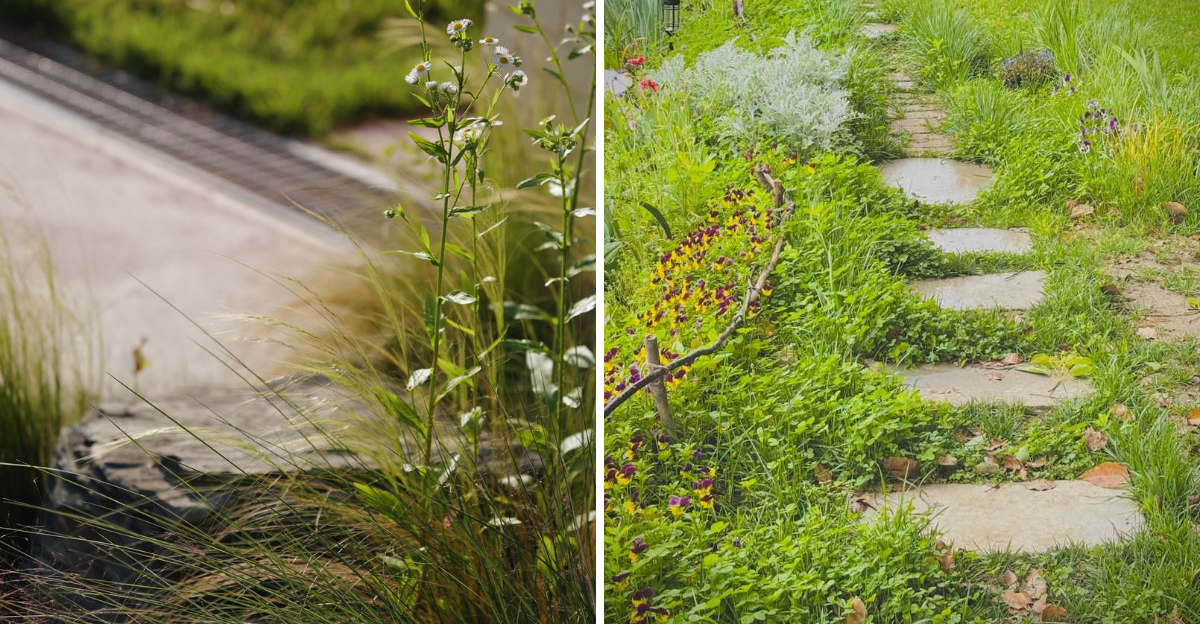
Neighbors are whispering about your lawn these days, and not in a good way. Grass no longer means order in parts of Connecticut. Clover creeps where turf once ruled, and bees have noticed.
Homeowners are trading mowers for seed packets, quietly, deliberately, boldly. Rules that once demanded flat, green, silent yards are fading.
Perfection is quickly losing its hold on how you see your yard. Wild patches now signal intelligence, not neglect. Chaos, it turns out, has curb appeal.
Connecticut residents are reshaping what a respectable yard looks like. Bees arrive early, then butterflies, then whispers from neighbors.
Your street might already be part of this shift. Change rarely announces itself, but it has already arrived. Something is quietly stirring beneath every unmowed inch of grass.
Nothing about this feels accidental, and nothing about it will stay quiet. You will not walk past another lawn the same way again.
What The “No Mow” Movement Actually Involves
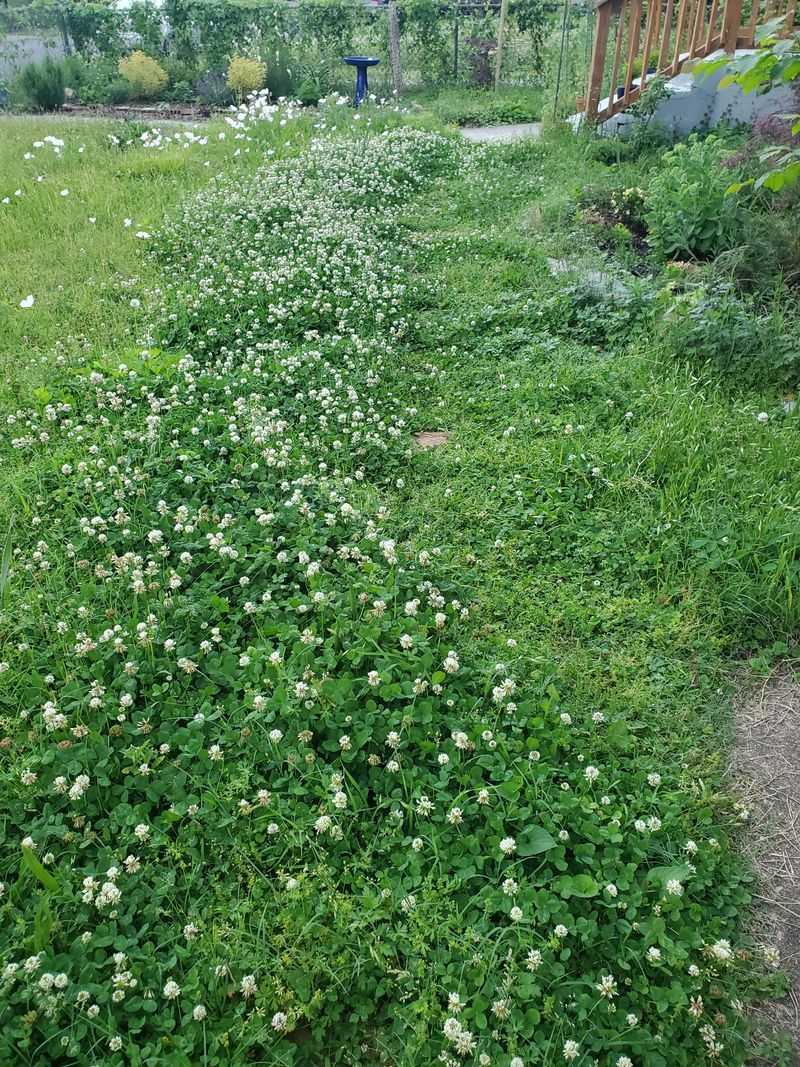
Picture this: your neighbor stops mowing, and suddenly their yard fills with color. That is the “no mow” movement in action, and it is simpler than it sounds.
No mow means letting your lawn grow beyond the standard two-inch cut. Homeowners allow grasses, clovers, and low-growing wildflowers to reach their natural height.
The idea started gaining traction about a decade ago in Europe. American gardeners picked it up and made it their own, especially during the push for pollinator-friendly spaces.
No mow does not mean total neglect. Most participants still edge pathways, remove invasive plants, and guide growth with intention.
Think of it as managed wildness rather than total chaos. You are still making choices, just different ones than before.
Mowing less saves time, fuel, and money. A standard gas mower can produce as much pollution per hour as several cars driving at highway speed, according to various EPA-linked estimates.
Skipping even a few mows each month makes a measurable difference. Your wallet and your lungs both benefit from the break.
Connecticut’s growing native-lawn movement is rooted in this simple act of stepping back. Letting nature lead takes courage in a neighborhood full of manicured lawns.
Many homeowners first discover the movement through ‘No Mow May,’ a spring campaign encouraging people to skip mowing for one full month.
That one month often changes everything about how they see their yard, even if you’re just now catching wind of it. Late summer is actually a smart time to start planning, since early fall is one of the best windows for scattering native seed in Connecticut.
Why Connecticut Gardeners Are Quietly Embracing It
Not everyone is shouting about their rewilded lawn from the rooftops. Most Connecticut gardeners are doing it quietly, almost secretly, one dandelion at a time.
The shift is happening for deeply personal reasons. Some people are exhausted by the time and cost of keeping up a traditional lawn.
Others watched pollinators disappear from their yards and grew concerned. When you stop seeing fireflies in July, something inside you shifts.
Your Connecticut Garden Changes Every Week. Your Plan Should Too.
Gardening in Connecticut changes quickly throughout the season. Every Friday you’ll receive a simple weekly plan showing exactly what to plant, prune, fertilize, harvest, and protect so you never miss the right timing.
Connecticut has a long history of conservation pride. Residents here tend to care about land stewardship, which makes rewilding feel natural rather than radical.
Many gardeners started small, skipping one mow, then two. Before long, they noticed birds returning and bees working the clover patches.
That sensory reward is powerful. Hearing a yard come alive is more satisfying than the hum of a mower any day.
Social media has quietly amplified the trend too. Gardening groups on Facebook and Instagram are full of Connecticut homeowners sharing photos of their blooming, buzzing yards.
Peer encouragement matters more than most people admit. Seeing a neighbor’s rewilded space gives you permission to try it yourself.
The movement also appeals to busy families who want beauty without demanding maintenance schedules. A rewilded yard practically tends itself once it gets established.
Connecticut’s growing native-lawn movement thrives on this quiet momentum. It spreads neighbor to neighbor, yard by yard, without a single advertisement needed.
Native Plants Replacing Traditional Turf Lawns
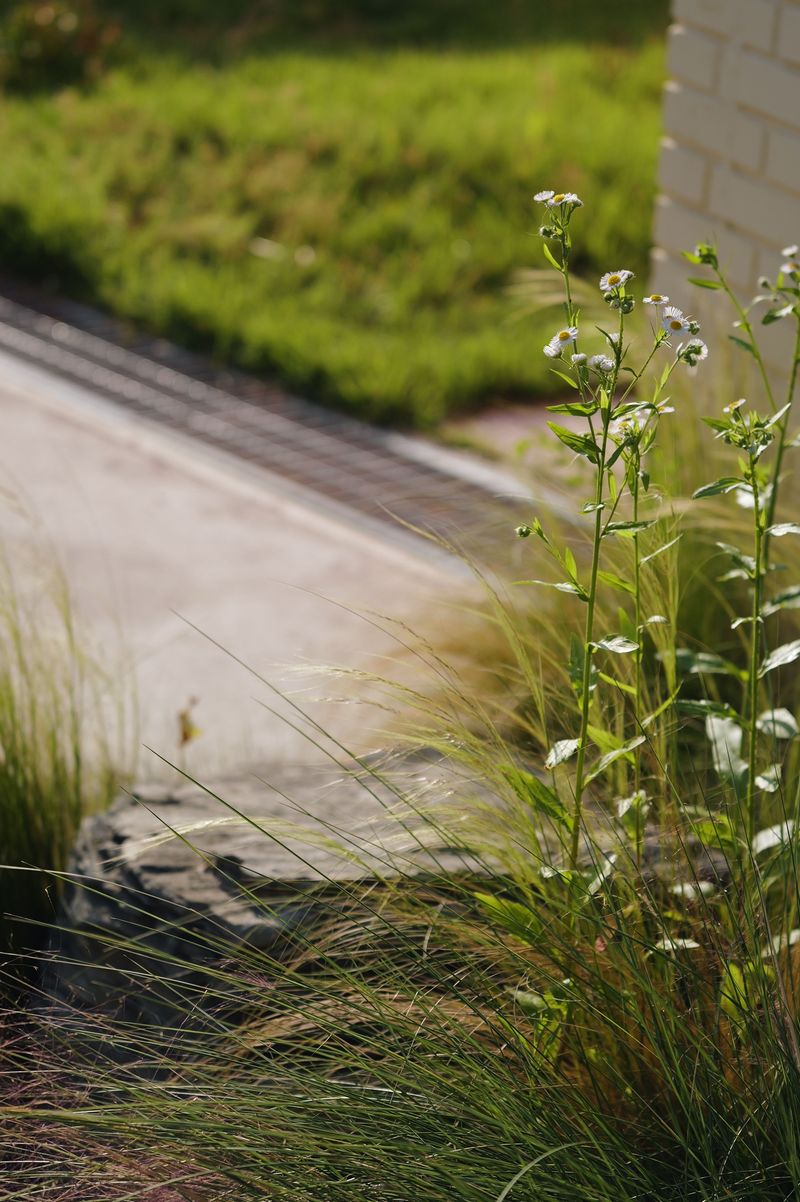
Swap out your Kentucky bluegrass and meet the real stars of Connecticut’s landscape. Native plants like black-eyed Susans, wild bergamot, and little bluestem are taking center stage in yards across the state.
Native plants evolved here over thousands of years. They know how to handle Connecticut winters, clay-heavy soil, and unpredictable spring frosts.
Traditional turf grass, by contrast, is mostly non-native. It demands constant watering, fertilizing, and chemical treatments just to survive a normal season.
Native plants need almost none of that once they are established. Their deep root systems find water on their own and anchor the soil beautifully.
Swapping even a small patch of turf for native groundcovers creates instant habitat. Bees, butterflies, and birds respond within the first season.
Wild bergamot, for example, attracts over a dozen native bee species. One plant does the work of a whole garden bed full of imported ornamentals.
Little bluestem grass turns a stunning bronze-red in fall. It holds its shape through winter, giving your yard structure when everything else goes dormant.
Local nurseries across the state now carry expanded native plant sections. The demand has grown so fast that some shops cannot keep certain species in stock.
Starting with just three or four native species is enough to see results. You do not need to overhaul everything at once to feel the difference.
Connecticut’s gardeners know that native plants are not a compromise. They are an upgrade in every way that actually matters.
How This Trend Defies HOA And Neighborhood Norms

Letting your lawn go wild in a neighborhood with strict rules takes real nerve. Some HOA bylaws literally require grass to stay under six inches tall.
Rewilding homeowners across Connecticut have bumped up against these rules head-on. A few have received warning letters, fines, or even legal notices from their associations.
But pushback is growing louder and more organized. Advocacy groups are helping homeowners make the case for ecological landscaping at HOA meetings.
Some Connecticut towns are informally more tolerant of native plant gardens, especially when paired with visible signage or borders, and a few are reviewing their lawn-height ordinances as rewilding grows in popularity.
Even so, legal protection still varies by municipality, so it’s worth checking local rules before assuming you’re covered.
Framing matters enormously in these conversations. Calling it a “pollinator garden” instead of an “unmowed lawn” changes how neighbors perceive your choices.
A neat border or a small pathway through the wild area signals intention. It tells passersby that the growth is deliberate, not lazy.
Community buy-in often follows once people see the results up close. A yard full of monarchs and goldfinches is hard to argue with.
Some rewilders have become accidental neighborhood educators. They host informal tours, share plant lists, and help curious neighbors get started.
Defying norms is easier when you understand your local rules, have documentation ready, and a yard so beautiful it speaks for itself. The trend is gaining ground, one block at a time.
Environmental Benefits Driving The Shift
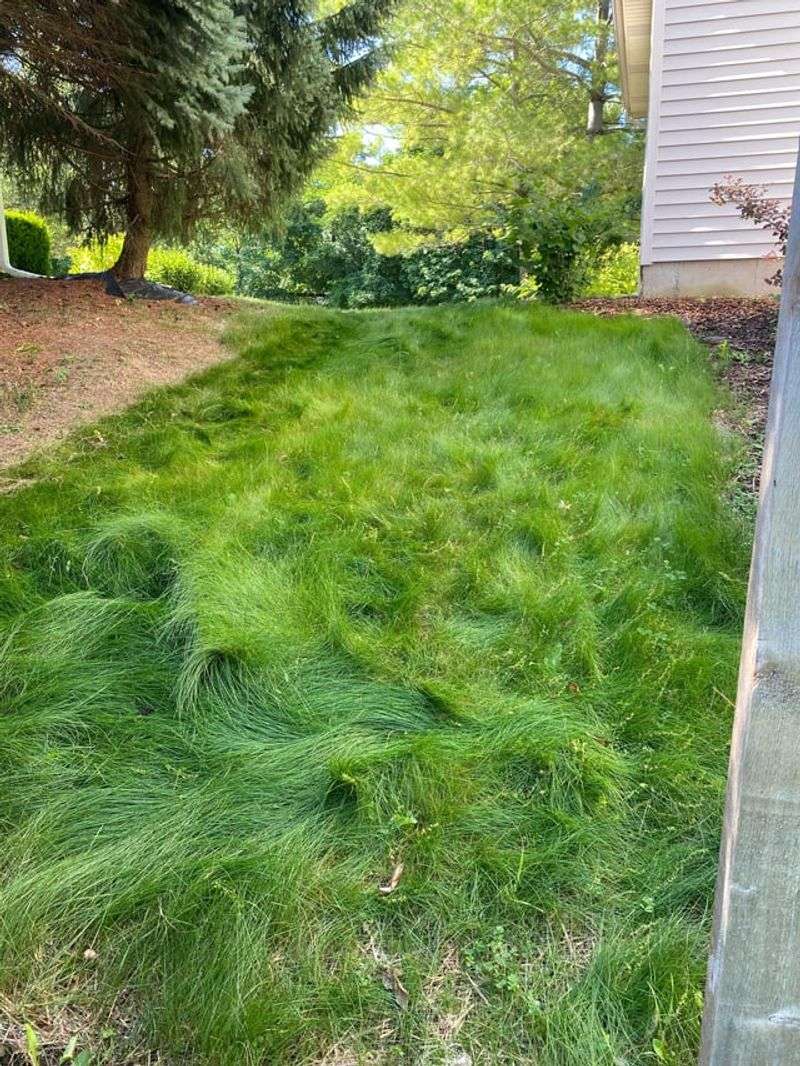
The environmental case for rewilding is substantial, and once you know the numbers, the traditional lawn never looks the same. American homeowners collectively spend tens of billions of dollars each year maintaining their grass.
Lawn mowers consume 800 million gallons of gasoline each year across the country. That is a lot of emissions for the sake of short, uniform grass.
Rewilded lawns absorb stormwater far more effectively than turf. Their deep root systems soak up rainfall before it rushes into storm drains and local waterways.
Connecticut has faced increasing flooding in recent years. Switching even 20 percent of a neighborhood’s turf to native groundcovers could meaningfully reduce local runoff.
Soil health improves dramatically without regular mowing and chemical applications. Earthworms return, microbial activity increases, and the ground becomes genuinely alive again.
Pollinators are the most visible beneficiaries. Monarch butterfly populations have dropped sharply since the 1980s, by as much as 80 to 97 percent depending on the region, largely due to habitat loss.
A single rewilded yard provides meaningful shelter and food for these struggling species. Scale that across a neighborhood, and the impact compounds quickly.
Birds benefit too. Ground-nesting species and seed-eating birds find rewilded spaces far more hospitable than manicured turf.
Carbon sequestration is another quiet bonus. Native plants store carbon in their root systems far more efficiently than lawn grass.
Every rewilded yard is a small but real act of ecological repair. Connecticut’s gardeners are not just making a statement, they are making a difference that science can measure.
Steps To Start Rewilding Your Own Lawn
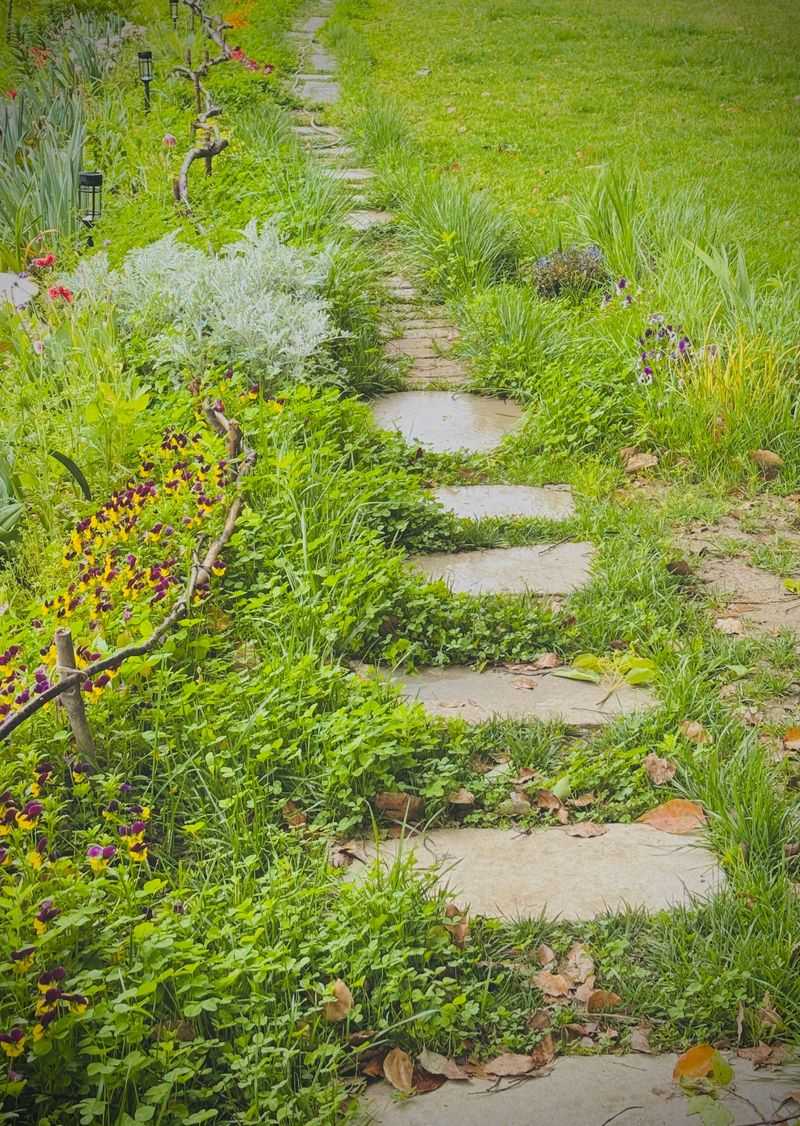
Starting your rewilding journey does not require a botany degree or a massive budget. A bag of native wildflower seeds and a willingness to experiment is genuinely enough to begin.
Pick one small section of your yard to start. A corner, a strip along the fence, or a patch under a tree works perfectly for a first attempt.
Stop mowing that area and remove any obvious invasive plants like Japanese barberry or bittersweet. Clearing space for native species is the most important first step.
Scatter a native seed mix suited to Connecticut’s climate in early spring or late fall. Both seasons give seeds the cold stratification they need to germinate well.
Water the area during the first dry stretch if rain does not come. After the first season, most native plants handle drought on their own.
Add a simple hand-painted sign that says ‘Pollinator Garden’ or ‘Native Plant Area.’ This signals intention to neighbors, though it does not guarantee protection under local ordinance.
Take photos every few weeks to track progress. Watching a bare patch transform into a buzzing, blooming habitat is genuinely thrilling.
Connect with local groups like the Connecticut Botanical Society or Wild Ones Connecticut chapter. These communities offer seed swaps, plant lists, and encouragement from experienced rewilders.
Expand your wild area each season as confidence grows. There is no rush, and even the smallest patch makes a real contribution.
Connecticut’s growing native-lawn movement starts with one small decision. Put down the mower, pick up some seeds, and watch your yard become something worth talking about.