What It Actually Means When A Centipede Shows Up In Your Connecticut Home This Summer
You are halfway to the kitchen for a glass of water when something long, fast, and bristling with legs vanishes behind the refrigerator. For a second, you just stand there.
Then the questions start. How long has that thing been in your house? Are there more? What exactly is it living on?
House centipedes do not wander into Connecticut homes by accident, and they do not stick around unless the conditions are right. They are hunters, and if one has taken up residence in your home this summer, it followed its food supply inside.
That is the part most people miss. The centipede is not really the problem. It is the signal. What pulled it in, and why Connecticut summers make your home so hard for it to resist, is where the real answer lives.
A House Centipede In Summer Is A Sign Your Home Has Other Bugs
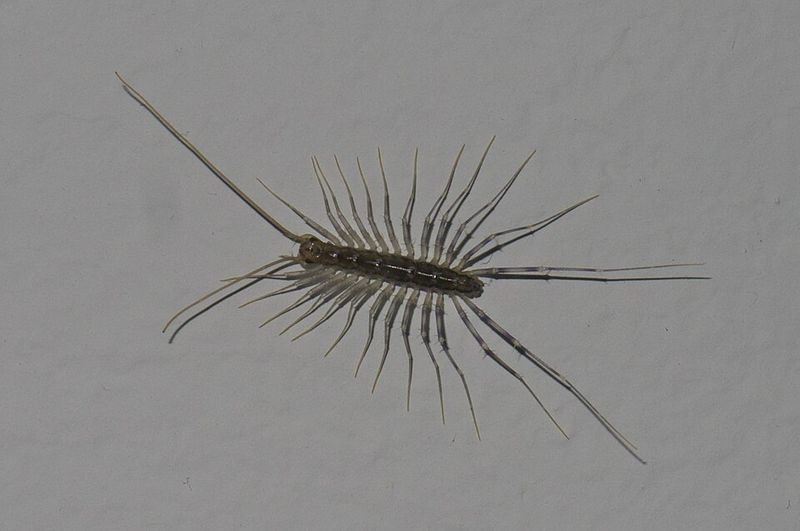
That fast-moving blur you spotted near the drain was not lost. House centipedes are hunters, and they follow their food supply.
If one showed up in your Connecticut home this summer, it likely means smaller insects are already living there too. Centipedes eat ants, roaches, silverfish, moths, and spiders.
They do not wander into random empty spaces. They go where the prey is, and that trail leads straight to your walls, floors, and drains.
Think of the centipede as an uninvited pest detector. Seeing one does not mean your home is dirty or neglected. Even spotless homes can have moisture-loving insects hiding behind baseboards or under sinks.
The centipede simply followed them in. It found enough food to stick around, which tells you there is enough prey inside to make your home worth staying in.
Homeowners who spot one centipede often discover a broader bug issue after investigating. A single sighting is a nudge to look closer at your home’s moisture levels and entry points.
Summer is peak season for insect activity across the Northeast. Warmer temperatures push bugs indoors in search of cool, damp shelter. Your basement and bathroom become the most attractive destinations.
When a centipede shows up in your Connecticut home this summer, treat it like a smoke alarm. It is telling you something is going on, and the smartest move is to pay attention before the problem grows larger.
The Spots Connecticut Homeowners Most Often Find Them
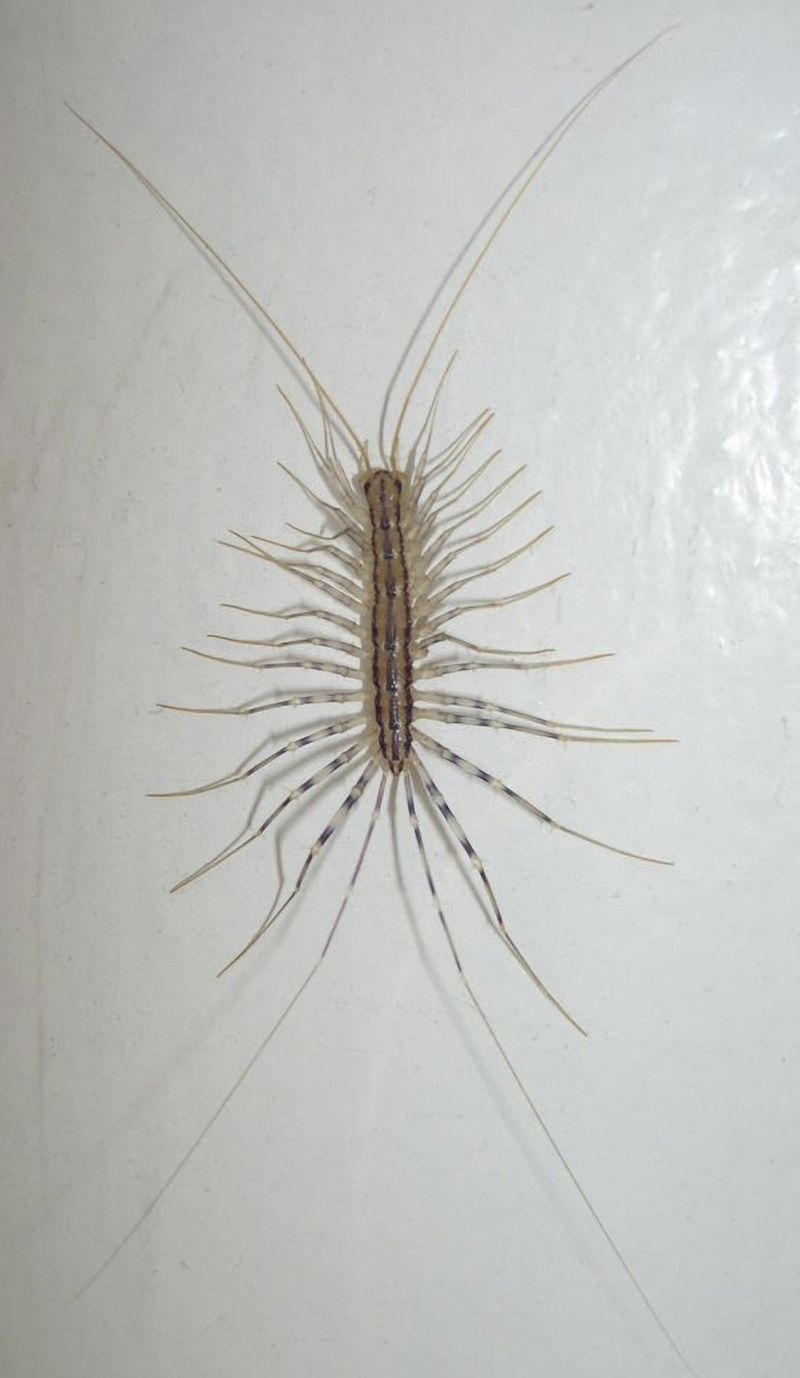
Centipedes are not random wanderers. They pick hiding spots with military precision, favoring darkness, dampness, and easy access to prey. Connecticut homes offer plenty of all three during summer.
Basements top the list for most homeowners. Unfinished basements with concrete floors and exposed pipes create the perfect centipede habitat. Moisture collects there year-round, and insects follow that moisture.
Bathrooms are the second most common hotspot. The area behind toilets, under pedestal sinks, and near shower drains stays consistently humid. Centipedes move through those tight spots regularly, patrolling for the insects that shelter near moisture.
Crawl spaces are another favorite. Many older New England homes have shallow crawl spaces that rarely get inspected. These areas trap humidity and often harbor all the insects a centipede needs to thrive.
Your Connecticut Garden Changes Every Week. Your Plan Should Too.
Gardening in Connecticut changes quickly throughout the season. Every Friday you’ll receive a simple weekly plan showing exactly what to plant, prune, fertilize, harvest, and protect so you never miss the right timing.
Laundry rooms make the list too. The combination of warmth from the dryer and moisture from the washer creates an irresistible microclimate. Centipedes often hide behind appliances in these rooms for weeks unnoticed.
Garages with interior door access are also common entry corridors. Bugs enter through gaps around the garage door, and centipedes follow right behind them into your living space.
Knowing these locations helps you search smarter. Grab a flashlight and check behind appliances, under sinks, and along basement walls. Spotting the problem early gives you a real advantage before summer bug season peaks across the state.
What Draws Centipedes Inside During The Warmer Months
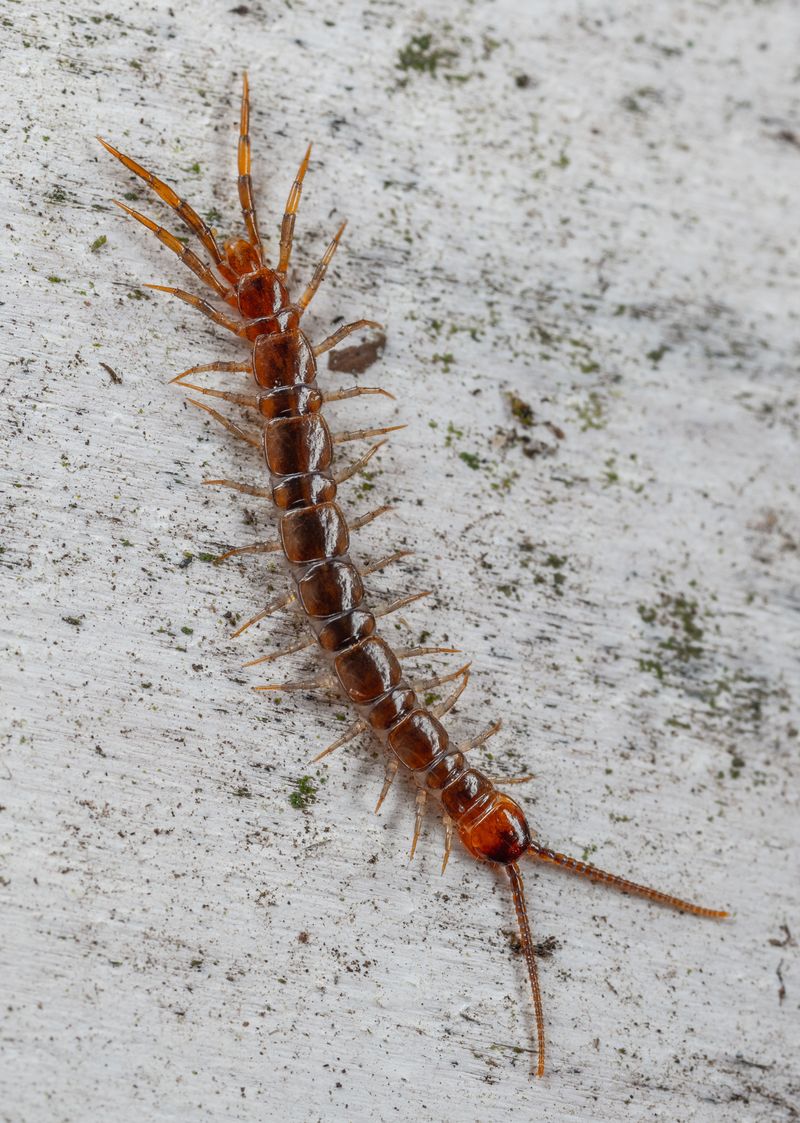
Centipedes do not come inside because they like your furniture. They follow two things almost exclusively: moisture and food.
Sightings tend to increase between June and August, when warmth and humidity push both insects and the centipedes that hunt them toward indoor shelter.
High outdoor humidity pushes moisture through foundation walls and window frames. That dampness creates an indoor environment that feels like a centipede’s natural woodland habitat. They move toward it instinctively.
Summer also sends other insects scrambling indoors. Ants look for cool surfaces. Silverfish seek out dark, humid spots near paper and cardboard. Roaches follow food odors through tiny gaps. Centipedes simply trail behind this buffet.
Overwatered garden beds near the foundation are a major contributor. Wet soil right next to your home keeps the exterior wall damp, which seeps inward. That moisture gradient pulls centipedes from the yard straight into the structure.
Leaf piles and mulch against the house serve the same function. These materials trap moisture and harbor insects. Centipedes nest in them outside and migrate inward as summer heat increases.
Cracks in the foundation, gaps around utility pipes, and torn window screens all serve as open invitations. A centipede needs only a small opening to squeeze through and set up shop inside.
Reducing moisture is the single most effective step you can take. Fix leaky pipes, run a dehumidifier in the basement, and pull mulch away from the foundation to make your home far less appealing this season.
Telling A House Centipede Apart From Other Multi-Legged Pests
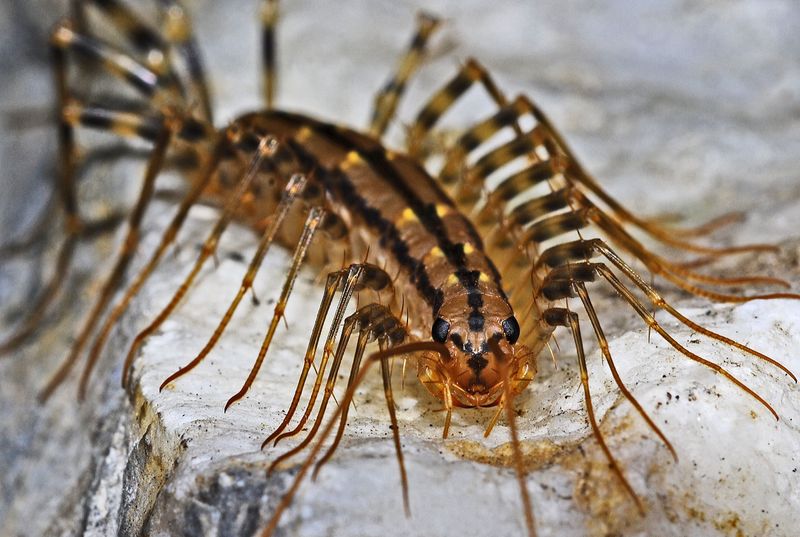
Not every creepy crawler you spot is a centipede, and knowing the difference matters. Millipedes, silverfish, and earwigs all share the same damp spaces, and people mix them up constantly. Getting the ID right helps you respond correctly.
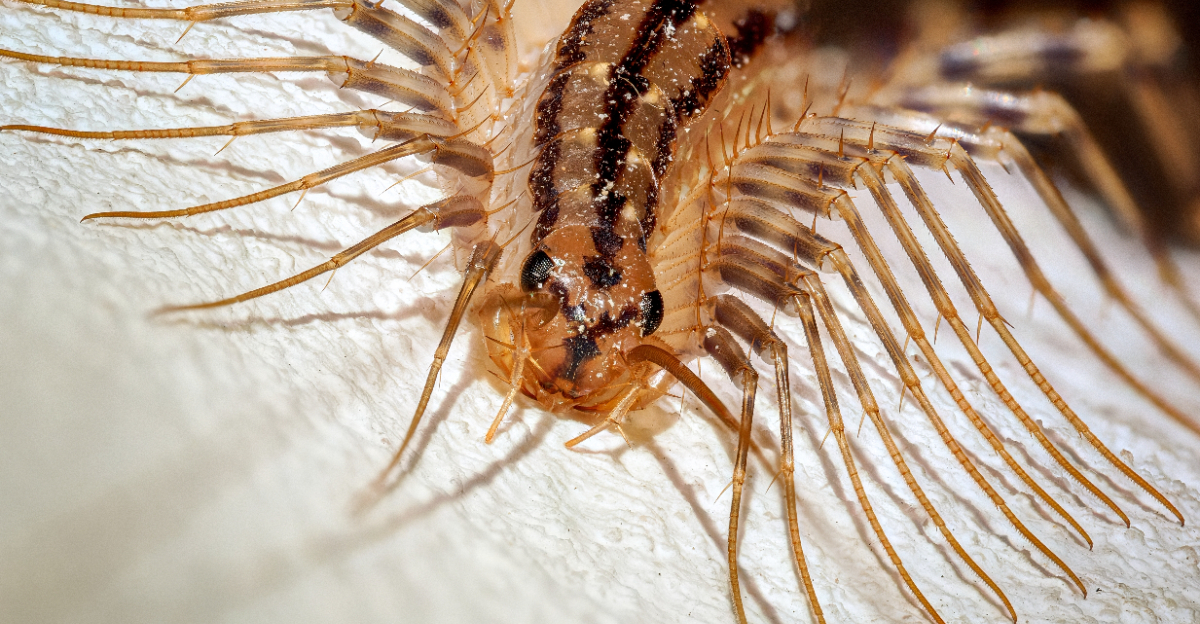
House centipedes are unmistakable once you know what to look for. Adult house centipedes have 15 pairs of long, banded legs that extend dramatically from a narrow yellowish-brown body.
They also move incredibly fast. When exposed to light, a house centipede bolts in a blur of motion. Millipedes, by contrast, move slowly and curl into a tight spiral when disturbed.
Millipedes have two pairs of legs per body segment instead of one. They are rounder, darker, and much more sluggish. Finding one usually signals excessive moisture outdoors rather than an indoor pest problem.
Silverfish are flat, shiny, and fish-shaped with three tail filaments at the rear. Their legs are short and easy to miss at a glance, giving them a smooth, almost legless appearance from a distance. They prefer paper, starch, and fabric over live prey.
Earwigs have a pincer-like appendage at the tail end, which makes them easy to identify. They are reddish-brown and flat, often found under outdoor debris. They occasionally wander inside but rarely establish themselves indoors.
Identifying your specific pest accurately changes your entire response strategy. When you know it is a centipede, you know the real issue is its prey, not the centipede itself.
Steps To Take When You Find One Inside
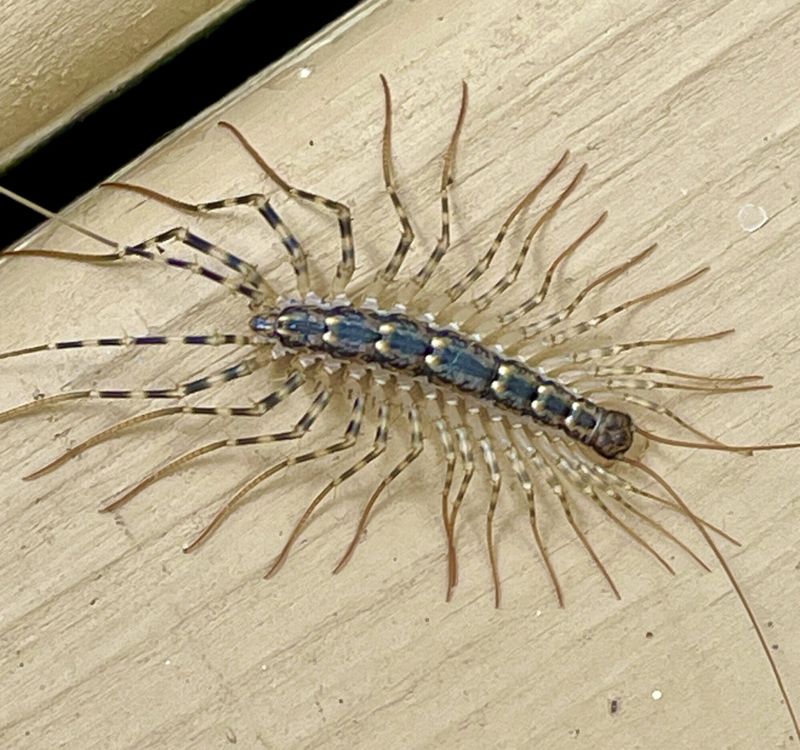
Finding a centipede on your bathroom floor does not require a panic spiral. It requires a calm, smart response that addresses the root cause rather than just the symptom you can see. Start with what you can control right now.
First, resist the urge to just step on it and forget about it. That reaction solves nothing. The centipede’s presence is a message, and ignoring the message means the underlying bug population keeps growing unchecked.
Check your humidity levels immediately. A basement or bathroom reading above 50 to 60 percent relative humidity is too wet for comfort and too attractive to pests.
Pick up an inexpensive hygrometer at any hardware store to get an accurate reading within minutes. Run a dehumidifier in the basement if the reading is high.
Dropping humidity below 50 percent makes the space dramatically less attractive to centipedes and the insects they hunt. Consistent use through summer makes a real difference.
Inspect under sinks, behind the washing machine, and around the water heater for slow leaks. Even a small drip creates a localized moisture zone that bugs exploit. Fixing it removes a key resource from the pest ecosystem.
Seal visible gaps around pipes, baseboards, and window frames using caulk or weatherstripping. These small repairs cut off the entry corridors that bugs use to get inside in the first place.
If sightings become frequent, calling a licensed pest control professional is the smartest play. They can assess the full scope of the insect population and create a targeted treatment plan for your specific home.
Keeping Centipedes Out Of Your Home Next Summer
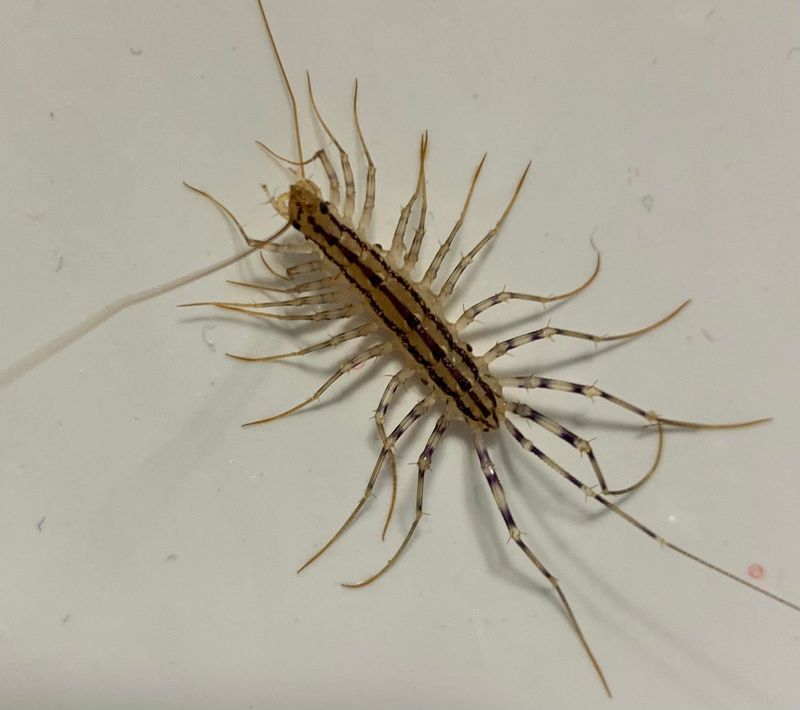
Prevention is always easier than reaction when it comes to household pests. A few targeted habits before next summer starts can dramatically cut your odds of finding centipedes in your Connecticut home again. Small changes add up fast.
Start outside, because that is where the problem originates. Move mulch, woodpiles, and leaf debris at least a foot away from your foundation. These materials hold moisture and shelter the insects that centipedes follow indoors.
Check your gutters and downspouts every spring. Clogged gutters cause water to pool against the house, soaking the foundation and creating exactly the conditions that attract moisture-dependent bugs.
Clean gutters take less than an hour and pay off all season. Install door sweeps on basement and garage doors.
These inexpensive additions block the gap at the bottom of doors, which is one of the most common entry points for crawling insects of all kinds. Repair any torn window screens before warm weather arrives.
Bugs exploit even small tears, and a replacement screen costs only a few dollars. This single fix can stop dozens of insects from entering each week.
Consider a perimeter treatment with a residual insecticide applied around the foundation each spring. This creates a barrier that stops many insects before they even reach the wall. A pest control professional can apply this safely and effectively.
Staying ahead of the moisture and the bugs that love it means centipedes in your Connecticut home this summer become a distant memory rather than a recurring nightmare.