The Low-Water Shrub Pennsylvania Homeowners Can Use Instead Of Oleander
Watching your oleander collapse every winter gets old fast. You keep replanting something that was never built for Pennsylvania cold. That tropical charm just cannot handle a hard freeze here.
Something tougher exists, and it barely asks anything of you. Dry spells that would wilt other shrubs mean little to this one. Pennsylvania gardeners are switching to it for good reason.
Fragrant blooms stretch upward for months, drawing butterflies from every direction. Watching them swarm feels like a reward you did not expect. Little maintenance stands between you and that kind of payoff.
Nothing about this plant demands the babying oleander always needed. Heat, drought, neglect, none of it seems to bother it much. Your garden could finally stop punishing you every spring.
This Shrub Delivers Oleander’s Showy Summer Color
Picture oleander’s bold, head-turning color, but imagine it surviving a Pennsylvania winter. That is exactly what butterfly bush brings to your yard every single season.
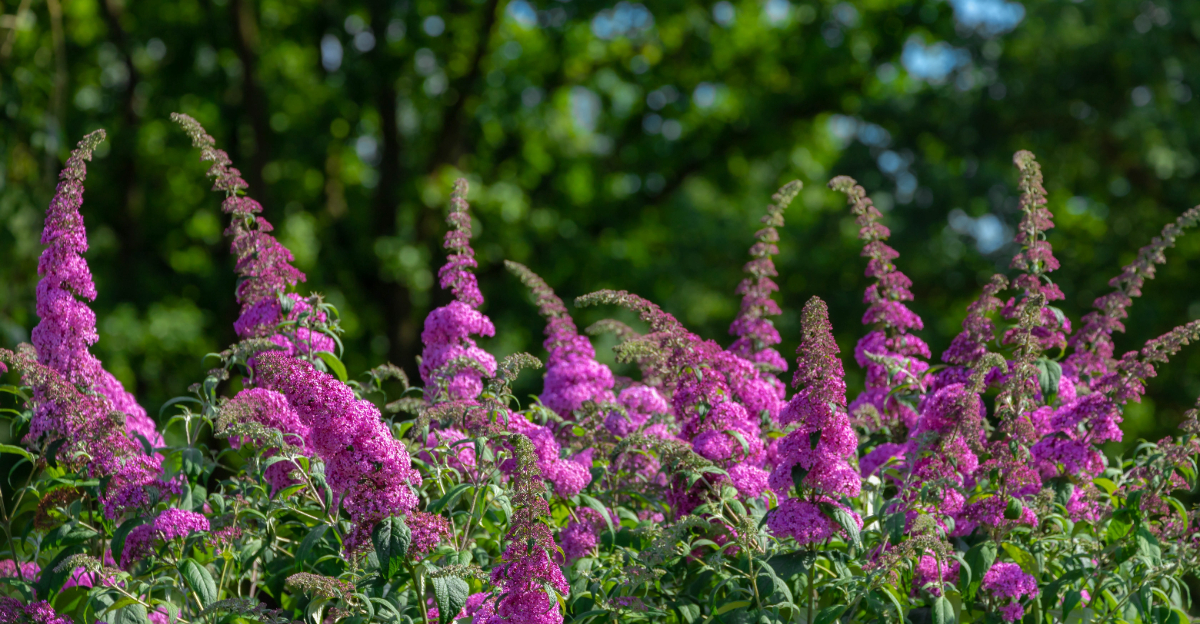
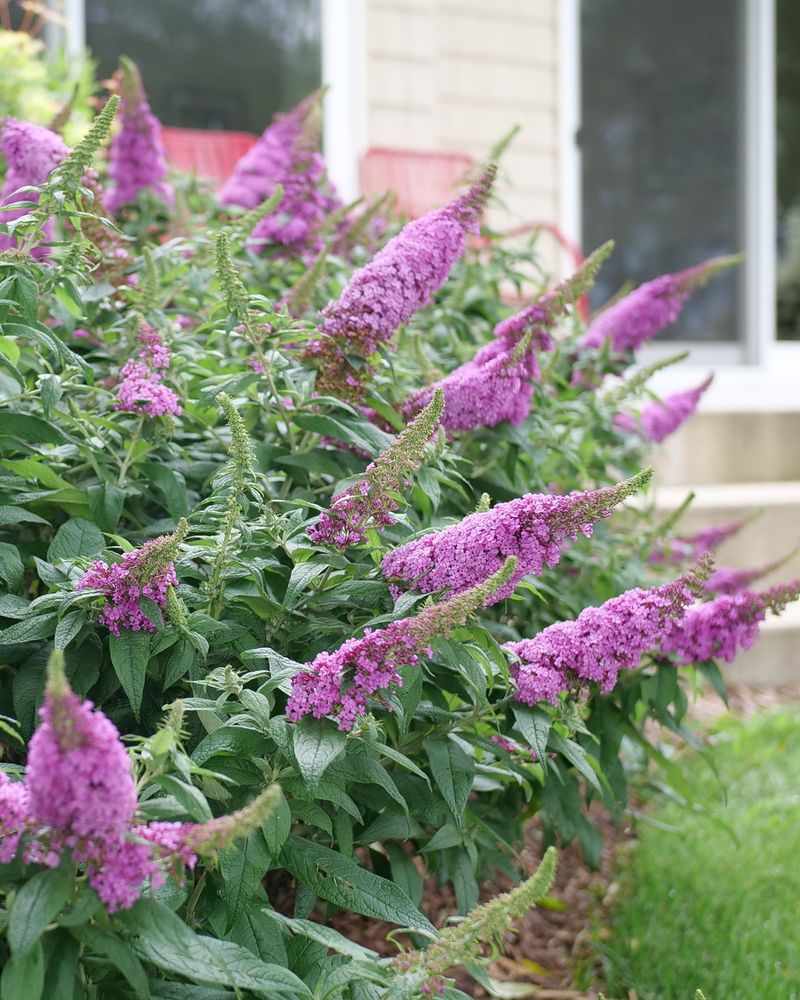
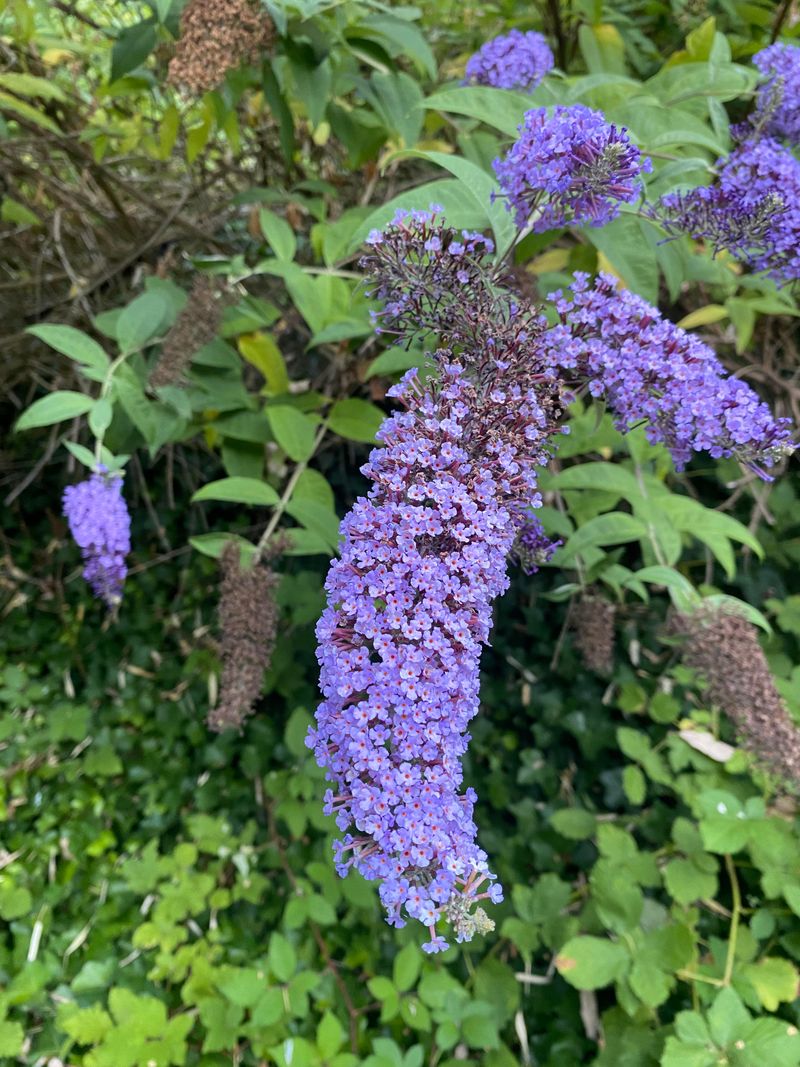
Butterfly bush, or Buddleja davidii, produces long cone-shaped flower clusters. These blooms come in purple, pink, white, and red shades that absolutely pop against summer greenery.
The flowers carry a light, sweet scent that drifts across a warm afternoon. Neighbors will stop and stare, just like they would with oleander, but without any toxic-plant worries.
Bees show up almost as fast as the butterflies do. Watching that much movement around one shrub never really gets old.
Full sun brings out the deepest color in every bloom. Give it that, and the payoff shows up within weeks.
Oleander’s color comes from its bold, tropical flower clusters. Butterfly bush mimics that same visual punch with plumes that stretch impressively long.
Blooming starts in mid-summer and keeps going strong well into September. That is a longer show than most flowering shrubs can manage in this region.
Color intensity actually builds as the season goes on. Late-summer blooms often outshine the very first flush.
This plant delivers color without asking for concessions in return. Butterfly bush proves you can have both without compromise.
Plant it where you need a bold focal point in a sunny bed. The color payoff is immediate and deeply satisfying every single year.
Long Flower Spikes Attract Bees And Butterflies
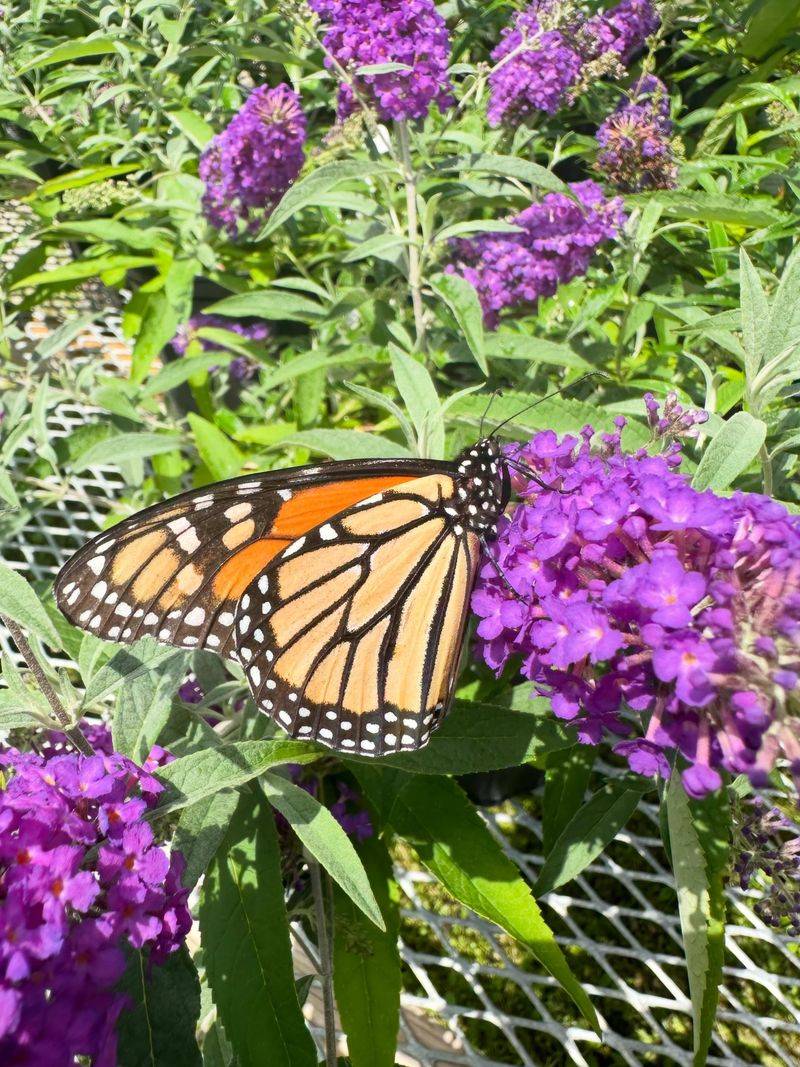
There is something magical about watching a monarch butterfly land on a flower spike in your own backyard. Butterfly bush turns that moment into a daily summer routine.
The tubular florets on each spike are perfectly shaped for butterfly tongues. Monarchs, swallowtails, and painted ladies all flock to these blooms like it is a free buffet.
Bees are equally enthusiastic visitors throughout the day. A buzzing, fluttering shrub creates a living garden scene that no decorative item can replicate.
Even cloudy afternoons don’t slow the visitor traffic much. Wings seem to appear from nowhere the moment the blooms open.
Oleander, by contrast, offers far less value to pollinators. Butterfly bush earns its name by being genuinely irresistible to the insects that keep gardens thriving.
Each spike holds hundreds of tiny individual flowers packed tightly together. That concentration of nectar is exactly what pollinators cannot resist.
Your Pennsylvania Garden Changes Every Week. Your Plan Should Too.
Gardening in Pennsylvania changes quickly throughout the season. Every Friday you’ll receive a simple weekly plan showing exactly what to plant, prune, fertilize, harvest, and protect so you never miss the right timing.
Hummingbirds also make appearances, especially around the red and pink varieties. Planting several colors together creates a pollinator paradise that is stunning to watch.
The ecological benefit is real and measurable in your garden. More pollinators mean better fruit and vegetable yields if you grow edibles nearby.
Supporting local wildlife does not require a nature preserve. One well-placed butterfly bush does the job beautifully, season after season.
Full Sun And Dry Soil Suit It Perfectly
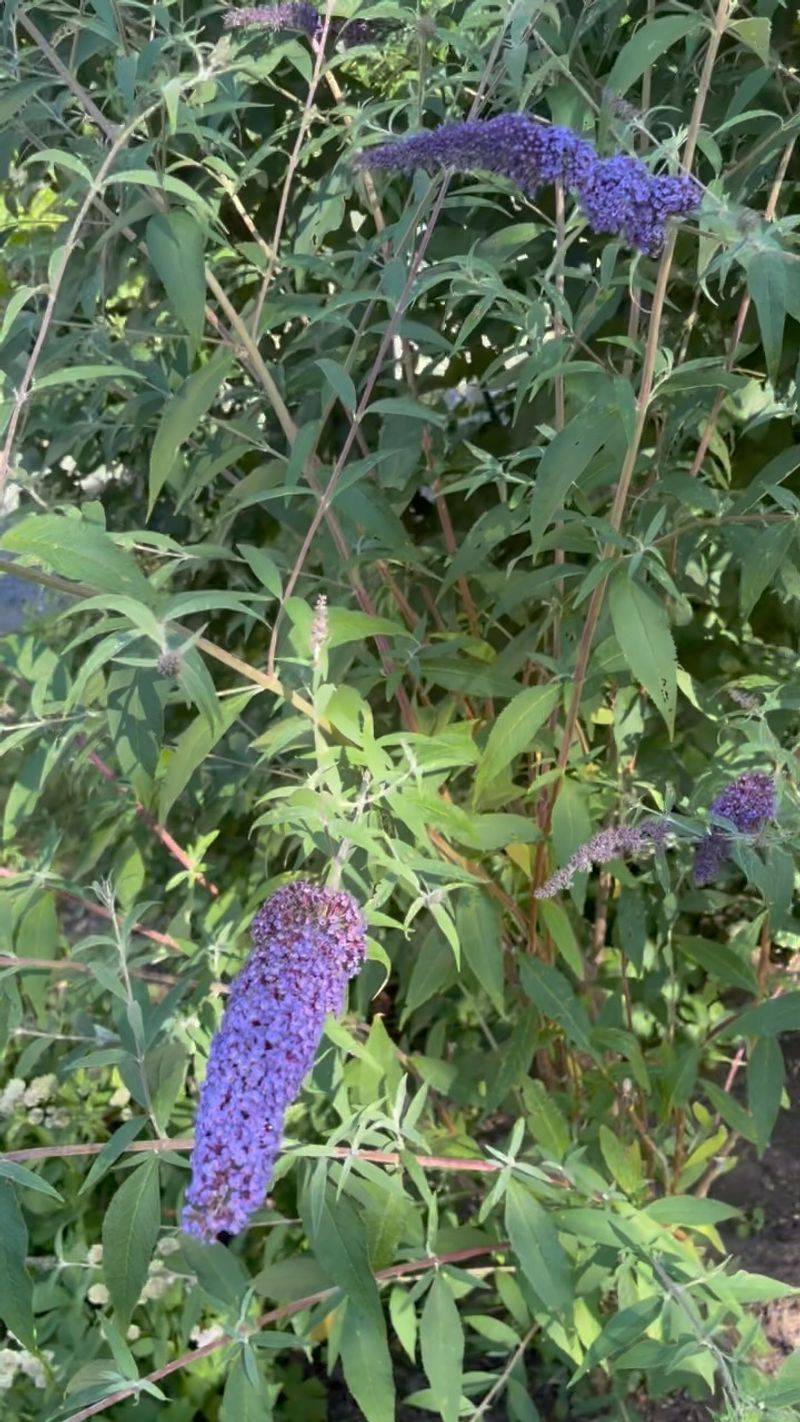
Hot, sunny spots in your yard that seem impossible to plant are actually perfect for butterfly bush. This shrub was practically made for the conditions most plants complain about.
Native to central China, butterfly bush evolved in rocky, well-drained hillsides with intense sun. Those origins explain why it laughs at dry Pennsylvania summers that stress other shrubs.
It prefers soil that drains quickly rather than holding moisture. Clay-heavy spots may need some amendment, but average to sandy soil suits it beautifully right out of the gate.
Poor soil that would doom other shrubs barely registers here. Rich, heavily fertilized beds actually work against this plant’s natural toughness.
Oleander thrives in similar conditions, which is why butterfly bush is such a natural swap. Both plants share a love of heat, sun, and minimal irrigation once established.
During the first season, some regular watering helps roots get settled in. After that first summer, the shrub handles dry spells with impressive independence.
A plant worth planting should work with the climate, not against it. Butterfly bush fits that description precisely and without much fuss.
South-facing beds along fences or walls are ideal planting spots. The reflected heat from structures actually encourages more vigorous blooming and faster growth.
Struggling with a hot, dry corner that nothing seems to love? Butterfly bush will not just survive there, it will absolutely thrive.
Butterfly Bush Handles Pennsylvania Winters With Ease
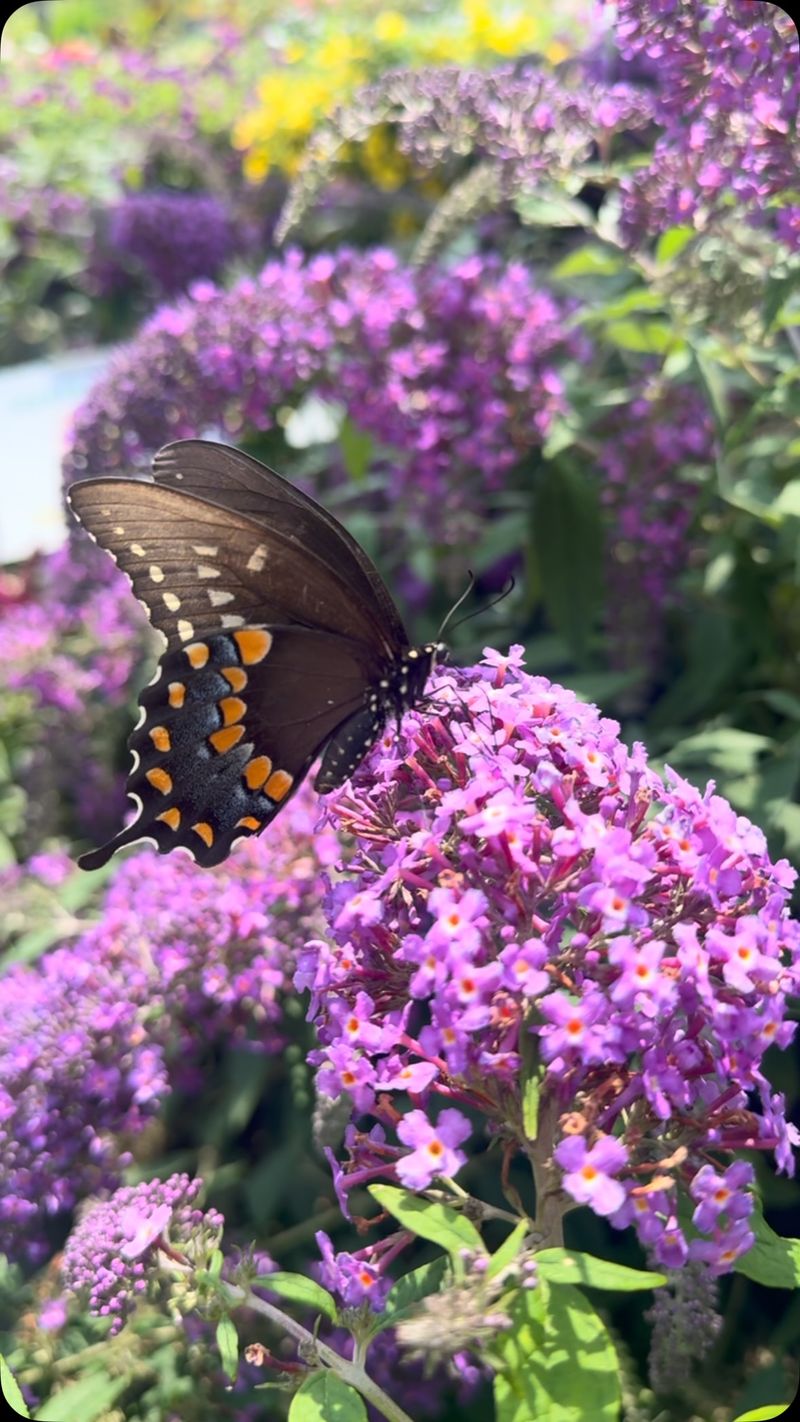
Winter is where oleander completely falls apart in this region, and butterfly bush steps up confidently. Rated for USDA hardiness zones 5 through 9, it is built for cold-weather survival.
Most of Pennsylvania sits in zones 6 and 7, which is squarely in butterfly bush’s comfort range. Even in zone 5 areas near the northern border, it comes back reliably each spring.
The plant goes dormant to the ground in cold winters, but that is not a problem. Roots stay alive underground, and new growth pushes up fresh and strong once temperatures climb.
Oleander cannot claim that kind of resilience above zone 8. Homeowners in Philadelphia, Pittsburgh, and everywhere in between lose oleander almost every hard winter.
Think of butterfly bush as a plant that uses winter as a reset button. It comes back each season with renewed energy and often grows larger than the year before.
Mulching the base in late fall gives the roots extra insulation during deep freezes. A few inches of wood chips or shredded leaves is all the protection it typically needs.
A shrub built for this region should handle zone six winters without babysitting. Butterfly bush does exactly that, quietly and without drama.
Spring pruning reveals the true comeback story. Fresh green shoots emerge from seemingly bare woody stems, confirming the shrub was never going anywhere.
Pruning Keeps The Shape Full And Tidy
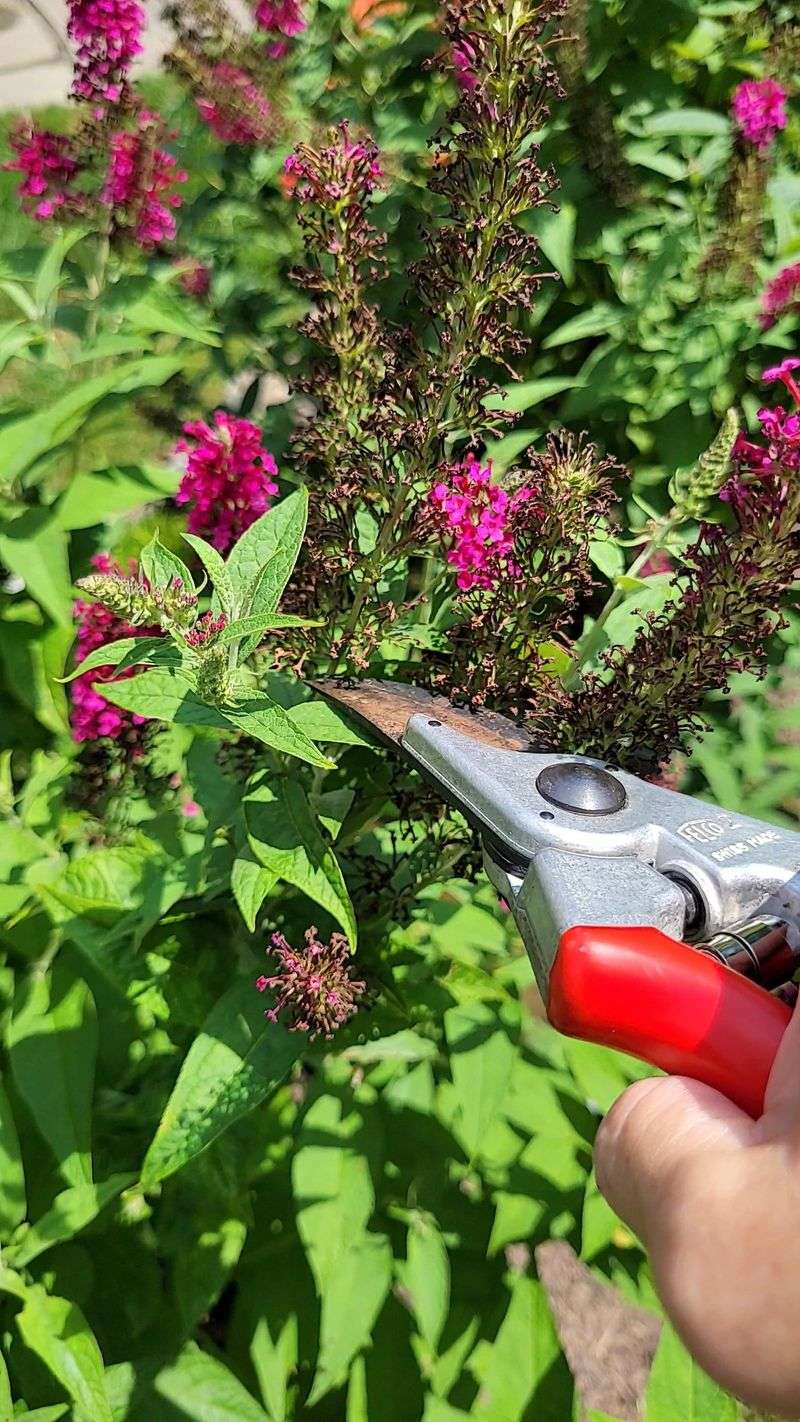
Pruning butterfly bush is one of the most satisfying garden tasks you will do all year. A hard cut in early spring sets the stage for the fullest, most impressive summer display.
Wait until you see the first tiny green buds appearing on the stems before cutting. That sign tells you winter is truly done and the shrub is ready to respond to pruning.
Cut stems back to about twelve inches from the ground using sharp loppers. Clean cuts heal quickly and reduce the risk of disease entering the woody tissue.
Without regular pruning, butterfly bush can get leggy and produce fewer flower spikes over time. A tight annual cut actually encourages more branching and more blooms per square foot.
Removing spent flower spikes during summer keeps the plant looking neat and tidy. Removing old blooms also signals the shrub to produce fresh flower spikes rather than setting seed.
Some newer sterile varieties require less pruning because they set very little viable seed. These cultivars are worth seeking out for lower-maintenance garden beds and borders.
Shaping the shrub into a rounded mound takes just a few minutes with hand pruners. Light trimming after the main flush of blooms keeps the silhouette clean through August and September.
Good pruning habits transform a wild-looking shrub into a polished garden centerpiece. Your neighbors will wonder what your secret is every single summer.
Minimal Watering Rewards Patient Gardeners
Forget dragging hoses across the yard every other day in July. Butterfly bush is exactly what patient, water-conscious gardeners have been hoping to find.
Once established after its first growing season, this shrub needs almost no supplemental watering. Rainfall alone is usually enough to keep it blooming generously through the hottest months.
Drought tolerance comes from a deep, efficient root system that seeks out moisture far below the soil surface. The roots do the hard work so the gardener does not have to.
Oleander shares similar water-wise traits, making butterfly bush an even more fitting replacement. Both shrubs reward a hands-off approach rather than constant intervention and worry.
Overwatering is actually more dangerous for butterfly bush than drought. Soggy roots lead to root rot, which is one of the few ways to genuinely stress this otherwise tough plant.
Water deeply once a week during the first summer to encourage root establishment. After that, step back and let the shrub find its own rhythm with natural rainfall.
Pairing butterfly bush with other drought-tolerant perennials creates a water-wise garden bed. Russian sage, lavender, and coneflower all share similar needs and look stunning planted together.
A smart swap should save time, water, and effort without sacrificing beauty. Butterfly bush delivers on every single one of those promises, season after season.