The Porch Plant Mistake Bringing More Roaches To Texas Homes
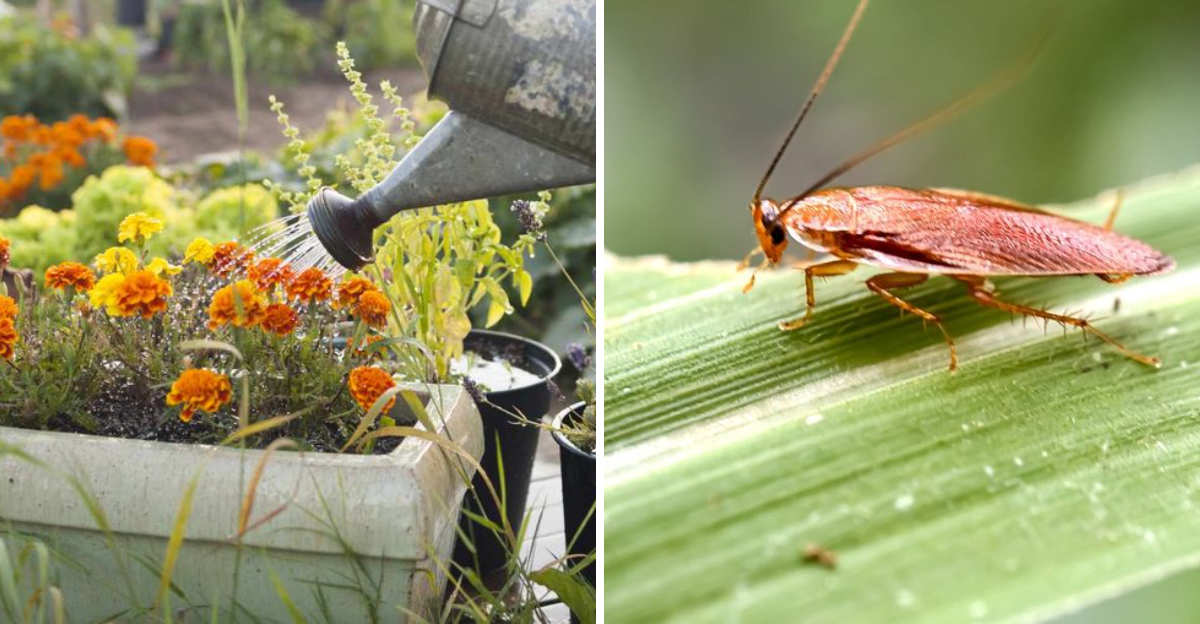
Most Texas homeowners with a roach problem around the house never think to look at their porch plants as part of the equation. The plants are there for color, for fragrance, for the simple pleasure of a porch that feels alive and inviting.
The idea that those same plants might be contributing to a roach problem feels counterintuitive.
But certain porch plant habits are making roach problems significantly worse for Texas homeowners without them ever realizing the connection. It’s not usually the plants themselves that are the issue. It’s how they’re being managed.
Watering habits, pot placement, drainage conditions, and what accumulates underneath and around containers all create microenvironments that roaches find ideal right at the entry point to your home.
And once roaches get comfortable on the porch, the distance between outside and inside gets very short very quickly.
The fix is simple once you know what to look for. Here’s the porch plant mistake that’s bringing more roaches to Texas homes and exactly what to do differently.
Overwatered Pots Create Roach-Friendly Moisture
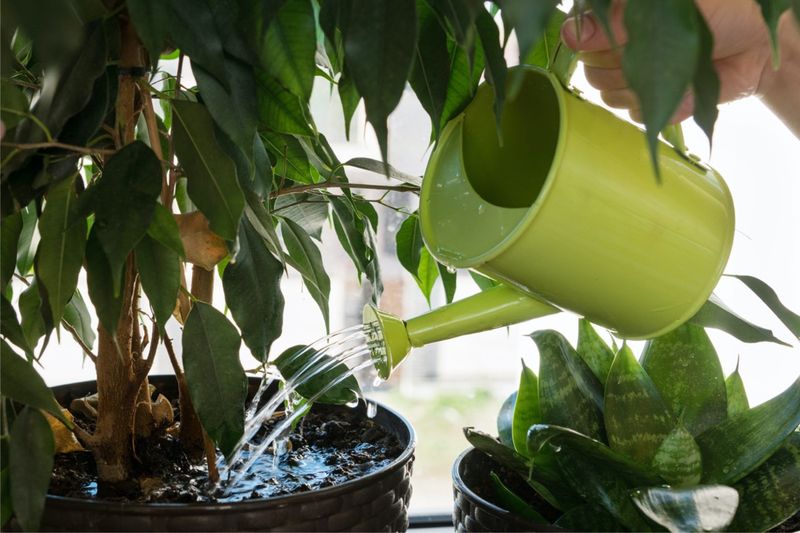
Most people think giving their plants extra water is a sign of good care, but overwatering is actually one of the biggest mistakes porch plant owners make. Cockroaches are drawn to damp, protected areas, and a pot full of soggy soil is basically a welcome mat for them.
In Texas, where roaches are already a year-round problem, this habit can quickly lead to a serious infestation.
When potting soil stays wet for too long, it creates a cool, moist environment underneath and around the container. Roaches love this because it gives them both shelter and hydration.
American cockroaches, which are extremely common in Texas, are especially attracted to this kind of environment and will happily settle in around your planters.
Overwatered pots also tend to develop mold and fungus, which can attract even more pests over time. Roaches feed on organic material, so a moldy, damp pot is like an all-you-can-eat buffet for them.
Fixing this habit is simpler than most people think. Before watering your plants again, stick your finger about an inch into the soil. If it still feels damp, wait another day or two before adding more water.
Most common porch plants like succulents, ferns, and flowering shrubs do not need water every single day. Cutting back on how often you water is one of the easiest ways to make your porch less attractive to roaches without sacrificing the health of your plants.
Water-Filled Saucers Make The Problem Worse
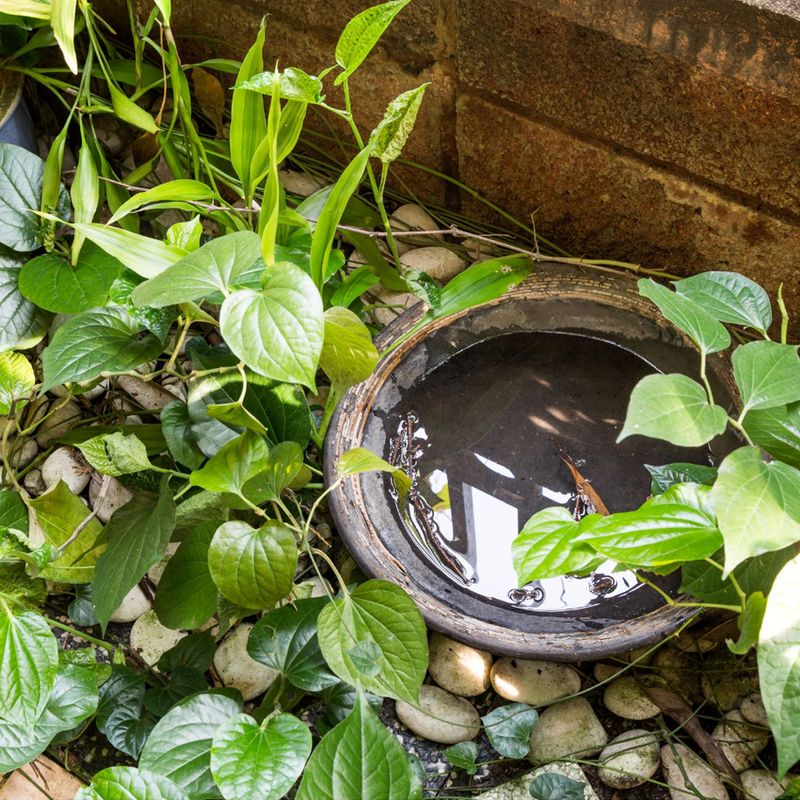
You probably placed a saucer under your potted plant to protect your porch floor from water damage, and that makes total sense. But if that saucer is constantly full of water, you are creating a roach magnet right outside your door.
Standing water is one of the most reliable attractants for cockroaches, especially in the warm Texas climate where they are active for most of the year.
Even a small amount of water sitting in a saucer for a day or two can be enough to draw roaches in. They do not need a puddle or a pond.
Your Texas Garden Changes Every Week. Your Plan Should Too.
Gardening in Texas changes quickly throughout the season. Every Friday you’ll receive a simple weekly plan showing exactly what to plant, prune, fertilize, harvest, and protect so you never miss the right timing.
A shallow layer of water in a plastic tray is more than enough to keep them coming back. Once they find a reliable water source near your home, they will start exploring the surrounding area, which often means your walls, foundation, and eventually the inside of your house.
The fix here is refreshingly simple. After you water your plants or after it rains, go outside and empty those saucers.
Tip them over, dump the water, and let them dry out before placing them back under the pots. You can also swap out plastic saucers for ones made of porous materials that allow water to evaporate more quickly.
Another option is to use pot feet, which are small risers that lift containers slightly off the ground. These help water drain away from the pot instead of pooling underneath it.
Emptying saucers regularly takes less than five minutes and can make a noticeable difference in how many roaches are hanging around your porch.
Dry Leaves Give Roaches Extra Shelter
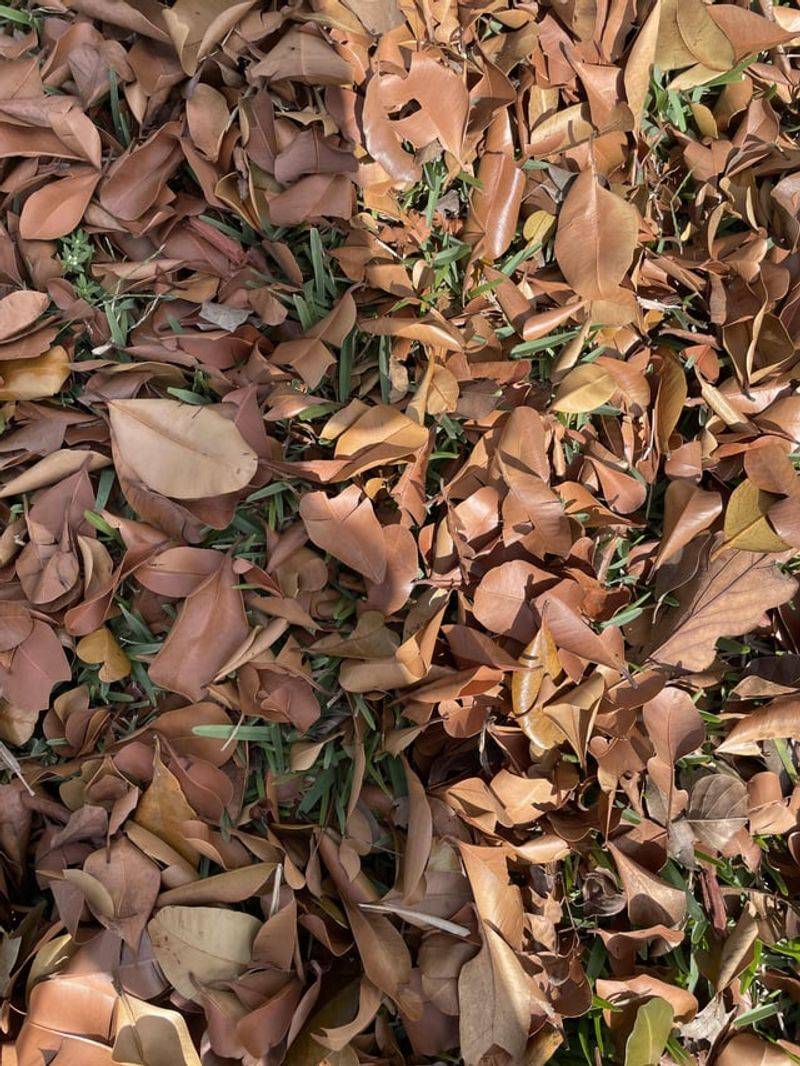
Walk around your porch plants and take a close look at what is collecting at the base of each pot. Chances are there are some fallen leaves, dried stems, or bits of soil scattered around.
That organic debris might seem harmless, but it is exactly the kind of material that cockroaches love to hide in and feed on.
Roaches are scavengers by nature. They eat decaying plant matter, which means a pile of dry leaves around your pots is like a free meal waiting for them.
On top of that, the debris creates a dark, sheltered space that roaches use to stay hidden during the day. They are nocturnal insects, so they spend most of daylight hours tucked away in spots just like this.
In Texas, where the weather stays warm for much of the year, outdoor debris breaks down slowly and tends to accumulate fast. If you are not regularly cleaning around your porch plants, that buildup can become a thriving roach habitat right next to your front or back door.
Make it a habit to clean around your porch plants at least once a week. Remove any fallen leaves, old flowers, or dry stems and toss them in a sealed compost bin or trash bag.
Do not let clippings pile up near the house. Also, check the soil surface inside each pot for decomposing material that might have fallen in.
Keeping things tidy is one of the most underrated ways to reduce roach activity around your home, and it only takes a few minutes of your time.
Pots Against The House Create Easy Hiding Spots
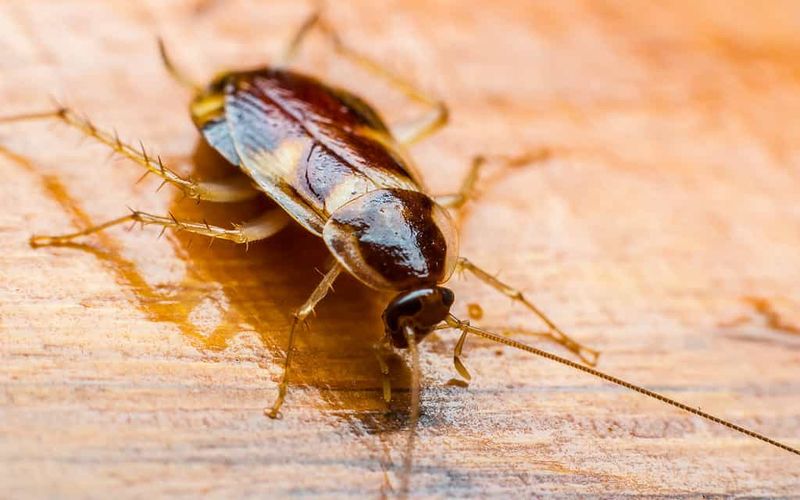
Pushing your planters right up against the wall of your house might look neat and tidy, but it is one of the sneakiest ways to invite roaches closer to your home.
When containers sit flush against a wall or foundation, they create narrow, dark gaps that are nearly impossible to see or clean. Roaches absolutely love these kinds of tight, sheltered spaces.
Think about it from a roach’s perspective. A dark crack between a heavy pot and a brick wall is warm, protected from rain, and close to a food and water source.
It is practically a perfect hiding spot. Once roaches settle into those gaps, they are just a short crawl away from any crack or crevice in your home’s exterior.
Texas homes often have older foundations with small gaps or openings that roaches can squeeze through. Placing pots directly against those areas makes it much easier for roaches to find and use those entry points.
You might not even notice the problem until you have roaches inside the house. A simple change can help a lot. Pull your planters away from the wall by at least six inches.
That small gap lets air circulate, reduces moisture buildup, and takes away that hidden dark space roaches depend on. You can also use this gap to inspect the wall and foundation for cracks or openings that might need sealing.
A tube of exterior caulk is inexpensive and easy to use. Moving your pots a few inches might feel like a small step, but it removes one of the easiest access points roaches use to get closer to your living space.
Water Plants Only When They Actually Need It
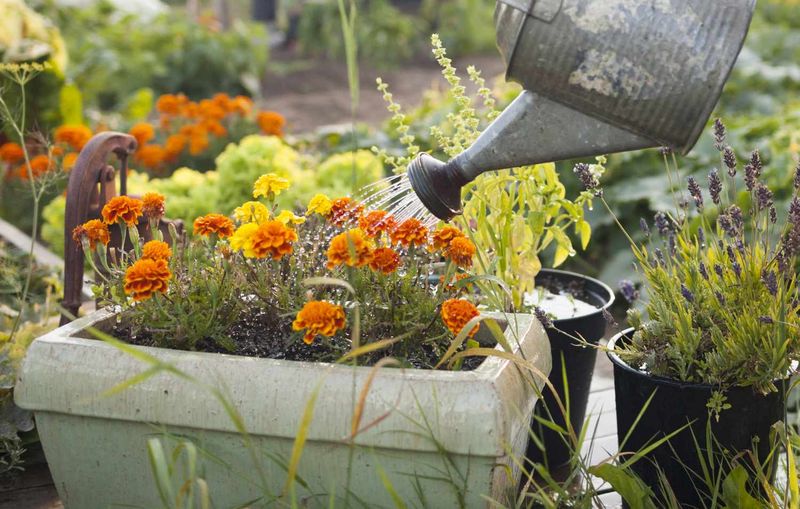
Watering on a strict daily schedule sounds responsible, but plants do not actually work that way. Different plants need different amounts of water, and the soil conditions on your porch change depending on the weather, the season, and how much sun your pots receive.
Watering before the soil is ready keeps it constantly wet, and constantly wet soil is a roach magnet.
Here is a quick and reliable trick: before you reach for the watering can, press your finger about one inch into the soil. If it feels moist, skip watering for that day.
If it feels dry, go ahead and water thoroughly. That simple check can save your plants from overwatering and your porch from becoming a roach-friendly zone.
Good drainage matters just as much as watering habits. Make sure every pot on your porch has drainage holes at the bottom.
Without them, water collects at the root level and never fully drains. This creates the soggy conditions that roaches, fungi, and root rot all thrive in. If a pot does not have drainage holes, either drill some in or switch to a container that does.
You can also use a well-draining potting mix instead of regular garden soil. Mixes that include perlite or coarse sand allow water to move through quickly rather than sitting in the pot for days.
Some Texas gardeners also find that terracotta pots work better than plastic ones because the material naturally absorbs moisture and helps soil dry out faster between waterings.
Small changes to how and when you water can go a long way toward keeping roaches away from your porch for good.
Keep Porch Plants Without Inviting Roaches
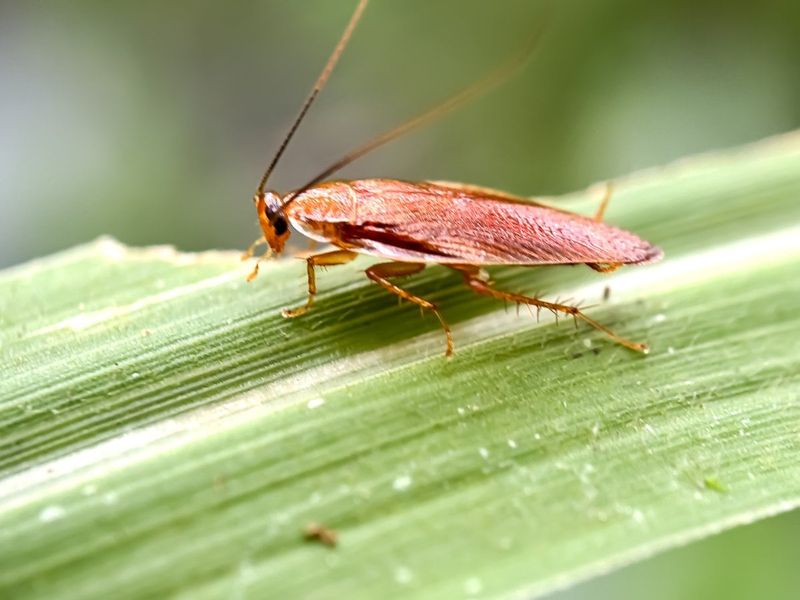
Loving your porch plants and keeping roaches away are not goals that cancel each other out. With the right habits in place, you can have a beautiful, green outdoor space without accidentally turning it into a roach haven.
The key is staying consistent with a few basic practices that cut off the things roaches need to survive.
Start with clean containers. Wash your pots at the beginning of each season to remove any built-up soil, algae, or organic residue that could attract pests.
Use pots with proper drainage, keep saucers empty, and avoid letting debris pile up around the base of your plants. These steps alone can significantly reduce roach activity on your porch.
Sealing gaps around your doors, windows, and foundation is another important piece of the puzzle. Even if you clean up your porch perfectly, roaches will keep trying to get inside if there are easy entry points.
Walk around the exterior of your home and look for cracks in the foundation, gaps around pipes, or worn-out door sweeps that need replacing. A tube of caulk or a new door sweep costs very little and can make a real difference.
You can also add a layer of protection by using cedar mulch in your pots instead of standard wood-based mulch. Cedar has natural properties that roaches tend to avoid.
Placing sticky roach traps near your planters can also help you monitor activity and catch any stragglers before they find their way inside. Staying on top of these small tasks each week is far easier than dealing with a full roach problem later on.