The Best Native Trees To Plant In Central Texas In September For Fall Interest And Summer Shade
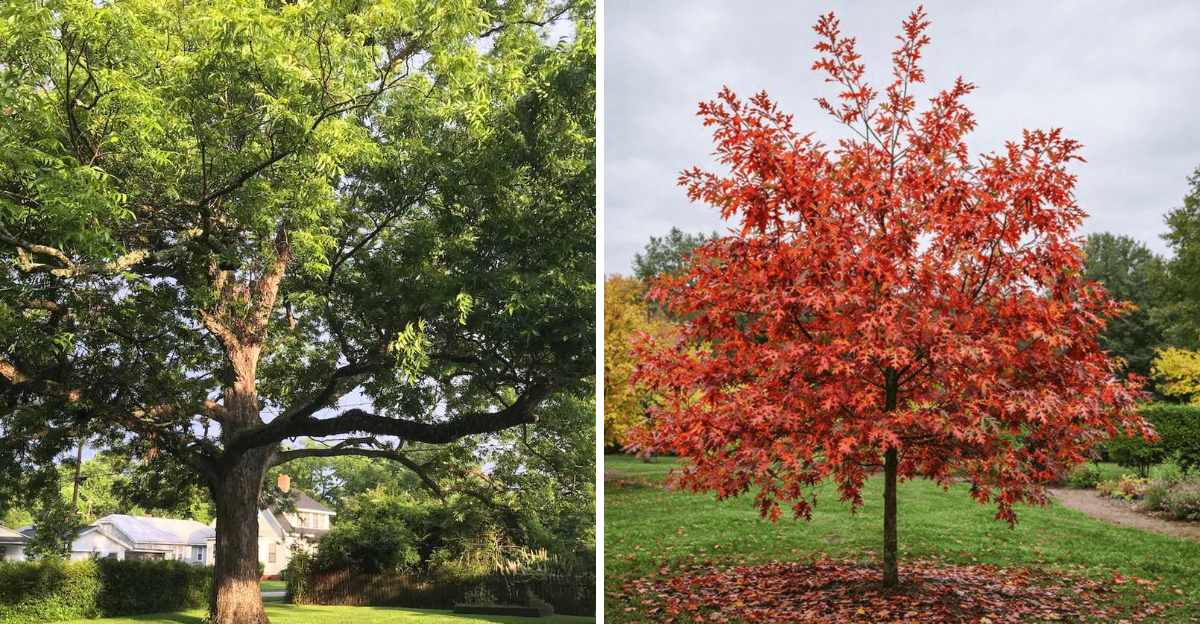
Central Texas in September sits at one of the best planting windows of the entire year. The worst of the summer heat is easing, soil temperatures are still warm enough to encourage strong root development, and trees planted now have the entire fall and winter to establish before they face their first serious Central Texas summer.
The difference in long term tree health between a fall planting and a spring one that goes directly into heat stress is significant.
And September native trees in Central Texas deliver something extra that most homeowners underestimate.
Fall interest in a region that doesn’t always get credit for seasonal change, and the foundation for summer shade that builds over the coming years in exactly the spots where a Central Texas yard needs it most.
The native trees that do both well are worth planting specifically and deliberately, not just whatever happens to be available at the nursery.
Here are the best native trees for Central Texas September planting, chosen for the fall interest they bring now and the summer shade they’ll deliver for decades.
1. Cedar Elm
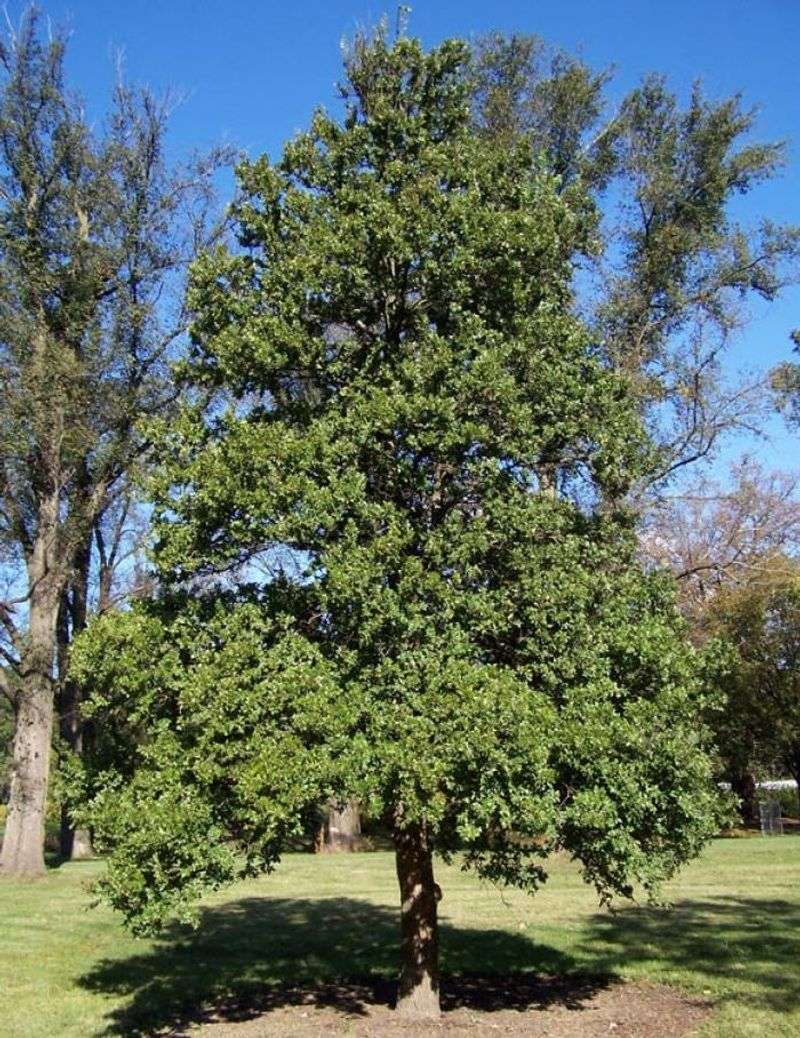
Cedar Elm is the workhorse of Central Texas native trees, and it earns that title every single season. Few trees can match its ability to grow in tough spots where other trees simply give up.
Rocky limestone outcrops, heavy clay soil, compacted urban lots, and drought-prone landscapes are all places where Cedar Elm quietly thrives.
Planting one in September gives the roots a solid head start. Cooler soil temperatures in fall make it much easier for young roots to spread out and anchor themselves before summer arrives.
By the time the heat comes back, a September-planted Cedar Elm is already well on its way to becoming a dependable shade provider.
Come fall, the tree rewards you with a cheerful display of small, bright yellow leaves. The foliage is not overwhelming, but it is genuinely lovely, especially when morning light filters through the canopy.
Cedar Elm leaves are small and slightly rough to the touch, giving the tree a fine texture that looks elegant against a blue sky.
In summer, the dense canopy creates deep, comfortable shade that can noticeably cool a patio or yard. Homeowners in Central Texas have relied on Cedar Elm for generations because it simply does not ask for much.
Water it occasionally during its first year, and after that it largely takes care of itself.
Cedar Elm grows at a moderate pace, eventually reaching 50 to 70 feet tall. It fits well in larger yards and along streets.
For a reliable, low-maintenance native tree with genuine seasonal beauty, Cedar Elm is hard to beat.
2. Chinkapin Oak
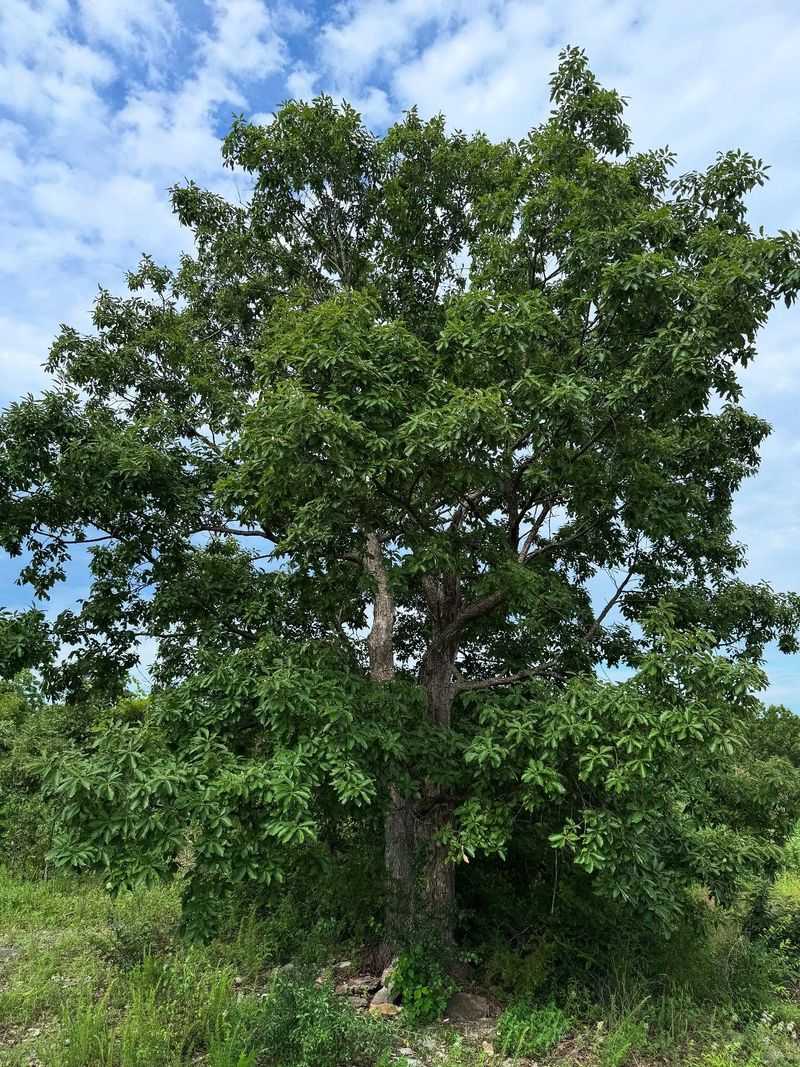
Walk through any Hill Country pasture in late October and you might spot a Chinkapin Oak glowing with warm yellow and rust-colored leaves. This tree has a natural elegance that makes it stand out in any landscape.
Its broad, spreading canopy is the kind that makes you want to pull up a lawn chair and sit underneath it all afternoon.
Your Texas Garden Changes Every Week. Your Plan Should Too.
Gardening in Texas changes quickly throughout the season. Every Friday you’ll receive a simple weekly plan showing exactly what to plant, prune, fertilize, harvest, and protect so you never miss the right timing.
Chinkapin Oak performs exceptionally well in the deep, well-drained soils found across much of Central Texas. Unlike some oaks that struggle in rocky or thin soils, this one really hits its stride when it has room to send roots deep.
That makes it a fantastic choice for properties with better soil depth, including many neighborhoods in the Austin and San Antonio areas.
Planting in September lines up perfectly with the tree’s natural growth cycle. As air temperatures cool down, the roots stay active in the warmer soil, building a strong foundation before winter sets in.
A well-established Chinkapin Oak can handle summer drought far better than a tree planted in spring or summer.
The fall color on a Chinkapin Oak is genuinely impressive. Leaves shift from green to yellow and then deepen into shades of rust and bronze.
Combined with the tree’s attractive, wavy-edged leaves, the display is one of the best you will find on any native oak in the region.
Mature trees can reach 40 to 60 feet tall with an equally wide canopy spread. That size means serious summer shade for your yard, deck, or home.
If you have the space, Chinkapin Oak is a long-term investment that only gets better with age.
3. Bur Oak
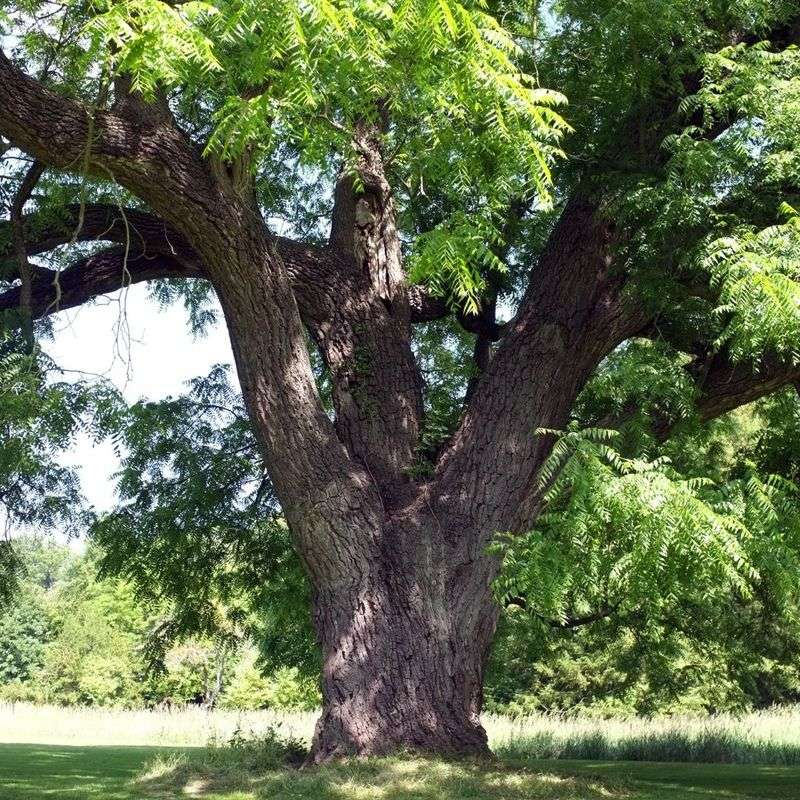
Some trees are just built to last, and Bur Oak is absolutely one of them. Known for living hundreds of years, this is the kind of tree you plant not just for yourself but for the generations that come after you.
Its massive trunk and wide-reaching branches tell a story of quiet strength that few other trees can match.
Bur Oak creates some of the most substantial summer shade of any native tree in Central Texas. The canopy spreads wide and fills in densely, blocking intense afternoon sun from patios, windows, and outdoor living areas.
On a hot July afternoon, the difference between standing in Bur Oak shade and standing in direct sun can feel like ten degrees or more.
The fall season brings its own kind of reward with this tree. Leaves turn golden yellow and hang on the branches longer than many other oaks, extending the seasonal display well into November.
And then there are the acorns. Bur Oak produces oversized acorns with distinctive fringed caps that look almost like little berets.
Wildlife love them, and they add a fun, quirky charm to the landscape. Bur Oak is a tough tree by nature. It evolved on the Texas prairies where wildfires, drought, and harsh winters were regular events.
Its thick, corky bark is actually fire-resistant, a trait that helped it survive on the open plains for thousands of years. That same toughness makes it a low-maintenance choice for modern yards.
Give Bur Oak plenty of space because it can grow 60 to 80 feet tall and nearly as wide. September planting gives its deep taproot the best possible chance to establish before summer returns.
4. Lacey Oak
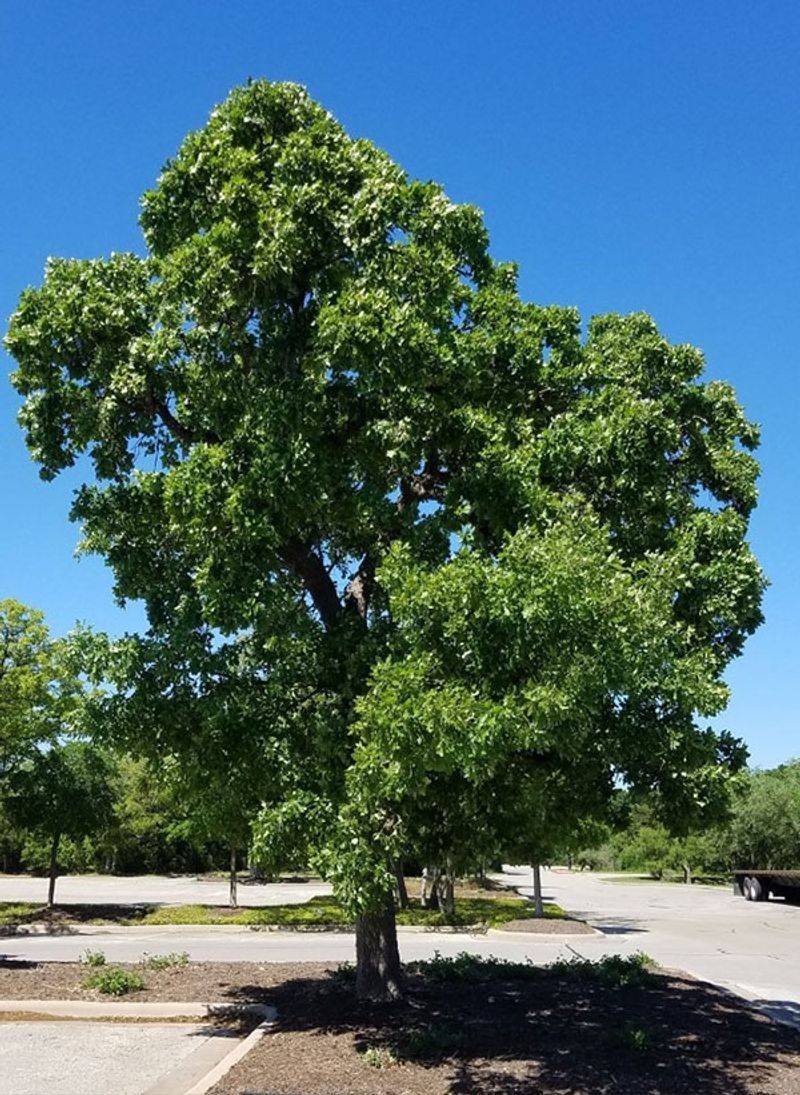
Not every yard in Central Texas has room for a giant shade tree, and that is exactly where Lacey Oak steps in. Smaller, tidier, and perfectly scaled for residential lots, this native oak is one of the region’s best-kept landscaping secrets.
Many homeowners do not know it exists, but those who plant it tend to love it completely.
Lacey Oak is native to the Edwards Plateau, which means it evolved in the very conditions that make gardening in Central Texas tricky. Shallow limestone soil with almost no organic matter?
No problem. Months without significant rainfall? Lacey Oak handles it with ease. Once established, this tree has very low water needs, making it one of the most drought-tolerant oaks you can find.
The leaves are a beautiful blue-green color in spring and summer, giving the tree a soft, silvery look that is different from most other oaks. When fall arrives, those leaves shift into shades of orange and peach, creating a warm glow that brightens up any yard.
The color is subtle compared to a maple but genuinely lovely in its own way. Planting Lacey Oak in September is ideal because it allows roots to spread through the rocky soil during the mild fall months.
Rocky limestone soil actually warms slowly, so fall-planted trees in these conditions benefit from several weeks of comfortable root-growing weather before winter.
Lacey Oak typically grows 20 to 30 feet tall, making it a manageable size for most yards. It works beautifully near patios, driveways, or entryways where a smaller but characterful tree is needed.
Plant one this September and enjoy its unique charm for decades.
5. Texas Red Oak
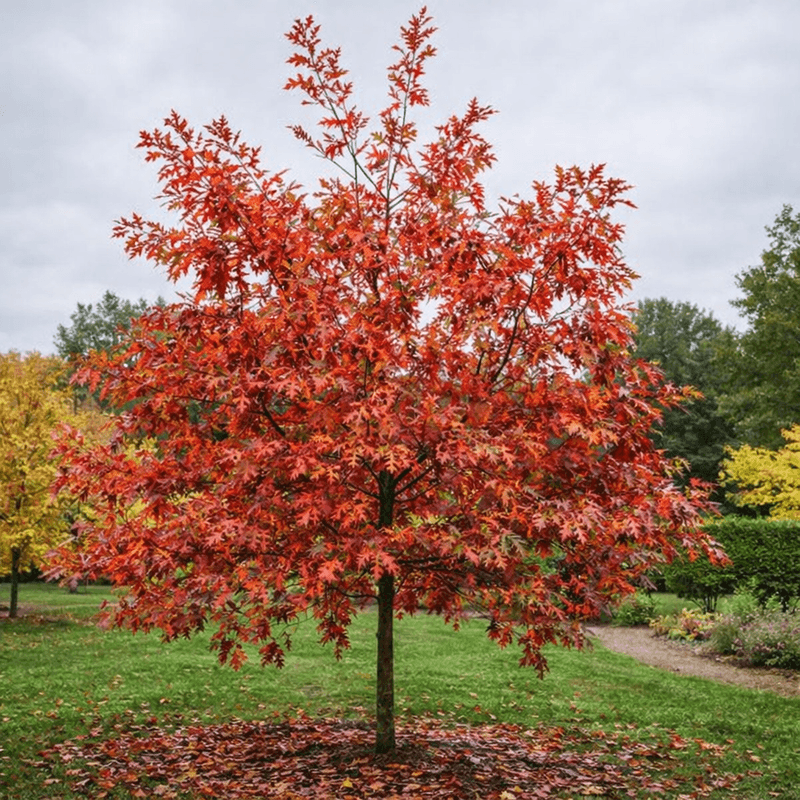
If red fall color is what you are after, Texas Red Oak delivers it better than almost any other native tree in the region. When October rolls around and temperatures finally start to drop, this tree puts on a show that stops people in their tracks.
The leaves shift from deep green to brilliant shades of red and orange, lighting up the landscape like a natural fireworks display.
Texas Red Oak is well suited to sunny sites with rocky, well-drained soil, which describes a huge portion of Central Texas. It actually prefers these conditions over rich, wet soils.
Give it a dry limestone hillside or a rocky yard with full sun, and it will reward you with strong, healthy growth year after year.
Summer shade is another big benefit of planting Texas Red Oak. The canopy fills in nicely as the tree matures, creating a comfortable shaded zone beneath its branches.
It grows faster than many native oaks, which means you start enjoying meaningful shade sooner rather than waiting decades for results.
One thing to know about Texas Red Oak is that it does best with good drainage. Standing water or heavy clay that stays wet can cause problems for this tree.
If your yard tends to hold water after rain, consider planting on a slight rise or in a spot where water moves away quickly after storms.
September planting works really well for Texas Red Oak because the tree can focus all its energy on root development rather than supporting leaves in peak summer heat. Mature trees reach 30 to 50 feet tall.
For a native tree with true four-season personality, Texas Red Oak earns a top spot on any planting list.
6. Bigtooth Maple
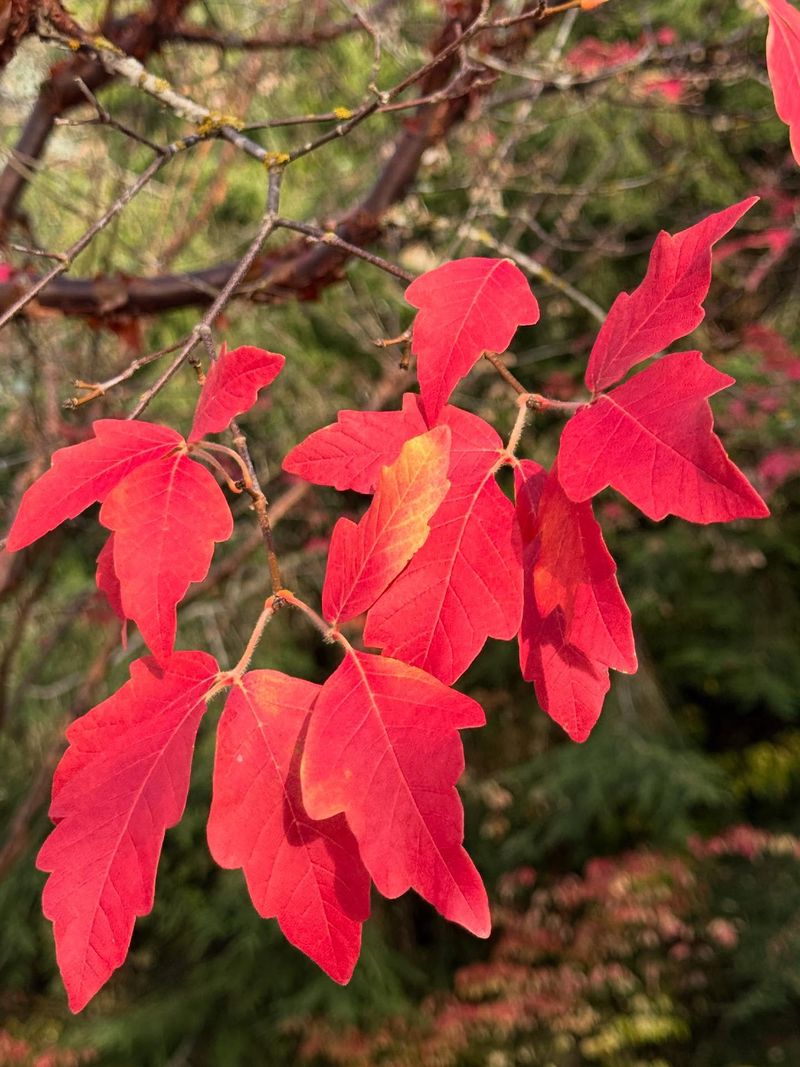
Ask any fall foliage fan in Texas where to go for the best color, and they will almost certainly mention Lost Maples State Natural Area in the Hill Country.
The star of that show is Bigtooth Maple, a native tree that produces some of the most vivid red, orange, and gold fall color of any tree in the entire state. Planting one in your yard brings that experience home.
Bigtooth Maple is particularly well suited to Hill Country locations where limestone soil dominates the landscape.
It grows naturally along canyon walls and creek drainages in that region, so it is already perfectly adapted to the soil chemistry and climate of Central and West Central Texas. Outside of the Hill Country, it can still perform well in similar rocky, alkaline soil conditions.
The fall color on Bigtooth Maple is genuinely spectacular. Unlike many Texas natives that offer subtle yellows or oranges, Bigtooth Maple can produce deep scarlet reds and glowing golds that rival anything you would see in New England.
The exact color varies depending on the season’s temperatures and moisture levels, but even in an average year the display is impressive.
September is a great time to plant this tree because it gives roots time to anchor before the tree goes dormant in winter. Bigtooth Maple prefers good drainage and does not like sitting in wet soil.
Plant it in a well-drained spot and avoid overwatering once it is established. Bigtooth Maple typically grows 20 to 40 feet tall, making it a manageable size for most yards.
It provides pleasant summer shade and then explodes with color in fall. For pure seasonal drama, no Central Texas native competes with it.
7. Pecan
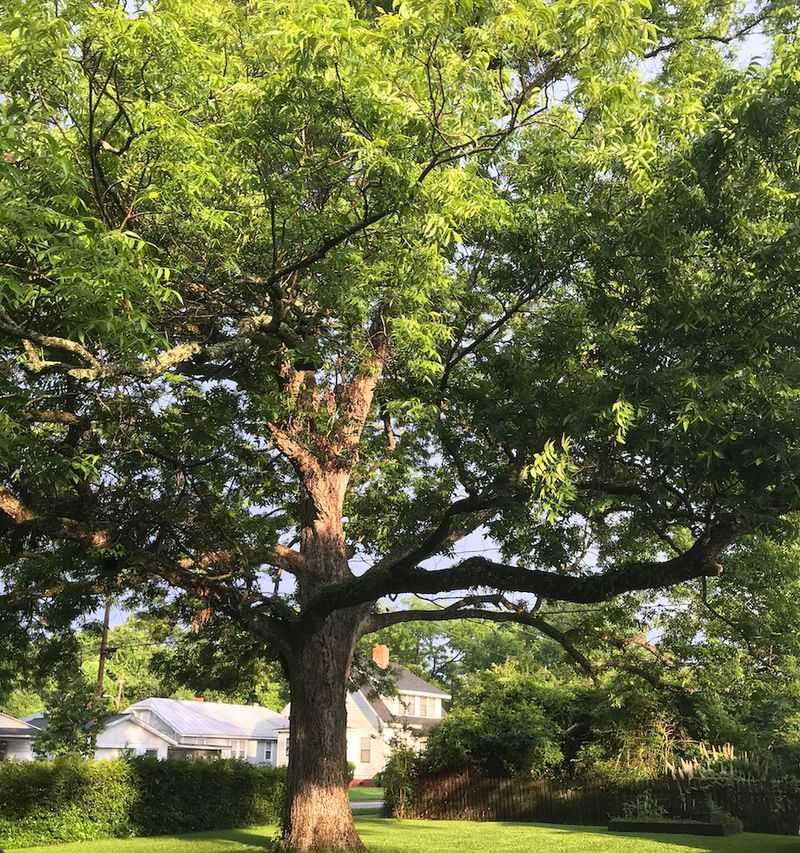
Pecan holds a special place in Texas culture. It is the official state tree, a beloved backyard staple, and a source of one of the most popular nuts in American cooking.
Planting a Pecan tree is not just a landscaping decision. It is a connection to something deeply rooted in Texas history and identity.
From a purely practical standpoint, Pecan is one of the best shade trees you can plant in Central Texas. Mature trees develop enormous, wide-spreading canopies that cast deep shade over large areas of lawn, patio, or garden.
On a blazing August afternoon, that shade is worth its weight in gold. Few trees can match the sheer cooling power of a full-grown Pecan.
Fall brings two separate rewards from this tree. First, the long, feathery leaves turn a cheerful yellow before dropping in late autumn, giving the yard a warm seasonal glow.
Second, and arguably more exciting, the nuts start falling. Home-grown pecans are fresh, rich, and far more flavorful than anything you find in a grocery store. Squirrels will compete with you for them, but there are usually plenty to go around.
Pecan trees do best in deep soils where their long taproots can reach down for moisture. They are more water-dependent than some other natives on this list, especially during the first few years.
Consistent watering during establishment is important for getting a young Pecan off to a healthy start.
September planting allows roots to settle in during mild weather before summer returns. Pecan trees grow quickly once established and can eventually reach 70 to 100 feet tall. Plant one this fall and start a family tradition that lasts for generations.