7 Texas Garden Pests To Watch For This September
Did you know that some of the most damaging garden pests in Texas don’t peak in the heat of summer but arrive right as September begins to cool things down?
Most Texas gardeners spend the year bracing for summer pest pressure and then relax when fall approaches, assuming the worst is behind them. It isn’t.
September brings its own set of pest challenges, driven by the specific conditions that the seasonal shift creates.
Certain insects thrive in the cooler, more humid air of early fall. Others are completing life cycles that make them more destructive now than at any other point in the growing season.
And fall vegetables, just getting established, are particularly vulnerable to the pressure that arrives with the changing season.
1. Fall Armyworms
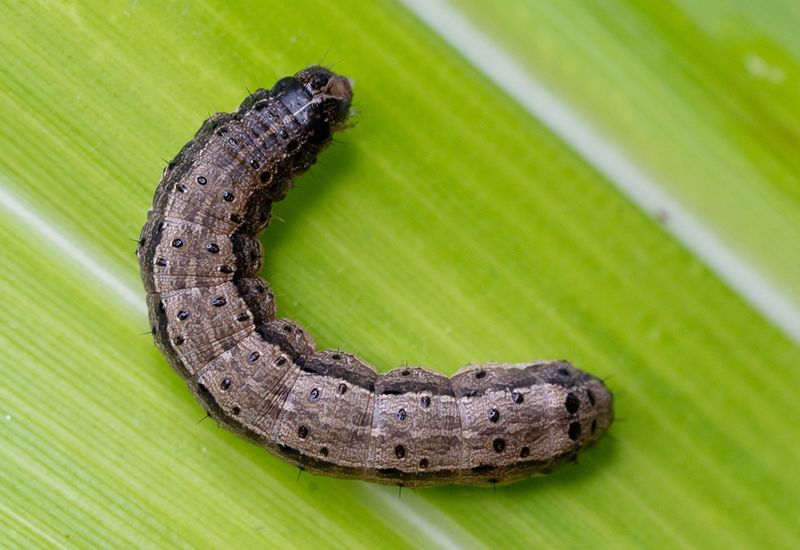
Every fall, Texas gardeners groan when armyworms march in. These striped caterpillars travel in large groups and can strip a lawn or garden bed overnight.
You can spot them by the tiny upside-down Y shape on their heads. They range from green to brown and grow about an inch and a half long. Bermuda grass, corn, and leafy greens are their favorite snacks.
The first sign of trouble is often patches of grass that look scorched or thinned out. Look closely in the early morning or evening, since armyworms hide during the hottest part of the day.
Flip over a few leaves and you might catch them munching. Birds love to eat them, so a healthy yard with feathered visitors helps a lot.
You can also drop a few worms into a bucket of soapy water when you find them. For bigger outbreaks, a product with Bt, a natural bacteria that upsets their stomachs, works well and stays gentle on other creatures.
Mowing your lawn a little higher can make it harder for them to hide. Checking your garden every couple of days during September gives you the best chance to stop them early.
Fun fact: fall armyworms cannot survive cold winters, so they fly up from southern regions each year. That is why they seem to appear out of nowhere.
Acting fast is the secret. A small group is easy to handle, but a big swarm can chew through a garden in just a day or two, so stay watchful.
2. Tomato Hornworms
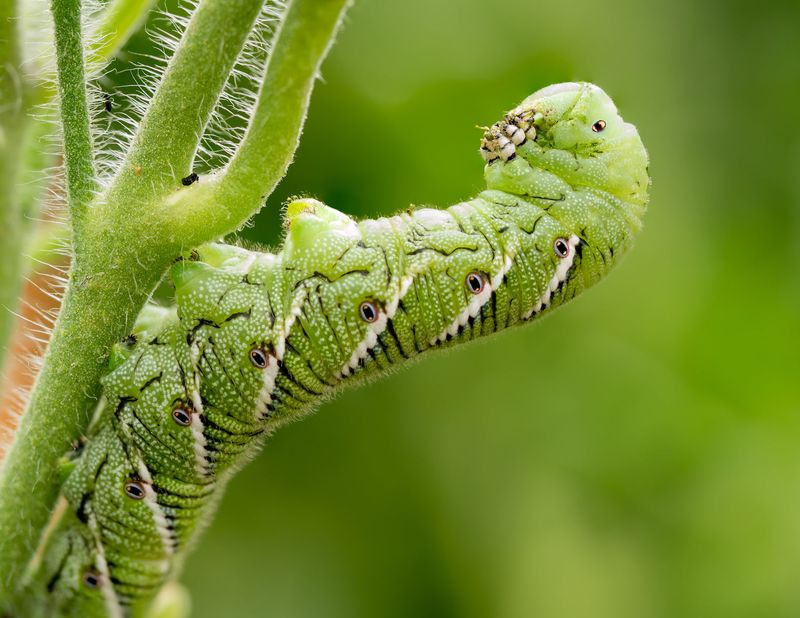
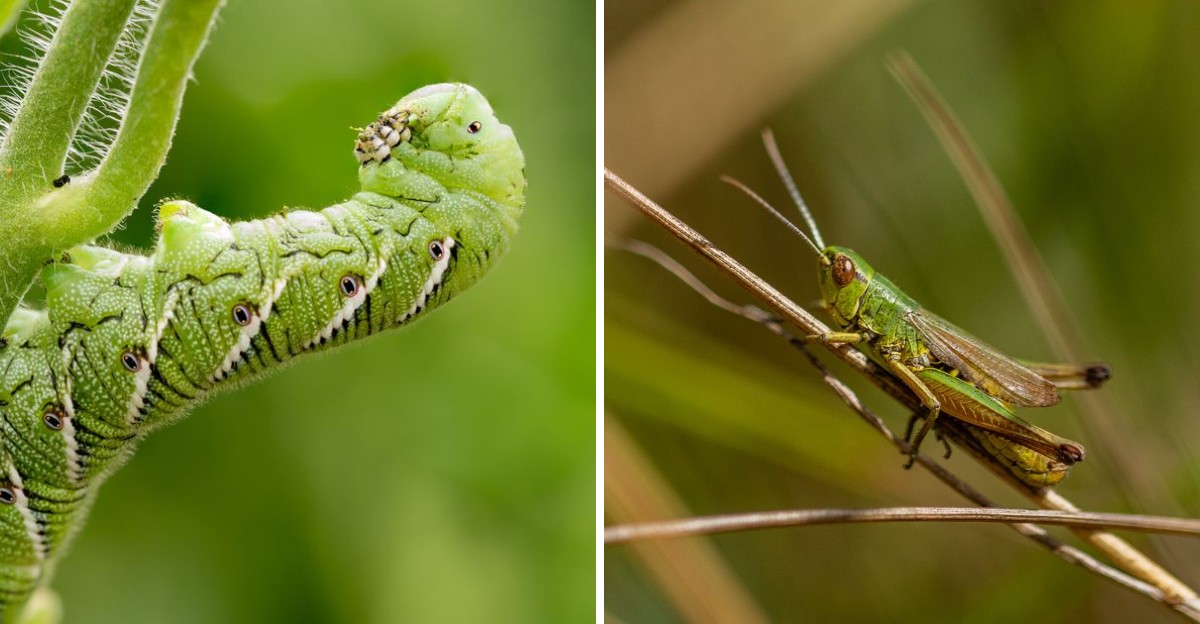
If your tomato plants suddenly look bare on top, a hornworm is probably the culprit. These giant green caterpillars blend in perfectly with the leaves, which makes them tricky to find.
Growing up to four inches long, hornworms have a soft horn poking out of their back end. They munch through tomato leaves, stems, and even unripe fruit at an amazing speed. One or two of them can damage a whole plant.
The easiest way to find them is to look for their droppings, which are dark green pellets scattered on the ground below the plant. Follow the trail upward and you will usually spot the chubby caterpillar nearby.
Your Texas Garden Changes Every Week. Your Plan Should Too.
Gardening in Texas changes quickly throughout the season. Every Friday you’ll receive a simple weekly plan showing exactly what to plant, prune, fertilize, harvest, and protect so you never miss the right timing.
Handpicking is the simplest fix. Just pluck them off and drop them into a bucket of soapy water. It sounds icky, but it works fast and costs nothing.
Nature offers help too. Tiny wasps sometimes lay eggs on hornworms, leaving little white cocoons on their backs.
If you see a hornworm covered in these, leave it be, because those wasps will make more helpers for your garden.
Planting marigolds, basil, or dill near your tomatoes can help confuse the moths that lay hornworm eggs. Rotating where you plant tomatoes each year also lowers your chances of an infestation.
Did you know? The adult form is a large, fuzzy hawk moth that hovers like a hummingbird at flowers. Pretty as they are, you still want to keep their hungry babies off your tomatoes this September.
3. Aphids
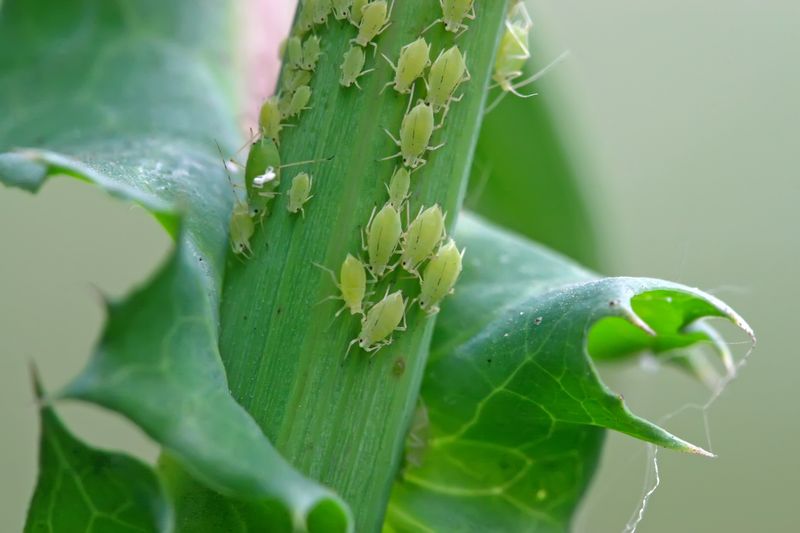
Small but mighty, aphids can cause big headaches even though each one is barely the size of a pinhead. These soft little bugs cluster on new growth and suck the juice right out of your plants.
They come in green, black, yellow, and even pink. You will usually find them crowded on the underside of leaves or along tender stems. When there are many, leaves start to curl, yellow, and look sticky.
That sticky stuff is called honeydew, and it can lead to a black mold that coats your plants. Ants often show up to feed on the honeydew, so a line of ants marching up a stem is a clue aphids are near.
A strong blast from the garden hose knocks many of them off. For stubborn groups, a spray of water mixed with a little dish soap works nicely and stays safe for your veggies.
Ladybugs are your best friends here. One ladybug can gobble up dozens of aphids a day, so welcome them into your garden. Lacewings and small birds help too.
Avoid over-fertilizing with nitrogen, because all that soft new growth is exactly what aphids crave. Checking your plants twice a week lets you catch a small group before it becomes a crowd.
Here is a neat tidbit: aphids can give birth to live babies without ever mating, which is why their numbers explode so quickly.
Staying watchful in September keeps these tiny sap-suckers from taking over your beds.
4. Spider Mites
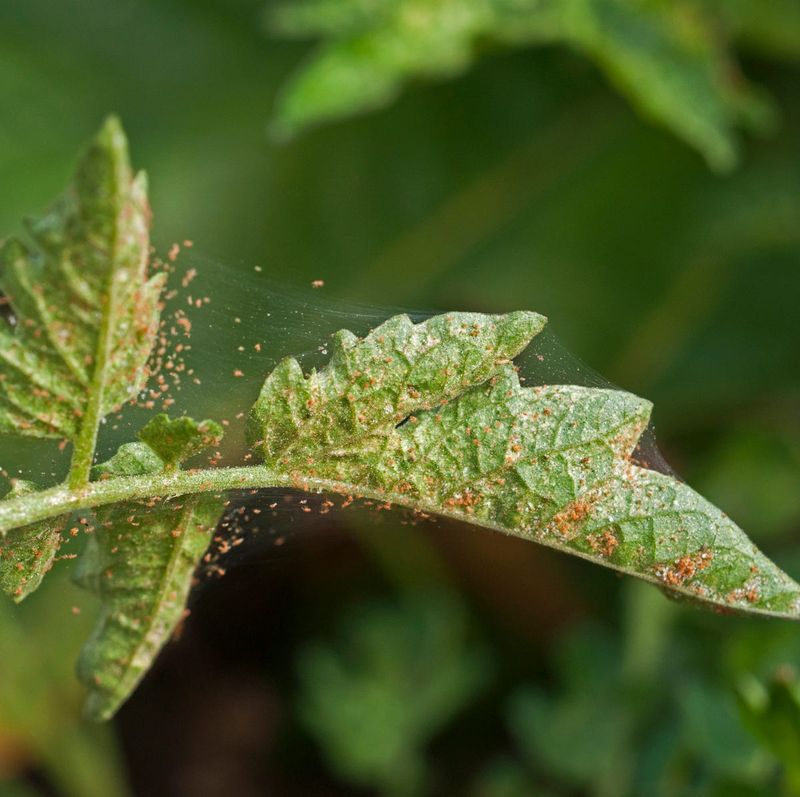
During the dry, dusty stretches of a Texas September, spider mites throw a party on your plants. These pests are so tiny you might need a magnifying glass to see them clearly.
They love hot, dry conditions, which makes late summer their prime time. You will notice their damage before you notice the mites themselves. Leaves get a speckled, faded look, almost like someone dusted them with flour.
Look for fine webbing between leaves and stems, since that is a telltale sign. Tap a leaf over a white sheet of paper and you may see tiny dots moving around.
Spider mites hate water, so spraying your plants with a hose, especially the underside of leaves, helps keep them away. Doing this a few times a week during dry spells makes a real difference.
Keeping your plants well watered and healthy also builds their defenses. Stressed, thirsty plants are the ones mites attack first.
Beneficial bugs like predatory mites and ladybugs will happily eat the pests for you. For heavier problems, insecticidal soap or neem oil sprayed on both sides of the leaves works well without harming your garden.
Try not to reach for harsh chemical sprays, because they often wipe out the good bugs that keep mites in check. That can actually make the problem worse.
Interesting fact: spider mites are not insects at all. They are relatives of spiders and ticks, with eight legs instead of six. A little extra watering this month keeps these dusty troublemakers off your leaves.
5. Squash Bugs
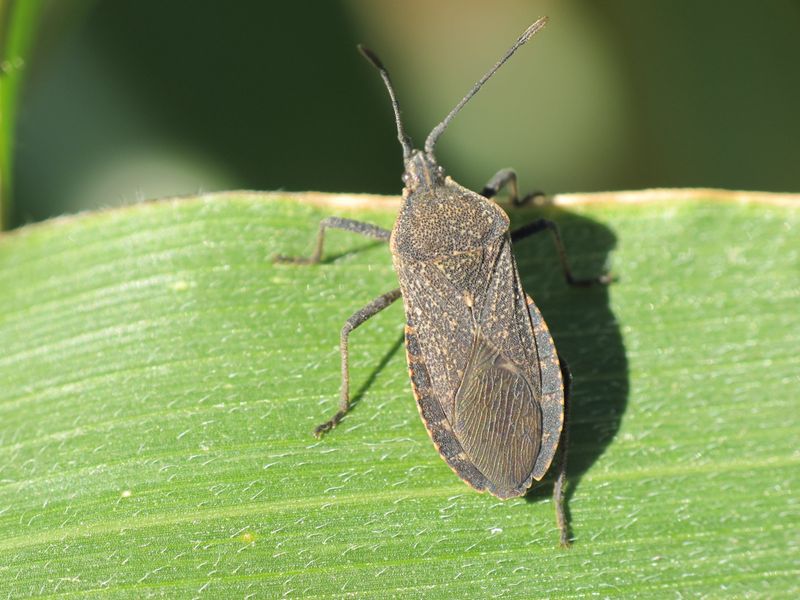
Growing squash, zucchini, or pumpkins in Texas? Then squash bugs are a name you should know well. These flat, gray-brown pests can turn a healthy vine into a sad, wilted mess.
Adults look like shield-shaped beetles and give off a strong smell when squished. They gather at the base of plants and along the stems, poking holes and sipping the sap.
The real danger shows up as leaves wilt and turn crispy brown. Squash bugs also spread a plant illness that makes vines collapse quickly, so early action matters.
Check the underside of leaves for their shiny bronze egg clusters. Scraping these off with a spoon or piece of tape before they hatch stops a whole new generation.
Adults are quick to hide, but you can trap them. Lay a board or piece of cardboard on the ground at night, and the bugs will gather under it. In the morning, flip it over and scoop them into soapy water.
Keeping your garden tidy helps a lot. Clear away old vines and leaf piles where these bugs like to spend the winter.
Planting nasturtiums or marigolds near your squash can help steer the bugs away. Some gardeners also swear by row covers early in the season to block the pests from landing.
Fun bit of trivia: squash bugs are picky eaters and mostly stick to plants in the squash family. If you catch them early this September, you can still save your fall crop from these smelly little munchers.
6. Grasshoppers
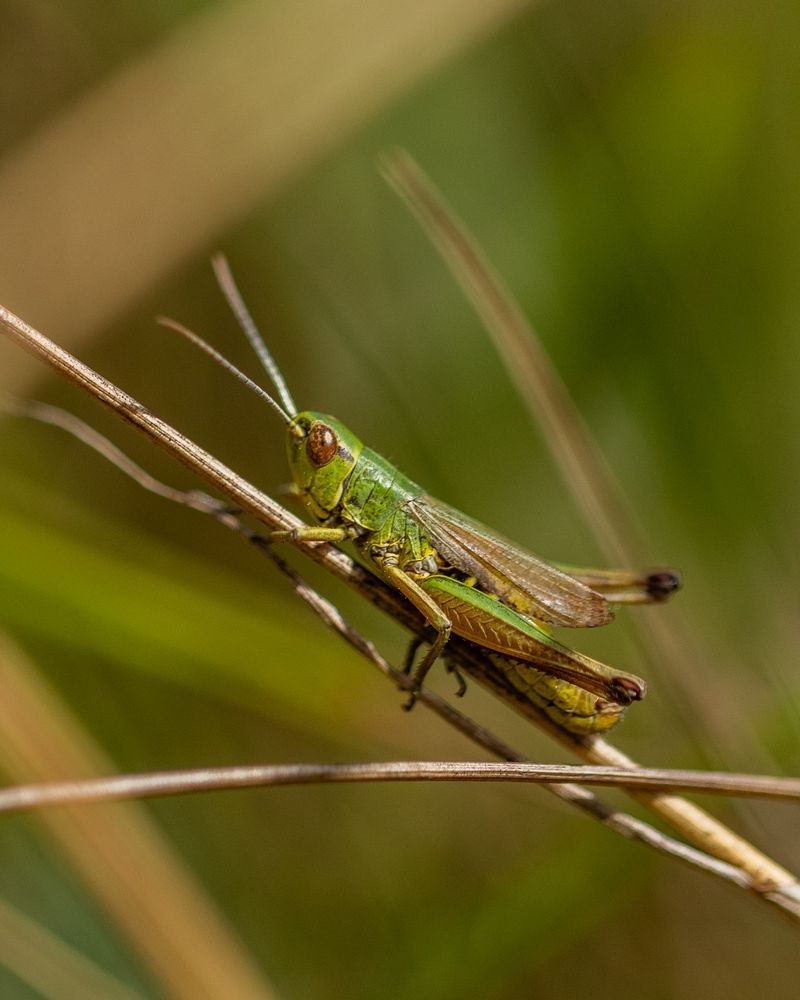
Nothing says late summer in Texas quite like grasshoppers bouncing across the yard. Cute as they seem, these hoppers have big appetites and can chew ragged holes in nearly any plant.
They are especially bad after dry, hot summers, which Texas often has. Warm September days keep them busy feeding on leaves, flowers, and even tender bark.
You will notice their damage as jagged bites along leaf edges. Unlike caterpillars, grasshoppers eat fast and move around, so they can hit many plants in one afternoon.
Because they hop and fly, they are hard to catch by hand. Floating row covers over your most precious plants give solid protection without harming the bugs.
Encouraging natural helpers is a smart move. Birds, spiders, and even chickens love to snack on grasshoppers, so a garden that welcomes wildlife stays more balanced.
Keeping the area around your garden mowed removes the tall weeds where grasshoppers lay their eggs. Fewer eggs in spring means fewer hoppers by fall.
For heavy invasions, a natural product containing Nosema locustae, a bait that targets young grasshoppers, can lower their numbers over time. It works slowly but stays gentle on the rest of your garden.
Watering your garden regularly also matters, since grasshoppers flock to dry, stressed yards and often skip lush, healthy ones.
Here is something wild: some grasshoppers can leap twenty times their own body length. That amazing hop is exactly why they are so tricky to keep out of your beds this September, so plan your defenses ahead of time.
7. Whiteflies
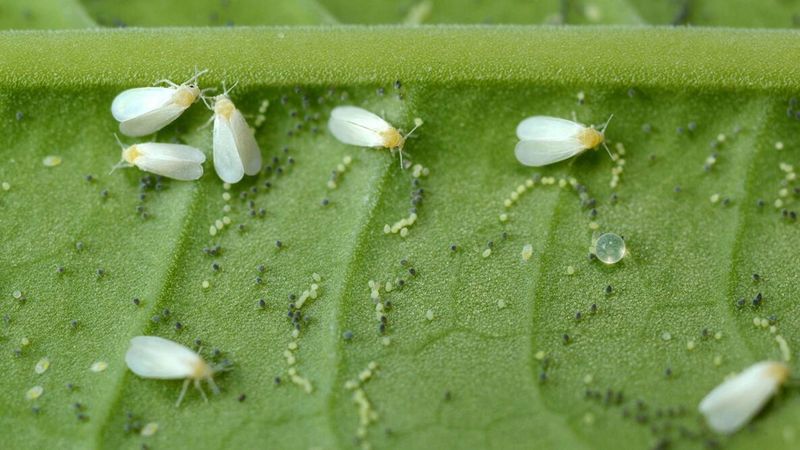
Give a leaf a gentle shake and watch a little white cloud puff up. Those flying specks are whiteflies, and they can be a real nuisance in Texas gardens come September.
These tiny winged insects look like miniature moths dusted with powder. They gather on the underside of leaves and drink the sap, just like their aphid cousins.
As they feed, plants grow weak, leaves yellow, and growth slows down. Whiteflies also leave behind sticky honeydew that invites sooty black mold and marching ants.
Yellow sticky traps work wonders because the bugs are drawn to the bright color and get stuck. Hang a few near your plants and you will catch plenty.
Spraying the underside of leaves with insecticidal soap or neem oil knocks them back too. Be sure to hit the leaves early in the morning when the bugs are slower.
Ladybugs and lacewings feast on whiteflies, so inviting these helpers into your garden keeps the pests in check naturally. Tiny parasitic wasps are also great allies.
Try not to crowd your plants together, since good airflow makes it harder for whiteflies to settle in. Pulling off badly infested leaves helps stop the spread.
Checking new plants before bringing them home is smart, because whiteflies often hitch a ride from the nursery.
A fun tidbit: whiteflies are not true flies at all. They are more closely related to aphids and scale insects.
With a few sticky traps and some helpful bugs, you can keep these fluttery pests from bothering your fall garden.