Missouri Officials Are Watching This Invasive Weed Spread Into New Areas
A quiet shift has reached Missouri, and nobody caught it in time. Pastures you trust are quietly changing beneath your boots. Farmers across the region are noticing changes they can’t explain.
Livestock health is dropping for reasons nobody predicted. Grasses you depend on are losing quality fast.
Confidence in old methods is fading rapidly. Experts spent months tracing the cause before naming it publicly.
Missouri wasn’t supposed to be vulnerable this way. Scientists thought detection would come sooner, not this late. Land values, grazing plans, and hay supplies now hang in the balance.
Nothing about this situation feels contained anymore. Nobody wants to admit how far this has already spread. Officials are moving now, and their growing concern should catch your attention.
Every acre you manage could already be affected. Answers exist, but they demand your full attention right now. You won’t look at your pasture the same way again.
What Knotroot Foxtail Actually Is
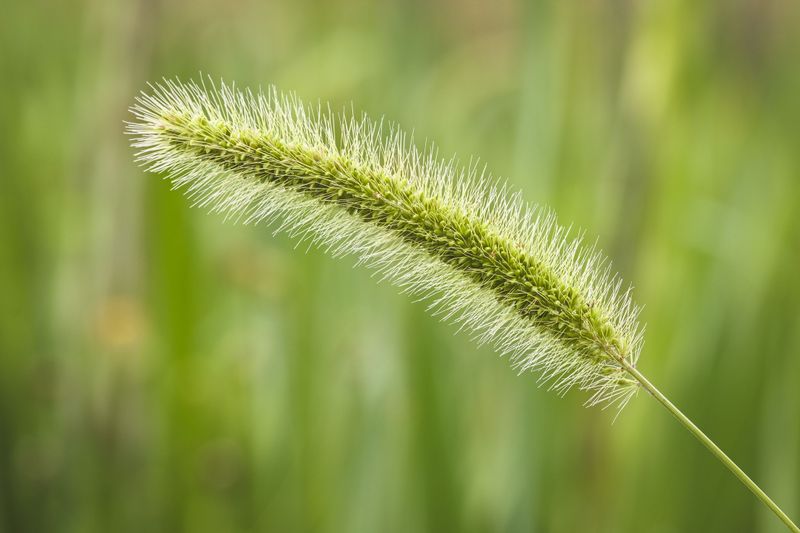
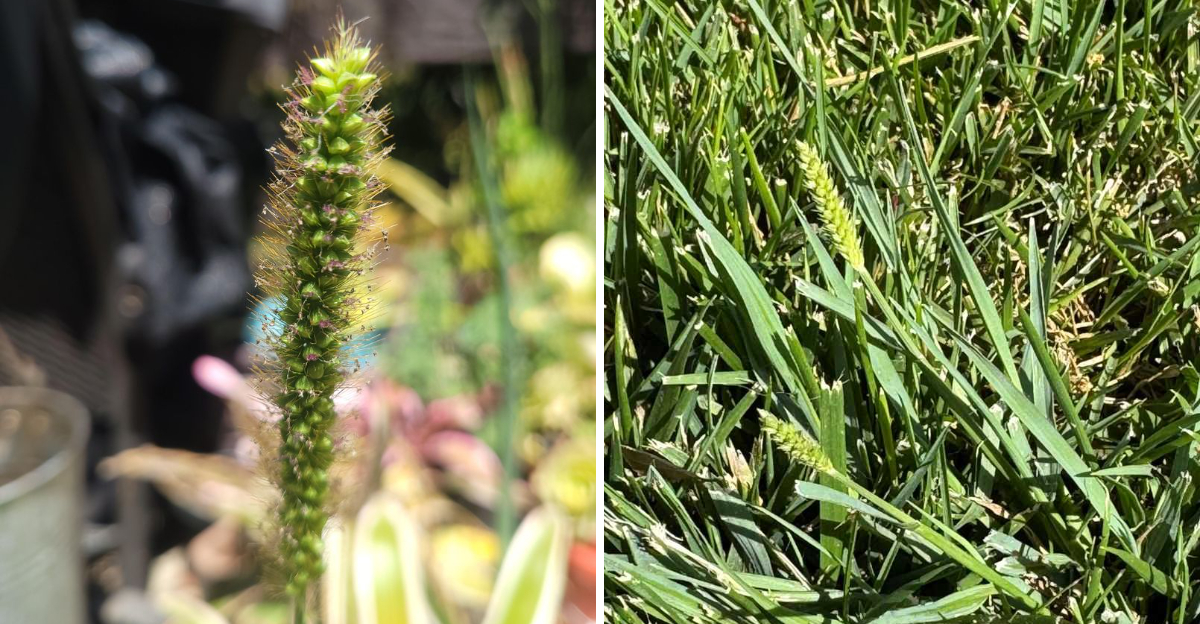
Weird name, weirder plant. Knotroot foxtail is a warm-season grass that sneaks into pastures looking almost harmless at first glance.
Officially called Setaria parviflora, this invasive weed is native to warm regions of North America. Officials say contaminated hay and equipment are common ways invasive grasses like this one spread between farms.
The plant gets its name from the knobby, knotted root structure that forms just below the soil surface. Those roots make it incredibly hard to pull out by hand.
Above ground, knotroot foxtail produces bristly seed heads that look similar to common foxtail grass. That resemblance is exactly why it went undetected for so long in Missouri.
Each plant can produce large numbers of seeds in a single growing season. Those seeds stay viable in the soil for years, waiting for the right conditions to sprout.
Unlike some invasive plants that prefer disturbed ground, knotroot foxtail targets established pastures. That means it competes directly with the grasses farmers depend on for grazing.
Most people walking through a field would never spot it right away. You need a trained eye to catch the subtle differences between this weed and native grass species.
Understanding what this plant actually is gives landowners a fighting chance. Knowing your enemy is always the first step toward protecting your land from a slow-moving takeover.
How It Went Unnoticed For So Long
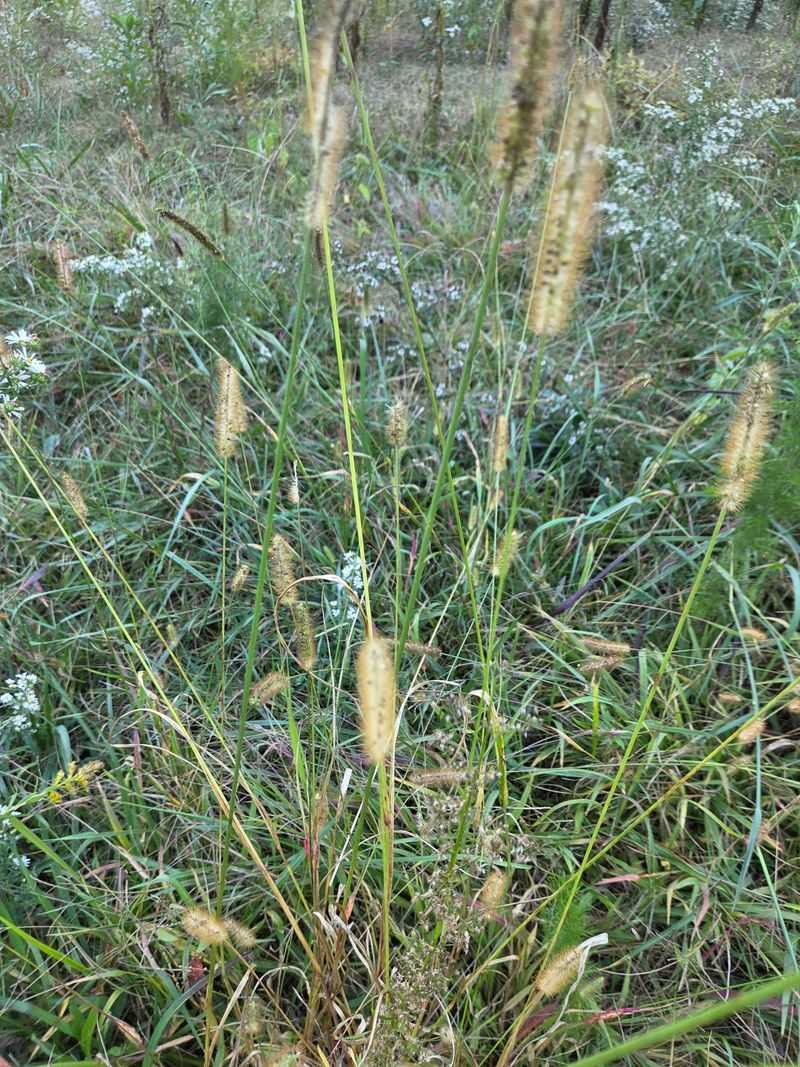
Blending in is this weed’s greatest weapon. Knotroot foxtail looks strikingly similar to native grasses, which gave it a long head start before anyone caught on.
State agricultural officials admit that monitoring programs were not specifically targeting this species. Without dedicated screenings, a plant like this can establish itself quietly over many seasons.
Most farmers rely on visual checks when scouting their fields. Because knotroot foxtail mimics familiar grasses so well, those routine walks simply did not flag anything alarming.
The weed also tends to spread from the edges of fields inward. By the time it reaches a visible center patch, it has already spread along the borders.
Your Missouri Garden Changes Every Week. Your Plan Should Too.
Gardening in Missouri changes quickly throughout the season. Every Friday you’ll receive a simple weekly plan showing exactly what to plant, prune, fertilize, harvest, and protect so you never miss the right timing.
Seed contamination in hay bales is another reason detection took so long. Hay is moved constantly between farms, and inspections rarely catch every foreign seed hiding inside a bale.
Missouri’s warm summers create perfect growing conditions for this warm-climate species. The climate essentially welcomed the plant in without putting up much of a fight.
Experts also note that invasive plant databases were not always updated quickly enough. Some field agents simply did not have the latest identification guides when doing their rounds.
The gap between arrival and discovery is the most dangerous window for any invasive species. Closing that gap faster in the future depends on better training and sharper awareness at the ground level.
Where This Weed Is Now Appearing In Missouri
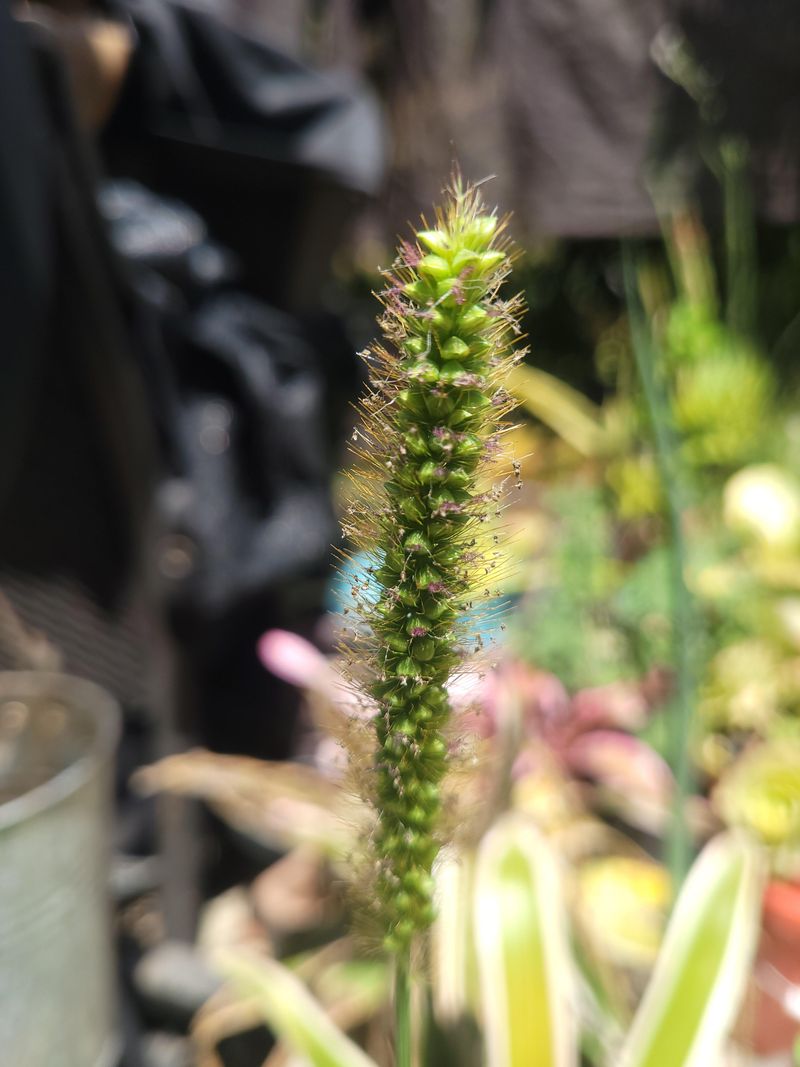
The locations have surprised researchers. Knotroot foxtail has now been confirmed in multiple Missouri counties, including areas that border major livestock operations.
Reported sightings have also emerged in areas farmers didn’t expect, including land farther from roadsides and disturbed ground.
Roadsides and highway medians are also showing signs of infestation. Mowing equipment spreads seeds easily, turning every maintenance pass into an accidental planting event.
Riparian zones along streams and rivers are particularly vulnerable spots. Water carries seeds downstream quickly, allowing the plant to jump large distances in a single flood event.
Confirmed sightings have been reported across multiple Missouri counties, with growing concern among farmers in affected areas.
armers in border regions with other affected states are especially concerned. Neighboring states have already managed knotroot foxtail for years, and cross-border movement of livestock and feed accelerates the problem.
University extension offices have started receiving an increasing number of calls from worried landowners. People are finally learning what to look for, and what they are finding is not encouraging.
The map of confirmed sightings is growing faster than officials had hoped. Where this invasive weed shows up next may depend entirely on how quickly landowners take action right now.
Why It’s So Difficult To Control
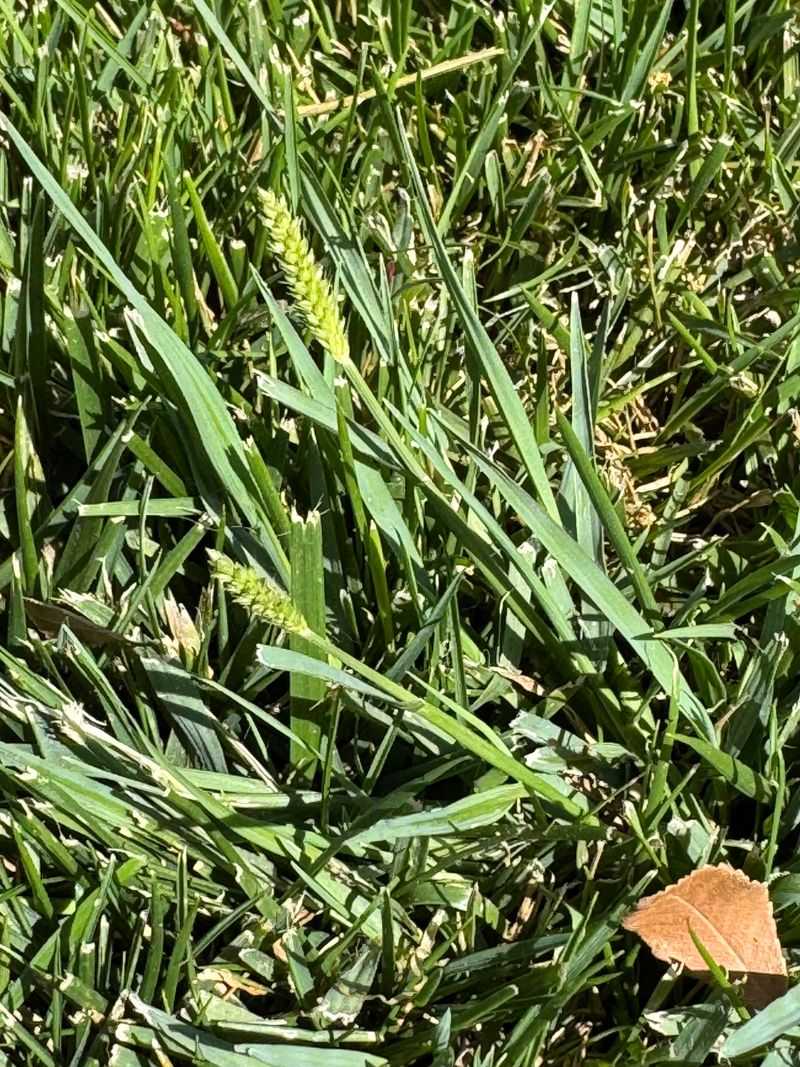
Pulling it once rarely solves the problem. Knotroot foxtail regrows aggressively from its knotted root system even after the above-ground plant is removed entirely.
Herbicides that work on common foxtail species do not always affect this plant the same way. Its genetic makeup gives it a slight resistance edge that frustrates many standard treatment plans.
Timing is everything with chemical control, and the window is narrow. Treating plants too early or too late in the growth cycle dramatically reduces how well any herbicide performs.
The seed bank in the soil is another major obstacle for landowners. Even after clearing a field of visible plants, dormant seeds can remain viable in the soil for years afterward.
Mechanical removal is labor-intensive and rarely complete. Leaving even a small fragment of the knotted root behind is enough for the plant to regenerate within a few weeks.
Grazing pressure does not suppress this weed the way it does with many other invasive plants. Livestock tend to avoid it, which actually gives knotroot foxtail a competitive advantage in grazed pastures.
Drought conditions make matters worse by stressing out desirable native grasses. When competition weakens, knotroot foxtail steps in and fills the gaps quickly.
Controlling this invasive weed requires patience, persistence, and a long-term plan. One season of effort will not be enough, and landowners who stop too soon often find themselves starting all over again.
Risks It Poses To Livestock And Pastures
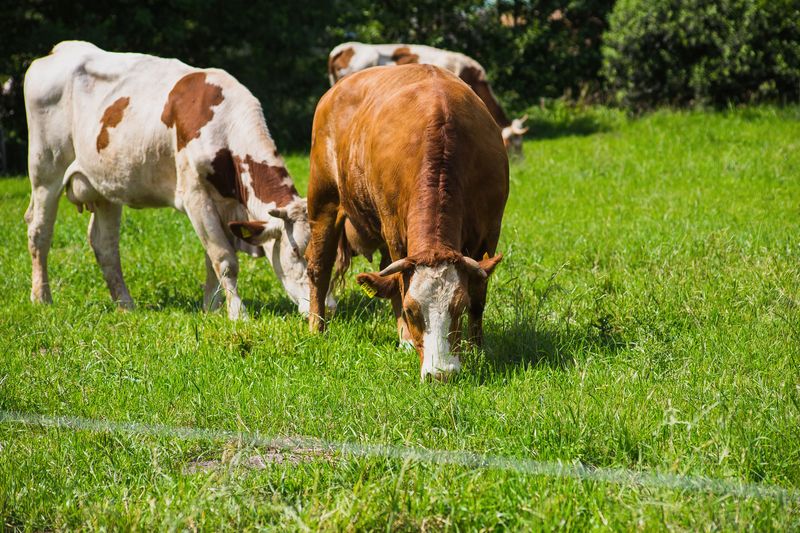
This plant is not just a nuisance. Knotroot foxtail poses real, documented health risks to the animals that share space with it across Missouri’s farm country.
The bristly seed heads are the main danger to livestock. Those sharp, barbed awns can become lodged in the mouths, gums, and throats of cattle, sheep, and horses.
Once embedded, the awns cause painful sores and infections that reduce an animal’s willingness to eat. Weight loss follows quickly, and that means direct financial losses for the farmer.
Horses are especially sensitive to foxtail-related injuries. Mouth ulcers from bristle contact can become serious enough to require veterinary treatment, adding unexpected costs to an already tight operation.
Beyond animal health, the weed also degrades overall pasture quality. As knotroot foxtail crowds out nutritious native grasses, the caloric value of the field drops for every grazing animal on it.
Lower pasture quality forces farmers to spend more on supplemental feed. That extra cost adds up fast over a full grazing season, which can strain smaller farm budgets.
Hay contaminated with foxtail seeds is another transmission risk. Selling or purchasing affected hay spreads the problem to new properties and new counties without anyone realizing it.
Protecting livestock starts with protecting the land they depend on. Catching this invasive weed early is the single most effective way to prevent costly animal health problems down the road.
Best Practices For Managing An Infestation
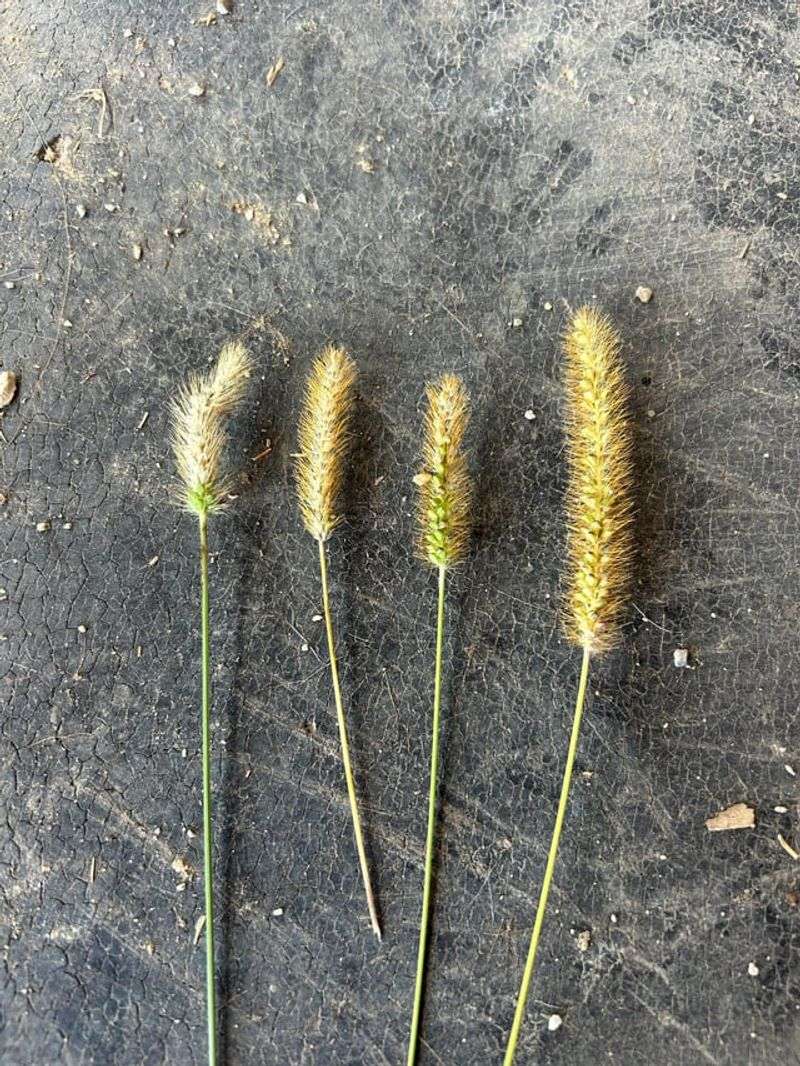
Good news: you are not powerless here. Managing knotroot foxtail is challenging, but landowners who act early and stay consistent can protect their pastures effectively.
Start with a thorough field survey in late spring. Walk every section of your property and flag any suspicious grass clumps before seed heads have a chance to mature.
Contact your local extension office as soon as you spot something unfamiliar. Extension agents can confirm identification quickly and connect you with current treatment recommendations specific to your region.
Herbicide options for this weed are limited, and a licensed professional or local extension office can recommend the most effective product for your situation. Always follow label directions and consult a licensed professional before spraying near waterways.
Overseeding with competitive native grasses after treatment helps close the gaps this plant loves to exploit. A dense, healthy stand of desirable grass is one of the best long-term defenses available.
Clean all equipment thoroughly before moving between fields. Seed transfer on mowers, ATVs, and boots is one of the fastest ways an infestation jumps from one pasture to the next.
Inspect every hay purchase before it enters your property. Ask suppliers about their weed management practices and request fields that have been scouted recently.
Staying ahead of knotroot foxtail in Missouri means treating this as a multi-year commitment, not a one-time fix. Landowners who stay alert and act fast will have the best shot at keeping their fields clean and their livestock safe.