The Surprising Reason So Many Hummingbirds Are Crowding Missouri Feeders This Late Summer
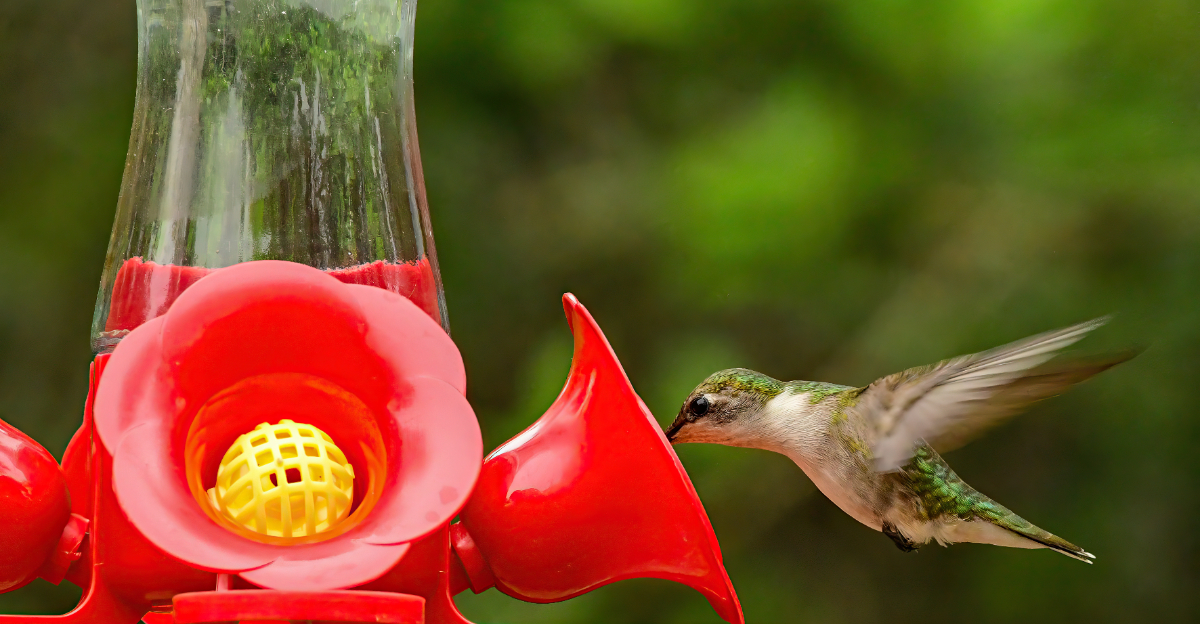
Tiny wings collide in midair chaos above your porch right now. Dozens of hummingbirds now fight for space at your feeder. Missouri sits beneath a major migration route across the continent.
Speed matters more than comfort for a bird this small. Fuel decides who survives the flight south. Every sip of nectar buys them precious miles toward Mexico. Weight gains happen fast when miles stack up ahead.
Gardens across Missouri now function as emergency refueling stations. Body fat becomes their only currency before the crossing. Timing shifts by mere days can change everything you witness.
Weather patterns now push these windows earlier each year. Watching this rush reveals patterns migration charts rarely capture. You stand closer to an epic contest than you realize.
The Migration Timing Behind This Sudden Increase
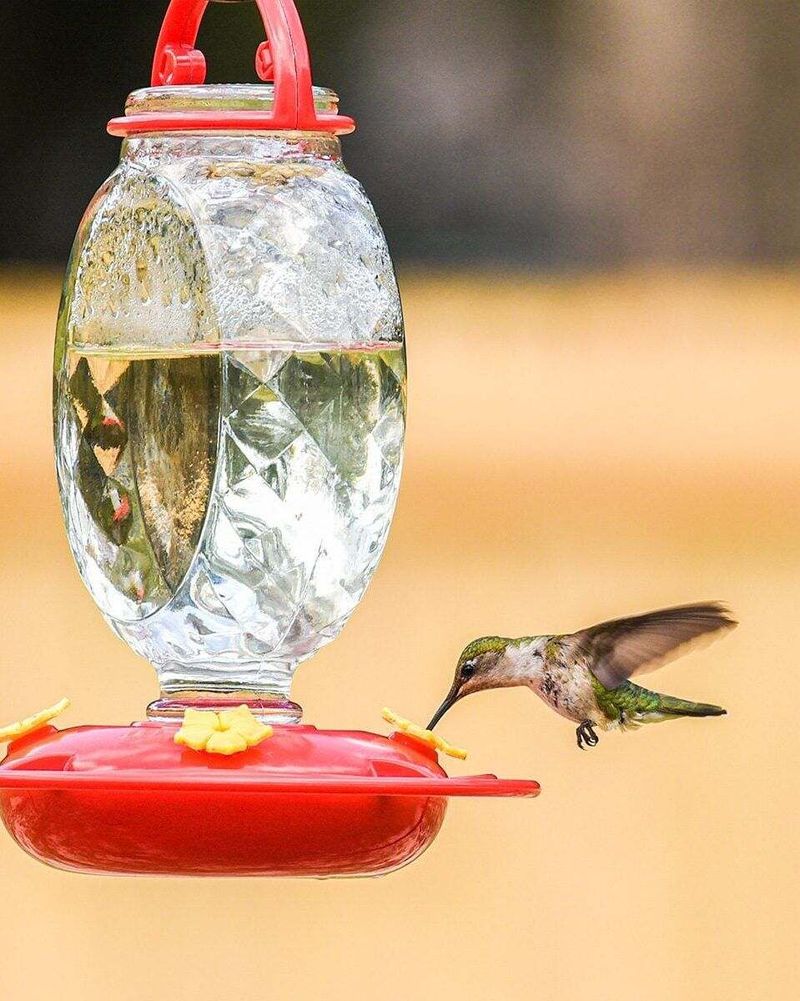
Something shifts in late summer, and hummingbirds feel it before we do. Ruby-throated hummingbirds across the Midwest begin preparing for their long journey south starting in late July.
Missouri sits right along a major migratory corridor, making it a natural gathering point. Birds from farther north funnel through the state, joining local nesters already at your feeders.
That overlap is exactly why backyard activity spikes so sharply each August. You are not just seeing your usual backyard pair anymore.
The timing is driven by daylight changes, not temperature drops. Shorter days trigger hormonal shifts that tell hummingbirds it is time to bulk up fast.
Nectar alone will not cut it during this stretch. Hummingbirds start hunting soft-bodied insects and spiders to load up on protein and fat their usual diet cannot supply fast enough.
Each bird needs to nearly double its body weight before heading south. That urgency is exactly why feeders suddenly look like a hummingbird convention.
Backyard habits matter more than most people realize right now. A feeder left empty for even a day can cost a bird the fat reserves it needs to survive the next leg of its flight.
Peak activity in Missouri typically runs from mid-August through mid-September. Catching this window means you get a front-row seat to one of nature’s most energetic spectacles.
Keeping your feeder stocked right now is more important than at any other point in the season. Missing this window means missing the biggest hummingbird show of the year.
Feeder Setups That Attract The Most Activity Right Now
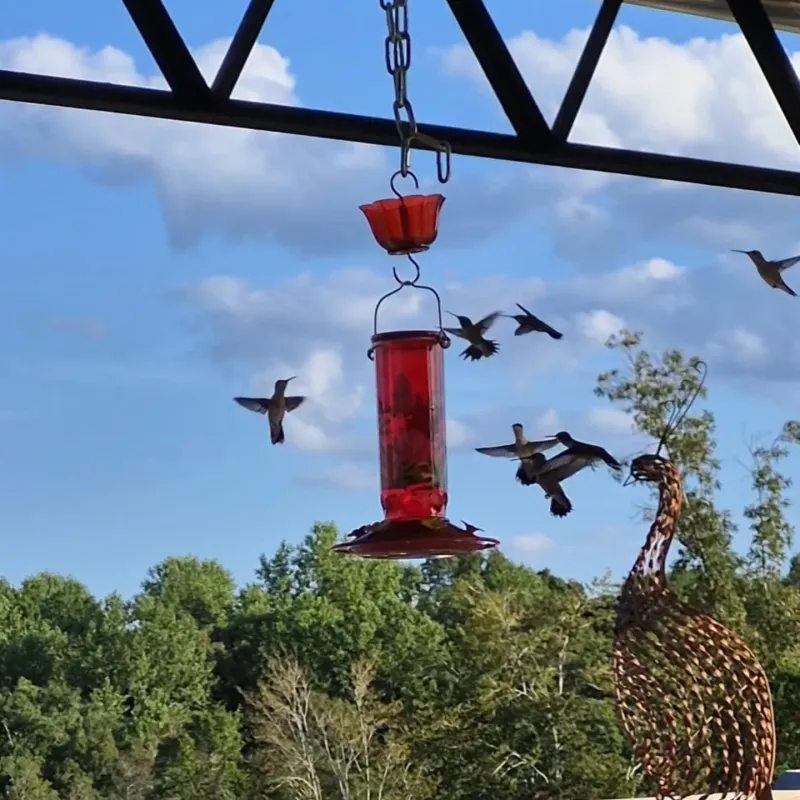
Your feeder placement can make or break the experience during peak migration. Hummingbirds prefer feeders with clear sightlines and nearby perches to rest between feedings.
Hang feeders in partial shade to keep nectar fresher longer. Full sun heats the solution quickly and speeds up spoilage, which drives birds away fast.
Spacing multiple feeders apart reduces aggressive territorial behavior. A dominant bird struggles to guard two feeders placed on opposite sides of your yard.
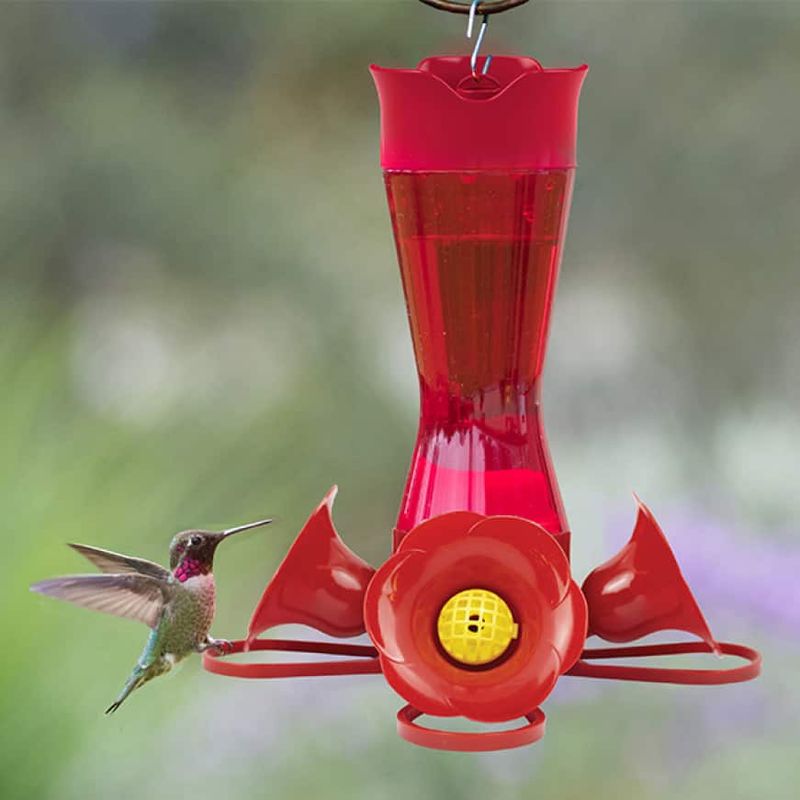
Red feeders consistently outperform other colors in attracting hummingbirds. The color red is a powerful visual cue these birds are hardwired to seek out.
Avoid feeders with yellow flower ports, since yellow tends to attract bees and wasps. Bee guards are a smart addition if insects become a problem at your setup.
Your Missouri Garden Changes Every Week. Your Plan Should Too.
Gardening in Missouri changes quickly throughout the season. Every Friday you’ll receive a simple weekly plan showing exactly what to plant, prune, fertilize, harvest, and protect so you never miss the right timing.
Feeders with wide bases and multiple ports allow more birds to feed at once. This matters a lot during the crowded migration push happening across Missouri right now.
Clean your feeder with hot water every two to three days during warm weather. A dirty feeder can harbor mold that harms the very birds you are trying to help.
The right setup turns your yard into a magnet that migrating birds return to each year. Small changes to your arrangement can dramatically boost the number of visitors you see.
Keeping Nectar Fresh During This High Traffic Period
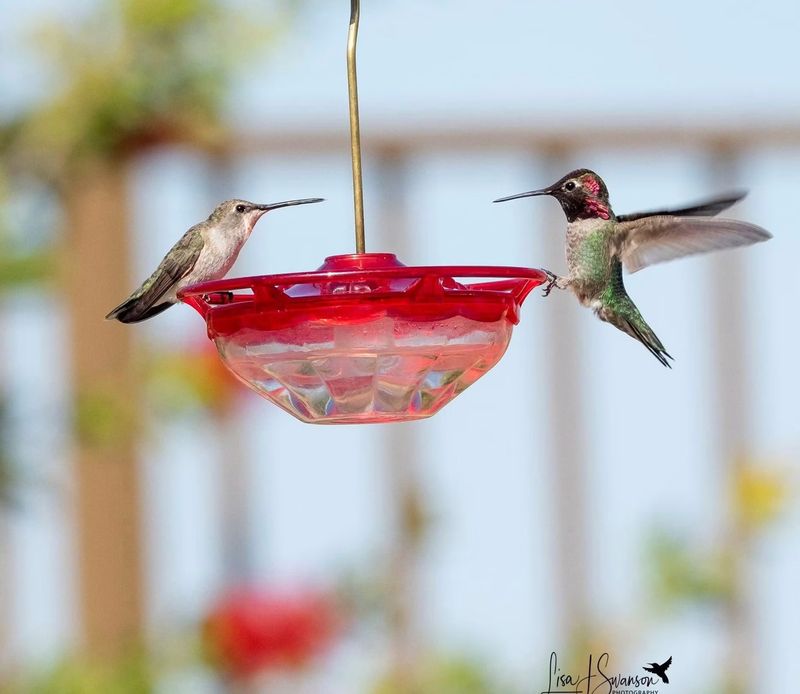
Fresh nectar is the single most important factor in keeping hummingbirds at your feeder. Spoiled nectar not only repels birds but can also make them sick.
The ideal nectar ratio is one part white granulated sugar to four parts water. Boil the water briefly to help the sugar dissolve and slow bacterial growth.
Skip the red food dye since it offers no real benefit and may cause harm. Most feeders are already red, which is all the color signal the birds need.
During hot Missouri summers, nectar can spoil in as little as two days. Check your feeder daily and replace the solution if it looks cloudy or smells off.
Avoid using honey, brown sugar, or artificial sweeteners as substitutes. These alternatives can cause fungal infections or fail to provide the calories hummingbirds desperately need right now.
If you notice black mold inside the feeder ports, scrub them with a small bottle brush. Rinsing with diluted white vinegar helps remove stubborn residue without leaving harmful chemicals behind.
Batch-making nectar and storing it in the fridge saves time during this busy feeding season. Stored nectar stays fresh for up to two weeks when kept cold and sealed.
Clean, fresh nectar is your best argument for keeping hummingbirds loyal to your yard through September. Think of it as setting the table for the most entertaining guests of summer.
Signs Your Yard Has Become A Rest Stop For Migrating Birds
Not every hummingbird at your feeder is a local resident anymore. During migration season, your yard may be hosting birds you have never seen before.
One clear sign is an uptick in feeder visits from unfamiliar birds. Migrants often look slightly scruffier than your well-fed regulars, with duller plumage from a long journey.
You might also notice birds arriving in quick bursts and then disappearing for hours. Migrants tend to feed intensely, rest briefly, and then move on when conditions are right.
Increased chasing and aerial sparring around feeders is another strong indicator. More birds competing for the same resource means territorial behavior ramps up noticeably.
Listen for more chittering and buzzing sounds near your garden in the morning hours. Hummingbirds are vocal about claiming feeding spots, and the noise level rises with the population.
A sudden spike in nectar consumption is one of the most reliable signs. If you are refilling your feeder twice as often, migrating visitors are almost certainly stopping through.
Watch for birds perching in nearby shrubs or trees between feedings. Migrants conserve energy carefully and will rest close to a reliable food source before moving on.
Your yard has quietly become a critical waypoint on an epic journey south. That knowledge makes every feeder refill feel a little more meaningful this time of year.
Simple Additions That Keep Them Coming Back Through September
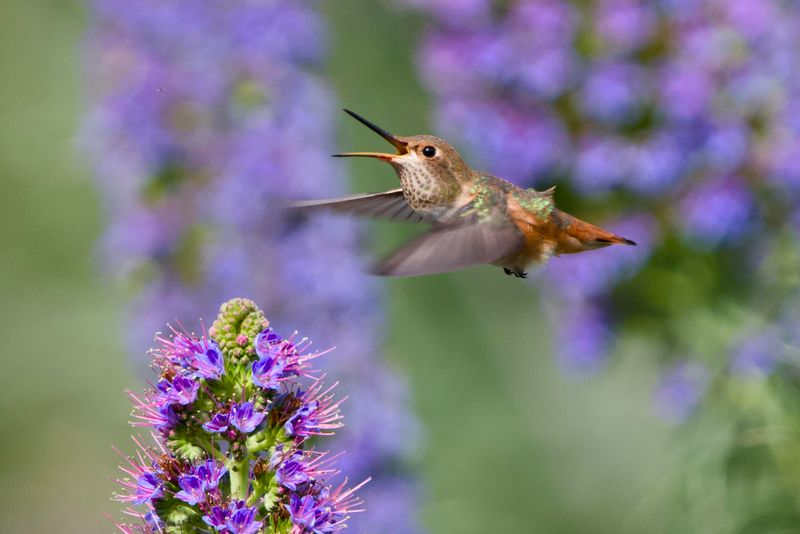
Feeders alone are a great start, but pairing them with plants seals the deal. Hummingbirds are drawn to tubular red and orange flowers that produce abundant nectar naturally.
Trumpet vine and cardinal flower are native plants that perform well in Missouri gardens, while salvia adds another reliable nectar source nearby. Planting any of these near your feeder creates an irresistible combination for passing migrants.
A shallow water mister or dripper adds another powerful attraction to your setup. Hummingbirds love to fly through fine water spray to cool off and clean their feathers.
Perching spots matter more than most people realize. A thin bare branch or decorative twig placed near your feeder gives birds a place to rest and survey their territory.
Avoid using pesticides in your garden during migration season. Hummingbirds also eat tiny insects and spiders for protein, and a pesticide-free yard gives them a complete meal.
Adding a second feeder on the opposite side of your house doubles your chances of catching migrants passing through. Some birds travel along specific flight paths and may only pass one side of your property.
Keep your yard as quiet and low-traffic as possible during peak morning feeding hours. Birds are skittish when startled repeatedly and will choose a calmer rest stop down the road.
A few thoughtful additions can turn your yard into a September hotspot that migrating hummingbirds seek out every single year.
What To Do If The Crowding Suddenly Stops
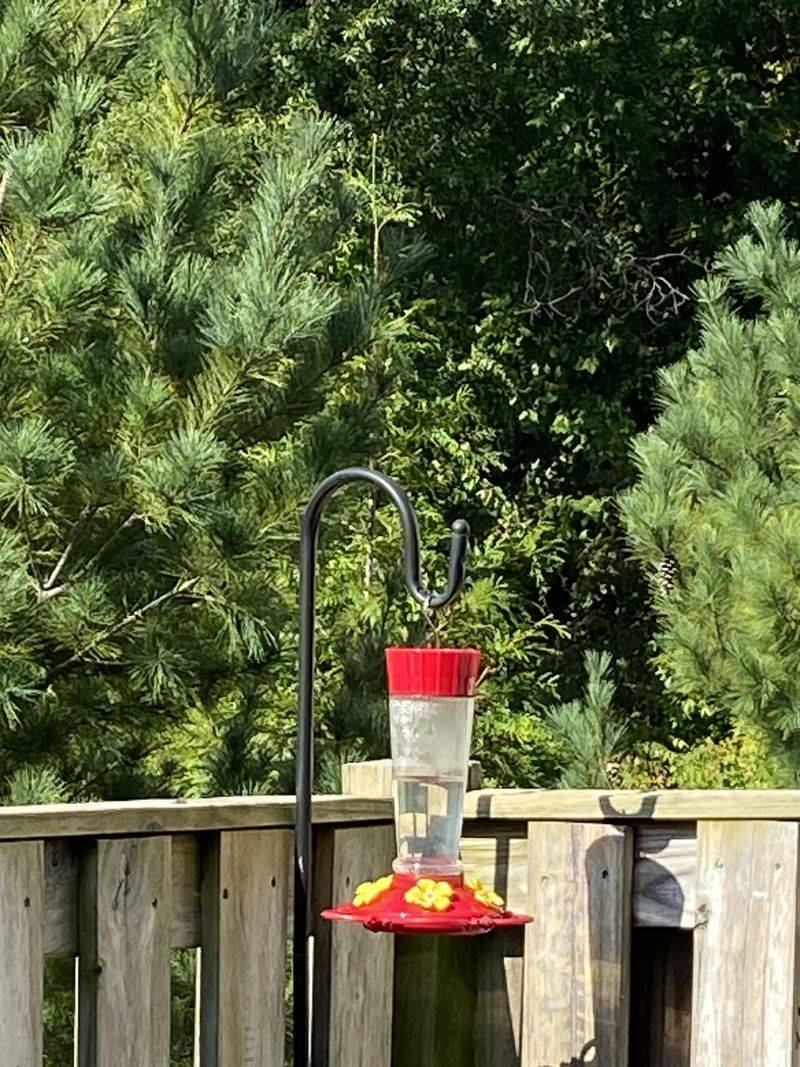
One morning you walk outside and the feeder is untouched. The sudden silence after weeks of buzzing activity can feel surprisingly disorienting.
A sharp drop in hummingbird visits usually means the migration wave has passed through your area. The bulk of ruby-throated hummingbirds exit Missouri by mid-September each year.
Do not pull your feeder down immediately when activity slows. Stragglers and late migrants still pass through into early October and need reliable food sources.
A sudden stop can also signal a change in local weather patterns. Cold fronts push birds south faster, compressing the migration timeline in ways that feel abrupt to backyard observers.
Check your nectar for freshness before assuming the birds are gone for good. A batch that went bad quickly can cause a temporary boycott from even your most loyal visitors.
If visits resume, great. If they stay low, that is a natural part of the seasonal cycle and nothing you did wrong.
Keep a simple log of your feeder activity each August and September. Tracking visit numbers year over year helps you predict future migration surges with surprising accuracy.
This seasonal rush will return next year, driven by the same instinctive timing that shapes it now. Your job is simply to keep the light on and the nectar fresh for when they come back.