July Tasks That Make Fall Cleanup Simple For Missouri Gardeners
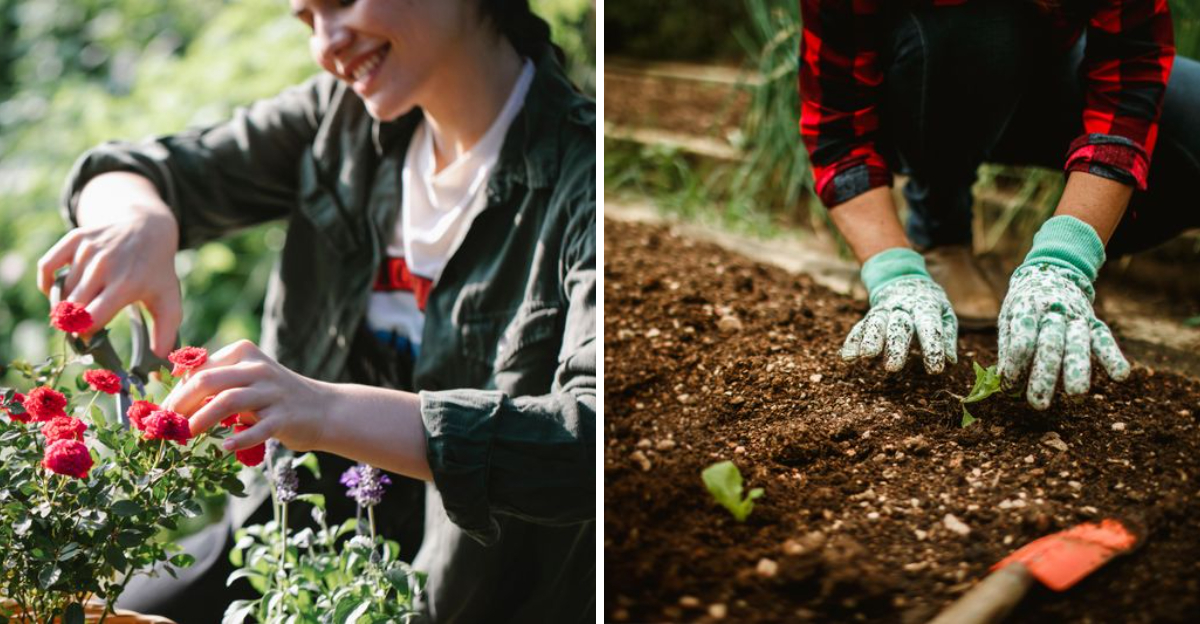
July in Missouri does not ease gardeners in gently. Humidity clings to everything, weeds multiply overnight, and even seasoned growers start questioning their choices by the second week.
But this exhausting stretch hides a quiet advantage most people miss entirely. The tasks you tackle now, while everything feels chaotic, are exactly what keeps October from turning into a scramble.
Skip them, and fall arrives with overgrown beds, crispy perennials, and twice the cleanup. Handle them now, and autumn becomes something closer to a reward than a chore.
This is not about perfection or Pinterest-worthy rows. It is about eight practical moves that Missouri gardens genuinely need this month, regardless of size or experience.
1. Weeding Now Before Seeds Spread To Fall
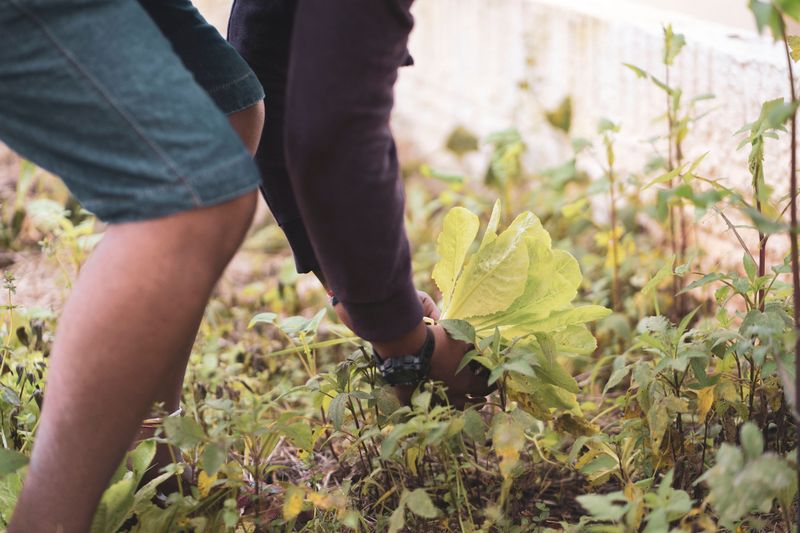
Weeds in July are basically working on borrowed time. Every day you wait, those plants get closer to dropping seeds that will haunt you straight through October.
One pigweed plant can produce up to 100,000 seeds. That number is not a typo, and it should motivate you to grab your hoe today.
Getting ahead of weeds now is one of the most powerful July tasks for Missouri gardeners. The ground is warm, roots pull easily after rain, and the weeds have not yet set seed.
Focus on the worst offenders first: crabgrass, bindweed, and lamb’s quarters. These spread fast and crowd out everything you actually want growing.
Work in the early morning before the heat peaks. A sharp stirrup hoe makes quick work of young weeds between rows.
Do not just chop the tops off. Pull or dig the full root whenever possible to stop regrowth before it starts.
Bag any weeds that have already flowered. Do not toss them in the compost pile, because seeds can survive and spread.
After clearing, lay a fresh layer of mulch two to three inches deep. Mulch blocks sunlight and keeps new weed seeds from germinating.
Check your pathways too, not just your beds. Weeds in walkways drop seeds right into your garden soil with every footstep.
Stay consistent with weekly checks through the rest of the month. A ten-minute sweep now prevents two hours of fall misery later.
2. Removing Diseased Leaves And Plant Debris
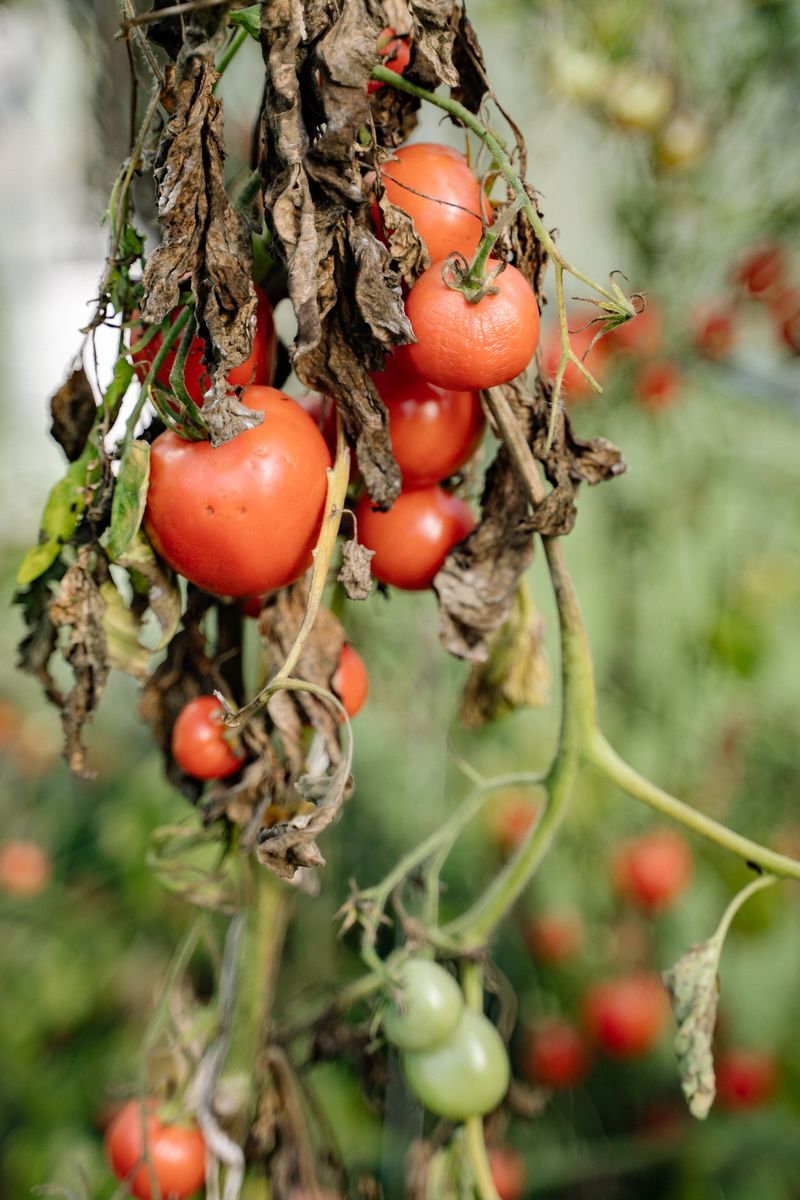
That yellow spotted leaf on your tomato is not just ugly. It actively spreads spores to every plant nearby.
Removing diseased foliage in July is one of those tasks most gardeners skip because it feels tedious. But leaving it behind creates a massive cleanup headache by fall.
Common Missouri summer diseases include early blight, powdery mildew, and bacterial leaf spot. Each thrives in humid heat and spreads fast through water splash and wind.
Walk your garden every few days with a small bucket and pruners. Snip off any leaves showing spots, yellowing, or fuzzy growth without hesitation.
Cutting is far better than tearing. Tearing leaves can spread fungal spores directly onto healthy tissue and open wounds on the stem.
Dispose of diseased material in sealed bags headed for the trash. Composting infected debris is risky because most home piles do not get hot enough to destroy pathogens.
Your Missouri Garden Changes Every Week. Your Plan Should Too.
Gardening in Missouri changes quickly throughout the season. Every Friday you’ll receive a simple weekly plan showing exactly what to plant, prune, fertilize, harvest, and protect so you never miss the right timing.
Clear fallen leaves and old fruit from the soil surface too. Debris on the ground is where many fungal diseases overwinter and relaunch attacks next spring.
After removing infected material, wash your pruners with diluted bleach solution. This one small step stops you from carrying disease from plant to plant.
Improving airflow also helps slow disease spread dramatically. Thin crowded stems and tie up floppy branches so air can circulate freely.
A cleaner garden now means far less disease pressure in fall and a much healthier start for next year’s crops.
3. Labeling Plant Locations Before Foliage Fades
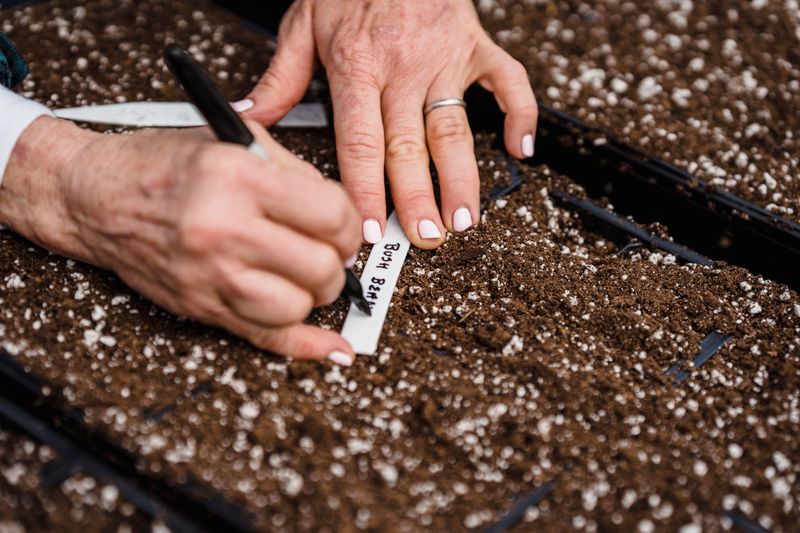
Here is a scenario every gardener knows too well: you stare at a bare patch of dirt in October with no real idea what is planted there.
Labeling your plants in July, before the foliage starts to fade, is one of the smartest and most underrated July tasks for Missouri gardeners.
Perennials like hostas, bleeding heart, and peonies go dormant and disappear completely by fall. Without a marker, you will accidentally dig them up or plant right on top of them.
Use weather-resistant labels made from metal, plastic, or wood. Popsicle sticks sound charming but they rot in one season and become unreadable fast.
Write the plant name and the date it was planted. Adding the bloom color is a bonus that helps enormously when planning changes next spring.
Photograph each labeled area with your phone for a quick digital backup. A photo takes ten seconds and saves hours of guessing in November.
Mark bulb locations especially carefully. Tulips, alliums, and dahlias leave little trace once they go dormant, making them easy targets for accidental damage.
For large beds, sketch a rough map on paper or use a free garden planning app. Even a messy hand-drawn layout beats total mystery come fall.
Update labels whenever you move or add plants through the rest of the season. Outdated labels are almost as confusing as no labels at all.
Good labeling now turns fall cleanup from a guessing game into a confident, organized process you will genuinely enjoy.
4. Cutting Back Perennials That Have Finished Blooming
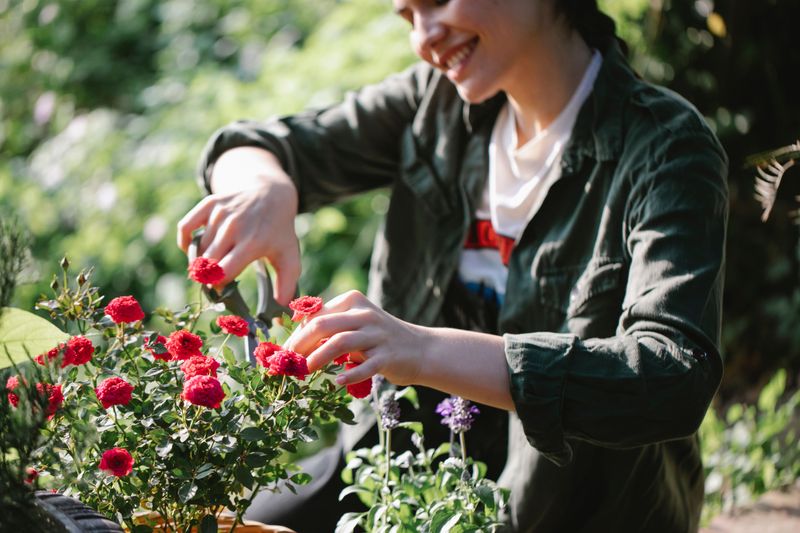
Spent blooms left on perennials are not just messy. They redirect the plant’s energy away from root growth and straight into making seeds nobody asked for.
Cutting back finished perennials in July gives plants a second wind and keeps your garden looking intentional rather than abandoned.
Coneflowers, black-eyed Susans, and daylilies are common Missouri perennials that benefit from a mid-season trim. Cutting them back encourages fresh foliage and sometimes even a second round of blooms.
Use clean, sharp shears to cut stems back by about one-third. Blunt tools crush stems and create entry points for disease and pests.
For plants like salvia and catmint, a harder cutback to just above the base works well. New growth typically appears within two weeks in warm Missouri summers.
Leave seed heads on plants like coneflowers if you want to support birds through late summer. Just know this choice means more self-seeding to manage next spring.
Bag and remove all the cut material immediately. Old stems left on the soil surface become hiding spots for slugs, beetles, and fungal spores.
Water the trimmed plants well after cutting. A good drink helps them push out fresh growth before the heat of August arrives.
Fertilize lightly with a balanced, slow-release product after trimming. Avoid heavy nitrogen feeds, which push leafy growth instead of strong roots heading into fall.
Perennials you cut back thoughtfully in July will reward you with tidier plants and far less spent material to haul away come October.
5. Pruning Out Old Fruiting Canes After Harvest
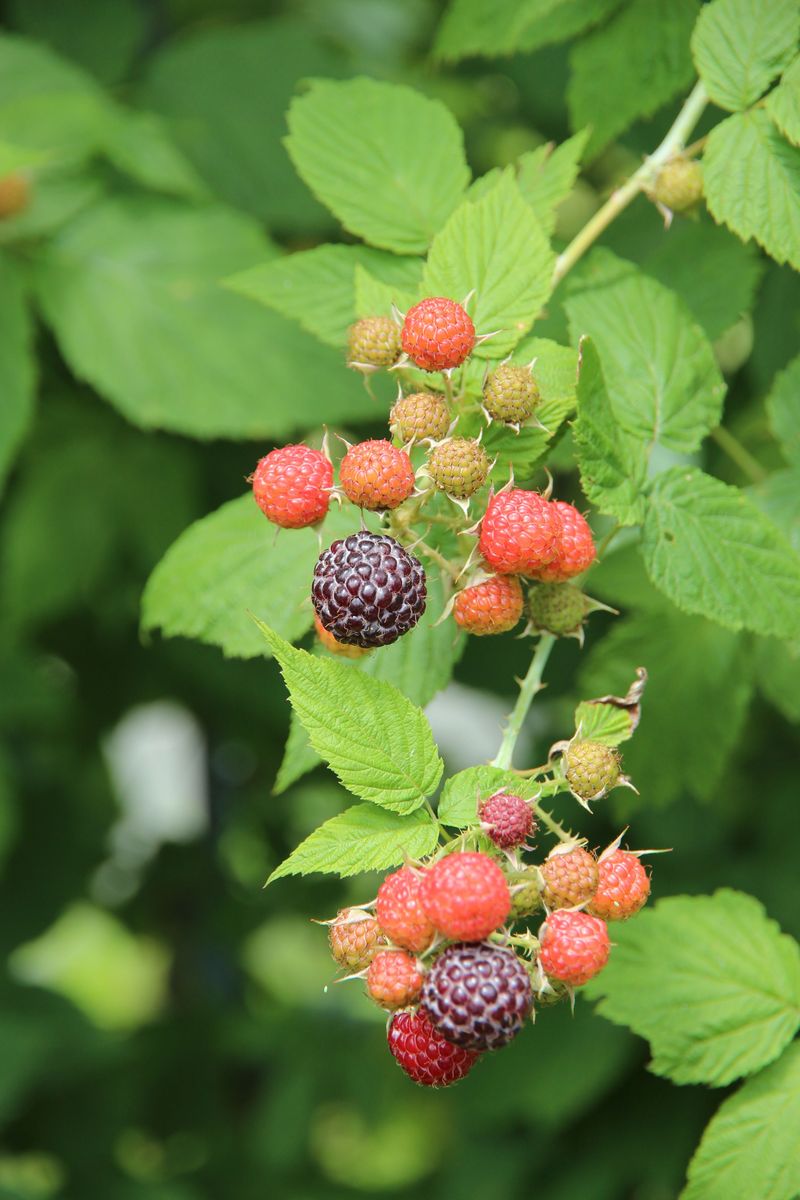
Raspberries and blackberries are wildly generous in Missouri, but they turn into a tangled mess if you ignore them after picking.
Old fruiting canes that have already produced berries will not fruit again. Leaving them in the patch just creates crowding, disease pressure, and a cleanup nightmare in fall.
Right after harvest finishes, head out with sharp bypass pruners and cut spent canes down to ground level. This is one of those July tasks that takes maybe thirty minutes but pays off for months.
Identify old canes by their gray or brown, peeling bark. New canes are green and flexible, and those are the ones you want to protect for next season’s fruit.
Remove no more than one-third of the patch at once to avoid stressing the root system. Work methodically from one end to the other so you do not lose track.
Thin the remaining new canes to about four to six per running foot. Crowded canes compete for light and airflow, which invites fungal problems in Missouri’s humid summers.
Tie remaining canes loosely to a trellis or support wire. Upright canes dry faster after rain and are far easier to manage come fall pruning time.
Haul all cut canes away from the garden immediately. Old cane debris harbors cane borer larvae and fungal spores that will reinfect your patch.
A well-pruned berry patch in July sets up dramatically better production next year and makes your fall garden walk-through a pleasure instead of a chore.
6. Testing Soil Now For A Fall Amendment Plan
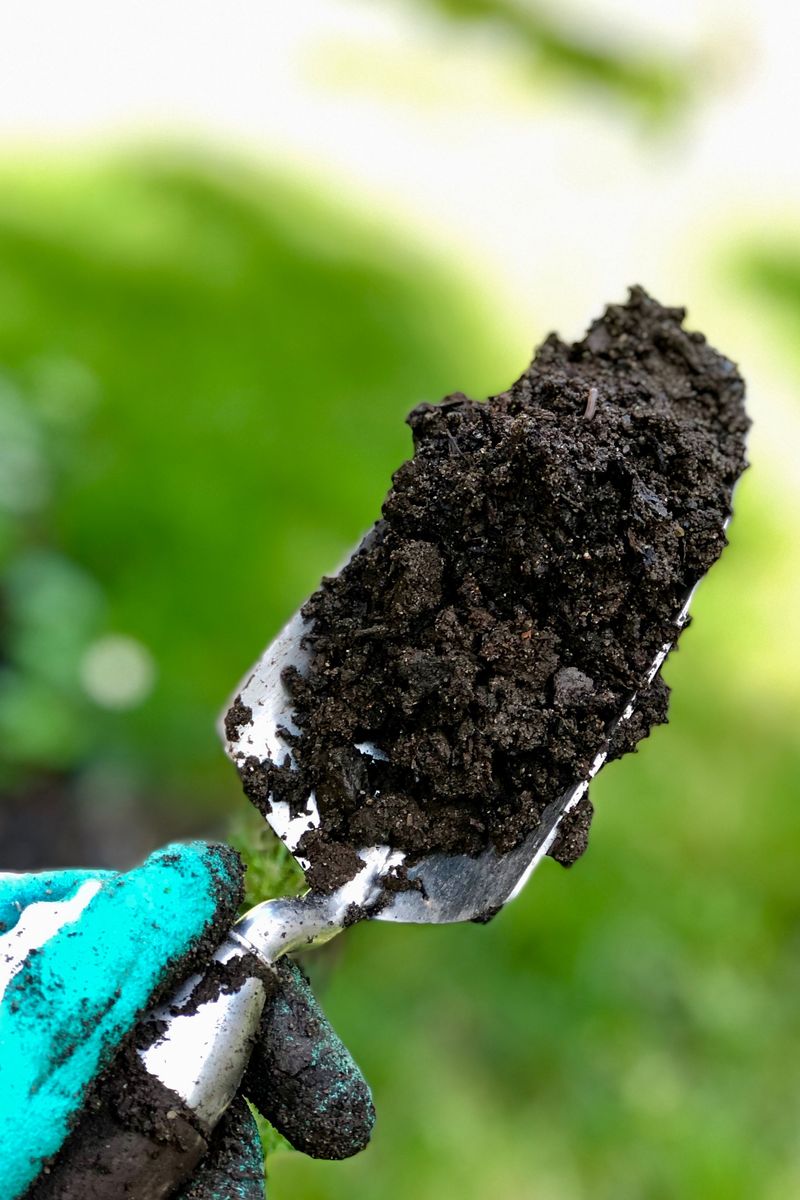
Most gardeners wait until spring to think about soil health, and then scramble to fix problems right before planting. Testing in July flips that whole stressful script.
Getting a soil test done now gives you three full months to source and apply amendments before fall planting season kicks in.
Missouri’s University Extension offers affordable soil testing kits that measure pH, nitrogen, phosphorus, and potassium levels. Results come back with clear, actionable recommendations tailored to your specific crops.
Collect samples from several spots across your garden bed using a clean trowel. Mix them together in a single container for the most accurate overall reading of your soil.
Avoid sampling right after fertilizing or heavy rain. Wait at least two weeks after any soil disturbance for the most reliable results.
Low pH is common in parts of Missouri due to heavy rainfall leaching out natural lime. Adding agricultural lime now gives it time to break down and raise pH before you plant fall greens.
If phosphorus is low, bone meal worked into the soil in August has time to break down before fall planting. Timing matters because nutrients need time to become plant-accessible.
High nitrogen readings might mean you should skip the fall fertilizer application entirely. Knowing this in advance saves money and prevents burning tender fall seedlings.
Record your test results alongside last year’s data if you have it. Tracking soil changes over time is one of the most empowering things a gardener can do.
Good soil is the foundation of every successful harvest, and July is the perfect time to start building it for fall.
7. Sowing Fall Vegetables As Summer Crops Finish
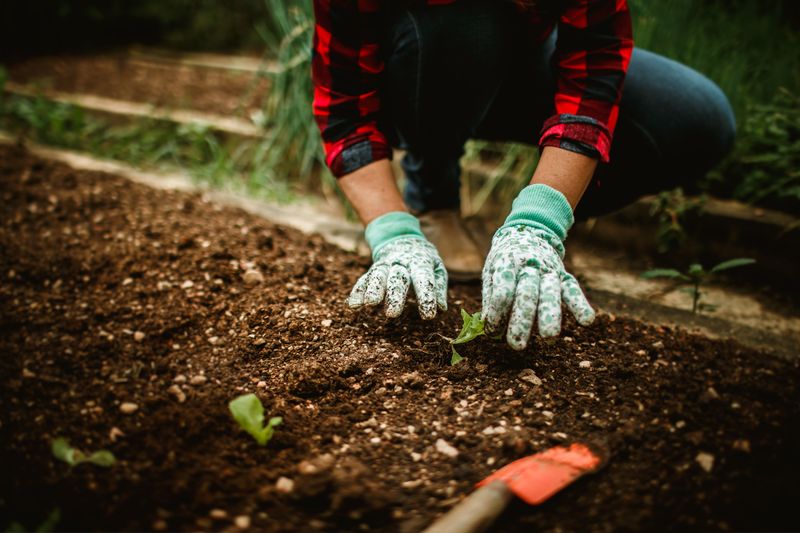
The moment your last cucumber vine quits on you, that empty bed is not a loss. It is an open invitation to plant something delicious for fall.
Succession planting in July is one of the most satisfying July tasks for Missouri gardeners because you keep the harvest going right through the first frost.
Kale, spinach, arugula, and lettuce all thrive when started in late July for fall harvests. These cool-season crops actually taste sweeter after a light frost touches them.
Count back from your average first frost date, which falls around mid-October for central Missouri. Add the days to maturity listed on the seed packet to find your last safe sowing date.
Prepare the bed by pulling spent plants and loosening the top few inches of soil. A light compost topdressing gives new seedlings an immediate nutrient boost.
Water the seeded area twice daily until germination. July heat dries soil out fast, and moisture is critical during those first fragile days of sprouting.
Shade cloth stretched over new beds noticeably lowers soil temperature. Cooler soil dramatically improves germination rates for cool-season crops started in summer heat.
Radishes and turnips are fast producers that fit perfectly into small gaps left by finished crops. Radishes can go from seed to table in under a month, while turnips take a bit longer.
Keep a written log of what you sow, where, and when. This record becomes priceless when planning next July’s succession schedule.
Fall harvests feel like a bonus round, and the work you put in now makes every crisp autumn salad taste like a well-earned reward.
8. Keeping Garden Records For Fall Planning
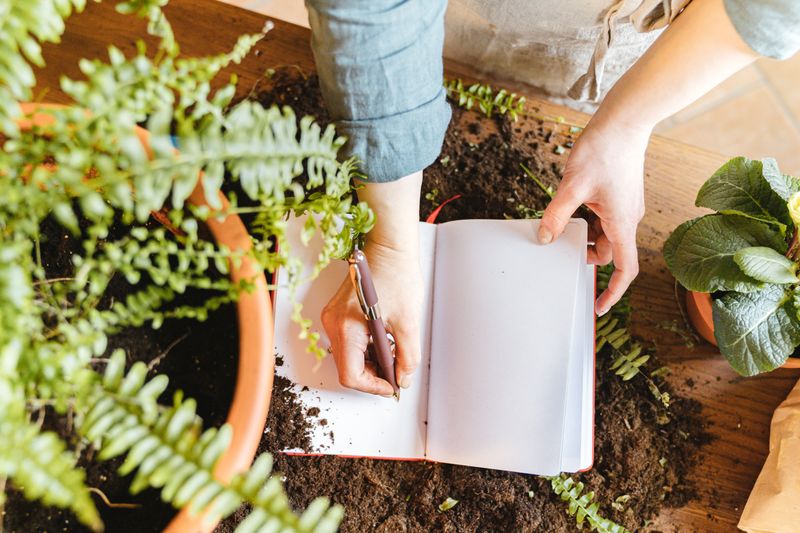
Memory is a terrible garden planner. You will not remember in November which tomato variety crushed it and which one sulked all season.
Keeping records in July, while everything is actively growing, captures details that fade fast once the garden winds down in fall.
Write down what you planted, where it went, and how it is performing right now. Note pest problems, disease outbreaks, and which areas struggled with drainage or shade.
Photograph your beds weekly throughout July. Side-by-side photos from different weeks show growth progress and help you spot problems before they spiral.
Track your watering and fertilizing schedule too. Patterns in your notes often reveal why one section thrived while another barely survived the summer.
Record harvest dates and yields for every crop you pick. This data tells you whether a variety is worth growing again or if it is time to try something new.
Note which weeds showed up repeatedly in specific beds. Persistent weeds often signal soil compaction, drainage issues, or pH imbalances worth addressing before fall planting.
Jot down seed sources and purchase dates for every variety you grew. Knowing where to reorder your favorite performers saves scrambling time next winter.
A simple spiral notebook works fine, but apps like Garden Plan Pro make organizing notes and photos even easier. Choose whatever system you will actually use consistently.
These July tasks for Missouri gardeners are most powerful when paired with honest records that guide smarter decisions every season going forward.