A Moth With A Taste For One Very Specific Massachusetts Shrub Just Jumped To A New Zip Code
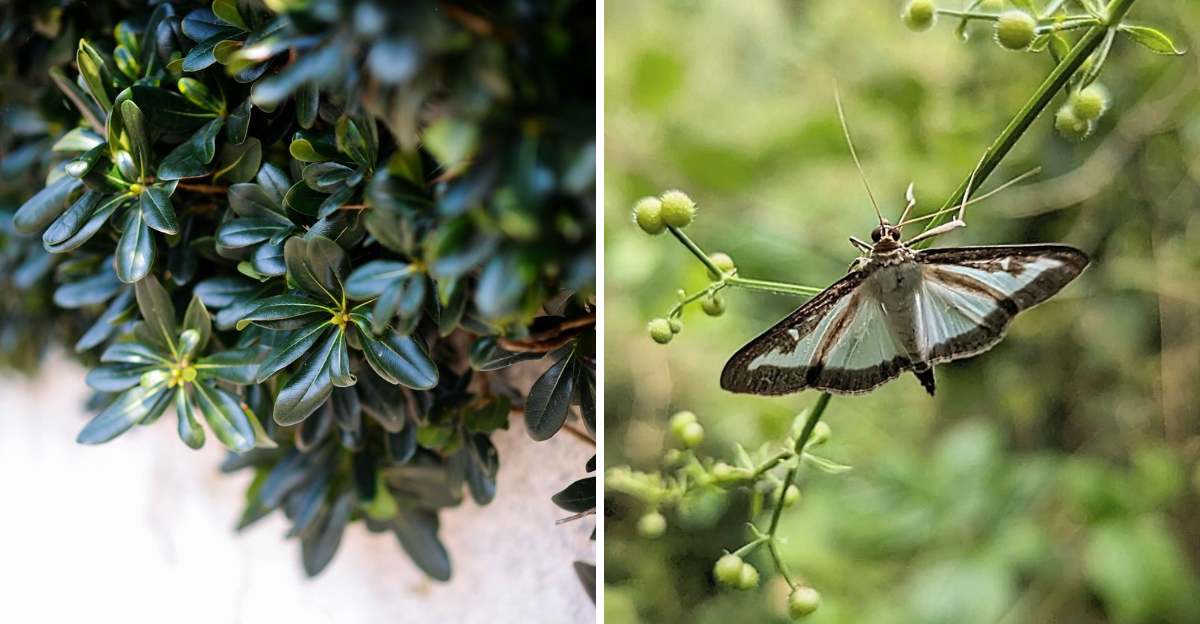
A tiny newcomer just reached Massachusetts, and it wants your boxwood. You might not notice right away. Leaves thin out quietly, then branches go bare.
This pest, known as the box tree moth, moves with real speed. Hedges you shaped over years can empty within weeks.
Massachusetts officials already confirmed its presence, and neighboring states are watching closely now.
Your shrubs might look healthy today, but looks mislead. Caterpillars settle deep inside dense leaves, chewing unseen. Webbing wraps quietly around your branches, hiding damage beneath.
Experts warn this pest breeds fast and spreads faster. Every boxwood owner faces an important decision.
Waiting costs time nobody gets back. Nobody wants to watch a prized hedge thin out completely.
Spotting signs early changes everything. Protection starts with knowing exactly what to look for.
Delay will not help a single branch. Answers wait ahead, and your hedge needs them before it’s too late.
What The Box Tree Moth Actually Is
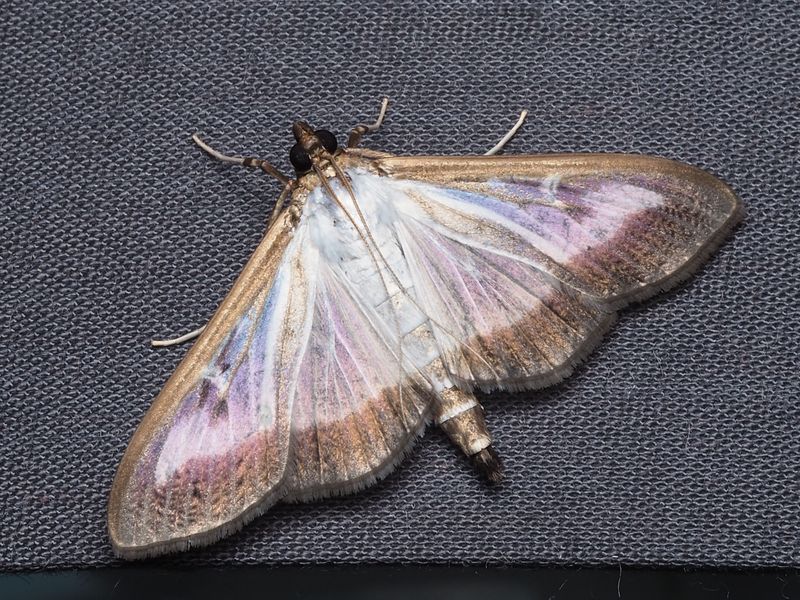
Picture a small white moth with crisp brown edges on its wings, hovering around your garden at dusk. That is the box tree moth, and it is more damaging than it appears.
Scientifically known as Cydalima perspectalis, this invasive species originally came from East Asia. It hitched rides on ornamental plant shipments, first confirmed in Canada in 2018, then in the United States in New York in 2021.
The adult moth itself does not cause direct damage to your boxwood shrubs. The real troublemakers are its caterpillars, which hatch hungry and eat almost nonstop.
Each female can lay hundreds of eggs on boxwood leaves during her short lifetime. Those eggs hatch quickly, and the feeding cycle begins almost immediately after.
The moth has already spread through parts of Canada and several U.S. states, including New York and Connecticut. Now Massachusetts homeowners are seeing confirmed sightings in new zip codes, prompting closer monitoring.
Pest experts describe the box tree moth as one of the most damaging boxwood pests currently found in North America. Understanding what it is gives you the first real advantage in fighting back.
Why Boxwood Shrubs Are Its Only Target
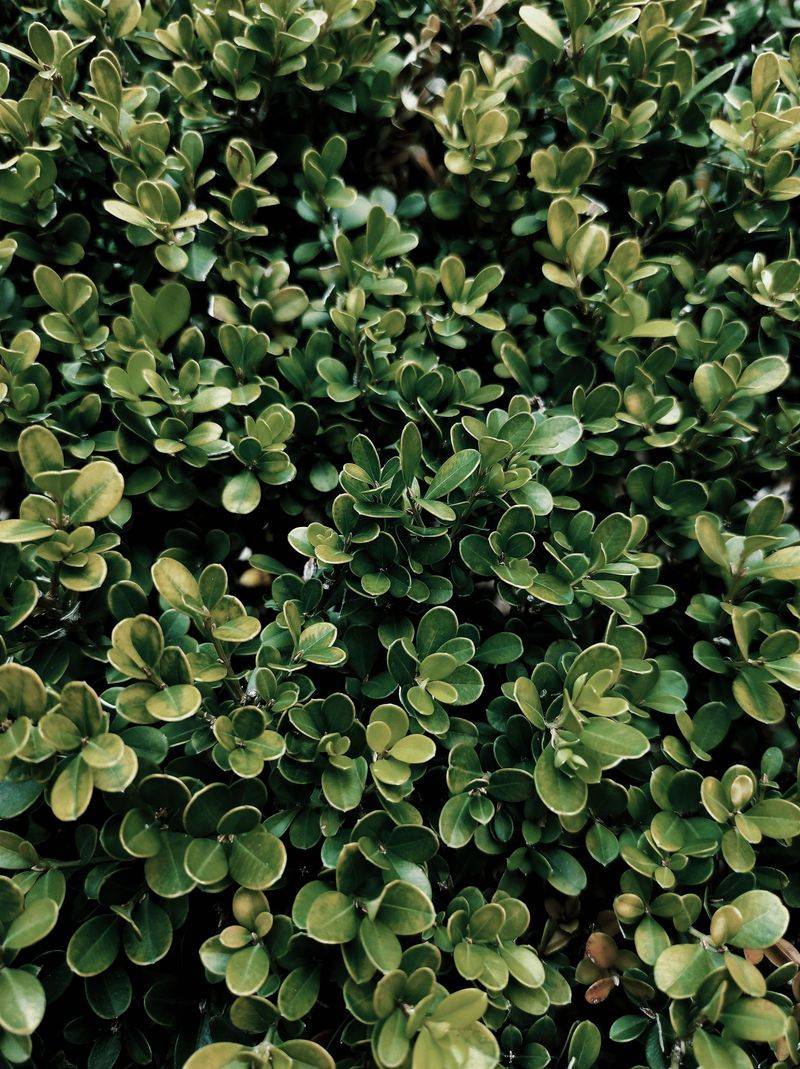
Boxwood shrubs have one big problem: they are the box tree moth’s absolute favorite food. The caterpillars will not settle for roses, azaleas, or any other common garden plant.
Scientists believe this extreme preference is linked to specific chemical compounds found only in boxwood leaves. Those compounds actually attract the larvae rather than repel them, which is the opposite of how most plants defend themselves.
Boxwood, known botanically as Buxus, has been a staple of American landscaping for centuries. Homeowners prize it for its dense, evergreen shape and its ability to hold a clean trimmed edge year-round.
That popularity is exactly what makes the box tree moth so dangerous in a new region. Millions of boxwood plants grow in yards, parks, and formal gardens across the Northeast.
When a pest specializes in one plant, it spreads quickly through any area where that plant is common. Think of it as a buffet that never runs out of food.
Your Massachusetts Garden Changes Every Week. Your Plan Should Too.
Gardening in Massachusetts changes quickly throughout the season. Every Friday you’ll receive a simple weekly plan showing exactly what to plant, prune, fertilize, harvest, and protect so you never miss the right timing.
For gardeners with multiple boxwood plants, the risk multiplies with every shrub in the yard. One infested plant can serve as a launch pad for caterpillars moving to the next one in line.
Protecting your boxwood starts with understanding why it is so attractive to this particular pest. That knowledge helps you take smarter, more targeted action before damage gets out of hand.
How The Moth Spread Across Massachusetts Towns
The box tree moth did not arrive in Massachusetts by flying across the Atlantic. It traveled through the nursery trade, hidden inside potted boxwood plants shipped from infested regions.
Once a single infested plant enters a garden center, the spread becomes almost automatic. Shoppers bring home those plants without knowing tiny eggs or larvae are already on the leaves.
From there, adult moths emerge, mate, and begin laying eggs on nearby boxwood plants in the neighborhood. A single season can turn one infested shrub into a neighborhood-wide problem.
State agricultural officials first detected the moth in Massachusetts a few years ago in limited areas. Since then, confirmed locations have grown, and the newest zip code on the list is drawing serious attention from regulators.
Nursery inspections have become stricter as a result of this spread. Some plant shipments have been quarantined or rejected to slow the pest’s movement through commercial channels.
Gardeners who swap cuttings or share potted boxwood with friends can also unknowingly move the pest. That kind of casual plant sharing is one of the hardest transmission routes to control.
Tracking the spread matters because it helps officials focus resources where they are needed most. Every new zip code added to the confirmed list is a signal to nearby homeowners to start watching their shrubs closely.
Signs Of Infestation Homeowners Should Watch For
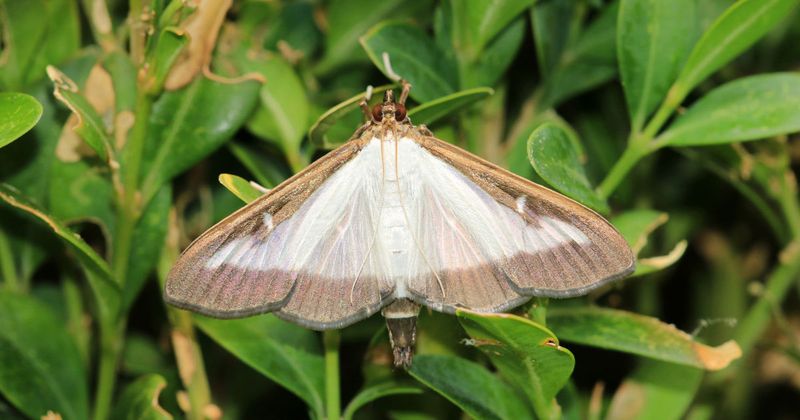
Catching an infestation early is the single best thing a homeowner can do for their boxwood. The signs are visible if you know exactly what to look for.
Start by checking the inner branches of your boxwood shrubs, not just the outer surface. Caterpillars tend to feed from the inside out, which means damage often hides before it becomes obvious.
Look for thin, papery webbing stretched between branches near the center of the plant. That silky material is a strong indicator that caterpillars are actively feeding inside the shrub.
You might also spot small green or yellow-green caterpillars with distinctive black stripes running along their bodies. These larvae can grow up to about an inch and a half long as they mature.
Yellowing leaves that drop out of season are another red flag worth investigating. Healthy boxwood holds its color, so sudden discoloration during the growing season is a warning sign.
Check the undersides of leaves for flat, pale yellow egg clusters laid in overlapping rows. Finding eggs means the infestation is in its earliest stage, which is the best time to act.
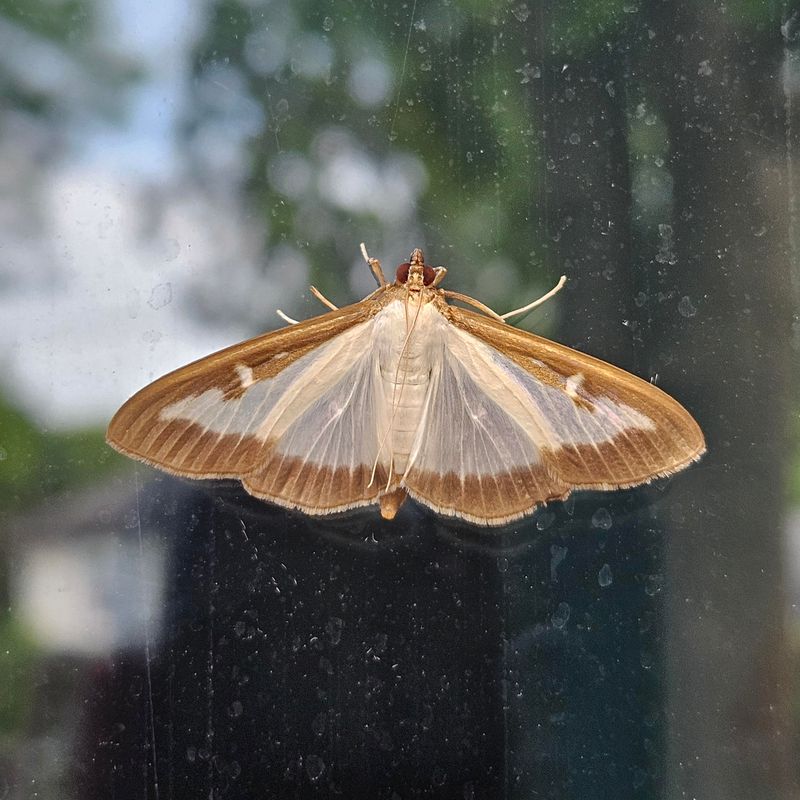
Adult moths are most active at night and are attracted to light sources near your home. Spotting the white-winged adults near outdoor lights in summer is a reason to inspect your boxwood the very next morning.
Damage This Pest Causes To Boxwood Hedges
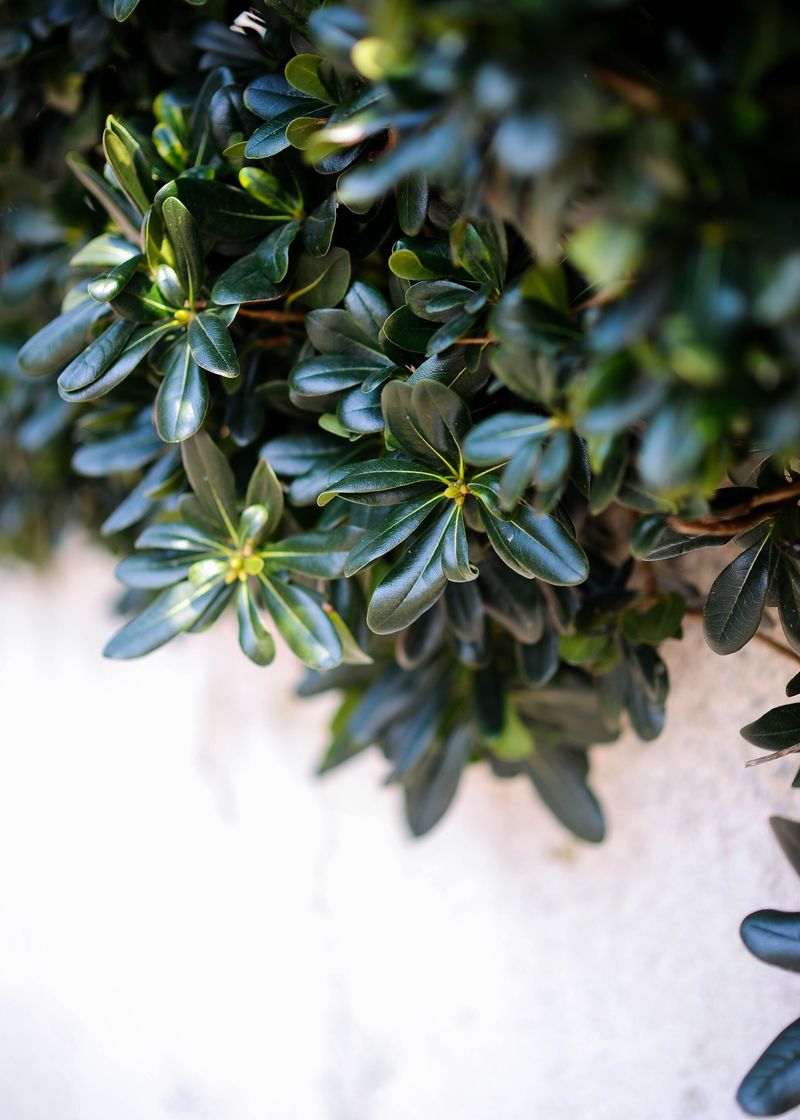
The damage a box tree moth infestation causes can be extensive, especially when a mature hedge is left with little live growth.
Caterpillars consume both the green leaf tissue and the thin bark layer on young stems. That dual feeding strips the plant of its ability to photosynthesize and transport nutrients.
In heavy infestations, an entire boxwood hedge can be defoliated within a single growing season. What took years to grow into a beautiful, shaped hedge can look skeletal in just a few weeks.
Repeated defoliation weakens the shrub’s root system over time. A plant that loses its leaves multiple seasons in a row struggles to store enough energy to survive winter.
Even partially damaged boxwood becomes more vulnerable to secondary problems like fungal infections and drought stress. A weakened plant is an open invitation for other issues to pile on.
Formal gardens, historic properties, and homes with mature boxwood topiaries face the highest stakes. Replacing decades-old boxwood specimens is expensive, time-consuming, and sometimes simply not possible.
The economic impact extends beyond individual yards, too. Nurseries, landscapers, and garden centers in affected areas all feel the financial pressure when a major ornamental plant faces a serious pest threat.
Understanding the full scale of potential damage is a strong motivator to act early. Waiting to see how bad it gets often leads to worse outcomes with this particular pest.
Ways To Report And Treat An Infestation
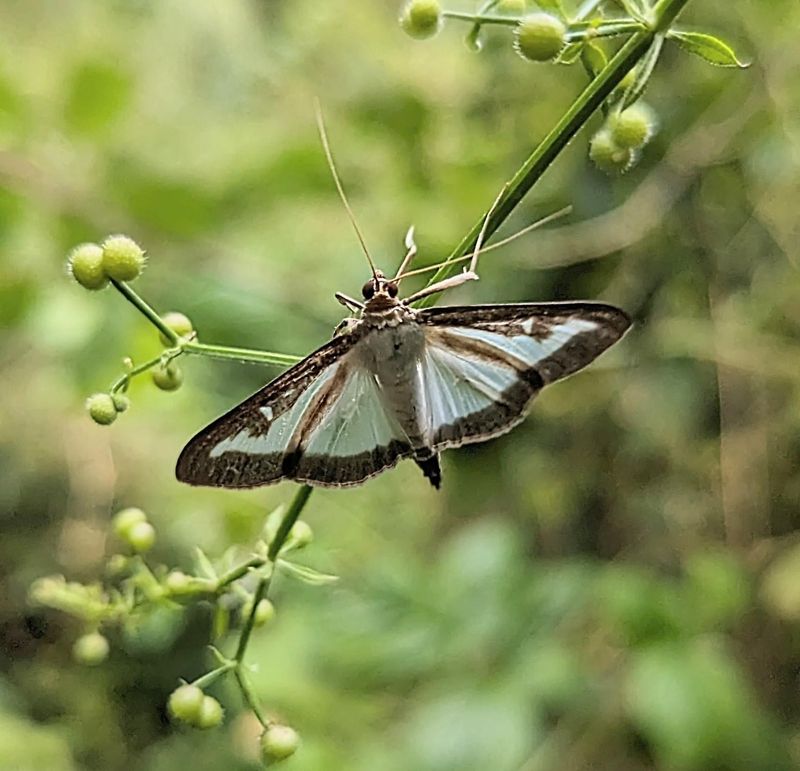
Finding signs of box tree moth in your yard is alarming, but there are clear steps you can take right away. Reporting and treating go hand in hand for the best outcome.
Start by contacting your local cooperative extension office or the state department of agricultural resources. These agencies track confirmed sightings and can send experts to verify what you have found.
You can also report suspected sightings through online tools like the EDDMapS platform, which maps invasive species across North America. Your report helps scientists and officials understand where the pest is moving next.
For treatment, timing matters more than almost anything else. Targeting young caterpillars in late spring gives you the highest chance of stopping damage before it becomes severe.
Biological controls, including a naturally occurring soil bacterium called Bacillus thuringiensis, or Bt, can be highly effective against young larvae. It targets caterpillars specifically without harming bees or other beneficial insects in your garden.
For heavier infestations, licensed pest management professionals may recommend additional insecticide options. Always follow label instructions carefully and consider the impact on pollinators before applying any product.
Removing and bagging heavily infested plant material before treatment can reduce the caterpillar population quickly. Never compost infested clippings, as that can spread eggs or larvae to other parts of your yard.
Staying informed and acting fast gives your boxwood the best chance of surviving this invasive moth’s spread into new Massachusetts zip codes.
What Massachusetts Gardeners Can Do Right Now
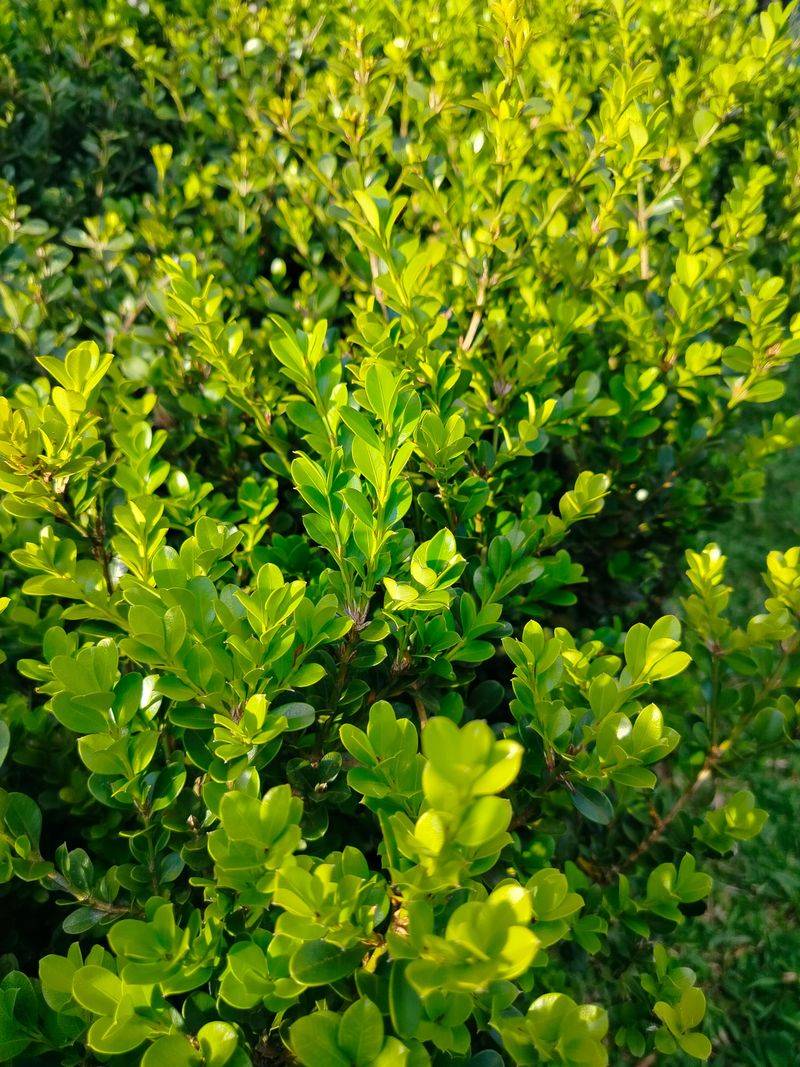
You do not have to wait for an official infestation alert to start protecting your boxwood. Proactive gardeners almost always come out ahead of reactive ones.
Begin with a full inspection of every boxwood plant in your yard this week. Look inside the canopy, check the undersides of leaves, and scan for any webbing or unusual discoloration.
If you have recently purchased boxwood from a nursery, isolate those new plants for a few weeks before placing them near established shrubs. That simple quarantine step can prevent a new problem from spreading.
Avoid buying boxwood plants from sources outside your immediate region unless you can verify they come from a certified pest-free nursery. Buying local reduces the risk of introducing infested material to your landscape.
Connect with neighbors who also grow boxwood and share what you have learned about this threat. A neighborhood that watches together catches problems faster than any individual homeowner acting alone.
Consider diversifying your landscape with boxwood alternatives if you are planning new plantings. Shrubs like inkberry, Japanese holly, or native alternatives can provide similar structure without the same vulnerability.
Stay subscribed to alerts from the Massachusetts Department of Agricultural Resources for updated zip code information. New confirmed locations are added regularly as monitoring efforts expand across the state.
Protecting your boxwood from the box tree moth is absolutely possible with the right knowledge and a little consistent attention to your garden.