The Outdoor Lighting Trend Massachusetts Homeowners Are Obsessed With This Summer
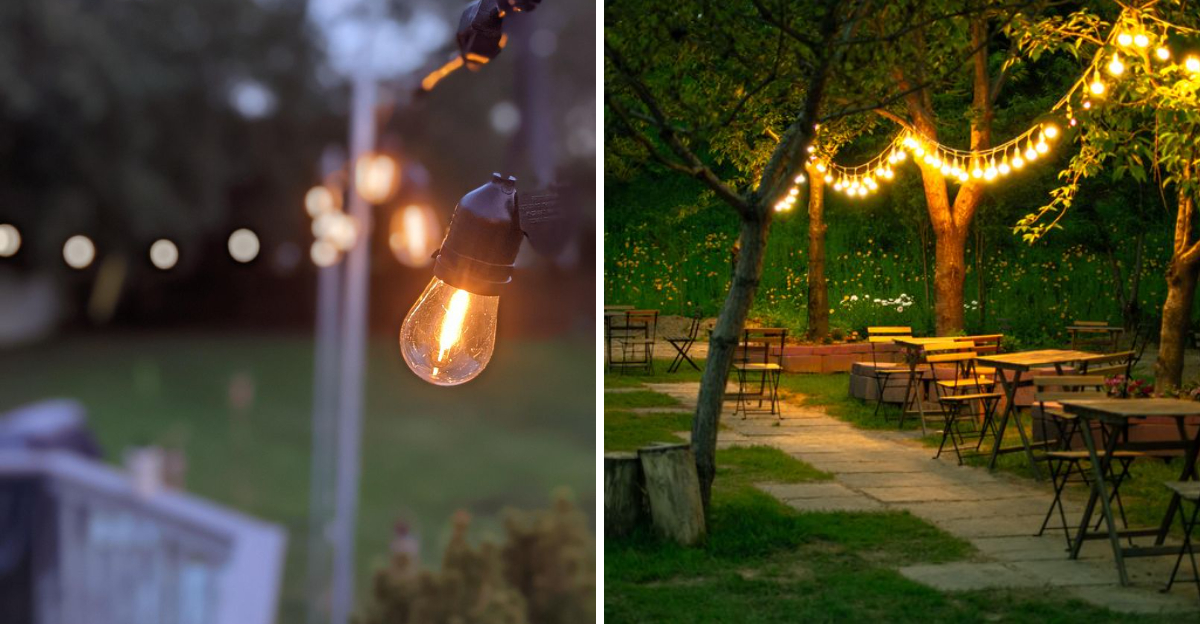
Darkness used to end your evening early. Now Massachusetts backyards stay bright long after sunset.
Homeowners across the entire state are reshaping what nighttime outside means. Layers of light replace that plain bulb by your door.
Shadows become intentional instead of accidental. Pathways glow, patios shimmer, and your tree line catches color.
Cape Cod porches feel cinematic once the sun drops. Suburban lots near Boston suddenly rival professional showrooms.
Every fixture placement changes how safe you feel outside. Comfort now competes directly with curb appeal.
Massachusetts nights are becoming an extension of your living room. Nobody wants a single floodlight disrupting that atmosphere anymore.
Your yard becomes a stage, and you control every scene. Warm bulbs replace clinical white without dimming the drama.
Design choices now decide whether guests linger or leave. Trends spread fast once a single lawn leads. Everything happening next depends entirely on what you choose tonight.
Layered Landscape Lighting Is Spreading Across Massachusetts Backyards
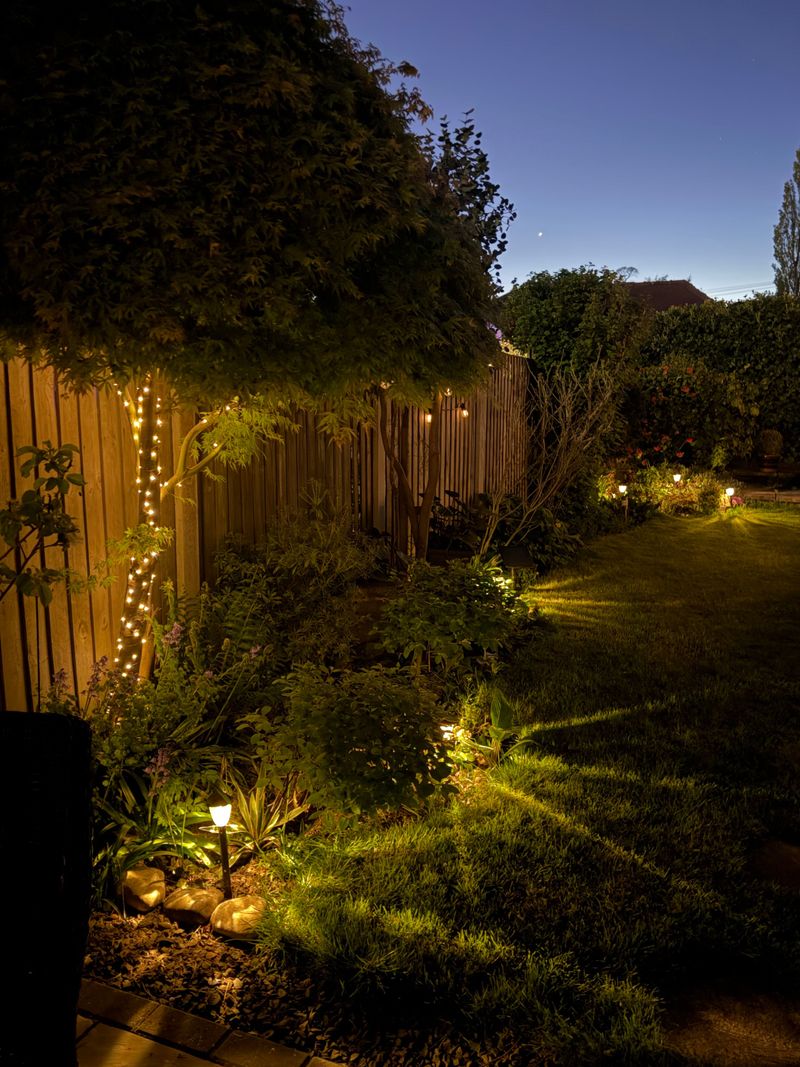
Walk outside at 9 p.m. and your yard glows like a magazine cover. That is exactly what layered landscape lighting delivers, and Bay State homeowners have widely embraced it.
Layered lighting means combining different light sources at different heights. You mix ground level path lights with mid level wall fixtures and high up uplighting on trees or structures.
The outdoor lighting trend Massachusetts homeowners are chasing this summer is not just one fixture. It is a whole system working together in a coordinated way.
Each layer serves a purpose. Path lights keep walkways safe. Uplights create drama. Ambient overhead lights set the mood for entertaining.
Think of it like interior design but for your lawn. A single overhead bulb inside a room feels flat, and the same rule applies outside.
Adding depth through layers makes the space feel intentional and polished. Homeowners commonly say guests seem to stay outside longer once the space feels well lit.
Coastal towns like Gloucester and Rockport appear to be embracing this trend quickly. Homeowners near the water love how warm light reflects off garden beds and stone paths.
Inland suburbs seem to be catching up as well, with more well lit yards appearing in towns like Newton, Lexington, and Needham. Many contractors describe rising interest in layered lighting since last spring.
Once you see a layered yard at night, a single floodlight can feel outdated by comparison. Your backyard may benefit from a similar upgrade.
Why Homeowners Are Moving Lighting Into The Design Plan Early
Most people used to think about lighting last, almost like an afterthought after the plants were in. That approach is changing fast across the state this summer.
Savvy homeowners are now calling their lighting designers before the sod goes down. Planning early means wires get buried cleanly and fixtures get placed perfectly the first time.
Retrofitting lights into an existing yard is messy and expensive. Trenching through established garden beds can damage roots and cost twice as much as planning ahead.
Your Massachusetts Garden Changes Every Week. Your Plan Should Too.
Gardening in Massachusetts changes quickly throughout the season. Every Friday you’ll receive a simple weekly plan showing exactly what to plant, prune, fertilize, harvest, and protect so you never miss the right timing.
Early planning also means better fixture placement. A designer can study how sunlight moves through your yard and decide exactly where shadows fall at night.
The outdoor lighting trend Massachusetts pros are seeing includes clients who now treat lighting like plumbing. It goes into the plan from day one, not as an afterthought.
Budget efficiency is another big reason for early planning. When electricians and landscapers coordinate, labor costs drop significantly.
Homeowners who plan early also get to choose fixtures that match their home’s architecture. A Craftsman bungalow deserves different lanterns than a modern farmhouse.
Fixture selection is genuinely fun when you have time to browse. Rushing the decision at the end of a project often leads to mismatched or underwhelming results.
Designers say the conversations are also more creative when lighting is part of the original vision. You can plan for seasonal changes and future additions more easily.
Starting early is the smartest move you can make for your outdoor space. Your future self, sitting outside on a warm July night, will thank you.
Path Lights Step Lights And Uplighting Working Together
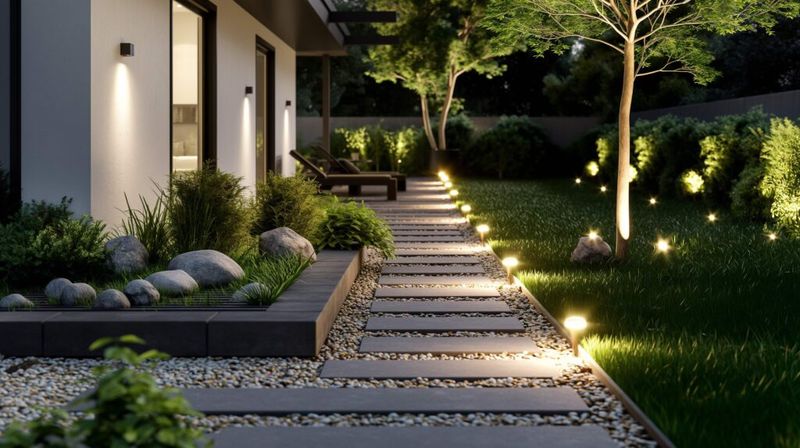
Picture a stone path glowing softly as you walk toward the front door. Add lit steps leading to the deck and a towering oak bathed in warm light. That combination is highly effective.
Path lights are the foundation of any layered system. They guide movement, prevent trips, and add a welcoming glow that greets guests before they even knock.
Step lights are an easily overlooked but important detail in outdoor design. Recessed into risers, they remove dangerous shadows on stairs and look incredibly sleek at the same time.
Uplighting is where things get dramatic. Aimed at trees, shrubs, or architectural features, upward facing fixtures create depth and visual height that transforms an ordinary yard.
When all three work together, the effect is layered and rich. Your eye moves naturally from ground to mid level to canopy, just like a well composed painting.
Warm white bulbs in the 2700K to 3000K range work best for residential yards. They feel cozy and inviting rather than harsh or clinical.
Spacing matters more than most people realize. Path lights placed too close together look like a runway. Spacing them 8 to 10 feet apart is a common design guideline for a natural, elegant rhythm.
Step lights should be staggered on alternating sides of the staircase. This creates a balanced look and removes blind spots between treads.
For uplighting, less is more. Choose two or three focal trees rather than lighting every plant in the yard.
Restraint creates sophistication. Get this trio right and your yard becomes a more inviting space to spend time in after dark.
Smart Controls Are Making This Trend Even More Popular
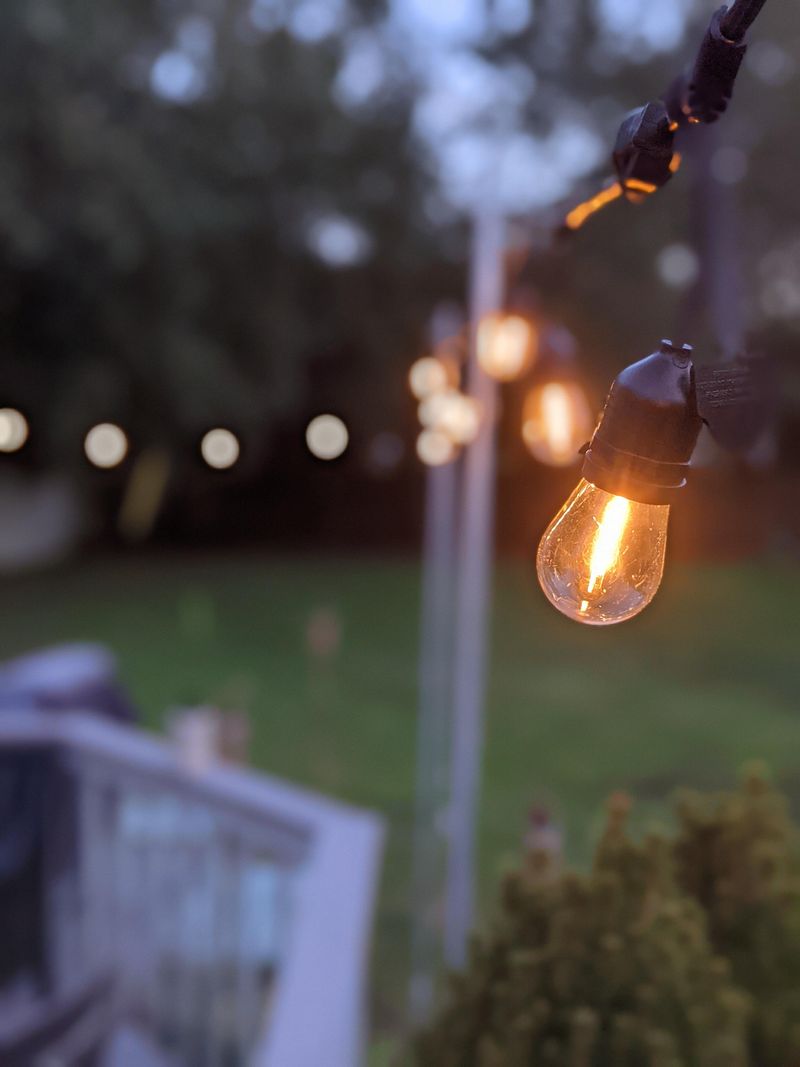
Tap your phone and your entire backyard lights up on a schedule. Smart lighting controls have made this trend easier to maintain day to day.
Wireless systems from brands such as Lutron, Kichler, and FX Luminaire generally let homeowners adjust brightness, color temperature, and timing remotely, though features vary by model and should be confirmed with the manufacturer.
Automation is a meaningful convenience for busy families. Program the path lights to turn on at sunset and the patio lights to dim at 10 p.m. without touching a switch.
Motion sensors add a layer of security that standard timers cannot match. A light that flicks on when someone approaches a dark corner is both practical and reassuring.
Integration with systems like Google Home or Amazon Alexa makes control even simpler. Voice commands work surprisingly well for outdoor zones when the system is set up correctly.
Energy savings are a real benefit of smart controls. Dimming fixtures can meaningfully reduce electricity use over a full season.
Color tunable systems let you shift from warm amber in summer to a cooler tone in fall. The same fixtures can feel completely different with a simple app adjustment.
Some systems include sunrise and sunset data built into the scheduling software. Your lights adjust automatically as the days grow shorter through August and September.
Many contractors describe smart controls as an increasingly common request in new lighting projects. Homeowners love the convenience as much as the aesthetic results.
Once you control your yard with a phone, a manual switch can feel outdated by comparison. This is a worthwhile upgrade to consider for your outdoor space.
How This Trend Extends Outdoor Living Into Fall
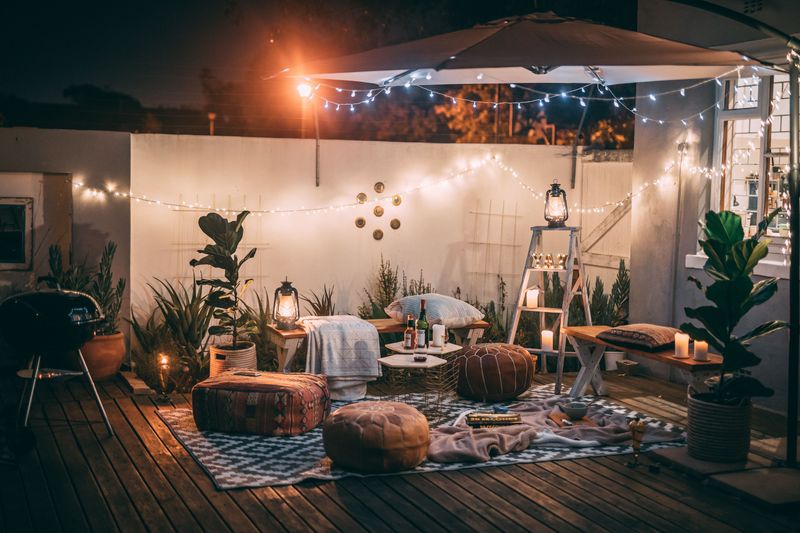
Summer nights in New England end fast. By mid-September, darkness falls earlier in the evening, and an unlit yard often goes unused until spring.
Good lighting changes that equation entirely. A well lit backyard stays usable well into October, giving you weeks of extra outdoor time that most neighbors miss.
Fall foliage looks breathtaking under warm uplighting. Maple trees in Concord or Deerfield glow warmly when amber toned fixtures hit their red and orange leaves from below.
String lights over a patio create a canopy effect that feels especially cozy as temperatures drop. Add a fire pit nearby and you have a fall hangout spot that rivals any indoor room.
The outdoor lighting trend Massachusetts homeowners are embracing is really about extending the season. Investing in a quality system pays off not just in summer but through Thanksgiving.
Heating elements and blankets help, but lighting is what makes people actually want to go outside. Darkness is a common reason patios go unused in September.
Solar fixtures struggle in fall because daylight hours shrink. Low voltage wired systems stay consistent regardless of how cloudy or short the days become.
Hosting a fall gathering outside becomes genuinely appealing with the right setup. Guests feel comfortable staying later when the space is warm toned and well defined by light.
Think of fall lighting as a return on your summer investment. The system you built for July pays dividends all the way through leaf raking season. Shorter days are not a reason to go inside. They are a reason to light up and stay out longer.
What To Consider Before Adding Lighting To Your Own Yard
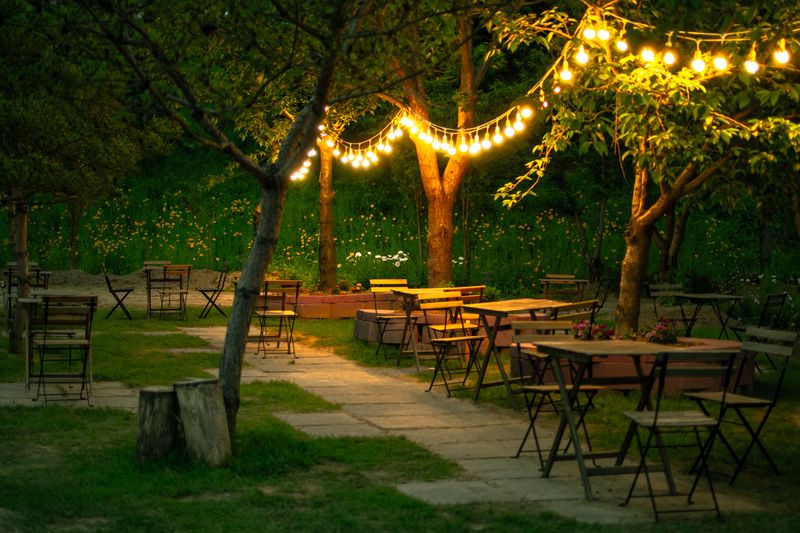
Before you order a single fixture, walk your yard at night with your phone flashlight. Notice which areas feel unsafe, which corners are totally dark, and where guests tend to gather.
That nighttime walk is your free design consultation. It tells you exactly where light is needed and where it would be wasted.
Budget is the next honest conversation to have with yourself. A basic path lighting system typically starts in the low thousands, depending on your location and provider.
A full layered design with smart controls can cost significantly more, depending on scope and provider.
Neither number is wrong. It all depends on your yard size, fixture quality, and how much of the work a licensed electrician handles versus a landscaper.
Low voltage systems are safe for DIY installation, but trenching and transformer sizing still require careful planning. Mistakes in wiring can cause flickering, outages, or fixture damage.
Hiring a certified outdoor lighting professional saves headaches. Look for someone with experience in residential landscape projects and ask to see photos of completed night time work.
Fixture quality matters more than most buyers expect. Cheap brass or plastic fixtures corrode quickly in New England winters. Solid brass or marine grade stainless holds up far better over time.
Check local codes before starting. Some towns have restrictions on light intensity near property lines or in historic districts. A quick call to your town hall saves future headaches.
The outdoor lighting trend Massachusetts homeowners are following is built on thoughtful planning. A little research now leads to a system you will love for a decade or more.
Your yard has potential you have never seen after dark. Start planning and discover what it looks like lit up properly.