Never Harvest Wet North Carolina Tomatoes After A Storm Or You Will Spread Disease
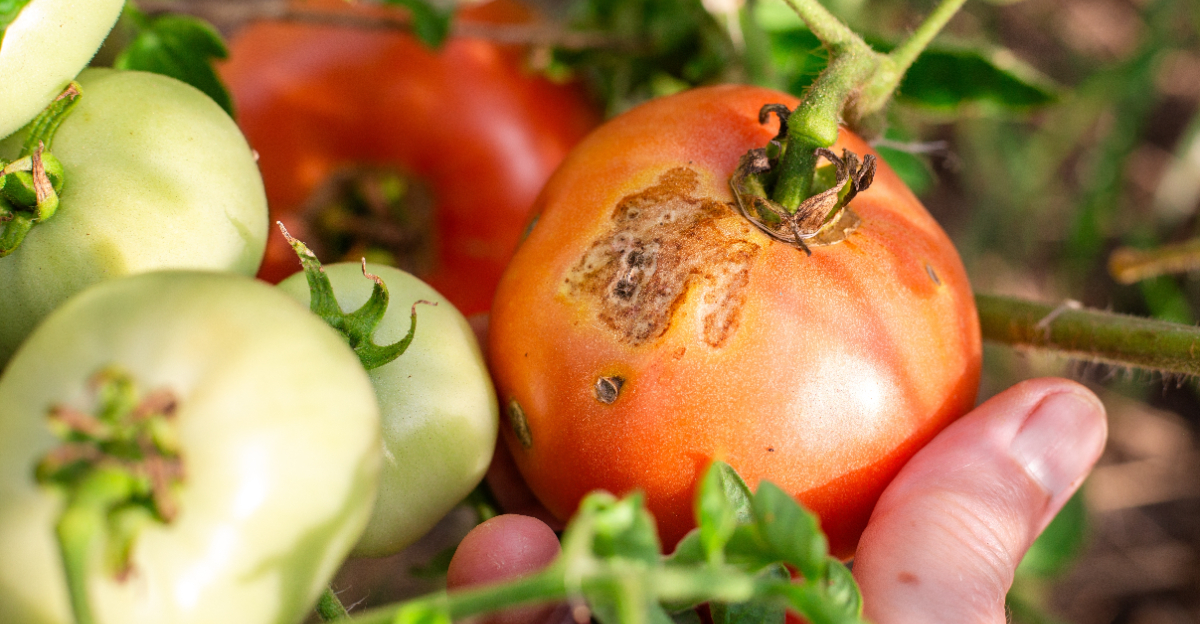
Rain leaves more than puddles behind on your tomato vines. Wet leaves carry bacteria and fungal spores that hitch a ride the instant your fingers brush against them.
North Carolina humidity after a storm creates exactly the conditions pathogens crave. Moisture trapped between leaves acts like a highway straight into your healthiest fruit.
Gardeners across North Carolina lose entire harvests simply because they couldn’t resist picking too soon after a downpour. Patience costs nothing, while a rushed harvest can unravel an entire season.
Timing separates a thriving patch from a ruined one, and few growers realize how narrow that window is. Touching wet foliage spreads pathogens faster than sunlight can dry them out.
What you do inside those wet vines right now sets the course for the rest of your harvest.
Why Wet Foliage And Fruit Turn Into A Disease Highway
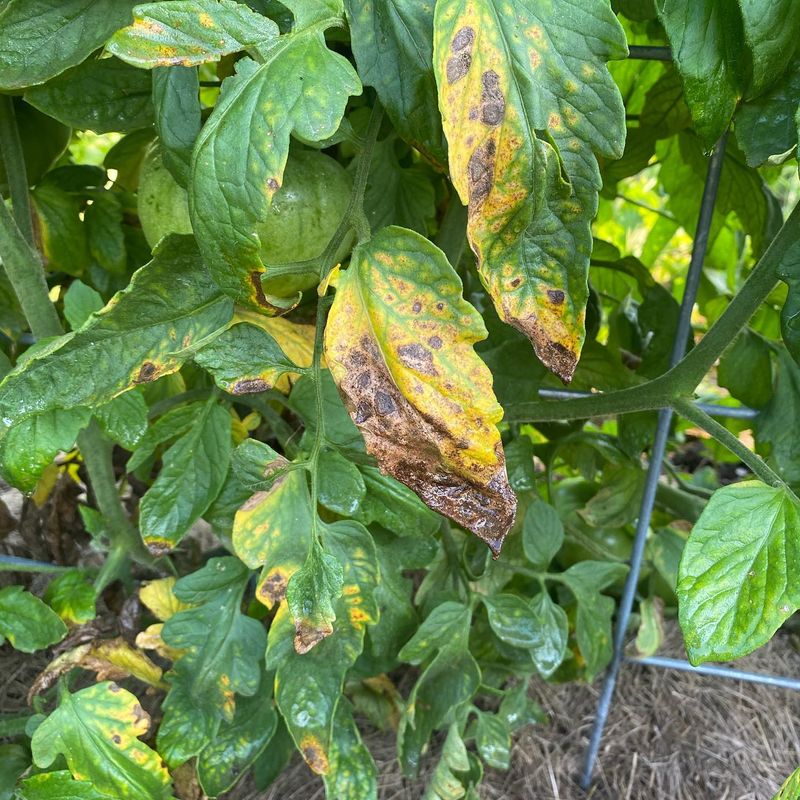
Water carries disease from plant to plant faster than almost anything else in the garden. When rain coats your tomato leaves and fruit, bacteria and fungal spores float freely in that thin film of moisture.
Every drop that splashes from one leaf to another carries potential pathogens along for the ride. Your garden becomes a fast-moving pathway for infection the moment that storm rolls through.
Tomato plants in warm, humid climates like North Carolina face this risk constantly during summer. The combination of heat and moisture creates a paradise for pathogens that attack both leaves and fruit.
Bacterial spot, early blight, and anthracnose all thrive in wet conditions. They travel faster on soaked plants than on dry ones, making timing critical for any gardener who wants a healthy harvest.
Even a light rain is enough to activate dormant spores sitting on the soil surface. Those spores splash upward onto lower leaves, then spread higher with each additional drop.
The disease highway gets wider every minute you wait to address it. Stepping into the garden while plants are still dripping only adds your hands, shoes, and tools to the list of carriers moving infection from row to row.
The safest approach treats the post-storm garden as off-limits until it dries. Smart gardeners avoid touching or picking anything until conditions dry out enough to stop the spread.
How Bacterial Spot Spreads From Leaf To Leaf On Your Hands
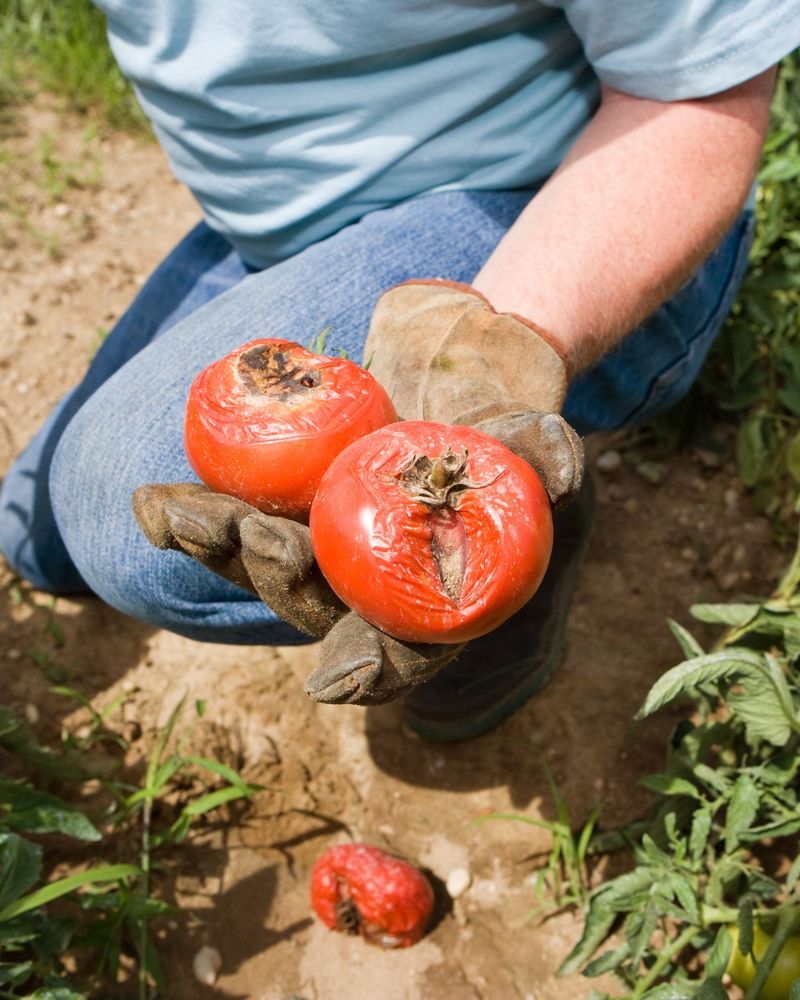
Your hands are one of the most dangerous tools in a wet garden. Bacterial spot, caused by Xanthomonas bacteria, spreads almost instantly through hand contact on wet foliage.
When you brush a diseased leaf, the bacteria transfer to your skin or gloves within seconds. Then every healthy leaf you touch afterward becomes a new infection site.
Bacterial spot creates small, dark, water-soaked lesions on tomato leaves and fruit. Those spots may look minor at first, but they spread quickly and weaken the plant’s ability to produce healthy tomatoes.
The bacteria enter plants through natural openings and wounds, especially ones created by storm damage. Rain-battered plants already have tiny tears in their tissue, making them even more vulnerable to infection after a storm.
Your North Carolina Garden Changes Every Week. Your Plan Should Too.
Gardening in North Carolina changes quickly throughout the season. Every Friday you’ll receive a simple weekly plan showing exactly what to plant, prune, fertilize, harvest, and protect so you never miss the right timing.
NC State Extension reports that bacterial spot is one of the most common and destructive tomato diseases in the Southeast. Warm temperatures combined with frequent rain create near-perfect conditions for outbreaks across the state each summer.
Once bacterial spot establishes itself in a garden, it is extremely difficult to eliminate. Prevention through dry-weather harvesting is far easier than managing an active outbreak.
Wearing gloves does not fully protect your plants if you move from plant to plant without washing them. Gloves can carry just as much bacteria as bare hands, especially when they are damp from contact with wet foliage.
Waiting until plants dry before harvesting is one of the most effective defenses against hand-to-leaf bacterial transfer.
What Anthracnose Looks Like Once It Takes Hold On Fruit
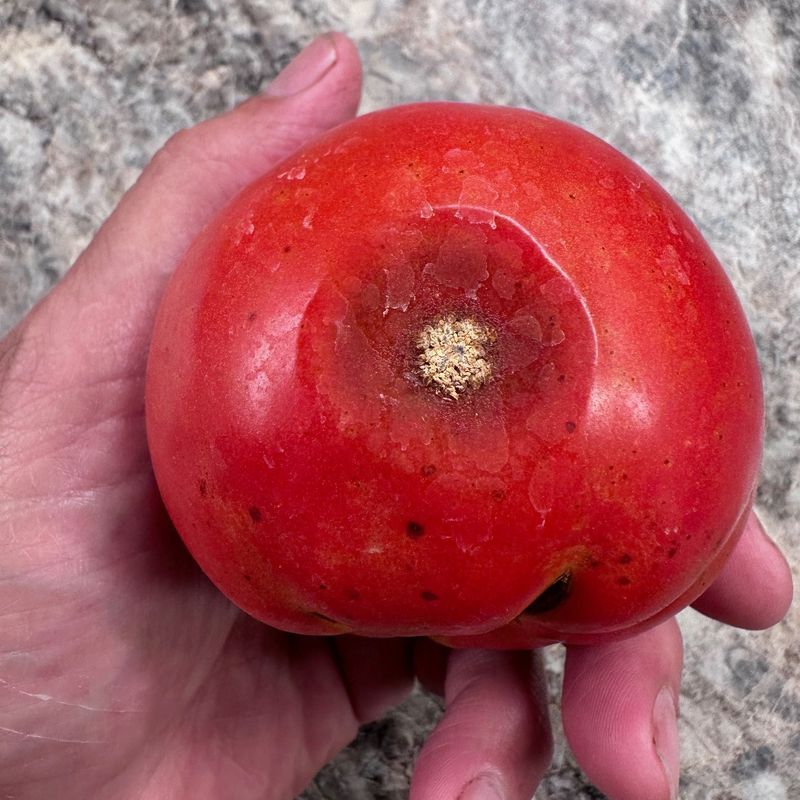
Anthracnose creeps into ripe tomatoes slowly, often unnoticed until it’s too late. At first, you might notice a small, sunken circular spot on the fruit skin that looks almost harmless.
Within days, that spot darkens and grows wider, developing a slightly concave shape with a water-soaked appearance around the edges. By the time most gardeners notice it, the damage is already deep inside the fruit.
The fungus responsible, Colletotrichum coccodes, lives in the soil and on infected plant debris. It splashes upward during rain events and lands directly on developing or ripe fruit near the ground.
Warm, wet weather after a storm is the ideal launch pad for an anthracnose explosion in your garden. Fruit that sits in contact with wet soil or low-hanging wet foliage is especially at risk after heavy rainfall.
Infected tomatoes look fine on the outside at first, which makes the problem sneaky. You might harvest what looks like a perfect tomato, only to find a rotting interior after a day on the counter.
Picking fruit from wet plants after a storm accelerates the spread of this fungus across your entire crop. Handling infected fruit and then touching healthy ones moves fungal spores efficiently from tomato to tomato.
One reliable way to recognize anthracnose early is to check the bottom of your tomatoes regularly. Catching those first small sunken spots quickly gives you a chance to remove infected fruit before the problem multiplies throughout the patch.
How Long To Wait Before It’s Safe To Pick Again
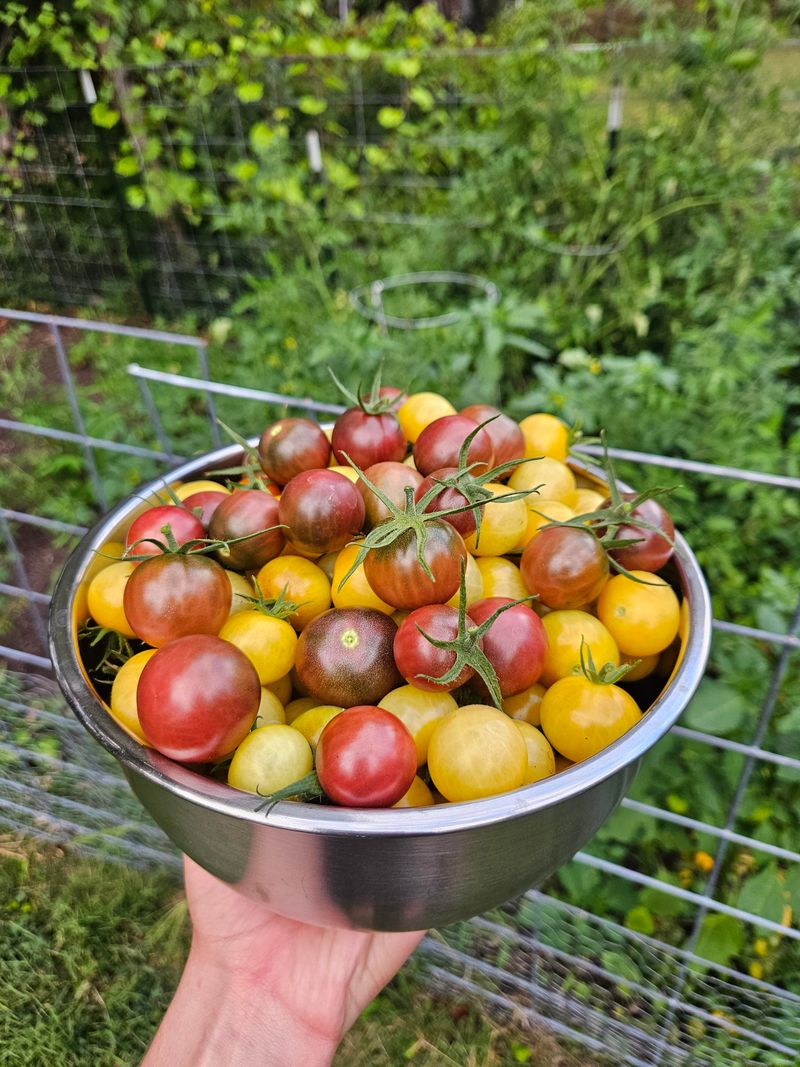
Patience after a storm is one of the best gardening tools you own. Most plant disease experts recommend waiting at least 24 to 48 hours after rain before handling your tomato plants again.
That waiting period allows surface moisture to evaporate from leaves, stems, and fruit. Dry plant surfaces dramatically reduce the ability of bacteria and fungal spores to move around your garden.
The exact drying time depends on several factors specific to your yard. Humidity levels, wind, sun exposure, and how dense your tomato canopy is all affect how quickly plants shed moisture after a storm.
On a breezy, sunny North Carolina afternoon, plants can dry out within a few hours after light rain. After a heavy overnight storm, full drying might take until the following afternoon or even longer in shaded or low-airflow areas.
A simple touch test works well for gauging readiness. Run the back of your hand gently along a few leaves near the middle of a plant, and if they feel cool and damp, the garden is not ready for harvest yet.
Morning dew adds another layer of complication on top of storm moisture. Even if rain stopped the night before, early morning condensation can keep plants wet enough to spread disease until mid-morning or later.
Timing your harvest for midday or early afternoon on a dry day gives you the best conditions. Picking fruit before the morning dew burns off is a mistake even experienced gardeners make.
Harvesting Techniques That Limit Contact With Wet Plants
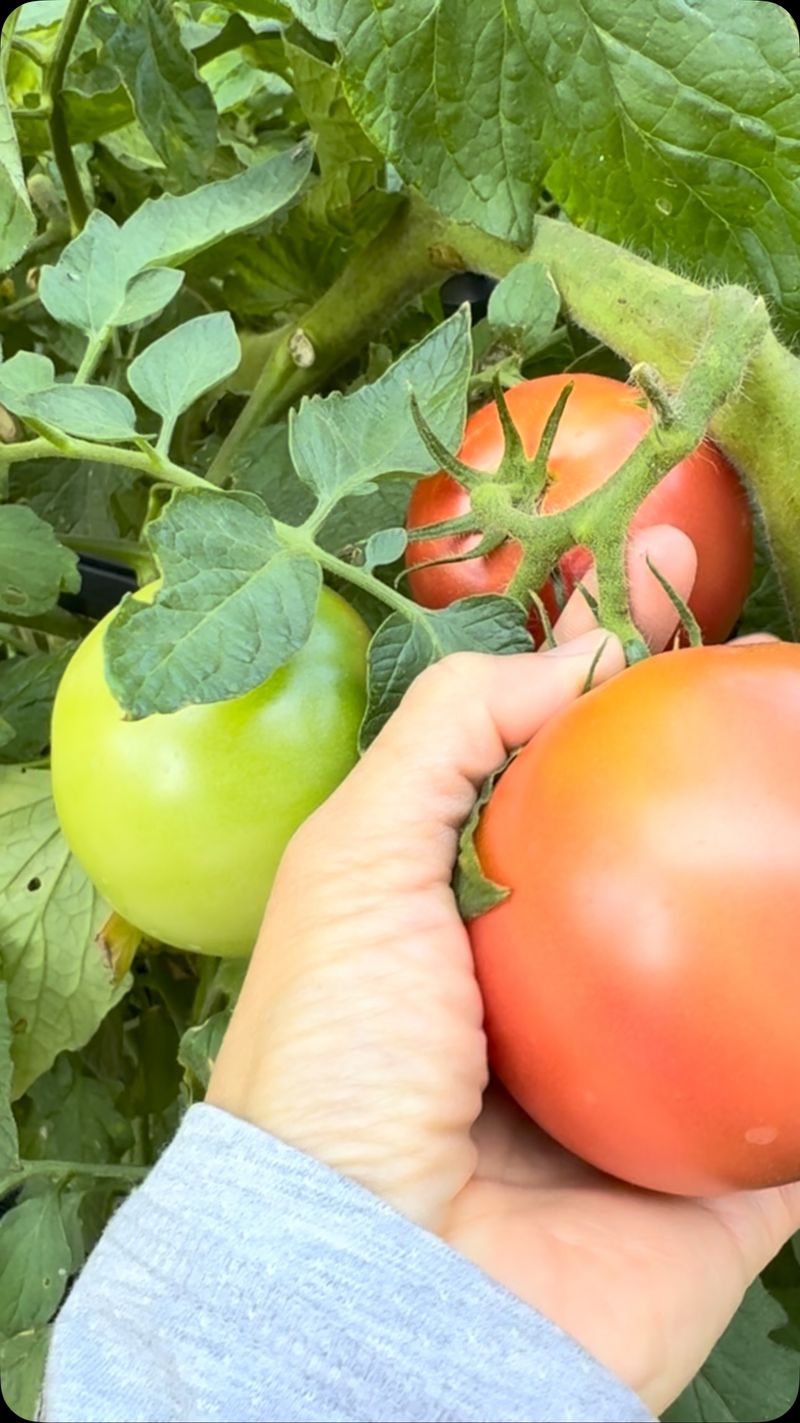
Even when conditions are not perfect, smart technique can reduce disease risk significantly. The goal is to touch as little of the plant as possible while removing fruit cleanly and quickly.
Use two fingers to grip the tomato near the stem and twist gently rather than pulling downward. Pulling forces you to press against nearby leaves and branches, spreading whatever is on the plant surface to your hands.
Reach into the canopy from the side rather than from above. Coming in from the side lets you see exactly what you are touching and helps you avoid brushing multiple leaves unnecessarily.
Wear nitrile gloves rather than cloth ones when harvesting in borderline conditions. Nitrile does not absorb moisture or harbor bacteria the way fabric gloves do, making cleanup between plants faster and more effective.
Avoid leaning your body against the plants as you work. Shirts and pants that brush wet foliage become disease carriers just like hands do, and you will drag pathogens from row to row without realizing it.
Harvest from the healthiest-looking plants first and move toward any that show signs of disease last. This order prevents you from carrying infection from a sick plant to a healthy one on your tools or clothing.
Keep a bucket or tray nearby so harvested fruit never touches the ground. Setting tomatoes directly in the soil, even briefly, exposes them to soil-borne fungi that cause anthracnose and other post-harvest rots in your storage area.
Cleaning Tools And Hands Between Rounds In The Garden
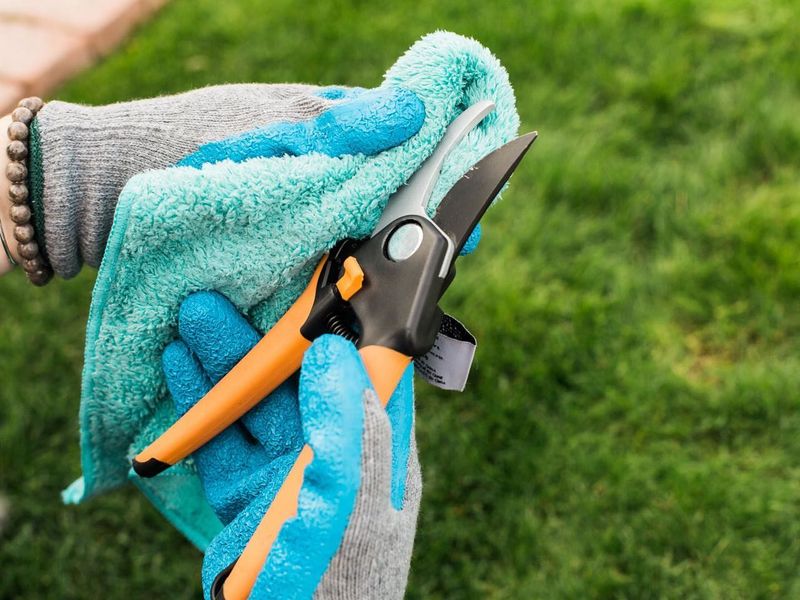
A dirty pair of pruning shears can infect multiple healthy plants in a single pass through the garden. Tool sanitation between garden rounds is one of the most overlooked steps in disease prevention for home tomato growers.
A simple solution of one part bleach to nine parts water works well for disinfecting metal tools between uses. Dip the blades, wipe them dry, and you have removed the majority of bacterial and fungal material that could transfer to the next plant.
Isopropyl alcohol at 70 percent concentration is another fast option for tool cleaning in the field. Keep a small spray bottle in your harvest basket so you can disinfect shears or knives without walking back to the house between rows.
Hand washing matters just as much as tool cleaning when working in a wet garden. Soap and water for at least 20 seconds removes most surface bacteria and spores that accumulate during handling of wet foliage.
Change gloves between sections of your garden if you notice any diseased plants in one area. Cross-contamination from a single infected row can travel the entire length of your garden on a pair of unwashed gloves.
Your shoes also carry soil-borne pathogens from one bed to another without you noticing. Rinsing boot soles before stepping into a new garden section takes ten seconds and prevents a surprising amount of disease movement.
Protecting your plants from disease starts long before you pick the first fruit. Clean hands, sanitized tools, and smart timing work together to keep your garden healthy through every summer storm season.