Common Fig Tree Mistakes Western Oregon Gardeners Make Every Year
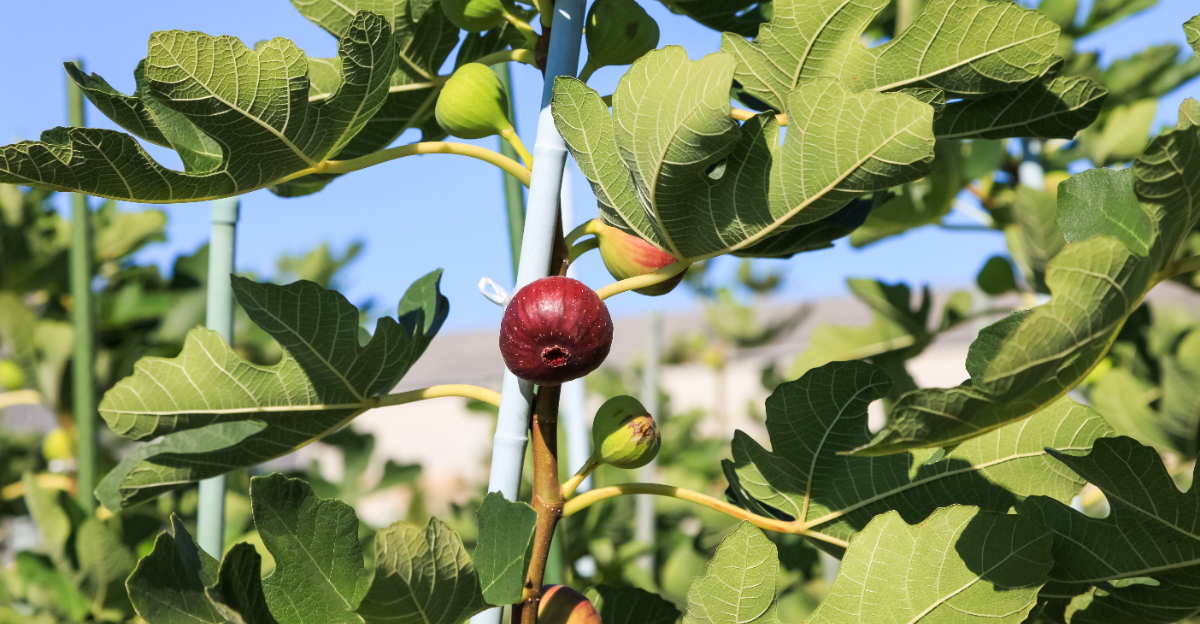
Fig trees have a sneaky way of making gardeners feel confident. Give them a sunny spot, watch those broad leaves unfold, and it is easy to assume the hard part is over.
Then the season moves along, and the tree starts doing something that makes you question every decision you have made since planting it.
Western Oregon adds its own personality to the challenge. Cool springs, dry summers, shifting fall weather, and backyard microclimates can all influence how a fig performs over the course of the year.
Some missteps are obvious right away. Others look completely harmless until fruit stalls, growth gets awkward, or the tree simply fails to deliver the harvest you expected. Fig trees, apparently, enjoy keeping a few secrets.
The frustrating part is that these mistakes can become routine without anyone realizing it. A habit that seems helpful one season may quietly work against the tree the next.
A better fig harvest often starts with noticing the small things. Once those overlooked habits come into focus, the tree can become a lot easier to understand.
1. Planting Figs Where They Do Not Get Enough Sun
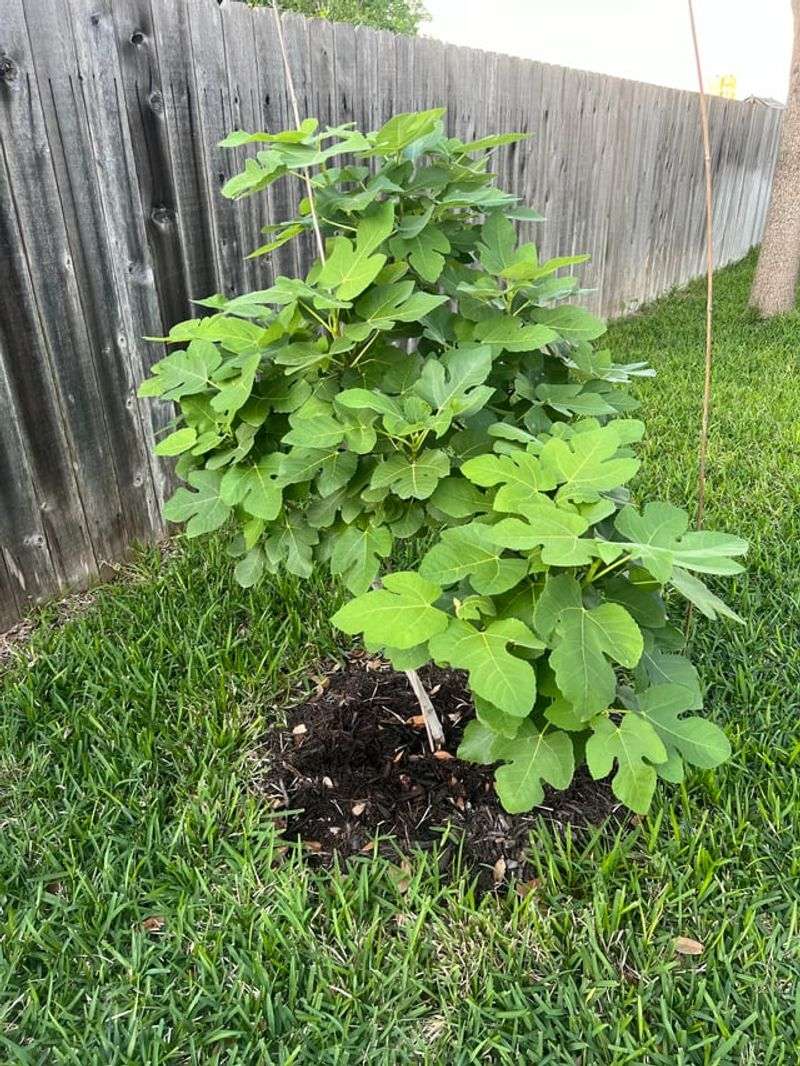
Sun is everything to a fig tree. Without enough of it, your tree will grow slowly, produce very little fruit, and stay weak season after season.
Figs need at least eight hours of direct sunlight daily to thrive, and in our mild Pacific Northwest climate, that number is not flexible.
Many Oregon gardeners plant figs near fences, under roof overhangs, or beside large shade trees without thinking about how much light actually reaches that spot throughout the day.
A location that looks sunny in spring can become shaded by summer when neighboring trees leaf out fully. Always observe your planting site across several hours before committing to it.
South-facing walls and slopes are your best bet. They collect the most heat and light during the day, which helps figs ripen properly even during a cloudy summer.
Brick or concrete walls that absorb warmth and radiate it back at night are especially helpful. Planting against a south-facing wall can extend your effective growing season by several weeks.
If your current tree is in a shaded spot, you may be able to prune surrounding shrubs or trees to open things up. Sometimes even removing one or two large branches from a nearby tree makes a big difference.
Relocating a young fig is also possible if you act before the roots get too established. Getting the sunlight situation right from the start saves you years of frustration and disappointment.
2. Giving Them Too Much Water Once Established
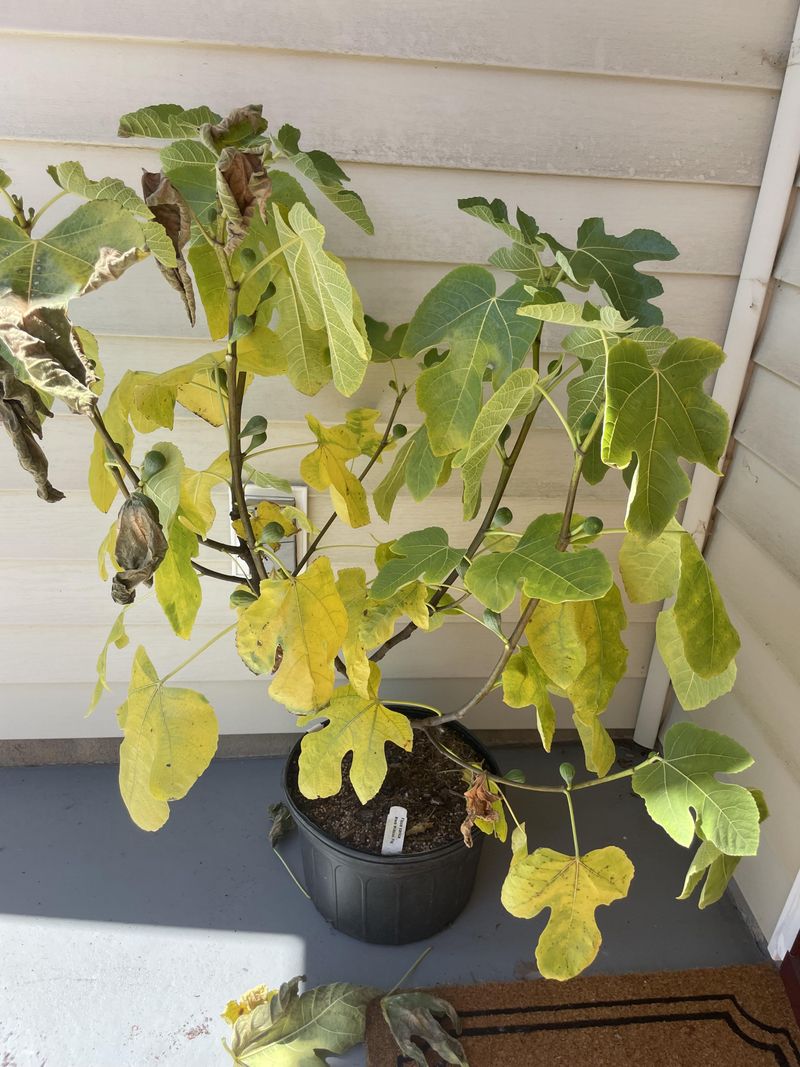
Overwatering is one of the most common mistakes Oregon fig growers make, and it often comes from good intentions. People assume that more water means a healthier tree.
With figs, the opposite is usually true once the tree is established and growing on its own.
Young fig trees do need regular watering during their first one to two growing seasons. After that, they become surprisingly drought-tolerant.
Their deep root systems allow them to find moisture on their own, especially in areas that receive regular rainfall. Watering an established fig too often keeps the soil soggy, which stresses the roots and can lead to poor fruit quality.
Your Oregon Garden Changes Every Week. Your Plan Should Too.
Gardening in Oregon changes quickly throughout the season. Every Friday you’ll receive a simple weekly plan showing exactly what to plant, prune, fertilize, harvest, and protect so you never miss the right timing.
Signs of overwatering include yellowing leaves, soft or mushy fruit, and a general lack of vigor. The tree may look like it needs something, and gardeners often respond by watering more, which only makes things worse.
If your soil stays wet for more than a day or two after rain, you likely do not need to add any extra irrigation.
A good rule of thumb is to water deeply but infrequently during dry summer stretches, about once every ten to fourteen days if there has been no rain. Always check the soil a few inches down before watering.
If it still feels moist, wait a few more days. Figs actually produce sweeter, more flavorful fruit when they experience a little dryness leading up to harvest time.
3. Using Too Much Nitrogen And Getting Leaves Instead Of Fruit
Walk through any garden center and you will find shelves full of fertilizers promising bigger, faster, greener growth.
For many plants, nitrogen-heavy fertilizers are a great choice. For fig trees, they can be a real problem, especially when fruit production is your goal.
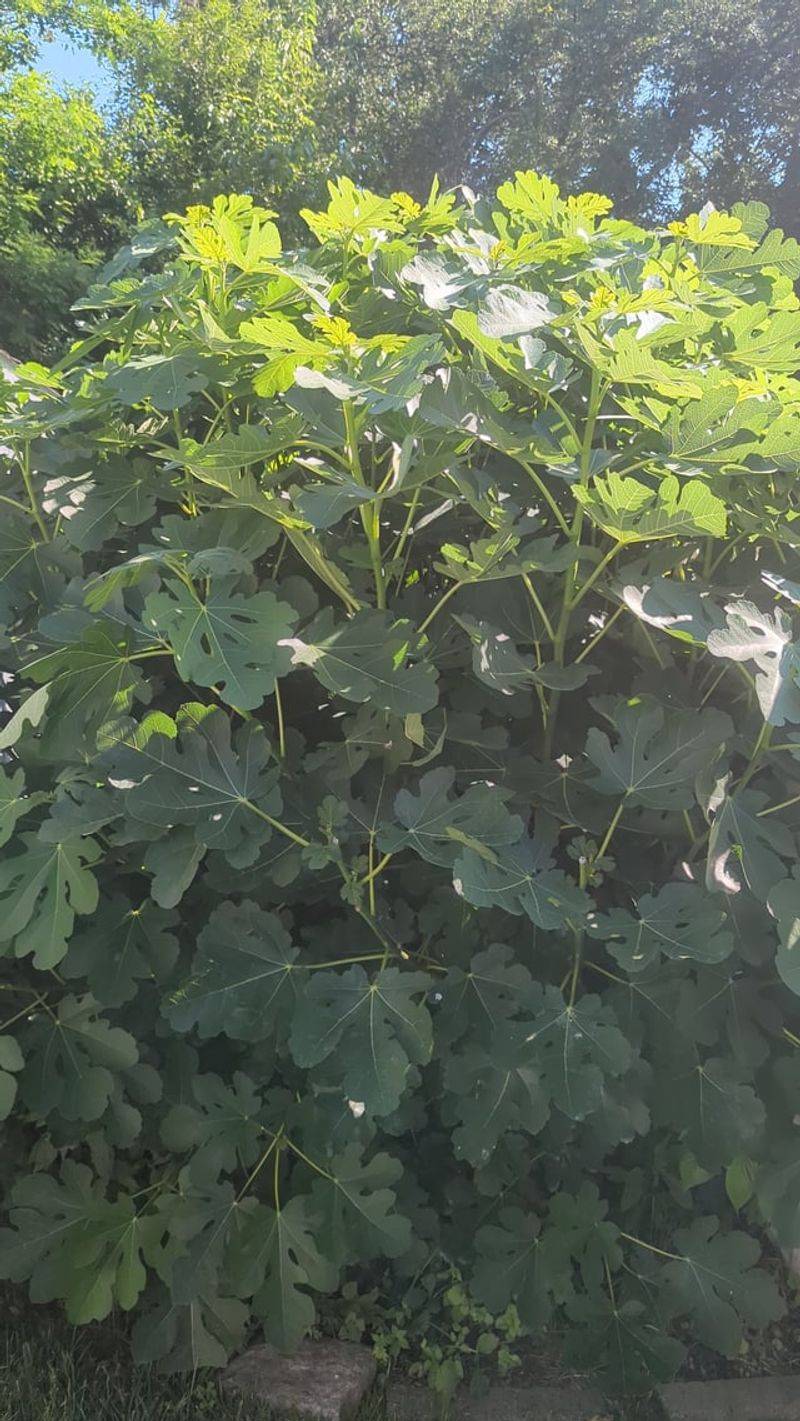
Nitrogen encourages leafy, green growth. That sounds good, but when a fig tree gets too much of it, the tree puts all its energy into making new branches and leaves rather than developing fruit.
You end up with a gorgeous, full-looking tree that produces almost nothing worth eating. Gardeners often blame the weather or the variety when the real culprit is sitting in the fertilizer bag.
Figs generally do not need heavy feeding. In many garden soils, they do just fine with no fertilizer at all.
If your tree is growing well and producing decent fruit, hold off on fertilizing entirely. If growth seems very slow or leaves look pale, a light application of a balanced or low-nitrogen fertilizer in early spring is usually enough.
Compost is a gentler option that feeds the soil without overloading the tree with nitrogen. A few inches of compost worked lightly into the soil around the base each spring provides steady, mild nutrition without pushing the tree into overdrive.
Always look at what your tree is actually doing before reaching for fertilizer. A tree that grows six to twelve inches of new wood per year is healthy and probably does not need any extra feeding.
4. Pruning Too Hard And Removing Productive Wood
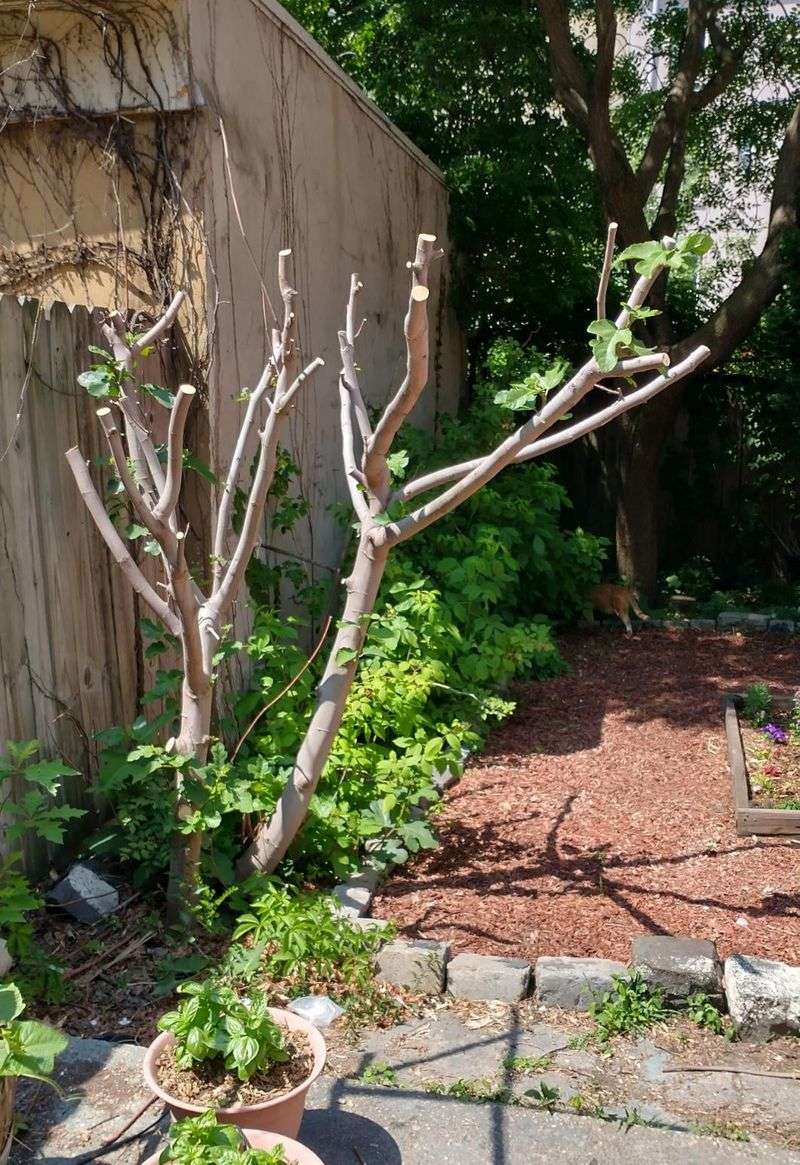
Few gardening tasks cause as much anxiety as pruning, and with fig trees, that anxiety sometimes leads to overcorrection. Some gardeners barely prune at all.
Others go too far and cut back so aggressively that they remove the very wood that would have produced fruit that year.
Figs fruit on two types of wood. Breba figs develop on last year’s growth, while the main crop forms on new wood produced in the current season.
When you cut everything back hard in late winter or early spring, you eliminate the older wood and lose your breba crop entirely.
In cooler climates like western Oregon, the breba crop can actually be more reliable than the main crop, so losing it is a real setback.
Good pruning for figs is mostly about shaping and managing size, not radical reduction. Remove withered, crossing, or inward-growing branches.
Thin out crowded areas to improve air circulation and light penetration. Keep the center of the tree somewhat open so sunlight can reach the inner branches where fruit forms.
Timing matters too. Pruning in late winter just before new growth begins is generally best.
Avoid heavy pruning in fall, which can stimulate tender new growth that gets damaged when cold weather arrives. If your tree has gotten too large, reduce its size gradually over two or three seasons rather than all at once.
Slow, thoughtful pruning preserves productivity and keeps the tree in good shape year after year.
5. Letting Late Fruit Form That Will Never Ripen
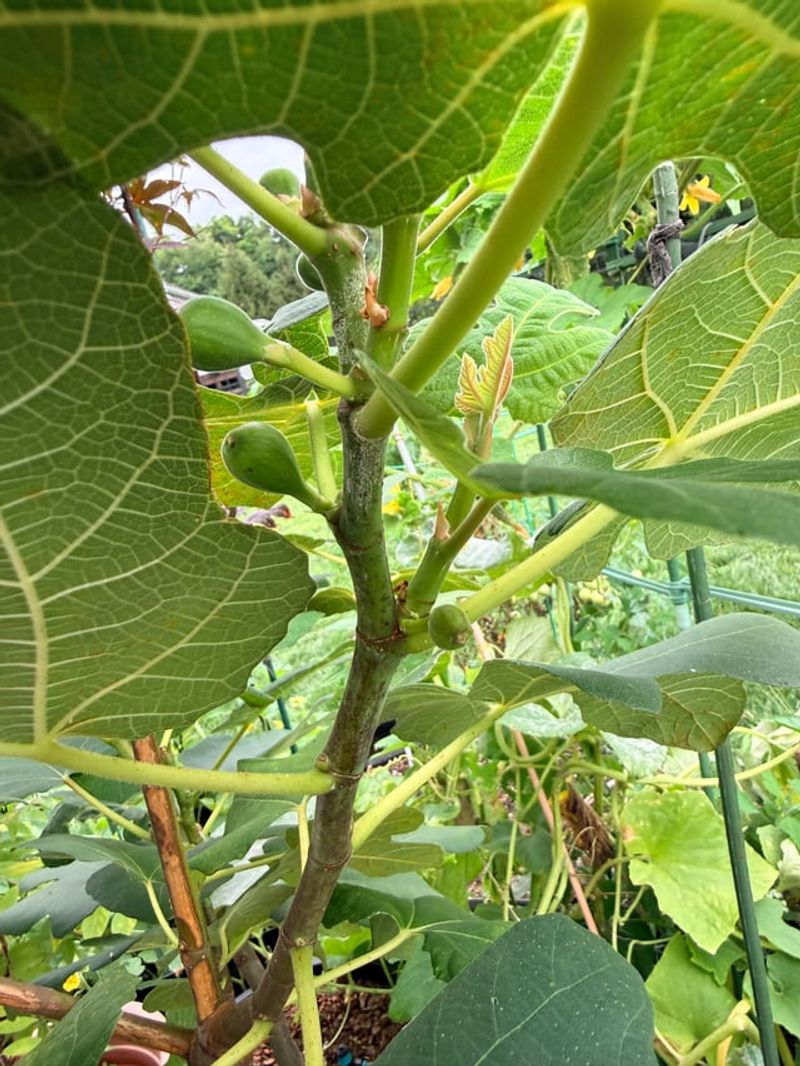
By late summer in Oregon, most fig trees are covered in small green fruits at various stages of development. It can be tempting to leave them all on the tree and hope for the best.
But in cooler climates, many of those late-forming figs simply do not have enough time to ripen before the season ends.
Figs need warmth and time to develop from a small green nub into a soft, sweet, fully ripe fruit. That process can take several weeks.
When figs start forming in August or September, there is a good chance that cool fall weather will arrive before they ever reach maturity. They just sit there, stay green, and eventually fall off or rot when frost comes.
Removing small, late-forming figs in late summer is actually a smart move. When you pinch off the tiny fruits that have no realistic chance of ripening, the tree redirects its energy toward the figs that are already further along in development.
Those closer-to-ripe fruits get bigger, sweeter, and finish faster. Check your tree every week or two starting in mid-August.
Any fig smaller than a marble that appears after that point is unlikely to ripen in time. Pinch those off and let the tree focus on what it can realistically finish.
This simple habit can meaningfully increase the number of ripe, edible figs you harvest before the season closes out. It is one of the easiest improvements you can make with almost no effort.
6. Choosing Varieties That Struggle To Ripen In Cooler Summers
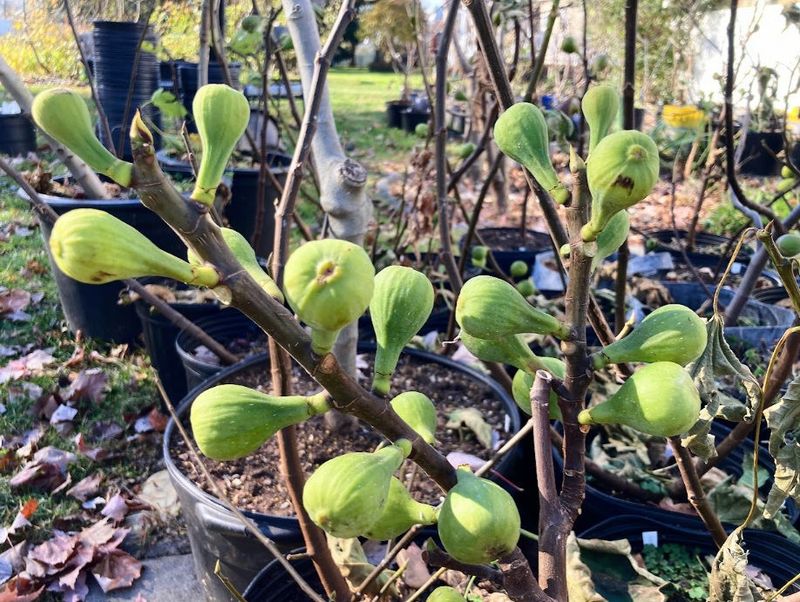
Not all fig varieties are created equal, and this matters a lot when you garden in a region with mild, often overcast summers. Some figs need long, hot growing seasons to ripen properly.
Plant one of those varieties in a cool climate and you will be waiting for ripe fruit that never quite arrives.
Varieties like Brown Turkey, Desert King, and Lattarula tend to perform much better in the Pacific Northwest than varieties bred for the heat of California or the Mediterranean.
Desert King, in particular, is known for producing a reliable breba crop early in the season, which is a real advantage when your summer warmth is limited and unpredictable.
Choosing the right variety from the start makes everything easier. The problem is that many nurseries and online retailers sell popular varieties without specifying whether they are suited to cooler climates.
A fig that is described as productive and delicious may have been tested in a much warmer region.
Always look for variety recommendations from local Oregon gardening groups, extension services, or gardeners in your specific area before buying.
If you already have a variety that consistently fails to ripen its main crop, consider whether the breba crop is at least reliable. If even that is underwhelming, it might be time to replace the tree with a more suitable variety.
Matching your plant to your actual climate is one of the most powerful things you can do to improve your results without changing anything else about how you garden.
7. Ignoring Cold Damage After A Harsh Winter
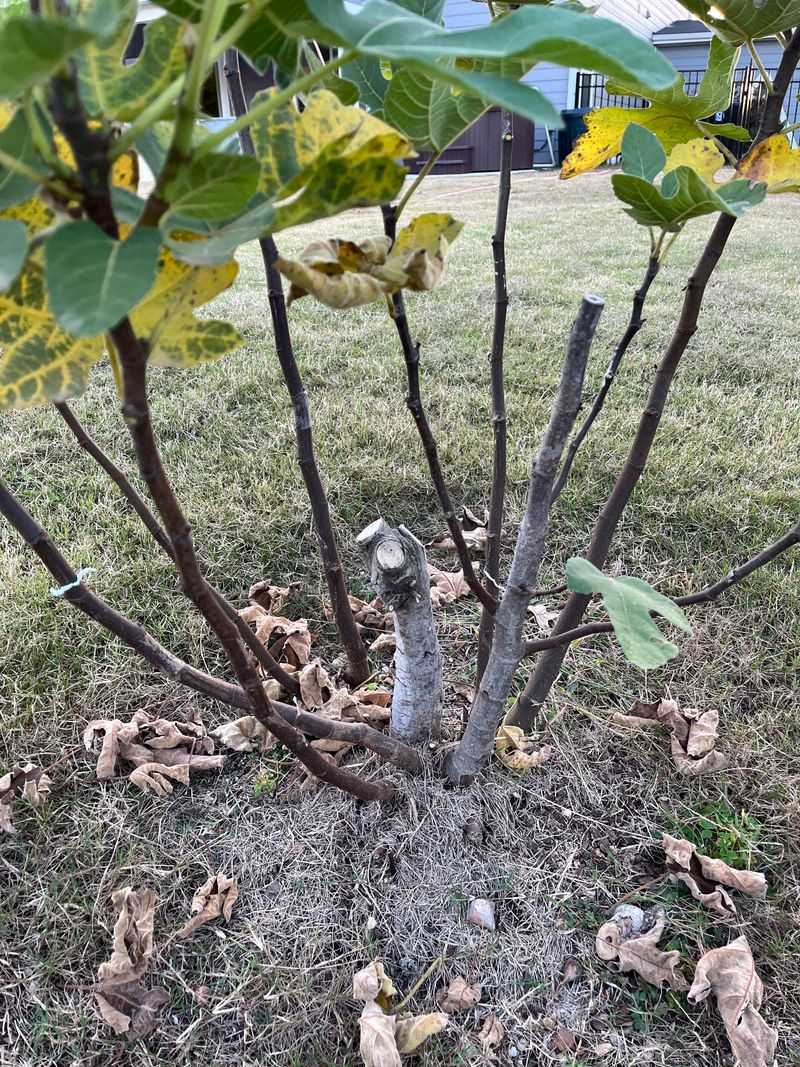
After a rough winter, it can be hard to tell whether your fig tree is waking up slowly or whether something is seriously wrong.
Figs are tougher than most people think, but they are not completely cold-hardy, and ignoring winter damage can set your tree back for the entire growing season.
Cold damage usually shows up as brown or mushy wood inside the branch tips. You can check by scratching the bark lightly with your fingernail.
Healthy wood underneath will be green or cream-colored. Damaged wood looks brown or gray and may smell slightly off.
Working your way down from the tip, cut back until you reach healthy tissue.
The key is patience. Fig trees can look completely lifeless in early spring and still push out strong new growth once soil temperatures warm up.
Wait until late spring, typically May or even early June in colder spots, before making final decisions about which branches to remove. Cutting too early can cause you to remove wood that was actually fine and would have leafed out on its own.
After a hard winter, protect your tree the following season by wrapping the trunk and main branches with burlap or frost cloth once temperatures start dropping in fall. Mulching heavily around the base also helps insulate the roots.
Even a few degrees of temperature protection can make a big difference in how well your tree comes through a cold stretch. A little preparation each fall pays off every spring.