The One Thing North Carolina Marigolds Need In August Before Spider Mites Take Over

Marigolds usually sail through summer without much trouble, which makes it easy to overlook the one specific risk building up right now in the August heat.
By the time visible damage shows up, spider mites have often already spread across several plants throughout the bed.
There’s a simple step that makes a real difference in preventing this exact problem, yet most gardeners never think to add it to their routine.
It has nothing to do with fertilizer or fancy sprays, and everything to do with a habit most people skip without realizing its importance.
Understanding what marigolds actually need this time of year could be the difference between a bed that stays healthy and one overtaken by tiny pests within days.
Many gardeners only discover the problem once webbing and stippled leaves are already impossible to ignore. Catching this now could save your marigolds from a mite infestation that’s much harder to reverse later.
1. Keep The Soil Moist
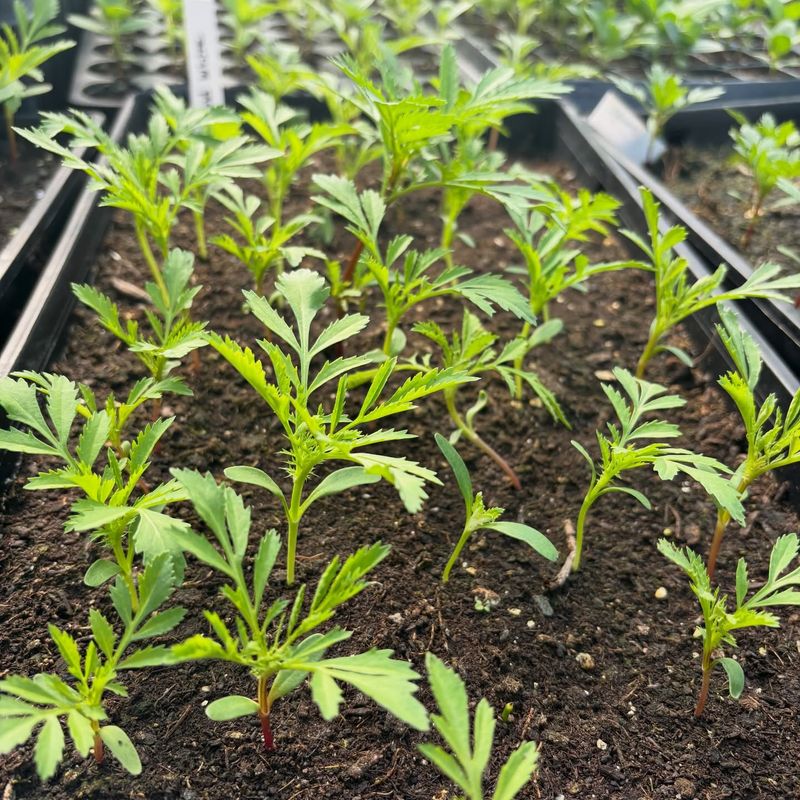
Water is the secret weapon your marigolds count on during the toughest weeks of summer. When the soil stays evenly moist, the roots pull up plenty of water and send it straight to the leaves and blooms.
That steady flow keeps the whole plant firm and full of life. Hot August sun in North Carolina pulls moisture from the ground fast. A marigold that runs low on water starts to droop, curl, and slow down.
A weakened plant sends out signals that pests notice, and spider mites love a stressed target.
By keeping the soil damp a few inches down, you give your flowers the strength to shrug off small problems. Try pushing your finger into the dirt near the base. If it feels dry past the first knuckle, it is time to water.
Morning is the best time to water because the plant can drink before the heat peaks. Deep watering a few times a week beats a quick splash every day.
Deep soaking pushes roots downward, where the soil stays cooler and holds moisture longer.
A layer of mulch helps too, since it slows down how fast water leaves the ground. Shredded bark or straw works great around marigolds.
With mulch and steady moisture working together, your flowers stay hydrated even on the muggiest afternoons.
Strong, well-watered marigolds are simply harder for mites to bother. Give them water, and they will reward you with bright, cheerful blooms all month long.
2. Do Not Let Them Dry Out
Spider mites throw a party when the weather turns hot and dry. These tiny pests are actually part of the arachnid family, like miniature relatives of spiders.
Dry air and thirsty plants create the exact conditions they crave. When your marigolds dry out, their leaves become the perfect buffet. Mites feed faster and breed faster in warm, dusty spots.
A single female can lay dozens of eggs, and in August heat those eggs hatch in just a few days.
That speedy cycle means a handful of mites can turn into a crowd before you even notice. Dry, stressed plants also cannot fight back the way healthy ones can. Their natural defenses slow down when water runs short.
Your North Carolina Garden Changes Every Week. Your Plan Should Too.
Gardening in North Carolina changes quickly throughout the season. Every Friday you’ll receive a simple weekly plan showing exactly what to plant, prune, fertilize, harvest, and protect so you never miss the right timing.
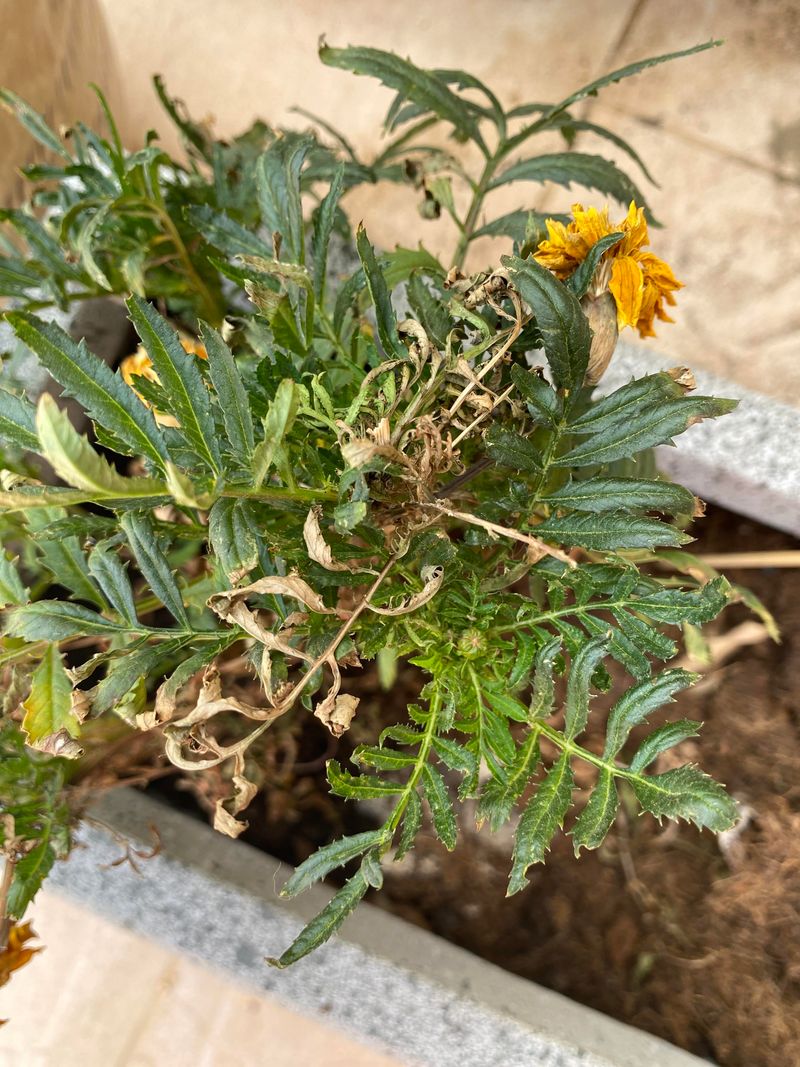
North Carolina summers often bring long stretches without rain. During those dry spells, your marigolds need extra attention so they never reach the wilting point. A wilted plant is basically an open invitation for a mite takeover.
Keeping the area around your flowers a little humid also helps push mites away. A light misting of the leaves on very dry days raises the moisture and makes the spot less welcoming.
Mites really dislike damp conditions. Check your plants often when rain has been missing for a while. If the leaves look dull or the soil feels powdery, jump into action right away.
A quick response keeps small problems from growing. Staying ahead of the dryness is one of the smartest moves you can make. Give your marigolds steady water, and you take away the mites’ favorite advantage.
3. Check Under The Leaves
Spider mites are sneaky little hiders, and they almost always set up camp on the underside of leaves. That shady spot protects them from sun and rain, which is exactly why so many gardeners miss them at first.
Flipping leaves over is your best detective move. Grab a magnifying glass if you have one, since these pests are barely the size of a grain of pepper. Look for tiny moving dots that may be red, brown, or pale green.
You might also spot round eggs clustered along the leaf veins. Fine, silky webbing is another clue worth watching for. When mites get comfortable, they spin thin threads between leaves and stems.
That webbing looks a bit like dusty spider silk and signals that a colony has grown. Make a habit of checking a few leaves each time you water. Choose plants in the sunniest, driest corners first, because mites tend to gather there.
A quick peek only takes a minute but can save your whole flower bed. Rubbing a white paper under a leaf and giving it a tap is a clever trick. If you see tiny specks crawling on the paper, you have mites.
That simple test removes all the guesswork. Catching mites while their numbers are still small makes control so much easier. Early action means you can rinse them off before they multiply.
Turn those leaves, stay curious, and your marigolds will thank you with steady blooms.
4. Watch For Pale Speckles
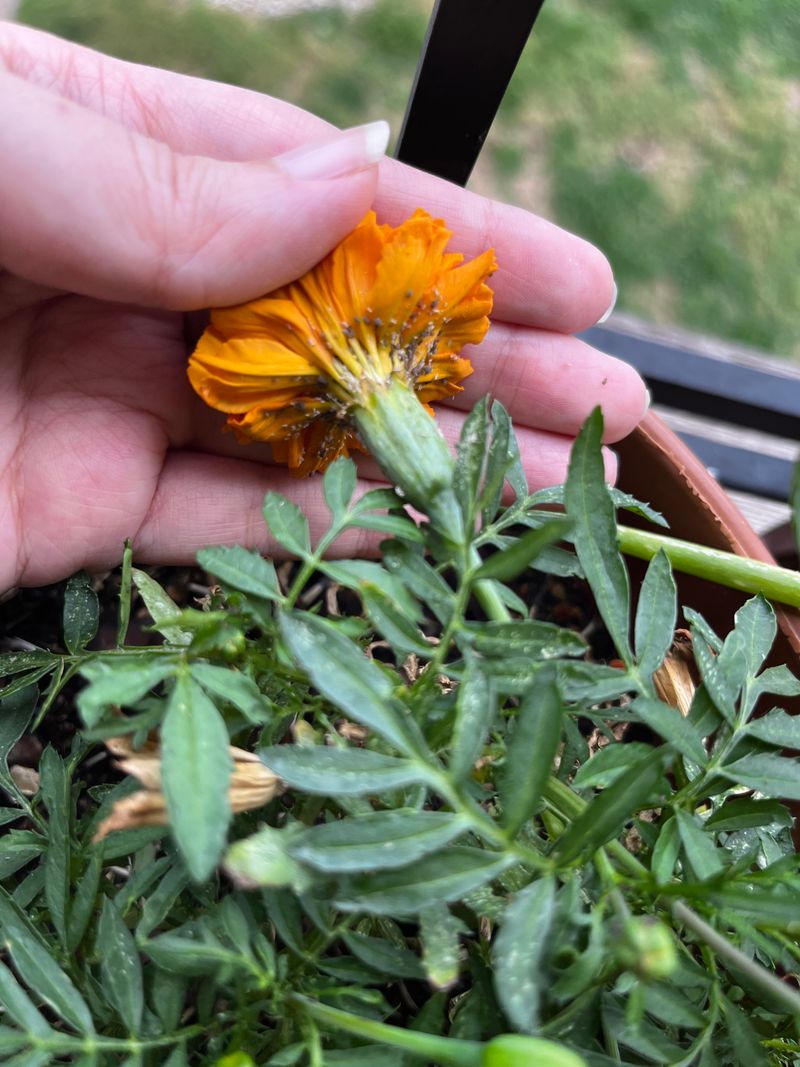
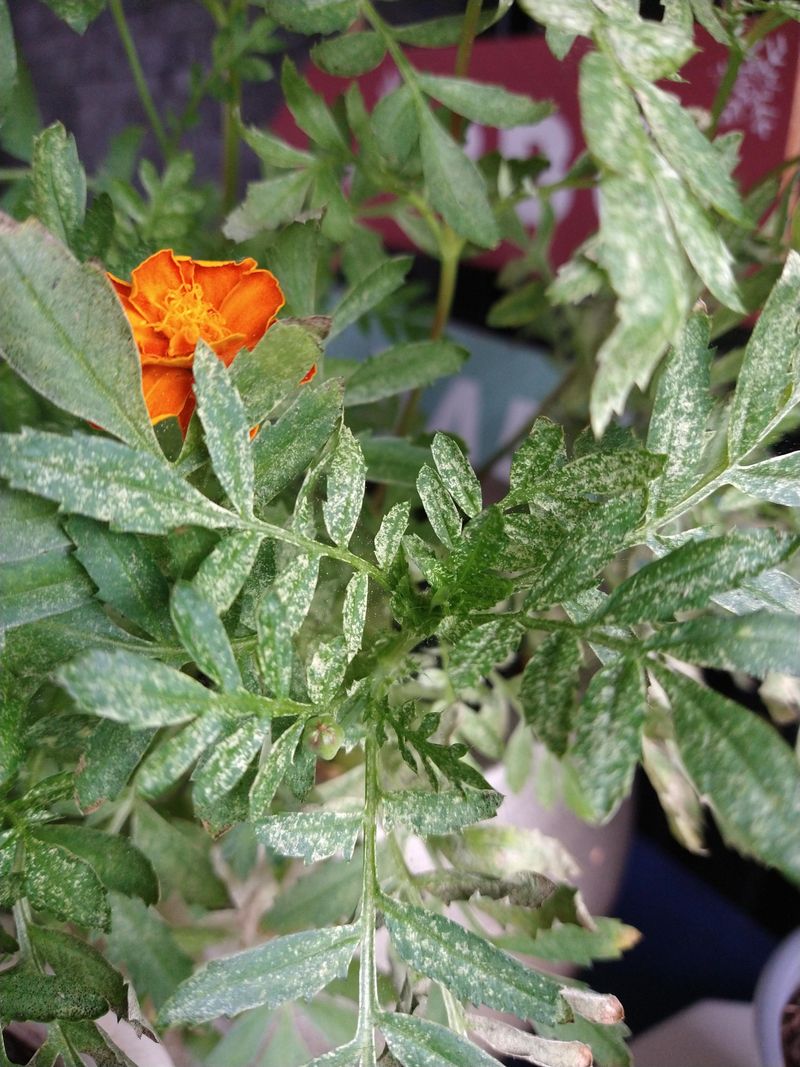
Those first pale dots on a leaf are like a warning light on a dashboard. Spider mites feed by poking into leaf cells and sipping the juices inside. Each bite leaves behind a tiny yellow or white speckle.
At first the spots look harmless, almost like a light dusting. Over time, though, they spread across the leaf and blend into blotches. A leaf that once glowed green starts to look faded and tired.
Noticing this stippling early gives you a huge head start. Many gardeners mistake the speckles for sun damage or a watering problem.
Once you know the sign, you can act before the mites spread to neighboring plants.
Run your eyes over the top of the leaves as you stroll through your garden. If you catch a sprinkle of pale dots, flip that leaf and check the underside right away.
Chances are good you will find the culprits there. Speckled leaves often feel a little rough or dry compared to smooth, healthy ones. That change in texture is another quiet clue.
Trust your eyes and your fingertips together. The sooner you respond, the less damage your marigolds will face. A plant losing lots of leaf color cannot soak up as much sunlight, which means fewer blooms.
Keeping leaves green keeps your flowers strong. Make speckle-spotting part of your weekly walk through the garden. It is a simple habit that pays off big. Bright, unspotted leaves are the sign of marigolds winning the battle against mites.
5. Hose Off Small Outbreaks
A garden hose is one of the cheapest and easiest tools against spider mites. When their numbers are still low, a firm blast of water knocks them right off the leaves. It is a simple fix that works surprisingly well.
Aim the spray at the undersides of the leaves, where mites love to hide. A steady, strong stream washes away the pests, their eggs, and their webbing all at once.
Doing this a few times over several days breaks their breeding cycle. The best part is that water leaves no harsh residue behind. Your marigolds get a nice rinse, and helpful insects stay safe.
You are cleaning the plant without adding any chemicals. Early morning is the ideal time for a mite shower. The leaves have plenty of hours to dry in the sun, which lowers the chance of other leaf troubles.
Wet leaves overnight can cause different problems, so timing matters. Be firm but gentle so you do not snap the stems or bruise the blooms. Support drooping branches with one hand if you need to.
A little care keeps your flowers looking neat while the mites wash away. Repeat the rinse every couple of days until you stop seeing pests. Mites are stubborn, and a single spray rarely gets them all.
Consistency is what makes this trick truly work. Reaching for the hose before mites spread saves you a lot of effort later. Quick, water-only action keeps your marigolds bright and your garden chemical-free.
6. Avoid Keeping Roots Soggy
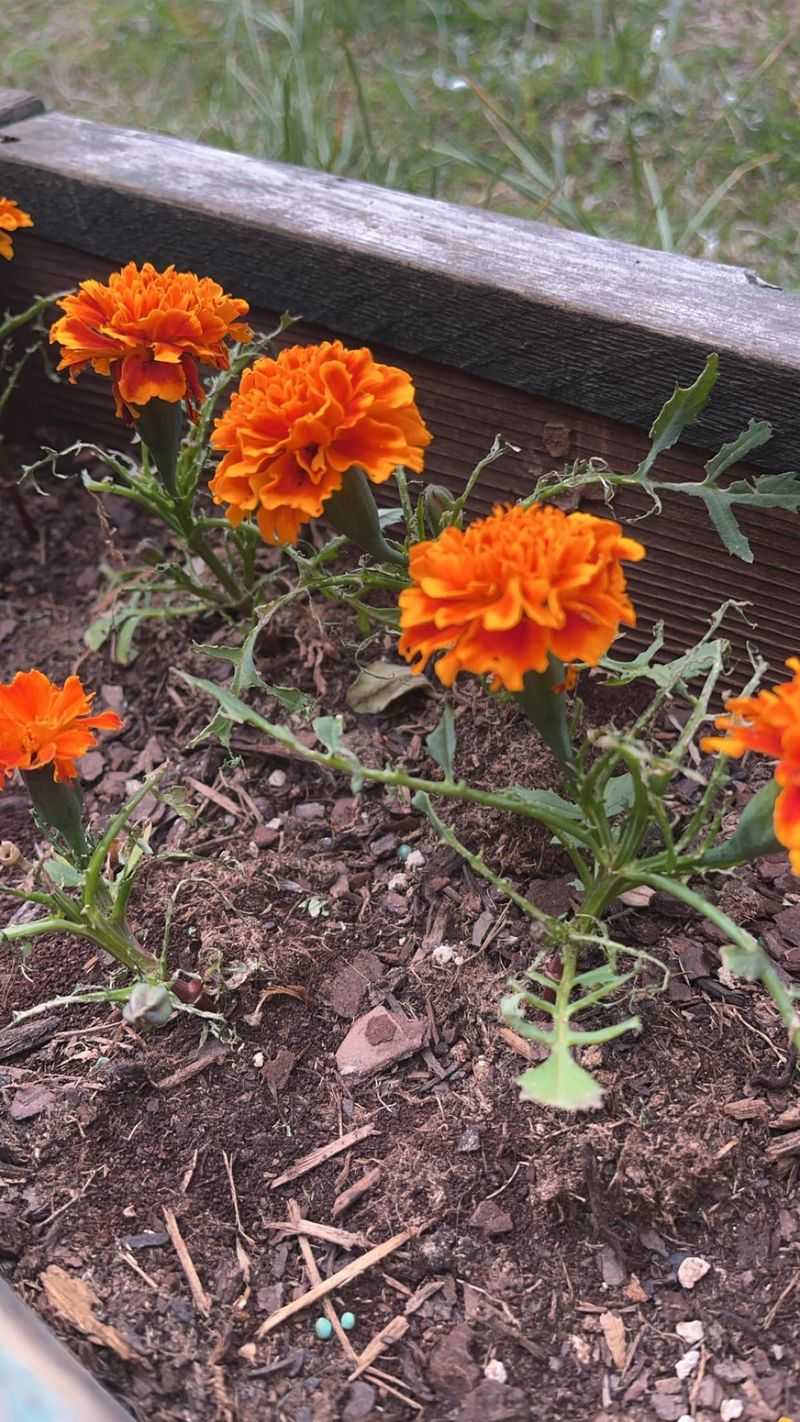
Marigolds love a steady drink, but they do not want to sit in a puddle. There is a real difference between moist soil and soggy soil.
Getting that balance right keeps your plants happy and pest-resistant. When water pools around the roots for too long, air cannot reach them. Roots need oxygen just like the rest of the plant.
Waterlogged soil chokes them out and leads to root rot. A struggling root system means a struggling plant, and struggling plants attract pests. So too much water can backfire just as badly as too little.
The goal is even moisture that drains away nicely. Sandy loam or soil mixed with compost drains well while still holding some water. If your garden soil is heavy clay, adding organic matter helps loosen it up.
Better drainage protects those precious roots. Containers should always have holes in the bottom. If you grow marigolds in pots, empty any tray that collects extra water.
A pot with no drainage becomes a tiny swamp fast. Check drainage by watering and watching how quickly the surface clears. If puddles linger for a long time, your soil needs help.
Mixing in perlite or coarse sand can make a big difference. Healthy roots build a healthy plant from the ground up. Strong marigolds resist stress, and stress is what mites look for.
Aim for soil that stays damp but never drowns, and your flowers will stand tall through the heat.
7. Protect Helpful Predators

Your garden already has a tiny cleanup crew working for free. Ladybugs, lacewings, and predatory mites all snack on spider mites every single day.
These helpers keep pest numbers in check without any effort from you. Reaching for a broad bug spray at the first sign of trouble can backfire. Those strong sprays wipe out the good insects along with the bad ones.
Once the helpers are gone, mites bounce back even stronger. Spider mites breed so quickly that they recover faster than their predators do. That leaves your marigolds more exposed than before you sprayed.
Sometimes doing less actually protects your plants more. Instead of blanket treatments, try the gentle steps first, like rinsing leaves with water. Save any targeted product for spots where mites are truly heavy.
Spot-treating keeps most of your garden safe for the good bugs. Planting a mix of flowers and herbs invites even more helpful insects. Sweet-smelling blooms give ladybugs and lacewings a reason to hang around.
A diverse garden basically builds its own pest patrol. Avoid spraying on windy days or when helpful bugs are active. Early evening spot-treatments limit the damage to friendly insects.
Little choices like these keep the balance tipped in your favor. Working with nature beats fighting it every time. When you protect the predators, they protect your marigolds. Let those tiny hunters do their job, and you will spend far less time chasing mites yourself.
8. Catch Mites Before Webbing Spreads
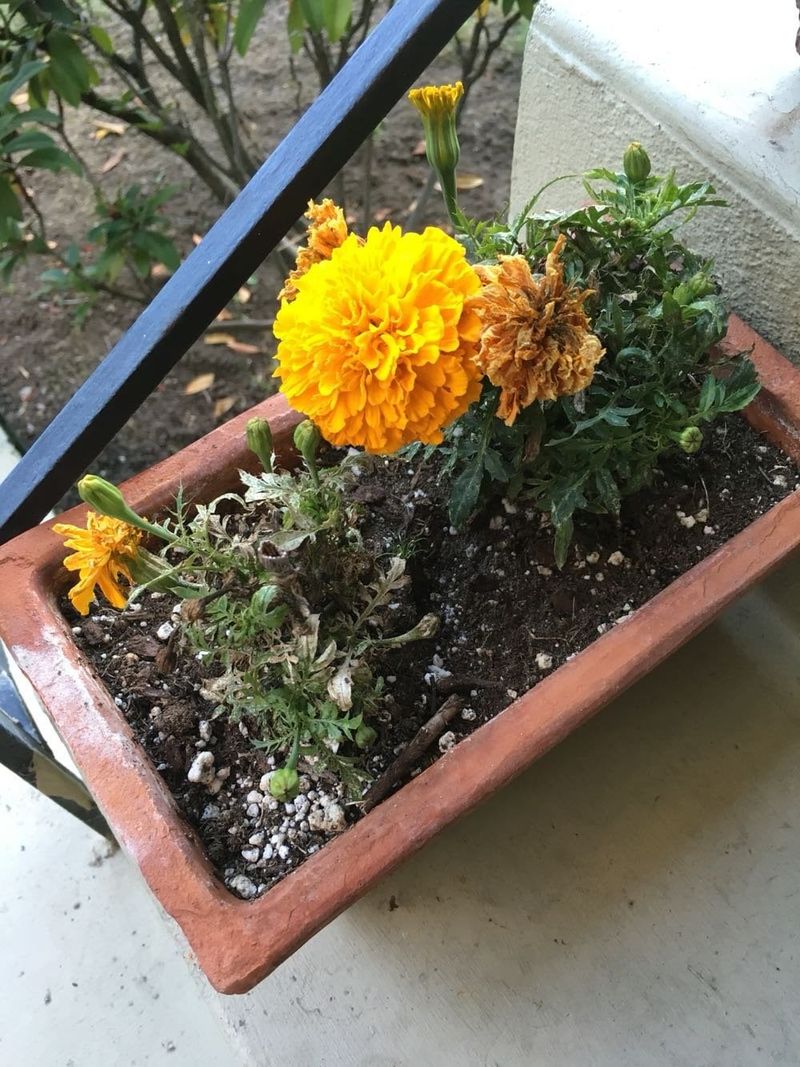
A weekly checkup is the habit that keeps spider mites from ever getting the upper hand. In August heat, a tiny group of mites can explode into a full colony in just a week or two. Regular looks let you spot trouble while it is still small.
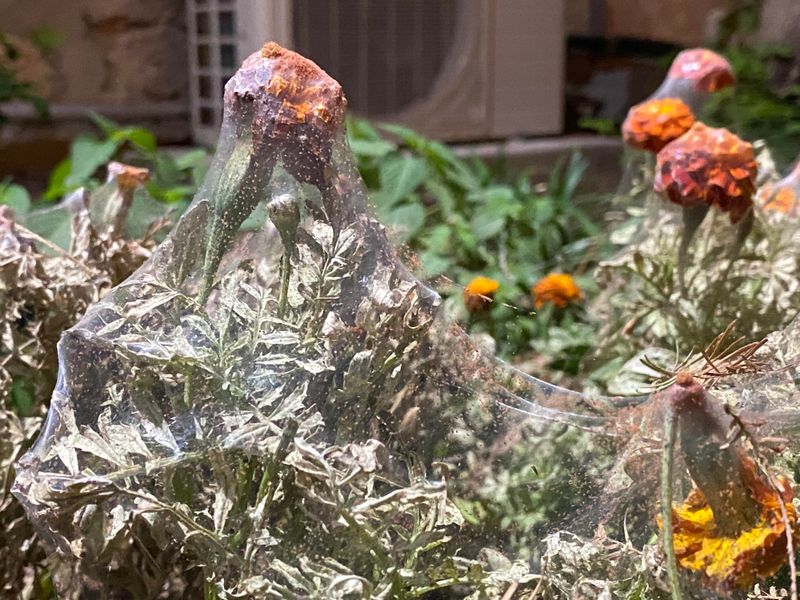
Once webbing appears and spreads across the plant, control gets much harder. That silky covering shields the mites from water and sprays alike.
Catching them before the webs form saves you a real headache. Set a simple reminder to walk your flower beds every seven days. Flip a few leaves, look for speckles, and scan for the faintest threads.
A five-minute check can protect weeks of colorful blooms. Pay extra attention to plants near warm walls, fences, or dusty paths. Those hot, dry spots are the first places mites tend to settle.
Checking the risky areas first makes your search faster. If you find early signs, jump straight to a firm water rinse. Handling a small group is far easier than tackling a spread-out army. Quick action keeps the population from ever reaching webbing stage.
Keeping a little garden journal helps you track what you find. Notes on which plants had mites tell you where to look closely next time. Patterns make your future checks even smarter.
Staying watchful all month long is the true key to healthy marigolds. Steady water plus weekly checks form an unbeatable team. Stay curious, act fast, and your flowers will glow bright through the whole season.