The Crape Myrtle Pruning Rule Every Texas Homeowner Should Know Before August Ends

Your crape myrtle just handed you a deadline nobody warned you about. Texas heat has pushed these blooms toward their peak, and what you do in the coming days decides whether that color fades for good or returns stronger.
Countless gardeners across Texas assume their tree’s best days are already behind it once August rolls in. Nothing could be further from the truth, because a narrow window remains open right now for one final surge of blooms.
Most homeowners let that window close without realizing it exists, and their trees pay for it with a shorter season. Acting before the cutoff arrives determines whether your Texas yard gets one more spectacular round of color or none at all.
Wait too long and that window shuts before you even notice it closing.
Late August Marks The Cutoff For A Second Flush Of Blooms
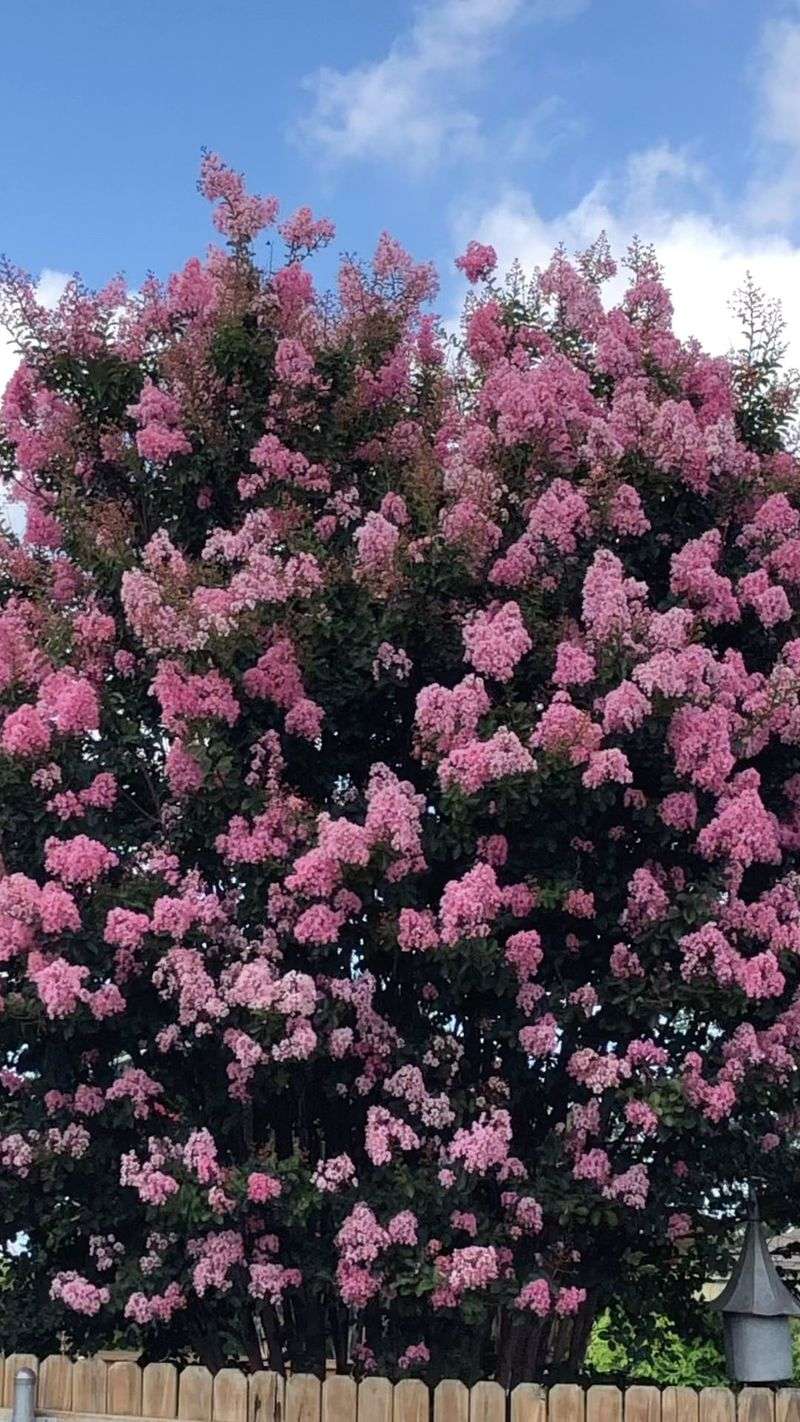
August is ticking down fast. Your crape myrtle is watching the clock too, and so should you.
These trees bloom on new growth, which is the biological fact driving everything else here. When you remove old flower clusters early enough, the tree pushes out fresh stems and sets new buds.
Late August is the last realistic checkpoint for triggering that second flush. After this, nights cool slightly and the tree shifts its energy toward storing resources for winter.
Most Texas gardeners do not realize how narrow this window actually is. You have roughly a two-week margin in late August before the effort stops paying off.
Timing this cleanup now is like hitting a reset button on the bloom cycle. The tree responds quickly when conditions are right and stress is low.
Temperatures in August are brutal, but crape myrtles are tough survivors. They tend to handle heat better than many other flowering trees, which works in your favor here.
The goal is simple: prompt new growth before the season winds down. Remove the old blooms now, and the tree does the rest on its own timeline.
Missing this window does not ruin the tree. But catching it means more color, more curb appeal, and a longer show before fall arrives.
The Difference Between Removing Spent Blooms And Structural Cuts
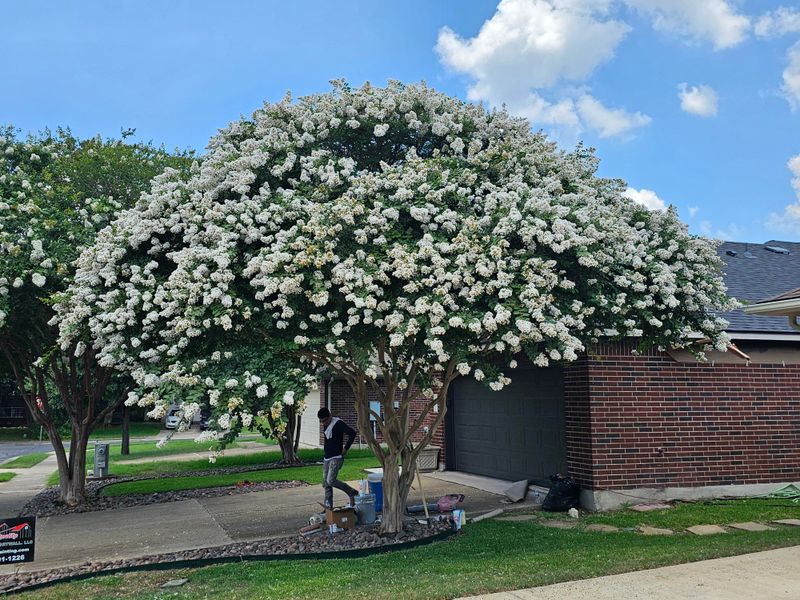
Not all pruning is created equal. Confusing these two approaches is how well-meaning homeowners accidentally set their trees back.
Removing spent blooms means snipping off the old brown flower clusters at the tip of each branch. You are taking off just a small portion of stem, maybe two to four inches at most.
Structural cuts are a completely different story. Those involve removing large limbs, reshaping the canopy, or cutting back thick branches to alter the tree’s overall form.
Telling the two apart in the field is easier than it sounds. If your shears are removing something the diameter of a pencil or smaller, you are simply clearing spent blooms. Anything thicker than that belongs to structural work, and August is not the time for it.
This lighter approach is fast and low-risk during summer. Structural pruning is best saved for late winter, when the tree is dormant and not fighting off heat stress.
Your Texas Garden Changes Every Week. Your Plan Should Too.
Gardening in Texas changes quickly throughout the season. Every Friday you’ll receive a simple weekly plan showing exactly what to plant, prune, fertilize, harvest, and protect so you never miss the right timing.
Many homeowners accidentally make structural cuts in August thinking they are helping. This triggers the tree to spend energy healing wounds instead of producing new blooms.
The rule for late summer is clear: keep your cuts small and targeted. Touch only the finished flower heads, and leave everything else alone until February.
Knowing the difference protects your tree and your investment. A healthy crape myrtle can live for decades when treated with the right cut at the right time.
Cutting Spent Flower Clusters Without Harming New Growth
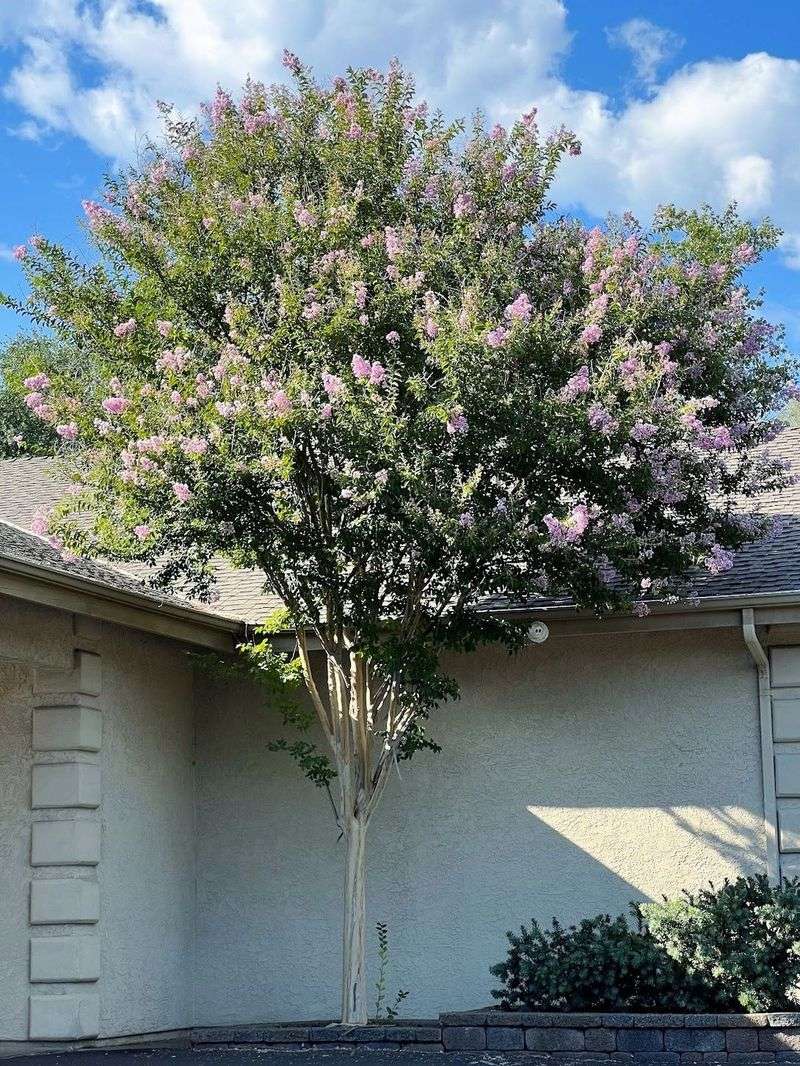
Sharp tools make all the difference here. A clean cut seals faster and causes far less stress to the branch than a ragged tear.
Start by identifying the spent cluster, the dry, papery brown seed head sitting at the tip of a stem. Follow the stem down until you spot the first set of healthy leaves or a small green bud node.
Make your cut just above that node. This leaves the plant with a clear signal: grow from here, not from a random wound lower on the branch.
Bypass pruning shears work best for this job. Avoid anvil-style pruners, which crush stem tissue and slow the healing process.
Work branch by branch rather than rushing across the whole canopy at once. Methodical trimming helps you spot new growth already forming so you do not accidentally cut it off.
New buds are small and easy to miss in the August heat. They often appear as tiny green nubs just below where the old bloom cluster meets the stem.
Protecting those nubs is the whole point of careful technique. Every bud you preserve is a potential flower cluster four to six weeks from now.
Clean your shears between trees if you are working in multiple spots. This simple habit helps reduce the spread of any fungal issues that may be lurking on stressed summer foliage.
Structural Pruning Now Stresses The Tree In Texas Heat
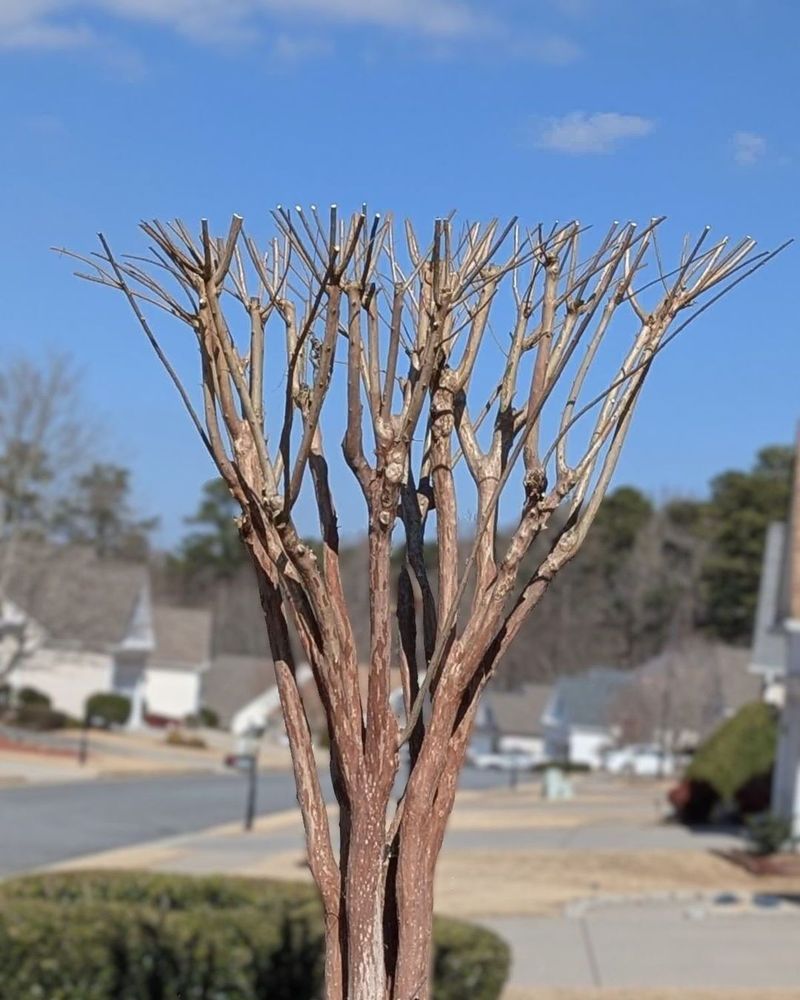
August heat in the Lone Star State is no joke. Temperatures regularly push past 100 degrees, and the ground turns hard and dry underfoot.
Under those conditions, any large wound you create on a crape myrtle becomes a serious liability. The tree must divert water and nutrients away from blooming just to seal the damage.
Structural cuts made in summer also expose fresh wood to intense UV radiation. That sunscald can create entry points for disease and boring insects that are highly active this time of year.
This heat vulnerability is exactly why summer is not the season for big reshaping work on these trees.
Texas homeowners who see a lopsided canopy in August sometimes feel the urge to fix it immediately. Resist that urge, write a note, and schedule the correction for late winter instead.
A tree under heat stress cannot recover the way a dormant tree can. Healing is slower, sap flow is disrupted, and the bloom cycle gets completely derailed.
Many arborists advise against major canopy work between June and September in warm Southern climates. The risk generally outweighs the cosmetic reward.
Patience here is not passive, it is strategic. Letting the tree rest through summer heat sets it up for a strong, healthy pruning response come February.
Four To Six Weeks Of Regrowth Explained
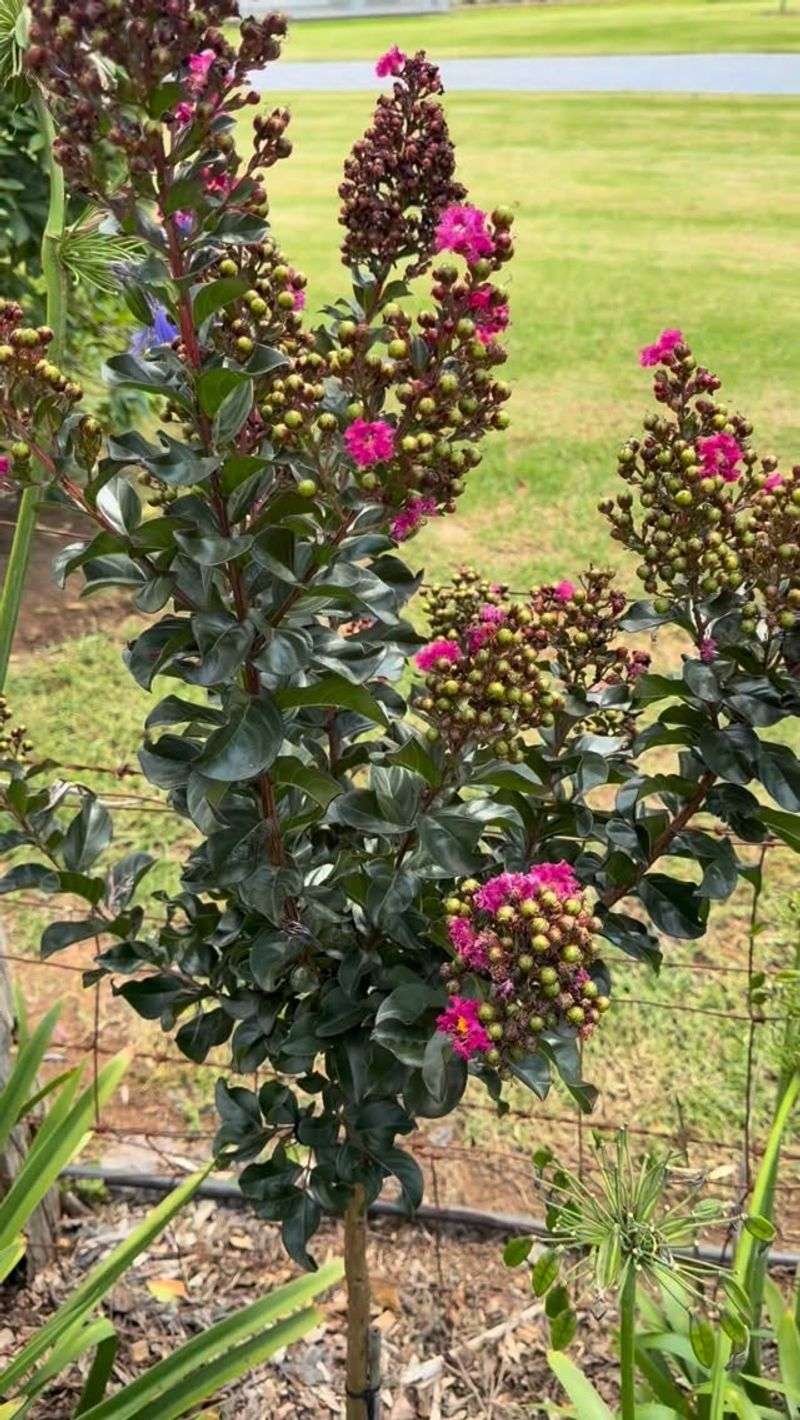
Four to six weeks sounds like forever in August. But that timeline is actually good news if you act before the month closes out.
After you remove a spent cluster, the branch tip activates dormant buds sitting just below the cut. Those buds begin pushing out new stem tissue within a week under warm conditions.
By week two, you can usually see small leaf pairs forming on the fresh stems. The growth is soft and fast, fueled by the tree’s stored energy and warm soil temperatures.
By week three or four, the new stems are several inches long and flower buds begin to differentiate from leaf buds. At this stage, the process is locked in and blooming is nearly guaranteed.
Weeks five and six bring the flower clusters to full color. The new blooms are often just as full and vibrant as the first round in early summer.
Crape myrtles are remarkably efficient at this process. Their growth rate in warm weather is one of the reasons they are such reliable repeat bloomers across the South.
The math is straightforward: clear the spent blooms in late August, and new flowers arrive by late September to early October. That timing lines up well with cooler fall afternoons and less intense sun.
Understanding this cycle removes the guesswork from your pruning schedule. You are not just trimming a tree, you are programming a bloom event weeks out.
Signs Your Crape Myrtle Won’t Have Time For Another Bloom
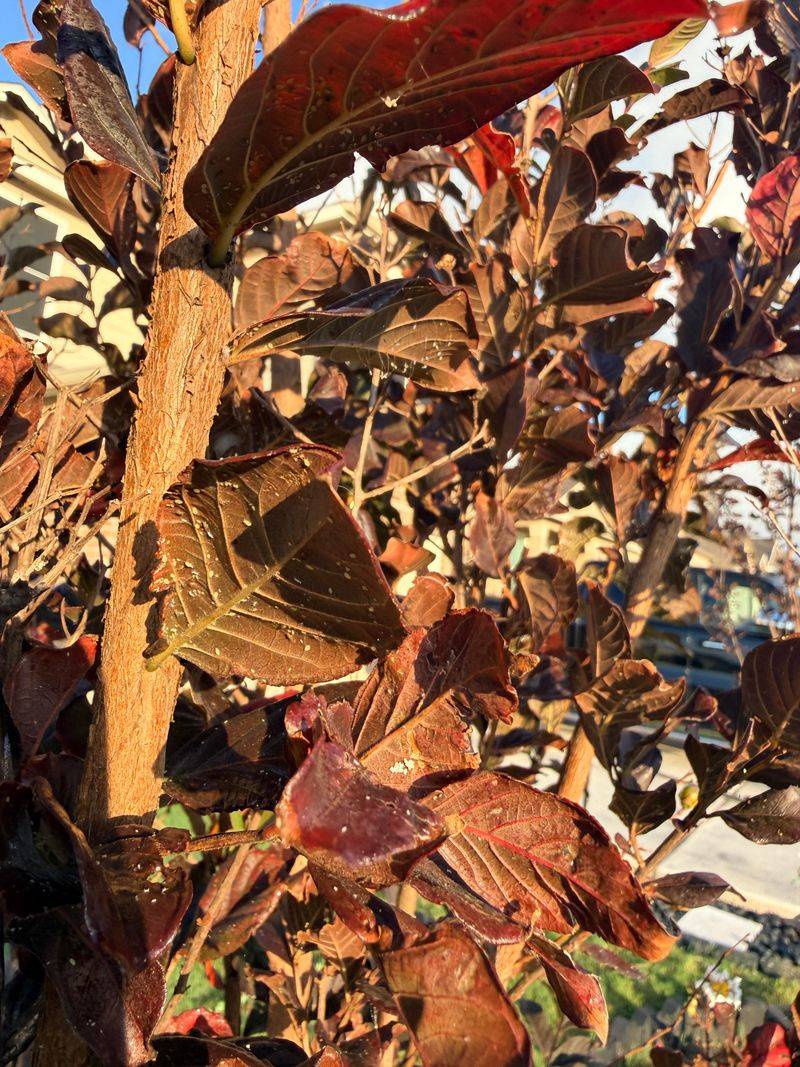
Sometimes the window has already closed. Knowing the signs saves you the effort of pruning for a bloom that is not coming.
Check the branch tips closely. If the seed pods below the old flower clusters have already hardened and turned dark brown, the tree has moved past its active growth phase for the season.
Look at the foliage color too. Leaves shifting toward yellow or showing early fall tones signal that the tree is pulling energy inward rather than pushing it outward toward new blooms.
A lack of any soft new growth anywhere on the canopy is another clear indicator. Active crape myrtles in bloom-mode almost always show some tender green tips somewhere on the tree.
Check when the last blooms appeared. If the tree finished its most recent flowering cycle before mid-July, the seasonal momentum may already be winding down.
Smaller or younger trees sometimes lack the stored energy reserves to push a second flush late in the season. Established trees with deep root systems have a much better track record.
If all the signs point to a tree that is done for the year, skip the cleanup. Unnecessary cuts without the benefit of new growth just add stress with no payoff.
This ultimately comes down to reading your specific tree. A tree telling you it is finished deserves respect, not a forced late-season push.