The Ligustrum Planting Mistake That Can Cause Problems Along Florida Fences
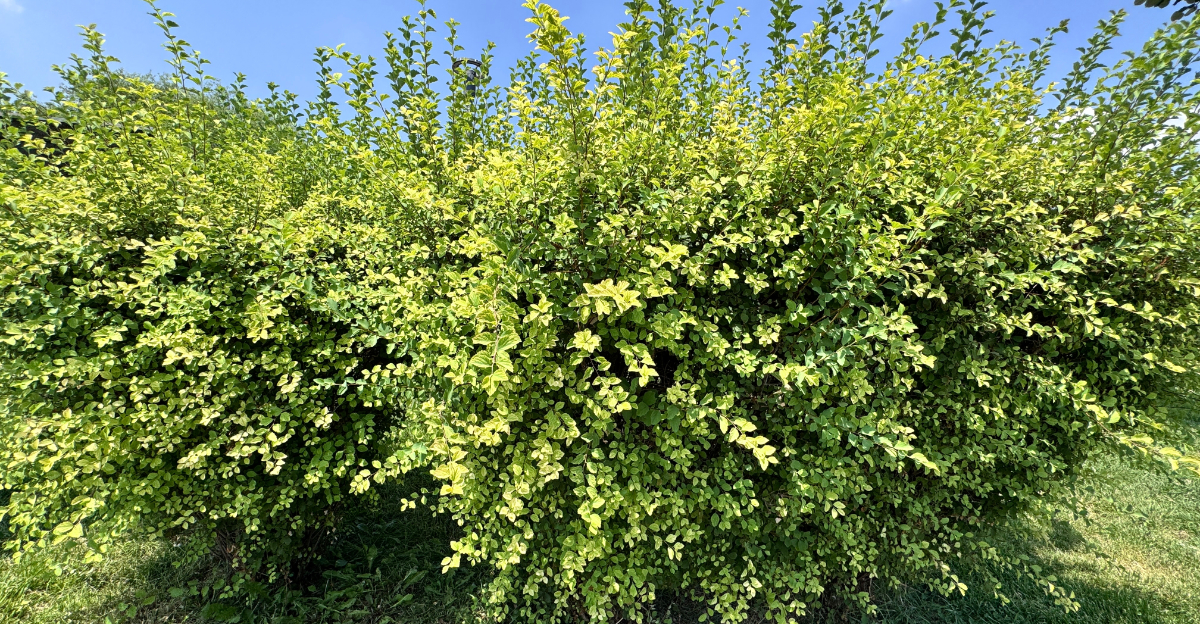
Ligustrum can seem like the perfect answer for a bare Florida fence. It grows fast, fills gaps, and gives you the privacy that a thin fence never could.
The trouble often starts with one choice made on day one: how close the shrubs sit to that fence. A young ligustrum can look almost too small for the space, so the natural instinct is to tuck it in tight.
Give it a few Florida seasons, though, and that tidy row can become far wider and denser than expected. Branches press into fence panels, access disappears, and routine yard work turns into a squeeze between two solid walls of growth.
What looked like smart use of space can create a long-term headache right along the property line. The fence is not the problem, and neither is the shrub.
The real issue is the narrow strip of ground you leave between them.
1. The Biggest Mistake Is Planting The Wrong Ligustrum
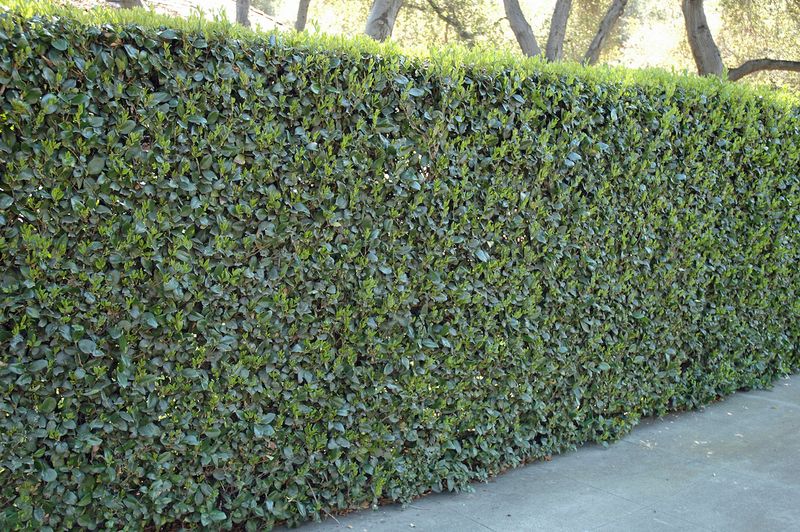
Nursery tags can be misleading. A label might simply say “privet” or “ligustrum” without listing the full botanical name, and that gap in information is where the trouble often begins.
Ligustrum is a genus containing multiple privet species, and their growth habits, fruiting patterns, and regional assessments are not identical.
Chinese privet, Ligustrum sinense, is the species most strongly connected with fencerow spread, suckering, and invasive behavior in the southeastern United States.
The UF/IFAS Assessment of Non-Native Plants has evaluated several privet species, and their conclusions are not the same across the board.
Treating every privet as identical leads to poor planting choices.
Japanese privet, Ligustrum japonicum, and glossy privet, Ligustrum lucidum, also appear in UF/IFAS assessments with their own concerns, but their regional ratings may differ from Chinese privet’s.
Before any privet goes into the ground near a fence, the botanical name should be confirmed.
A common name like “ligustrum” is simply not enough information to make a sound decision. Checking the UF/IFAS EDIS database or contacting your local Extension office gives you accurate, species-specific guidance.
Botanical identification should always come before deciding whether a plant belongs along a Florida property line.
2. Chinese Privet Can Take Over A Fence Line Fast
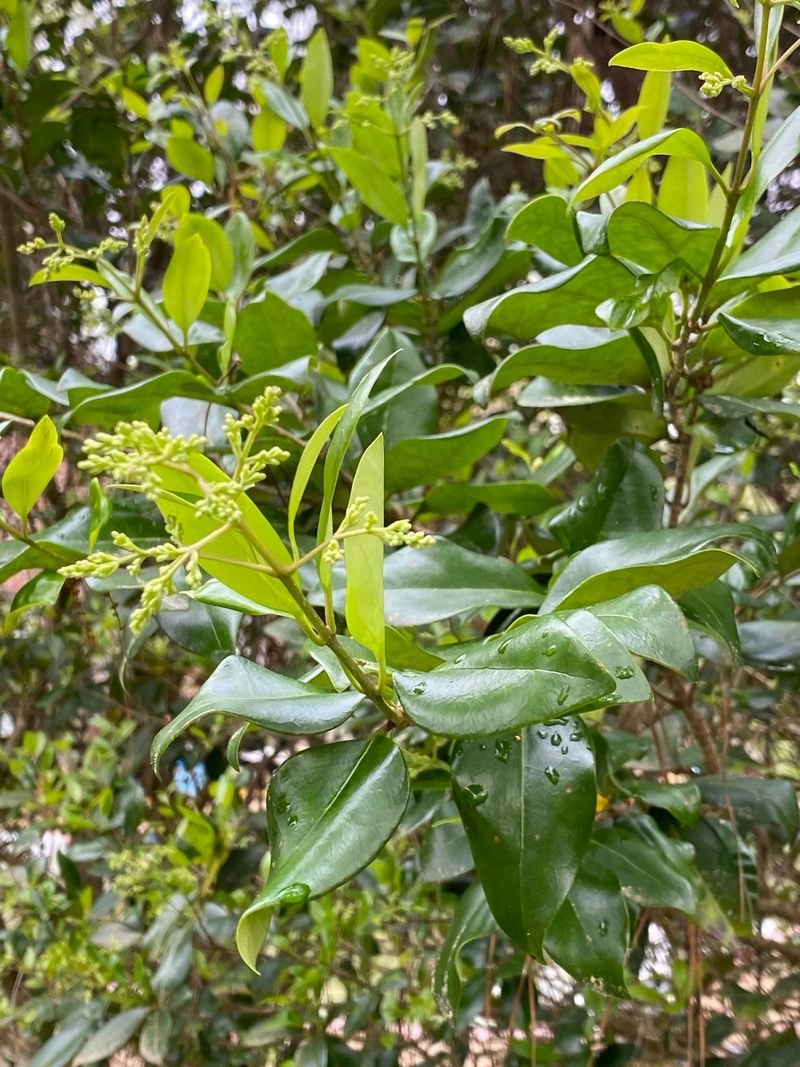
A fence line that once looked like a clean green boundary can slowly turn into something much harder to manage.
Chinese privet, Ligustrum sinense, was widely planted as a hedge across the South because it grows quickly, tolerates pruning, and stays green through mild winters.
Those same traits can work against a homeowner who does not stay on top of it.
According to UF/IFAS resources, Chinese privet has a documented history of escaping cultivation. It can establish itself in disturbed areas, including roadsides, woodland edges, and fencerows.
It forms dense thickets that crowd out other plants and reduce the variety of species in nearby natural areas. A fence line is exactly the kind of disturbed, linear corridor where this kind of growth can take hold and expand.
The hedge does not need to fail to become a problem. Even a well-established, routinely trimmed row of Chinese privet can send growth outward in ways the original planting did not anticipate.
Your Florida Garden Changes Every Week. Your Plan Should Too.
Gardening in Florida changes quickly throughout the season. Every Friday you’ll receive a simple weekly plan showing exactly what to plant, prune, fertilize, harvest, and protect so you never miss the right timing.
New stems emerge, the canopy widens, and the base of the fence becomes harder to access. The plant’s ability to thrive under minimal care is part of what made it popular, and part of what makes it so persistent once it moves beyond its intended space.
3. Root Suckers Can Push New Growth Beyond The Original Hedge
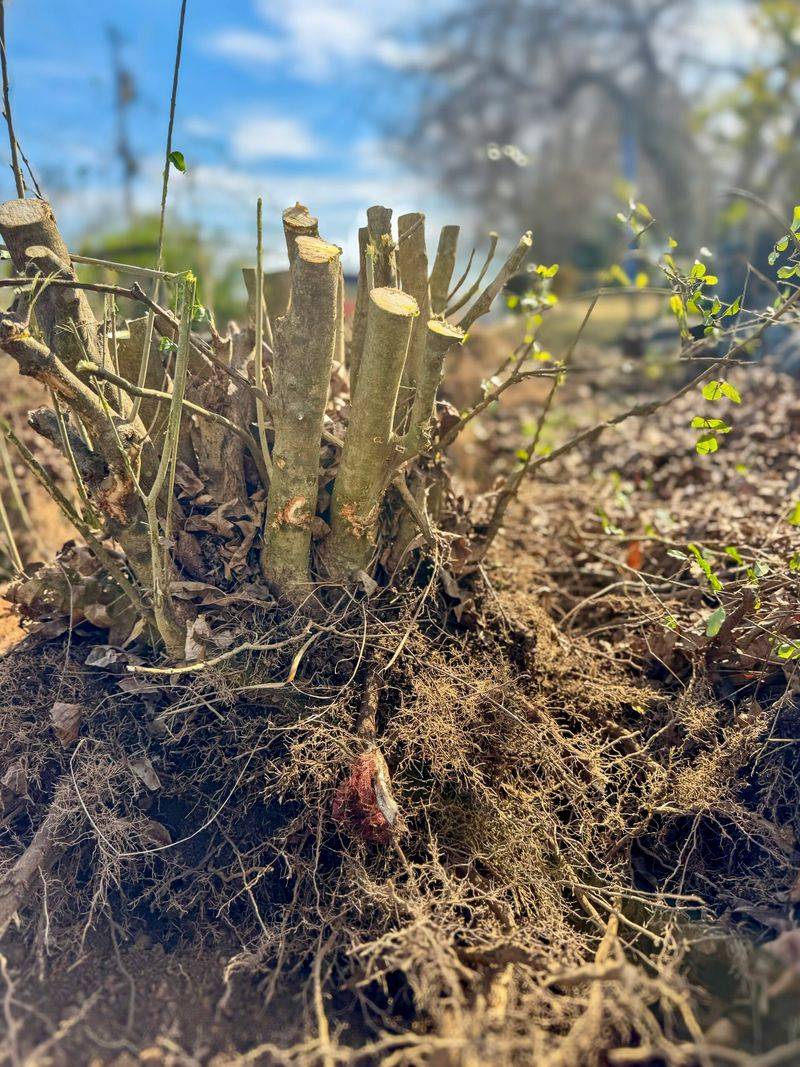
Spotting a fresh green shoot three feet away from the hedge row is a sign that something is happening underground. Chinese privet can spread vegetatively through root suckers, sending up new stems from its root system in areas beyond the original planting.
This type of spread does not require seeds or birds and can happen even in a yard that looks well-kept from the front.
Root suckers are new above-ground shoots that grow directly from lateral roots. They can appear in Florida garden beds, lawn areas, or along the base of a fence where the soil is undisturbed.
Left unchecked, these suckers grow into full stems and eventually into new shrubs. Over time, the original hedge row can expand well past its planted boundary without any new seeds being introduced.
Managing suckers requires consistent effort. Cutting them at ground level is often not enough because the root connection remains intact.
UF/IFAS Extension resources recommend addressing the root source rather than just removing visible stems. Repeated removal weakens the plant’s ability to send up new growth, but it takes patience.
The important thing to understand is that suckering is a separate problem from seed dispersal. Both can happen at the same time, but they require different management responses and should not be treated as a single issue.
4. Birds Can Carry The Problem Past Your Property Line
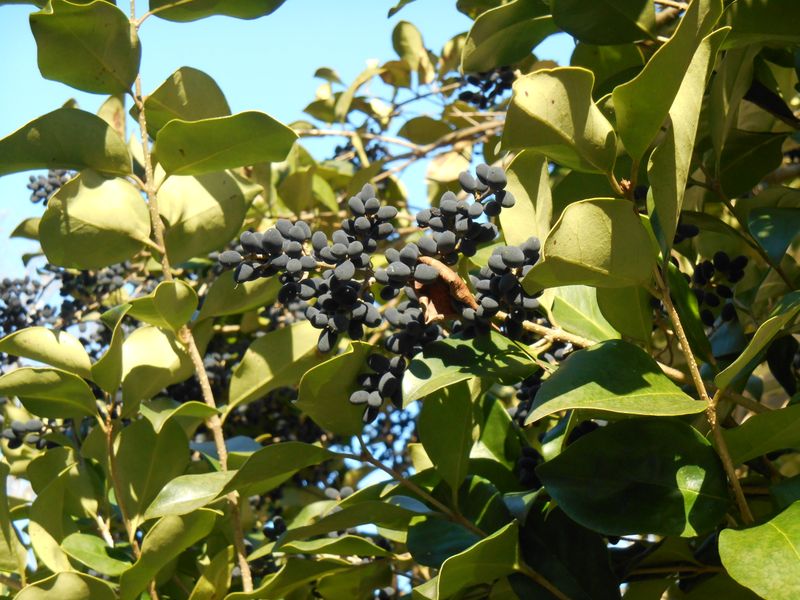
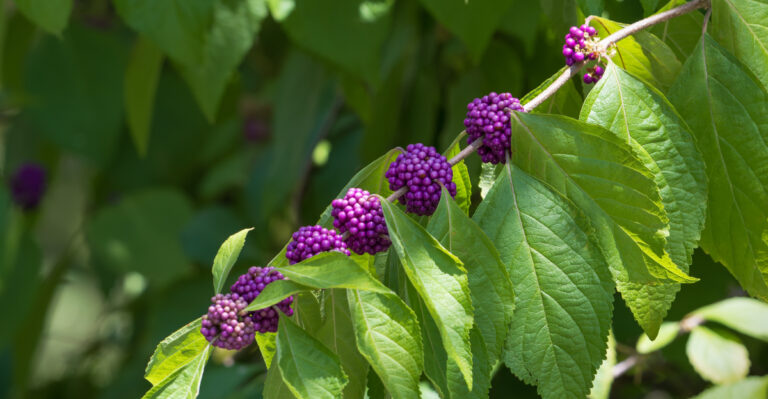
Small dark berries along a privet hedge may look harmless, but they play a significant role in how Chinese privet spreads across a landscape. Birds eat the fruit and deposit the seeds in locations far from the original plant.
A seedling that appears in a neighbor’s yard, along a drainage ditch, or at the edge of a natural area often traces back to a fruiting privet hedge nearby.
Chinese privet produces fruit in large quantities, and the seeds inside that fruit remain viable after passing through a bird’s digestive system. This makes bird foraging one of the main ways privet moves into natural areas.
The Florida Invasive Species Council and UF/IFAS resources both identify seed dispersal by wildlife as a key factor in the spread of invasive privets. The birds themselves are not at fault.
They are simply doing what birds do, and the plant has evolved to take advantage of that behavior.
Preventing fruit production through regular pruning before berries form is one way to reduce this type of spread. Removing flower clusters before they set fruit limits the number of seeds available for dispersal.
Homeowners who plant fruiting privet near natural areas, preserves, or wooded lots carry a greater responsibility to monitor and manage the hedge carefully. Seed spread and root suckering are two separate pathways, and both deserve attention.
5. Tight Shearing Can Leave The Bottom Of The Hedge Bare
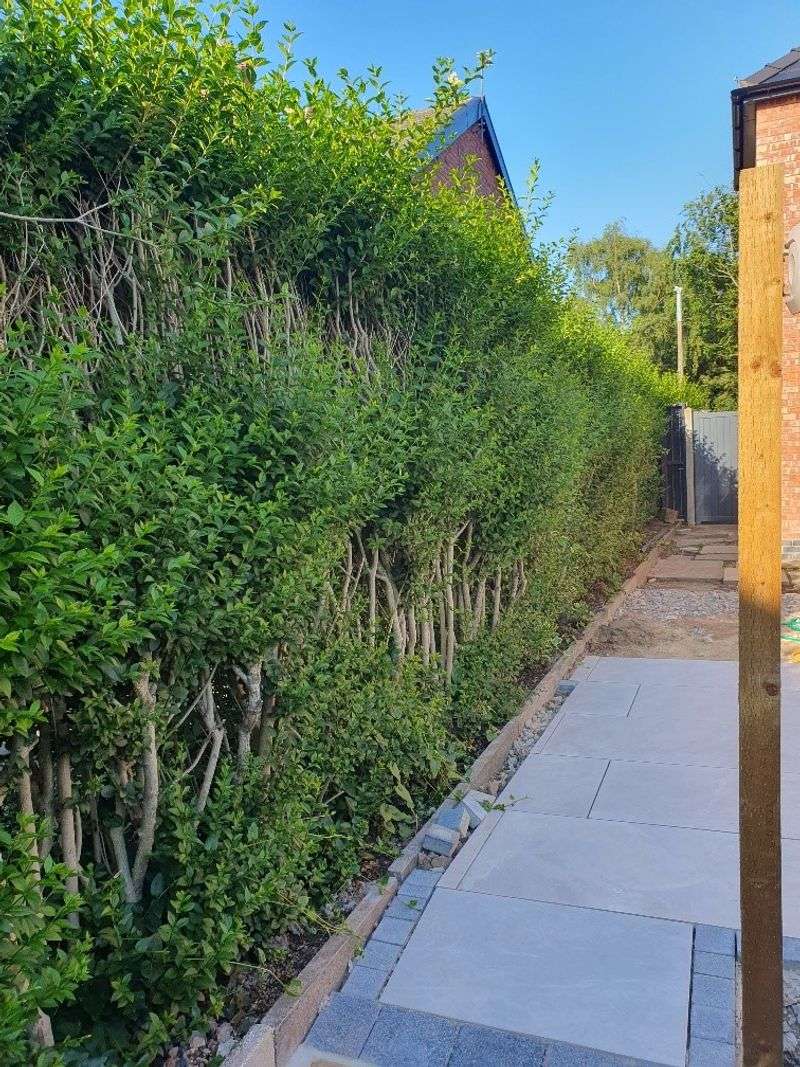
Bare legs at the base of a hedge are one of the most common complaints from homeowners who have been shearing the same row for several years. Repeated mechanical shearing creates a hedge that gradually becomes wider at the top than at the bottom.
When the upper canopy spreads outward, it blocks sunlight from reaching the lower branches, and those branches eventually stop producing new leaves.
Hedges need light reaching all parts of the plant to stay full from top to bottom. The ideal pruning shape is slightly narrower at the top than at the base, which allows sunlight to reach lower foliage and keeps the hedge dense throughout.
Most homeowners shear flat across the top and straight down the sides, which produces the opposite result over time.
Fence-line hedges add an extra layer of difficulty. One side of the planting is often pressed against or very close to the fence, making it nearly impossible to prune that face properly.
The shaded interior of the hedge and the inaccessible back side can both develop bare patches that are hard to correct once established. Privet can be rejuvenated through harder cuts, but doing so requires careful timing and consistent follow-up.
Understanding how shearing affects light distribution helps homeowners make better pruning decisions before the bottom of the hedge becomes a problem.
6. A Fence Can Hide Spread Until The Hedge Is Hard To Control
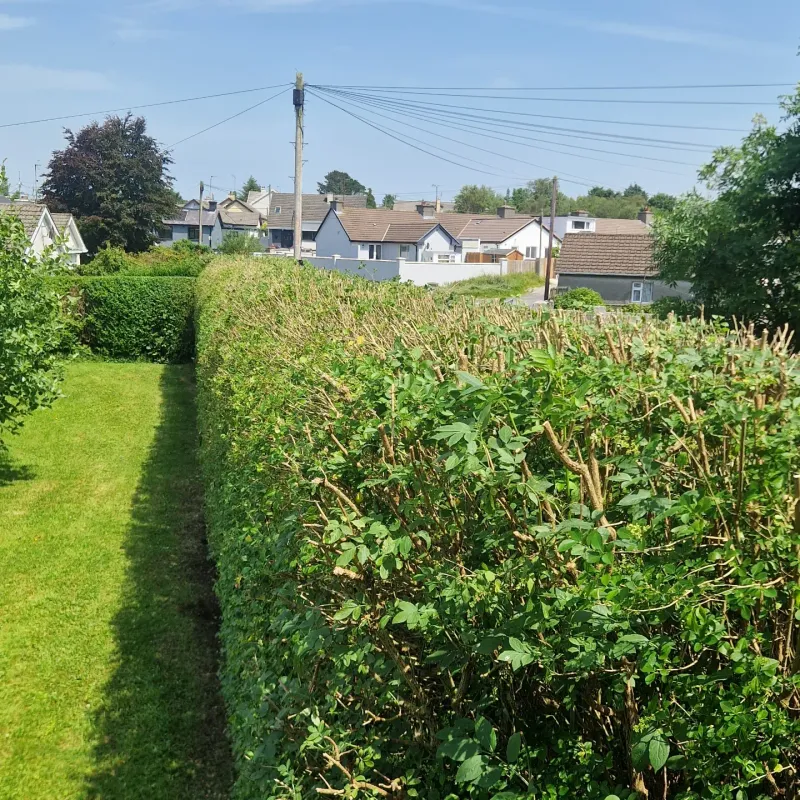
Behind a solid privacy fence, a privet hedge can quietly expand for seasons before anyone notices. Suckers, seedlings, and branches pushing through fence gaps can all signal unwanted spread.
Homeowners often miss these signs because they cannot easily see the far side of the planting.
Access is a real practical problem. Solid fences, close property lines, and narrow side yards can make it genuinely difficult to inspect the back of a hedge more than once or twice a year.
Privet that is spreading through suckers or seeding into adjacent spaces can establish a significant presence during those gaps in monitoring.
By the time the growth becomes visible or starts affecting a neighbor, it may already require much more effort to address than it would have earlier.
Placing a fast-growing or spreading plant along a fence where regular access is limited is a setup for long-term management challenges. The fence does not make privet invasive.
The issue is that a solid fence reduces visibility and access, which are the two things needed to catch unwanted spread early. Homeowners planting along a shared fence should schedule regular inspections.
Walking the outside perimeter at least twice a year can help catch new growth before it becomes established.
7. Florida Privet Is Not The Ligustrum You Are Trying To Replace
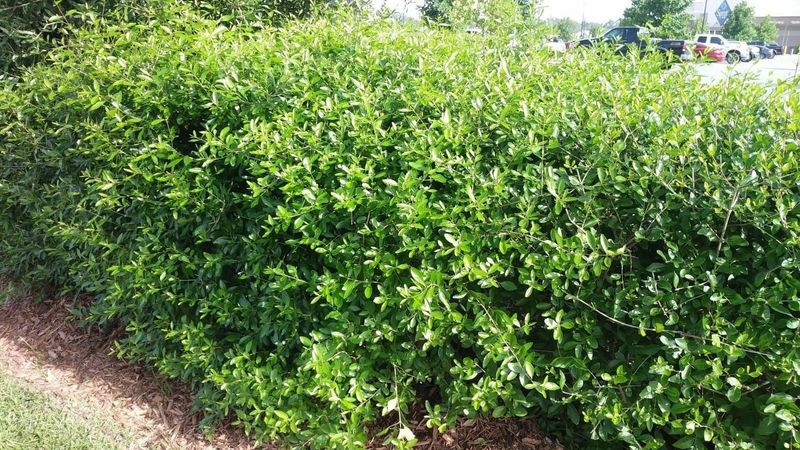
Walk into a native plant nursery and ask for a privet, and you may be handed something entirely different from what you expected. Florida privet, Forestiera segregata, is a native shrub that belongs to the olive family, not to the genus Ligustrum.
The shared common name creates real confusion, and homeowners sometimes assume the two plants are interchangeable when they are not.
Forestiera segregata is native to Florida and several other southeastern states. UF/IFAS Gardening Solutions recognizes it as a wildlife-friendly shrub that provides cover and fruit for native birds.
Because it is native, it is not subject to the same invasive concerns as Chinese privet. Planting a native shrub in the right location supports local ecology rather than working against it.
Florida privet grows best in full sun to partial shade and tolerates a range of soil types, including the sandy, well-drained soils common across much of the state. That said, it is not a perfect match for every hedge situation.
Its growth habit and appearance differ from Ligustrum, so expecting it to behave like a traditional privet hedge will lead to disappointment. The value of Forestiera segregata is in what it offers as a native plant, not as a substitute for an invasive one.
Knowing the difference between the two starts with reading the botanical name on the tag before purchasing.
8. Check The Species Before Another Hedge Goes Along The Fence
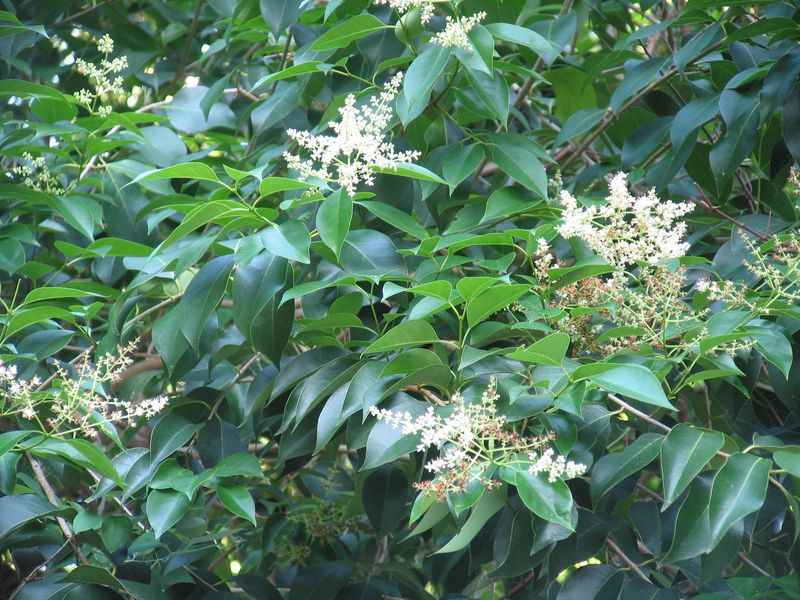
Every problem covered in this article traces back to a single moment: choosing a plant before checking what it actually does. A privet hedge along a property line can seem like a simple landscaping decision.
But the species chosen that day can shape the fence line for years afterward.
Before any privet goes into the ground near a fence, the botanical name should be confirmed and checked against the current UF/IFAS Assessment of Non-Native Plants.
Chinese privet, Ligustrum sinense, has a documented history of suckering, prolific fruiting, and escaping cultivation in disturbed areas.
Japanese privet and glossy privet carry their own assessments that are worth reviewing separately. Lumping them together leads to uninformed choices.
Root suckering and seed dispersal are both real, separate concerns that require different management strategies. A fence that limits access to one side of the hedge makes both problems harder to catch early.
Native alternatives like Forestiera segregata exist and deserve consideration where site conditions allow. The fence itself is not the source of the trouble.
The long-term fence problem often begins before the first shovel reaches the soil. It starts when a spreading or invasive privet is chosen without considering how the hedge will behave years later.
Checking the species first is the simplest way to avoid it.