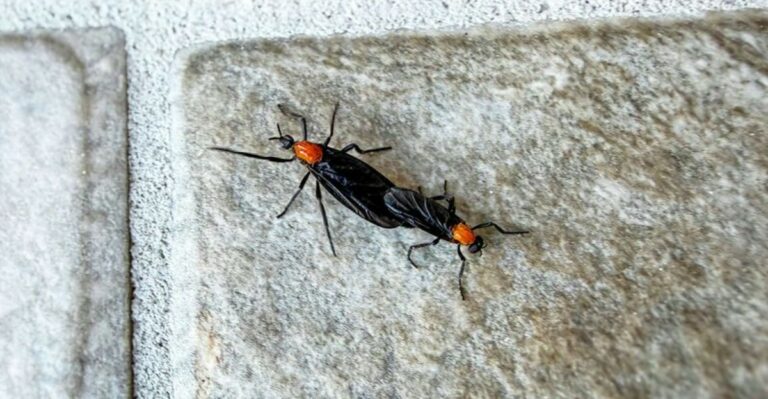
This UF/IFAS-Recommended Shrub Most Gardeners Skip Also Happens To Save Fireflies
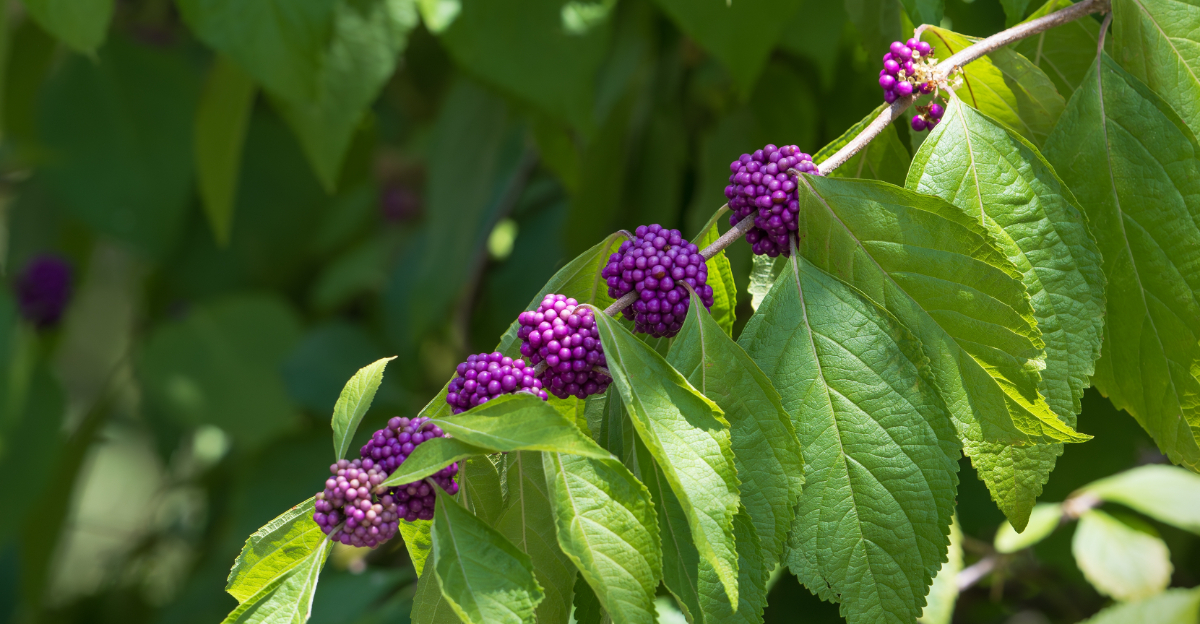
UF/IFAS recommends it. Wildlife researchers cite it.
Firefly conservationists have started paying close attention to it. Florida yards keep passing it over at the nursery in favor of shrubs that do a fraction of what this one delivers.
American beautyberry is not obscure. It is not hard to find.
It is simply underestimated in a way that costs Florida landscapes something real every season it goes unplanted. The wildlife value alone earns it a spot in any Florida yard.
The firefly connection is what makes it remarkable. Beautyberry creates layered, moist, ground-level habitat.
The kind firefly larvae depend on through the long underground stretch of their life. The part nobody sees but everything depends on.
A shrub that looks spectacular in fall, carries a research-backed track record, and supports fireflies is not something to walk past at the nursery again.
1. American Beautyberry Builds The Right Shrubby Edge
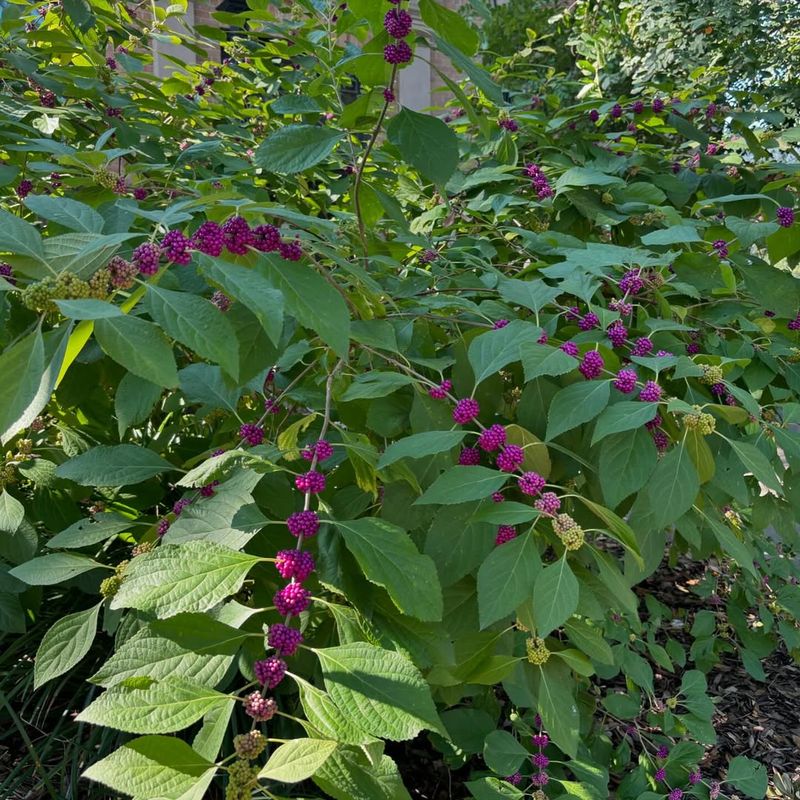
A loose, arching shrub growing along a shaded fence line might not look like much in spring. By late summer, that same plant can be covered in clusters of vivid purple berries that stop people in their tracks.
That shrub is American beautyberry, Callicarpa americana, and its habitat value goes well beyond its looks.
UF/IFAS recognizes American beautyberry as a Florida native, wildlife-friendly shrub suited to many yards across the state. Its real strength for firefly habitat is structural.
The plant grows in a relaxed, layered form that creates a cooler, more sheltered edge close to the ground. That kind of shrubby border provides shade that reaches the soil and limits disturbance from foot traffic.
It creates the type of low-disturbance habitat that fireflies use for resting, moving, and larval development.
American beautyberry does not act like a magic attractant. The connection to fireflies comes from what the shrub helps create: shaded soil, reduced exposure, and a quieter corner of the yard.
Pair it with darker evenings, some leaf litter, moist soil, and fewer broad sprays, and the conditions start to add up. One thoughtfully planted shrub can help transform a bare yard edge into something much more useful for wildlife.
2. Callicarpa Americana Keeps The Plant Choice Native
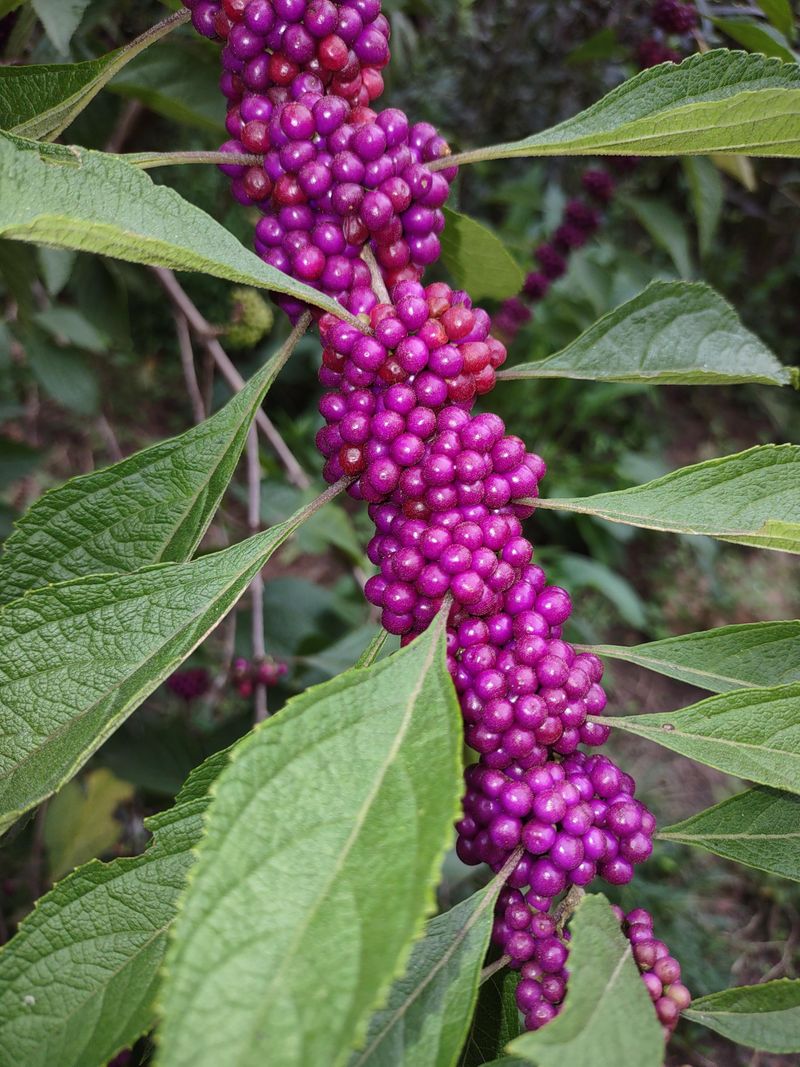
Standing in a nursery aisle, plant tags can blur together fast. Several beautyberry species look similar, and not all of them are native to the United States.
That is why checking for the scientific name, Callicarpa americana, matters more than just grabbing whatever has purple berries.
American beautyberry, Callicarpa americana, is the species native to the southeastern United States, including much of this state. Choosing a native species means the plant is adapted to local soils, local rainfall patterns, and local wildlife.
Nonnative beautyberry species, such as Callicarpa japonica from Japan, may be sold at some nurseries as ornamentals. They are not native to this region, and choosing them when the goal is a native planting misses the point.
Always ask nursery staff for the scientific name. Reputable native plant nurseries, Florida Native Plant Society plant sales, and university extension recommended plant lists are good places to start.
Your Florida Garden Changes Every Week. Your Plan Should Too.
Gardening in Florida changes quickly throughout the season. Every Friday you’ll receive a simple weekly plan showing exactly what to plant, prune, fertilize, harvest, and protect so you never miss the right timing.
Programs like Plant Real Florida also help connect gardeners with verified native sources. A small step like reading the tag carefully can make a real difference.
It can determine whether your planting supports local wildlife the way a true native shrub can.
3. Loose Branches Shade Soil Better Than Bare Mulch
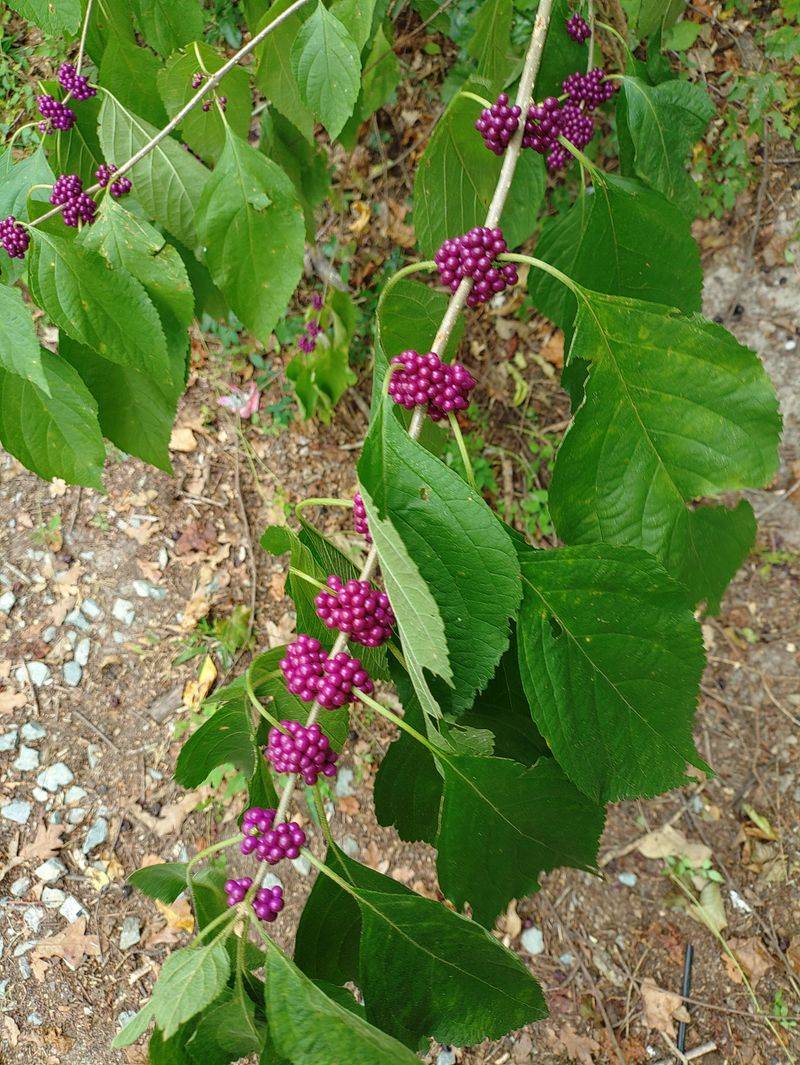
Walk up to a mature American beautyberry on a hot afternoon and crouch down near its base. The soil underneath is noticeably cooler than the bare mulched areas nearby.
That is not a coincidence. The shrub’s wide, arching branches spread outward and downward.
They create a canopy that blocks direct sun and holds moisture close to the ground.
Bare mulch reflects heat and dries out quickly. Shrub shade works differently.
It reduces soil temperature, slows evaporation, and creates a more stable microclimate at ground level. That kind of cooler, slightly damper soil edge creates the type of environment used by firefly larvae, ground beetles, and other beneficial insects.
They use it for shelter and hunting. UF/IFAS firefly guidance points to shaded, moist soil and low-disturbance edges as features that can support firefly habitat.
American beautyberry’s loose form is sometimes seen as a negative by gardeners who want a tight, sculpted look. But that same relaxed habit is what makes it so useful here.
The branches do not just hold berries. They create a living canopy over the soil.
Combine that shade with some leaf litter and minimal foot traffic, and you have built a much more welcoming edge than bare ground ever could.
4. Leaf Litter Underneath Creates A Safer Firefly Zone
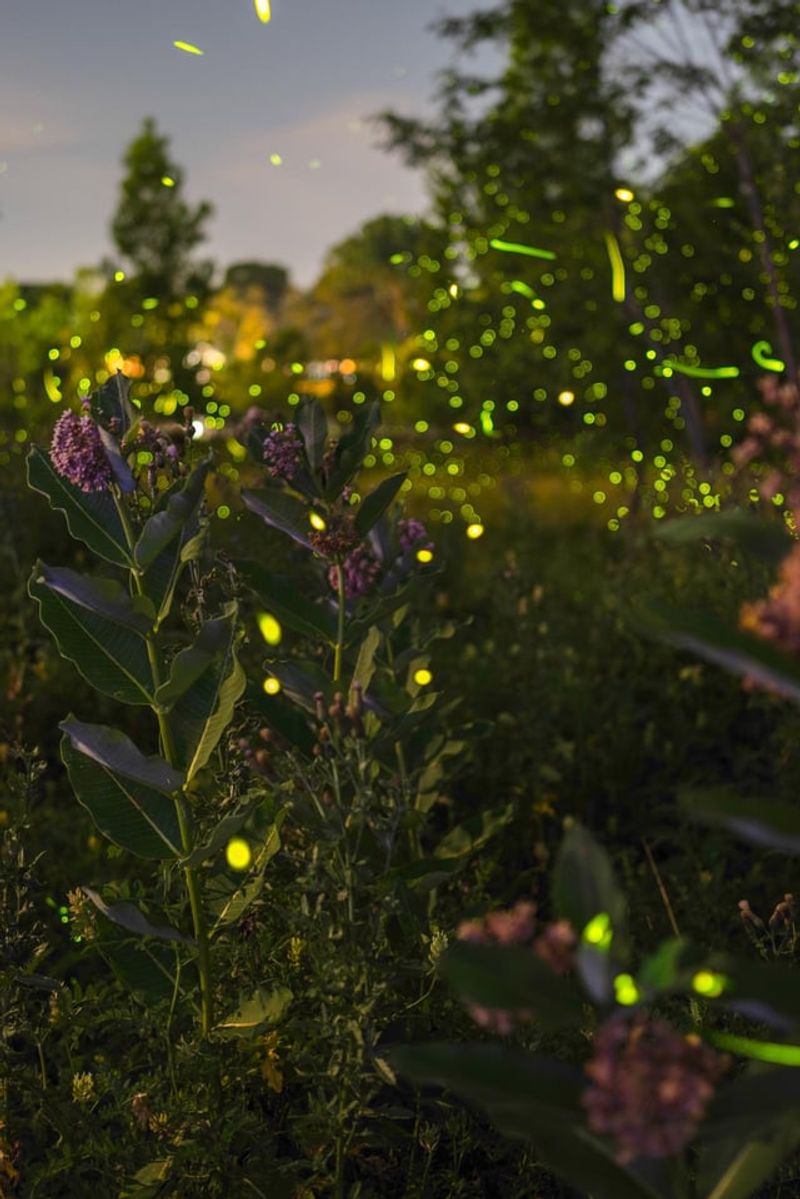
Most Florida homeowners rake leaves away from their shrub beds without thinking twice. But the layer of fallen leaves under a plant like American beautyberry is doing something useful.
Leaf litter holds humidity, moderates soil temperature, and gives small insects a place to shelter, hunt, and complete parts of their life cycle away from open, exposed ground.
Firefly larvae spend a significant portion of their lives in or near the soil. They are predators that hunt soft-bodied prey like snails and earthworms in the leaf layer and damp soil beneath shrubs.
A shaded, undisturbed pocket of leaf litter under a native shrub is much more valuable than a clean, raked bed. Research and extension guidance consistently point to leaf litter as a key habitat feature for fireflies and other ground-active beneficial insects.
You do not need to let the whole yard go wild. Keep walkways, drains, and high-traffic areas tidy.
But consider leaving a natural layer of leaves under shrub beds where it is safe to do so. Under an American beautyberry planted along a fence or back edge, that small patch of undisturbed litter can quietly support more life.
Most gardeners do not realize how valuable it can be. Small choices like this add up across an entire yard.
5. Purple Berries Help Wildlife Beyond The Glow
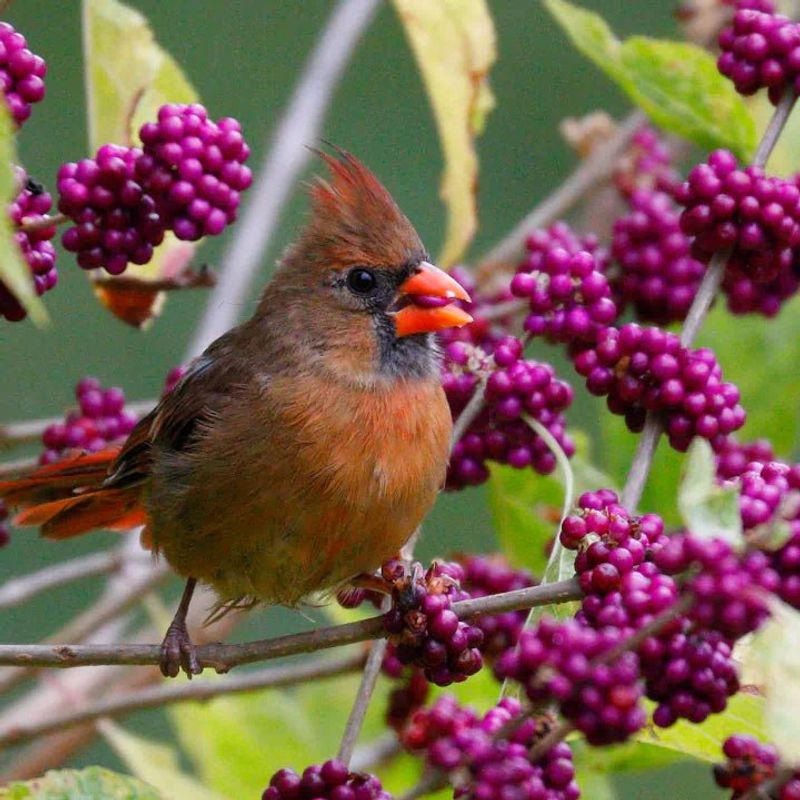
By late summer and into fall, American beautyberry earns its name in the most dramatic way possible. The berries are a rich, almost electric purple, arranged in tight clusters that wrap around each stem.
They are genuinely eye-catching, and they are one of the main reasons this plant deserves a spot in more home landscapes.
Those berries are not just ornamental. Multiple bird species, including mockingbirds, catbirds, robins, and brown thrashers, are known to feed on beautyberry fruit.
Deer, raccoons, and other wildlife also use the plant. The berries typically ripen in late summer and can persist into early winter depending on how quickly wildlife find them.
Fruiting can vary based on the plant’s age, sun exposure, local pruning timing, and site conditions. Do not expect peak berry production from a newly planted shrub.
A yard that supports birds and diverse wildlife through layered native plantings often also creates better conditions for fireflies and other beneficial insects. American beautyberry is one piece of that broader picture.
Keep in mind that fireflies are not attracted to the berries themselves. The habitat value here is about the shrub’s structure, the shade it creates, and the wildlife-friendly corner it helps build, not the fruit directly.
6. Fewer Sprays Make The Whole Bed More Useful
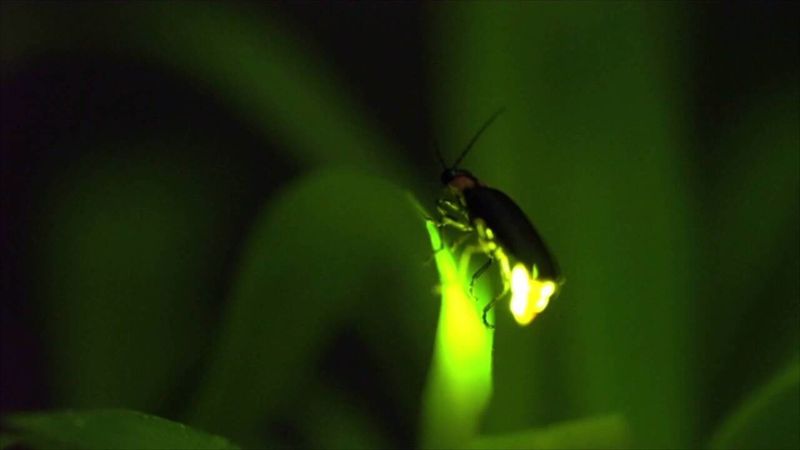
Reaching for a spray bottle every time something looks chewed or spotted is a common habit, but it comes with real costs. Broad-spectrum insecticides do not distinguish between pest species and the beneficial insects living in the same bed.
Firefly larvae, ground beetles, and other predatory insects can all be affected by unnecessary pesticide applications near soil and leaf litter.
UF/IFAS and extension entomologists consistently recommend integrated pest management, or IPM, as a smarter approach. IPM means correctly identifying the pest first, then choosing the least disruptive option that addresses the problem.
Targeted treatments, applied correctly and only when needed, are far less likely to harm the broader insect community than routine broad sprays. Always read the label and follow local extension guidance before treating any plant in or near a native shrub bed.
American beautyberry itself is a tough, relatively low-maintenance native that rarely needs chemical intervention once established.
Planting it in a bed where unnecessary sprays are avoided gives the whole area a better chance of supporting fireflies, pollinators, and other beneficial insects over time.
Protecting the food web around your shrubs, including the small prey insects that firefly larvae depend on, is just as important as planting the right shrub in the first place.
7. Light Pruning Keeps Habitat Without Looking Messy
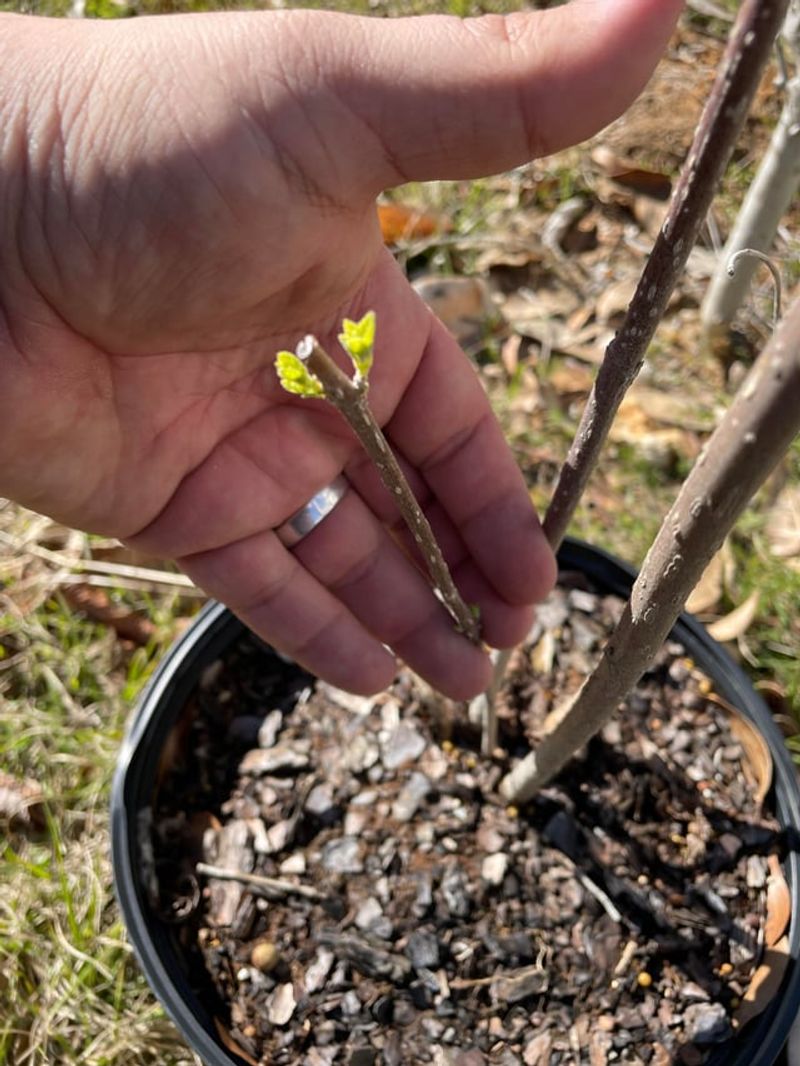
One reason gardeners skip American beautyberry is that its natural form looks a little unruly compared to tightly sheared hedges. The branches arch outward and the plant can spread to six feet or more.
But that loose habit is not a flaw. It is one of the features that makes it useful for wildlife and habitat edges.
Light, selective pruning is the right approach for this shrub. Remove stems that are crossing awkwardly, blocking a path, or growing in directions that cause problems.
Thin out older wood occasionally to encourage fresh growth and better berry production. Avoid constant shearing, which removes the flowering and fruiting wood and strips away the natural structure that creates good soil shade.
Heavy shearing also tends to produce dense, twiggy growth that is less open and useful for the insects and birds the plant is meant to support.
Clean bed edges, a layer of mulch, and thoughtful placement can make a loosely pruned beautyberry look intentional and attractive rather than neglected.
Placing it along a back fence, a property edge, or a shrubby transition zone gives it room to do what it does best.
A well-placed American beautyberry that is lightly managed will look better over time and provide far more habitat value than one that is constantly cut back hard.
8. Fireflies Need The Whole Yard Not One Shrub
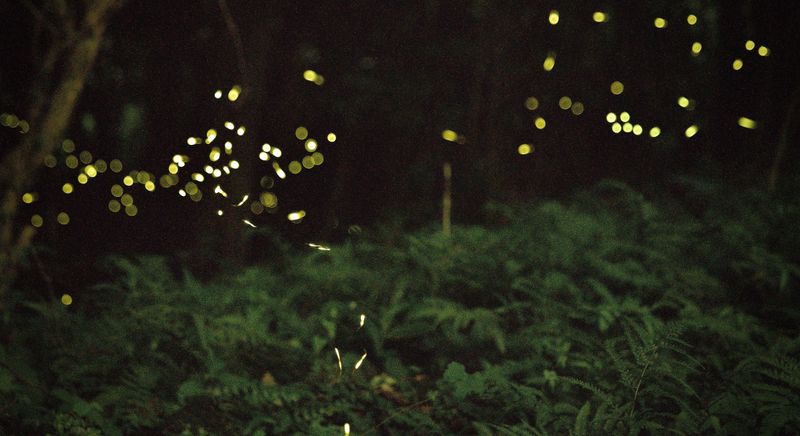
No single shrub can bring fireflies back to a yard on its own. That is worth saying plainly, because the title of this article uses a strong hook and it deserves an honest answer.
American beautyberry, Callicarpa americana, can help create better conditions, but fireflies need a whole habitat recipe working together.
The full picture includes darker evenings with reduced outdoor lighting near shrub edges and moist, shaded soil that stays cool and undisturbed.
It also includes leaf litter under shrubs, reduced broad pesticide use, and avoiding standing water that breeds mosquitoes without helping fireflies.
Each of those pieces matters. Planting one shrub while keeping bright lights on all night, spraying the bed regularly, and raking every leaf away will not produce the results you are hoping for.
American beautyberry is a genuinely useful native shrub that UF/IFAS supports for Florida-friendly landscapes. It can anchor a shrubby edge, shade the soil, feed birds, and help create a quieter, more sheltered corner of the yard.
When paired with the right conditions, it becomes part of something larger. Start with one good native shrub, then build the habitat around it one thoughtful choice at a time.