Why Some Ohio Municipalities Are Fining Homeowners For This One Plant

A plant in your Ohio yard could cost you far more than the price on its nursery tag. In some municipalities, homeowners can face fines when one aggressive plant crosses property lines, reaches public land, or creates problems for neighbors.
What makes the situation tricky is how ordinary the plant can look at first. You may even have chosen it for privacy, quick coverage, or its bold appearance.
Years later, the same choice can turn into a dispute that involves local codes, property boundaries, and expensive removal work.
Ohio communities have started to take certain invasive plants more seriously as officials deal with the damage they can cause beyond a single yard.
Before you assume every plant on your property is strictly your business, check what your local rules actually say. One familiar landscape choice has become a surprisingly costly lesson for some homeowners.
1. Running Bamboo Can Trigger Daily Fines
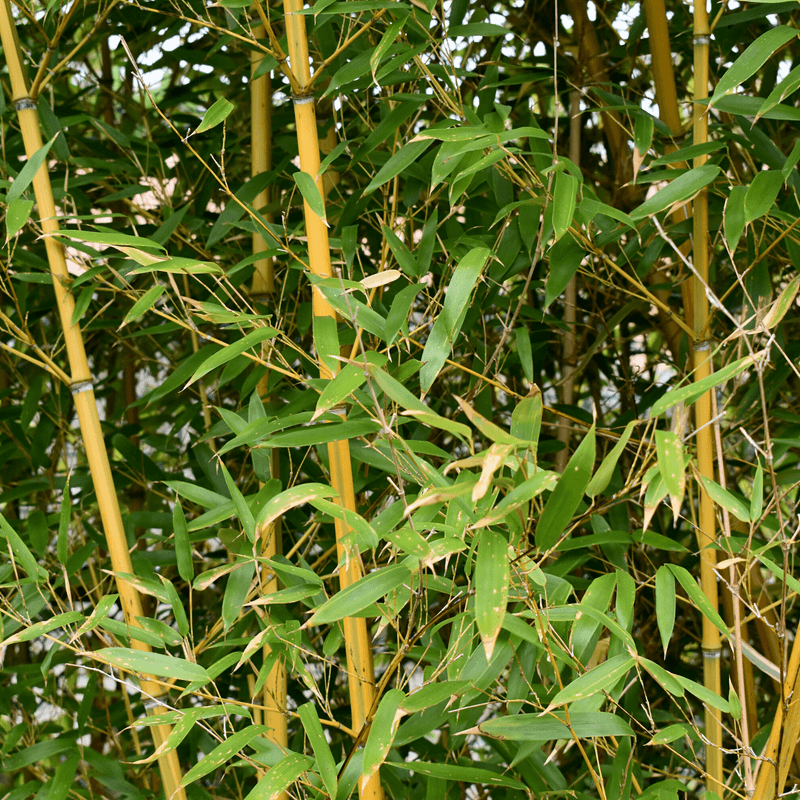
A $100-per-day penalty might sound extreme for a garden plant, but Worthington has made it a real possibility for homeowners who ignore a running bamboo violation.
The city’s municipal code targets the encroaching behavior of running bamboo, not the simple act of growing it on your own property.
If running bamboo spreads onto a neighbor’s lot or onto public land, the city has the authority to step in.
Worthington’s process starts with official notice. A homeowner receives written notification and is given a set period to correct the problem.
If the violation remains after that compliance window closes, the city can assess a civil penalty of $100 for each day the encroachment continues.
That daily rate can add up fast. A homeowner who waits two months after the compliance period ends could face thousands of dollars in penalties before any removal work even begins.
The fine is tied to the running and spreading behavior of the bamboo, not to its presence in the yard. Worthington’s ordinance serves as a clear example of how seriously some local governments treat uncontrolled bamboo spread.
Other municipalities may have their own rules, and the specific procedures and penalties can vary from one city to the next. Checking your local code before planting is always a smart move.
2. Escaping Rhizomes Create The Real Problem
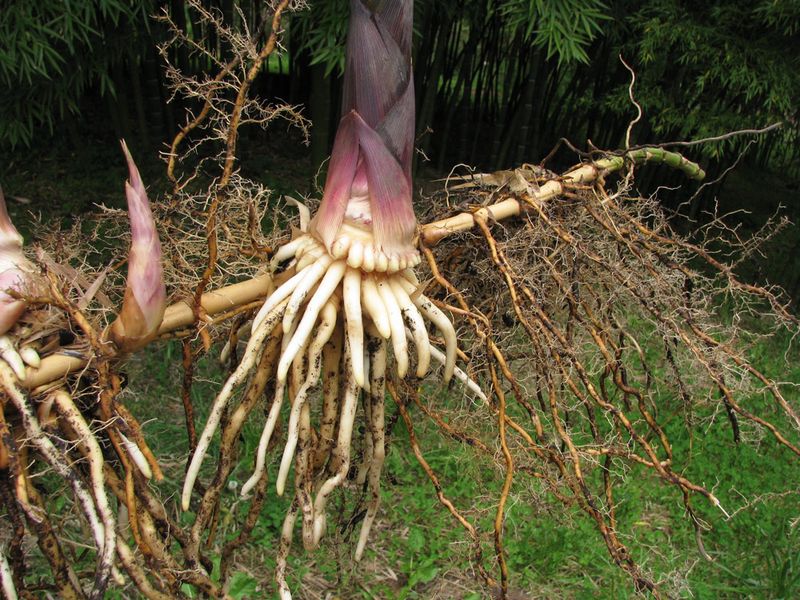
Beneath the surface of a bamboo planting, a hidden network is quietly doing the real work. Running bamboo spreads through underground stems called rhizomes, and these structures are what make the plant so difficult to contain.
Unlike clumping bamboo varieties that stay in a tight circle, running bamboo sends rhizomes outward in multiple directions.
According to guidance from Ohio State University Extension, rhizomes are horizontal underground stems that produce both roots and new shoots.
They travel through the soil and can emerge as new bamboo plants well beyond where the original clump was planted.
A homeowner may see shoots popping up near a fence or sidewalk and have no idea the spread started from a planting on the opposite side of the yard.
Your Ohio Garden Changes Every Week. Your Plan Should Too.
Gardening in Ohio changes quickly throughout the season. Every Friday you’ll receive a simple weekly plan showing exactly what to plant, prune, fertilize, harvest, and protect so you never miss the right timing.
The speed and distance of rhizome travel depends on soil conditions, climate, and how long the plant has been established. Older, well-established plantings tend to produce more aggressive underground growth than newly installed ones.
That is why a bamboo plant that seemed manageable for the first few years can suddenly appear in unexpected spots. Local governments regulate uncontrolled spread because the biology of running bamboo makes accidental encroachment genuinely easy.
Understanding what is happening underground helps explain why a plant that looks tidy above ground can quietly become a legal problem below the surface.
3. Property Lines Turn Spread Into Liability
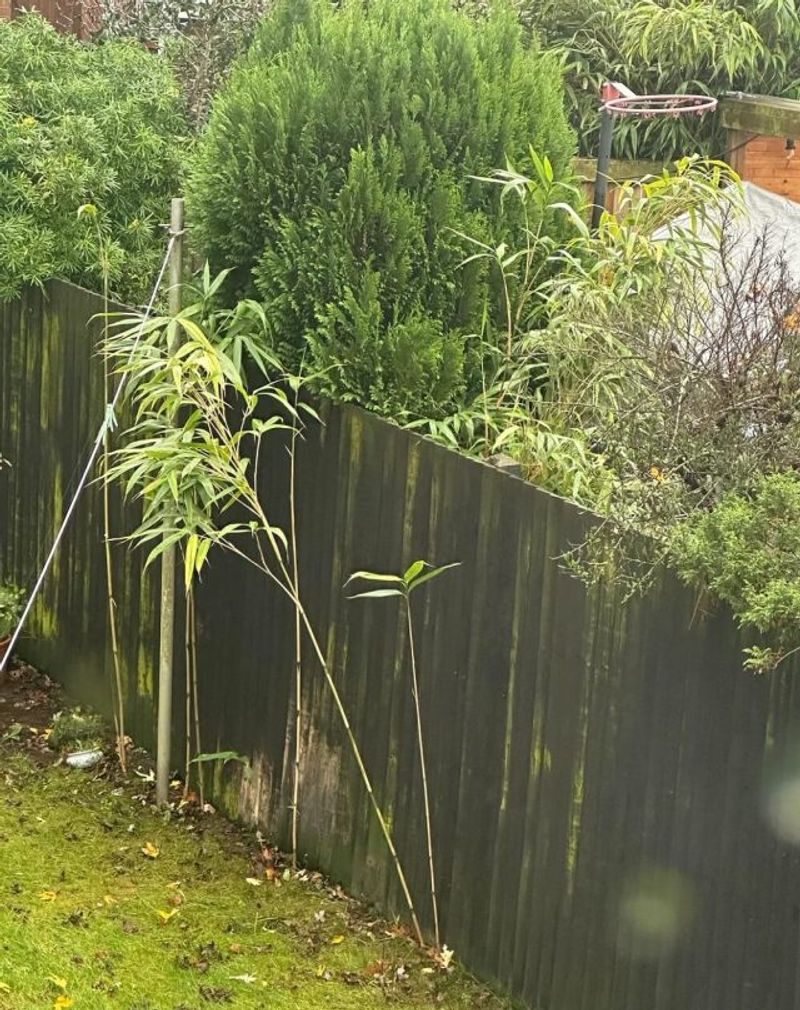
Spotting a bamboo shoot on the wrong side of a fence changes the situation completely. Up to that point, managing bamboo is a gardening matter.
Once rhizomes cross a property boundary and new growth appears on a neighbor’s land or on public property, the issue can shift into enforcement territory.
Local ordinances in cities like Worthington give the municipality authority to act when running bamboo encroaches beyond the planting owner’s lot.
Neighbors who discover bamboo invading their yard may also have grounds to raise the matter with local code enforcement.
The specific rights and remedies available depend on the local rules in place, the facts of each situation, and applicable law. This article does not offer legal advice, and homeowners facing a real dispute should consult a qualified attorney.
Checking bamboo growth near fences, sidewalks, alleys, and lot lines is practical habit worth building into a regular yard routine. Rhizomes move underground, so visible shoots on a neighbor’s side may represent weeks or months of unseen travel.
Catching the spread early gives a homeowner more options and more time to address the problem before an official complaint is filed. Sidewalks and public alleys deserve especially close monitoring.
Encroachment onto city property can trigger municipal code enforcement even if no neighbor has complained.
4. City Notices Start The Enforcement Clock
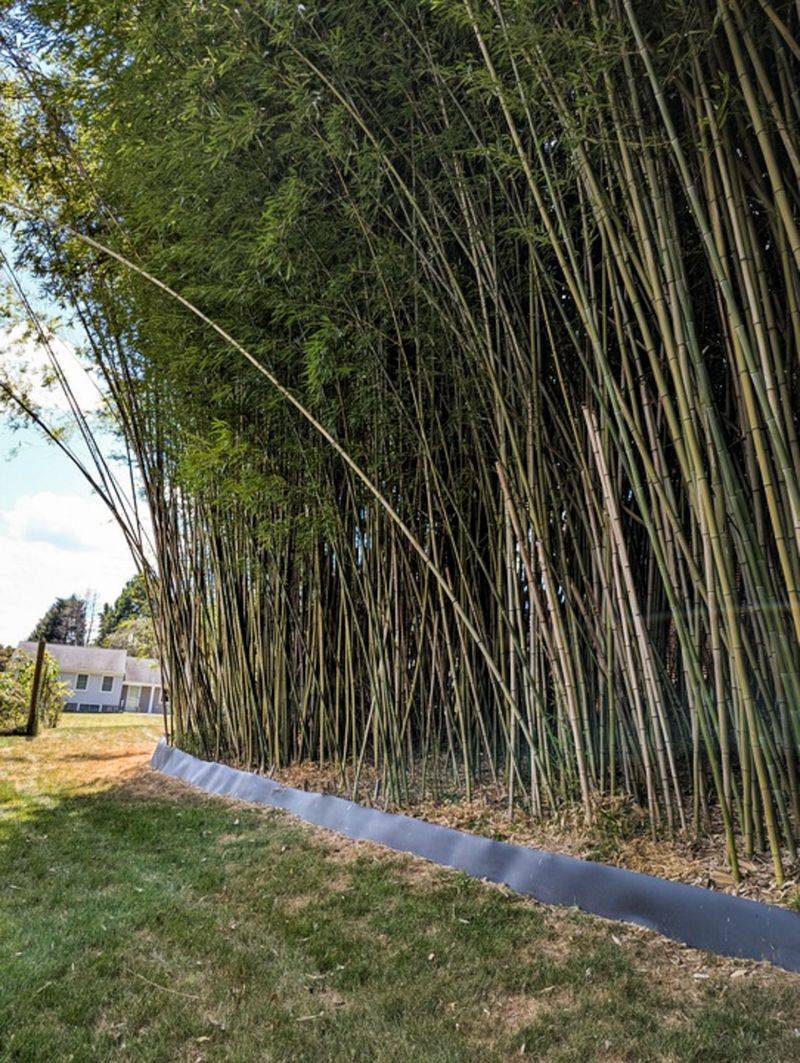
A letter from the city is not something most homeowners expect over a garden plant, but that is exactly how bamboo enforcement often begins.
When a municipality identifies a running bamboo violation, the typical first step is a formal written notice sent to the property owner.
That notice does more than inform. It starts a compliance clock.
Worthington’s process, as reflected in its municipal code, gives property owners a defined period to bring the situation into compliance after receiving official notice. The current ordinance sets the number of days allowed for compliance.
Homeowners should verify that endline directly with the city or in the published code. Other municipalities that regulate running bamboo may follow different procedures and timelines entirely.
Ignoring an official notice rarely makes the problem smaller. If the compliance period expires without corrective action, the city may begin enforcement.
That can include daily civil penalties or municipal abatement. Each day of inaction after the endline can add to the financial exposure.
A homeowner who treats the notice as optional mail is essentially letting costs accumulate. Respond promptly and contact the city to discuss the situation.
Taking visible steps toward correction can help avoid more serious consequences from an unaddressed notice. Local rules vary, so reading the notice carefully and understanding the specific requirements it outlines is essential.
5. Removal Costs Can Climb Into Five Figures
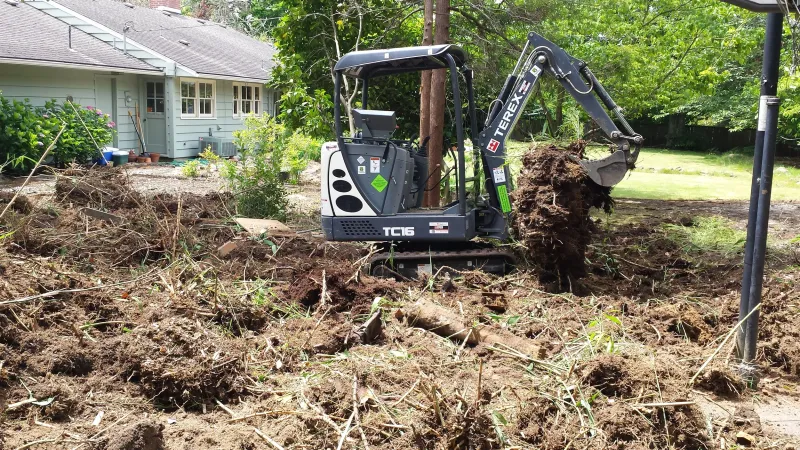
A documented Worthington case gives a clear picture of how expensive a bamboo problem can get. The city performed abatement work on a property where running bamboo had spread significantly, and the total cost of removal and containment exceeded $37,000.
That figure was an abatement assessment charged to the property owner, not a fine. The city carried out the required work and then assessed those costs against the property.
Abatement assessments, fines, and liens are distinct things, and blurring them together leads to confusion about how enforcement actually works. In this case, the large amount reflected labor and materials for bamboo removal and containment.
It was not a penalty for the code violation itself. The distinction matters, but so does the number.
Thirty-seven thousand dollars is a significant financial consequence by any measure.
Established running bamboo is genuinely difficult and expensive to remove. Rhizomes grow deep and travel far, and clearing them thoroughly requires excavation, persistent follow-up, and sometimes physical barriers.
Ohio State University Extension notes that bamboo removal can be labor-intensive because rhizomes left in the ground will continue producing new shoots. The Worthington case is not presented as a typical outcome.
It shows what can happen when severe spread goes unaddressed long enough for the city to step in.
6. Containment Barriers May Become Mandatory
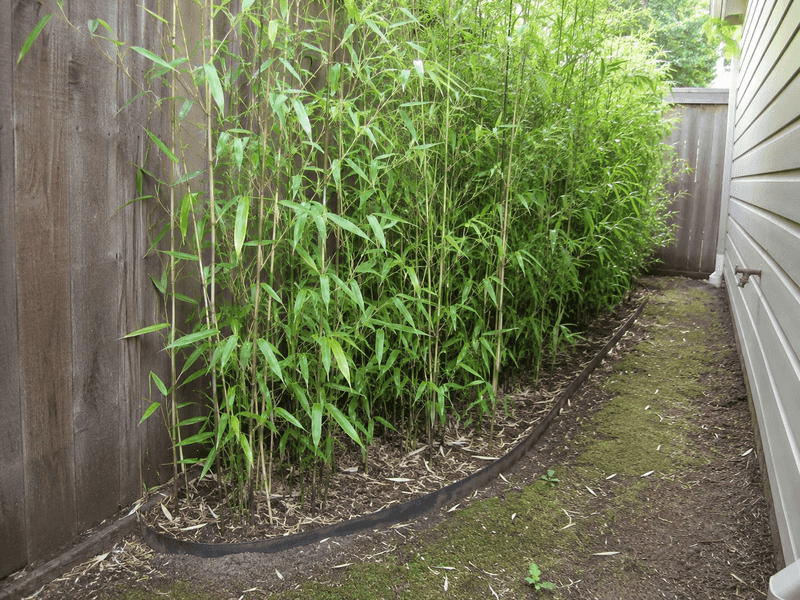
Controlling what happens underground is the real challenge with running bamboo, and physical barriers are one of the primary tools used to meet that challenge. A bamboo containment barrier is typically installed vertically in the soil around or beside a planting.
Its purpose is to block or redirect the horizontal spread of rhizomes. The goal is to keep underground growth from reaching neighboring property or public land.
Some municipalities, including Worthington, can order a property owner to install containment as part of resolving a bamboo violation.
The specific requirements, including whether barriers are mandated and under what circumstances, depend on the current local ordinance.
Homeowners should check the exact language of their local code rather than assuming one city’s rules apply everywhere.
Barriers are not a set-and-forget solution. Authoritative horticultural guidance makes clear that containment systems require periodic inspection and maintenance.
Rhizomes can work around or under barriers over time if the installation is not monitored. A barrier that worked well in year one may develop gaps that allow escape in year three or four.
Checking the barrier annually and looking for any new shoots outside the contained area helps catch problems before they become enforcement issues. Physical containment requires an ongoing maintenance commitment.
Anyone growing or considering running bamboo should understand that upkeep before installing a barrier.
7. Yellow Groove Bamboo Faces Extra Scrutiny
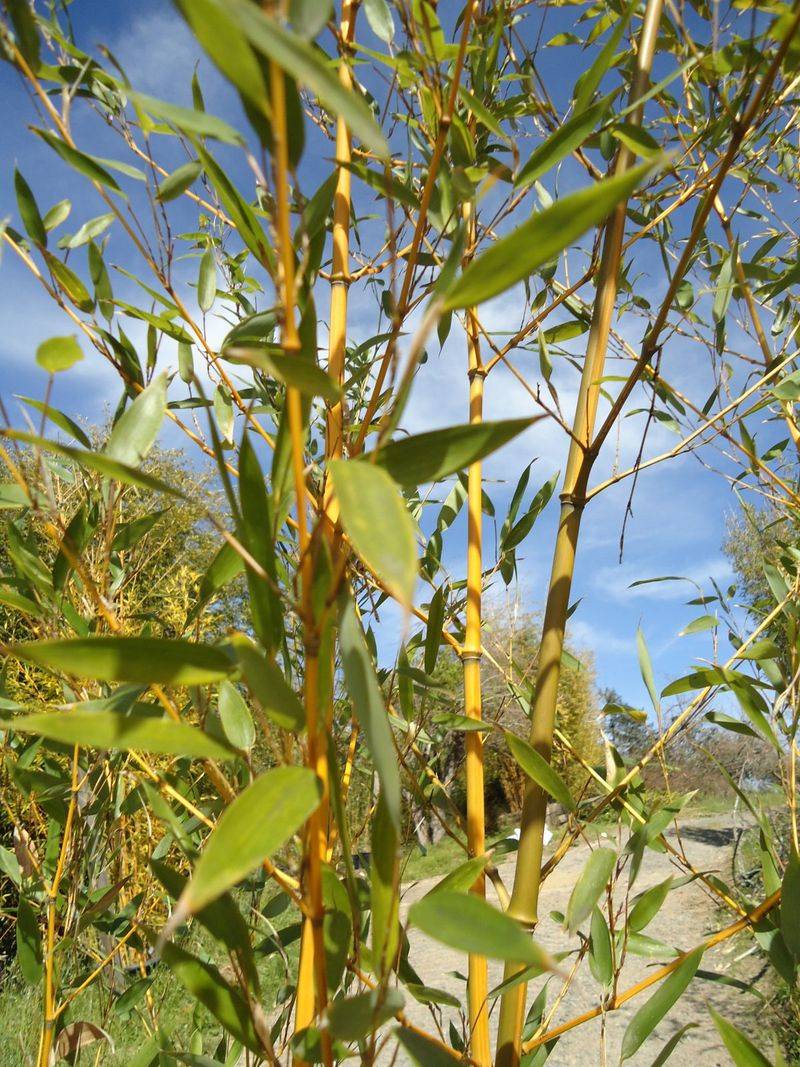
Not all bamboo species receive the same legal attention, but Yellow Groove Bamboo, Phyllostachys aureosulcata, holds a specific and notable position under state law. Yellow Groove Bamboo appears on Ohio’s prohibited noxious weed list.
However, the legal concern is not triggered simply by growing the plant. The condition that matters is whether the plant has spread from its original planting site and is not being maintained.
A well-maintained, contained planting is treated differently than one that has escaped its boundaries and is growing uncontrolled. State law focuses on whether Yellow Groove Bamboo is being contained.
Homeowners who prevent its spread are in a different position from those who allow it to run freely. Local ordinances may apply more broadly than the state rule and could regulate running bamboo behavior regardless of species.
Ohio State University Extension identifies this species as one that can be particularly difficult to manage once rhizomes move beyond the original planting area. Yellow Groove Bamboo combines aggressive underground growth with a specific legal status in Ohio.
Understand both before planting it or assuming an existing stand is fine as-is. Checking both state law and local municipal code gives a homeowner the clearest picture of what is actually required for the bamboo on their property.
8. Ignoring The Spread Can Reach Your Tax Bill
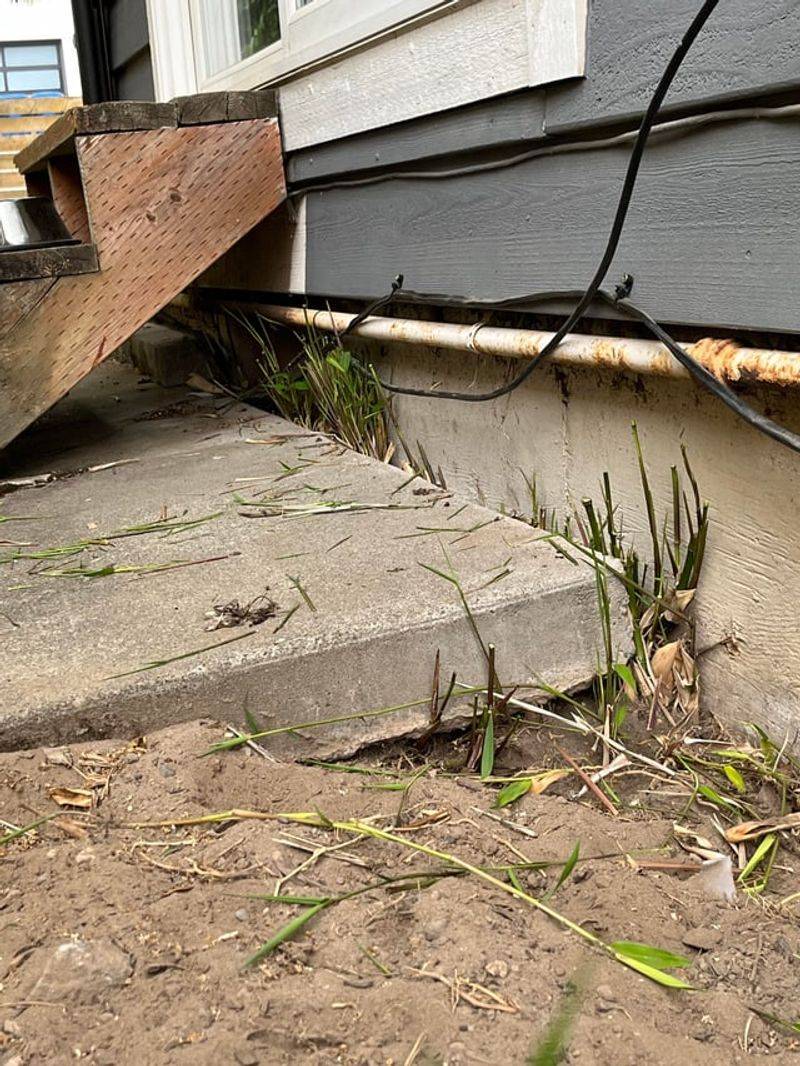
Municipal abatement costs do not always stop at a one-time bill. If an owner does not pay an abatement assessment after city removal or containment work, further collection may follow.
Depending on state and local procedures, those costs may enter the property-tax system or become a lien. This does not happen automatically from a single stray shoot, and the sequence matters.
The process typically begins with a notice, then a compliance endline , then city action if the violation remains unresolved. If the city performs the work and the owner does not pay the assessment, a tax lien may become possible.
Whether that happens depends on applicable state and local law. Homeowners who reach that stage face consequences that extend well beyond the original plant problem.
The most practical protection against any of this is routine attention to what the bamboo on your property is doing. Regularly walk the perimeter and check fences, sidewalks, and lot lines for new shoots.
Respond immediately to any city notice to keep a manageable planting from becoming a financial and legal problem. Maintaining containment systems and trimming new growth before it travels keeps the situation in the homeowner’s control rather than the city’s.
Acting early is far less expensive than responding late.