The Pennsylvania Tree Most Homeowners Wish They Had Planted Five Years Ago
There’s a specific kind of gardening regret that comes not from planting something wrong but from not planting something sooner.
The realization that a tree you’re admiring in someone else’s yard, the one providing perfect shade, stunning fall color, or year round structure that anchors the whole property, could have been doing the same thing in your yard if you had just made the decision five years ago.
Most Pennsylvania homeowners who discover this tree feel exactly that way. It’s not obscure or hard to find. It’s not a rare native that requires a specialist nursery and a waitlist.
It’s a tree that grows well across Pennsylvania, handles the state’s climate and soil conditions with the kind of quiet resilience that makes it reliably low maintenance, and delivers multiple seasons of genuine beauty without demanding much in return.
The reason more people aren’t growing it comes down largely to unfamiliarity. Once you know what it is, the decision to plant one tends to feel obvious.
Here’s the Pennsylvania tree most homeowners wish they had discovered and planted years earlier.
Black Gum Rewards Gardeners Who Plant It Early
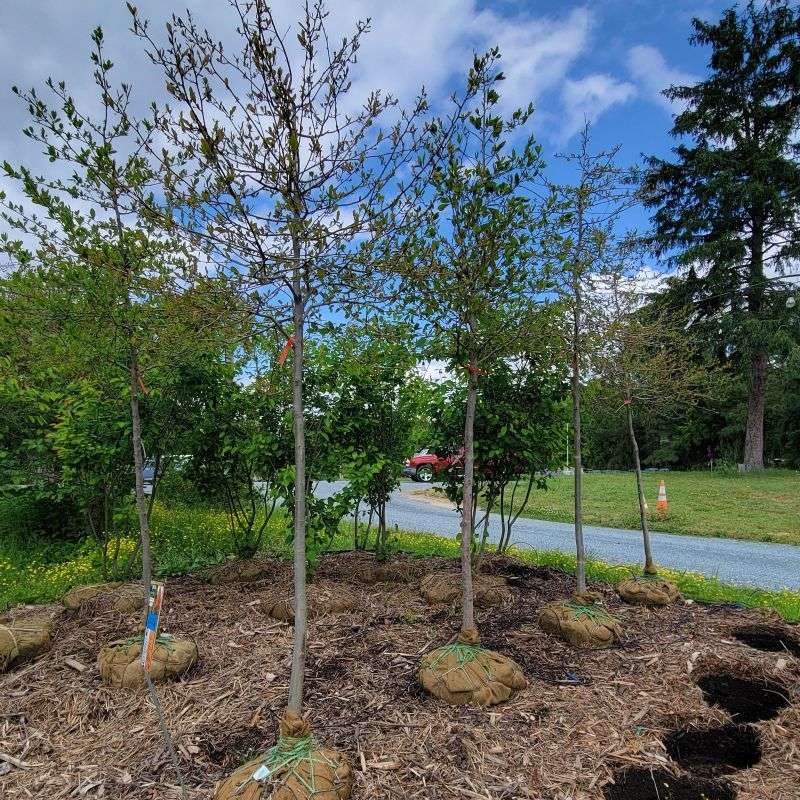
Patience pays off with the black gum tree. Known by its scientific name Nyssa sylvatica, this Pennsylvania native is one of the most rewarding trees a homeowner can put in the ground.
It grows slowly compared to fast-growing trees like silver maple or Bradford pear, but that slower pace comes with a big payoff over time.
Because black gum grows at a measured rate, the wood it builds is dense and strong. That strength means fewer broken branches after storms and a longer lifespan overall.
Some black gum trees in the wild have been documented living for hundreds of years. That kind of staying power is rare in the tree world.
Planting early gives the tree time to establish a deep, wide root system. Once those roots settle in, the tree becomes more self-sufficient and better at handling whatever weather comes its way.
Many homeowners who planted black gum trees five or ten years ago are already enjoying noticeable shade and brilliant fall color.
For anyone starting from scratch, the best time to plant is in the fall or early spring when temperatures are mild. Young trees benefit from regular watering during the first two growing seasons.
After that, they need very little extra care. A thick layer of mulch around the base helps retain moisture and keeps the roots comfortable as the tree gets established.
Black gum is not a tree that demands constant attention. Once it finds its footing, it mostly takes care of itself.
That low-maintenance quality, combined with its beauty and longevity, is exactly why so many Pennsylvania gardeners wish they had planted one sooner.
It Delivers Exceptional Fall Color
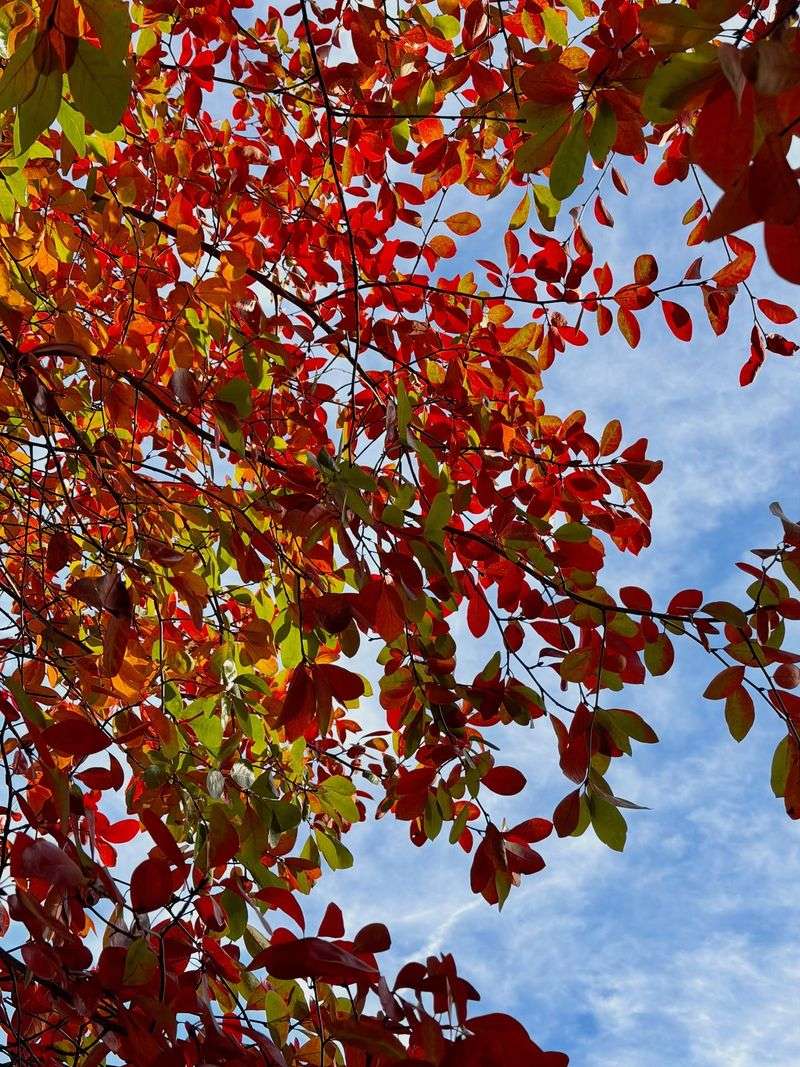
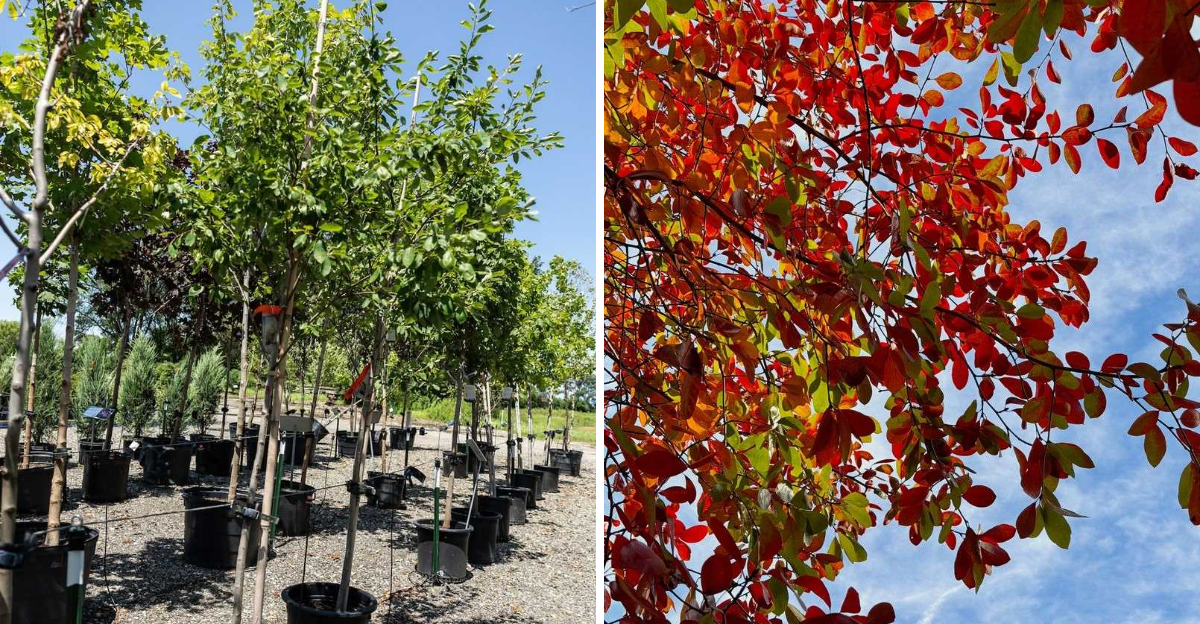
Few trees in Pennsylvania put on a fall show quite like the black gum. When the temperatures start to drop in September and October, its leaves shift into a breathtaking mix of scarlet, orange, red, and deep purple.
Your Pennsylvania Garden Changes Every Week. Your Plan Should Too.
Gardening in Pennsylvania changes quickly throughout the season. Every Friday you’ll receive a simple weekly plan showing exactly what to plant, prune, fertilize, harvest, and protect so you never miss the right timing.
All of those colors can appear on a single tree at the same time, creating a display that genuinely stops people in their tracks.
What makes this especially impressive is that black gum tends to color up earlier than many other trees in the landscape. While maples and oaks are still holding onto their green, black gum is already turning heads.
That early color change means your yard stands out in the neighborhood before the main fall show even begins.
The color is also remarkably consistent from year to year. Some trees have off years where their fall display is dull or patchy, but black gum reliably delivers rich, saturated tones almost every autumn.
Homeowners who have had one for several years often describe it as the most dependable fall color tree in their yard.
Placement matters when it comes to showing off that color. Planting the tree where it can be seen from a window, a patio, or the street gives you the best viewing experience.
A backdrop of evergreens or a fence can make the bright fall leaves pop even more against a contrasting background.
Beyond the visual appeal, that fall color adds real value to your property. A mature, healthy black gum in peak fall color is a genuine selling point for any home. It is the kind of tree that makes buyers stop and take a second look at a property listing.
It Provides Valuable Summer Shade
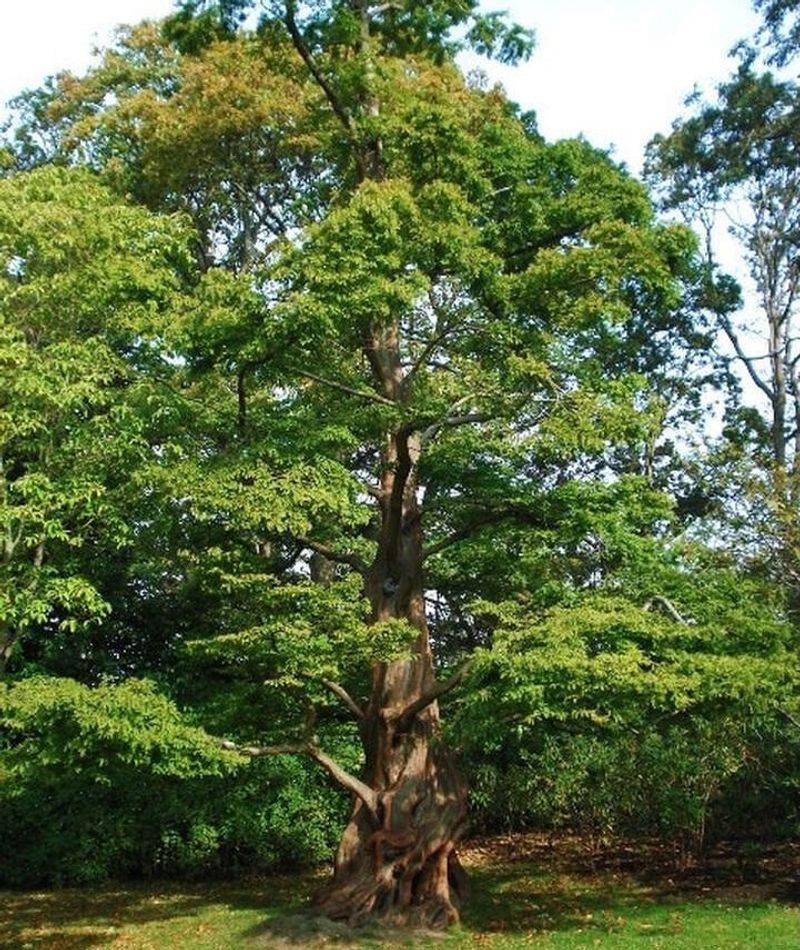
Summer heat in Pennsylvania can be intense, especially during July and August when temperatures regularly climb into the upper 80s and 90s.
A well-placed shade tree can make a real difference in how comfortable your outdoor spaces feel. Black gum steps up nicely in this role as it matures.
Adult black gum trees develop a broad, layered canopy that spreads outward as the tree ages. The horizontal branching pattern creates a wide, sheltering profile that blocks direct sunlight effectively.
Under a mature black gum, the temperature can feel noticeably cooler than in an open, sunny part of the yard.
Smart placement is key to getting the most out of that shade. Planting a black gum on the south or west side of your home allows the canopy to block the sun during the hottest parts of the afternoon.
Over time, that shade can reduce indoor temperatures and even lower cooling costs during the warmest months.
Beyond the house itself, black gum shade is great for outdoor living spaces. A tree positioned near a patio, deck, or seating area creates a shaded retreat where families can spend time outside without baking in the sun.
Kids and pets especially benefit from having a cool, shaded area to play in during the hottest days.
Because the tree grows gradually, the shade it provides increases steadily over many years. That is why early planting is so important.
A tree planted today will offer modest shade in five years and generous, comfortable shade in ten to fifteen years. Starting sooner means enjoying that benefit much earlier in your life at the property.
Wildlife Benefits From The Tree Too
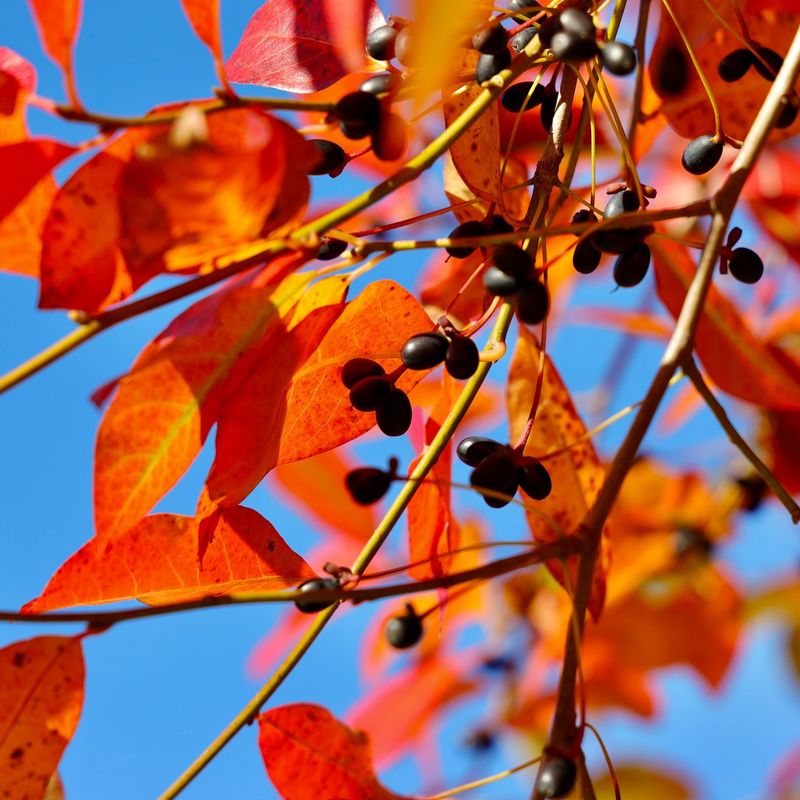
Planting a black gum tree is not just good for your yard. It is also a generous gift to the local wildlife that shares your outdoor space.
The tree produces small, dark blue fruits that ripen in late summer and early fall. Those fruits are a favorite food source for a long list of birds and animals.
Migratory songbirds are among the biggest fans of black gum berries. Species like robins, cedar waxwings, wood thrushes, and brown thrashers are known to visit black gum trees in large numbers during migration season.
Having a tree that reliably produces fruit each year can turn your backyard into a regular stopover for birds traveling through Pennsylvania.
Beyond birds, black bears, foxes, and white-tailed deer also feed on black gum fruits when they are available. Even smaller mammals like raccoons and opossums appreciate the seasonal bounty.
If you enjoy watching wildlife from your yard or porch, a black gum tree can bring a surprising variety of visitors right to your property.
Older trees add another layer of value for wildlife. As black gum ages, its bark becomes deeply furrowed and its older branches can develop cavities.
Those hollows become nesting and roosting sites for woodpeckers, small owls, and other cavity-nesting birds. A single mature tree can support multiple species at once.
For homeowners who care about supporting local ecosystems, black gum checks a lot of boxes. It feeds wildlife, provides shelter, and contributes to the overall health of the local environment.
Planting one is a practical way to make your yard a more welcoming place for the creatures that live around you.
It Handles More Than One Soil Condition
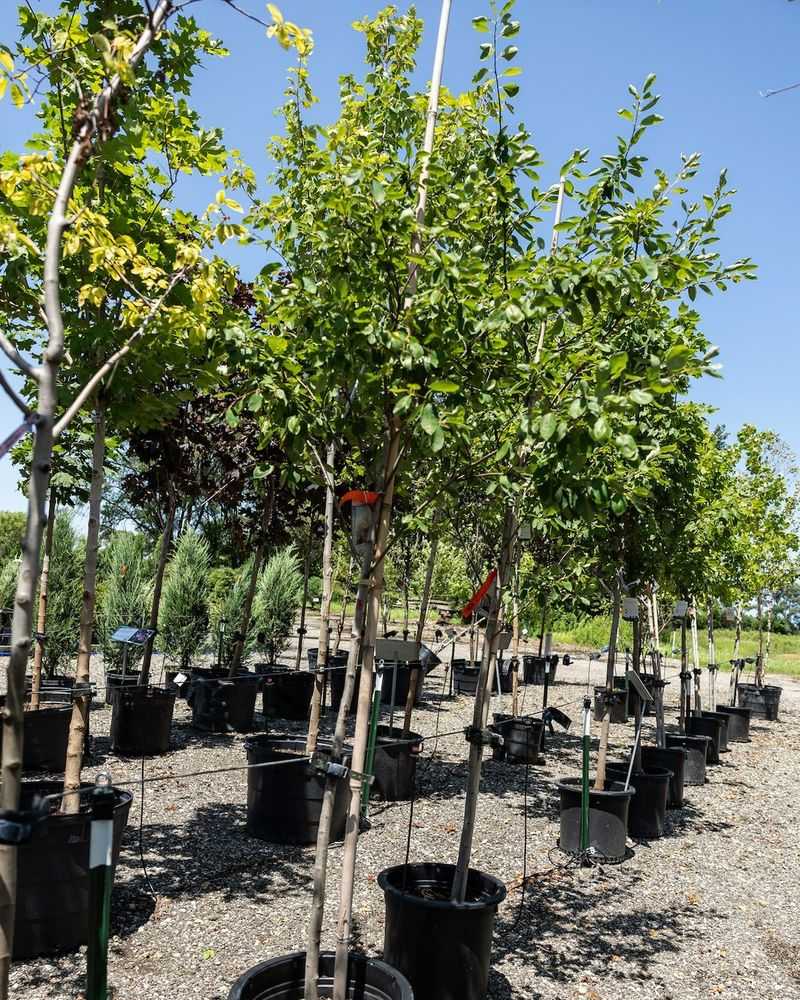
One of the most practical things about black gum is its flexibility when it comes to soil. Many trees are picky about where they will grow well, but black gum handles a wider range of conditions than most homeowners expect.
That adaptability makes it a strong choice for yards that have uneven or challenging soil situations.
In the wild, black gum often grows along stream banks, in bottomlands, and in areas where the soil stays wet for extended periods. That natural tolerance for moist or even periodically flooded conditions is a real advantage for homeowners with low-lying areas or yards that collect water after heavy rain.
Where other trees struggle, black gum holds its ground. Established black gum trees also show solid tolerance for drier periods once their root systems are fully developed.
During summer droughts, a well-rooted tree can pull moisture from deeper in the soil profile and keep going without much stress.
That two-way tolerance for both wet and dry conditions is genuinely uncommon among landscape trees.
The tree does prefer slightly acidic soil, which is common across much of Pennsylvania. If your yard has naturally acidic soil from decomposing leaves or pine needles, black gum will feel right at home.
A simple soil test can confirm your pH level and let you know if any minor adjustments are needed before planting.
Heavy clay soils can slow drainage and cause problems for many tree species, but black gum manages reasonably well even in clay-heavy ground. Adding organic matter to the planting hole helps improve drainage and gives the roots a better start.
Overall, its soil flexibility makes it one of the easier native trees to place successfully in a Pennsylvania landscape.
Choose The Planting Spot Carefully
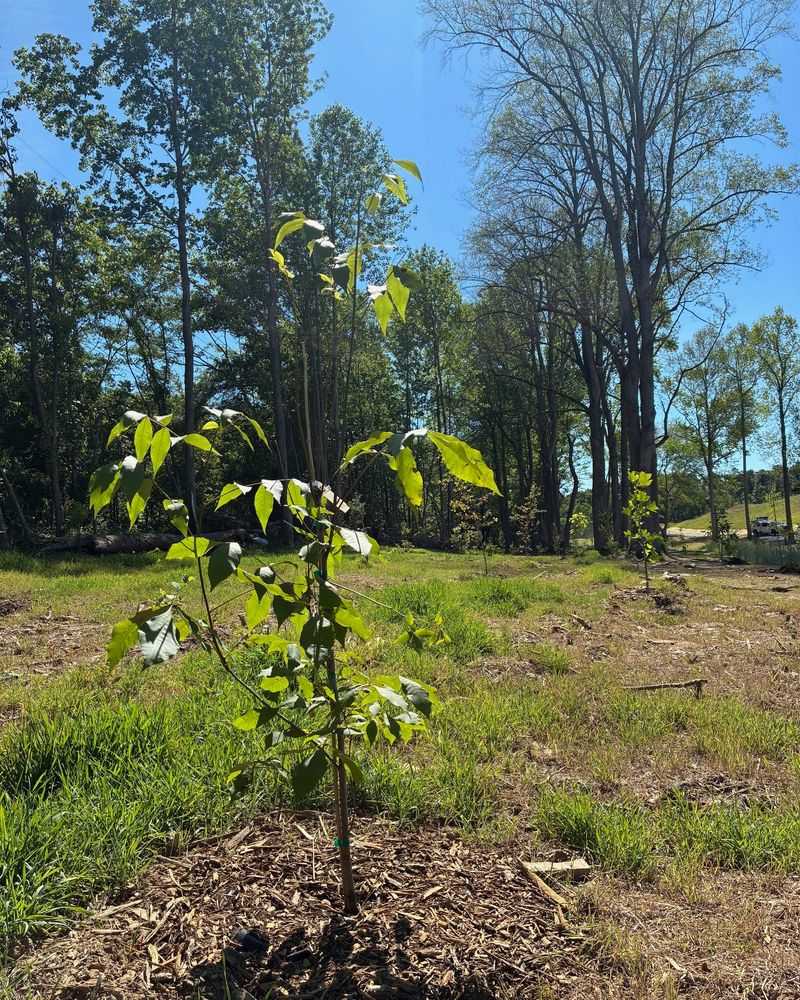
Getting the location right before you plant a black gum tree will save you a lot of headaches down the road. Black gum can grow anywhere from 30 to 50 feet tall at maturity, with a canopy that spreads 20 to 30 feet wide.
That is a substantial tree, and it needs room to grow without bumping into structures, power lines, or neighboring plants.
Start by looking up. Check for overhead utility lines in the area where you are thinking of planting.
A tree planted under power lines will eventually need heavy pruning that can ruin its natural shape and create safety concerns. Giving the tree a clear path upward makes a big difference in how it looks and how well it develops over time.
Also look around at ground level. Keep the planting spot at least 15 to 20 feet away from your home’s foundation, driveway, or any underground utilities.
Black gum develops a deep, strong taproot along with a wide-spreading lateral root system. Roots near pavement or foundations can cause cracking and structural issues as the tree matures.
Black gum does not transplant well once it is established, largely because of that deep taproot. Moving a young tree even a few years after planting can set it back significantly.
Choosing the right location from the start and committing to it saves both the tree and the homeowner a lot of trouble later on.
Full sun to partial shade works well for black gum. It performs best with at least four to six hours of direct sunlight each day.
A spot with good light, enough space, and reasonable soil drainage sets the tree up for a long and healthy life in your Pennsylvania yard.