Why North Carolina Gardeners Are Sowing Radishes In Washed Out Beds This Weekend
Washed out garden beds usually feel like a setback, leaving North Carolina gardeners staring at bare, disturbed soil after a round of heavy rain.
Most people assume the smart move is waiting until everything dries out completely before attempting to plant anything new.
But a growing number of gardeners are doing the opposite this weekend, taking advantage of these exact conditions rather than working around them.
There’s a specific reason radishes make sense right now, one that has everything to do with how quickly they grow and what washed out soil actually offers.
Understanding this timing could turn a frustrating weather setback into an unexpected planting opportunity. Many gardeners are surprised by how well this approach works once they actually try it themselves.
This weekend might be the perfect moment to turn a messy bed into a fast, rewarding harvest.
1. The Fall Planting Window Is Open
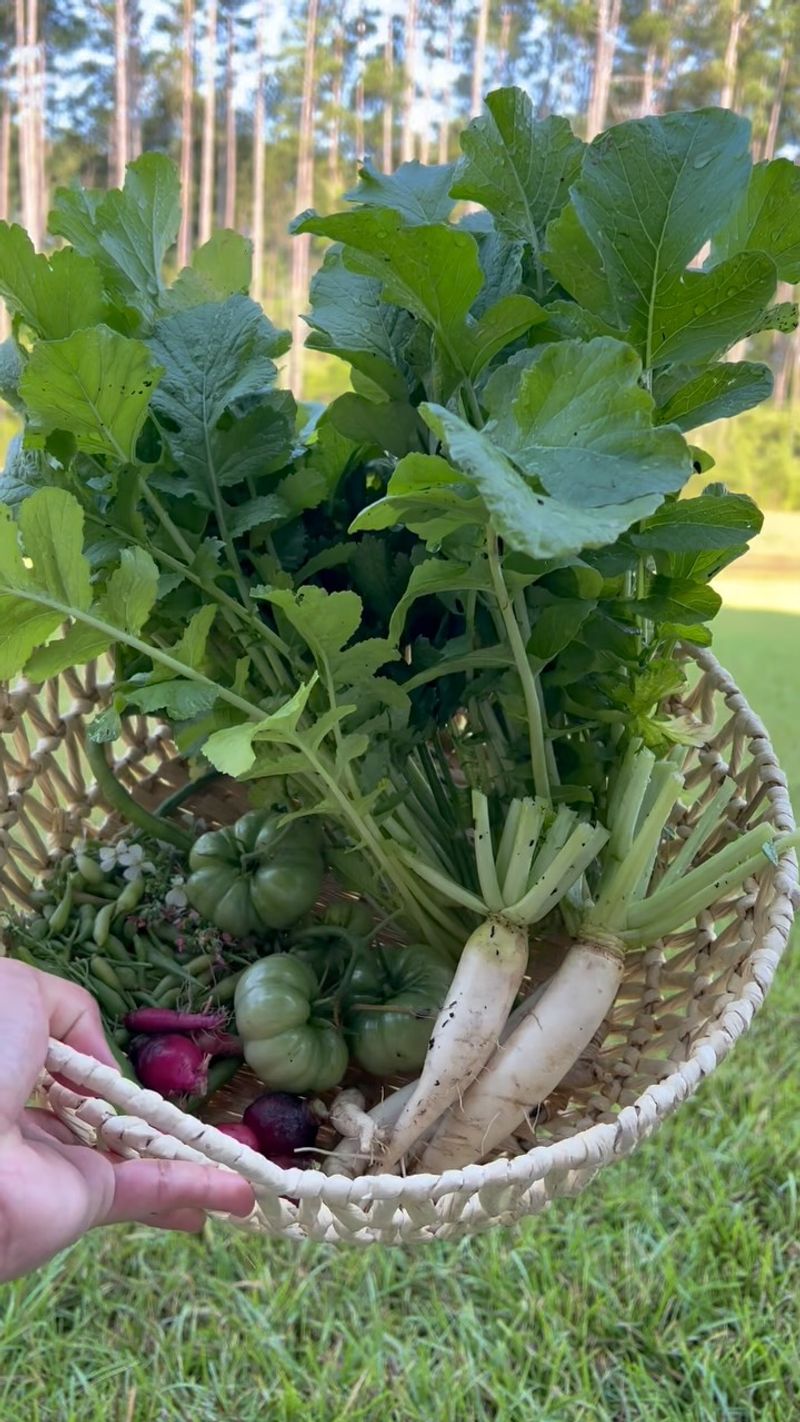
Late summer in North Carolina feels like a green light for radish lovers. The soil is still warm from long summer days, yet the calendar is turning toward gentler weather. That mix of warm ground and cooling air is exactly what these little roots enjoy.
Radishes planted now have enough time to grow before the first frost arrives. In most parts of the state, gardeners can sow seeds from late August through September and still gather a good crop.
Warm soil helps seeds sprout quickly, sometimes in just a few days. Timing matters more than fancy tools with this crop. When you plant during this window, the young plants get a comfortable start before the coldest nights show up.
That head start leads to crisp, tasty roots instead of tough or bitter ones.
You do not need a huge garden to take advantage of this season either. A small patch, a raised bed, or even a wide container works fine. The key is getting seeds in the ground while the fall window stays open.
Local growers often plant radishes right next to greens like lettuce and spinach during these weeks. All of them thrive in the same mild conditions, so your fall garden fills up fast.
By starting this weekend, you give your radishes the best shot at a smooth, steady harvest.
Think of this stretch as a bonus growing season that many beginners skip. Jumping in now means fresh food from your own yard within weeks, and that is a reward worth planting for.
2. Radishes Grow Remarkably Fast
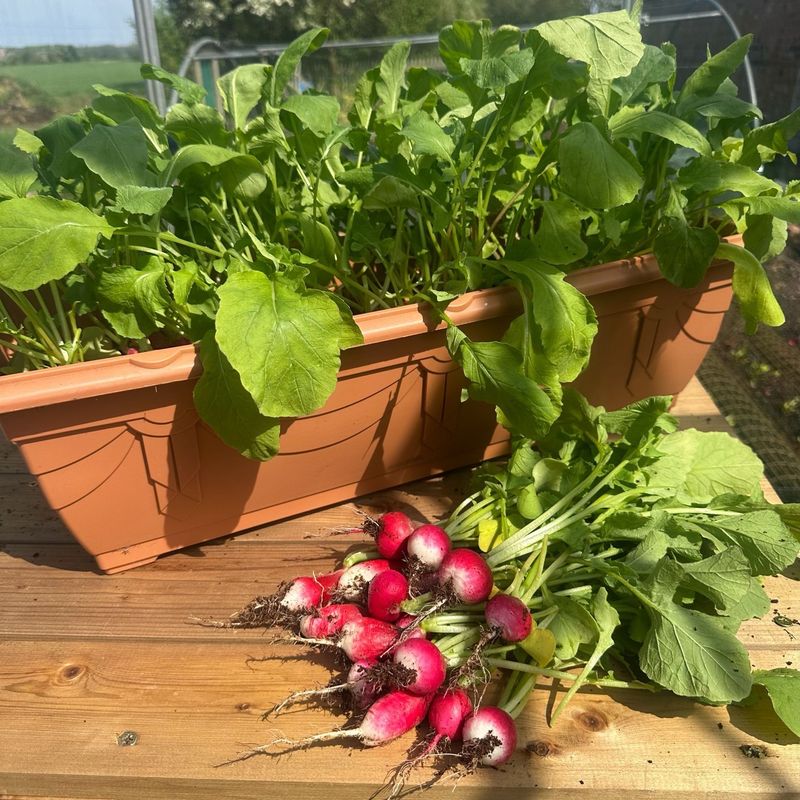
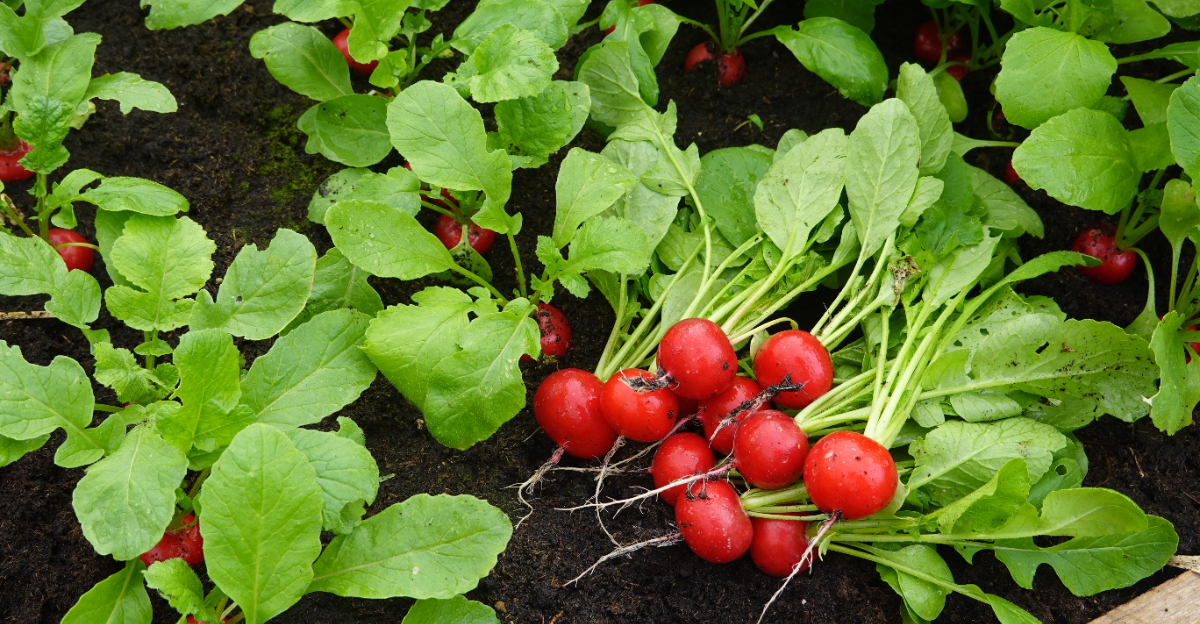
Few vegetables reward your patience as quickly as radishes do. Some varieties reach a nice snacking size in only three to four weeks.
That speed makes them perfect for gardeners who want results without a long wait.
Kids especially love this crop because the payoff comes so soon. You plant a tiny seed, and before the month ends, you are pulling a plump red root from the dirt.
That fast turnaround keeps everyone excited about the garden. Speed also means you can plant, harvest, and plant again in the same season. If one batch finishes early, the bed is ready for something new right away.
Your North Carolina Garden Changes Every Week. Your Plan Should Too.
Gardening in North Carolina changes quickly throughout the season. Every Friday you’ll receive a simple weekly plan showing exactly what to plant, prune, fertilize, harvest, and protect so you never miss the right timing.
Not many crops let you cycle through the soil that fast. Because they mature so quickly, radishes also outrun many common pests. Bugs simply do not have much time to find them before harvest.
That built-in advantage keeps your gardening simple and low stress. Round red types like Cherry Belle are among the quickest choices you can grow. Longer French Breakfast varieties take just a little more time but stay tender and mild.
Both give you a satisfying crop in a short window. Fast growth does come with one small rule to remember. Radishes taste best when picked promptly, since leaving them too long makes them woody and sharp.
Checking your bed every few days keeps the flavor sweet and crunchy.
For anyone who craves quick wins in the garden, radishes deliver almost right away. Plant this weekend, and you could be crunching on your own harvest before you know it.
3. Cooler Weather Is Coming
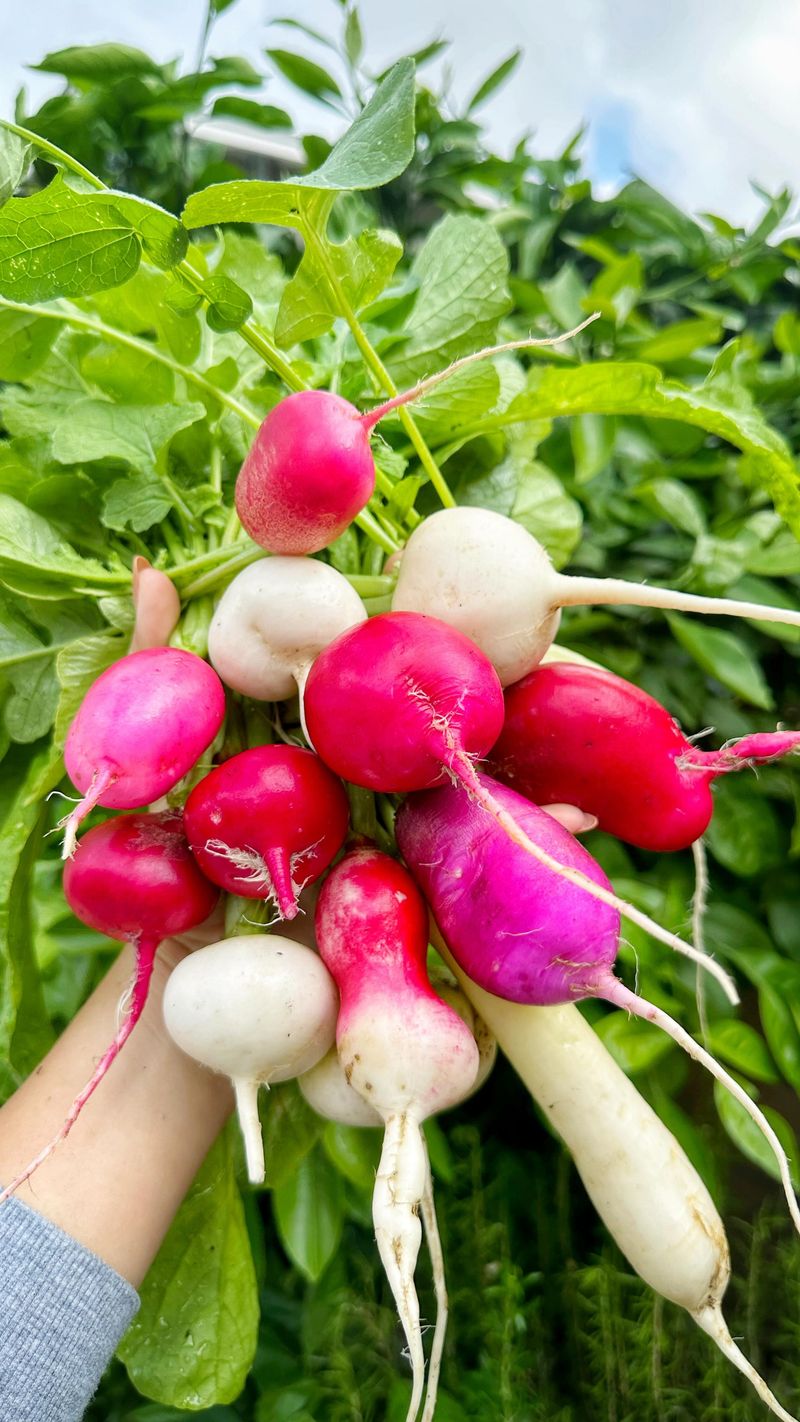
Radishes truly shine when the air starts to feel crisp. As the harsh summer heat fades, these roots grow sweeter, firmer, and much more pleasant to eat. Cool weather is basically their favorite season.
During the hottest weeks, radishes often turn spicy and split open. The plants get stressed and rush to flower instead of forming good roots. Once the temperatures ease, that problem fades away.
Mild days and chilly nights help the plants slow down and focus on the root. That steady pace builds crisp texture and a gentle, clean flavor. Many gardeners say fall radishes taste far better than spring ones.
North Carolina autumns bring exactly the kind of weather radishes love. Warm afternoons keep growth moving, while cooler evenings keep the roots tender. It is a comfortable balance that suits this crop perfectly.
Cooler soil also holds moisture longer, which keeps young plants happy. You spend less time worrying about watering and more time watching them grow. That makes the whole process feel relaxed and easy.
Light frost near the end of the season will not bother these hardy roots much either. A little cold can even sharpen their sweetness, similar to what happens with carrots and kale. That toughness makes them a reliable fall choice.
By planting now, you line your radishes up with the exact weather they enjoy most. As the season cools, your crop only gets better.
It is a smart way to work with nature instead of fighting the heat.
4. Empty Beds Can Produce Again
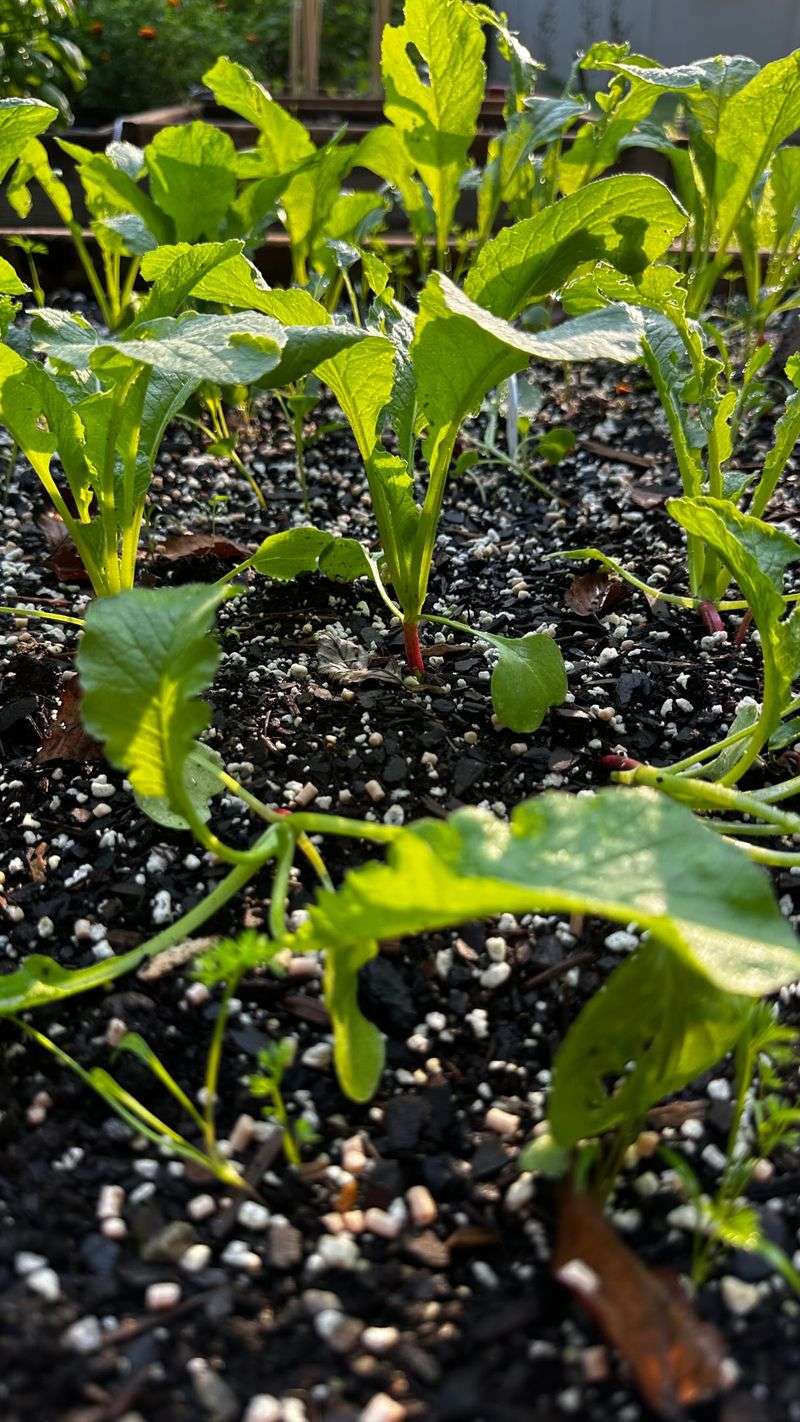
Storms and finished summer crops often leave beds looking bare and sad. Instead of letting that space sit idle, radishes give it a quick second life. Open soil becomes a fresh opportunity almost overnight.
After tomatoes, beans, or squash wrap up, the ground is usually still full of nutrients. Radishes step right in and use what is left behind. That means less waste and more food from the same patch of dirt.
Rain damage does not have to feel like a loss either. Once a washed out bed drains and settles, it is ready for new seeds. A little raking smooths the surface, and you are back in business.
Filling empty space also keeps weeds from taking over. Bare soil invites unwanted plants, but a bed full of radishes stays busy and covered. Your garden looks tidy while it keeps producing.
Because radishes finish so fast, they make an ideal gap-filler crop. You can slip them in between longer-season plants or use them to bridge one season into the next. Every inch of the garden earns its keep.
Reusing a bed this way stretches your effort further. You already prepared that soil earlier in the year, so replanting is quick and simple. Radishes reward that recycled work with fresh roots in weeks.
Turning a rough looking bed into a productive one feels genuinely satisfying. This weekend, those open spaces can go from empty to full of promise. All it takes is a handful of tiny seeds.
5. They Need Very Little Space
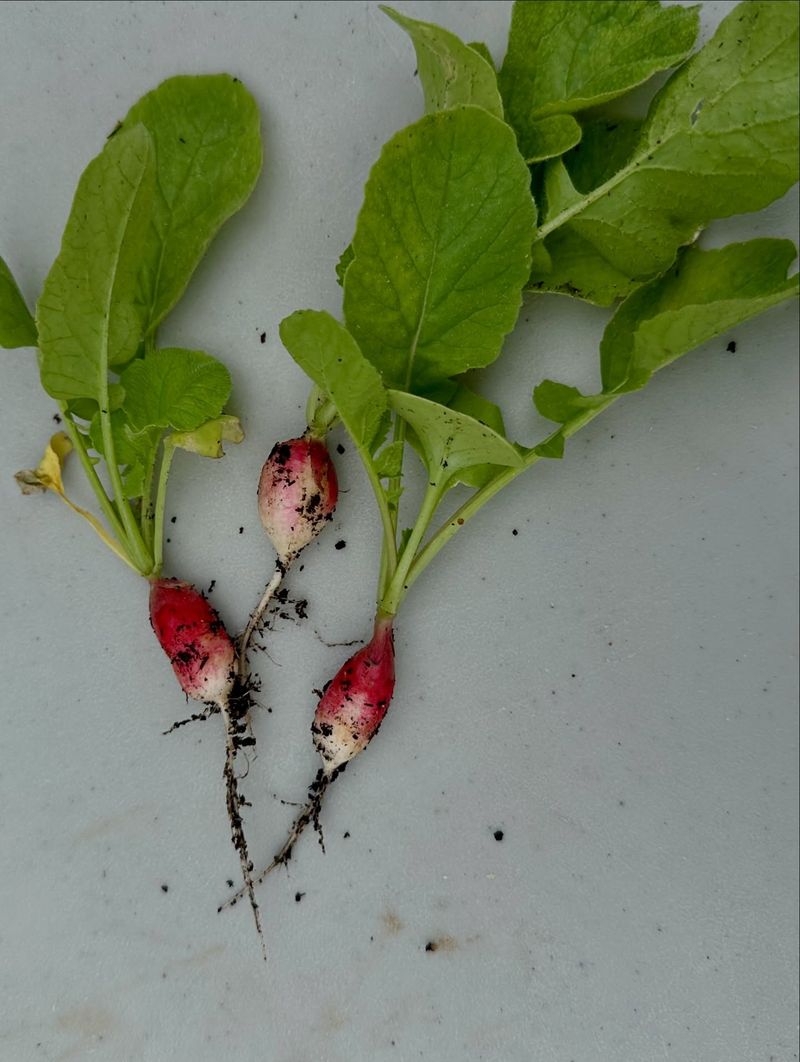
Radishes are champions at growing in tight quarters. You can tuck them into small gaps, narrow rows, or the edges of a repaired bed. Very little room is needed to grow a real crop.
Most varieties do fine with just an inch or two between plants. That close spacing means one small patch can hold dozens of roots. For gardeners short on room, that efficiency is a huge win.
Their compact size makes them perfect partners for bigger, slower plants. You can plant radishes between rows of carrots or lettuce and harvest them before the neighbors need the space. Nothing goes to waste.
Containers and raised beds work wonderfully too. A single window box or a corner of a planter can produce a steady supply of crunchy roots. Even a tiny balcony garden has room for radishes.
Because they grow down instead of out, radishes do not crowd the surface much. Their leafy tops stay small and neat while the action happens below the soil. That keeps your beds looking organized.
Filling repaired spots after a storm becomes easy with such a space-friendly crop. Wherever there is a bare patch, radishes can move right in. You simply scatter seeds and cover them lightly.
Thinning is the only spacing task to remember once seedlings appear. Pulling out the crowded extras gives the rest room to swell into round, healthy roots.
Those little thinnings are even tasty in salads. For anyone working with a small garden, radishes prove that big flavor fits in tiny spaces.
6. Moist Soil Helps Seeds Get Started
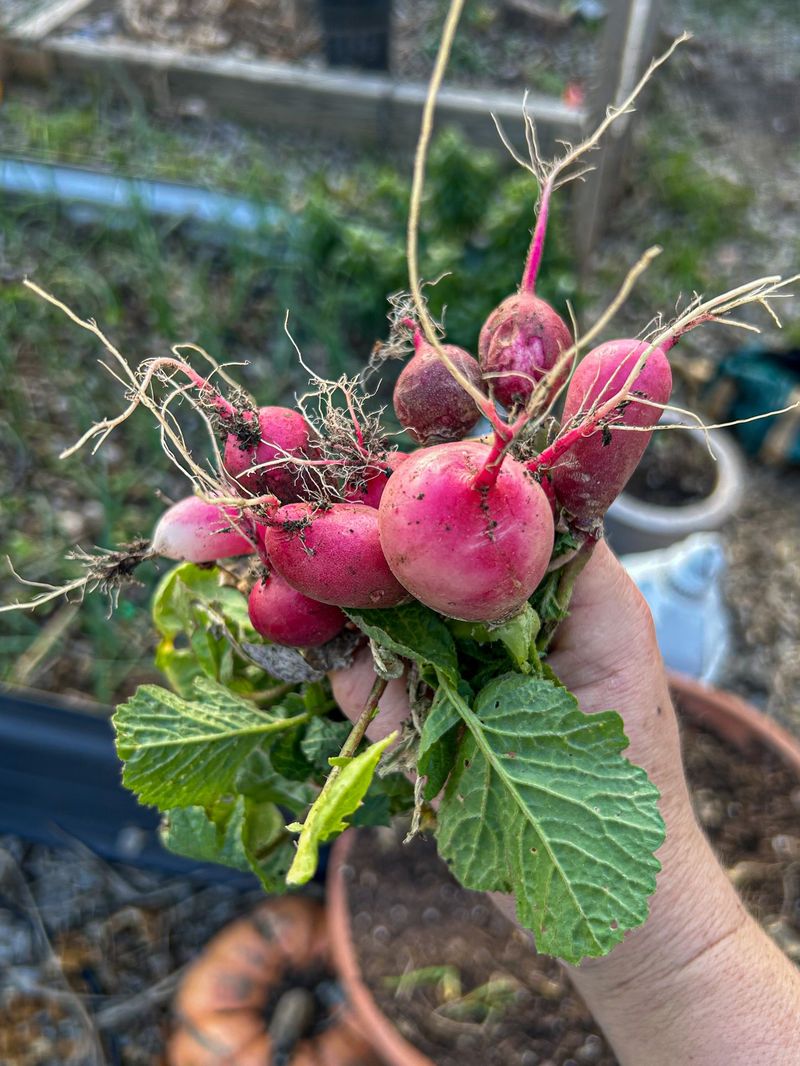
A recent rain can actually set your radishes up for success. Damp soil holds the moisture seeds need to sprout, so you may not have to water much at all. Nature does part of the work for you.
The trick is waiting until the bed is moist but not soggy. Right after a storm, standing water and mud make planting messy and can rot seeds. Give the ground a day or two to drain first.
You can test the soil with a simple squeeze. If a handful forms a loose ball that crumbles apart, it is ready. If water drips out, hold off a little longer.
Once the bed feels evenly damp, radish seeds sprout fast and strong. That steady moisture softens the seed coat and wakes the tiny plant inside. Within days, green shoots begin to appear.
Even, gentle moisture also builds better roots over time. Radishes that dry out and then get soaked tend to crack or turn spicy. A consistent, damp bed keeps them smooth and mild.
Planting into naturally moist soil saves you effort during those first important days. You spend less time dragging a hose around and more time watching your garden wake up. That easy start is a real bonus.
After sowing, a light covering of soil and a soft press keep seeds snug against the moisture. From there, the drained bed does most of the caretaking. A washed out weekend can turn into a perfect planting moment.
7. Another Sowing Can Follow Soon
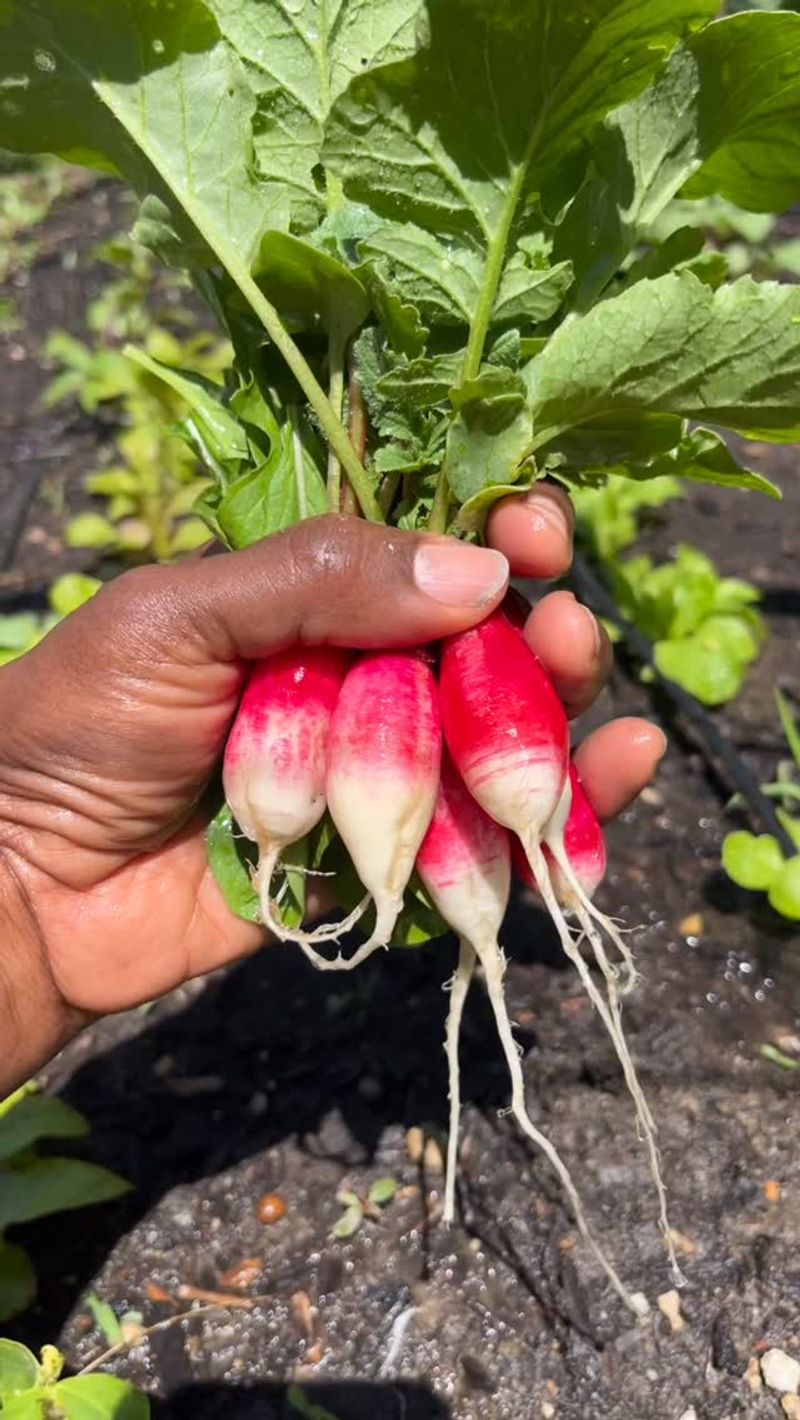
One planting of radishes does not have to be the end of the fun. About two weeks after your first batch, you can sow another small round. That simple habit stretches your harvest across many weeks.
Gardeners call this trick succession planting, and it works beautifully with fast crops. By spacing out your sowings, you avoid ending up with too many radishes at once. Instead, you enjoy a steady, fresh supply.
Picture pulling crunchy roots every week rather than all on a single day. Small, repeated plantings make that possible. Your kitchen stays stocked, and nothing goes to waste in a big pile.
The cool fall season gives you plenty of time for several rounds. As long as frost is still weeks away, each new sowing has room to mature. You can keep the cycle going right up until the weather turns cold.
Planting in short waves also protects you if one batch struggles. A single storm or pest surprise will not wipe out your whole crop. The next round is always right behind, ready to fill in.
Keeping a little garden journal helps you track your planting dates. Jot down when you sow each batch, and you will know exactly when to start the next. It turns guessing into a simple routine.
This weekend can be the first step in a chain of tasty harvests. Sow now, mark your calendar, and plant again soon. Before long, your fall garden will hand you fresh radishes again and again.