These Pennsylvania Groundcovers Are So Dense That Weeds Can’t Break Through
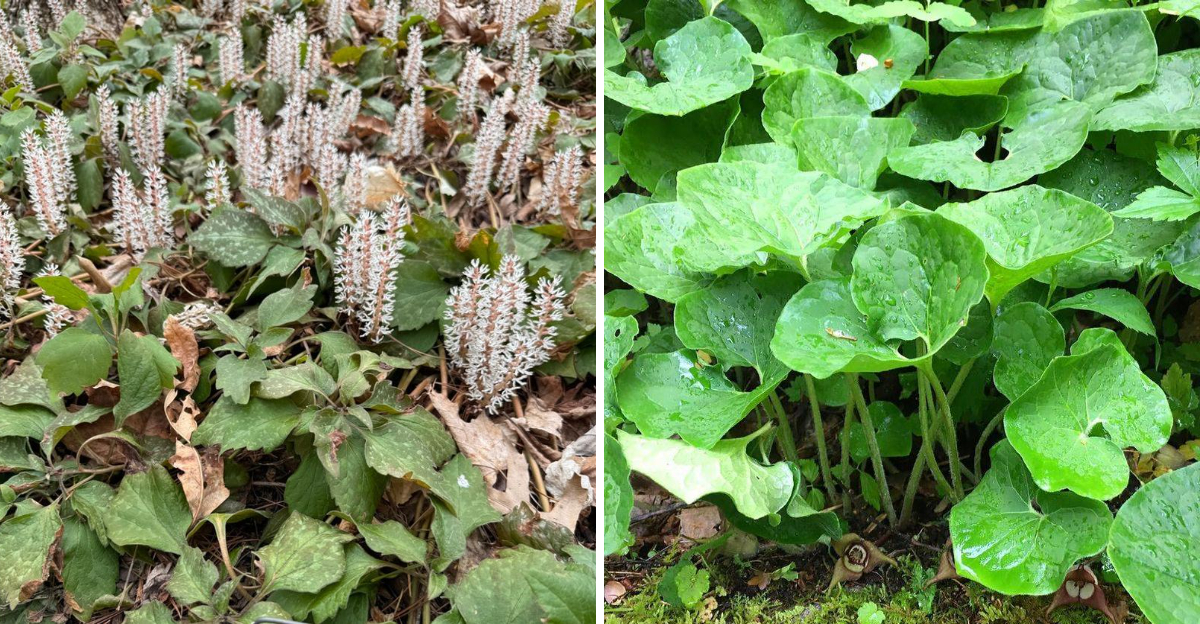
Weeding is the part of gardening that nobody talks about with any enthusiasm. You get the beds looking perfect, step back to appreciate the work, and within two weeks there’s a fresh round of uninvited plants pushing through like the whole exercise never happened.
It’s one of those maintenance tasks that feels genuinely endless, no matter how much time and effort you throw at it. The most effective solution most Pennsylvania gardeners never fully commit to is dense groundcover.
Not the sparse, decorative kind that looks nice but leaves plenty of gaps for weeds to exploit. The kind that grows thick and low and creates a living surface so solid that weed seeds simply can’t find the light and space they need to get established in the first place.
Pennsylvania has some outstanding options that do exactly this, spreading reliably, handling the climate without complaint, and turning weed management from a weekly chore into something you barely have to think about anymore.
1. Pennsylvania Sedge
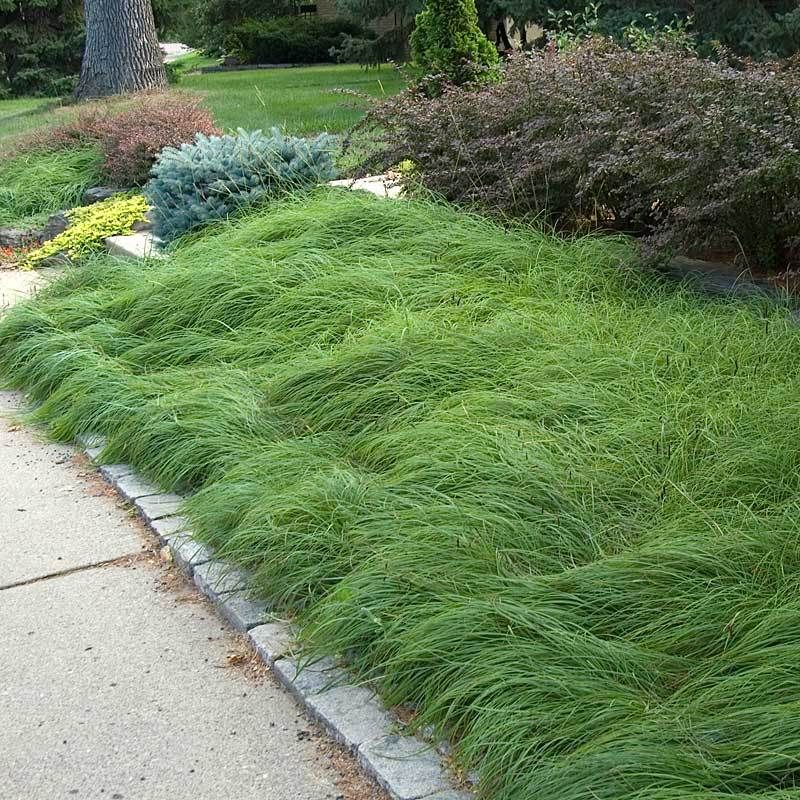
Few plants earn as much loyalty from Pennsylvania gardeners as Pennsylvania Sedge. Named right after the state itself, this native plant has been quietly doing its job in woodland gardens for centuries.
It forms a soft, fine-textured carpet that looks almost like a lawn but needs far less care than traditional turf grass.
What makes it such a powerful weed fighter is its density. The blades grow close together, leaving almost no open soil where weed seeds could land and sprout.
In dry shade situations, where most plants struggle, Pennsylvania Sedge actually thrives. That makes it one of the best choices for spots under large trees where grass refuses to grow.
Once established, it spreads slowly but steadily through underground rhizomes, gradually filling in bare patches on its own. You do not need to replant it every season.
Many Pennsylvania homeowners use it as a full lawn replacement in shaded areas, mowing it once or twice a year to keep it tidy or letting it grow naturally for a wilder look.
It stays green through most of the year, even surviving cold Pennsylvania winters with minimal damage. Deer tend to leave it alone, which is a big bonus in areas with heavy deer pressure.
It also handles drought surprisingly well once its root system gets established. Planting Pennsylvania Sedge is straightforward. Space plugs about six to twelve inches apart and water regularly during the first growing season.
After that, it largely takes care of itself. For anyone wanting a low-maintenance, weed-suppressing groundcover that truly belongs in Pennsylvania, this plant is hard to beat.
2. Wild Ginger
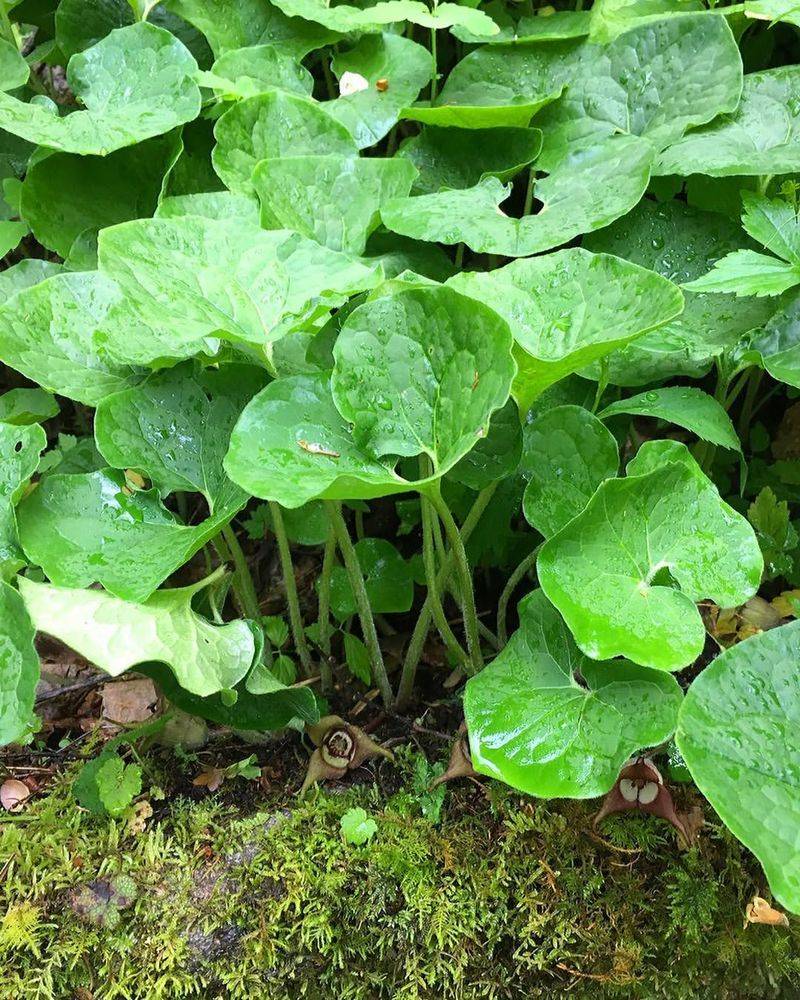
Wild Ginger has a secret weapon: its leaves. Each leaf is broad, heart-shaped, and grows so close to its neighbors that very little sunlight ever reaches the soil below.
Weed seeds need light to germinate, and Wild Ginger simply refuses to give them any. The result is a dense, rich green mat that keeps garden beds remarkably clean.
Native to Pennsylvania and much of eastern North America, Wild Ginger is right at home in the shaded woodland gardens that are so common across the state.
Your Pennsylvania Garden Changes Every Week. Your Plan Should Too.
Gardening in Pennsylvania changes quickly throughout the season. Every Friday you’ll receive a simple weekly plan showing exactly what to plant, prune, fertilize, harvest, and protect so you never miss the right timing.
It grows best in moist, rich soil with good organic matter, making it a natural fit under deciduous trees where fallen leaves break down each year.
Once you get it established, it spreads steadily through underground rhizomes to form an ever-thickening carpet.
Gardeners who love native plants especially appreciate Wild Ginger because it supports local ecosystems. Its early spring flowers, though small and hidden beneath the leaves, attract native pollinators and even some species of flies.
The plant also provides shelter for small ground-dwelling insects and other beneficial creatures.
One fun fact: Wild Ginger roots do have a mild ginger-like scent when bruised, which is how it got its common name. However, it is not related to the culinary ginger used in cooking. It is purely a garden plant in Pennsylvania landscapes.
Spacing plants about twelve inches apart gives them room to fill in naturally over two to three growing seasons. Watering during dry spells in the first year helps them get established quickly.
After that, Pennsylvania’s natural rainfall usually keeps Wild Ginger happy and spreading on its own.
3. Barren Strawberry
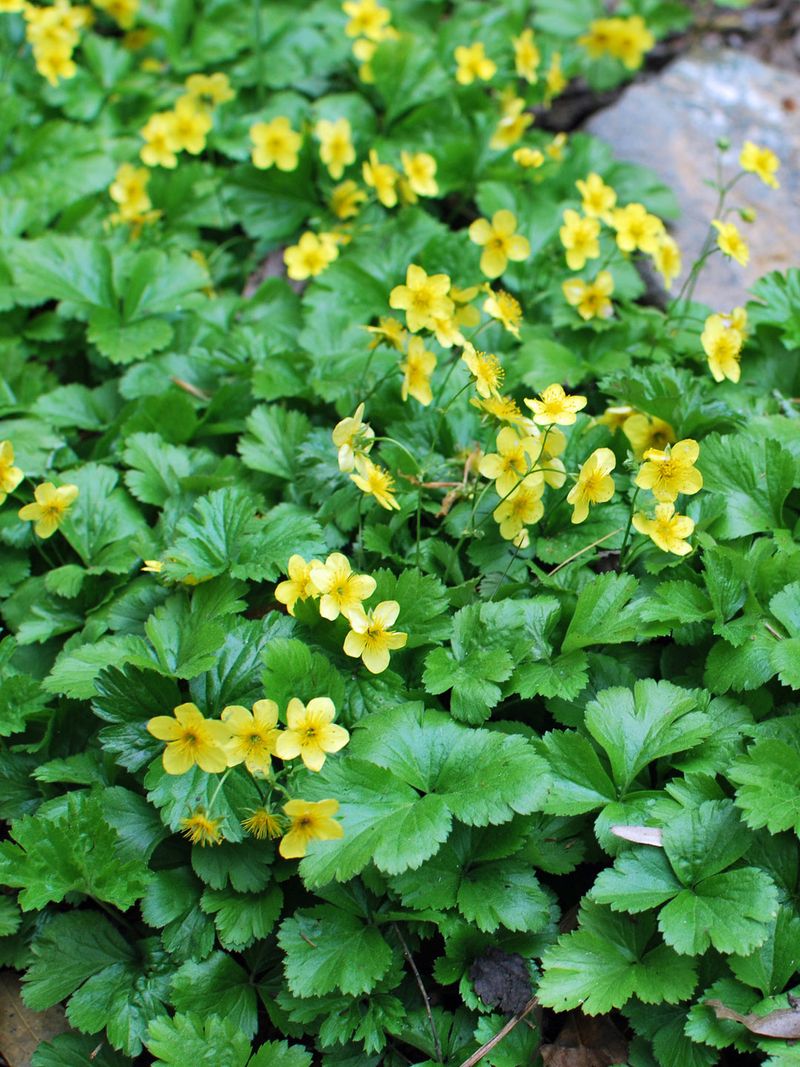
Do not let the name fool you. Barren Strawberry may not produce edible fruit, but it produces something Pennsylvania gardeners want even more: a fast-spreading, weed-smothering carpet that looks great all season long.
The leaves resemble wild strawberry leaves, and in spring, cheerful yellow flowers appear above the foliage, adding a pop of color to the garden.
Speed is one of this plant’s best qualities. Barren Strawberry spreads quickly through runners, filling in open soil at a pace that outcompetes most weeds.
On slopes and hillsides, where erosion can be a real problem in Pennsylvania’s rainy seasons, this groundcover holds the soil firmly in place while keeping weeds from gaining any ground.
It handles a range of light conditions well, growing in full sun to partial shade. That versatility makes it useful in many different spots around a Pennsylvania yard.
It also tolerates dry soil once established, which is useful during the hot, dry stretches of a Pennsylvania summer.
The foliage stays semi-evergreen in Pennsylvania’s climate, meaning it keeps some of its leaves through winter. This gives the garden a tidier look during the cold months and means the weed-suppressing mat stays intact year-round.
Come spring, fresh new growth fills in any gaps left by winter damage. For best results, plant Barren Strawberry about twelve to eighteen inches apart in well-drained soil. Water regularly during the first growing season to help roots get established.
After that, very little maintenance is needed. It is a tough, reliable native that earns its place in any Pennsylvania garden where weed control is a top priority.
4. Creeping Phlox
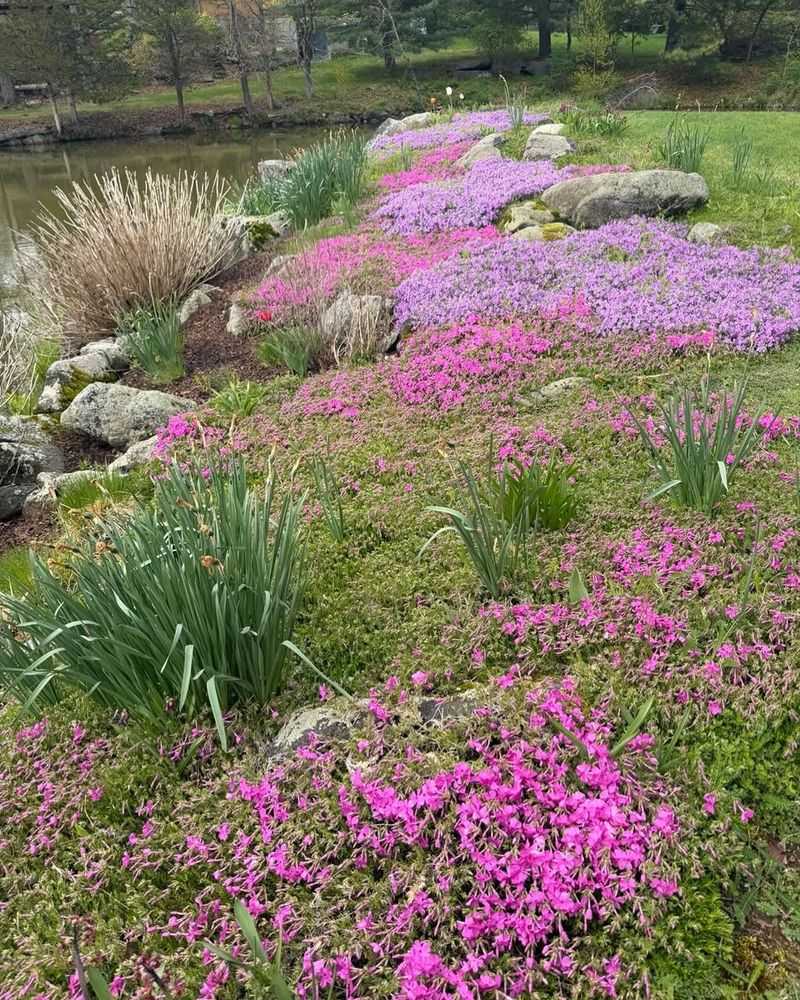
Every spring, Creeping Phlox puts on one of the most spectacular shows in the Pennsylvania garden. Waves of pink, purple, lavender, and white flowers completely cover the plant, turning slopes and rock gardens into a colorful carpet.
But the beauty is just the beginning. Once the flowers fade, the dense, needle-like foliage stays in place all year, forming a tight mat that weeds struggle to penetrate.
Sunny spots are where Creeping Phlox truly shines. It loves well-drained soil and full sun, making it perfect for south-facing slopes, rock gardens, and the edges of driveways or walkways in Pennsylvania yards.
In those kinds of locations, traditional grass and other groundcovers often struggle, but Creeping Phlox handles the conditions with ease.
The plant grows only four to six inches tall, which means it never blocks views or crowds out taller plants nearby. Yet despite its low profile, it spreads two feet or more in each direction, creating a broad mat that leaves no room for weeds to sneak in.
Once it gets established in a Pennsylvania garden, you will spend very little time pulling weeds from that area.
Maintenance is refreshingly simple. A light trim after flowering helps keep the plant compact and encourages fresh growth.
Dividing older clumps every few years keeps Creeping Phlox vigorous and prevents the center from becoming woody and sparse.
Plant it about eighteen inches apart in fall or early spring for best results. It is drought-tolerant once established and handles Pennsylvania winters without any special protection.
Pollinators, especially butterflies and bees, love the spring flowers, making this groundcover both practical and wildlife-friendly.
5. Green And Gold
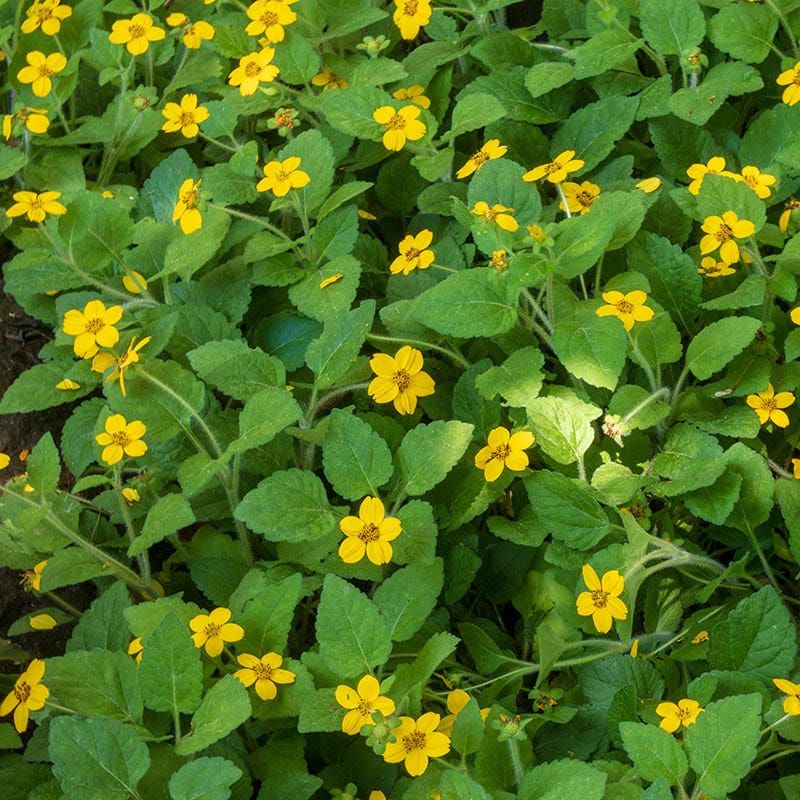
Cheerful is the best word for Green and Gold. Those bright yellow, star-shaped flowers bloom from spring all the way into fall, giving Pennsylvania gardeners months of color in spots where other flowering groundcovers give up after a few weeks.
The plant stays low, rarely reaching more than nine inches tall, but spreads steadily outward through stolons, filling gaps and crowding out weeds as it goes.
Native to the eastern United States, Green and Gold is well-suited to Pennsylvania’s climate. It grows best in partial to full shade, which makes it a great option for woodland gardens, shaded borders, and areas under large trees.
It can tolerate some drought once established, though it prefers consistently moist soil for the fastest and most vigorous growth.
One of the reasons gardeners love this plant is how it handles problem areas. Spots where weeds keep coming back year after year become much easier to manage once Green and Gold moves in.
The spreading foliage shades the soil, keeping weed seeds from sprouting, while the root system helps hold the soil in place on slopes and uneven ground.
Pollinators are big fans of this plant too. Bees and small butterflies visit the flowers regularly throughout the long blooming season, making Green and Gold a smart choice for anyone trying to support local wildlife in Pennsylvania.
Spacing plants about twelve inches apart gives them room to fill in within one or two growing seasons. Regular watering during the first season helps them establish quickly.
After that, Green and Gold is a low-fuss, high-reward groundcover that keeps performing year after year with very little help from you.
6. Partridgeberry
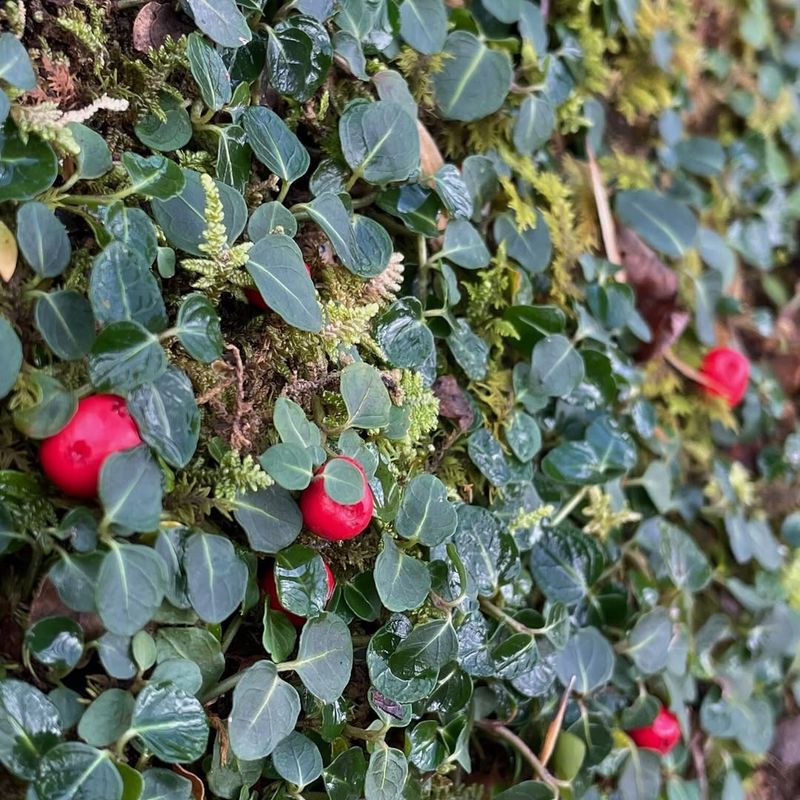
There is something almost magical about Partridgeberry. It creeps along the forest floor with tiny, glossy, dark green leaves that stay evergreen through Pennsylvania’s coldest winters.
In summer, small white flowers appear in pairs, followed by bright red berries that persist well into the cold months. Birds love those berries, making Partridgeberry a favorite among wildlife gardeners across the state.
For weed control, this plant is remarkably effective in shaded areas. The stems root wherever they touch the soil, creating an ever-expanding, tight mat that leaves almost no open ground for weeds to colonize.
In deeply shaded spots where other groundcovers thin out and lose their effectiveness, Partridgeberry keeps going strong. It handles heavy shade better than most plants on this list.
Pennsylvania’s native woodlands are full of Partridgeberry, which means it is perfectly adapted to the region’s soils, rainfall patterns, and seasonal temperature swings.
It grows best in moist, acidic, well-drained soil with plenty of organic matter, conditions that are easy to find or create in most Pennsylvania garden beds.
Growth is slow compared to some other groundcovers, so patience is needed in the early years. But once it fills in, Partridgeberry is one of the most long-lasting and reliable weed suppressors you can plant.
It rarely needs dividing or replanting, and it handles neglect well once established. Plant plugs about six to eight inches apart in a shaded location with good moisture. Mulch lightly around new plants to help retain soil moisture during establishment.
Within two to three seasons, you will have a beautiful, evergreen, weed-blocking carpet that practically takes care of itself through every Pennsylvania season.
7. Allegheny Spurge
Most Pennsylvania gardeners have seen the Japanese Pachysandra that shows up in nearly every suburban yard. But Allegheny Spurge, its native cousin, is actually a far better choice for Pennsylvania landscapes.
It is not invasive, it supports local wildlife, and it forms colonies just as dense and effective at blocking weeds. Making the switch is one of the smartest moves a Pennsylvania gardener can make.
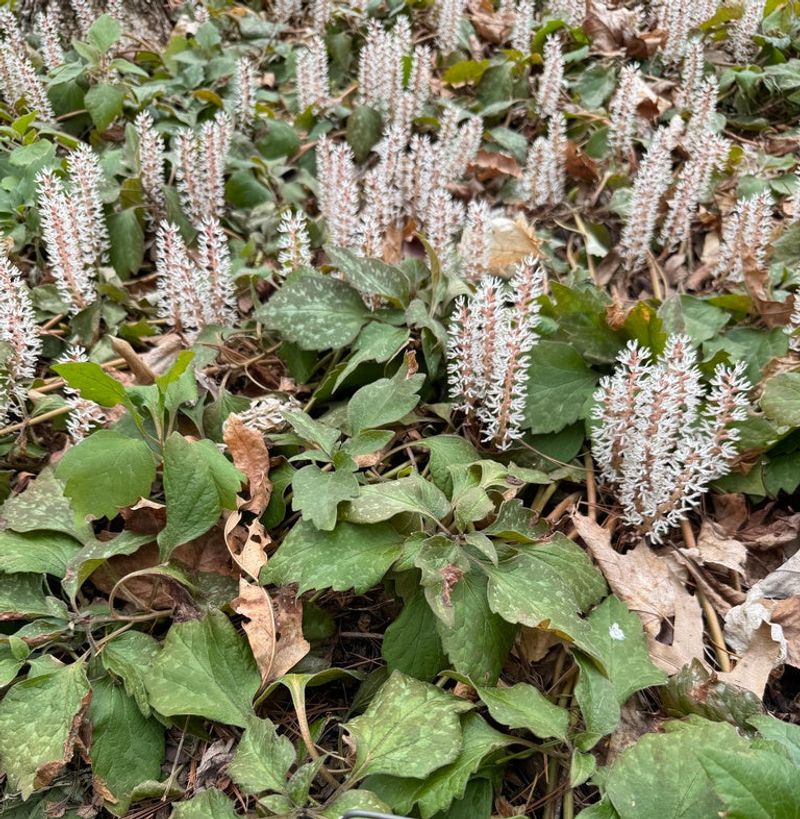
The foliage of Allegheny Spurge is genuinely beautiful. The leaves are large, semi-evergreen, and often display attractive silver mottling that gives them a textured, almost painted appearance.
In early spring, fragrant white flower spikes emerge before the new leaves fully unfurl, adding a delicate seasonal display that the Japanese version simply cannot match.
Shade is where Allegheny Spurge performs best. It thrives under trees and in woodland garden settings throughout Pennsylvania, handling dry shade conditions that challenge many other groundcovers.
Once a colony gets established, the overlapping leaves create such a dense canopy at ground level that weed seeds have almost no chance of getting the light they need to sprout.
Spreading happens gradually through rhizomes, so it takes a couple of seasons to really fill in. However, that measured pace means it stays where you put it and never becomes a nuisance in neighboring beds.
That is a real advantage over many aggressive groundcovers that can get out of hand quickly.
Space plants about twelve inches apart for the best coverage. Keep the soil consistently moist during the first growing season to encourage strong root development.
After establishment, Allegheny Spurge is reliably tough, low-maintenance, and one of the most rewarding native groundcovers available to Pennsylvania gardeners today.