What Oregon Gardeners Should Stop Doing Once September Arrives
September changes the mood of an Oregon garden almost overnight. Tomatoes may still be ripening, flowers can keep going strong, and afternoons might feel summery, but the season has already started shifting behind the scenes.
That makes certain familiar garden habits worth questioning. Jobs that made perfect sense during the hottest weeks may no longer fit what plants, lawns, and soil need now.
Keep doing everything on autopilot, and the yard can end up working against you just as fall begins.
The tricky part is that nothing necessarily looks urgent. Plants may still appear healthy, irrigation systems keep clicking on, and routine chores feel as harmless as ever.
Meanwhile, shorter days, cooler nights, and changing moisture levels are quietly rewriting the rules.
September is less about adding more work and more about knowing what to ease up on. Some summer habits have simply outlived their usefulness, and dropping them at the right moment can make the rest of the season much easier on both you and the garden.
1. Heavy Fertilizing Can Push Tender New Growth Too Late
Reaching for the fertilizer bag in September feels like a helpful move, but it can actually work against your Oregon garden.
Most fertilizers, especially those high in nitrogen, push plants to grow new shoots and leaves. That sounds great in spring, but in fall it is a problem.
New growth that appears in September or October is soft and tender. It has not had time to harden off before cold temperatures arrive.
That tender growth is much more likely to get damaged when frost hits. Plants that should be toughening up and slowing down end up spending energy in the wrong direction.
Perennials, shrubs, and trees need to start preparing for dormancy around this time. Feeding them heavily with fast-release fertilizer interrupts that natural process.
The plant gets confused, in a sense, and keeps pushing energy into new leaves instead of storing it in the roots.
Root storage is exactly what plants need heading into winter. Strong roots help a plant bounce back with vigor when spring comes around.
If you fertilized heavily through the summer, your plants likely have enough nutrients to carry them through fall without any extra help.
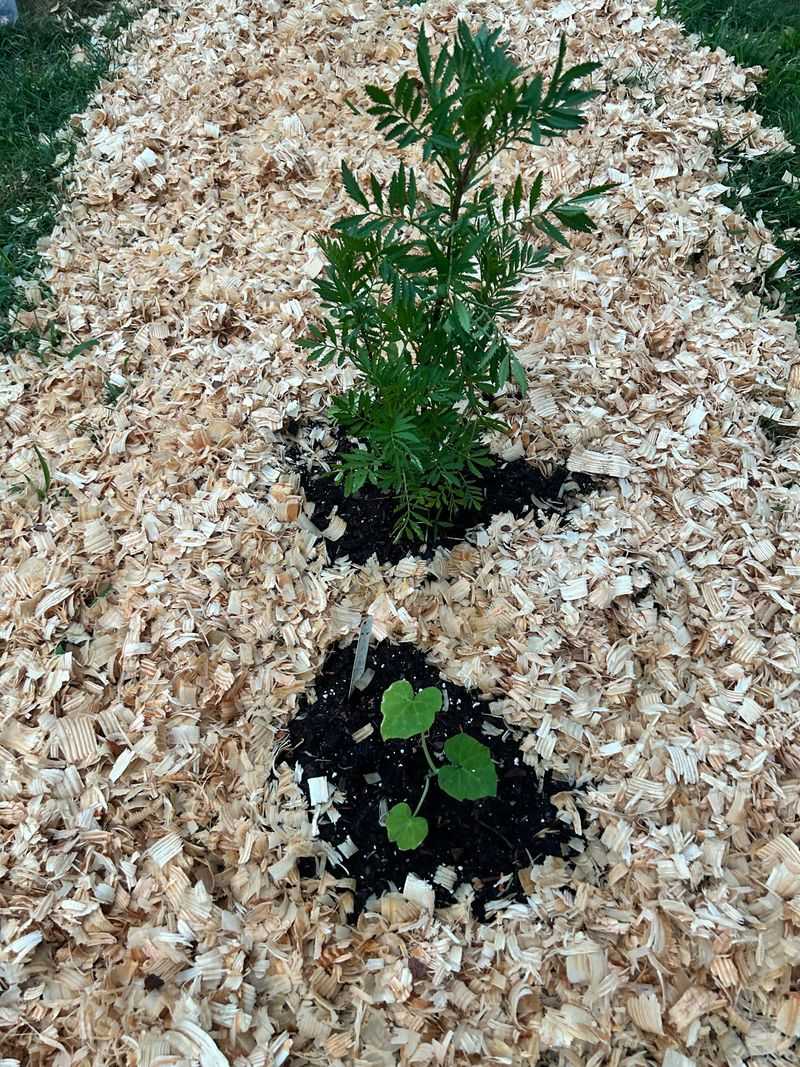
If you feel like you need to do something, consider a light application of a slow-release fertilizer with low nitrogen. Even better, top-dress your beds with compost instead.
Compost feeds gently and also improves soil structure, which benefits your garden long after the season ends.
2. Midsummer Watering Schedules Usually Need To Change
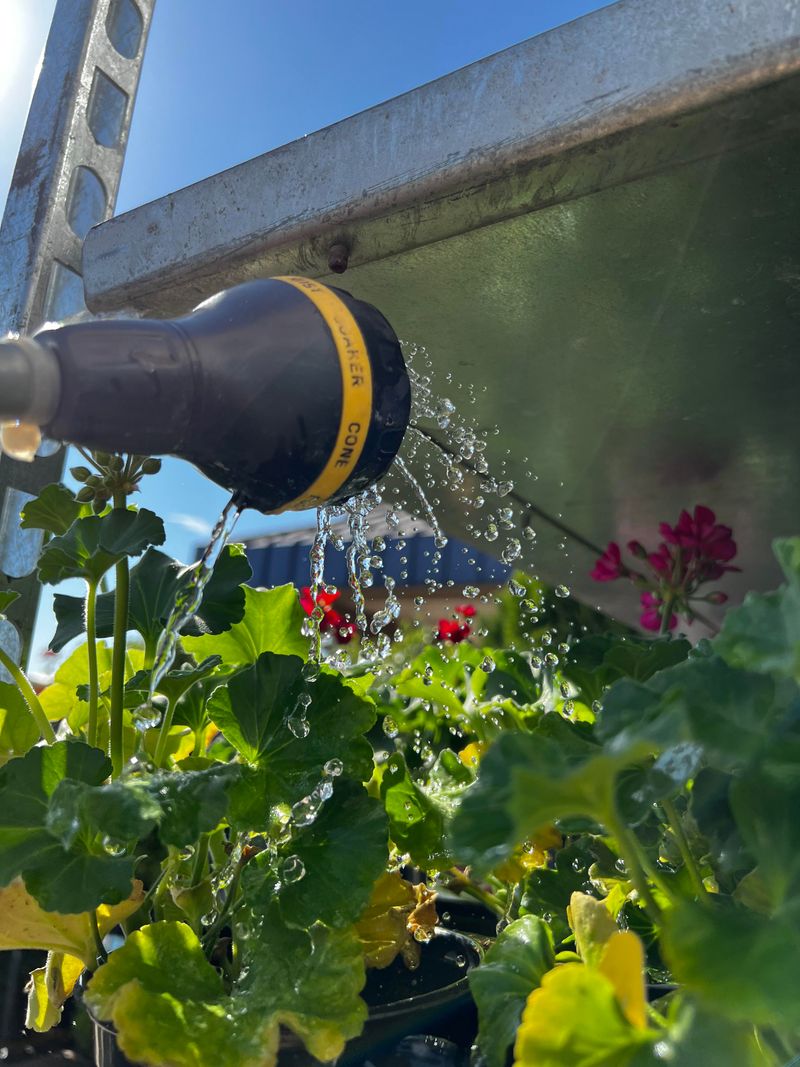
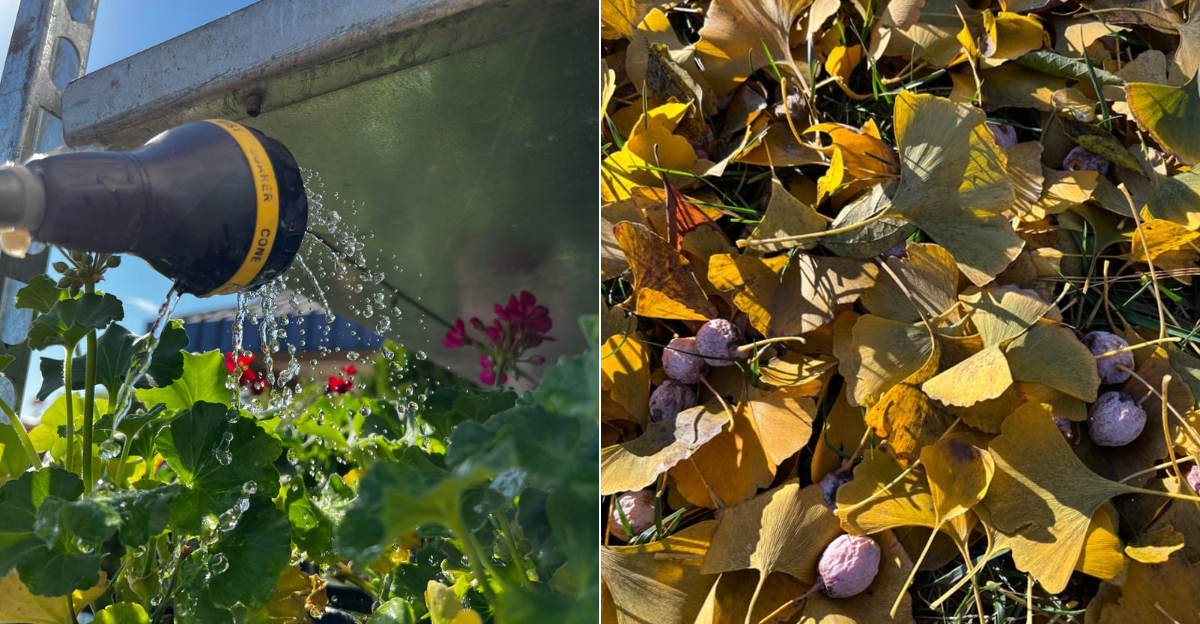
Watering habits are easy to forget about once they become routine. You set a schedule in July, it works great, and you just keep it going.
But by September, that same schedule is likely giving your garden too much water. Temperatures drop in the fall, and plants naturally slow their water intake.
The soil also holds moisture longer because evaporation rates decrease as the days get shorter and cooler.
Running your irrigation system on a summer schedule means the soil stays soggy longer than it should.
Your Oregon Garden Changes Every Week. Your Plan Should Too.
Gardening in Oregon changes quickly throughout the season. Every Friday you’ll receive a simple weekly plan showing exactly what to plant, prune, fertilize, harvest, and protect so you never miss the right timing.
Soggy soil creates the perfect conditions for root rot and fungal problems. Many plants that survive summer just fine can struggle in fall simply because they are sitting in too much water.
This is especially true for established trees, shrubs, and perennials that have deep root systems.
Check your soil before you water. Stick your finger two inches into the ground.
If it still feels moist, skip the watering that day. Rain becomes more frequent in the Pacific Northwest starting in September, so nature often handles irrigation on its own.
Adjust your automatic timers if you have them. Cutting back to watering once or twice a week is usually plenty for most gardens in early fall.
New plantings and containers may still need more frequent attention since their roots are not as established.
Pay attention to what each plant actually needs rather than sticking to a fixed summer routine that no longer fits the season.
3. Hard Pruning Can Leave Shrubs Stressed Before Fall
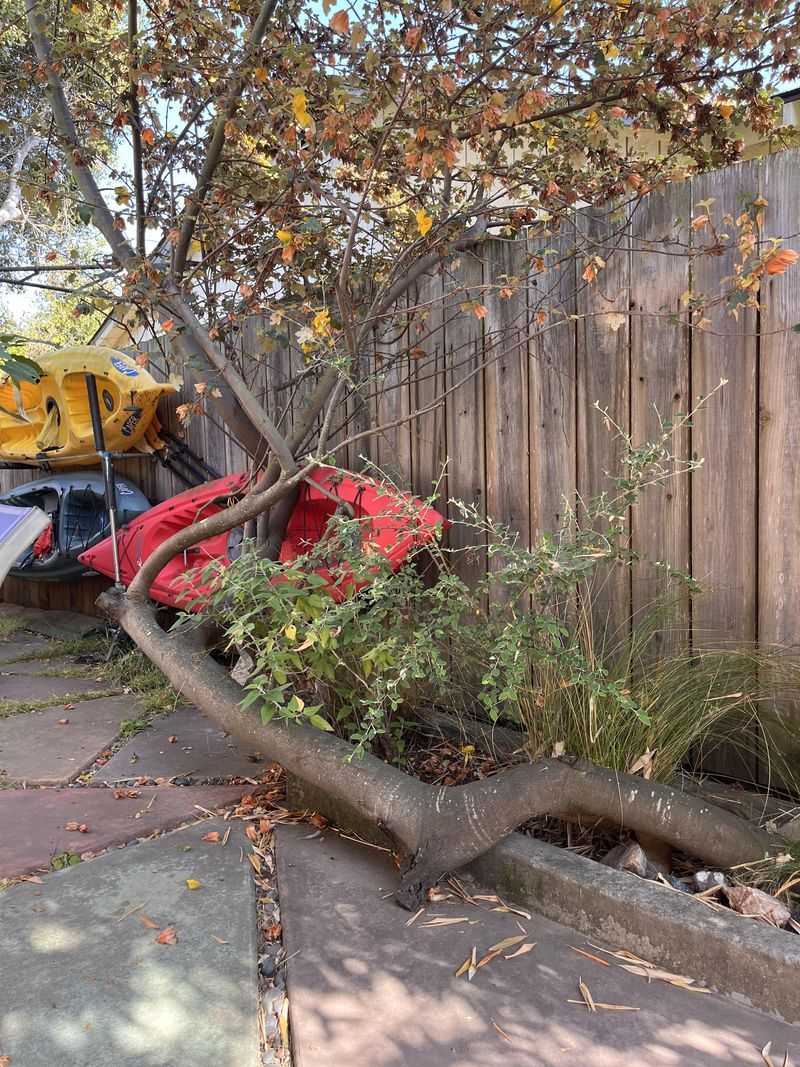
Grabbing the pruning shears and going to town on your shrubs might feel productive in September, but hard pruning at this time of year can leave plants in a tough spot.
Most shrubs are starting to wind down for the season, and cutting them back aggressively sends the wrong signal.
Hard pruning stimulates new growth, just like heavy fertilizing does. When a shrub pushes out fresh stems and leaves in September or October, those tender new shoots are vulnerable.
A cold snap can cause serious damage to growth that has not had time to harden properly.
Some shrubs also bloom on old wood, meaning the flower buds for next spring are already forming right now.
Cutting those branches off means you lose next year’s blooms before they ever get a chance.
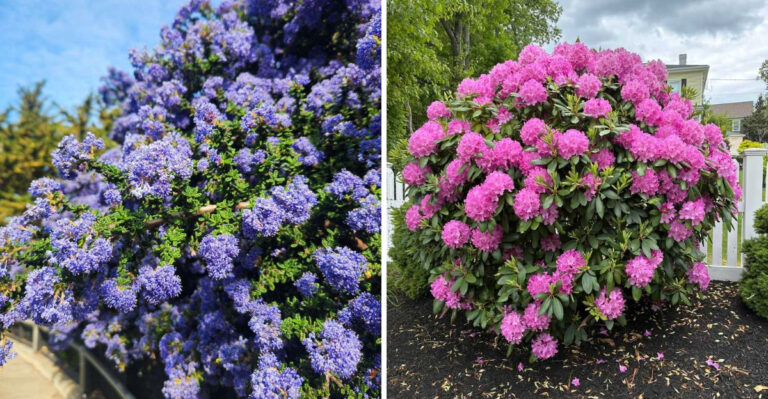
Rhododendrons, azaleas, and forsythia are common examples of this in Northwest gardens.
Light maintenance pruning is fine this time of year. Removing withered branches, crossing limbs, or anything that looks diseased is always a good idea.
Just avoid the big structural cuts that remove large portions of the plant.
Save hard pruning for late Oregon winter or very early spring, just before new growth begins. That timing gives plants the best chance to respond well and fill in the cuts with healthy growth.
A little patience now pays off with a fuller, healthier shrub when the warm weather returns. Your garden will look better for it in the long run.
4. Deadheading Everything Can Remove Food For Birds
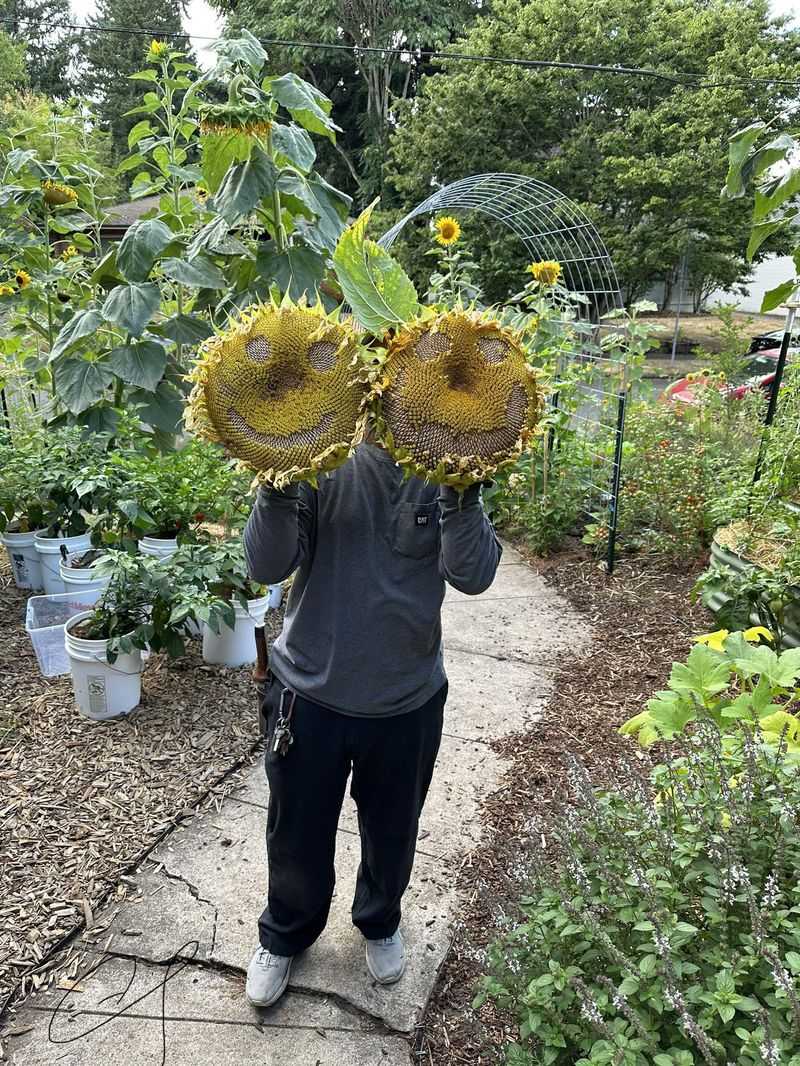
Deadheading spent flowers all summer long is a smart move. It keeps plants blooming longer and the garden looking tidy.
But once September rolls in, it is worth putting the scissors down and letting some of those seed heads stay.
Seed heads are a valuable food source for birds heading into fall and winter. Goldfinches, chickadees, sparrows, and other small birds rely heavily on seeds from garden plants like coneflowers, black-eyed Susans, and sunflowers.
Removing all those seed heads takes away a natural buffet that birds genuinely depend on.
Beyond feeding wildlife, seed heads also add beauty to the fall and winter garden. The dried, architectural shapes of coneflower heads and the tall spires of plants like rudbeckia look striking against a frosty morning backdrop.
Many garden designers intentionally leave them for visual interest. Some seeds also self-sow, meaning they drop to the ground and sprout new plants next spring.
Letting nature handle some of your replanting is a low-effort way to keep the garden full without spending extra money on new plants each year.
You do not have to leave every single spent flower. Plants that tend to spread aggressively can still be deadheaded to prevent overcrowding.
But for well-behaved perennials, leaving the seed heads through fall and into winter is a gift to local wildlife and a natural way to support your garden ecosystem. It is one of the easiest and most rewarding things you can do this time of year.
5. Fallen Fruit Should Not Sit Under Trees
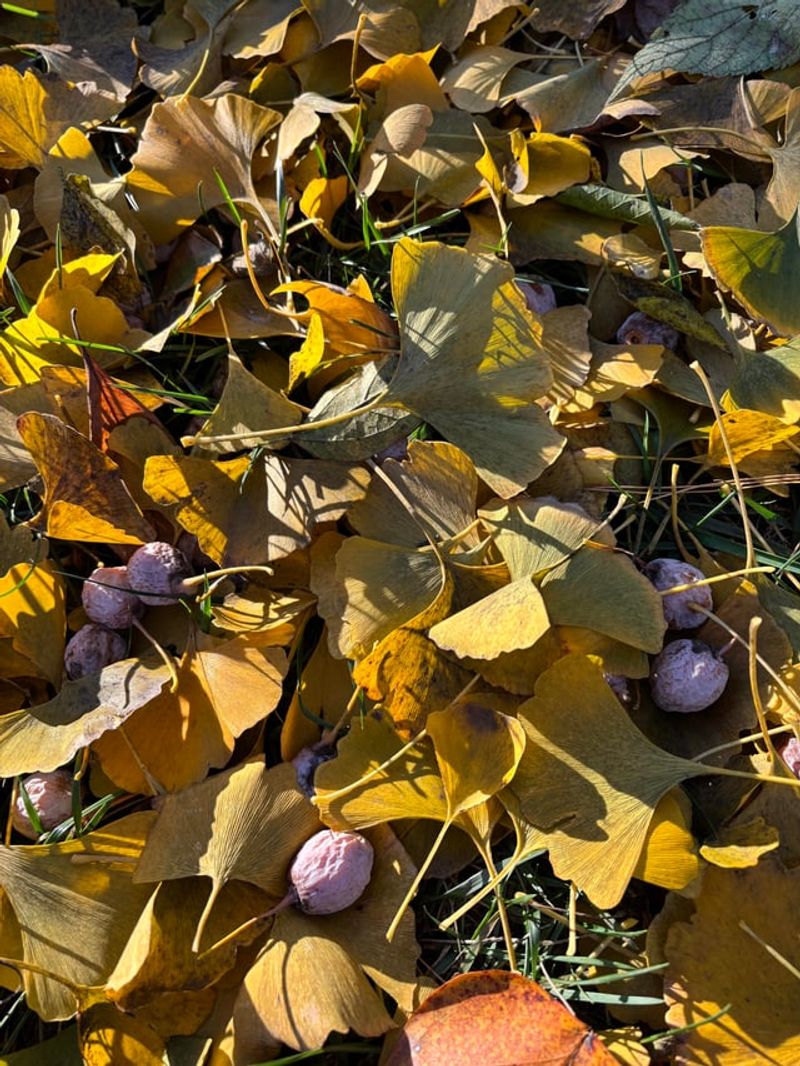
Fruit trees put on a beautiful show in late Oregon summer, but once the harvest is over, fallen fruit on the ground becomes a real garden problem.
Leaving it there might seem harmless, but it can cause a chain of issues that follow you into next season.
Rotting fruit is a magnet for pests. Yellow jackets, fruit flies, slugs, and rodents are all drawn to the sweet, fermenting smell.
Once pests find a reliable food source near your trees, they tend to stick around and cause more damage to the surrounding garden.
Fungal diseases are another concern. Many common fruit tree diseases, including apple scab and brown rot, overwinter in fallen fruit and infected leaves.
When you leave that fruit on the ground, you are essentially giving the disease a comfortable place to survive until spring, when it can reinfect your tree all over again.
Picking up fallen fruit regularly throughout September is one of the most effective disease prevention steps you can take. You do not need any special tools or sprays.
Just gather the fruit and dispose of it away from your garden. Do not compost diseased fruit unless your pile gets hot enough to break down pathogens.
Clean ground beneath fruit trees also makes it easier to spot and manage pests. Keeping that area tidy sets your trees up for a healthier growing season next year.
A little cleanup now saves a lot of frustration later when the warm months return.
6. Cool-Season Weeds Get Easier To Miss
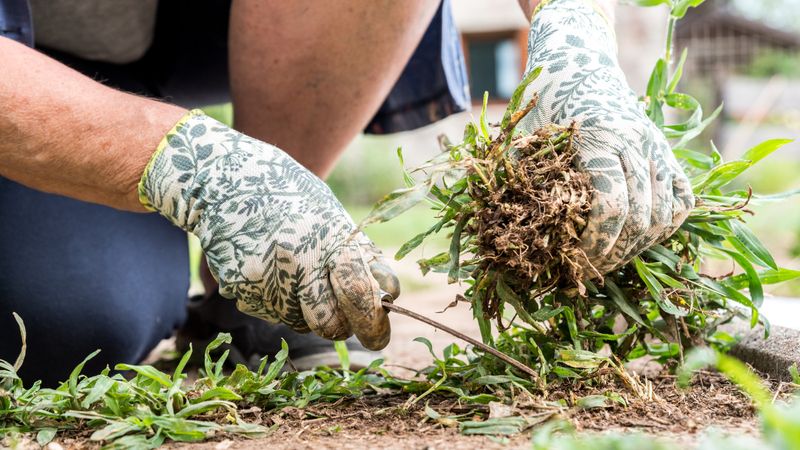
Most Oregon gardeners are on high alert for weeds during spring and summer. But as the season winds down and attention shifts to harvest and cleanup, weeds can quietly take over.
September is actually prime time for cool-season weeds to get started. Weeds like chickweed, hairy bittercress, and annual bluegrass love the cooler, moister conditions that fall brings.
They sprout quickly and can establish deep roots before you even notice them. By the time you spot them, they may already be setting seed.
One weed plant can produce hundreds or even thousands of seeds. Those seeds drop into your soil and stay dormant through winter, ready to sprout in huge numbers next spring.
Staying on top of weeds now prevents that exponential spread before it starts.
The good news is that cool-season weeds are usually easier to pull when the soil is moist, which it often is in early fall.
They have not had time to develop deep taproots yet, so a quick hand-pull or a light pass with a hoe gets most of them out cleanly.
Walk through your garden beds at least once a week and pull anything that does not belong.
Pay special attention to areas where mulch has thinned out, since bare soil is an open invitation for weed seeds to land and sprout.
Adding a fresh layer of mulch in September helps suppress weeds and also protects your soil as temperatures drop. Two benefits with one simple task makes this a fall priority worth keeping.
7. Scalping The Lawn Makes Fall Recovery Harder
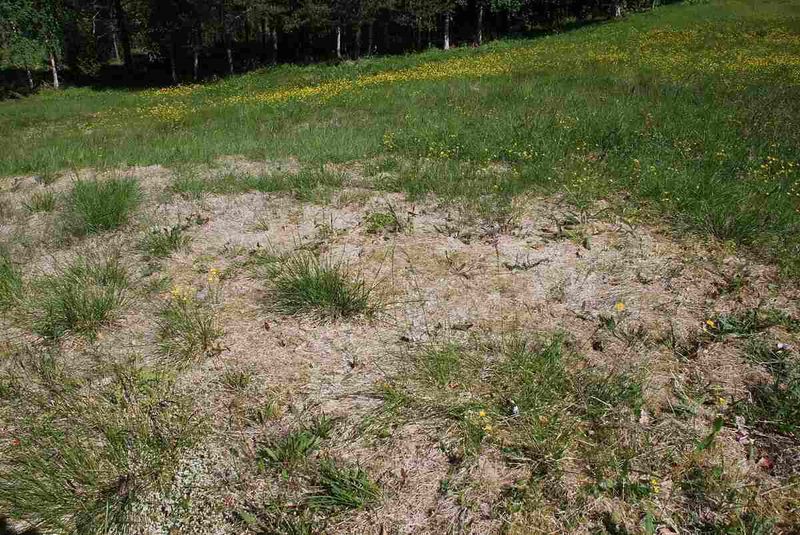
Some gardeners think that cutting the lawn extra short in fall means less mowing to deal with before winter.
It sounds logical, but scalping the lawn actually puts your grass under a lot of unnecessary stress right when it needs to be building strength.
Grass that is cut too short loses its ability to photosynthesize efficiently. The green leaf blades are where the plant captures sunlight and converts it into energy.
Cut those blades too short and the grass simply cannot produce enough energy to stay healthy through fall and recover well in spring.
Short grass also exposes the soil to more temperature swings. Longer grass blades act as a natural insulator for the root zone.
When the soil temperature fluctuates sharply on cold nights, shallow root systems in scalped lawns are more vulnerable to stress and damage.
Weeds also take advantage of thin, weak lawns. When grass is cut too short and struggles to fill in, weed seeds find it much easier to germinate in the bare patches.
A thicker, healthier lawn is your best natural defense against weed invasion.
The ideal mowing height for most cool-season grasses in fall is around two and a half to three inches. Keep the blade sharp so cuts are clean rather than ragged.
Ragged cuts make the grass more susceptible to fungal issues, which are already more common in the wet fall weather that Oregon is known for. Mow at the right height and your lawn will thank you come spring.
8. Warm-Season Crops Are Running Out Of Time
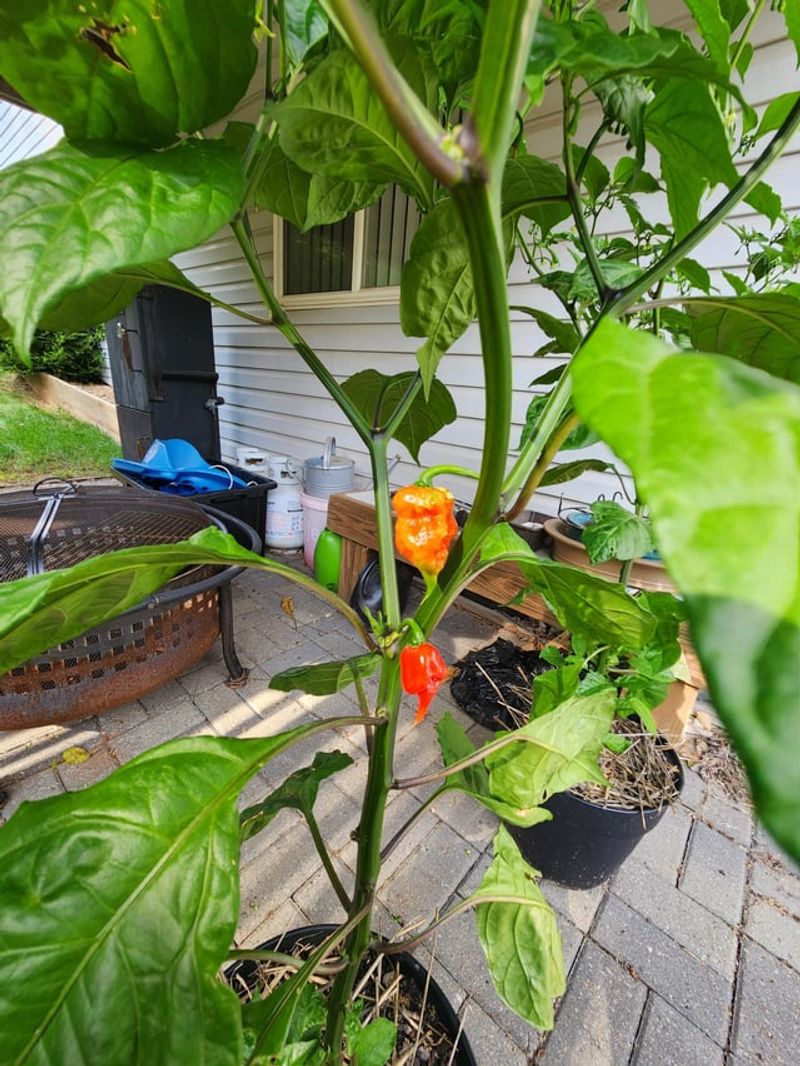
There is always a temptation to squeeze a little more out of warm-season crops like tomatoes, peppers, and squash once September arrives.
It makes sense to want every last vegetable after a full season of care. But holding on too long can actually work against you.
Warm-season crops slow down significantly once nighttime temperatures drop below 55 degrees Fahrenheit. Tomatoes stop ripening on the vine as efficiently, and peppers can take weeks longer to reach maturity in cool weather.
The energy you spend watering and maintaining these crops often outweighs the return you get from them.
Leaving spent or struggling crops in the ground also ties up valuable garden space. September is actually the perfect window for planting cool-season crops like kale, spinach, and garlic.
Those plants thrive in the cooler, wetter conditions that follow summer and can produce well into winter or even through it with a little protection.
Green tomatoes can be ripened indoors by placing them in a single layer in a warm room out of direct sunlight. They do not need to stay on the vine to ripen.
Bringing them inside protects them from early frosts and gives you more control over the process.
Pull out plants that are clearly done producing. Clear the bed, add some compost, and plant something that actually wants to grow in fall.
Working with the season rather than against it is one of the most effective things any gardener can learn. Your harvests will be more consistent and your garden will stay productive year-round.