What To Do With Delphiniums After They Finish Flowering In Oregon
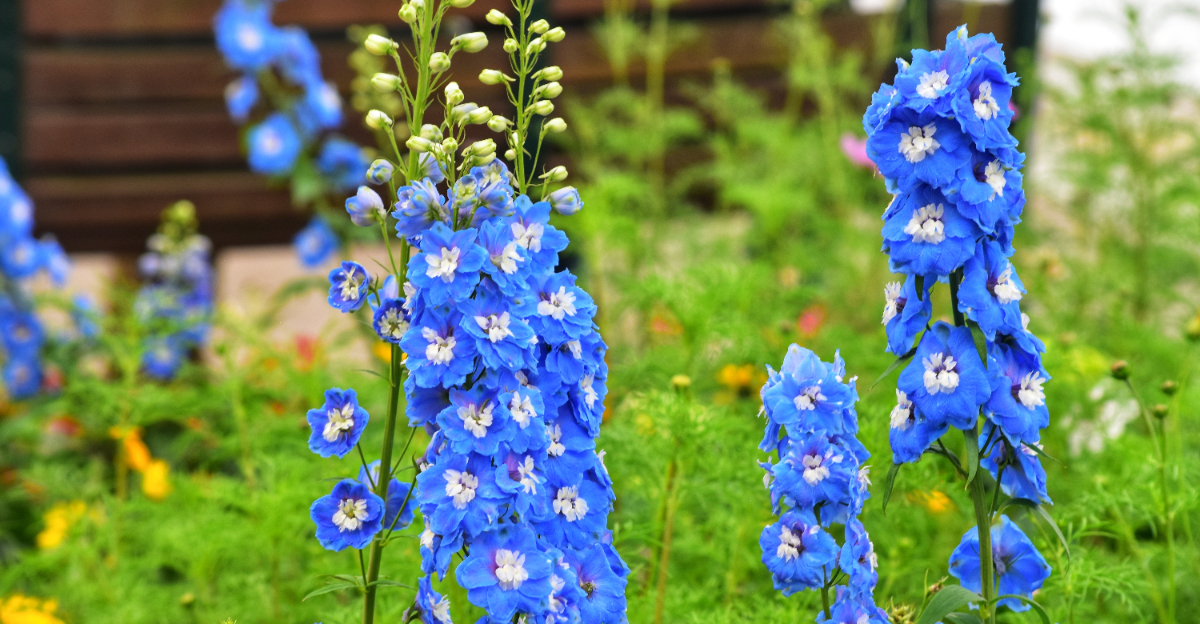
Delphiniums know how to make an entrance. Their towering flower spikes bring serious drama to an Oregon garden, then suddenly the show ends and you are left with a plant that looks a little confused about its next act.
This post-bloom stage can feel awkward. The flowers are fading, the stems are losing their charm, and doing nothing may seem easier than figuring out what the plant needs next.
Fair enough, but delphiniums still have plenty happening behind the scenes.
A well-timed bit of care can influence how tidy the plant looks and how it performs later in the season. The key is knowing what deserves attention without getting too aggressive.
Once the final flowers fade, the goal is not to give the plant a total makeover. It is to help it recover gracefully and keep the garden looking polished instead of abandoned.
1. Cut Back Spent Flower Spikes
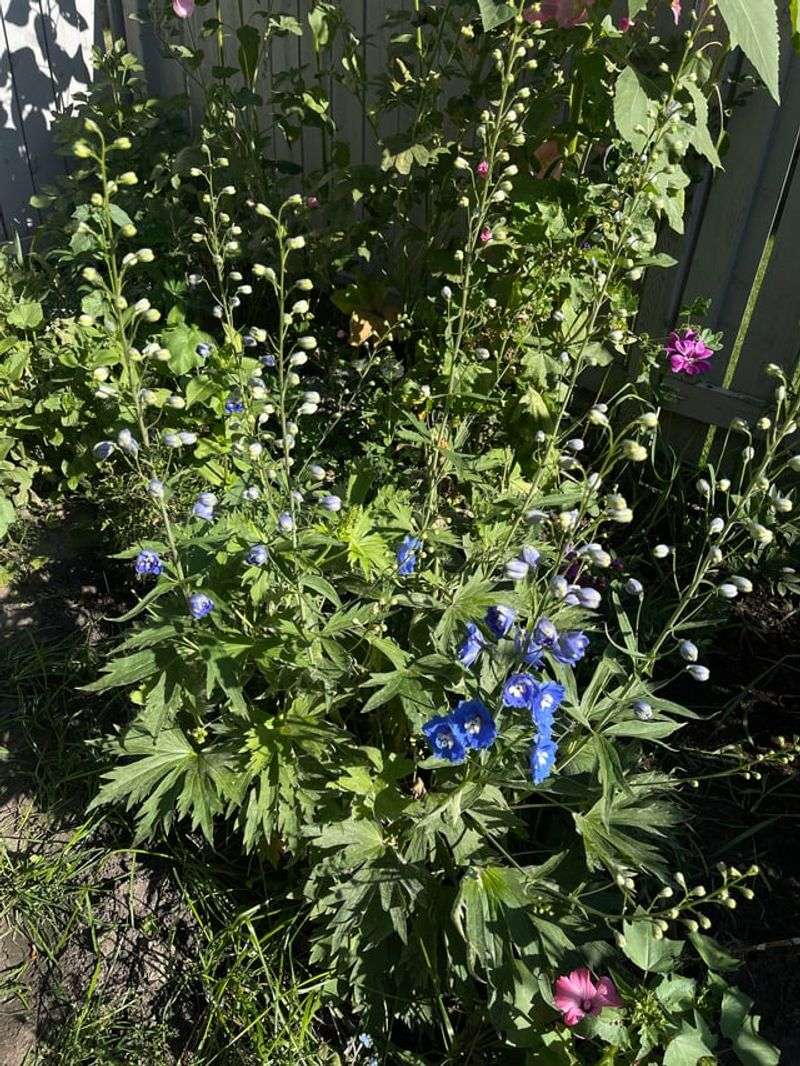
Once your delphiniums finish blooming, the first thing to do is remove those spent flower spikes. Faded blooms left on the plant use up energy that could go toward new growth.
Cutting them back signals the plant to redirect that energy in a more useful direction.
Use clean, sharp pruning shears or garden scissors for this job. A clean cut reduces the risk of spreading disease from one plant to another.
It also helps the plant heal faster and start working on what comes next.
Cut the main flower spike down to just above a set of healthy-looking leaves. You do not need to cut all the way to the ground at this stage.
Just remove the portion that has finished blooming and looks tired or brown.
Oregon delphiniums often have enough growing season left after their first bloom to push out a second round of flowers. That second bloom will not be as tall or full as the first, but it is still worth encouraging.
Cutting back spent spikes is the first step toward making that happen.
Try to do this task as soon as blooms start fading rather than waiting until the whole spike looks completely gone. The sooner you act, the sooner the plant can recover.
Timing really does matter when it comes to getting a second flush of color from these gorgeous plants.
2. Snip Just Above Healthy Leaves
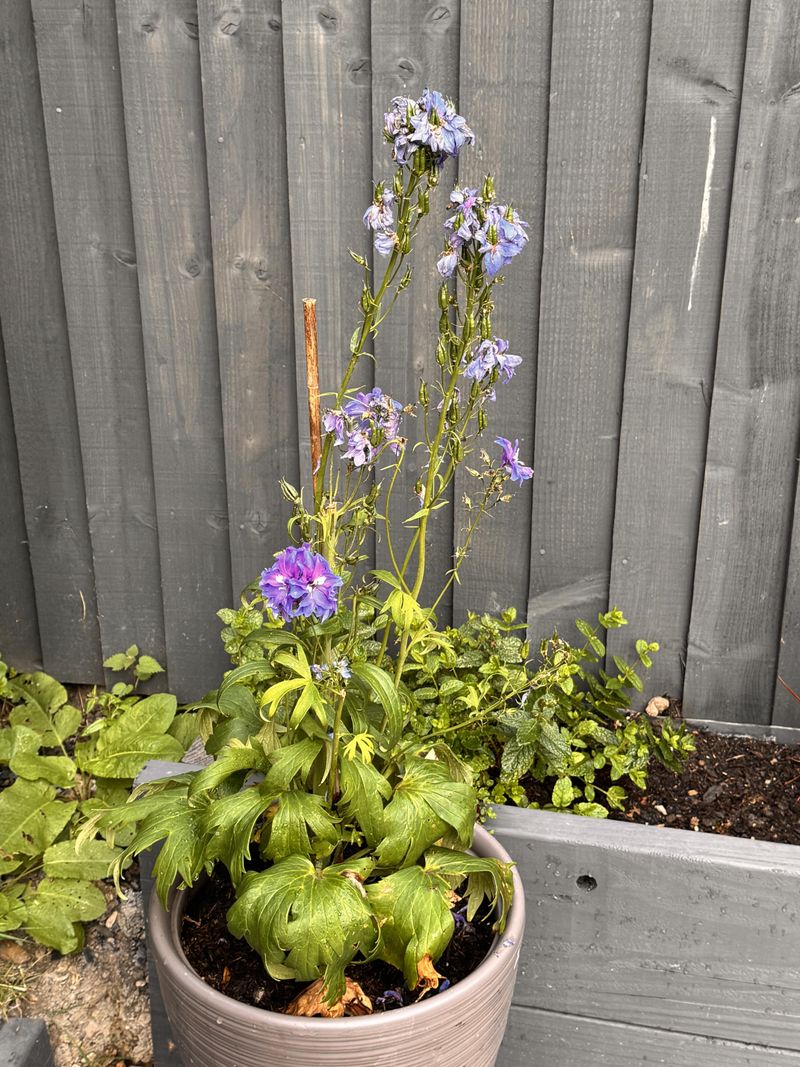
Where exactly you make your cut matters more than most people realize. Snipping just above a healthy set of leaves gives the plant a strong base to grow from.
It also keeps the stem from withering back further than you want it to.
Look for a spot on the stem where the leaves still look green and full of life. Make your cut at a slight angle just above that leaf node.
An angled cut helps water run off the stem instead of pooling, which can lead to rot.
Some gardeners cut too low out of habit or try to tidy things up too aggressively. Going too far down can stress the plant and slow its recovery time.
Your Oregon Garden Changes Every Week. Your Plan Should Too.
Gardening in Oregon changes quickly throughout the season. Every Friday you’ll receive a simple weekly plan showing exactly what to plant, prune, fertilize, harvest, and protect so you never miss the right timing.
Keep it conservative and let the healthy leaves do their job.
Those remaining leaves are still busy absorbing sunlight and making food for the plant through photosynthesis. Removing them too early would rob the plant of that energy-making ability.
Leaving them in place gives your delphinium the fuel it needs to push out new growth.
In the cooler months of late summer and early fall that are common across much of this region, delphiniums respond really well to this kind of careful, targeted pruning. You are not hacking the plant back hard.
You are giving it a precise haircut that sets it up for the best possible recovery. A little precision goes a long way with these plants.
3. Don’t Remove The Whole Plant
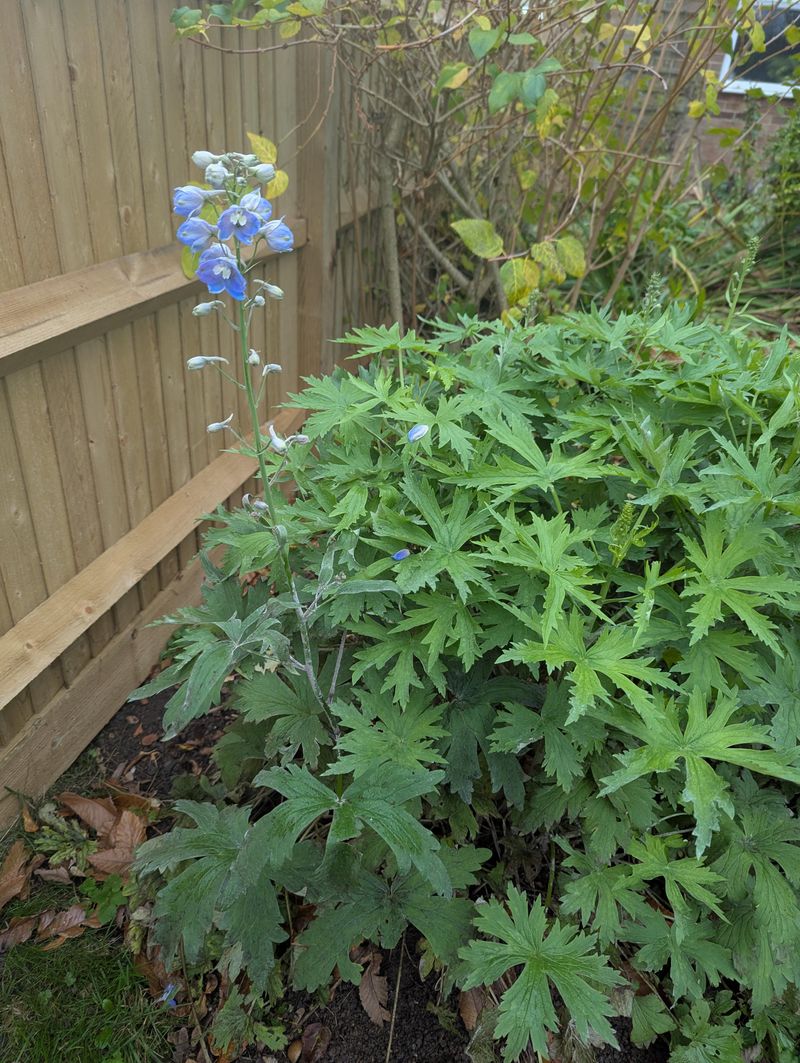
After the flowers fade, it can be tempting to pull the whole plant out and start fresh. Resist that urge.
Delphiniums are perennials, which means they come back year after year if you treat them well.
Removing the entire plant after one bloom season wastes all the energy stored in the roots. Those roots worked hard all season to support those tall, dramatic flower spikes.
They deserve a chance to rest and recharge for next year.
Leave the basal foliage, which is the leafy growth at the base of the plant, completely intact. That low-growing greenery is not weight.
It is actively helping the plant store nutrients and prepare for winter dormancy.
Gardeners in Oregon sometimes make the mistake of clearing out their beds too aggressively in late summer.
A tidy garden looks nice, but bare soil around perennials can leave roots exposed to temperature swings as fall sets in. Keeping the base of the plant intact helps protect it.
Think of your delphinium like a rechargeable battery. After blooming, it needs time to refill its energy stores before it can perform again.
Pulling it out early cuts that process short and means you will have to buy and replant next spring.
Be patient and let the plant do what it was designed to do. With the right care after flowering, a well-established delphinium can reward you with blooms for many seasons to come. That kind of return on investment is hard to beat in any garden.
4. Clean Up Fallen Petals And Debris
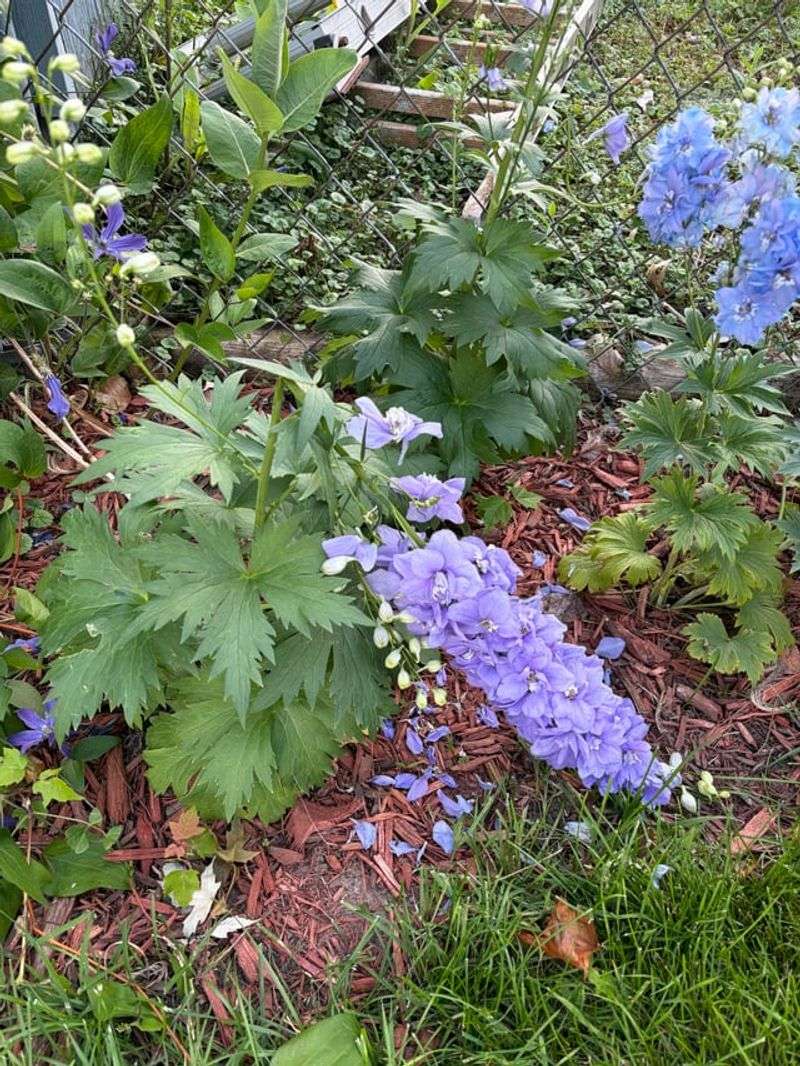
Fallen petals and plant debris might seem harmless, but they can cause real problems if left sitting around your delphiniums.
Damp, decaying material creates the perfect environment for mold, fungal disease, and pests to move in.
Keeping the area around your plants clean is a simple but powerful habit.
After cutting back your spent flower spikes, take a few minutes to gather up any petals, leaves, or stem pieces that have fallen to the ground. A small hand rake or even just your gloved hands work well for this.
You do not need any special equipment.
Toss diseased or pest-damaged material in the trash rather than your compost bin. Composting it could spread problems to other parts of your garden later.
Healthy plant trimmings, on the other hand, can go right into the compost pile without worry.
This region’s moist climate, especially in western areas near the coast, makes fungal issues more likely than in drier parts of the country. Powdery mildew is a common problem for delphiniums, and good sanitation around the base of the plant helps reduce the chances of it taking hold.
Make this cleanup part of your regular garden routine throughout the growing season, not just after blooming. A few minutes of tidying every week or two keeps bigger problems from developing.
Your delphiniums will be healthier and more vigorous when they are not sitting in a pile of their own old debris season after season.
5. Water Deeply After The First Bloom
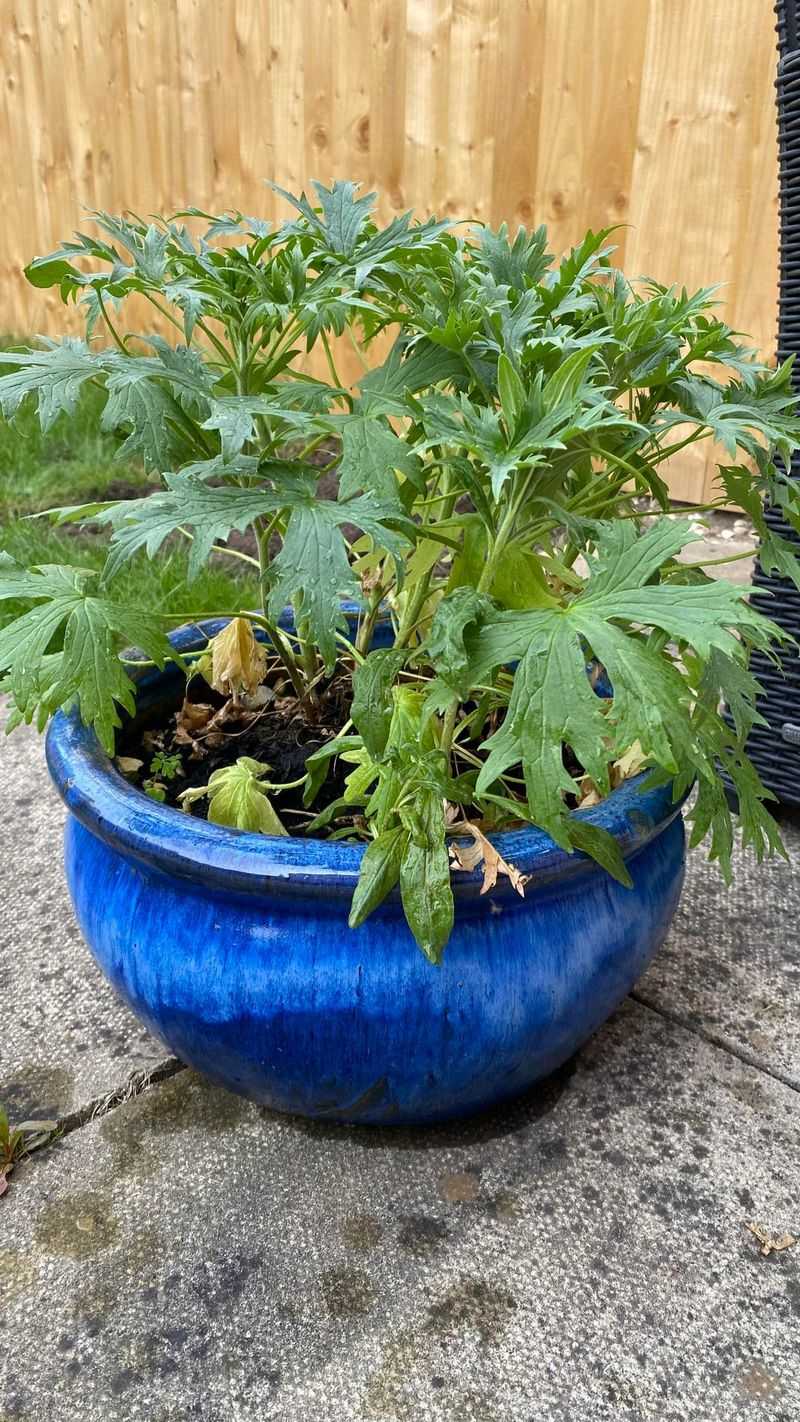
Right after the first bloom cycle ends, your delphiniums are a little worn out. They just put a lot of energy into producing those spectacular flower spikes.
Deep watering at this stage helps them recover and encourages new root growth.
Shallow, frequent watering is not the way to go with delphiniums. Light watering only wets the top few inches of soil, which trains roots to stay near the surface.
Deep watering pushes moisture down further and encourages roots to follow, making the plant stronger overall.
Aim to water slowly and deeply at the base of the plant, letting the moisture soak in rather than run off. A soaker hose or drip irrigation works great for this.
Overhead watering can wet the foliage, which increases the risk of fungal problems in Oregon’s humid climate.
Check the soil moisture by pushing your finger about two inches into the ground near the plant. If it feels dry at that depth, it is time to water.
If it still feels damp, wait another day or two before checking again.
During the drier stretches of summer that affect many parts of this region, delphiniums can dry out faster than you might expect. Mulching around the base of the plant helps hold moisture in the soil between waterings.
A two to three inch layer of wood chips or straw works well and also helps keep the soil temperature stable as summer heats up.
6. Feed Lightly To Support New Growth
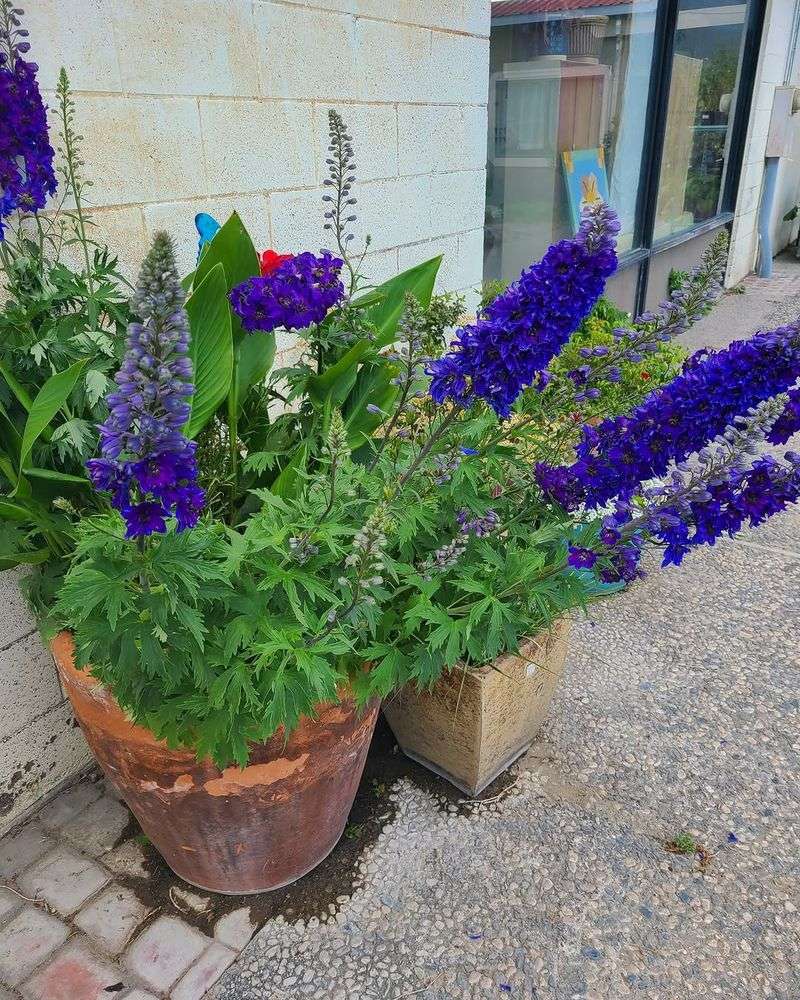
After the first bloom, your delphiniums are ready for a little boost. A light feeding at this stage gives them the nutrients they need to push out new stems and, with luck, a second round of flowers before the season ends.
Go easy on the fertilizer though. Too much nitrogen at this point can push the plant to produce lots of leafy green growth instead of blooms.
A balanced, slow-release fertilizer with equal parts nitrogen, phosphorus, and potassium is a smart choice for post-bloom feeding.
Liquid fertilizers can also work well and are absorbed quickly by the plant. Mix them at half the recommended strength to avoid overwhelming the plant after it has already worked so hard.
Less is more when it comes to fertilizing delphiniums after they bloom.
Bone meal and kelp meal are natural options that many gardeners in this region prefer. They release nutrients slowly and are less likely to cause problems if you apply a bit too much.
They also improve the overall health of the soil over time, which benefits all your plants.
Apply your fertilizer of choice right after watering so the nutrients can start moving into the soil right away. Fertilizing dry soil can stress plant roots and lead to uneven nutrient uptake.
Water first, feed second, and then give the plant a few days to respond before deciding whether it needs anything else. Patience is your best tool at this stage of the growing season.
7. Stake Any Fresh Flower Stems Early
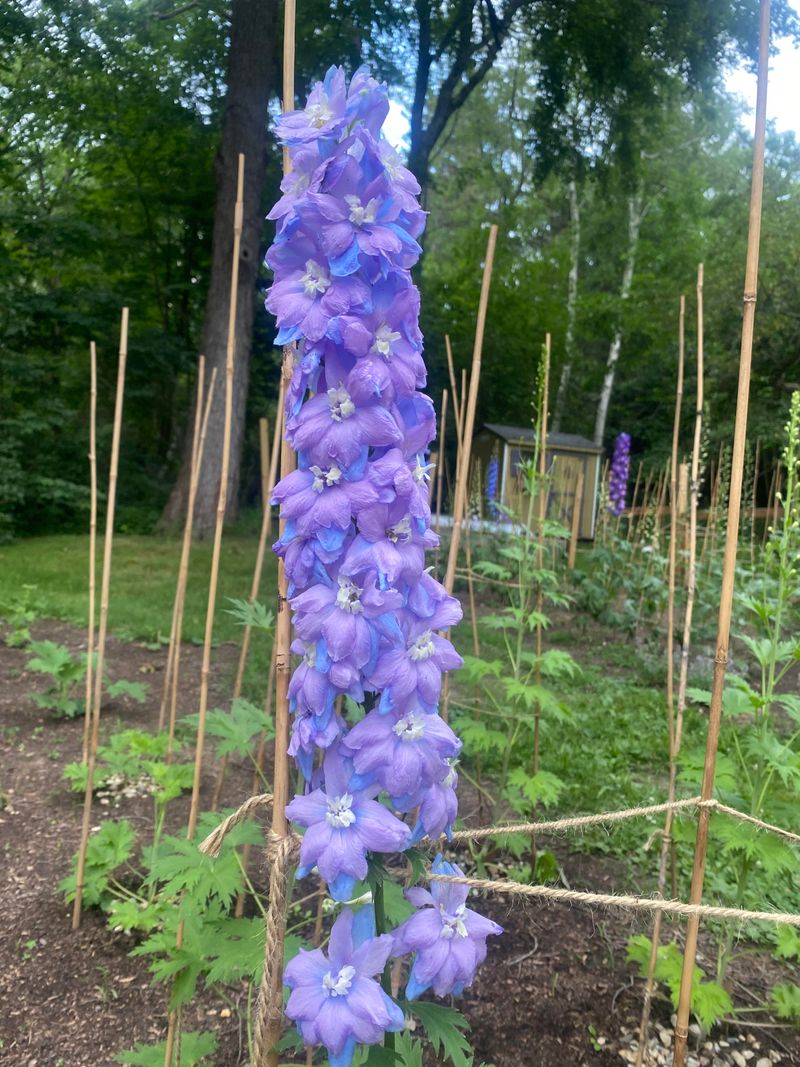
New delphinium stems can shoot up surprisingly fast after the first bloom is cut back. These fresh stems are tender and can be easily knocked over by wind or heavy rain, both of which are common in Oregon.
Getting stakes in place early keeps those new stems growing straight and strong.
Bamboo canes are a popular and affordable staking option. Push them into the soil close to the plant without disturbing the roots too much.
Tie the stem loosely to the stake using soft garden twine or stretchy plant ties that will not cut into the stem as it grows.
Avoid tying the stem too tightly. The plant needs a little room to flex naturally in the breeze.
A stem tied too rigidly to a stake can actually become weaker over time because it does not get to build its own strength through natural movement.
Check your stakes every few days as the new stems grow. You may need to add additional ties higher up the stake as the plant gets taller.
A stem that starts leaning early will only get worse without a little guidance and support.
Delphiniums can grow quite tall, sometimes reaching five or six feet during a strong second flush of growth.
Tall plants in exposed garden spots are especially vulnerable to wind damage without proper support.
Taking five minutes to stake a fresh stem early can save you from finding a snapped plant after the next Pacific storm rolls through your yard.
8. Watch For Slugs Around New Shoots
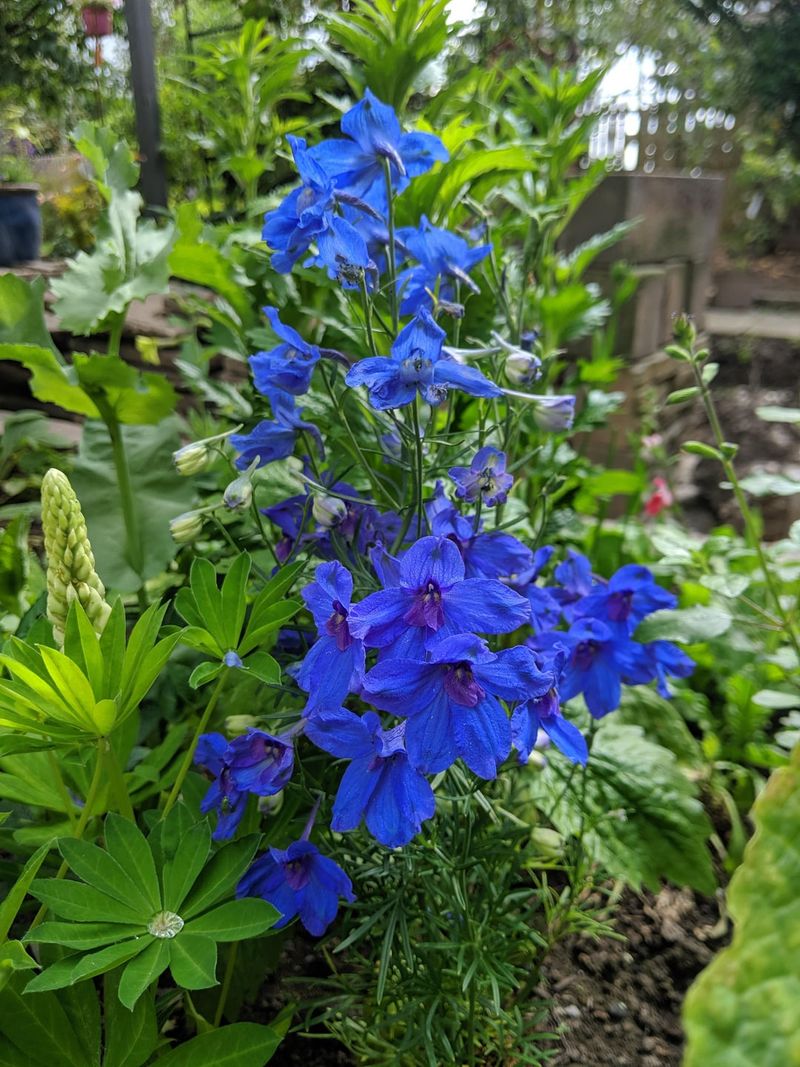
New delphinium shoots are like a welcome sign for slugs. These slimy pests love tender, fresh plant growth, and they are especially active in the moist conditions that are typical across much of Oregon.
Catching a slug problem early can save your new growth before any real damage is done.
Go out in the early morning or after dark with a flashlight to check around the base of your delphiniums. Slugs tend to feed at night or during cool, damp periods.
You might be surprised how many are hiding under leaves or in the soil right next to your plants.
Sprinkling crushed eggshells or coarse sand around the base of the plant creates a rough barrier that slugs do not like to cross. Copper tape is another option that many gardeners swear by.
These are low-cost, non-toxic solutions that work well in a home garden setting.
Iron phosphate slug bait is a popular choice for gardeners who want something stronger. It is considered safer for pets and wildlife than older chemical options.
Scatter a small amount around the base of affected plants and reapply after heavy rain washes it away.
Beer traps also work surprisingly well. Set a shallow container filled with beer into the soil near your delphiniums.
Slugs are attracted to the yeast and will crawl in and not be able to get back out. Check the traps every morning and refresh the beer every few days for best results in keeping your new shoots protected.