The Last Chance To Divide These Ohio Perennials Before They Go Dormant
September can close the door on one of the most useful jobs in an Ohio flower bed. Those crowded perennials may still look healthy above ground, yet their roots can tell a very different story.
Clumps that once bloomed heavily can lose vigor, thin out at the center, or push against nearby plants as each season adds more growth. A well-timed split can reset that cycle, but Ohio gardeners do not have an endless window to get it done.
Once colder nights settle in, newly separated plants need enough time to establish roots before winter takes hold. Wait too long, and the calendar starts to work against you.
The catch is that some perennials handle a September split far better than others. A few popular garden favorites belong at the top of the list right now, especially when their clumps have started to show subtle signs that they have outgrown their space.
1. Peonies Need Their Fall Reset Now
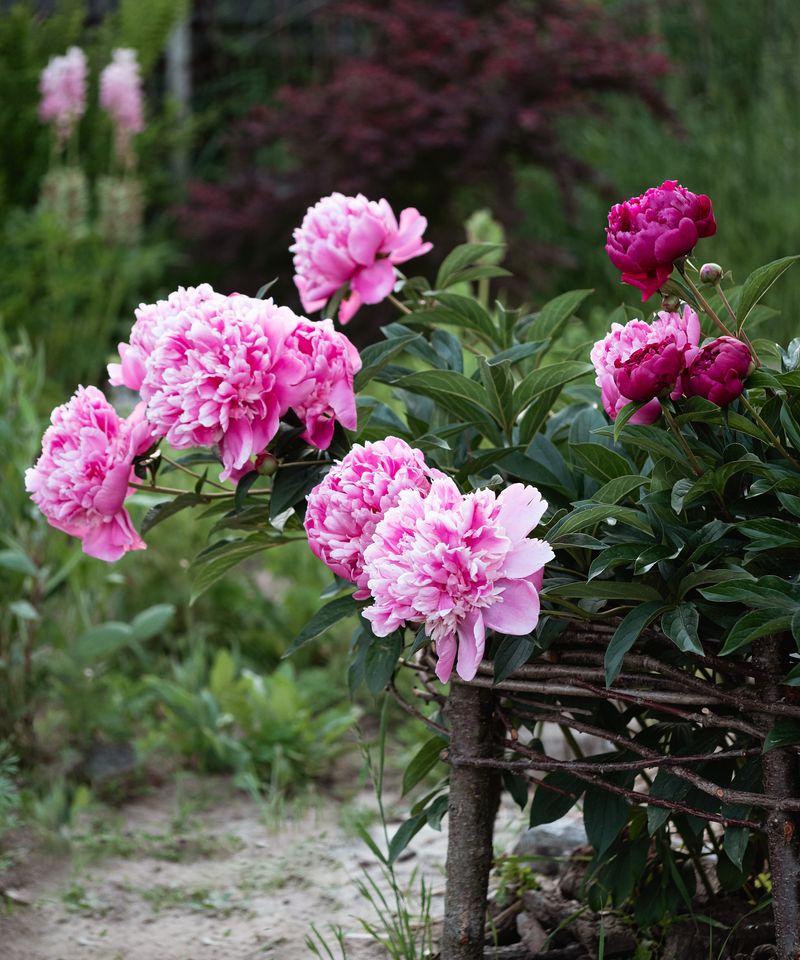
Lifting an old peony clump is a surprisingly satisfying task. Push the fork in deep and you can feel the resistance of years of growth.
The thick, fleshy root system that comes up shows just how long the plant has been there. Ohio State University Extension notes that garden peonies are best divided or transplanted in September.
Early fall is therefore the right time to move or rejuvenate a clump.
Established peonies do not need to be divided every few years on a fixed schedule. Division makes the most sense when a plant must be relocated, has become poorly placed, or simply needs a fresh start.
Each division should have at least three to five eyes, which are the small reddish buds on the root that will produce next season’s shoots.
Planting depth matters a great deal with peonies. Ohio State guidance is clear that the eyes should be set no more than one to two inches below the soil surface.
Planting too deep is one of the most common reasons peonies fail to flower. Divided plants may take a season or two to reestablish before they bloom strongly again, so patience is part of the process.
Water the new divisions in well and mark their spots clearly.
2. Daylilies Split Best After Blooms Fade
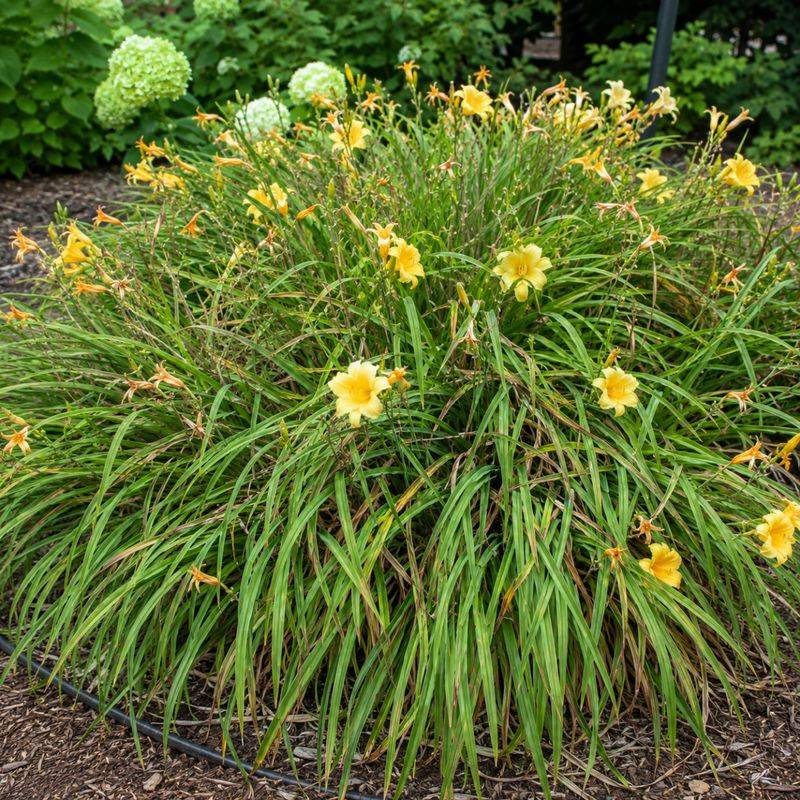
A clump that put on a dazzling show all summer can quietly signal that it needs attention once the blooms are finished. Daylilies, known botanically as Hemerocallis species and hybrids, are among the most forgiving perennials to divide.
The period after flowering is a practical time to split an overcrowded patch. Ohio State University Extension supports fall as a suitable division period for daylilies.
Crowding is often the clearest sign that a clump is ready to be split. Reduced flowering and a dense, matted center are common signs that a daylily bed has run out of room.
Each division should include healthy roots and at least one or two growing points, called fans, to give the new plant a solid start.
Your Ohio Garden Changes Every Week. Your Plan Should Too.
Gardening in Ohio changes quickly throughout the season. Every Friday you’ll receive a simple weekly plan showing exactly what to plant, prune, fertilize, harvest, and protect so you never miss the right timing.
Replanting promptly after dividing keeps roots from drying out, which can set back establishment. If early fall weather has been dry, consistent watering after replanting is especially helpful.
Daylilies are adaptable and generally bounce back quickly when given good soil contact and adequate moisture. Not every clump needs splitting on a set schedule, so let the plant’s performance guide your decision rather than the calendar alone.
Dividing only what genuinely needs it saves time and keeps healthy plants from unnecessary stress.
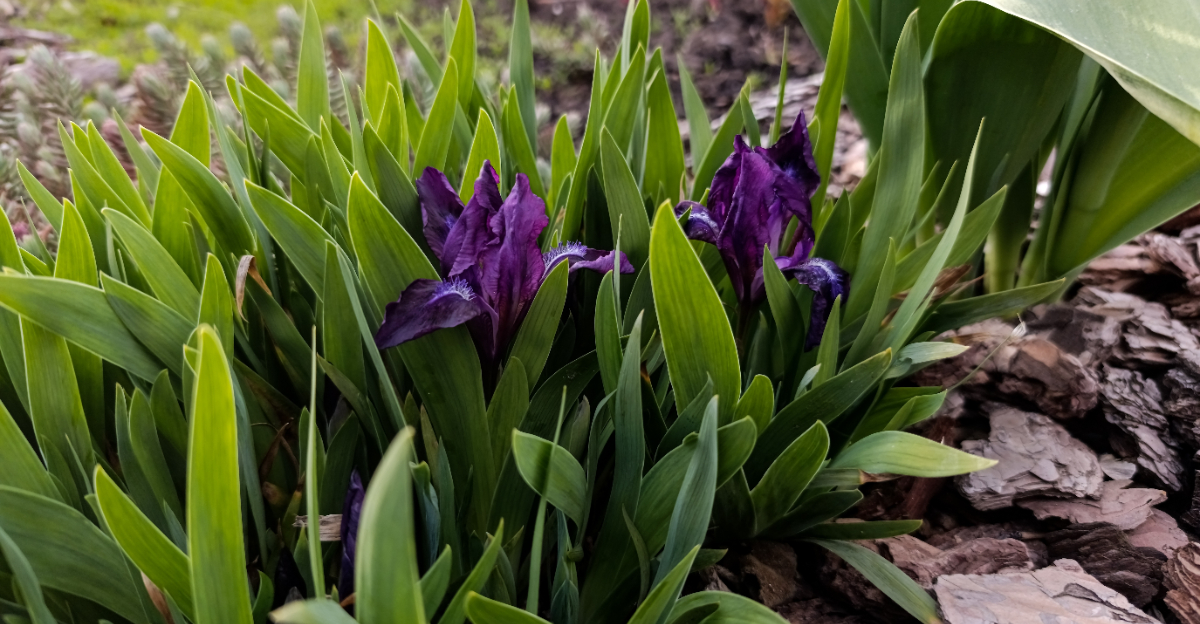
3. Crowded Iris Clumps Need More Breathing Room
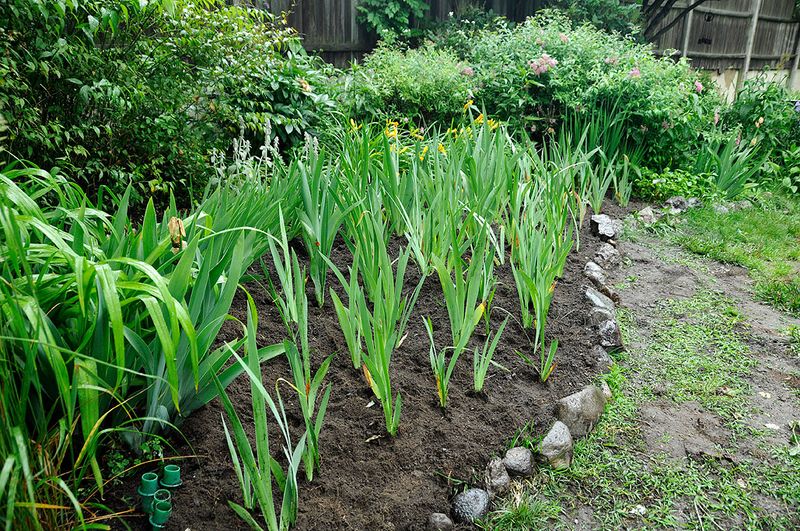
A dense, tangled patch of bearded iris that barely bloomed this summer is sending a clear message. Rhizomes packed tightly together compete for light, nutrients, and space, and the result is often a disappointing flower season.
Ohio State University Extension recommends dividing bearded iris in late summer to early fall. For this perennial, late August or September is actually preferred over spring.
A rhizome is essentially a thick, horizontal stem that grows at or just below the soil surface. Unlike true bulbs or ordinary perennial roots, rhizomes store energy and produce both roots and new shoots.
Healthy, firm rhizome sections are the ones worth replanting. Soft, mushy, or hollow sections should be set aside rather than used as divisions.
Bearded iris rhizomes need to be planted differently than most other perennials. The rhizome itself should sit at or just slightly below the soil surface, not buried deeply.
Ohio State guidance supports shallow planting so the top of the rhizome can receive warmth from the sun. Foliage is often shortened at division time to reduce stress on the newly planted section.
Each replanted piece needs firm soil contact, good drainage, and a sunny spot to settle in before cold weather arrives.
4. Garden Phlox Gets A Fresh Start From Division
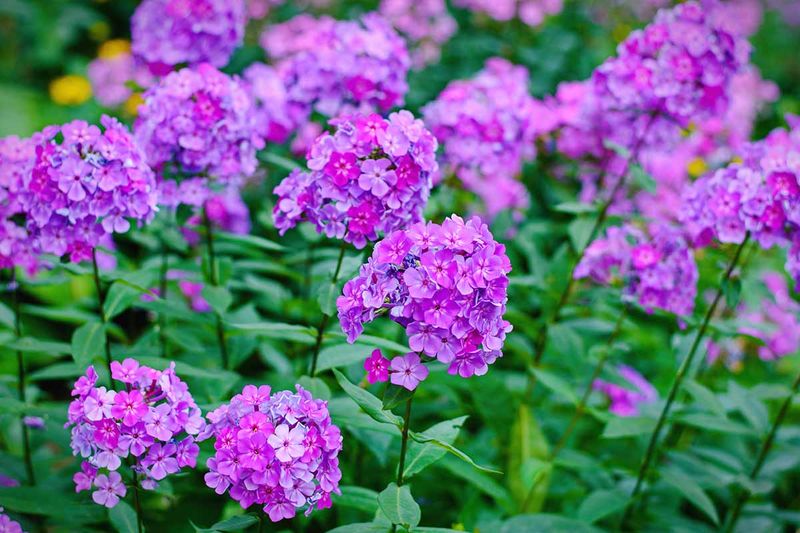
An aging clump of garden phlox that once stood tall and colorful can start to look tired after several years in the same spot. Stems become crowded, the center of the clump may thin out, and flowering can decline noticeably.
Ohio State University Extension includes Phlox paniculata among the perennials that can be divided or transplanted in September, giving gardeners a clear seasonal cue.
Separating an established clump creates multiple new plants from a single overgrown one. Better spacing between plants also allows for improved airflow around the stems and foliage, which is a benefit supported by general horticultural guidance.
Division alone does not prevent powdery mildew or guarantee disease-free plants, but giving each section room to grow is a reasonable step toward healthier conditions.
Each division should have a healthy set of roots and at least a few strong shoots. Replant divisions at the same depth they were growing before, firm the soil around the roots, and water thoroughly after planting.
If the weather has been dry leading up to division, give the clump a good drink a day or two beforehand to reduce stress on the roots. Divisions that go into moist, prepared soil tend to settle in more reliably than those dropped into dry, compacted ground.
5. Hostas Handle An Early-Fall Split Well
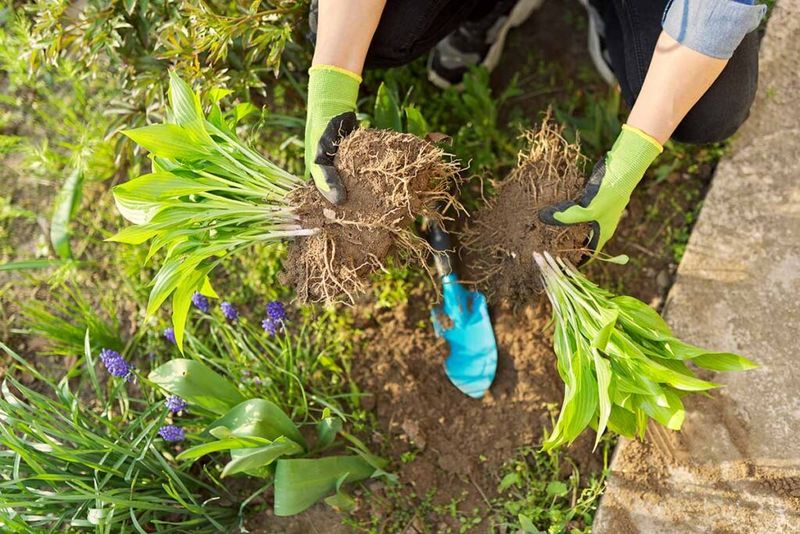
A hosta that has quietly spread until it no longer fits its corner of the shade garden is a familiar sight by late summer. Early fall can be a practical time to lift and divide an oversized clump, and university Extension sources support fall as a workable division period for hostas.
Spring is also commonly recommended, so fall is not the only correct season, just a useful one when the timing works out.
The main reason to divide a hosta is usually space. A clump that has outgrown its allotted area, or one that a gardener wants to multiply, is a good candidate for splitting.
Each division needs a section of crown tissue with attached roots to reestablish successfully. Larger divisions tend to recover more quickly than very small pieces, so avoid cutting sections down smaller than necessary.
Watering after replanting is especially helpful if early fall remains dry in your area. Hostas are fairly adaptable, but newly divided sections need consistent moisture while their roots are getting reestablished.
Foliage does not need to be gone before you divide, so do not wait for the leaves to collapse if the timing is otherwise right. Once replanted at the original depth and watered in well, hostas typically settle in without much fuss before the ground cools.
6. Coral Bells Benefit From A Timely Reset
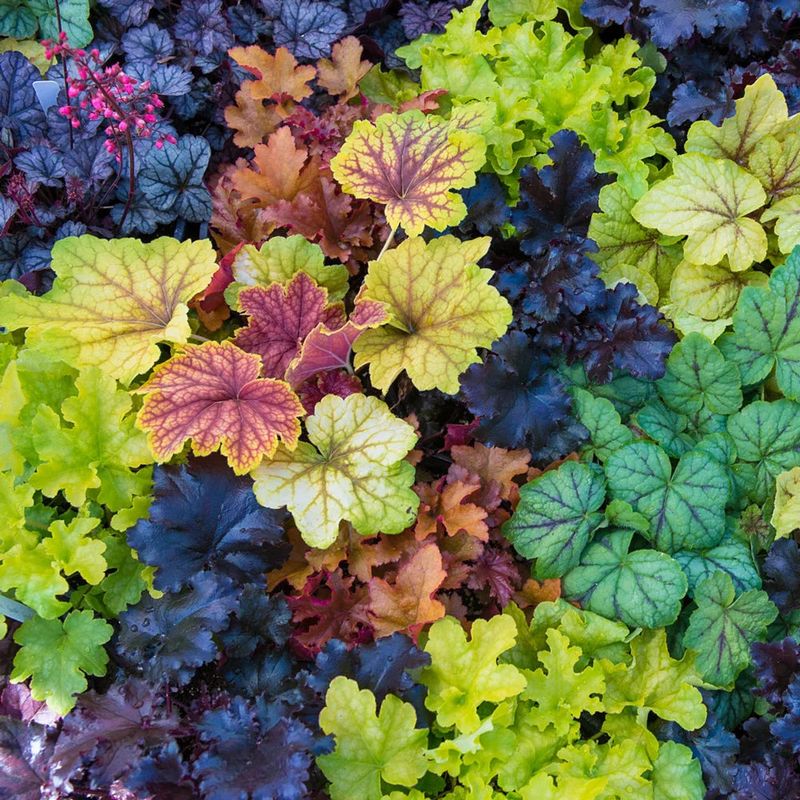
An older coral bells plant can develop a crown that gradually pushes itself above the soil. This leaves woody stem tissue exposed and roots struggling to stay anchored.
Heuchera species and cultivars can benefit from being lifted and reset when this happens. Early fall is a reasonable time to do it before the ground hardens.
University Extension sources support dividing or resetting Heuchera in early fall when conditions are suitable.
Not every coral bells plant needs regular division. The goal is to restore a healthier planting position for a crown that has heaved upward or an older clump that has lost its compact, tidy form.
Healthy crown sections with usable roots attached are the pieces worth replanting. Sections that are mostly woody with few viable roots are unlikely to reestablish well.
Coral bells prefer well-drained soil and partial shade in most garden settings. Those conditions remain just as important after division as they were for the original plant.
Replant divisions at the correct depth so the crown sits at or just slightly below the soil surface. Water consistently after replanting to help roots make good contact with the surrounding soil.
Mulching lightly around new divisions can help retain moisture and moderate soil temperature as cooler weather approaches.
7. Bleeding Hearts Divide Once Growth Fades
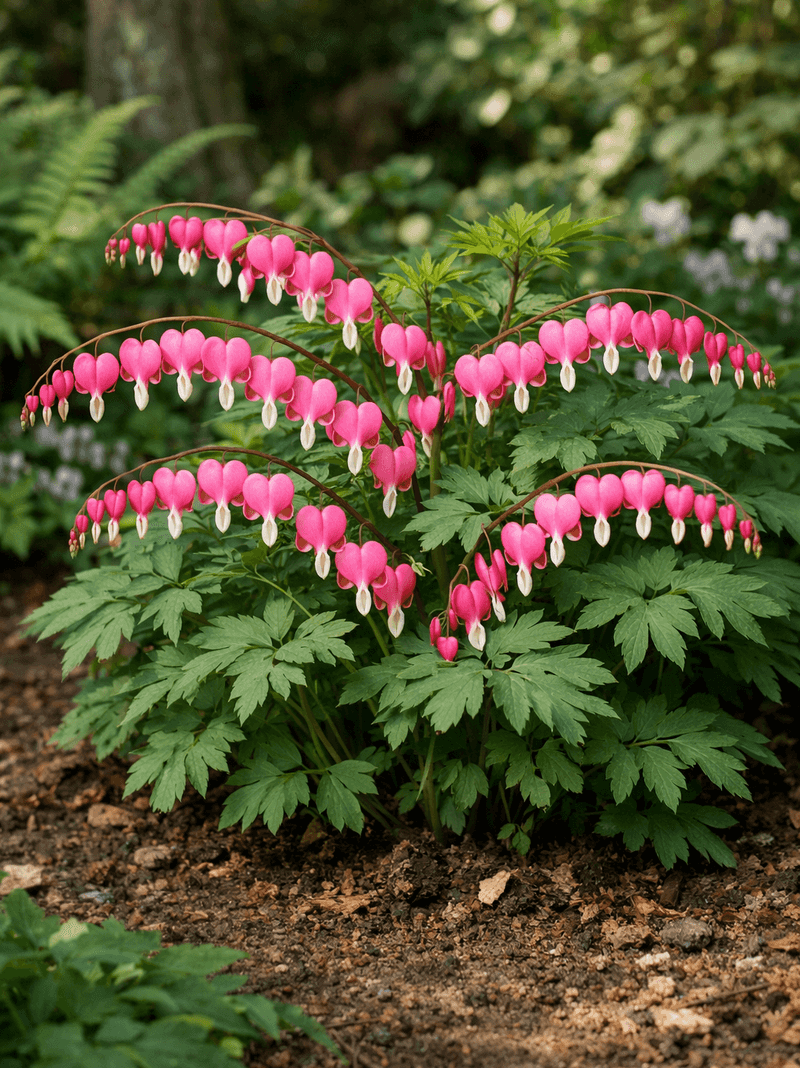
An apparently empty patch in the shade garden can be puzzling if you did not know what grew there before summer ended. Bleeding heart, particularly Lamprocapnos spectabilis, is known for going dormant and losing visible foliage earlier in the season than most other perennials.
That disappearing act does not mean the plant is gone, just resting underground until conditions improve.
Marking the location of a bleeding heart earlier in the season is genuinely useful when division or moving is planned for later.
A simple stake or label placed while the foliage is still visible saves a lot of guesswork when the plant has gone dormant and left no obvious sign above ground.
Division is most appropriate when the plant needs to be moved to a new location, requires rejuvenation, or is being propagated for additional plants.
Bleeding hearts generally prefer being left undisturbed when they are performing well. Frequent division does not particularly benefit this plant.
Reserve the effort for situations where moving or refreshing it is genuinely necessary. Handle the roots and crown carefully during the process.
Replant divisions in a shaded spot with moist, well-drained soil, and water them in after planting. Giving a newly divided plant enough time to settle before the ground freezes improves its chances of returning well the following spring.
8. Garden Lilies Move After Foliage Turns Yellow
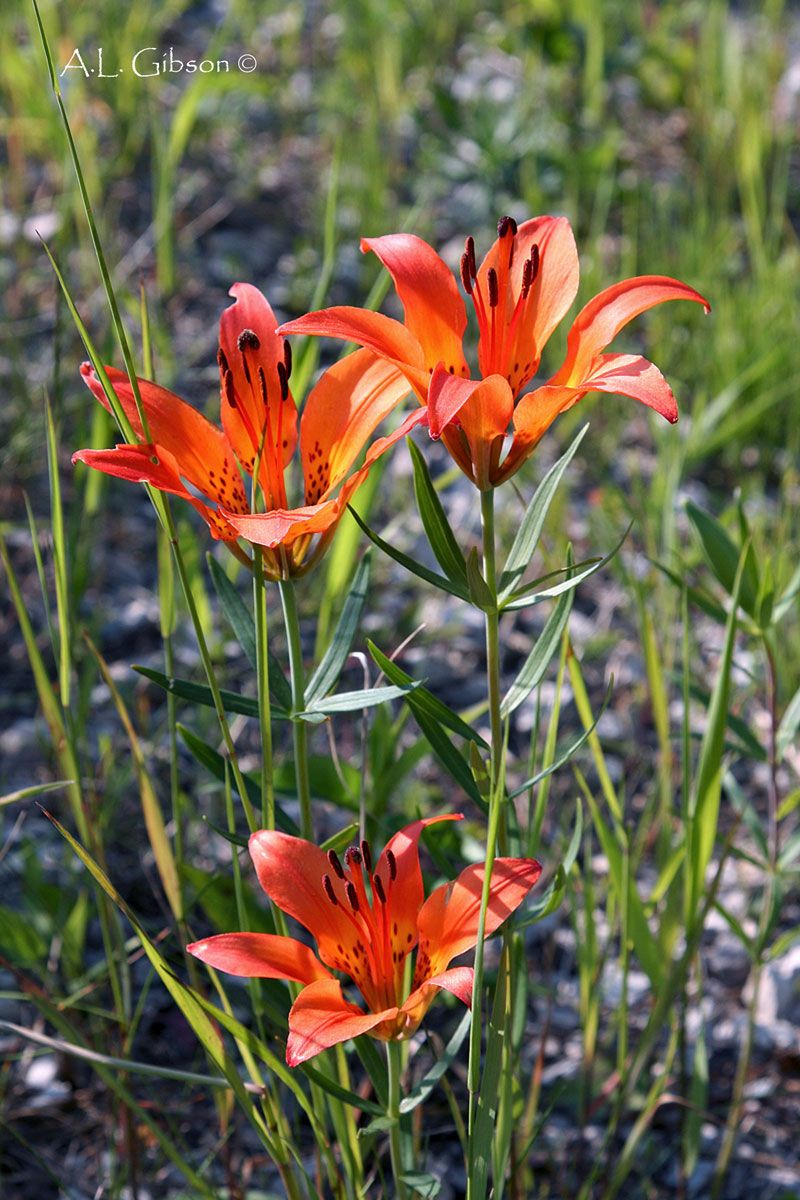
True garden lilies and daylilies share a common name in casual conversation, but they are botanically very different plants. True lilies belong to the genus Lilium and grow from scaly bulbs.
Daylilies belong to the genus Hemerocallis and grow from fleshy roots. Keeping that distinction clear matters when you are deciding how and when to divide or move them.
Ohio State University Extension supports moving or dividing true lilies after the foliage has turned yellow. That yellowing is a seasonal signal that the leaves have finished their important work of sending energy back down into the bulb.
Removing green foliage early cuts that process short, which can leave the bulb with less stored energy heading into winter.
Once the foliage has done its job and yellowed naturally, the bulbs can be lifted carefully. Clustered bulbs and offsets, which are smaller bulbs that form alongside the main bulb, can be separated at this point.
Replant divisions promptly so the bulbs do not dry out between lifting and replanting. Follow verified planting depth recommendations for the specific lily type you are working with, since depth can vary.
Firm the soil around each bulb and water after planting to help the roots settle in. Giving new divisions enough time before the ground becomes cold improves their chances of establishing well.