How High Oregon Homeowners Should Mow Their Lawn Before Fall Rain Returns
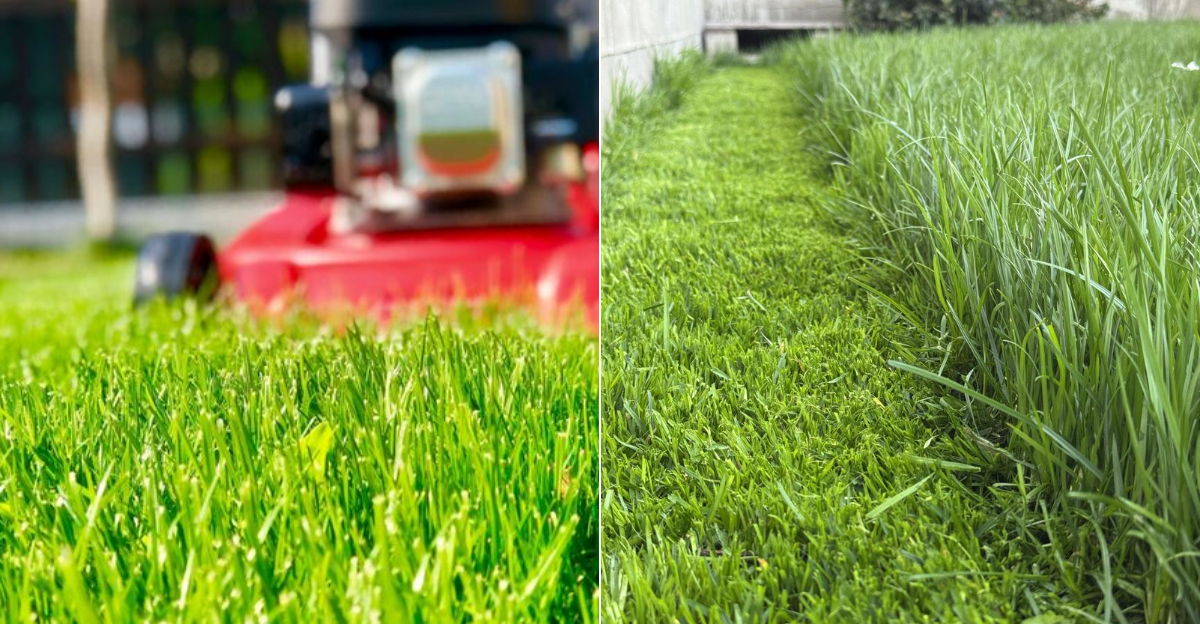
That last stretch of dry Oregon weather can make mowing feel almost optional. Grass may be growing slowly, the mower has finally stopped dominating weekends, and it is tempting to give the lawn one short final cut before wetter days return.
Height matters more than it might seem, though. Grass heading into a cooler, rainier season has different needs than a lawn powering through sunny summer afternoons.
Cut it too aggressively, and the yard may enter fall with less leaf growth to work with. Leave it overly tall, and another set of challenges can appear.
The sweet spot depends on more than making the lawn look tidy. Grass type, current growth, moisture, and mowing frequency can all influence where that mower deck should sit.
Think of the final dry-weather cuts as preparation rather than cleanup. The goal is to send the lawn into Oregon’s wetter season at a height that keeps it manageable without giving it an unnecessary haircut right before conditions change.
1. Aim For About 2½ To 3 Inches
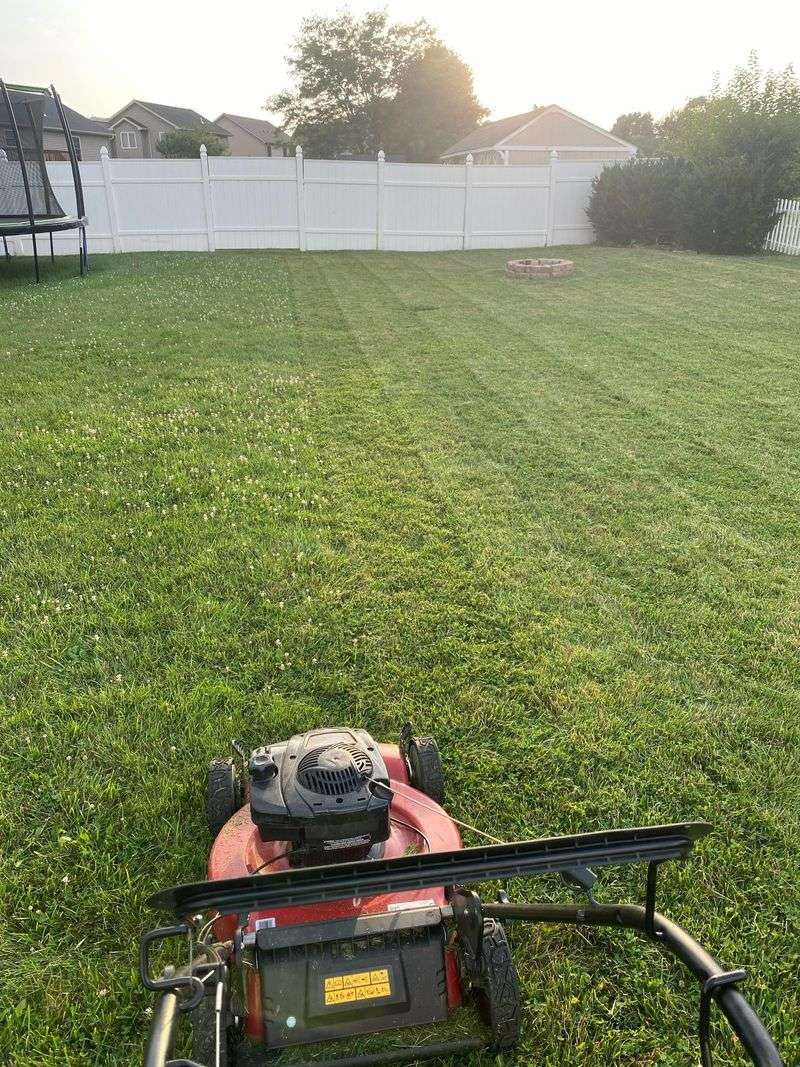
Most lawn care professionals in Oregon will tell you that 2½ to 3 inches is the sweet spot for cool-season grasses heading into fall.
That height range works especially well for the types of grass most commonly found in the Pacific Northwest, like tall fescue and perennial ryegrass.
These grasses thrive when they have enough leaf blade to catch sunlight and protect themselves from temperature swings.
At 2½ to 3 inches, your lawn looks neat and tidy without being cut too close to the ground. Grass that is too short going into the rainy season tends to struggle more with disease, weeds, and poor root development.
A slightly longer blade gives the plant more energy to work with as the weather cools down.
Many homeowners make the mistake of thinking shorter is always better. That is not true, especially in the fall.
Grass that is a little taller going into the wet season holds up much better when rain, clouds, and cooler temperatures all arrive at once. Setting your mower to the right height now is one of the easiest and most effective lawn care steps you can take.
Check your mower deck settings before your next cut. Most mowers let you adjust the blade height in small increments.
Take a few minutes to measure the grass after you mow to make sure you are hitting that 2½ to 3 inch target consistently.
2. Avoid Giving The Lawn One Last Short Cut
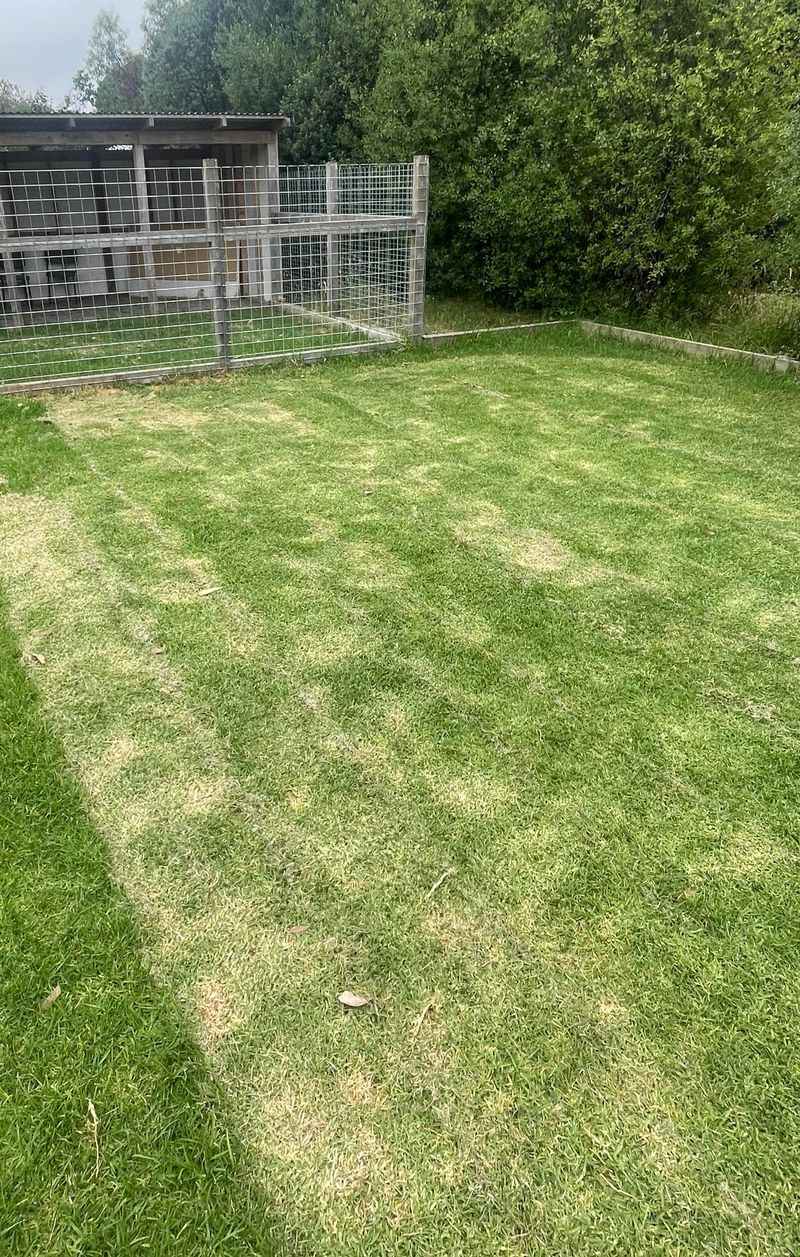
A lot of people feel the urge to give their lawn one final short cut before the rain returns. The thinking is that it will look clean and fresh going into fall.
But cutting your grass very short right before the wet season is actually one of the worst things you can do for your lawn’s health.
When you cut too short, you remove a big portion of the leaf blade all at once. That leaf blade is where the plant stores energy and absorbs sunlight.
Without enough of it, the grass struggles to bounce back, especially as days get shorter and sunlight becomes less available. Short grass also has a harder time competing with weeds that can take hold quickly once fall rains start.
Your Oregon Garden Changes Every Week. Your Plan Should Too.
Gardening in Oregon changes quickly throughout the season. Every Friday you’ll receive a simple weekly plan showing exactly what to plant, prune, fertilize, harvest, and protect so you never miss the right timing.
Keeping your grass at a healthy height going into fall gives it a head start. The extra blade length acts like a small shield, protecting the crown of the plant from cold snaps and heavy rain.
Grass that goes into fall at a good height tends to green up faster in spring, too. So resist the temptation to scalp your lawn for the sake of a tidy appearance.
A lawn cut to 2½ to 3 inches still looks great and will perform much better through the coming months.
Think of it as doing your lawn a favor before the harder weather arrives. A little extra length now pays off in a big way later.
3. Taller Grass Helps Shade The Soil
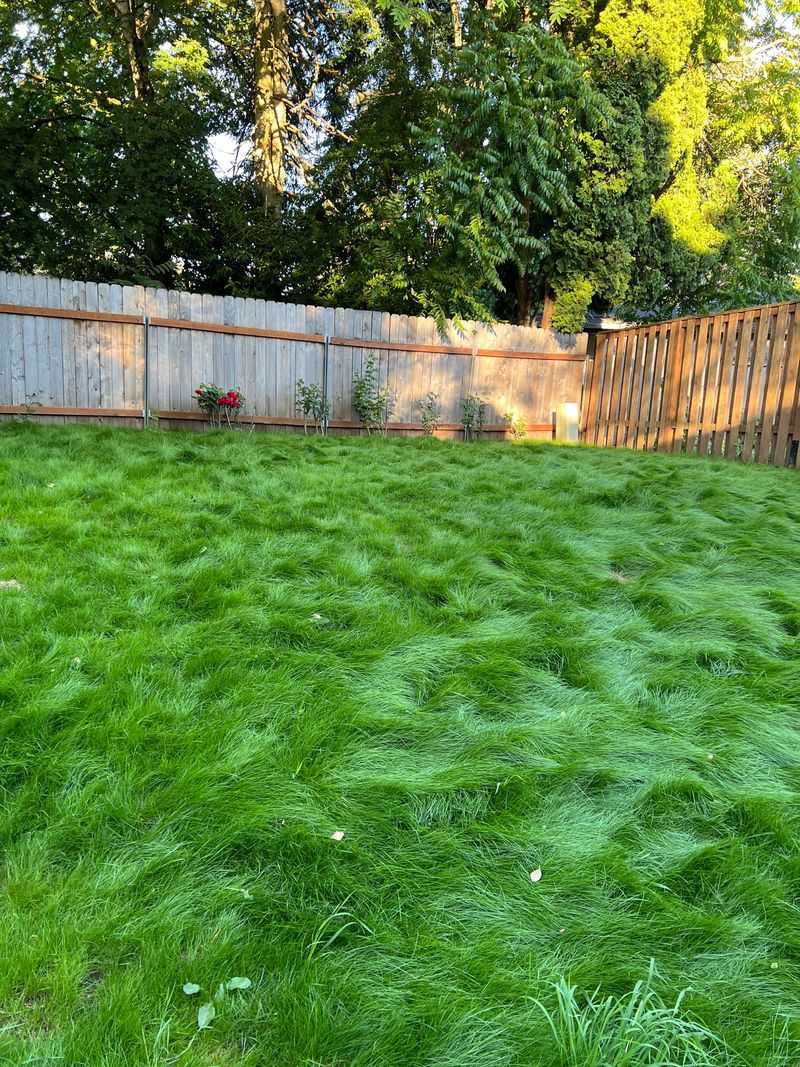
One reason taller grass is better heading into fall is that it shades the soil underneath. That might sound like a small detail, but it makes a real difference.
When the soil stays shaded, it holds moisture more evenly and does not dry out as fast between rain showers. Shaded soil also tends to stay cooler during any late summer heat that lingers before the rains arrive.
Shaded soil is also less friendly to weed seeds. Many common lawn weeds need sunlight to sprout.
When your grass is tall enough to block that sunlight from reaching the soil, fewer weeds get a chance to take hold. This is especially helpful in Oregon, where fall rains can trigger a wave of weed germination if the lawn is thin or cut too short.
Beyond weeds, shaded soil supports healthier microbial activity. The tiny organisms that live in healthy soil do better when conditions are stable and not too extreme.
Taller grass helps create that stable environment by buffering the soil from temperature swings and direct sun exposure. Think of your grass blades as a natural umbrella for the ground below.
Keeping them at a good height before fall rains arrive is a simple way to protect your soil’s health.
A well-shaded lawn going into the wet season tends to have fewer bare spots, fewer weeds, and a much better overall appearance by the time spring rolls back around.
4. More Leaf Blade Helps Roots Stay Strong
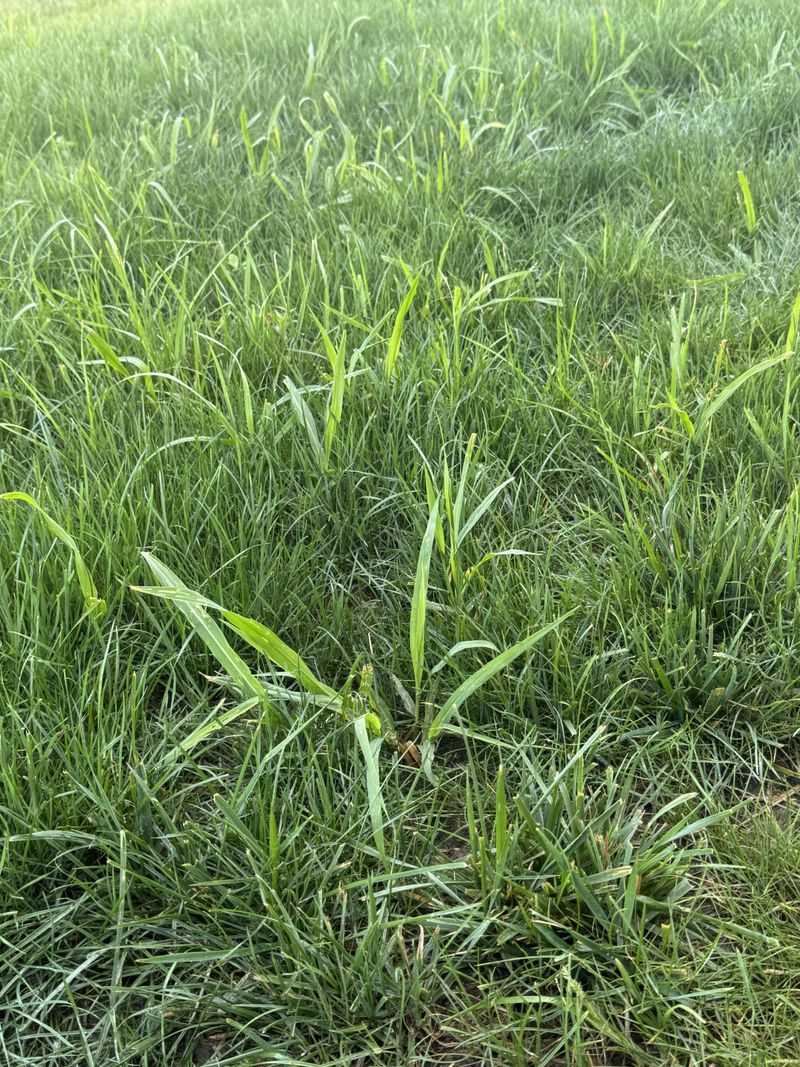
There is a direct connection between how tall your grass is and how deep its roots grow. More leaf blade above ground means more photosynthesis happening inside the plant.
That extra energy gets sent down to the roots, helping them grow deeper and stronger. Deep roots are better at finding water and nutrients, even when the weather changes quickly.
Going into fall with strong roots is a big advantage. The rainy season brings a lot of moisture, but it also brings less sunlight and cooler temperatures.
Grass with deep, well-developed roots handles those changes much better than grass with shallow roots. Shallow roots are more vulnerable to being waterlogged or washed out during heavy rain events.
Healthy roots also help your lawn recover faster from any stress it experienced during a dry summer.
Many lawns in the Pacific Northwest go through a period of summer dormancy or slow growth when heat and dry conditions hit.
Letting the grass grow to a good height before fall gives those roots a chance to rebuild and strengthen before the rainy season begins. You can think of the leaf blade as a solar panel for the root system.
The more surface area it has, the more energy it captures. That energy goes straight into building a stronger, more resilient root system.
A well-rooted lawn is harder to damage, easier to maintain, and much more likely to look great all the way through the wet season and beyond.
5. Scalping Can Slow Fall Recovery
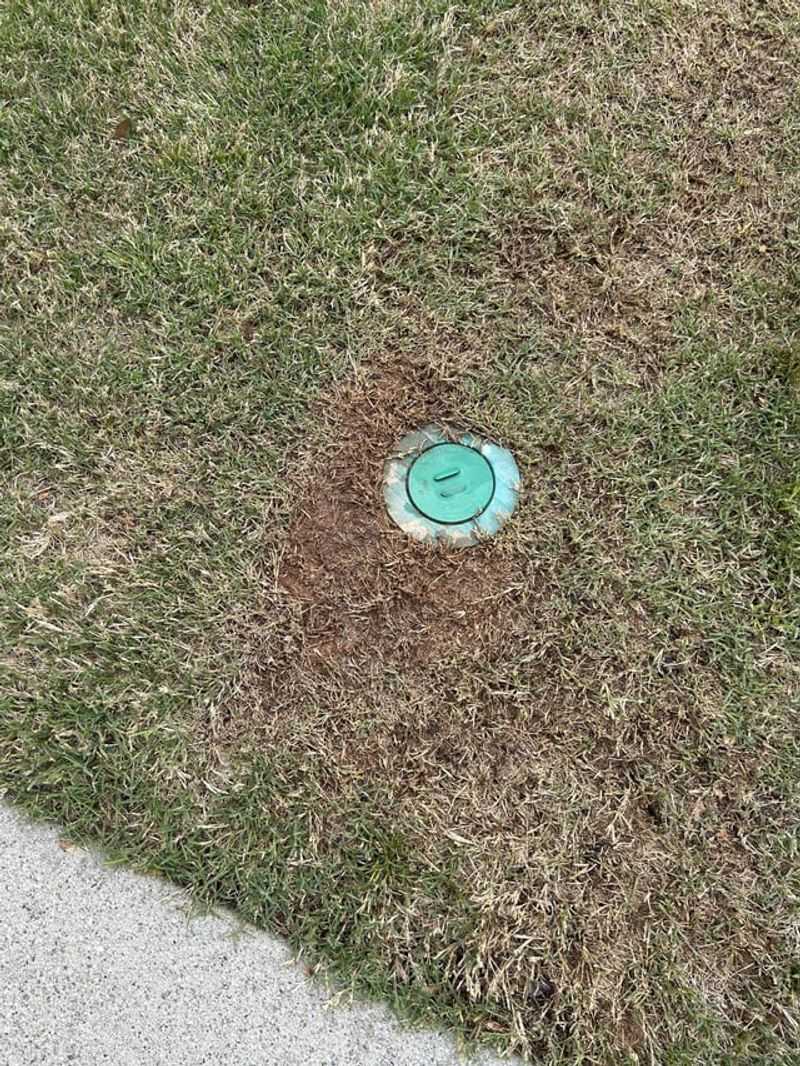
Scalping is what happens when you cut your grass so short that you expose the stems and crowns near the soil. It often leaves the lawn looking yellowish or brown right after mowing.
Most people do not realize how much harm a single scalping cut can cause, especially when it happens right before fall rains arrive.
When grass is scalped, it loses most of its stored energy all at once. The plant has to work very hard to grow new leaf blades before it can photosynthesize again.
During summer, that recovery can happen fairly quickly with warm temperatures and sunlight.
But heading into fall, days are getting shorter and cooler. Recovery slows down significantly, and the lawn can stay in a weakened state for weeks.
A scalped lawn going into the rainy season is also more vulnerable to fungal diseases. Wet conditions combined with stressed, low-cut grass create the perfect environment for problems like brown patch or dollar spot to develop.
These issues can spread quickly and are much harder to deal with once they get started. Keeping your mowing height above 2 inches at all times, and ideally closer to 3 inches before fall, helps your lawn avoid this kind of stress.
A little extra height is like a buffer zone that protects the most sensitive parts of the plant. Avoiding scalping is one of the simplest rules in lawn care, and it is especially important as the seasons start to change.
6. Never Remove More Than A Third At Once
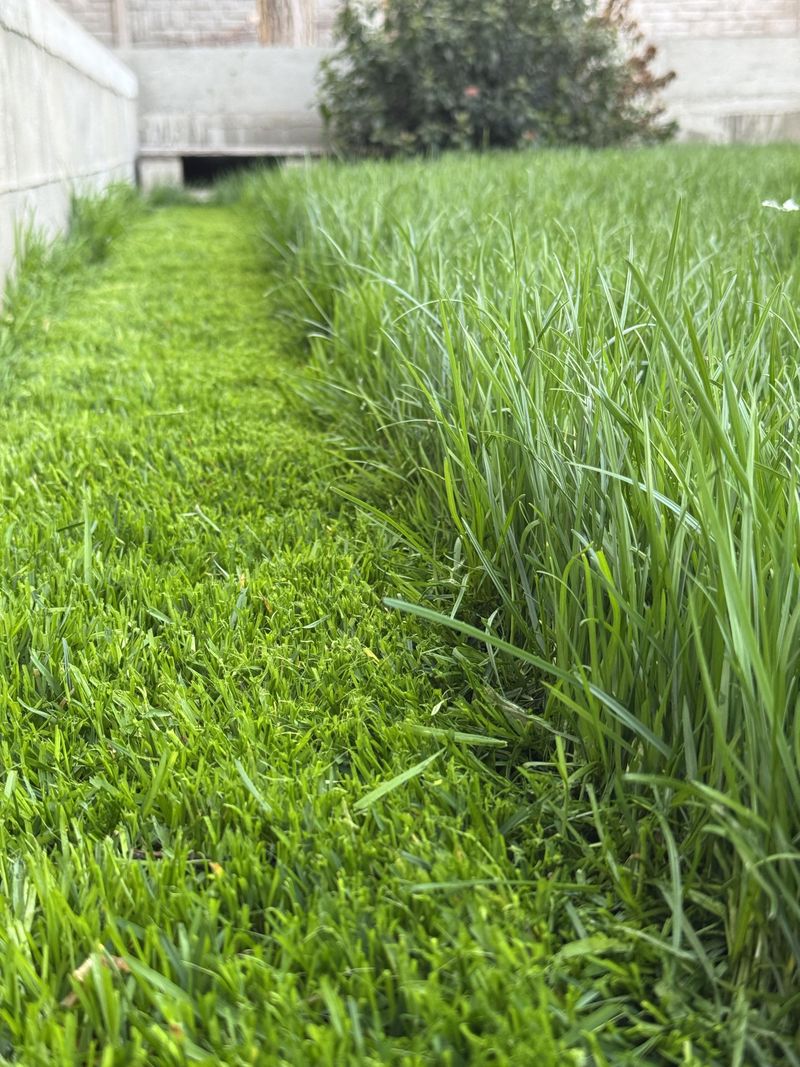
The one-third rule is one of the most well-known guidelines in lawn care. Put simply, you should never cut off more than one-third of the grass blade in a single mowing session.
Removing more than that puts the plant under serious stress and triggers a survival response that can actually slow growth instead of encouraging it.
Say your lawn has grown to 4 inches tall. Following the one-third rule means you should only cut it down to about 2 and two-thirds inches in one pass.
If you want it shorter than that, you need to wait a few days and mow again. Rushing the process by cutting too much at once does more harm than good, no matter the time of year.
This rule is especially important in late summer and early fall when your lawn may have grown a bit longer during the dry months. If you have been mowing less frequently because of summer heat or drought, your grass might be taller than usual when fall approaches.
Do not try to get it back to the right height in one cut. Instead, gradually lower the blade over two or three mowing sessions spaced a few days apart.
Your lawn will handle the transition much better that way. The one-third rule keeps the plant healthy, maintains good color, and prevents the kind of shock that sets a lawn back right when it needs to be at its strongest heading into the wet fall season.
7. Raise The Mower If Summer Left Grass Stressed
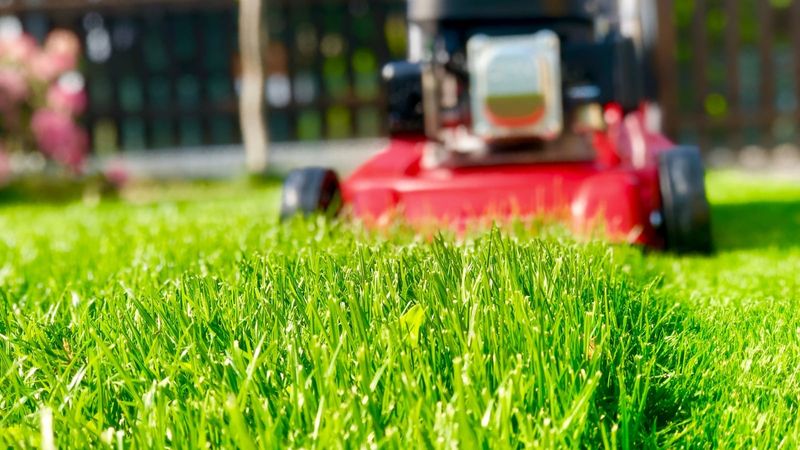
Not every lawn heads into fall in perfect shape. Dry summers can leave grass thin, patchy, or just plain worn out.
If your lawn looks stressed from heat or lack of water, raising your mower height is one of the best things you can do before the rains return. Cutting stressed grass even shorter adds more pressure to a plant that is already struggling.
Stressed grass has fewer reserves stored in its leaf blades and roots. Cutting it short removes what little energy it has left.
By raising the mower deck a notch or two higher than normal, you leave more of the plant intact. That gives it a better chance to recover once cooler temperatures and fall rain arrive.
Even small adjustments, like going from 2 inches to 2½ or 3 inches, can make a noticeable difference in how quickly a stressed lawn bounces back.
In Oregon, where summers can bring stretches of dry heat that cool-season grasses are not built for, summer stress is pretty common.
Lawns that went through a dry spell may look brown or thin in spots by the time August and September roll around.
Raising the mower height gives those recovering areas the best possible conditions to fill back in.
Combine the higher cut with overseeding bare spots and a light fall fertilizer application, and your lawn will be in a much stronger position to handle whatever the rainy season brings. A stressed lawn just needs a little extra patience and care.