Nevada Is One Of The States Where Tarantulas Are About To Get A Lot More Visible
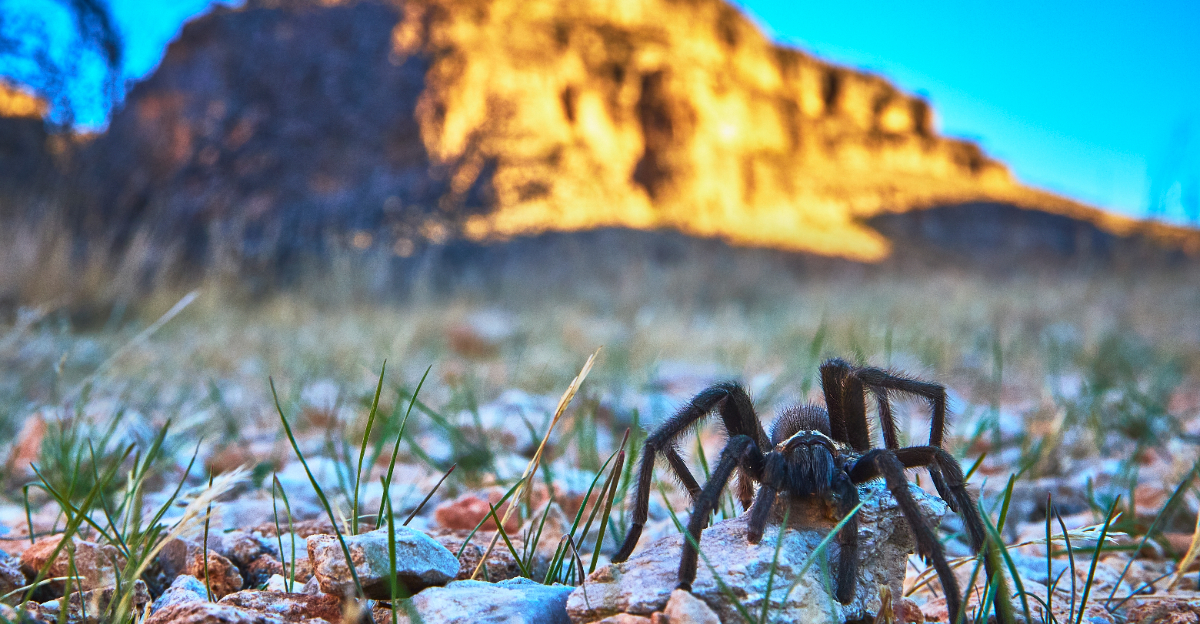
Autumn in Nevada hands you a spectacle most residents drive past without recognizing what they are watching. Thousands of dark, hairy wanderers abandon their burrows within the same narrow window, and every single traveler is male.
They are not hunting you or fleeing from you, but searching for females that spend their whole lives beneath the soil. Some cover remarkable ground in a single evening, following chemical trails they read through sensors built into their feet.
You will meet them most often at dusk along southern Nevada roads, when the heat breaks and the light goes flat. Drivers brake hard, hikers freeze mid-step, and nobody on the trail agrees on what to do next.
Fear shapes almost every reaction out there, though the reality behind these travelers is stranger and far less threatening than the roadside panic suggests.
Mating Instinct Pushes Males Above Ground Every Autumn
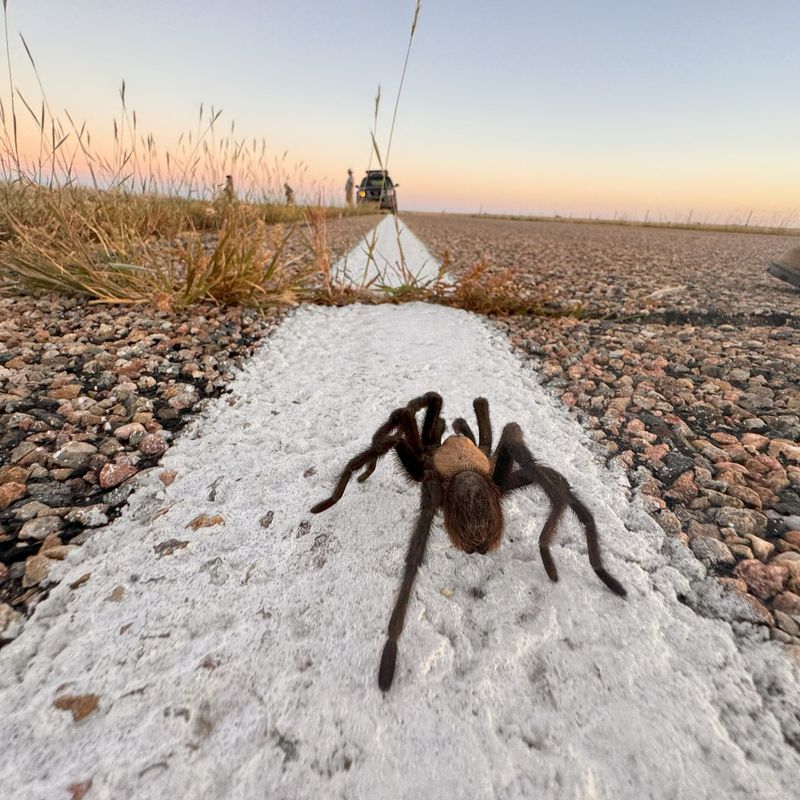
Something ancient is calling them out. Every autumn, male tarantulas across the desert Southwest abandon the safety of their underground homes to go searching for a mate.
This annual walkabout is driven almost entirely by instinct. The males reach sexual maturity after several years underground, and when the time comes, they simply go.
Temperature plays a huge role in timing. Cooler nights signal to the males that the mating window has opened, usually between August and October in most desert regions.
A male tarantula on the move can cover serious ground. Individuals have been recorded covering more than a mile in a single night, which is remarkable for a creature that small.
They are not wandering aimlessly, though. Each male follows chemical signals left by females, essentially sniffing out a potential partner across the scrubby desert terrain.
Once a male finds a female burrow, he does a courtship tap-dance on the entrance. If she is interested, she emerges and they mate right there on the surface.
The whole process is surprisingly delicate for an animal people assume is aggressive. Males are focused and purposeful, rarely stopping to investigate anything that is not a female burrow.
Spotting one of these wanderers is genuinely exciting. You are witnessing a behavior that has played out across Nevada deserts for millions of years, unchanged and still running on the same schedule.
Best Times And Places To Spot Them
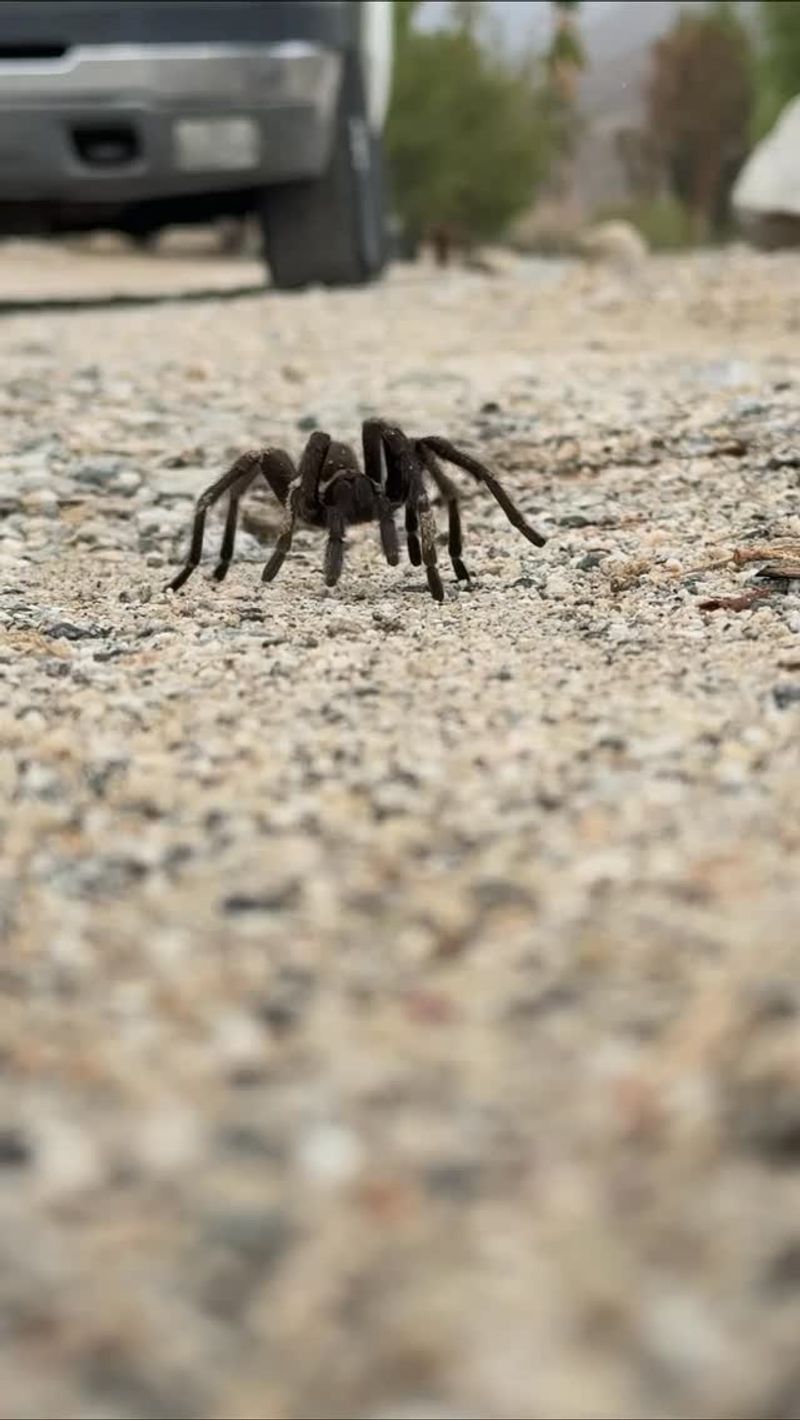
Timing matters more than location when it comes to tarantula spotting. The sweet spot runs from late August through October, with peak activity typically hitting in September across Nevada’s lower elevations.
Late afternoon through dusk gives you the strongest window. Tarantulas avoid the punishing midday heat, so they move most actively when temperatures drop to a comfortable range.
Dirt roads cutting through scrubland are prime viewing corridors. Males cross open ground frequently, making unpaved back roads near desert grasslands surprisingly productive spots.
Southern Nevada’s Mojave zone offers consistent sightings year after year. Areas around Searchlight, Boulder City, and the desert stretches between them have earned reputations among tarantula enthusiasts.
Protected desert land is worth checking. Red Rock Canyon National Conservation Area sees regular sightings during peak weeks, and the surrounding Spring Mountain Ranch area holds similar habitat.
Your Nevada Garden Changes Every Week. Your Plan Should Too.
Gardening in Nevada changes quickly throughout the season. Every Friday you’ll receive a simple weekly plan showing exactly what to plant, prune, fertilize, harvest, and protect so you never miss the right timing.
Walking slowly along trails at dusk gives your eyes time to adjust. A tarantula blends remarkably well with sandy soil, so slow movement and patience are your best tools.
Bring a flashlight if you plan to stay past sunset. Males sometimes continue moving well into the evening, especially on warm nights following a cool afternoon.
Roadsides near open range land deserve attention too. Ranchers in rural parts of the state often report seeing dozens of tarantulas crossing gravel roads during peak weeks, sometimes right at dusk.
Nevada Geography Creates Unusually Good Viewing Conditions
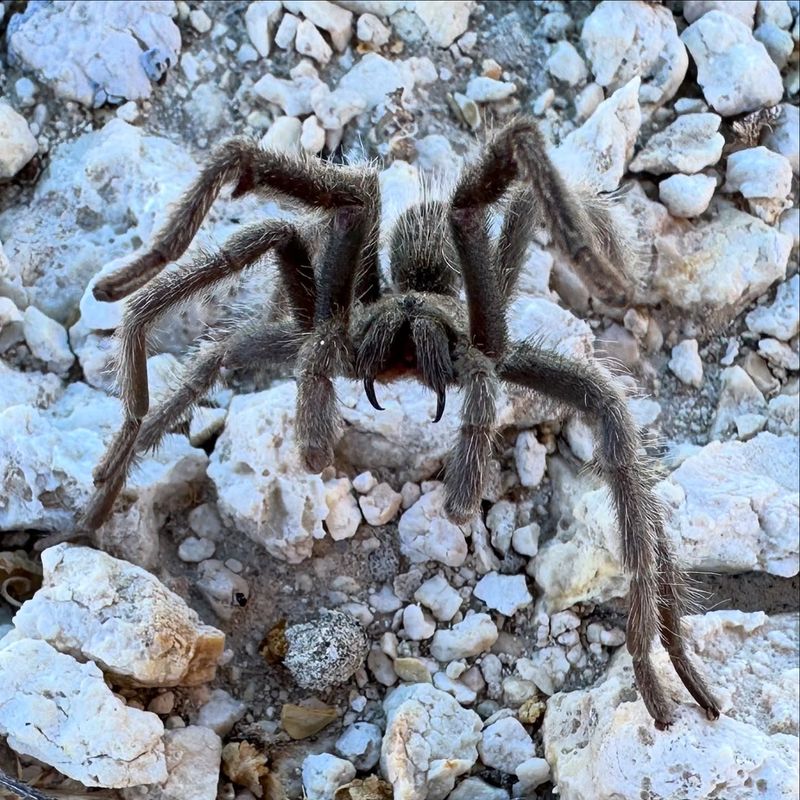
Nevada’s geography lines up almost perfectly with what tarantulas need. Vast stretches of undisturbed desert, minimal urban sprawl in rural zones, and warm soil temperatures create ideal habitat.
The state sits at the crossroads of two major desert ecosystems. The Mojave and Great Basin overlap across southern and central Nevada, giving multiple tarantula species room to thrive.
Low human population density in rural areas means less habitat destruction. Tarantulas need stable burrow sites, and Nevada’s wide-open rangeland delivers exactly that kind of undisturbed ground.
Elevation variety also matters more than people realize. Nevada tarantulas turn up from low valley floors to elevations above 5,000 feet, spreading sightings across a surprisingly wide geographic range.
The desert blooms and insect populations that tarantulas feed on are especially robust here. A well-fed female tarantula can live over 20 years, producing generations of offspring in the same burrow system.
Warm fall nights extend the mating season longer than in cooler states. Males get more time to roam, which increases the odds that any given hiker or driver will encounter one.
Minimal light pollution in rural Nevada also helps observers. Clear, dark skies make evening tarantula walks worth the drive, with the spiders visible by flashlight against pale desert sand.
Put all of that together and Nevada becomes a genuinely special place for this annual spectacle, a natural event that few states can match at this scale.
Separating Myth From Fact About Their Bite
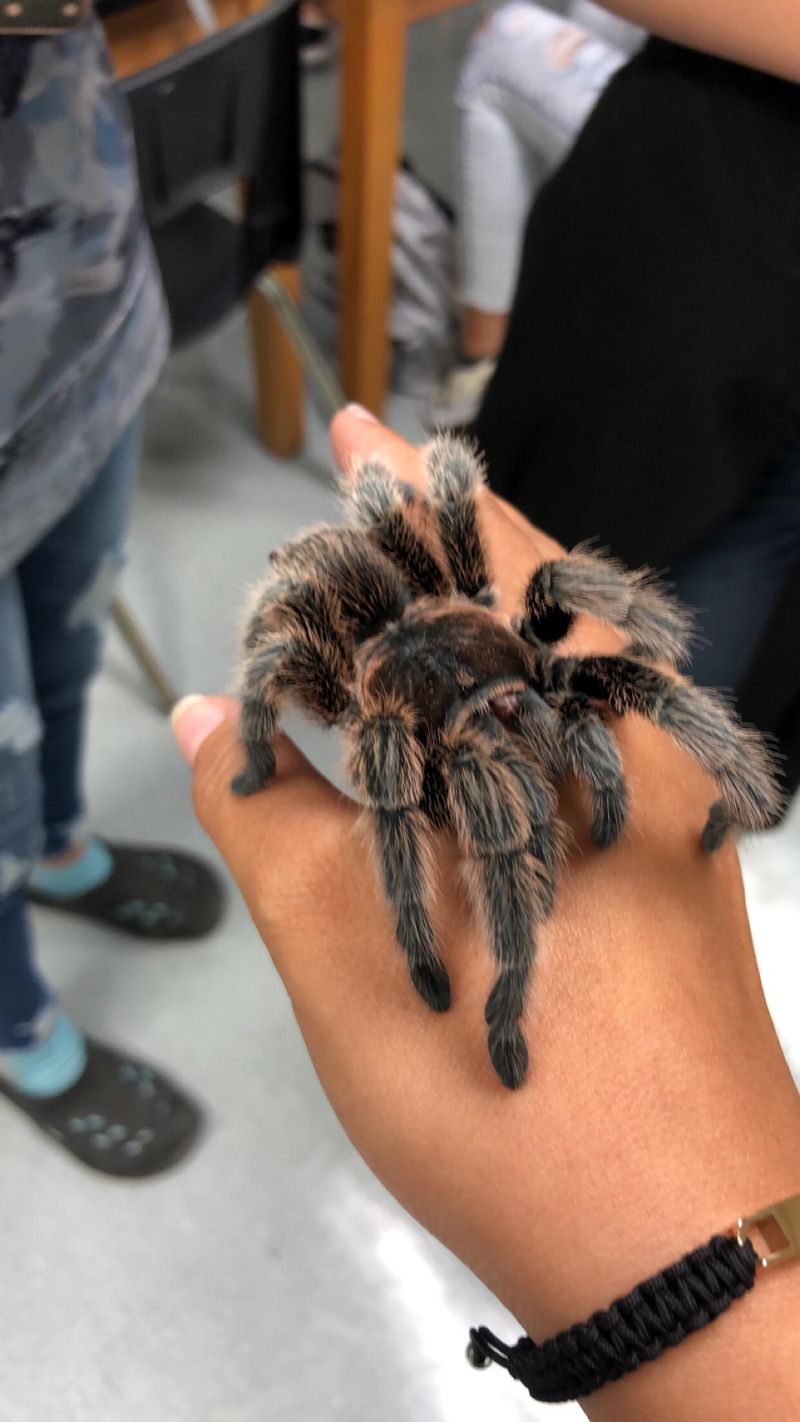
Tarantulas have a public relations problem. Plenty of people assume a bite from one of these fuzzy giants is dangerous, but the reality is far less dramatic than the movies suggest.
For the vast majority of healthy adults, a tarantula bite is roughly equivalent to a bee sting. There is localized pain and maybe some swelling, but it rarely requires medical attention.
Venom potency varies by species, and Nevada’s native tarantulas fall on the milder end of the spectrum. Their primary venom function is subduing small prey like crickets, not deterring large animals.
Biting is also a last resort for these spiders. A tarantula would rather flee or use its urticating hairs, which it flicks from its abdomen toward a perceived threat.
Those hairs cause skin irritation and are particularly unpleasant near the eyes. If you handle a tarantula and it starts rubbing its abdomen, set it down and wash your hands promptly.
People with insect venom allergies should take extra precautions. An allergic reaction to tarantula venom is possible, though rare, and warrants the same awareness you would bring around bees.
Children need supervision around wild tarantulas. Not because the spider is aggressive, but because small hands tend to squeeze, which stresses the animal and raises bite risk considerably.
Respect goes both ways in the desert. Treat a tarantula like any wild creature and you will almost certainly walk away with nothing but a great story to share.
Close Viewing Without Stressing The Spider
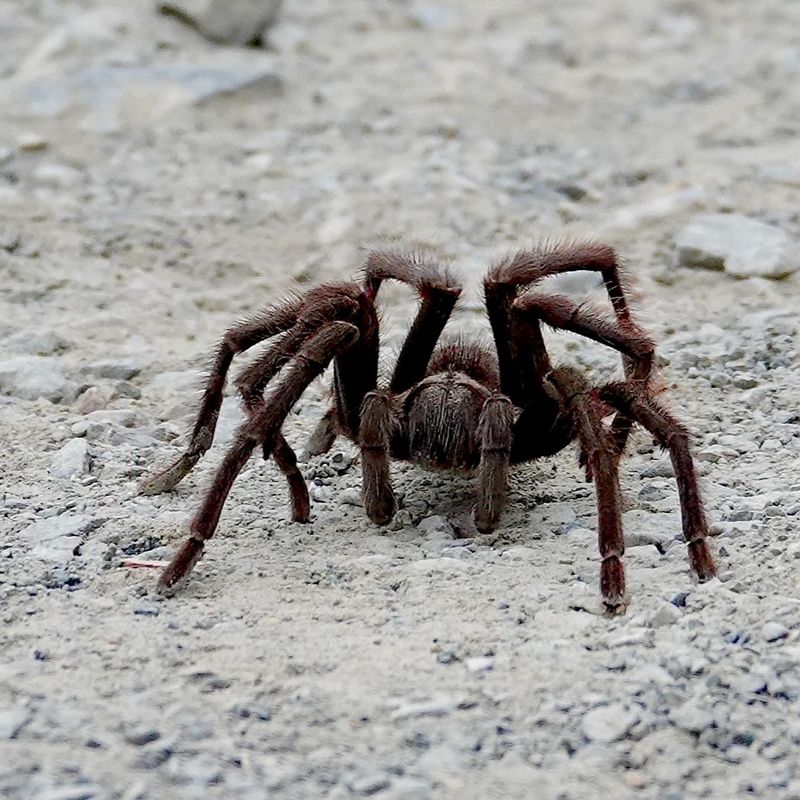
Watching a tarantula in the wild is a genuine thrill. Getting it right means keeping both yourself and the spider safe, which takes just a little bit of know-how.
Start with distance. Crouching about two feet away gives you a clear view without triggering the spider’s defensive instincts or interrupting its movement pattern.
Avoid casting your shadow over the animal. A sudden shadow mimics the approach of a predator, which can send the tarantula into a defensive posture or cause it to bolt.
Phones and cameras are welcome at close range, but avoid flash photography. Bright flashes startle the spider and can disrupt its sensory orientation in low-light conditions.
Leave wild tarantulas on the ground unless you are an experienced handler. Even calm individuals can drop from your hand when startled, and a fall from waist height causes injuries they cannot recover from.
Keep dogs on leash during tarantula season walks. Curious dogs tend to paw at spiders, which stresses the animal and risks a defensive bite to a sensitive snout.
Stay on established trails when possible. Wandering through scrubland during peak season risks stepping on burrow entrances, which can collapse tunnels that females have spent years constructing.
Take photos, share them online, and get others excited about the experience. Citizen science platforms like iNaturalist let you log sightings that actually help researchers track tarantula populations across Nevada and beyond.
Life After The Search Ends For Male Tarantulas
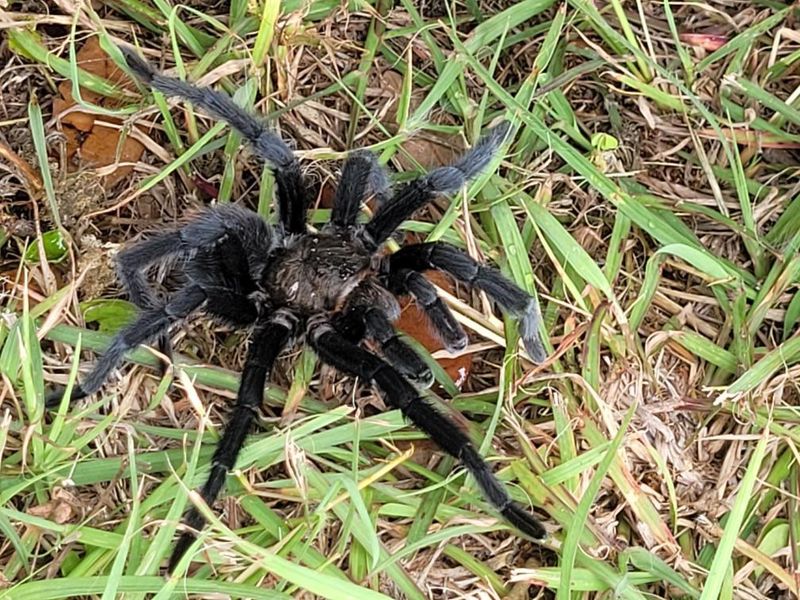
The end of a male tarantula’s mating journey is short and singular. After spending years underground growing to maturity, he gets just one season to search for a partner before his season runs out.
Male tarantulas have a brief window above ground after reaching maturity. Most spend only a few months roaming, regardless of the outcome of that search.
Their bodies are built for burrow life, not extended time in the open. Without shelter for protection and temperature regulation, exposure and predators shorten their time outside quickly.
Females, by contrast, can live for two decades or longer. A female tarantula in Nevada may remain in the same burrow across several generations of visiting males.
Predators know exactly when to take advantage of roaming males. Roadrunners, coyotes, and parasitoid tarantula hawk wasps all ramp up their activity during peak tarantula season.
The tarantula hawk wasp deserves special mention here. This large blue-black wasp with rust-orange wings paralyzes a tarantula, then lays a single egg on it, which becomes the developing larva’s food supply.
Despite the short window, the males that succeed leave behind offspring that carry on the cycle. Fertilized females return to their burrows and eventually produce egg sacs containing hundreds of spiderlings.
So the next time you spot a wandering tarantula in Nevada, give him a little respect. He is on the most focused stretch of his entire life cycle.