The Quiet Transformation Happening In Indiana’s Elderberry Bushes Right Now
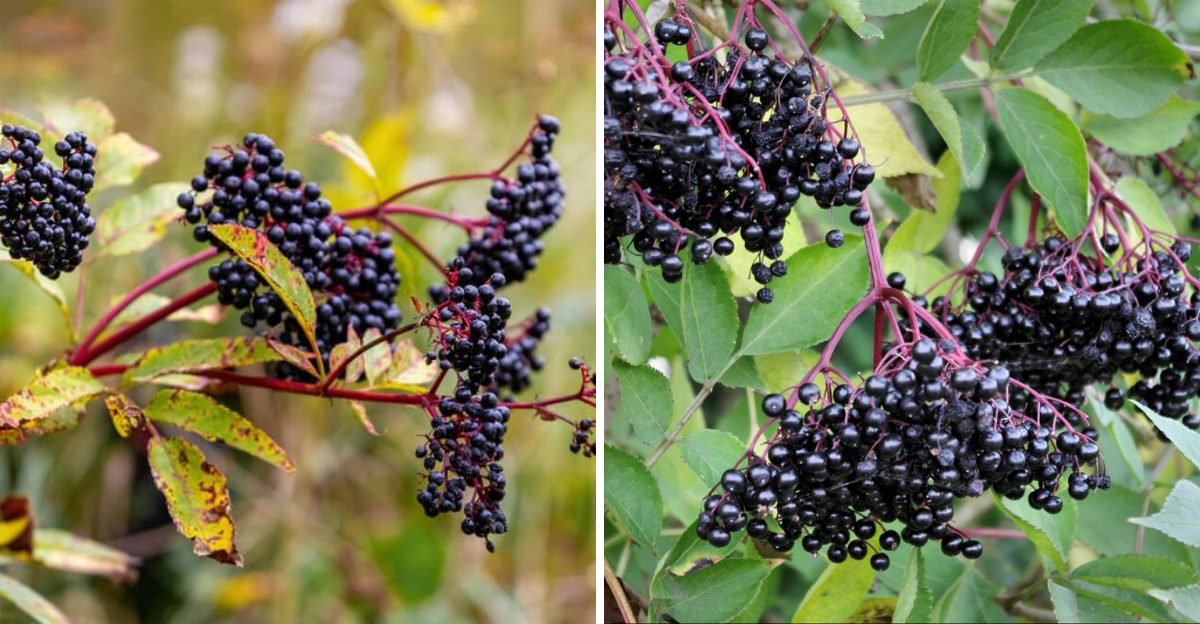
Berries are forming behind you, unnoticed. Those June blooms you noticed have shifted completely. Green clusters replaced them while you looked away. Indiana is revealing this shift right where you walk.
Farmers near you tracked this exact moment. Foragers you’ve never met already know what’s coming. Elderberries darken fast once you stop watching closely. Ripening happens quietly, and you rarely catch it.
Weight pulls each cluster lower as you wait. Color deepens from green to purple before you notice. Grandparents built pantries from what you’re now finding. Recipes you forgot depended on this exact timing.
Missing this window means waiting a full year. Roadside ditches across Indiana hold what you need. Few taught you this; the plants kept producing.
Skill matters less than whether you pay attention. Timing separates a harvest from a miss. Wild food will not wait for you. You will not want to miss what happens next.
From White Blooms To Dark Berries In Just Weeks
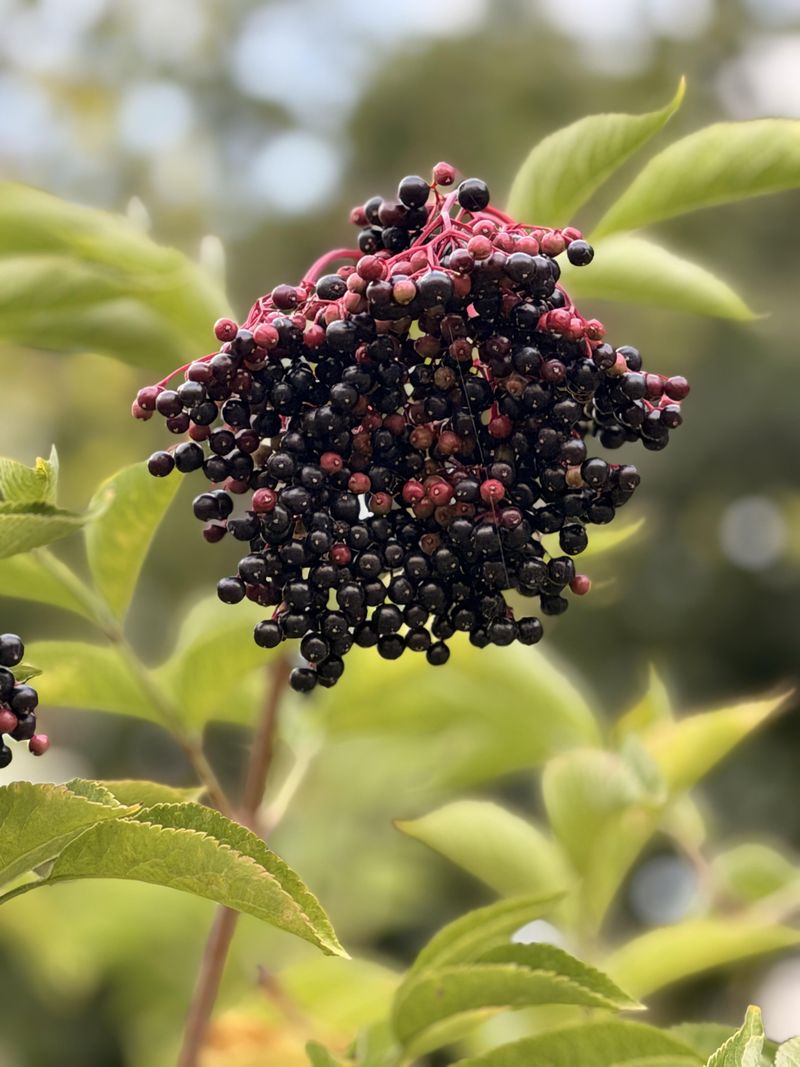
The change happens quickly. One week you are looking at flat-topped clusters of tiny white flowers, and the next, those same clusters are drooping with the weight of dark berries.
The quiet transformation happening in Indiana’s elderflower bushes right now is genuinely one of the quicker seasonal changes among common wild plants. Elderberries shift from bloom to berry in as little as six to eight weeks.
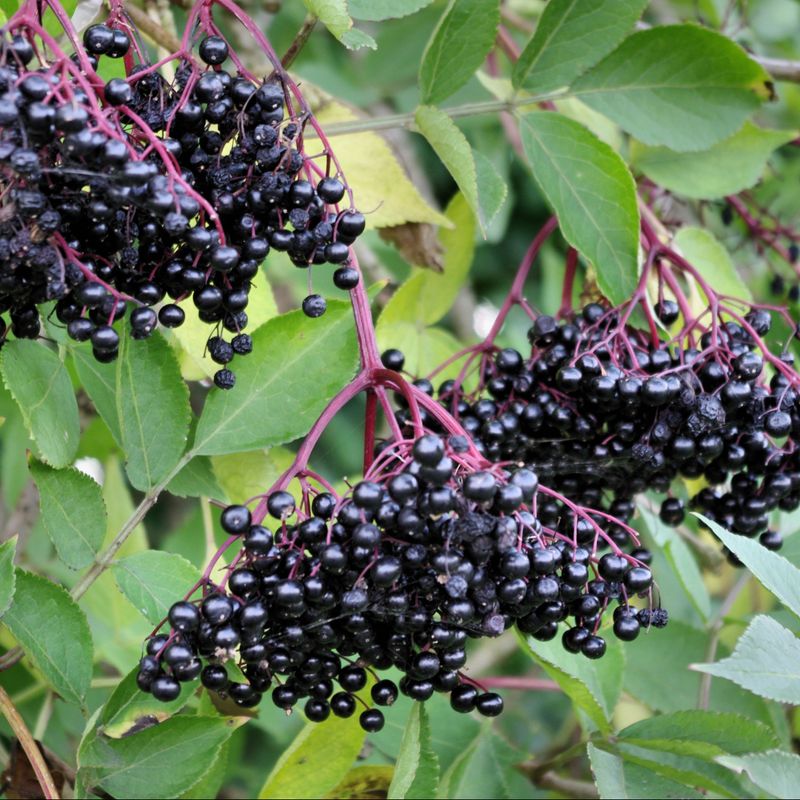
The flowers do not just disappear. They morph, petal by petal, into tight green beads that slowly deepen through shades of red and finally settle into a deep purple-black.
Each cluster, called a cyme, can hold hundreds of individual berries. The weight of a full cyme will actually pull the branch downward, which is a visual cue that ripening is well underway.
Sambucus canadensis is the species you will find growing wild across most of the Midwest. It loves fence rows, creek banks, and the edges of wooded areas where sunlight sneaks through.
What makes this transformation so satisfying to watch is how visible and fast it is. You do not need special equipment or expert knowledge to observe it happening in real time.
Grab a lawn chair, pick a bush, and check it every few days. You will see the color deepen right before your eyes, which is nature’s way of signaling that something worth harvesting is almost ready.
Why Late Summer Triggers This Sudden Shift
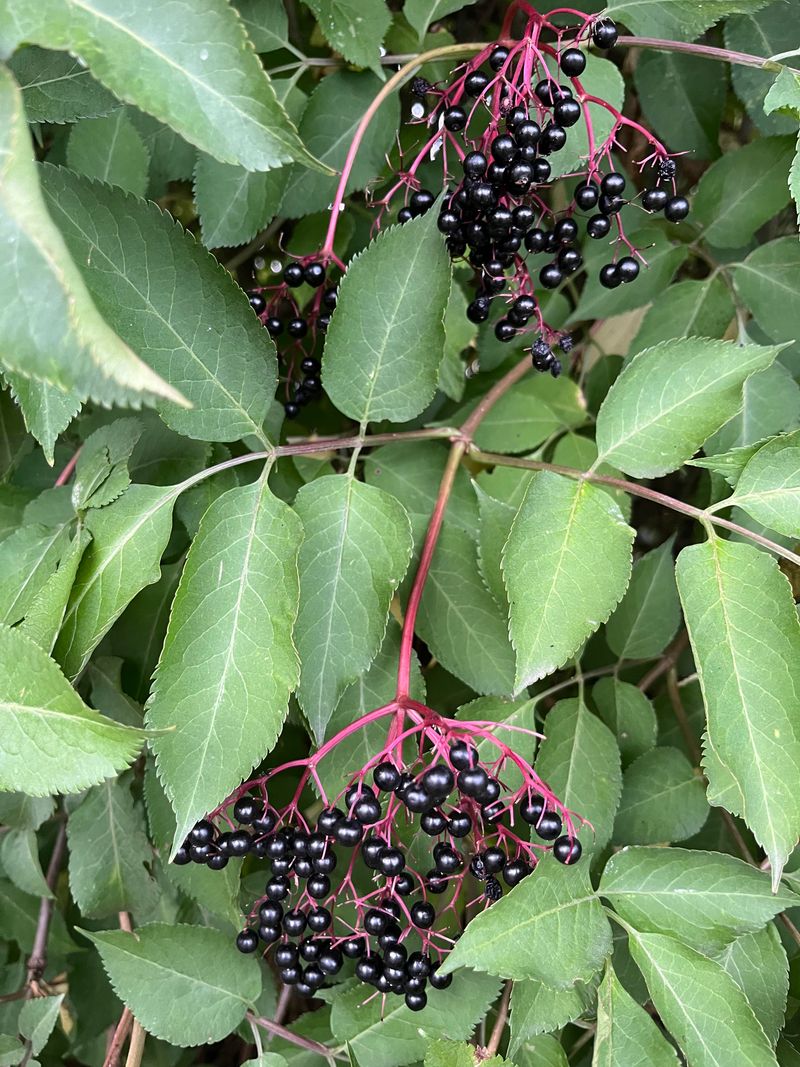
Plants are incredibly tuned in to the calendar. Elderberry bushes respond to shortening daylight hours and cooling nights the same way a student responds to a school bell.
As August rolls into September across Indiana, the days get noticeably shorter. That shift in light triggers hormonal changes inside the plant that redirect energy from flowering to fruiting.
Sugar production ramps up inside the developing berries during this window. The plant is essentially loading its fruit with fuel to attract animals that will spread its seeds.
Temperature swings also play a big role. Warm days paired with cooler nights accelerate the ripening process and help concentrate the natural compounds that give elderberries their deep color.
Your Indiana Garden Changes Every Week. Your Plan Should Too.
Gardening in Indiana changes quickly throughout the season. Every Friday you’ll receive a simple weekly plan showing exactly what to plant, prune, fertilize, harvest, and protect so you never miss the right timing.
Indiana sits in a sweet spot climatically for elderberries. The state gets enough summer heat to push development and enough late-season coolness to finish the ripening cycle properly.
Soil moisture matters too. A dry August can slow berry development, while steady rainfall helps plump the fruit and keeps the clusters looking full and healthy.
This is not random timing. This timing likely coincides with periods when migratory birds and foraging mammals are seeking food sources, aiding seed dispersal.
Understanding why the shift happens makes you a smarter forager. Once you recognize the environmental triggers, you can predict the harvest window instead of being surprised by it every year.
How To Tell When The Berries Are Ready To Pick
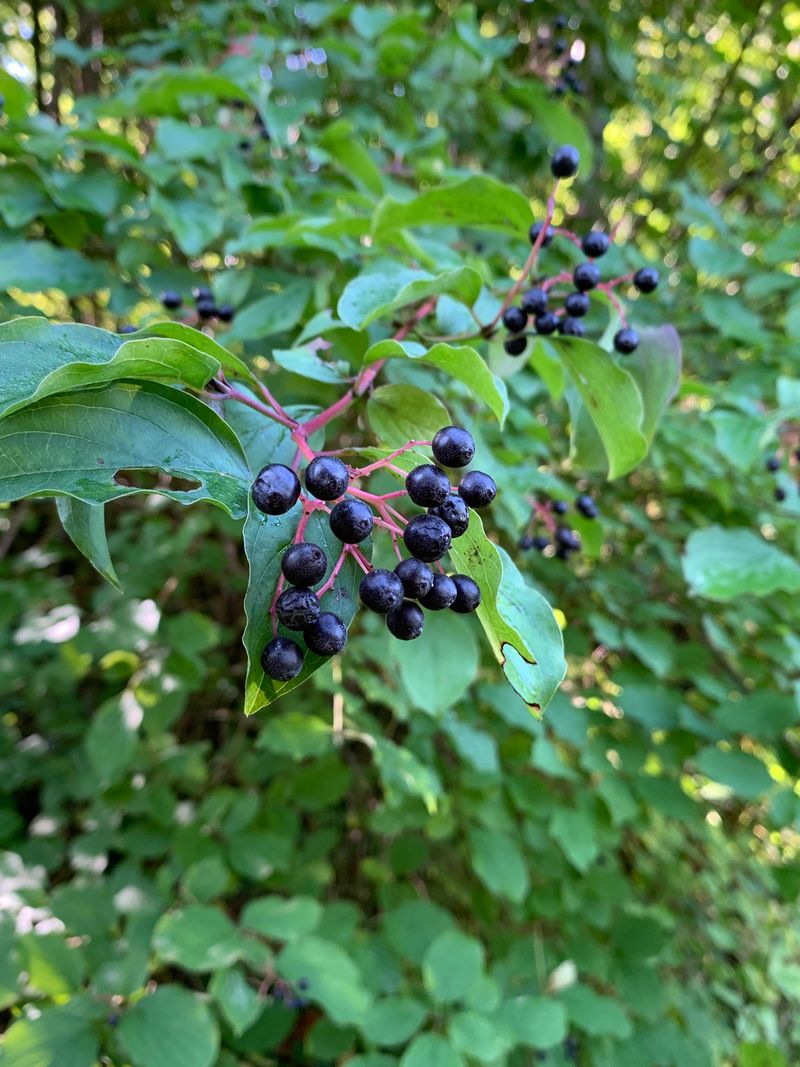
Color is your first clue, but it is not the only one. A truly ripe elderberry is a deep, glossy purple-black with no red or green tinge remaining anywhere on the cluster.
Squeeze a single berry gently between two fingers. A ripe one releases juice that stains your skin a rich, dark purple almost immediately, which indicates ripeness.
Taste one berry before committing to a full harvest. Ripe elderberries have a tart, earthy flavor with a slight sweetness that raw unripe ones absolutely do not have.
Check the stems within the cluster too. When most of the stems in a cyme have turned from green to a reddish-purple, the whole cluster is approaching peak ripeness.
A fully ripe cluster will not resist you when you tug it gently. The whole cyme should release from the branch with minimal effort, indicating the cluster is ready to be picked.
Timing matters a lot here. Waiting just two or three extra days after the color looks right can make a noticeable difference in flavor and juice content.
Avoid picking after heavy rain if you can wait. Rain dilutes the sugars temporarily, and berries picked right after a downpour tend to taste flatter than those harvested on a dry afternoon.
Trust your senses over the calendar. The plant will always tell you more than any fixed date ever could, and paying attention is the real skill every forager builds over time.
The Wildlife Racing You To The Harvest
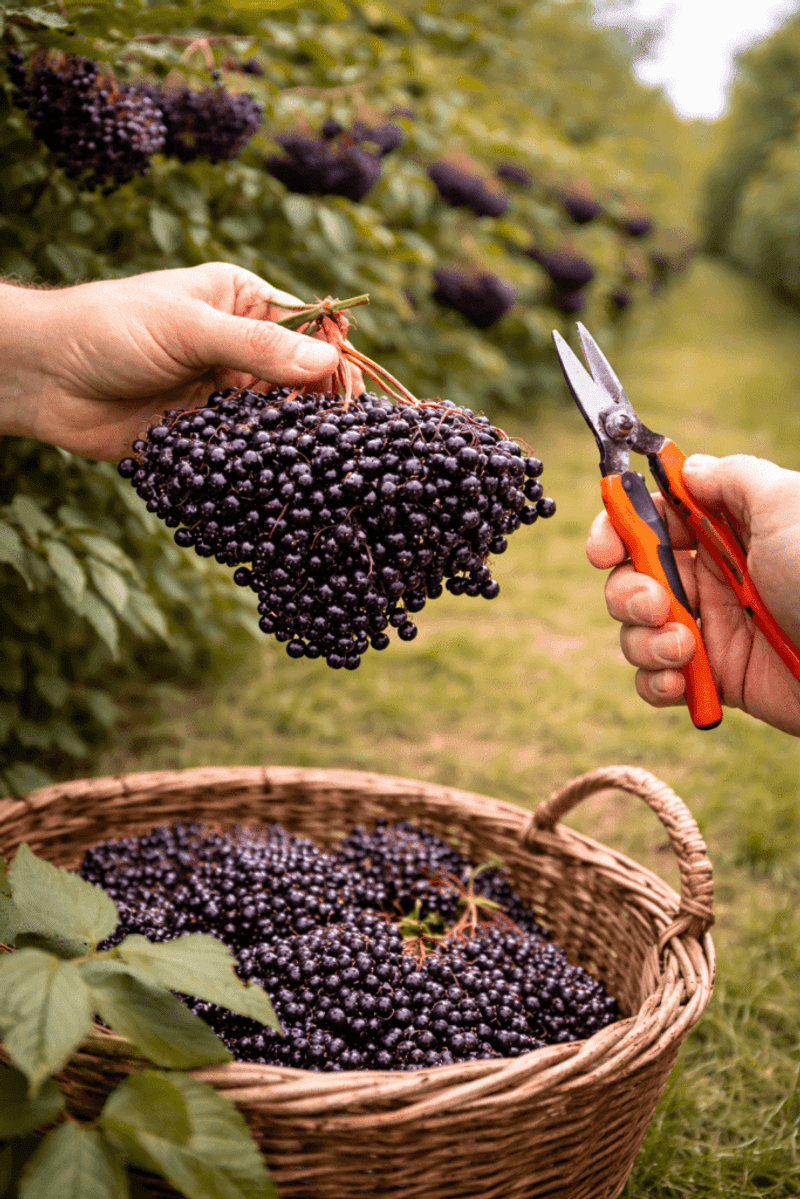
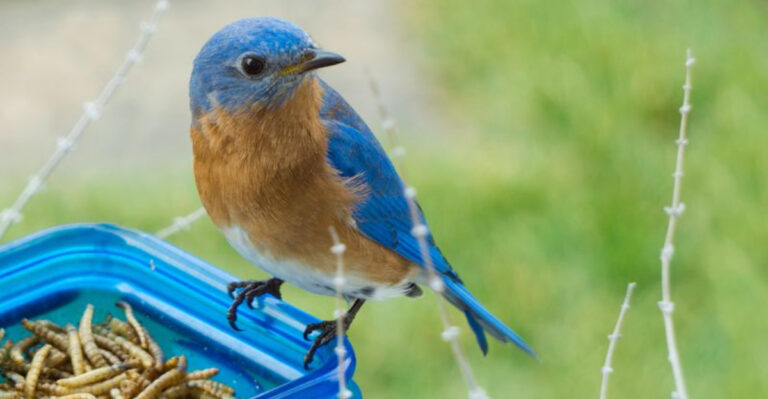
You are not the only one watching those bushes. Cedar waxwings, robins, catbirds, and at least a dozen other bird species have been tracking those berries since the first hint of color appeared.
Birds can detect ripeness faster than most humans can. Their color vision is sharper than ours, and they move through elderberry patches in flocks that can strip a bush in under an hour.
Raccoons are frequent and persistent foragers of elderberries. They will bend branches down and pick through clusters methodically, leaving behind a mess of stems and crushed fruit.
White-tailed deer occasionally browse the lower clusters too, especially in areas where food sources are thinning out as late summer progresses toward fall.
The competition is real, and it is not personal. Every creature hitting those bushes is following the same ancient instinct to fuel up before the season turns cold and food gets scarce.
Squirrels typically show less interest in elderberries than in nuts, though this can vary by region and season. At least one common backyard raider is sitting this particular harvest out.
The best strategy is to check your bushes every morning starting in mid-August. Early morning visits let you assess what the wildlife took overnight and plan your picking window accordingly.
Watching who else shows up at the elderberry bush turns a simple harvest into a genuinely entertaining wildlife observation experience you will want to repeat every single year.
What Happens If You Pick Too Early
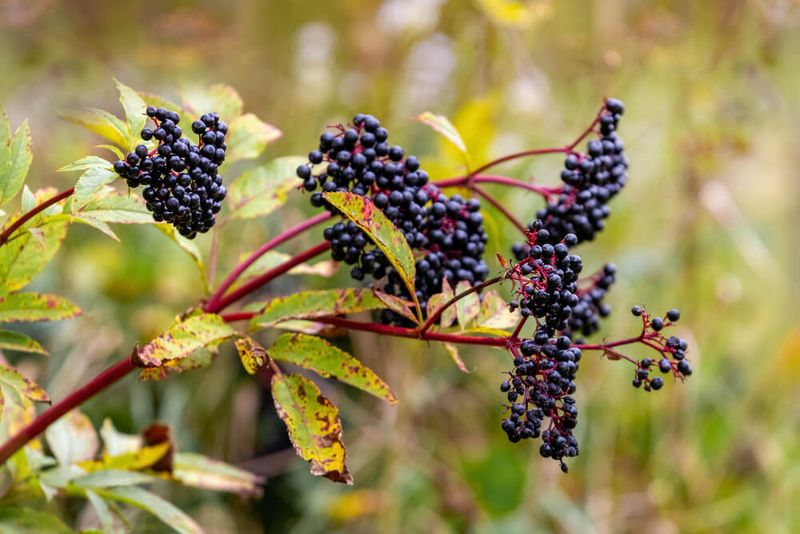
Patience is hard when you are excited about a harvest. But grabbing elderberries before they are fully ripe is one mistake that will cost you in multiple ways at once.
Unripe elderberries contain higher levels of a naturally occurring compound called sambunigrin. Eating raw unripe berries can cause nausea and stomach cramping.
Even ripe elderberries are almost always cooked or processed before eating. Picking them early and then cooking them does reduce some of the issue, but the flavor will still disappoint you.
The juice yield from unripe berries is also significantly lower. You will work just as hard to process them but end up with less liquid and a much more bitter result.
Color-wise, early pickers often grab clusters that look mostly dark but still have a few red berries hiding inside. Those red stragglers matter and will affect the whole batch.
A good trick is to wait until at least ninety percent of the berries in a cyme are fully dark before cutting the whole cluster. That small wait makes a big flavor difference.
Early picking also shortchanges the wildlife that depends on elderberries as a seasonal food source. Leaving the bush alone a few extra days is a small but meaningful act of ecological consideration.
The elderberry bush rewards patience more than almost any other wild plant. Give it the time it needs, and it will give you something worth celebrating in return.
Turning This Backyard Bounty Into Something Useful
Once you have your harvest, the fun part begins. Elderberries are one of the most versatile wild-foraged ingredients you can bring into a home kitchen without any special training.
Elderberry syrup is the most popular starting point for first-time foragers. Simmer the berries with water, honey, cinnamon, and ginger, then strain and bottle the result for a warming seasonal tonic.
Elderberry jam is another crowd favorite that requires only basic canning knowledge. The deep color alone makes it look like something you spent a fortune on at a farmers market.
For those who enjoy baking, elderberries fold beautifully into muffins, cobblers, and quick breads. Their tartness balances well against sweet batters and creates a flavor profile that feels both familiar and surprising.
Elderberry vinegar is a less common but rewarding project. Dehydrating elderberries is an easy preservation method if cooking feels like too much right now. Dried berries keep for months and can be added to teas, oatmeal, or trail mix.
The quiet transformation happening in Indiana’s elderflower bushes right now is essentially nature handing you free ingredients for your pantry. All you have to do is show up, pay attention, and pick at the right moment.
Your grandparents likely knew this already. Now you do too, and that knowledge connects you to a tradition worth continuing.