Why Ohio Homeowners Should Stop Bagging Leaves And Mow Them Into The Lawn Instead
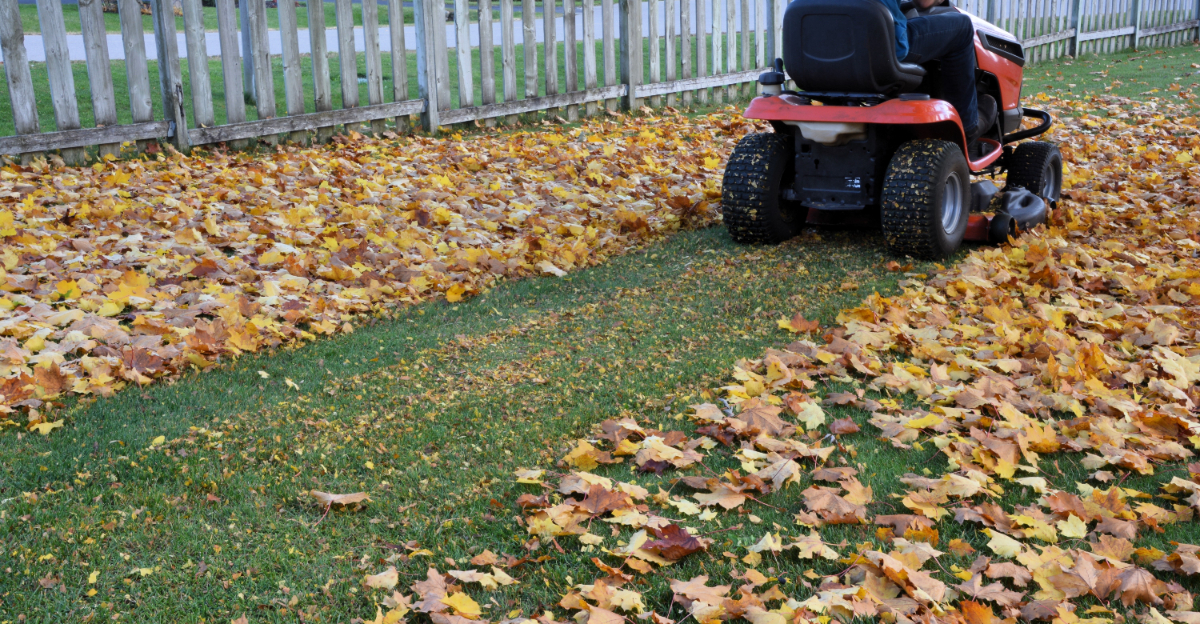
Every bag of leaves you haul to the curb costs you money you didn’t know you were spending. Ohio lawns lose nutrients every autumn that you’ll pay good money to replace by spring.
Bagging strips away organic matter your soil desperately wants back. Mowing those leaves directly into your grass returns nitrogen, potassium, and carbon exactly where your roots can use them.
Landscapers and turf scientists alike have quietly shifted the advice you’re only now hearing. Ohio’s clay-heavy soil responds especially well to the extra organic boost you’re about to give it.
Your mower already sits in the garage, ready to work twice as hard for you. Nothing about this shift costs you extra time or extra effort.
By the time autumn ends, your lawn will either be starving or thriving, and the choice sits entirely with you.
Mulched Leaves Return Nutrients Straight To The Soil
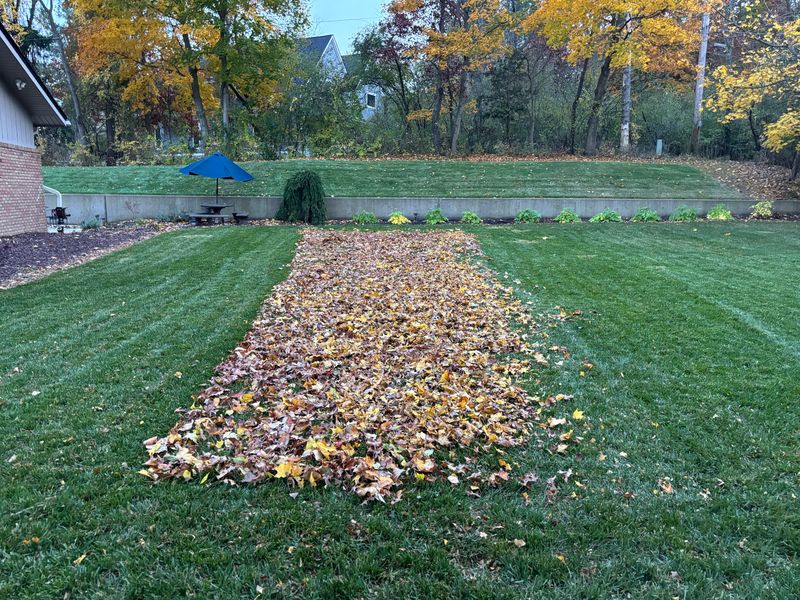
Free fertilizer is falling from your trees right now. When you mow over leaves, the mower chops them into tiny pieces that break down fast.
Those pieces feed your soil with nitrogen, phosphorus, and potassium. That is the same trio found in bags of store-bought fertilizer.
Earthworms go wild for mulched leaf material. They pull it underground and turn it into rich, dark organic matter.
Your soil structure improves, water drains better, and grass roots grow deeper. All of that happens without you spending a single dollar.
Michigan State University research has found that mulching leaves into turf can reduce the amount of fertilizer your lawn needs. That adds up to real savings over a full growing season.
Giving your lawn this kind of slow-release feeding costs you nothing but a few extra passes with the mower. The microbes living in your soil also get a serious boost.
They feast on decomposing leaf matter and multiply quickly. A more active microbial community means a healthier, more resilient lawn overall.
Think of it as building a living ecosystem just beneath your feet. Oak, maple, and beech leaves are all common in Ohio yards.
Each one breaks down at a slightly different rate, but all contribute valuable organic carbon. Mixing leaf types creates a more balanced nutrient profile for your turf.
This recycling process existed long before modern lawn care did, and it still works.
Skip The Bags And Save Time Each Weekend
Raking is exhausting, and nobody actually enjoys it. Dragging leaves into piles, stuffing them into paper bags, and hauling those bags to the curb can eat up an entire Saturday morning.
That is time you could spend doing literally anything else. Mowing over leaves takes almost no extra effort at all.
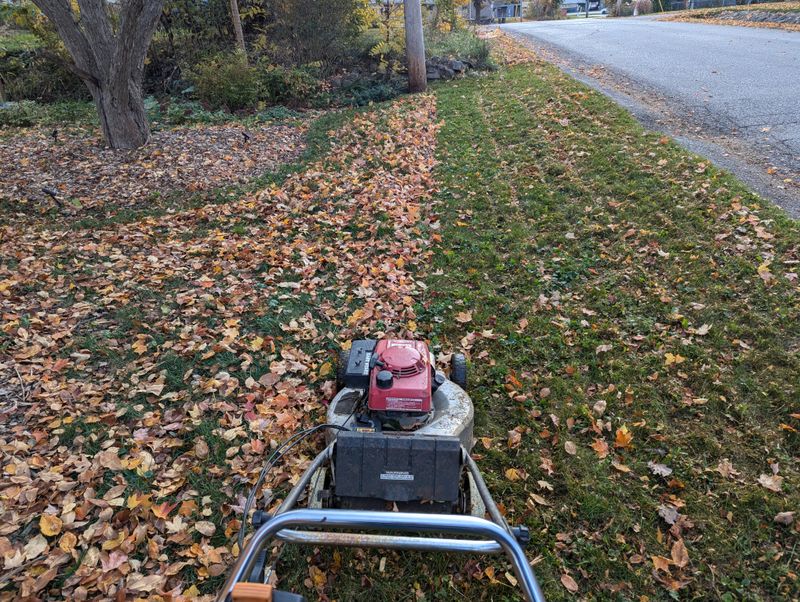
You are already mowing your lawn in the fall anyway. Simply run the mower over the leaf layer, and the job is done in one pass.
Skip the raking, the bagging, and the trips to the curb altogether. Many Ohio homeowners who switch to mulching notice real time savings during peak leaf season.
Skip even a handful of weekends of raking, and you reclaim a serious chunk of free time. That time adds up fast when October and November get busy.
Your Ohio Garden Changes Every Week. Your Plan Should Too.
Gardening in Ohio changes quickly throughout the season. Every Friday you’ll receive a simple weekly plan showing exactly what to plant, prune, fertilize, harvest, and protect so you never miss the right timing.
Leaf bags also cost money. A box of 30 paper leaf bags runs between eight and fifteen dollars depending on the brand.
If you use three or four boxes a season, the savings from skipping bags are real and immediate. Stopping the bag habit puts cash back in your pocket without any sacrifice.
The city pickup schedule adds another layer of stress. Leaves have to be out by a certain day, or they sit until the next round.
Mulching takes that pressure off your schedule. Skipping the bags makes your weekends noticeably lighter, and your stress level drops right along with the temperature.
A Mulching Mower Makes The Job Effortless
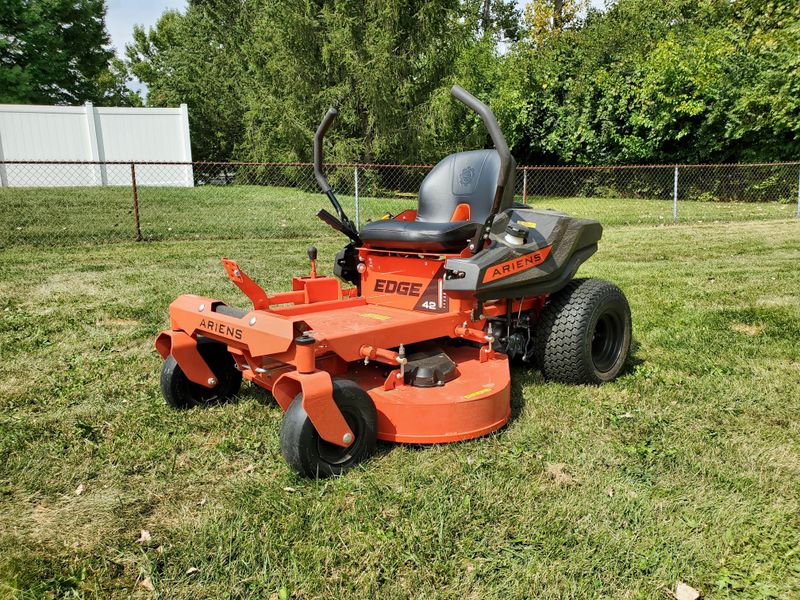
Not every mower handles leaves equally well. A standard side-discharge mower will scatter leaf pieces around, but a dedicated mulching mower recirculates clippings and leaves under the deck.
That extra time under the blade means much finer particles hit the ground. Mulching mowers use a special curved blade design that creates a circular airflow pattern inside the deck.
Leaves get chopped repeatedly before falling onto the turf. The result is a fine, almost powdery material that disappears into the grass within a week or two.
You barely notice it is there. If you already own a standard mower, a mulching blade is an affordable upgrade.
Most mulching blades cost between fifteen and forty dollars and install in under twenty minutes. Pairing a mulching blade with a closed discharge chute turns an ordinary mower into a dedicated leaf-mulching machine.
It is one of the best low-cost upgrades for fall lawn care. Battery-powered mulching mowers have improved dramatically in recent years.
Brands like EGO, Greenworks, and Honda all offer solid mulching options at various price points. A good mulching mower pays for itself quickly when you factor in the fertilizer and bag costs it replaces.
The investment is smaller than most people expect. Having the right equipment makes this switch even easier for Ohio lawns.
A quality mulching mower turns a chore into a quick, satisfying task. Your lawn gets fed, and you get your weekend back.
The Right Leaf Thickness For Best Results
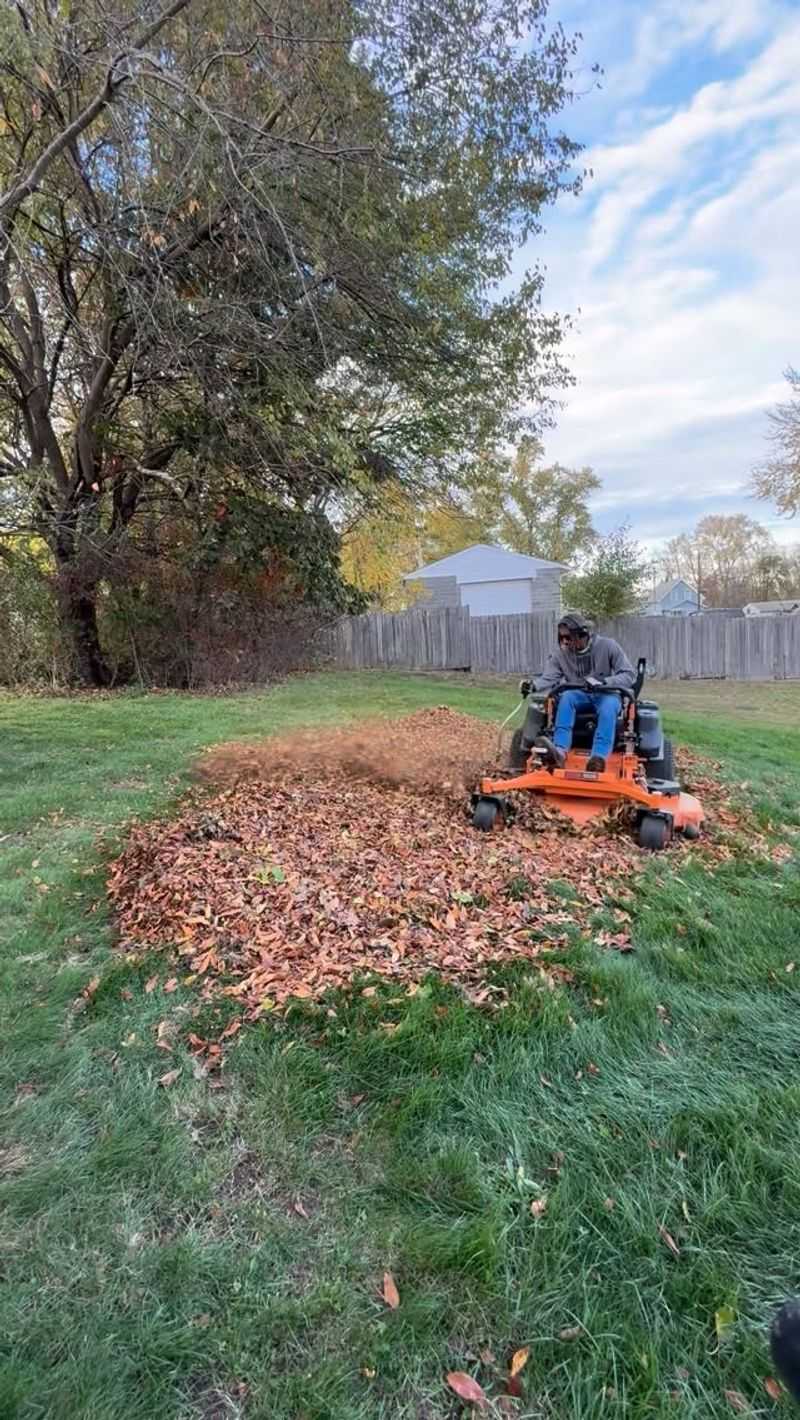
Leaf depth matters more than most people realize. A thin, scattered layer of leaves is perfect for mulching.
A thick, matted pile that blocks sunlight is a different problem altogether. Knowing the difference saves your lawn from unnecessary stress.
A good rule of thumb is the one-inch guideline. If your leaf layer is roughly one inch deep or less, mow right over it without hesitation.
The mower will handle it easily, and the shredded material will filter down to the soil instead of blocking the grass below. Thicker accumulations need a different approach.
If leaves are piling up faster than you can mow, consider mowing every five to seven days during peak drop season. Staying ahead of the buildup prevents the matting that can weaken the turf underneath.
Consistency is the real secret to making this method work well. Wet leaves are trickier than dry ones.
Soggy, clumped leaves can clog a mower deck and create dense mats that resist breakdown. Try to mow on dry days whenever possible.
If wet leaves are unavoidable, slow your mowing pace and let the mower work at a comfortable speed. Ohio falls can bring heavy leaf drops from maples and oaks within just a few days.
Checking your lawn twice a week during October keeps things manageable. Timing your mowing sessions around leaf fall patterns makes the whole process smoother and more effective.
Grass Types That Benefit Most From This Method
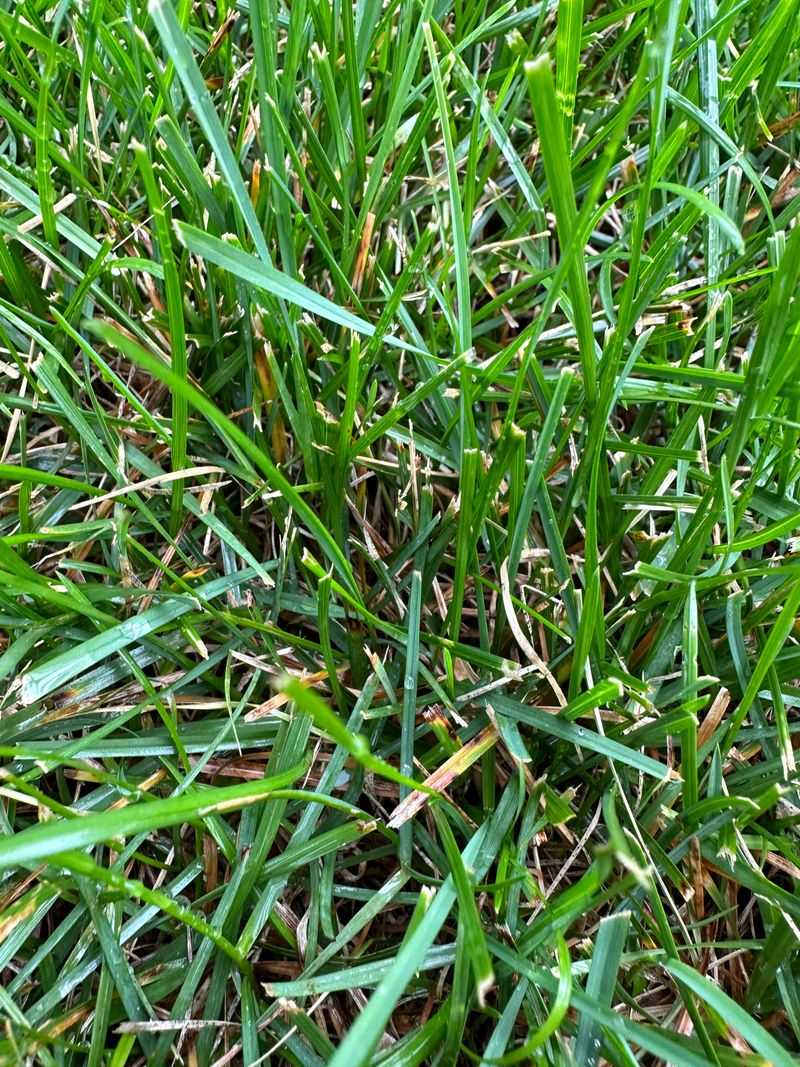
Not all grass types respond the same way to mulched leaves. Ohio lawns are dominated by cool-season grasses, and those varieties happen to be ideal candidates for this method.
Understanding your grass type helps you get the most from every mowing session. Kentucky bluegrass is one of the most common turf types across the state.
It thrives in the cool, moist conditions of Ohio falls and actively grows during the same weeks leaves are dropping. Mulched leaves decompose quickly in that moist environment, feeding the grass during a key growth window.
Tall fescue is another popular choice for Ohio homeowners. Its deep root system benefits enormously from the organic matter that mulched leaves add to the soil.
Fescue lawns treated with mulched leaves tend to show better drought tolerance the following summer. That is a long-term payoff worth considering.
Perennial ryegrass responds well too. It germinates and establishes quickly in fall, making autumn a critical time for soil nutrition.
Mulched leaves provide a gentle, steady nutrient release that supports new ryegrass growth without the risk of fertilizer burn. The timing could not be better for overseeded lawns.
Warm-season grasses like zoysia and bermuda are rare across Ohio because the state’s climate favors cool-season turf. Those varieties go dormant in fall and benefit less from leaf nutrients at that stage.
Signs Your Lawn Is Getting Too Much Coverage
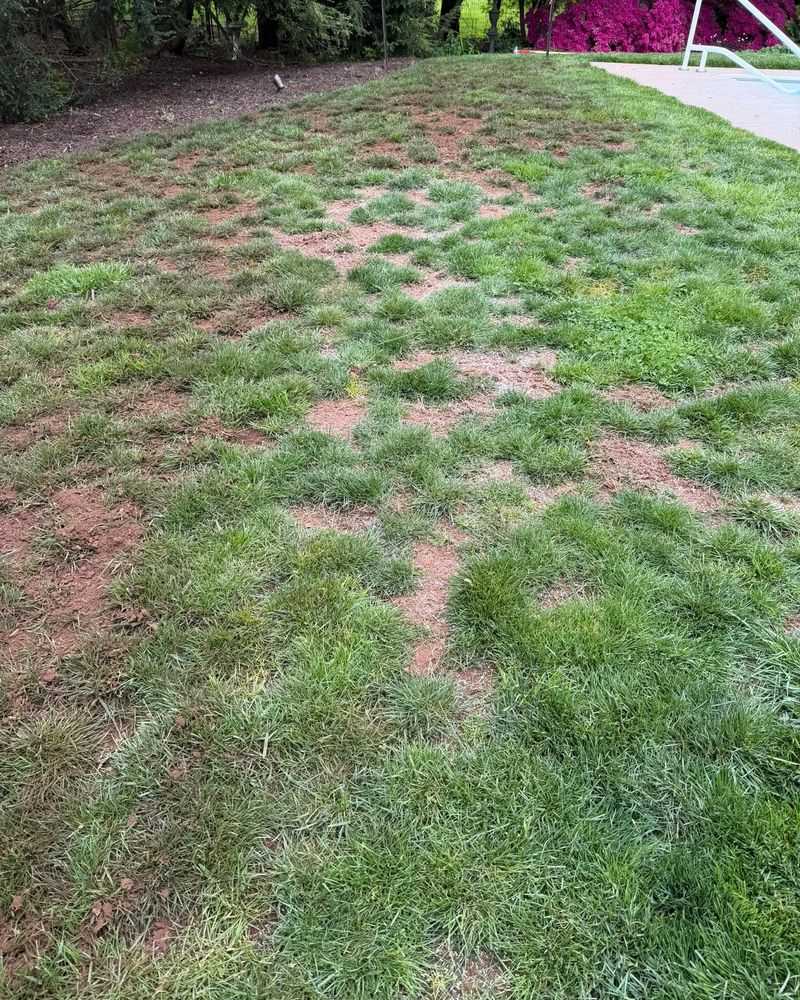
Even a good thing can go wrong with too much of it. Mulching is a powerful lawn care tool, but leaving too many leaves on the turf creates real problems.
Knowing the warning signs keeps your lawn healthy through the season. Yellow or pale grass patches are the first red flag.
When leaves block sunlight for too long, photosynthesis slows and grass begins to weaken. If you notice yellowing under a leaf layer, that area needs immediate attention.
A quick mowing pass usually solves it before damage sets in. Matting is another clear signal that coverage has gotten out of hand.
Leaves that clump together and form a dense, wet layer can block the turf beneath from air and light. Run your hand across the lawn surface.
If leaves feel like a soggy blanket rather than a light dusting, it is time to mow. Mold or fungal growth sometimes appears under heavy leaf accumulations.
Gray or white fuzzy patches on the soil surface indicate that moisture is trapped and airflow is blocked. Catching this early prevents turf disease from spreading.
A well-timed mowing session breaks up the mat and lets air circulate again. Bare spots that appear the following spring often trace back to leaves left too thick for too long in fall.
The damage is invisible until new growth fails to emerge. Checking your turf every week keeps this from becoming a problem. Staying observant keeps the benefits coming without the risks.