Why California Towhees Keep Kicking Mulch Out Of Your Garden Beds
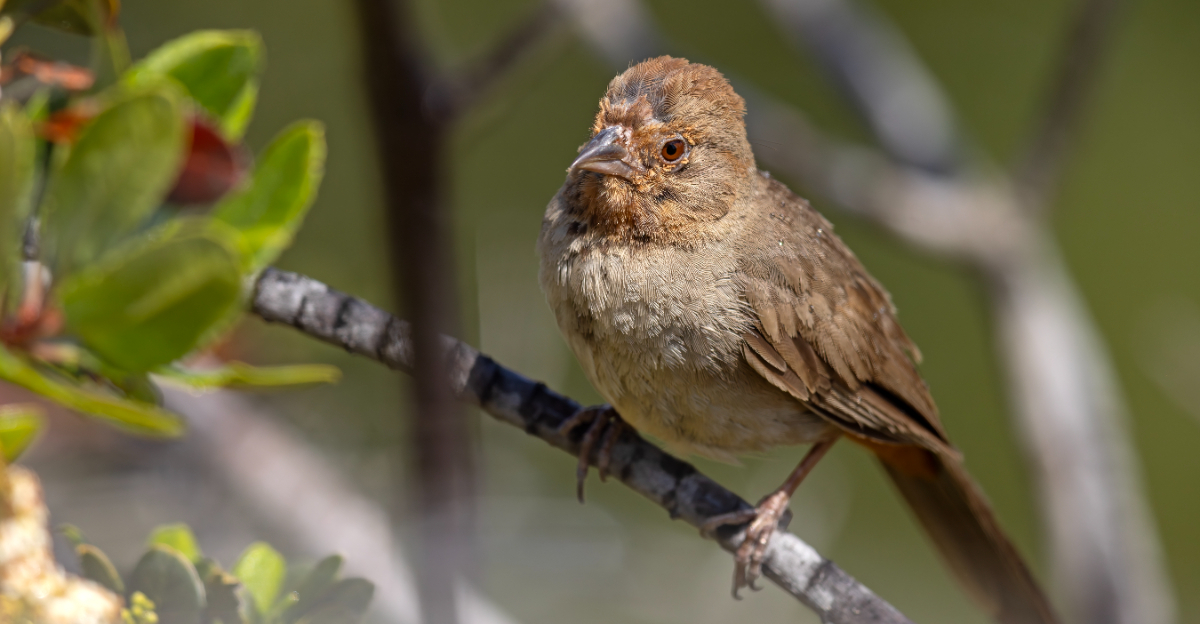
Scattered mulch and exposed soil greet you before the coffee even cools. A rust-streaked bird with a stubby tail sits nearby, a California Towhee that treats your garden bed like a personal excavation site.
Native to coastal scrub and chaparral across California, this forager kicks debris backward toward your feet with startling precision. That motion follows a pattern shaped by instinct, not chaos.
Few backyard visitors move with such single-minded purpose, and fewer still leave such a visible trail of their labor. Understanding what drives that behavior changes how you see every scattered pile from this point forward.
The reason behind that mess is simpler than you’d expect, and it’s about to make sense.
Foraging Instinct Drives Their Mulch-Kicking Behavior
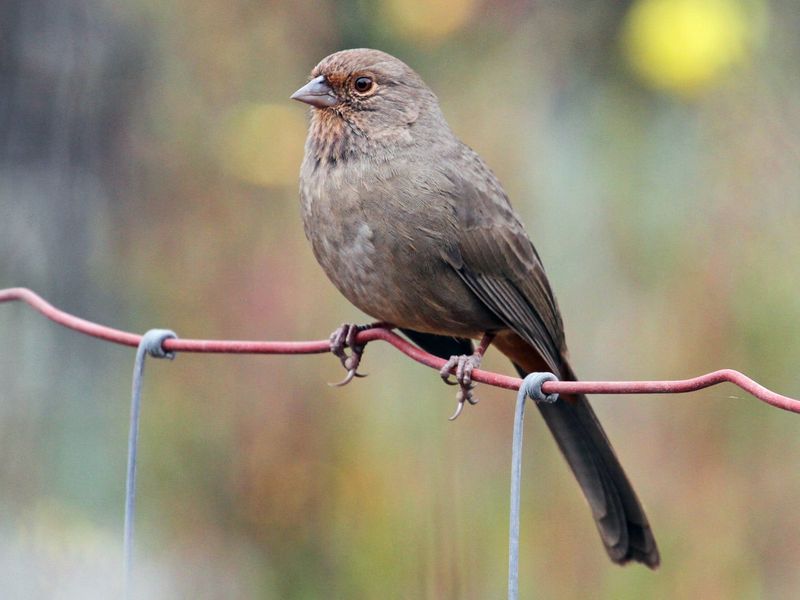
Watch a California Towhee for sixty seconds, and you will see something wild. It hops forward, then kicks backward with both feet at the same time.
This move is called the double-scratch, and it is hardwired into the bird’s brain. Towhees perform it automatically, without needing to learn or think about it.
The double-scratch is a foraging technique passed down through generations of towhees. It pulls back leaf litter and loose material to expose hidden food underneath.
Mulch in your garden bed closely resembles a forest floor to this bird. Shredded bark, wood chips, and straw mimic the natural debris where bugs and seeds hide.
When the Towhee kicks, it is not being destructive on purpose. The bird is simply following an ancient survival script that says dig first, eat second.
California Towhees are ground-feeders by nature, so they rarely look up for food. Most of what they need, they expect to find beneath their feet.
This instinct is so strong that even well-fed backyard birds will still scratch and kick out of habit. Instinct does not switch off just because a feeder is nearby.
Knowing this helps gardeners stop blaming the bird and start thinking smarter about mulch placement. The Towhee is just doing its job, even if your garden pays the price.
Ground-Feeding Habits Make Loose Mulch A Target
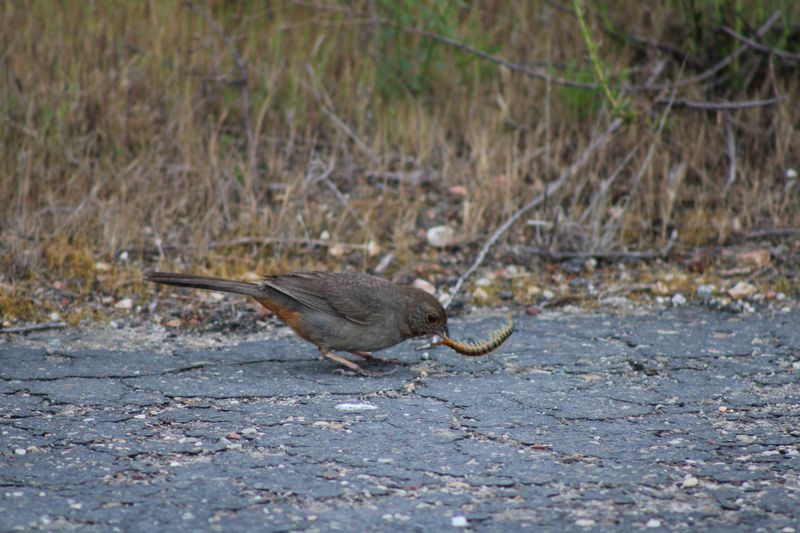
Loose mulch is basically an open invitation for a ground-feeding bird. California Towhees spend almost their entire lives at or below eye level.
Unlike robins that probe the soil with their beaks, Towhees rely on their powerful legs. Those legs are built for kicking, not tiptoeing.
A freshly laid bed of bark mulch feels irresistible to these birds. The material is light, moveable, and full of promise from a foraging perspective.
Towhees patrol gardens slowly and methodically, working one section at a time. Little ground gets left unchecked before they move on.
Because they feed primarily on the ground, your raised beds and borders become prime hunting territory. Flat, open areas covered in mulch are especially vulnerable to their attention.
These birds are also surprisingly bold. They will forage within a few feet of a human if food is close enough to be worth the risk.
Towhees prefer scratching to perching, which sets them apart from most backyard species at your feeders.
Your California Garden Changes Every Week. Your Plan Should Too.
Gardening in California changes quickly throughout the season. Every Friday you’ll receive a simple weekly plan showing exactly what to plant, prune, fertilize, harvest, and protect so you never miss the right timing.
Gardens with dense low-growing plants around the edges are even more attractive. Those plants provide quick cover when the bird feels startled, making the area feel safer for longer foraging sessions.
Understanding this ground-level lifestyle explains why your mulch beds suffer more than your lawn. The Towhee targets wherever loose material collects, and garden beds are ground zero.
Beds With Bugs And Seeds Attract More Digging
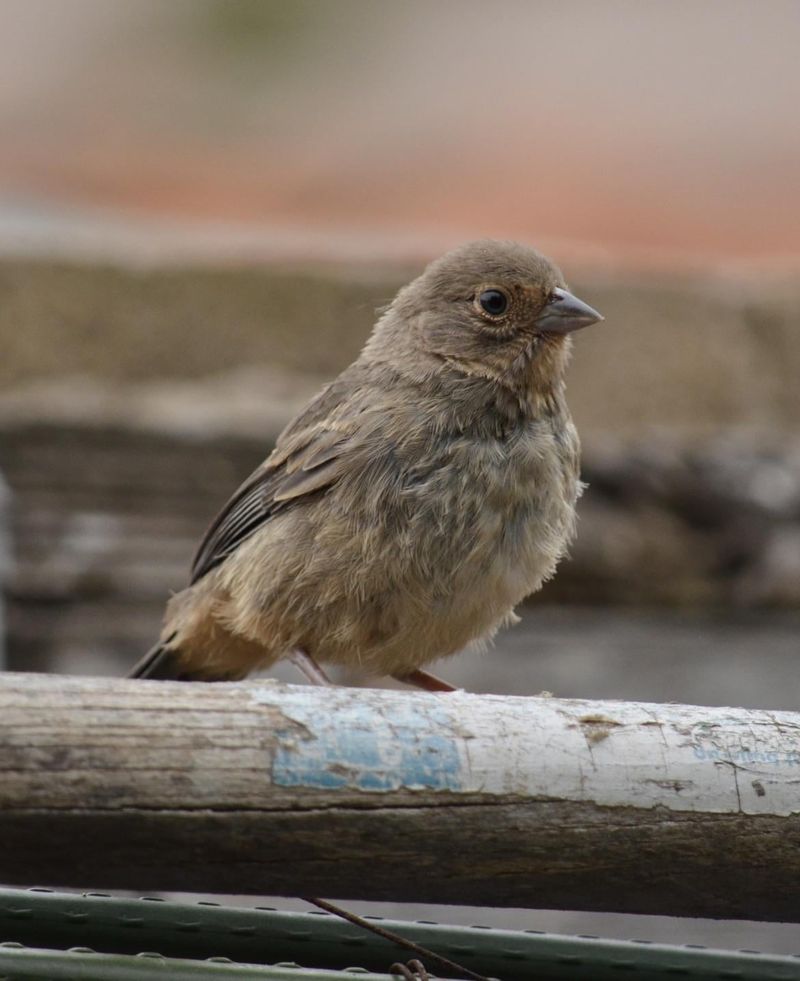
Not every garden bed gets the same amount of Towhee attention. The ones loaded with bugs and seeds get hit hardest and most often.
Decomposing mulch is a five-star restaurant for these birds. Beetles, pill bugs, earwigs, and tiny worms all shelter in moist mulch layers.
Seeds from nearby plants fall into mulch and get trapped between pieces of bark or straw. A Towhee’s kick sends those seeds flying, but the bird usually catches a few.
Gardens near fruit trees or berry bushes are especially popular. Fallen seeds and dropped fruit attract insects, which then attract the Towhees right behind them.
Bird feeders positioned close to garden beds make the problem worse. Spilled sunflower seeds and millet land in the mulch and become buried treasure for any passing Towhee.
Compost-rich soil beneath the mulch is another major draw. Worm activity increases near organic material, and Towhees seem to know exactly where to look.
Planting seed-heavy flowers like coneflowers or black-eyed Susans near your beds will also boost Towhee traffic. Those seeds drop and mix into the mulch, creating a buffet right at ground level.
The more food your bed contains, the more aggressively the bird will work it. Reducing seed spill near garden areas can lower the frequency of visits without harming the bird at all.
A little awareness of what draws them in gives you real power to redirect their energy elsewhere in your yard.
Certain Mulch Types Are Easier To Scatter
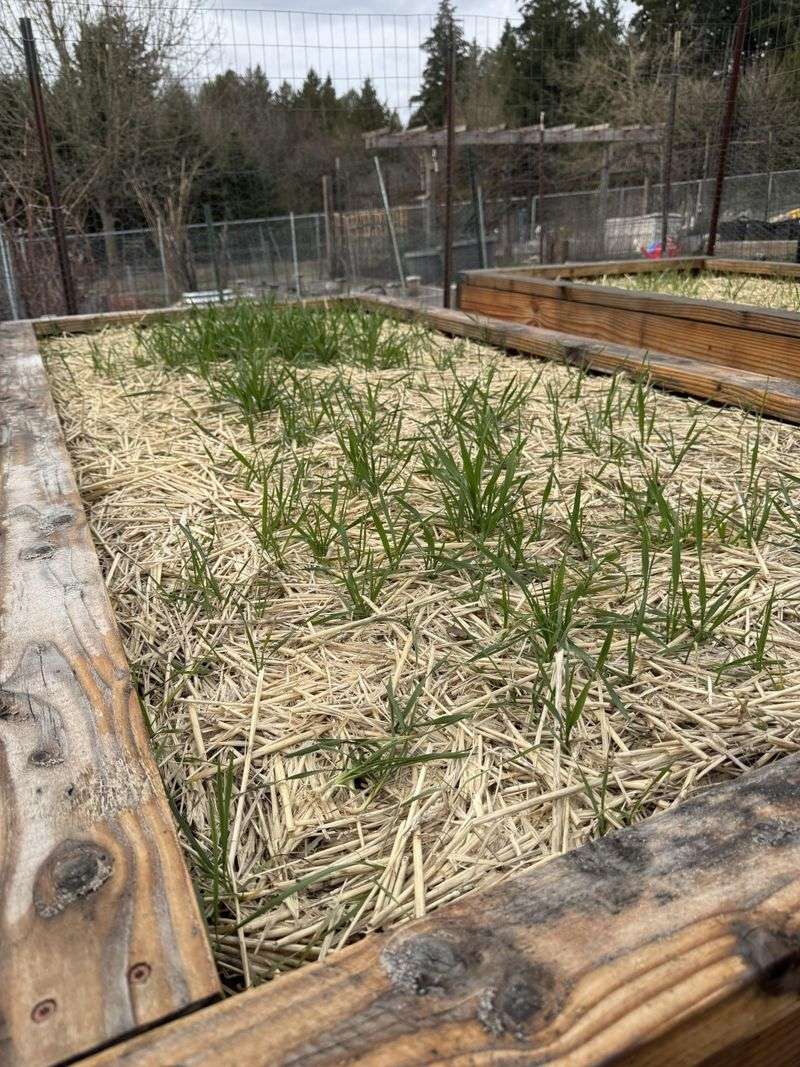
Not all mulch is created equal when a Towhee shows up. Some types practically fly out of the bed on their own with one good kick.
Straw mulch is the easiest to scatter because it is light and loosely layered. A single double-scratch from a Towhee can send handfuls of it several feet away.
Shredded bark is slightly heavier but still moveable. The irregular shapes catch on the bird’s feet and get tossed sideways with very little effort.
Wood chips are denser and take more work to move. Towhees will still dig through them, but the damage is often less dramatic than with straw or shredded material.
Pine needle mulch sits somewhere in the middle. It is slippery and easy to kick, but it tends to mat together after a few days of moisture.
Gravel and river rock are the most Towhee-resistant options on the market. Birds can scratch at them all day without making much of a mess.
Rubber mulch is also resistant to kicking because of its weight and texture. However, many gardeners avoid it for environmental and aesthetic reasons.
Cocoa shell mulch is dense enough to stay put fairly well, making it a sturdier option for beds that see frequent Towhee visits.
Choosing a heavier or more compact mulch type is one of the easiest ways to reduce the mess California Towhees leave behind in your garden.
Time Of Year Affects How Often They Return
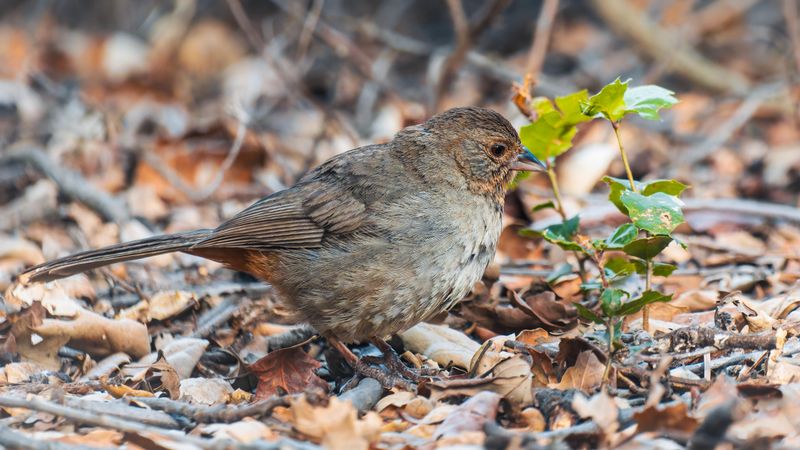
Spring and early summer bring the most Towhee activity to garden beds. That is when food is scarce and the birds are working overtime to find every calorie available.
During nesting season, both male and female Towhees forage more aggressively. They are feeding themselves and scouting food for chicks, which doubles the pressure on your mulched areas.
Late summer brings a slight drop in digging intensity. Insects are more abundant above ground by then, so the birds scratch less and forage more casually.
Fall kicks things back up again as seeds ripen and drop. Towhees fatten up before cooler weather, and your seed-heavy garden beds become a seasonal favorite all over again.
Winter activity stays fairly steady for these birds. As non-migratory residents, Towhees continue visiting gardens throughout the colder months.
Rain changes behavior too. Wet mulch is easier to move and brings worms closer to the surface, which makes post-rain mornings especially busy for these birds.
Dry spells push insects deeper into the soil, which means Towhees dig harder and longer to find anything worth eating. Your mulch pays the price during dry stretches.
Tracking when your beds get hit hardest helps you plan protection strategies. Covering vulnerable beds during peak season is smarter than trying to protect everything all year long.
Knowing the seasonal rhythm of these birds puts you one step ahead every single time they show up in your garden.
Ways To Protect Beds Without Harming The Birds
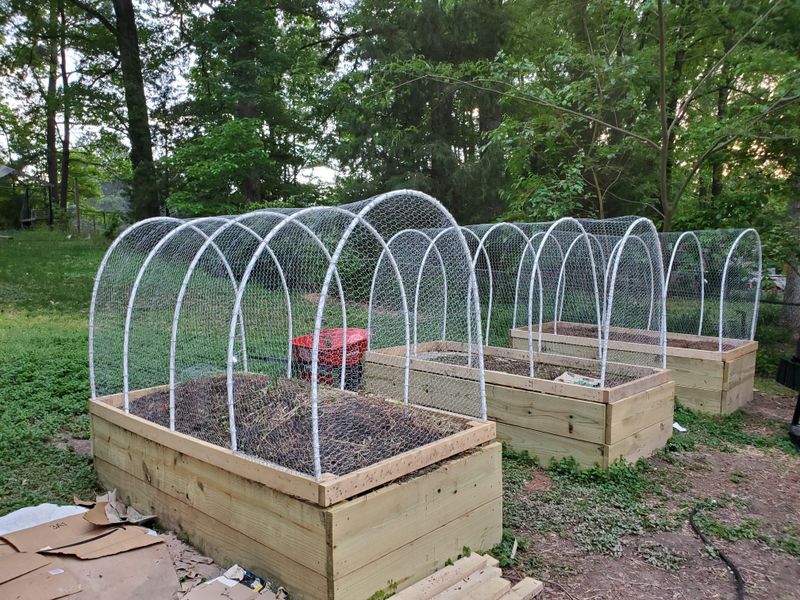
Protecting your garden does not have to come at the bird’s expense. There are smart, humane strategies that keep your mulch in place without stressing the birds.
Wire mesh or hardware cloth laid over the top of mulch is one of the most effective solutions. Towhees cannot scratch through metal mesh, so they move on quickly.
Landscape fabric pinned beneath your mulch layer adds a second line of defense. Even if the bird moves the top layer, the soil stays covered and protected.
Placing flat rocks or stepping stones throughout the bed makes scratching harder. The rocks break up the open mulch surface and create obstacles the bird has to work around.
Thick ground cover plants like creeping thyme or ajuga can protect mulch naturally. Dense foliage makes it difficult for Towhees to access the bare material beneath.
Moving bird feeders farther from garden beds reduces spilled seed in the mulch. Less food in the bed means fewer reasons for the bird to scratch there.
A small birdbath placed near a mulch-free area can distract Towhees. Birds often linger near water, which pulls their attention away from your carefully maintained beds.
Reflective tape or pinwheels near vulnerable beds can deter birds temporarily. These deterrents work best when rotated regularly so the birds do not get used to them.
The goal is to redirect, not punish. California Towhees are native birds doing exactly what nature designed them to do in your garden.