Mosquito-Repelling Plants Texas Homeowners Can Grow Near Patios
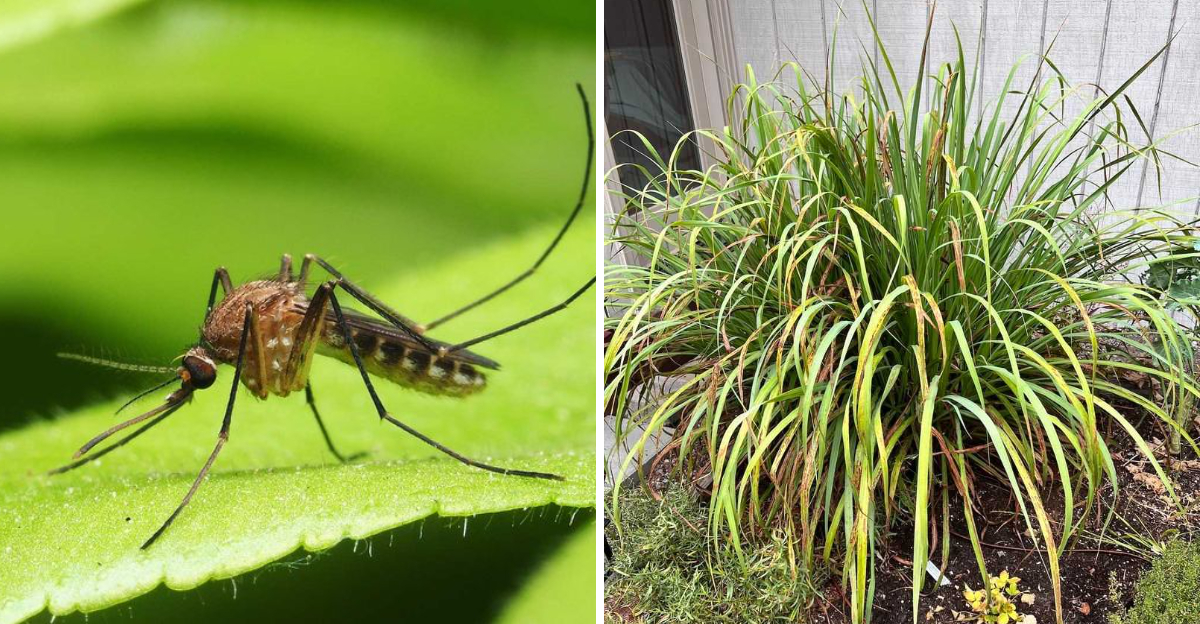
Mosquitoes near a Texas patio are one of those warm weather constants that most homeowners just accept as part of being outside.
Sprays help for a while, candles create a mood but not much actual protection, and plug in devices cover a range that never quite reaches the chairs where everyone is actually sitting.
Most people spend entire summers fighting mosquitoes reactively rather than reducing them at the source. But the right plants change the dynamic entirely.
Certain plants produce natural compounds that mosquitoes genuinely avoid, and positioned strategically near a patio, they create an environment that is significantly less welcoming to the insects that ruin otherwise perfect Texas evenings outdoors.
They work passively, all season long, without any effort after planting, and several of them happen to be beautiful, fragrant additions that improve the patio experience in multiple ways at once.
Texas conditions suit many of these plants remarkably well, which means they establish easily, thrive through the heat, and keep working through the long Texas outdoor season.
Here are the mosquito repelling plants Texas homeowners should be growing near their patios right now.
1. Citronella Grass
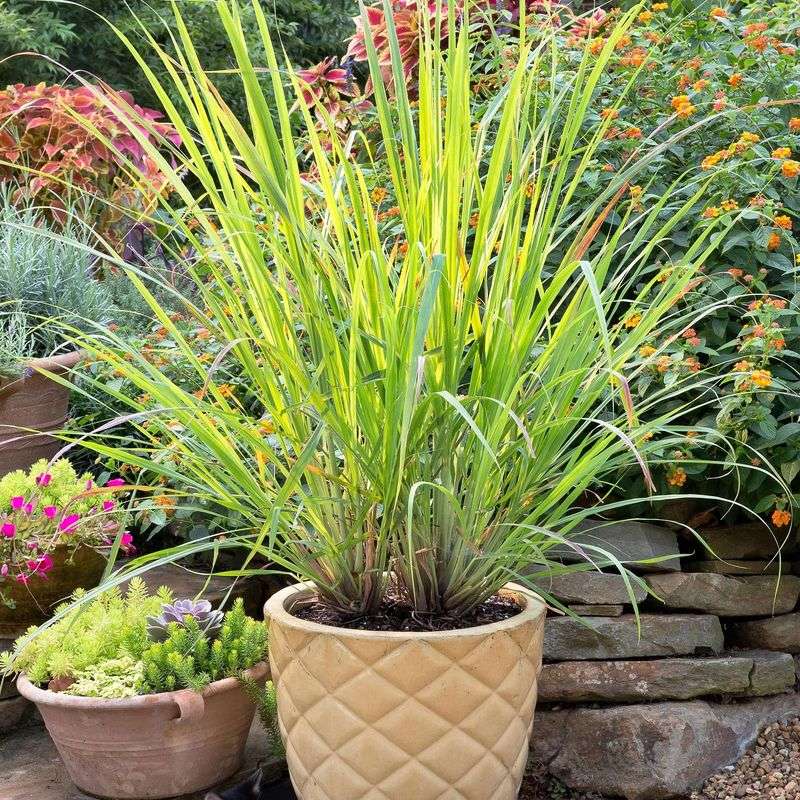
Walk past a clump of citronella grass on a warm afternoon and you will immediately understand why this plant has a legendary reputation.
The strong, lemony scent that rises from its leaves is the same aroma found in many popular mosquito-repellent candles, sprays, and outdoor torches.
That smell comes from natural aromatic oils stored inside the plant’s leaves, and mosquitoes find it very unpleasant.
Citronella grass is a tall, clumping plant that can grow several feet high when given the right conditions. In Texas, it thrives in full sun and warm temperatures, making it a natural fit for the state’s climate.
You can grow it directly in the ground in warmer regions, or plant it in a large container if you want to move it around your patio. Containers also make it easier to bring the plant indoors if an unexpected cold snap rolls through during winter.
For the best results, place your citronella grass in a spot that gets at least six hours of direct sunlight each day. Water it regularly but make sure the soil drains well, because this plant does not like sitting in soggy conditions.
Fertilize it once a month during the growing season to keep it looking full and healthy. To activate the scent, gently rub or brush against the leaves. You can also crush a few leaves and rub them lightly on your skin for a natural, plant-based barrier.
Many Texas homeowners line the edges of their patios with citronella grass to create a natural border that looks attractive and serves a practical purpose at the same time.
2. Catnip
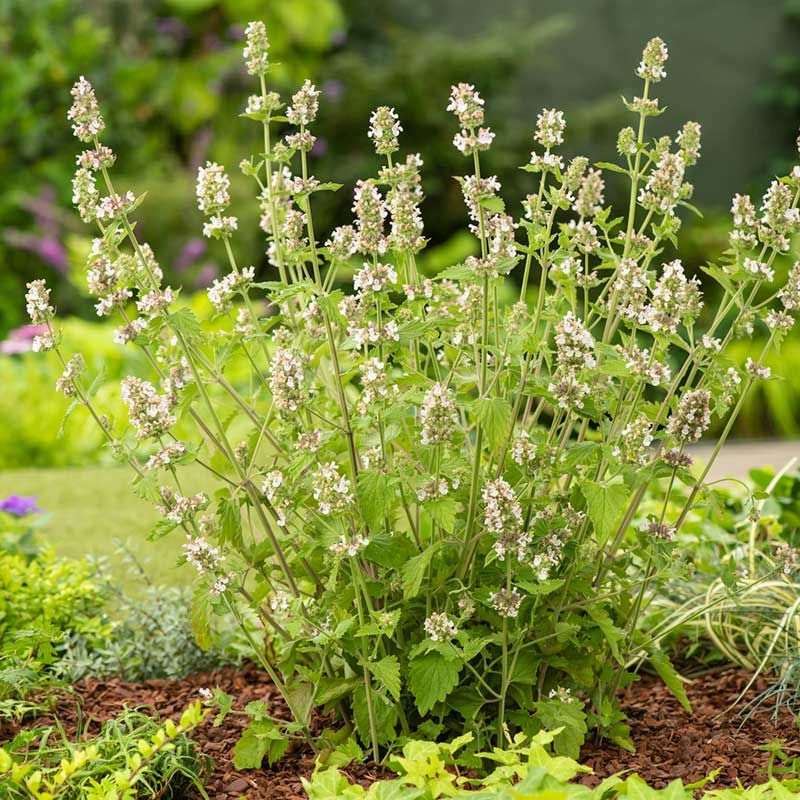
Here is a fun fact that might surprise you: research has shown that catnip can be more effective at repelling mosquitoes than some synthetic chemical repellents.
The secret ingredient is a compound called nepetalactone, which is the same substance that sends cats into a playful frenzy.
Your Texas Garden Changes Every Week. Your Plan Should Too.
Gardening in Texas changes quickly throughout the season. Every Friday you’ll receive a simple weekly plan showing exactly what to plant, prune, fertilize, harvest, and protect so you never miss the right timing.
Mosquitoes, however, want nothing to do with it. Scientists at Iowa State University found that nepetalactone triggers a strong avoidance response in mosquitoes, which is great news for anyone who wants a natural solution.
Catnip is a member of the mint family, and like its relatives, it has a tendency to spread enthusiastically if left unchecked. Growing it in pots is the smartest approach for patio gardeners.
A container keeps the plant right where you want it and prevents it from taking over nearby garden beds. Plus, you can move the pot closer to your seating area during peak mosquito hours in the evening.
This plant is surprisingly easy to care for. It tolerates Texas heat well and does not need a lot of fuss.
Give it well-draining soil, regular watering, and a spot with good sunlight, and it will reward you with plenty of leafy growth. Trim it back occasionally to encourage bushy, full plants rather than tall and leggy ones.
To get the repellent effect working, bruise or crush a few leaves between your fingers. The scent will release quickly and fill the air around you.
Just be aware that neighborhood cats may pay you a visit once they catch a whiff. Keep that in mind when deciding exactly where to place your pot on the patio.
3. Lemongrass
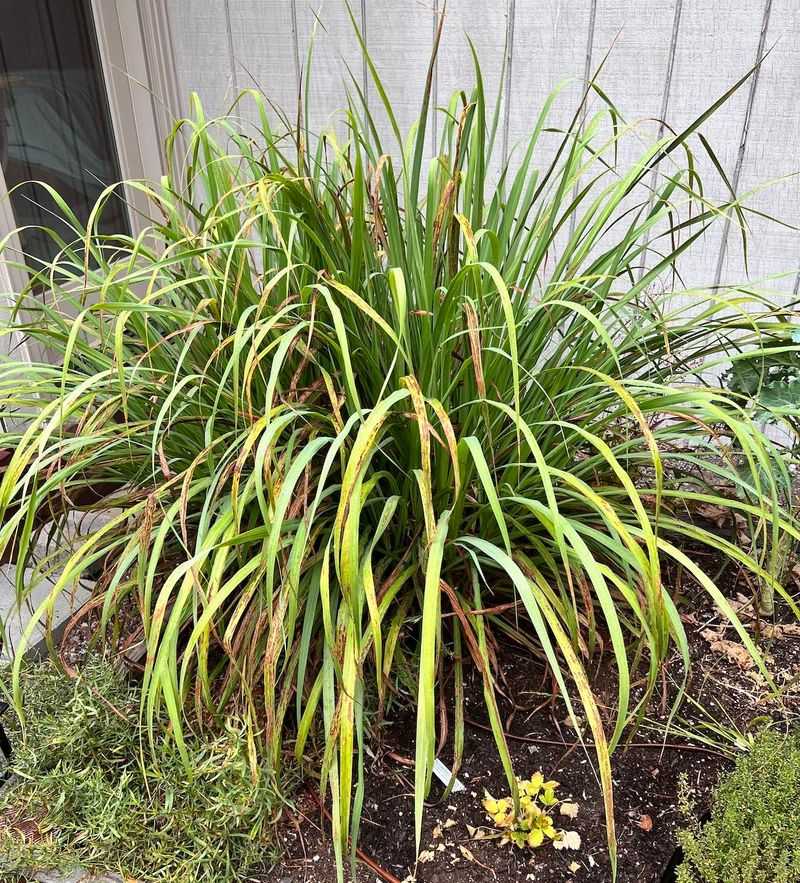
If you have ever enjoyed a bowl of Thai soup or a refreshing herbal tea, you have already met lemongrass. This tall, tropical plant is a kitchen favorite, but it also has a powerful side effect that outdoor enthusiasts really appreciate.
Its leaves and stalks are packed with citral and other aromatic compounds that mosquitoes strongly dislike, making it a practical and beautiful addition to any patio setup.
Lemongrass is one of the easiest plants to grow in Texas because it genuinely loves heat. While other plants struggle during the peak of summer, lemongrass pushes out thick new growth and stays looking lush and green.
It can grow quite large, sometimes reaching five feet tall or more, so a big container or a roomy garden bed near your seating area works best. Large pots also let you rearrange your patio layout whenever you feel like a change.
Plant lemongrass in well-draining soil and place it where it will receive full sun for most of the day. Water it deeply but allow the soil to dry out slightly between waterings.
During the growing season, a balanced fertilizer applied every few weeks keeps the plant vigorous and fragrant.
One of the best things about lemongrass is that it pulls double duty. You can harvest the stalks for cooking, adding fresh citrus flavor to soups, marinades, and teas.
Simply peel away the outer layers to reveal the tender inner stalk. Having a plant that fights mosquitoes and improves your meals at the same time is a pretty great deal for any Texas homeowner.
4. Rosemary
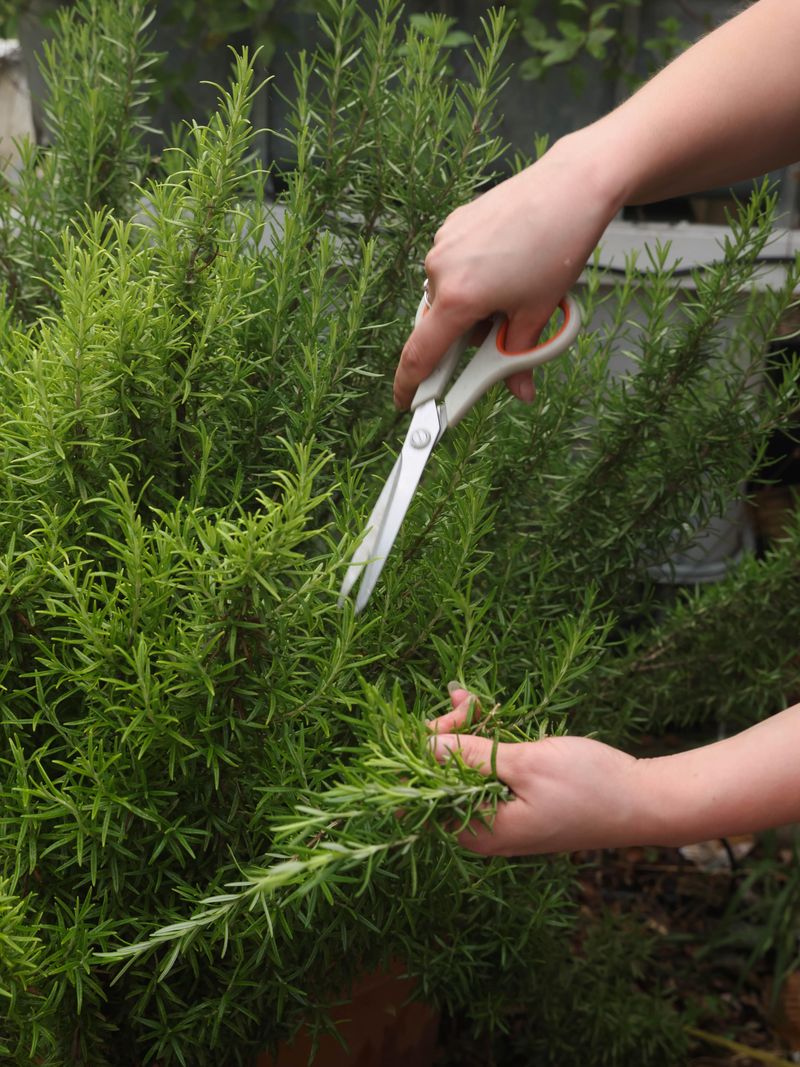
Rosemary is one of those plants that seems almost too good to be true. It smells amazing, it looks attractive, it flavors your cooking, and it naturally repels mosquitoes.
The aromatic oils in rosemary’s needle-like leaves contain compounds that insects find off-putting.
Many gardeners have noticed fewer bugs around patio areas where rosemary is grown, and researchers have studied its oils as a component in botanical insect-control products.
Texas is practically ideal territory for rosemary. This plant loves hot weather, bright sunshine, and well-drained soil, which describes most Texas patio environments perfectly.
It is also drought-tolerant once established, meaning it can handle those stretches of dry summer weather without needing constant attention. If you tend to forget to water your plants from time to time, rosemary is very forgiving.
You can grow rosemary in containers or directly in the ground near your patio. Upright varieties grow tall and make great natural borders.
Trailing varieties spill attractively over the edges of raised beds or large pots. Either way, the plant stays evergreen in most parts of Texas, giving you year-round greenery and fragrance without replanting every season.
For maximum mosquito-repellent benefit, place rosemary pots near the spots where you sit most often. You can also toss a few sprigs onto your outdoor grill while cooking.
The smoke and heat release the plant’s oils into the surrounding air, creating a pleasant herbal aroma that also helps discourage mosquitoes.
Fresh rosemary sprigs tucked into a bouquet or placed on a table are another simple way to use this versatile plant around your outdoor space.
5. Peppermint
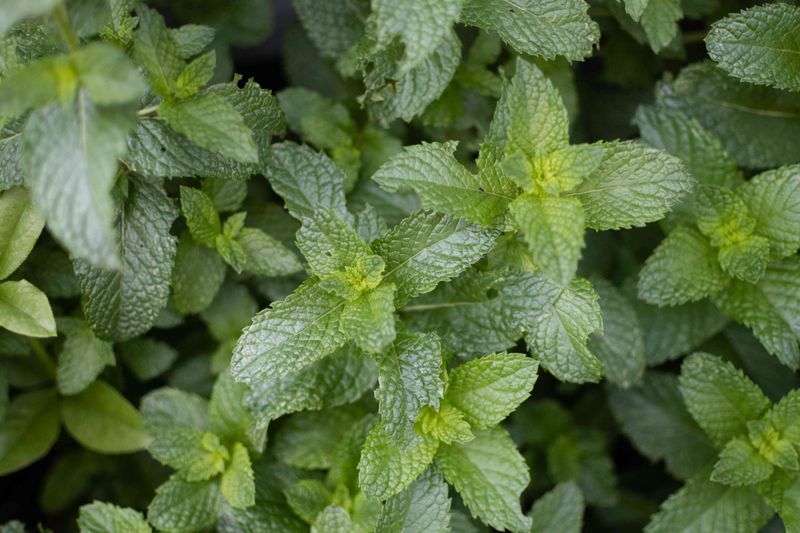
Few scents are as instantly recognizable as peppermint. That sharp, cool, refreshing smell is beloved by people around the world, but mosquitoes have the opposite reaction.
Studies have found that peppermint oil shows strong mosquito-repellent activity, and even the plant itself releases enough of its signature scent to make nearby insects uncomfortable.
Keeping a pot or two of peppermint near your patio chairs is a simple and pleasant way to add a layer of natural protection.
Peppermint is part of the mint family, and like all mints, it spreads aggressively when planted in the ground. A single plant can send out underground runners and pop up several feet away from where you originally planted it.
Containers are the practical solution here. Grow peppermint in pots and you get all the benefits without worrying about it taking over your garden beds or lawn.
Care for peppermint is straightforward. It prefers moist soil and does best with some afternoon shade in Texas, where the summer sun can be intense.
Too much direct heat can stress the plant and cause the leaves to wilt or lose some of their fragrance. A spot that gets morning sun and afternoon shade tends to keep peppermint happy and producing well throughout the growing season.
Beyond mosquito control, peppermint has plenty of other uses. Pinch off fresh leaves and add them to water, lemonade, or iced tea for a cooling summer drink.
You can also dry the leaves and use them in homemade sachets or teas. Rubbing a crushed leaf on your wrists and ankles gives you a quick, natural, pleasant-smelling barrier before heading outside.
6. Basil
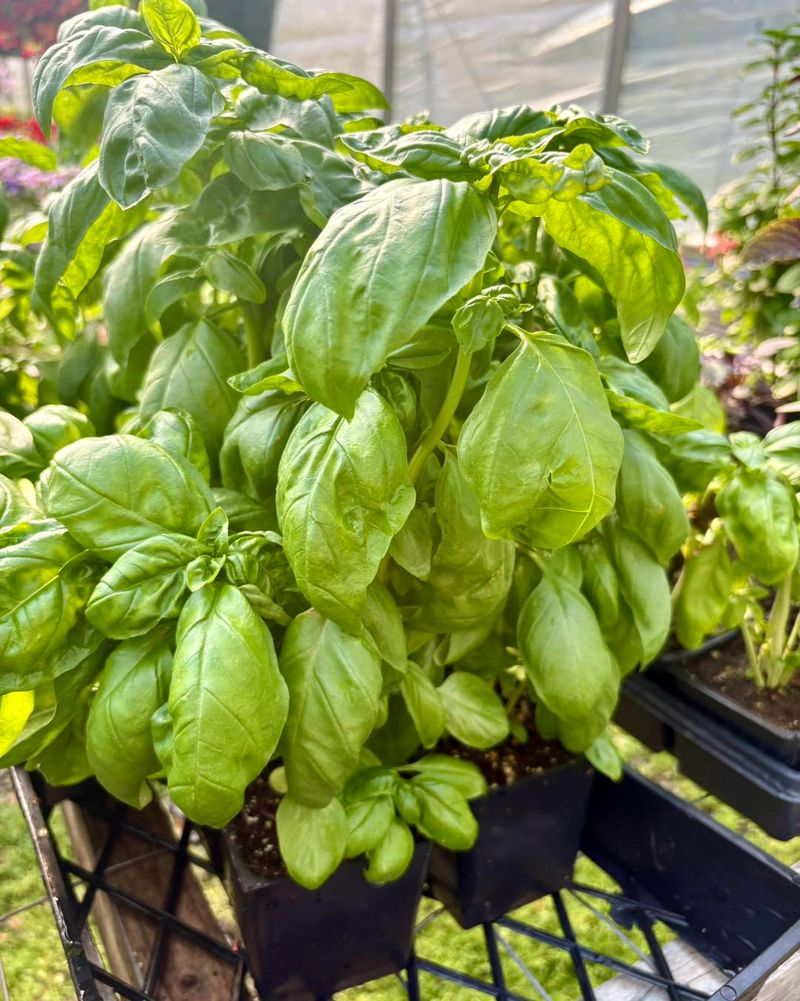
Basil is already a staple in many home gardens because of its incredible flavor in the kitchen, but its mosquito-repelling qualities deserve just as much attention.
The strongly aromatic foliage releases a scent that mosquitoes find irritating, making it a smart choice to keep near your outdoor dining table or seating area.
Some studies have even looked at basil essential oil as an ingredient in natural mosquito-control formulas, and the results have been promising.
Growing basil in Texas during the warm months is about as easy as gardening gets. This plant absolutely loves heat and sunshine, and Texas summers provide both in abundance.
Plant it in a pot with rich, well-draining soil and give it a sunny spot on your patio. Water it consistently and make sure the pot has drainage holes so roots do not sit in standing water, which can cause problems.
One of the best habits you can build with basil is regular harvesting. Pinching off leaves and flower buds regularly encourages the plant to grow fuller and bushier instead of going to seed too quickly.
A full, leafy basil plant produces more fragrant oils, which means a stronger natural barrier around your outdoor space. Plus, you end up with a steady supply of fresh basil for pasta, salads, and homemade pesto all summer long.
Try placing a few small basil pots directly on your patio table during outdoor meals. The proximity to guests keeps the scent strong right where it matters most.
You can also crush a few leaves and set them in a small bowl as a natural centerpiece that does double duty as a conversation starter and mosquito deterrent.
7. Lemon Balm
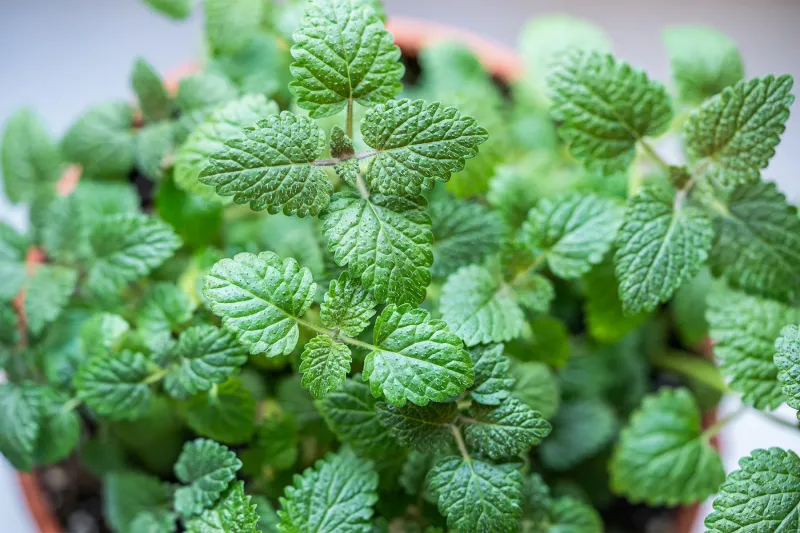
Lemon balm has been grown in gardens for centuries, originally valued for its calming properties and pleasant citrus scent. People have used it to make soothing teas and herbal remedies for a very long time.
What many gardeners are now rediscovering is that this cheerful, easy-going plant also contains aromatic oils, particularly citronellal, that mosquitoes find unappealing.
Growing it near your patio gives you a fragrant, low-maintenance plant with a long history of usefulness.
As a member of the mint family, lemon balm shares one key trait with its relatives: it spreads vigorously. Left in the ground, it can quickly fill a garden bed and crowd out neighboring plants.
Containers are the ideal way to enjoy lemon balm on a patio without worrying about it getting out of hand. A medium-sized pot works well, and you can tuck it right beside your favorite outdoor chair for constant, up-close fragrance.
Lemon balm is not fussy about growing conditions. It tolerates partial shade better than many other aromatic herbs, which is a real advantage on covered Texas patios where full sun is not always available.
Keep the soil consistently moist and trim the plant back regularly to encourage fresh, fragrant new growth. Over time, it fills out into a beautiful mound of bright green, ruffled leaves.
To release its scent, simply run your fingers through the leaves. The fresh lemon aroma is light and pleasant, nothing overwhelming.
You can also steep fresh leaves in hot water for a relaxing herbal tea, or add them to a pitcher of cold water with some sliced lemon for a refreshing summer drink that makes patio time even more enjoyable.
8. Marigolds
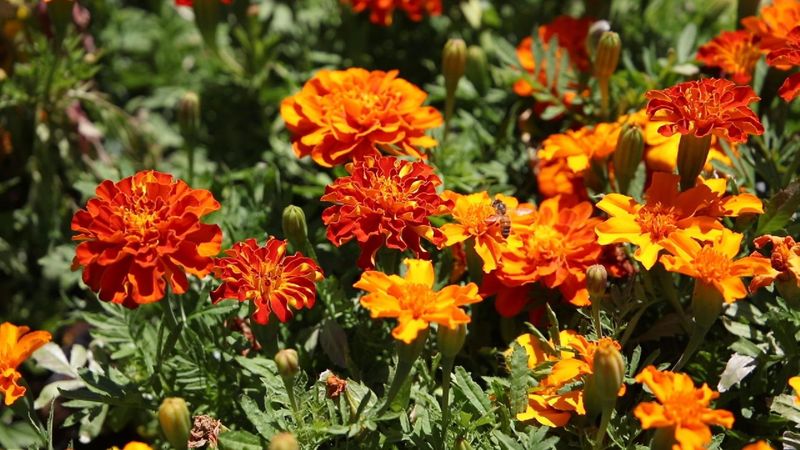
Few flowers bring as much cheerful color to a garden as marigolds, and it turns out they are doing more than just looking pretty.
Marigold foliage contains compounds that researchers have studied in botanical insect-control work, and the strongly scented leaves and blooms are known to be unappealing to mosquitoes and several other common garden pests.
Planting them around the edges of your patio gives you a colorful, natural border that works hard behind the scenes.
Marigolds are one of the most beginner-friendly plants available. They grow quickly from seed or transplant, thrive in full sun, and handle Texas heat with ease.
You can find them at almost any garden center in a wide range of sizes, from compact dwarf varieties that fit neatly into small pots to tall French and African marigolds that make a bold statement in larger containers or border plantings along the patio edge.
Consistent watering and deadheading, which means removing spent blooms, will keep marigolds flowering all season long. The more blooms they produce, the stronger the scent and the more effective they are at creating an aromatic barrier.
Fertilize them lightly every few weeks during the growing season to support healthy, continuous flowering through the warm Texas months.
Beyond mosquitoes, marigolds also help protect nearby vegetable and herb plants from aphids and whiteflies. If you have a small kitchen garden near your patio, tucking marigolds around the perimeter is a smart move.
Their golden orange and yellow blooms brighten up any outdoor space while quietly pulling double duty as a natural pest-management tool that even first-time gardeners can rely on.