Why Smart Irrigation Systems Support Southern Nevada Water Compliance
Your water bill hides a warning you haven’t noticed yet. Southern Nevada tracks yard usage more closely than you think. Desert air pulls moisture from your lawn within minutes.
Old sprinkler timers still run your system on outdated schedules. Smart systems read local weather before they water your lawn. Rain sensors pause your cycle when clouds roll through.
Soil sensors protect your roots from silent overwatering. Nevada officials watch your usage more closely than you think. Utilities offer you real rebates for switching to smarter systems.
Rules tighten fast when your schedule falls out of sync. Technology now manages compliance while you stay hands off. Compliance software syncs your system directly with valley water rules.
Every upgrade moves your system further ahead instantly. Costs drop quickly once your controller stops guessing blindly.
Neighbors around you keep vibrant green yards without effort. What you decide next determines what your yard becomes.
1. Restrictions Limit Outdoor Watering Days Strictly
Southern Nevada assigns you a fixed watering schedule that shifts by season, from a single day each week in winter to as many as six in summer. Southern Nevada Water Authority sets firm schedules, and breaking them is not a minor slip.
The rules change by season, too. Summer schedules differ from winter ones, and keeping track manually is harder than it sounds.
Smart irrigation systems store your approved watering schedule automatically. No guessing, no forgetting, no accidental Sunday morning sprinklers when Sunday is off-limits.
The controller locks in your allowed days and skips the rest without any input from you. That hands-off reliability is something a manual timer simply cannot match.
Homeowners who switched to smart controllers often describe it as removing a weekly chore from their mental checklist. The system handles compliance so you focus on other things.
Reports from neighbors are one way violations sometimes come to the Water Authority’s attention. Fines follow quickly, and the Water Authority takes violations seriously.
A smart system removes the human memory factor from the equation entirely. Your schedule stays correct even when life gets busy or you travel out of town.
It functions as a system that manages your schedule automatically. Compliance with outdoor watering restrictions becomes automatic, not accidental, when smart irrigation systems are running the show.
2. Overwatering Violations Can Trigger Fines Locally
Fines for overwatering are a real risk for local homeowners. Overwatering is one of the most common violations cited across the Las Vegas Valley.
The fines are not small, either. Fines apply from the first violation, and repeat offenses escalate under SNWA enforcement policy.
Traditional sprinkler systems run on fixed timers that do not adjust for rainfall or soil saturation. They water regardless of soil conditions, which can lead to excess water use.
Smart irrigation systems monitor conditions in real time. When the soil is already moist, the controller skips the cycle rather than dumping more water on a saturated lawn.
That single feature alone can prevent the kind of runoff that triggers neighbor complaints. Visible runoff is one of the issues inspectors typically look for. By then, they may already face a fine or violation record.
Your Nevada Garden Changes Every Week. Your Plan Should Too.
Gardening in Nevada changes quickly throughout the season. Every Friday you’ll receive a simple weekly plan showing exactly what to plant, prune, fertilize, harvest, and protect so you never miss the right timing.
Many homeowners do not realize overwatering is a citable offense until they receive that first notice. By then, they may already face a fine or violation record.
Switching to a smart controller puts a built-in safeguard between you and an inspector’s clipboard. The system tracks every watering event and keeps totals within legal limits.
Staying fine-free is not just about saving money, though that matters a lot. Avoiding violations protects your standing with the Water Authority and keeps your property in good shape year-round.
3. Sensors Adjust Watering Based On Real Weather
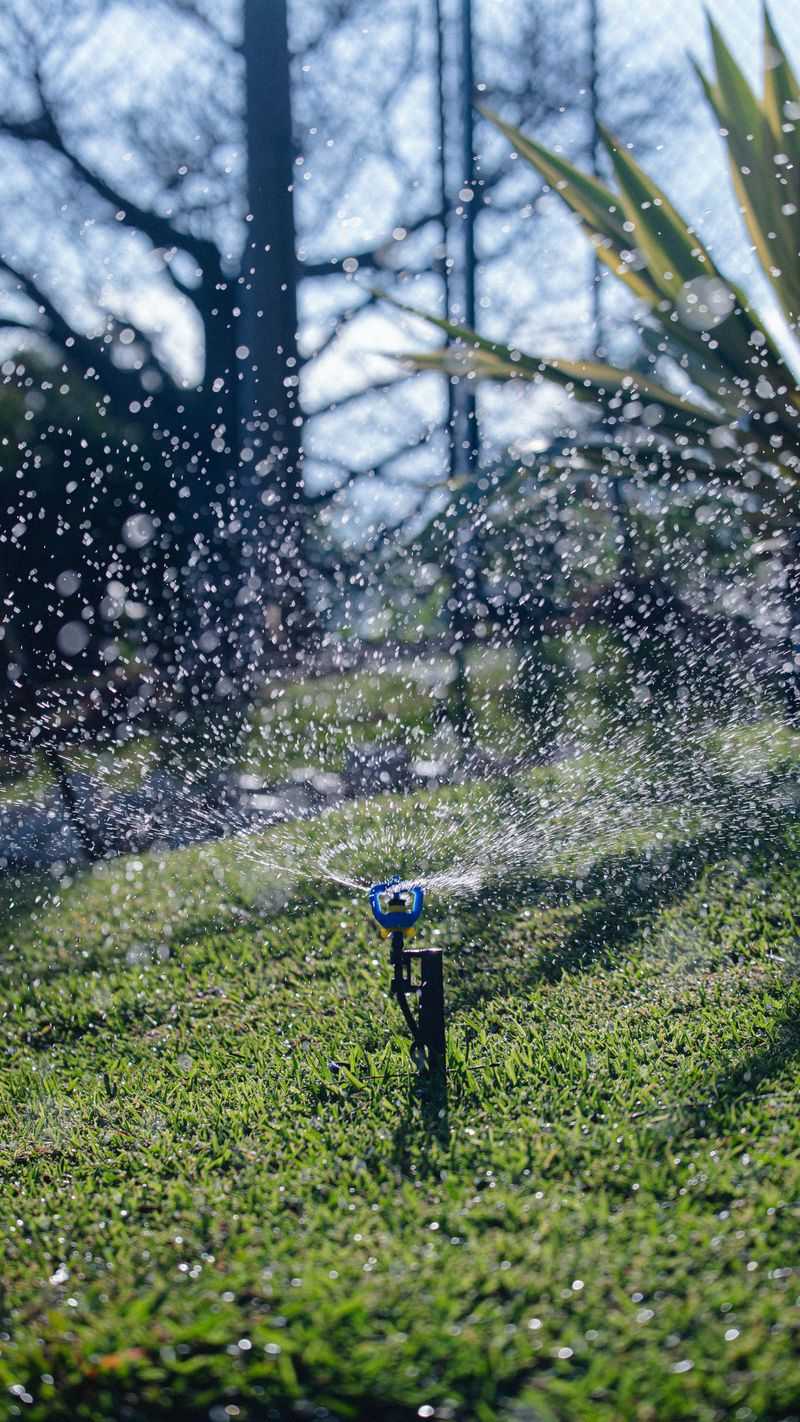
Rain sensors are not new, but modern smart systems take weather response to a completely different level. They pull live data from local weather stations and adjust automatically.
When a rare desert rainstorm rolls through, the system detects the moisture change and cancels the next scheduled cycle. No wasted water, no flooded flowerbeds, no compliance headaches.
Temperature matters just as much as rainfall in a hot climate. On cooler days, plants need less water, and smart controllers factor that in without any manual adjustment from you.
Evapotranspiration calculations are built into many premium smart controllers. That fancy term just means the system estimates how much water the landscape actually lost to heat and evaporation.
Using that calculation, the controller delivers only what the plants need to recover. Nothing extra, nothing wasted, and nothing that could push your usage over the legal limit.
Desert landscapes are especially sensitive to overwatering, which can damage roots and attract pests. Weather-responsive systems protect plant health while keeping water use in check simultaneously.
Weather-based controllers can meaningfully reduce outdoor water use, though savings vary by property. Those savings show up on both the water bill and the compliance report.
Smart irrigation systems that respond to real weather are not a luxury upgrade anymore. They are a practical tool for anyone serious about staying within Southern Nevada water rules every single day.
4. Compliance Requires Precise Tracking Of Usage
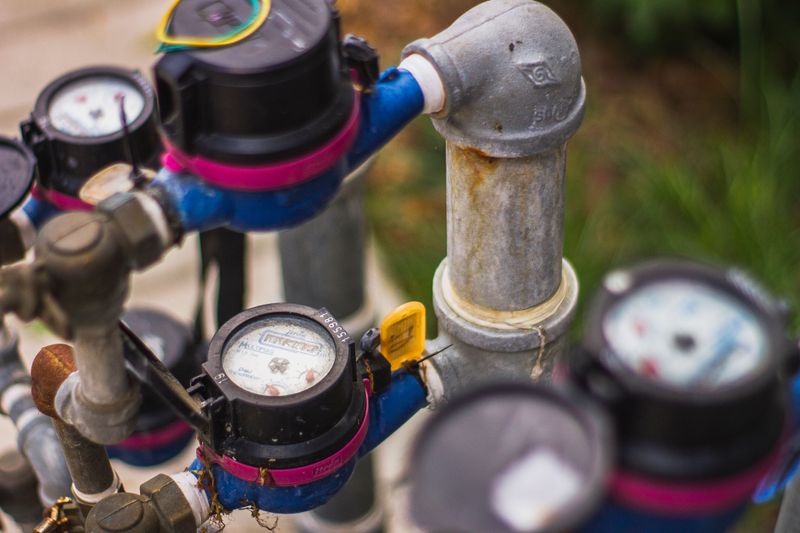
Knowing how much water your yard used last Tuesday is not optional anymore. Southern Nevada water compliance depends on accurate records, and eyeballing it does not cut it.
Smart irrigation systems log every watering cycle automatically. Date, duration, zone, and volume are all recorded and stored in a cloud-connected app you can access anytime.
That data becomes your proof of compliance if the Water Authority ever questions your usage. Having a clear record is far better than trying to reconstruct what happened from memory.
Manual systems offer no such paper trail. If an inspector shows up with a concern, your only defense is your word, and that rarely goes far in a formal review.
Commercial property owners face even stricter tracking requirements than residential customers. A smart system with detailed reporting can mean the difference between a clean audit and a costly penalty.
Some controllers even break usage down by individual zone. That level of detail helps you spot which area of your yard is consuming the most water and adjust accordingly.
Leaks are also easier to catch with precise tracking in place. A sudden spike in usage between cycles is a red flag that shows up clearly in the data log.
Precise tracking is not just a compliance tool, it is also a money-saving habit. Understanding your actual water consumption helps you make smarter choices and keep every billing cycle within budget.
5. Droughts Push Agencies Toward Stricter Enforcement
Lake Mead’s water levels remain a central concern for regional planners, and new state law will bar Colorado River water for nonfunctional turf on qualifying properties starting in 2027.
When reservoir levels fall, water authorities do not sit back and hope for rain. They tighten restrictions, increase patrols, and raise fines to push conservation harder across the region.
Drought conditions in the Southwest are not a temporary blip. Climate scientists consistently point to a long-term drying trend that is reshaping water policy across multiple states.
For homeowners, that trend means the rules will likely get stricter before they get easier. Waiting to upgrade your irrigation setup could mean scrambling to comply during an enforcement surge.
Smart irrigation systems position you ahead of tightening regulations rather than behind them. When new restrictions drop, your controller adjusts without requiring a frantic manual reprogramming session.
Agencies also tend to focus enforcement resources on visible waste during drought periods. Running sprinklers on the wrong day or at the wrong time becomes a much bigger target when water is scarce.
Proactive homeowners who install smart systems before a drought-driven crackdown avoid the stress entirely. Being prepared feels a lot better than being caught off guard by a new rule you missed.
Stricter enforcement is not a threat to fear if your system is already built for compliance. Smart irrigation systems turn drought pressure into a non-issue for the households that plan ahead.
6. Rebate Programs Often Require Smart Controllers
Rebates can help offset upgrade costs. Southern Nevada Water Authority offers rebates for upgrading to water-efficient irrigation equipment, and smart controllers are at the top of the list.
The rebate amounts can offset a significant chunk of the installation cost. SNWA’s Water Smart Landscapes program offers rebates for converting grass to water-efficient landscaping.
Separate incentives exist for smart irrigation clocks, so check current rates on snwa.com. One requirement to note: basic timer systems do not qualify.
To receive the rebate, your new controller must meet specific efficiency standards that only smart systems consistently meet.
Applying for the rebate also requires documentation of your purchase and installation. Smart controllers make that process easier because they come with detailed specs that match the program requirements.
Beyond the upfront rebate, smart systems lower your monthly water bill through reduced consumption. That ongoing savings adds up month after month, long after the rebate check has been cashed.
Some utility programs also offer tiered pricing that rewards low-usage customers with lower rates. A smart controller that keeps your usage in check can help you qualify for those better tiers consistently.
Homeowners who skip the rebate program are essentially leaving money on the table. The upgrade pays for itself faster when you factor in both the rebate and the monthly savings together.
Smart irrigation systems are not just a compliance tool, they are also a financial strategy. Taking advantage of rebate programs is one of the smartest moves any Nevada homeowner can make right now.
7. Manual Systems Waste Water Through Human Error
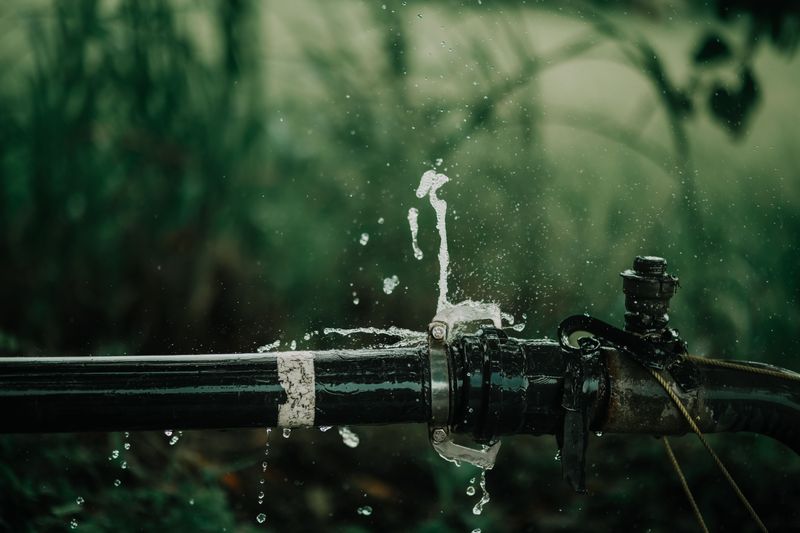
Manual systems depend on consistent human input. A vacation, a busy week at work, or just a distracted morning can mean the sprinklers run twice as long as they should have.
Manual irrigation timers rely entirely on the person who set them last. If that person made a mistake or the schedule was never updated for the season, overwatering happens automatically.
Seasonal changes are especially tricky with manual systems. Many homeowners set their timers in spring and never touch them again, even as summer heat peaks and plant needs shift.
Smart controllers recalibrate for seasonal changes on their own. They pull updated data, adjust run times, and keep the schedule optimized without requiring you to remember anything.
Human error also shows up in zone mismanagement. A manual system treats every zone the same unless someone manually programs each one differently, which few homeowners actually do.
Smart systems analyze each zone independently. A shady corner gets less water than a sun-baked slope, and the controller figures that out based on real environmental data, not guesswork.
Water wasted through human error is not just an environmental problem. It is a compliance problem that can show up as a violation notice or a bloated monthly water bill.
Removing the human error factor from your irrigation routine is one of the clearest benefits of going smart. Smart irrigation systems close the gap between good intentions and actual water-saving results every single time.
8. Reporting Tools Simplify Proving Compliance
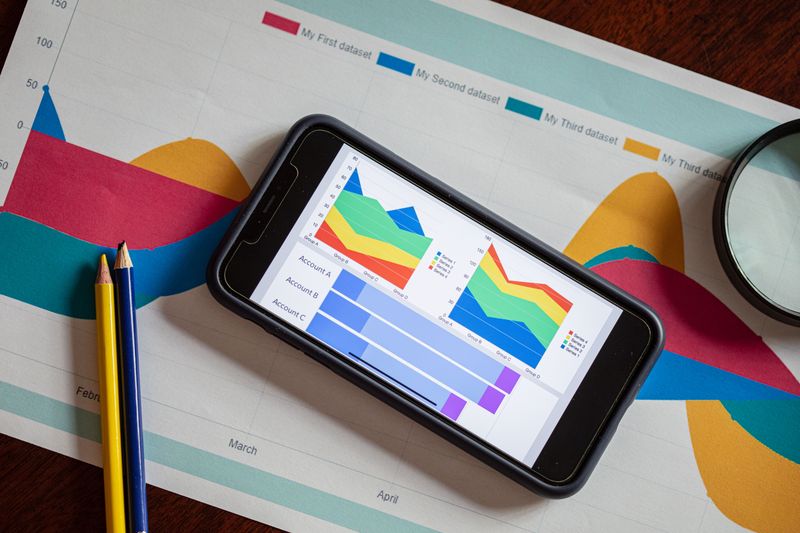
Proving compliance does not need to be complicated. Smart irrigation systems come with built-in reporting tools that make compliance documentation simple and fast.
With a few taps on an app, you can pull up a complete history of every watering event. Time, date, zone, and duration are all logged and ready to share if questions arise.
Water agencies occasionally audit properties, especially during drought enforcement periods. Having a clean digital record ready to present makes an inspection more straightforward.
Some smart systems can even generate formatted compliance reports automatically. You do not need to manually compile data or search through old records when everything is organized in one place.
Commercial properties with large landscapes face the most scrutiny from local water authorities. A robust reporting tool gives property managers the documentation they need without hours of manual data entry.
Some homeowner associations may require proof of water-efficient practices from residents. A smart controller with detailed reports makes meeting those requirements straightforward and stress-free.
Beyond audits and inspections, reporting tools help you spot trends in your own usage. Seeing a spike on a specific date might reveal a broken head or a zone that needs adjustment before it becomes a bigger issue.
Smart irrigation systems give you the data and the tools to prove compliance with confidence. That peace of mind is worth just as much as the water and money you save along the way.