The One Thing California Lavender Needs In September Before It Goes Dormant
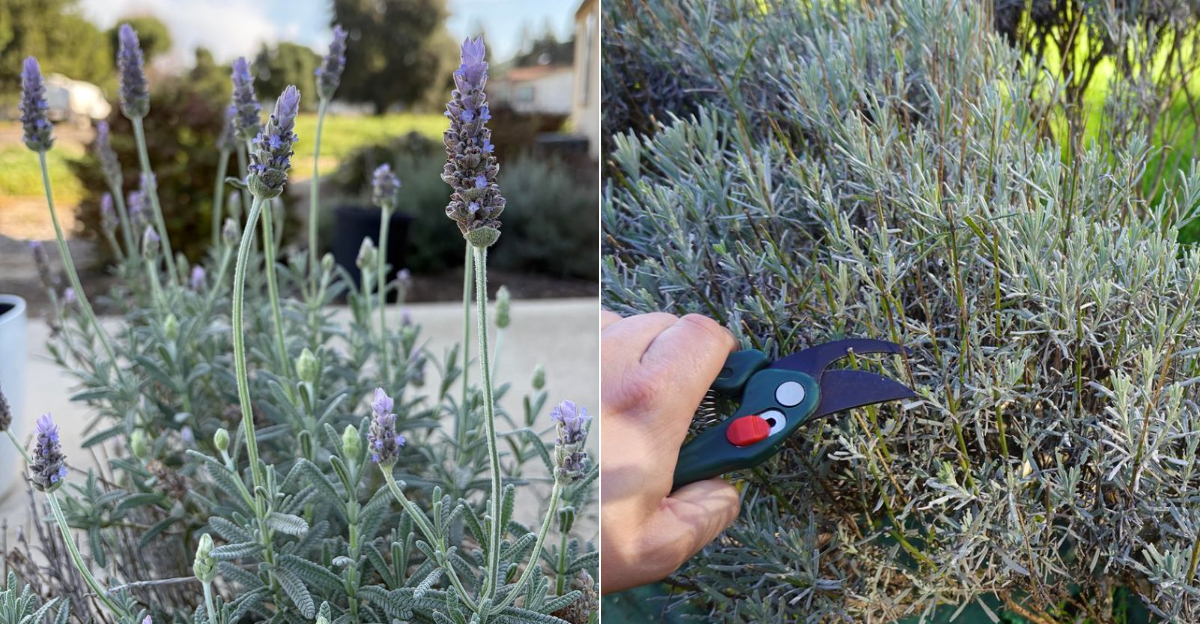
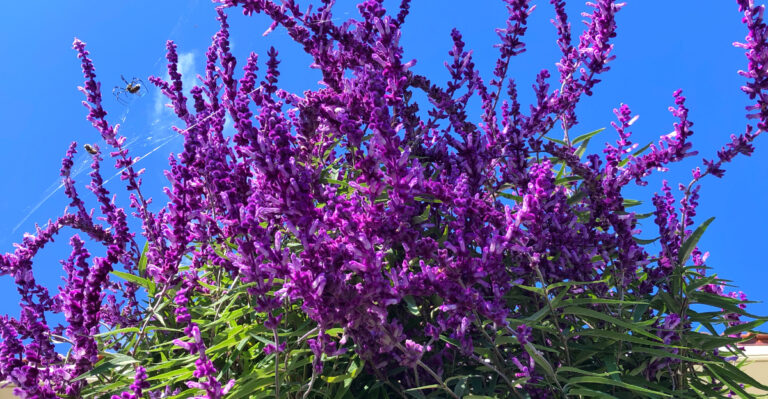
Lavender can look almost indestructible after months of California sun. The stems are woody, the foliage is silvery, and the plant may seem perfectly happy to coast into the next season without much help.
That easygoing appearance can be misleading. As growth begins to slow, one simple bit of care can make a real difference in how the plant handles the months ahead.
Skip the timing, and lavender may not head into its quieter period in the best shape. The challenge is knowing what actually matters now.
Extra attention is not always better, and lavender has a reputation for disliking fuss just as much as neglect. Very on-brand for such a stubborn little shrub.
This seasonal transition is a good moment to look at the plant’s overall condition and resist the urge to treat it like every other garden favorite.
One well-timed task can help set the stage for healthier growth later, making September a surprisingly important checkpoint for California lavender.
Give Lavender A Light Trim After Flowering
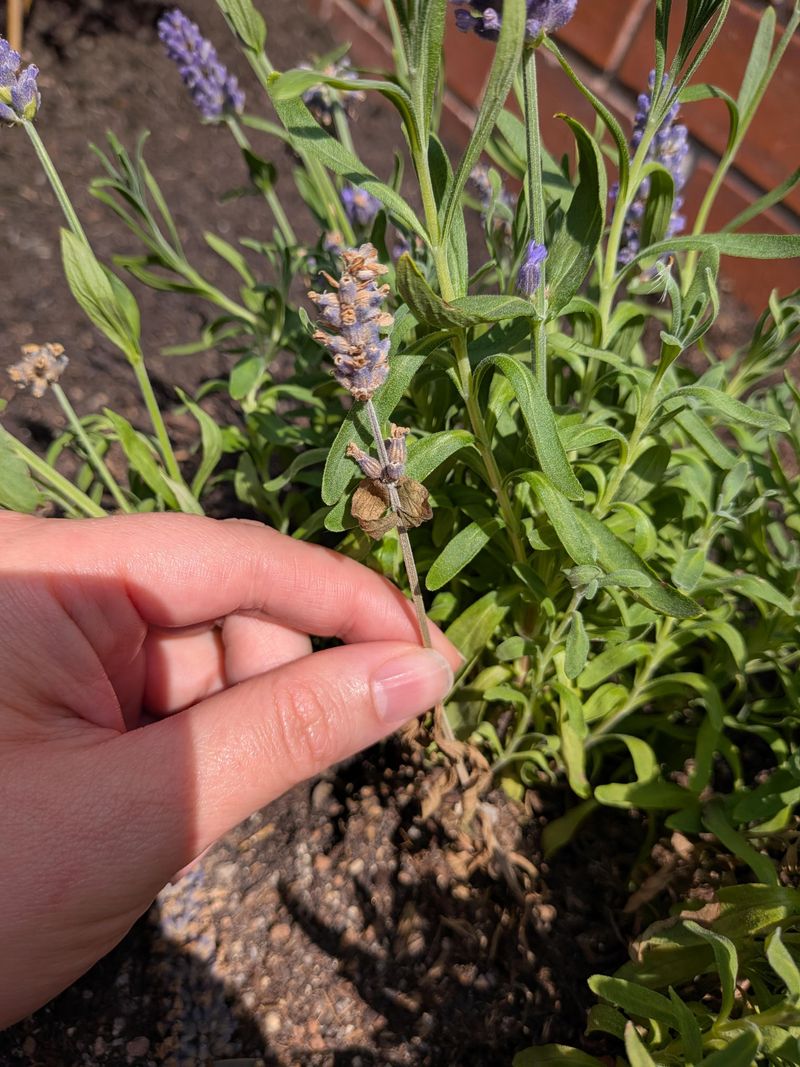
Most lavender plants in California finish their main bloom by late summer, and that is the perfect window to act. Once the flowers have faded and dried, the plant is ready for a gentle cleanup.
Waiting until September gives the blooms time to fully finish, so you are not cutting off anything still in progress.
A light trim means removing the spent flower stalks and a small portion of the soft, leafy growth just below them. You are not going for a dramatic change in size.
The goal is simply to tidy things up and encourage the plant to put energy into its roots and woody base before the cold months arrive.
Many gardeners are surprised by how much better their lavender looks after even a small trim. Removing the dry, spent stems instantly makes the plant look neater and more cared for.
It also improves airflow around the foliage, which helps reduce the chance of fungal issues during cooler, wetter fall weather.
Think of this trim like a light haircut rather than a full makeover. You are refreshing the look without changing the structure.
The plant will hold its mounded shape better through winter, and when spring arrives, you will see stronger, more even growth coming in from a well-maintained base. A little effort now pays off in a big way later.
Take Back Soft Green Growth, Not Old Wood
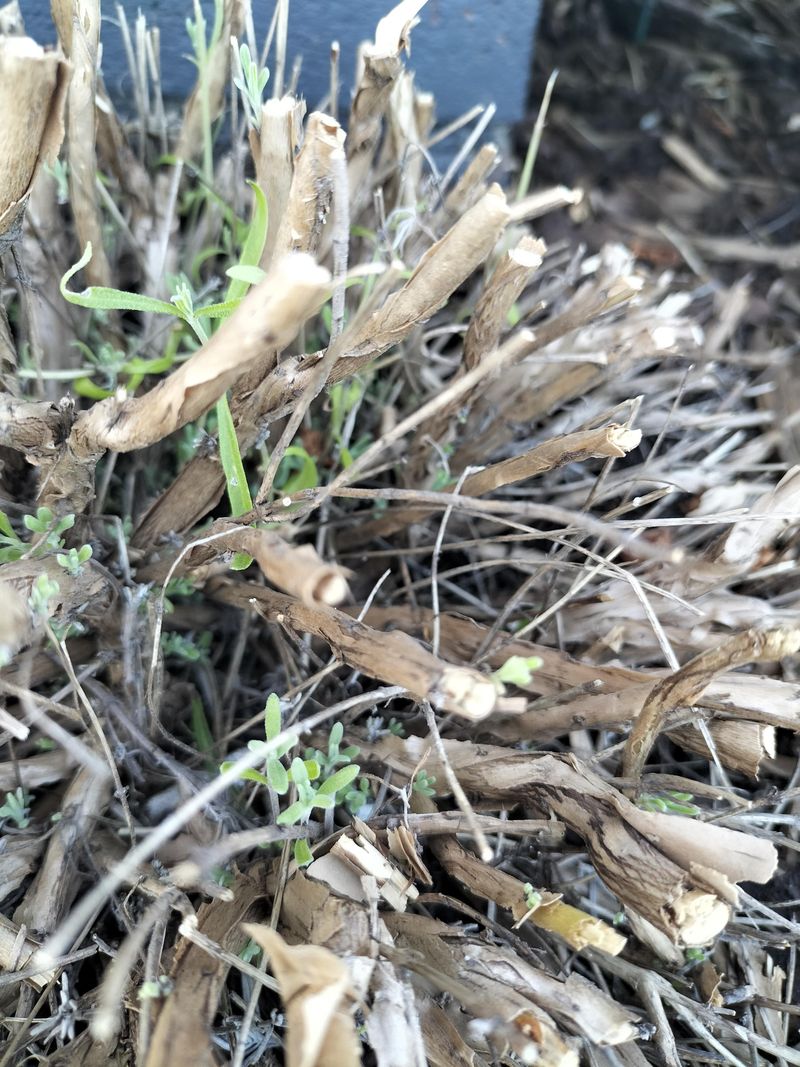
One of the most important rules of pruning lavender is knowing which part of the plant to cut and which part to leave alone.
The soft, green, flexible growth near the top of the stems is fair game. The older, woody, brown growth near the base is not.
Woody lavender stems do not regrow the way green stems do. If you cut into that hard, brown section, the plant may not produce new shoots from that spot.
Over time, cutting too low can leave bare, withered-looking patches that never fill back in. That is why experienced gardeners always keep their cuts in the green zone.
Your California Garden Changes Every Week. Your Plan Should Too.
Gardening in California changes quickly throughout the season. Every Friday you’ll receive a simple weekly plan showing exactly what to plant, prune, fertilize, harvest, and protect so you never miss the right timing.
In September, the soft growth has had all season to develop. You can trim back about one-third of it without stressing the plant.
This removes the tired, post-bloom stems while keeping plenty of healthy foliage intact to protect the plant through winter.
A good way to find the right spot is to run your fingers down each stem until you feel it start to stiffen and turn woody. Stop just above that point.
That is your safe cutting zone. Keep your shears sharp so cuts are clean and do not crush the stems.
Clean cuts heal faster and reduce the risk of disease entering the plant during the cooler months ahead.
A Small Cut Helps Keep The Plant Compact
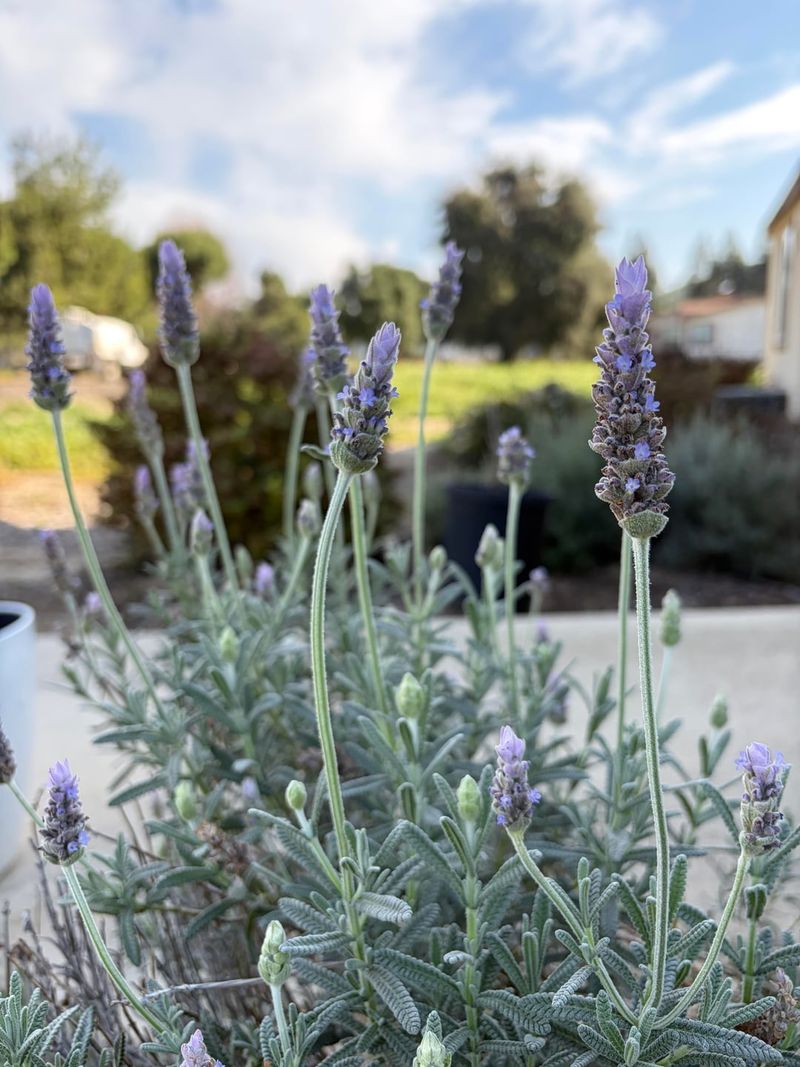
Lavender has a natural tendency to spread outward and upward as the season goes on. By the end of summer, many plants start to look a little loose and floppy.
A small, well-placed trim in September helps bring that shape back under control before the plant enters its dormant phase.
Keeping lavender compact is not just about looks. A tighter, more rounded shape actually helps the plant survive winter better.
Loose, sprawling growth is more likely to split apart under the weight of rain or frost. A compact mound sheds water more easily and holds together through cold, wet weather.
You do not need to take off a lot to make a real difference. Even trimming back just a few inches of soft growth all the way around can reshape a plant that has started to spread too wide.
The key is to work evenly so the plant stays balanced and does not end up lopsided.
Think of it like maintaining a hedge. Regular, light shaping over the years keeps the plant looking intentional and well-cared-for.
Lavender that gets a small trim each fall tends to stay more vigorous and attractive over the long run.
Plants that are never trimmed often become woody, bare in the center, and much harder to manage. Starting this habit now will save you a lot of trouble in future seasons.
Do Not Shear It Down Hard Before Fall
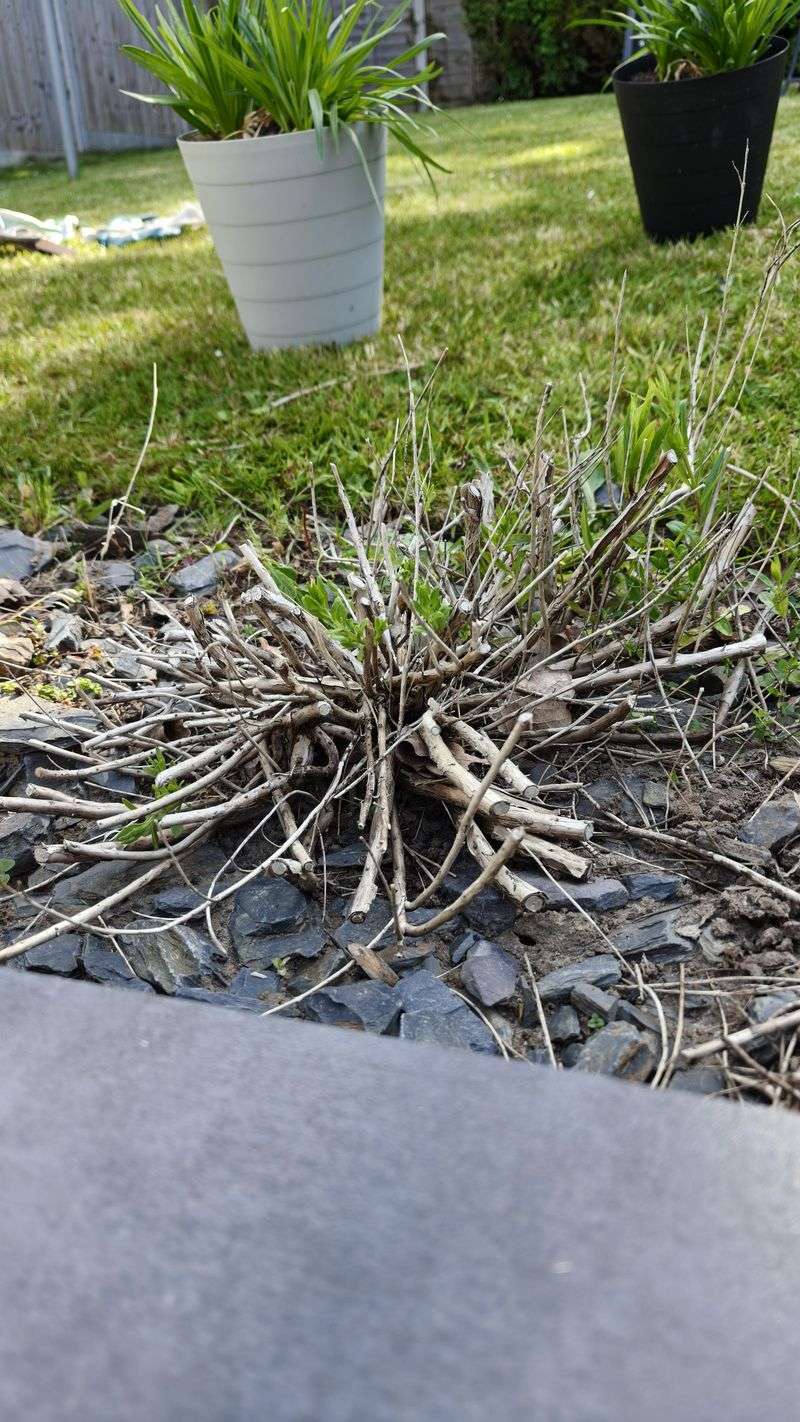
Hard pruning in September is one of the most common mistakes lavender growers make. It feels satisfying to cut the plant back drastically and start fresh, but doing this too late in the season can seriously weaken the plant.
Lavender needs time to recover after a heavy cut, and fall does not give it that time. When you shear lavender down hard, the plant responds by trying to push out new growth.
But as temperatures drop and days get shorter, that new growth does not have enough time to harden off before cold weather hits.
Soft, tender new shoots are much more vulnerable to frost and winter chill than established green growth.
Hard pruning is best saved for late winter or very early spring, when the plant has time to recover fully before the heat of summer arrives.
At that point, you can be more aggressive if the plant needs a serious reshaping. September is not that time.
Keeping your September trim light protects the plant from going into winter in a stressed state. A stressed plant is far more likely to struggle through cold months and come back patchy or uneven in spring.
Treat September as a maintenance moment, not a renovation project. The gentler you are now, the stronger and more beautiful your lavender will look when the growing season starts again next year.
Leave Plenty Of Green Growth On Every Stem
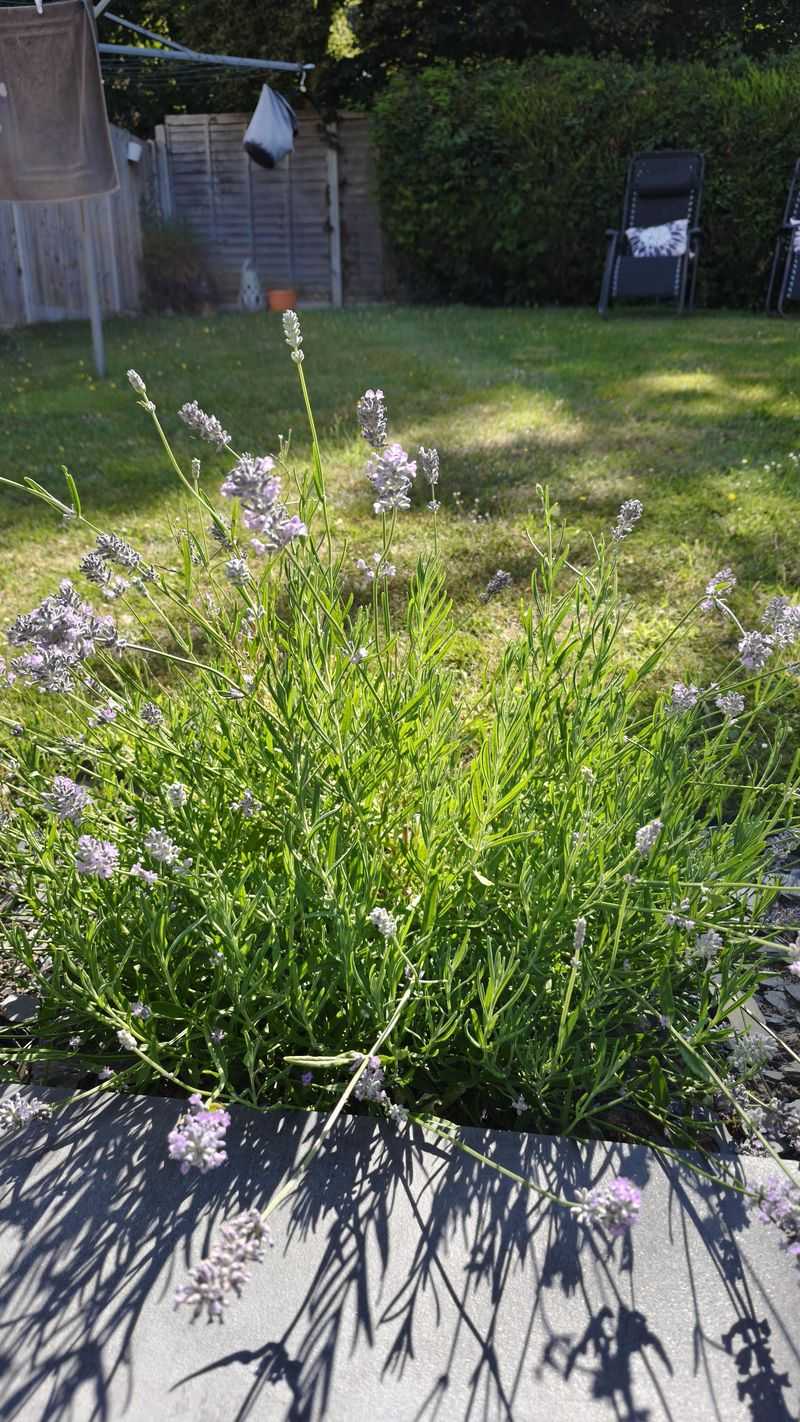
After you trim, every stem should still have a good amount of green, leafy growth on it. That green growth is not just decorative.
It is working hard to keep the plant alive through the cooler months ahead. Leaves continue to photosynthesize and help the plant store energy even as growth slows down.
A common guideline is to never remove more than one-third of the plant at once. Removing too much green growth at once puts the plant under stress.
It has fewer leaves to absorb sunlight and fewer resources to draw from during the recovery process. Leaving plenty of foliage gives the plant a cushion.
Green growth also acts as insulation. In areas with cool winters, the leafy parts of the plant help protect the more sensitive woody base from temperature extremes.
Stripping too much away leaves the core of the plant exposed and more vulnerable to frost damage.
When you step back after trimming, the plant should still look full and lush, just a little neater and more defined than before. If it looks sparse or bare, you have probably taken off too much.
A well-trimmed lavender plant going into fall should look healthy and green, with a tidy, rounded shape. That is the sign of a plant that is well-prepared for dormancy and ready to thrive again when spring returns.
Cutting Into Bare Wood Can Leave Permanent Gaps
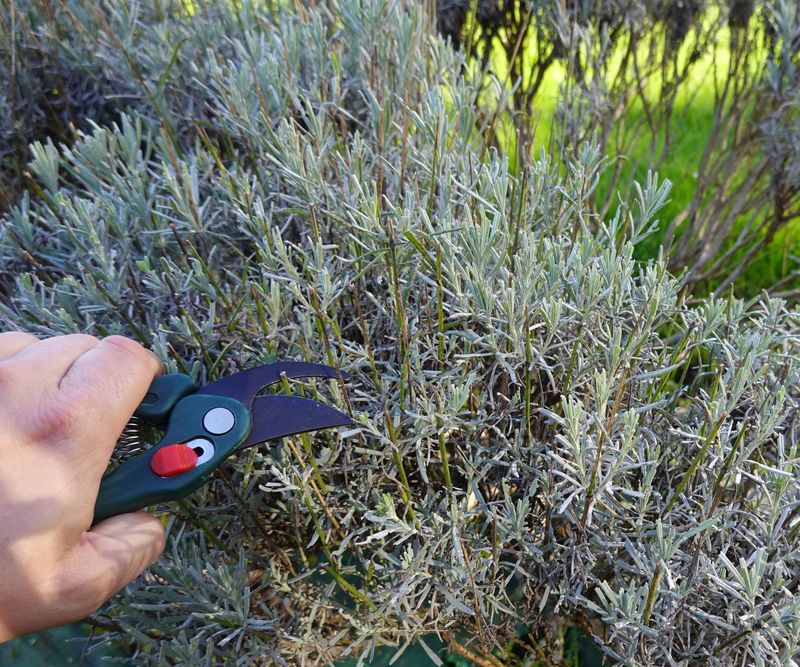
Lavender does not regenerate from bare, woody stems the way some other shrubs do. Roses, for example, can be cut back hard and still push out vigorous new growth from old wood. Lavender works very differently.
Once you cut into the hard, brown, woody section of a lavender stem, that spot may never produce new shoots. The plant simply does not have the same ability to regrow from old wood.
If you make that mistake in several places, you can end up with permanent bare patches in your plant that no amount of care will fix.
Those gaps are not just unattractive. They also weaken the overall structure of the plant.
A lavender shrub with bare, woody sections in the center is more likely to split, flop, or deteriorate over time.
The plant loses its natural, mounded form and can start to look more like a collection of sticks than a lush garden feature.
Avoiding this problem is simple: always keep your cuts above the green growth zone. Even when you are trimming close, leave at least a little green on every stem.
Think of the green growth as a safety net. As long as some green remains on a stem, the plant has something to work with.
Protect the woody base, and your lavender will reward you with years of healthy, fragrant growth.
Shape The Plant Without Exposing The Woody Center
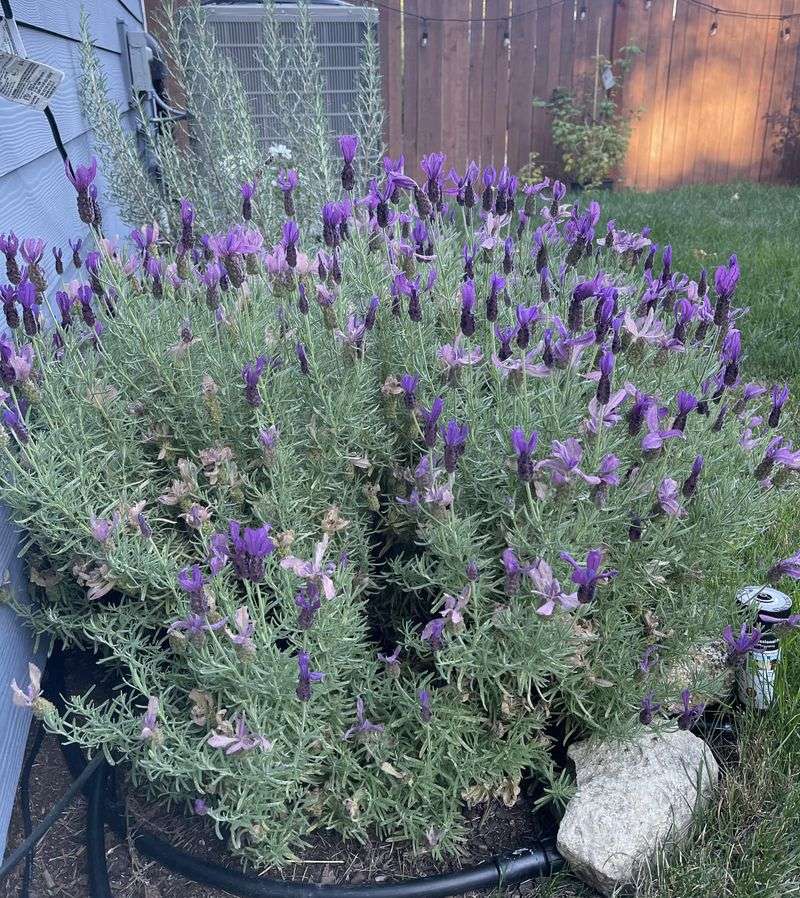
Shaping lavender is an art, not just a chore. The goal is to create a clean, rounded mound that looks natural and full.
To do that well, you need to work around the outside of the plant rather than cutting straight down into the middle of it.
The woody center of a lavender plant is its structural core. Exposing it by cutting away too much of the surrounding green growth leaves it vulnerable.
Sunlight, frost, and wind can all cause problems when the center is left bare. Keeping a layer of green growth around the outside helps shield that core through the season.
When shaping, use your shears to follow the natural curve of the plant. Start at the top and work your way around the sides, removing just enough to define the shape without going too deep.
Step back often to check your progress and make sure the plant looks balanced from all angles.
Many California gardeners find it helpful to work slowly and remove a little at a time rather than making big cuts all at once. It is much easier to take off more if needed than to put growth back once it is gone.
A well-shaped lavender plant looks intentional and polished in the garden. More importantly, a plant with its woody center protected is a plant that will stay strong, full, and vibrant through many seasons to come.
Skip Heavy Pruning This Late In The Season
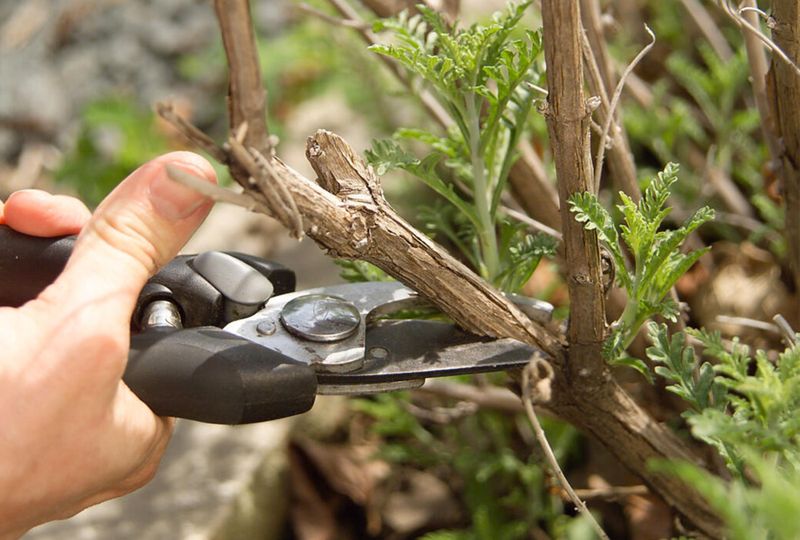
Timing matters a lot when it comes to lavender care. Heavy pruning, meaning cutting the plant back by half or more, is something best done in early spring when the plant has a full growing season ahead of it to recover.
Doing it in September leaves the plant without enough time to bounce back before cold weather arrives.
Late-season heavy pruning can actually shorten the overall lifespan of your lavender. Each time a plant is severely cut and then exposed to cold before it can recover, it experiences stress that adds up over the years.
Plants that are repeatedly stressed this way tend to become sparse, woody, and short-lived.
September is a month for maintenance, not makeovers. Light tidying, a gentle shaping, and removing spent flower stems are all appropriate at this time of year.
Anything beyond that is pushing the plant into risky territory as fall approaches.
If your lavender is badly overgrown and really does need a heavy pruning, it is worth waiting until late winter or early spring to do it properly. Trying to rush the process in fall often creates more problems than it solves.
Patience is one of the most valuable tools a gardener has. Letting the plant rest through winter undisturbed, then addressing bigger issues in spring, gives it the best possible chance of recovering fully and coming back stronger than ever.
A Gentle Trim Helps Prevent A Leggy Shape
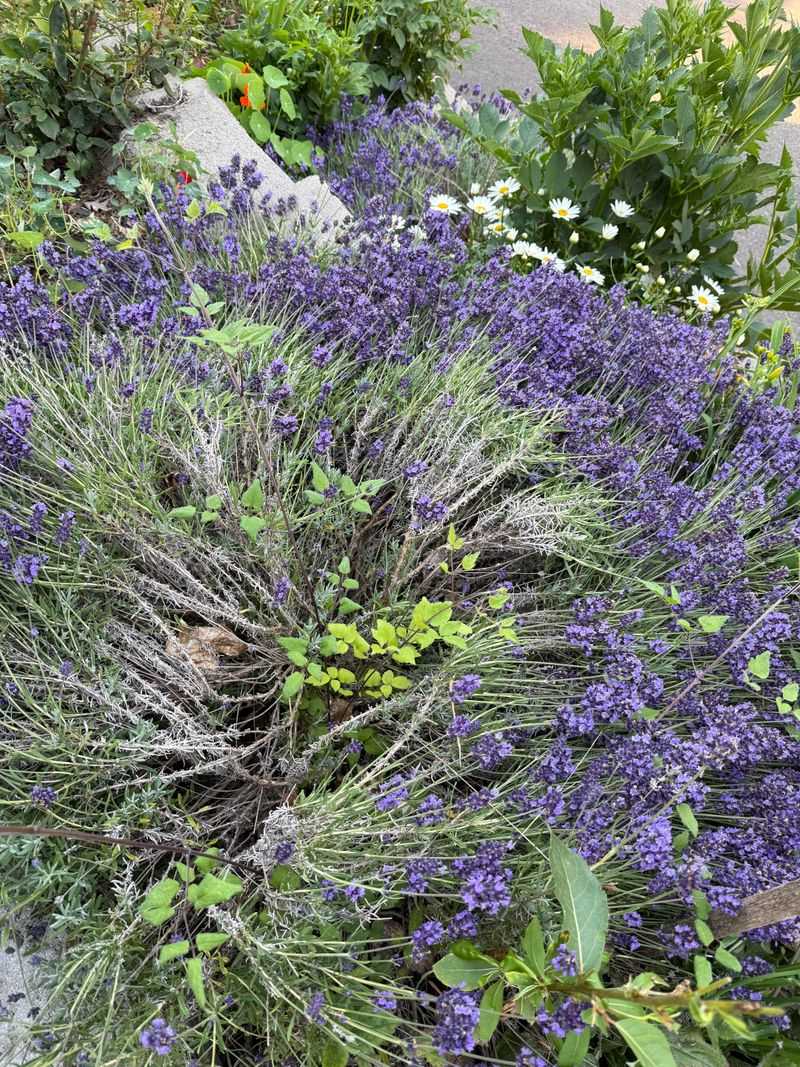
Legginess is one of the most common problems lavender growers face, and it usually develops gradually over time.
When lavender is never trimmed or only trimmed occasionally, the stems grow longer and longer, and the plant starts to look stretched out and sparse. The base becomes woody and bare, while the top becomes top-heavy and floppy.
A gentle trim each fall is one of the simplest ways to prevent this from happening. By regularly removing a small amount of soft growth, you encourage the plant to stay bushy and full rather than tall and thin.
The plant puts energy into thickening its existing stems rather than just reaching upward. Prevention is much easier than correction when it comes to leggy lavender.
Once a plant has become very woody and open in the center, it is very difficult to bring it back to a full, compact shape. Keeping up with light annual trimming avoids ever reaching that point.
Gardens in warm climates like those found in parts of California often see lavender grow more vigorously than in cooler regions, which means legginess can develop faster. Staying on top of the September trim is especially helpful in these areas.
A plant that gets a gentle, consistent shaping each year will stay attractive, productive, and full of fragrant blooms season after season. That is the kind of result every lavender grower hopes for.