8 California Native Plants That Stay Green Through Winter
Winter changes the mood of most California yards. Lawns fade, deciduous trees go bare, and vegetable beds sit quiet, waiting for spring.
A few plants seem to ignore the memo entirely. They look their freshest just when the rest of the garden starts to look tired.
Their secret lies in a rhythm shaped by California’s own seasons, one that runs nearly opposite to many familiar garden favorites.
Each has its own personality, preferred spot, and small quirks worth knowing before planting.
Location matters, too, both for healthy growth and for keeping a home safer during fire season.
Chosen well, these plants can keep a garden glowing from the first storm of autumn to the last drizzle of spring.
1. Manzanita Keeps Its Leathery Leaves
Smooth, cool, and polished, the bark feels almost like a carved wooden spoon. Its deep red to mahogany color stands out even more on a gray winter day.
Manzanita leaves are just as tough. Thick and leathery, often gray-green or bright green, they stay on the plant all year.
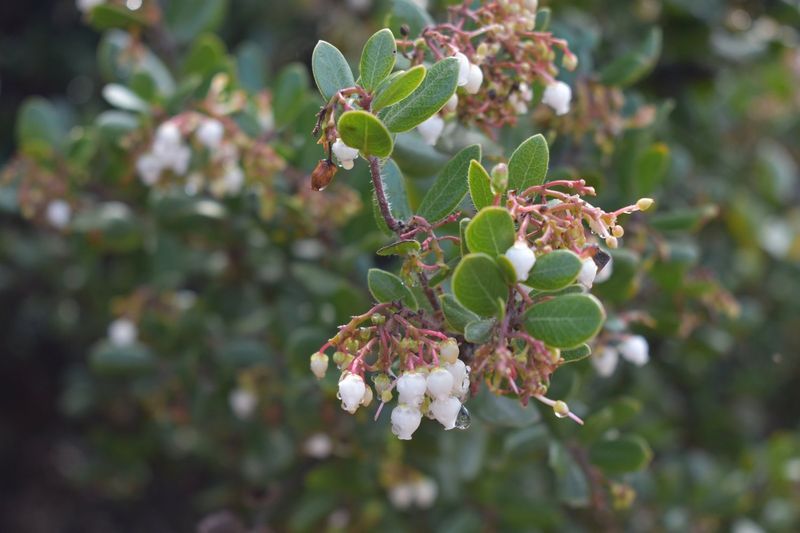
A waxy coating helps the shrub hold water through dry summers. In late winter, many kinds add tiny pink or white bell-shaped flowers, drawing hummingbirds and native bees for an early meal.
California hosts dozens of manzanita species and garden varieties. Some hug the ground at under a foot tall, while others grow into small trees 15 feet or more.
Popular garden picks such as Howard McMinn and Sunset usually reach about 4 to 7 feet tall and wide.
Drainage matters most. Manzanitas dislike soggy roots, so slopes, mounds, and sandy or rocky soil suit them best, while heavy clay that stays wet can lead to root rot.
Full sun works along the coast, and some afternoon shade helps in hot inland areas.
Once established, deep but rare summer watering, perhaps monthly or less, keeps them content. Fertilizer and rich compost are best left out.
As a woody shrub, manzanita belongs well beyond the first five feet around the house, with brittle twigs cleared out regularly.
Fall planting, starting this month, gives roots a strong start with winter rain, and a little benign neglect keeps this plant thriving.
2. Toyon Holds Green Foliage And Red Berries
Hollywood may owe this shrub a thank-you note. Local lore holds that early settlers saw so much toyon on the hills that the area took its name from the holly-like plant. Its other common name, California holly, keeps the connection easy to remember.
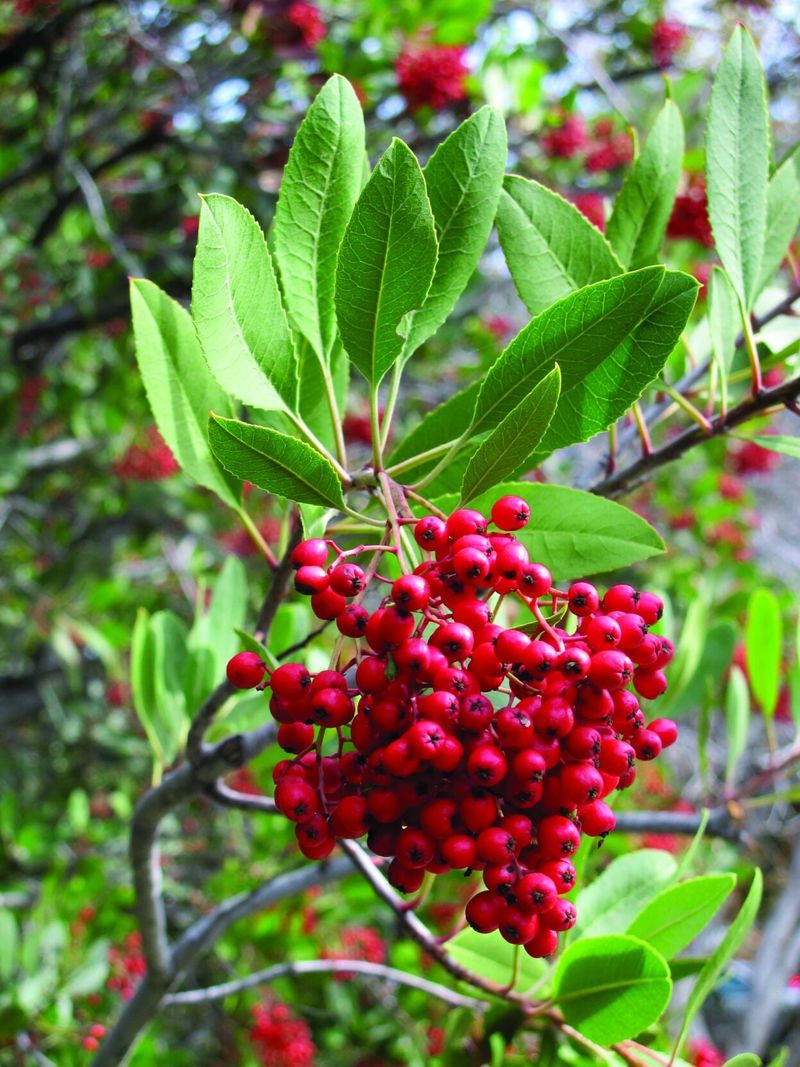
Toyon earns that nickname every December. Big clusters of bright red berries glow against dark green, leathery leaves with toothed edges.
The foliage stays put all winter, so the plant looks full and festive while many yards look bare. Robins, cedar waxwings, and mockingbirds often arrive to feast, turning the garden into a busy bird café.
In early summer, flat clusters of small white flowers appear. Bees and butterflies visit them eagerly.
Those flowers become green berries that ripen red by late fall, right on schedule for the holidays.
Your California Garden Changes Every Week. Your Plan Should Too.
Gardening in California changes quickly throughout the season. Every Friday you’ll receive a simple weekly plan showing exactly what to plant, prune, fertilize, harvest, and protect so you never miss the right timing.
Size deserves planning. Toyon usually grows 6 to 15 feet tall and about as wide, and it can be trained into a small tree.
It makes a fine screen along a back fence or slope. As a large woody shrub, it belongs well away from the house, beyond the first five feet.
Toyon takes soil in stride, handling clay better than many natives. Full sun or part shade both work.
Young plants need regular water through their first summer, followed by occasional deep soaks. Light pruning in late winter shapes the shrub while leaving enough branches for next year’s berry show.
October planting lets winter rain handle much of the early watering.
3. Coffeeberry Stays Glossy All Winter
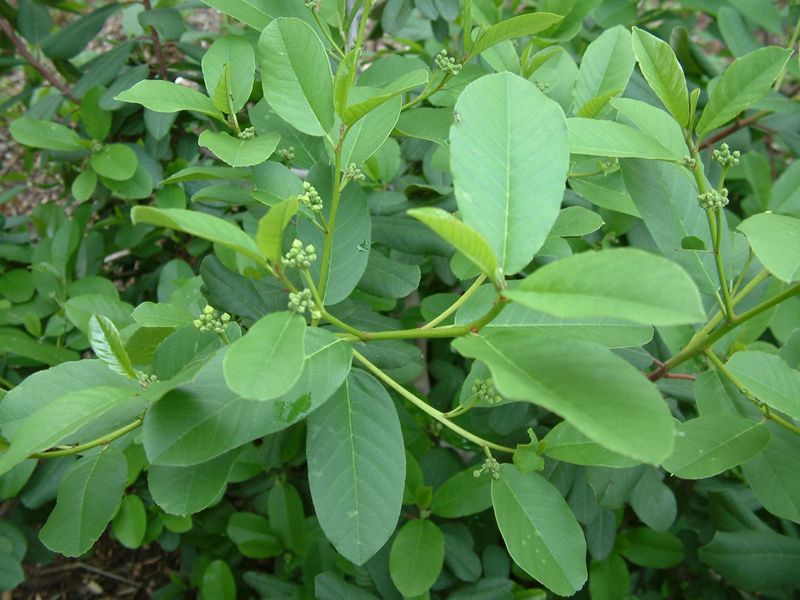
After a winter storm, these leaves look freshly polished. Rain beads up and rolls off the shiny, deep green surface, giving the whole garden a clean look on cloudy days.
The name has nothing to do with brewing a morning cup. It comes from the berries, which shift from green to red to nearly black and hold seeds resembling coffee beans.
Birds gobble them up in late summer and fall, so the plant doubles as a wildlife snack bar.
Coffeeberry ranks among the most flexible native shrubs around. Wild plants can reach 6 to 15 feet, but garden varieties come in handier sizes.
Eve Case grows about 4 to 8 feet tall with broad leaves, while Mound San Bruno stays a tidy 4 to 6 feet. Some low types even spread as groundcovers.
Shade tolerance sets it apart. Coffeeberry grows in full sun near the coast and handles part shade well inland.
It tolerates many soil types, including clay, as long as water doesn’t sit around the roots for days.
Watering every week or two through the first summer helps young plants settle. Afterward, an occasional deep drink keeps the leaves looking their best through hot months.
Coffeeberry takes pruning well and can be shaped into a hedge. As a woody shrub, it belongs outside the first five feet around the home.
Planting this fall gives roots a full rainy season to establish.
4. Evergreen Ceanothus Holds Its Color
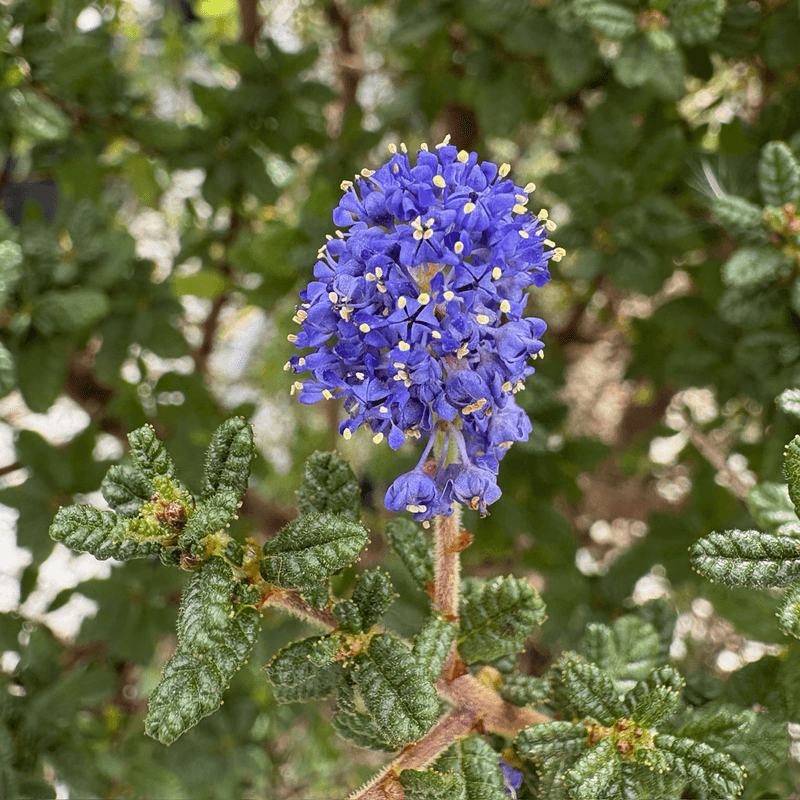
Some March hillsides buzz so loudly the sound carries to the trail. Bees swarm clouds of bright blue flowers, a spring show that belongs to ceanothus, often called California lilac.
Long before the bloom, evergreen types carry the garden through winter. Their small leaves are usually dark green and often crinkled or shiny.
Some varieties have leaves no bigger than a fingernail, packed tightly along the branches. The result is a dense, deep green shrub that looks neat even in January.
Not every ceanothus stays evergreen, so labels deserve a careful read. Popular evergreen picks include Concha, Ray Hartman, Julia Phelps, and the low-growing Yankee Point.
Sizes range from groundcovers under 2 feet tall to small trees reaching 15 to 20 feet. Flowers span pale sky blue to deep navy, plus some whites.
Sun and fast drainage keep ceanothus happy, and a slope or raised mound works well. Summer water ranks as a common mistake, since moisture in warm soil can lead to root rot and a shortened life.
Once established, many need little or no summer watering, especially near the coast.
A lifespan of about 10 to 20 years is normal for many kinds. Light pruning right after bloom keeps plants tidy, while cuts into old bare wood are best avoided.
As a woody shrub, ceanothus belongs beyond the first five feet around the house. Planting in fall, when soil is still warm and rain is on the way, gives roots the best start.
5. Coyote Brush Stays Green Through The Cold
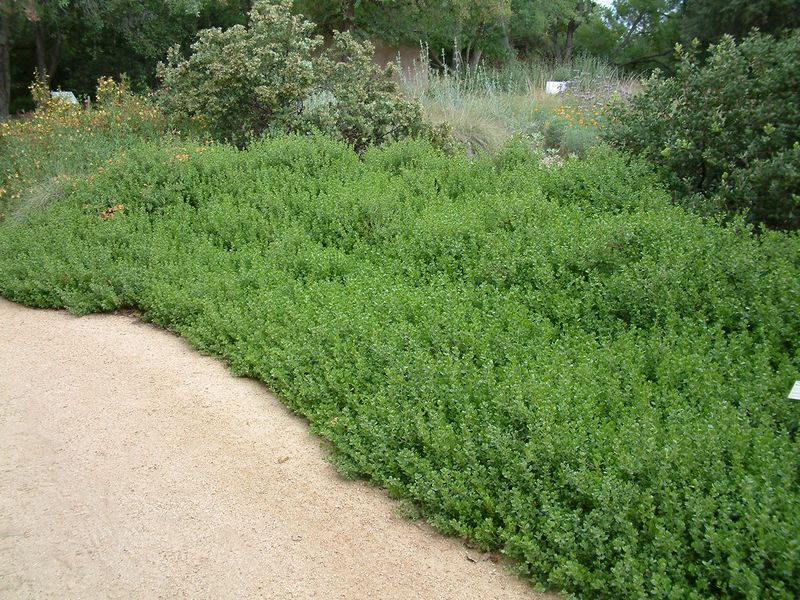
A crushed leaf releases a scent between fruit and herbs. Some people describe it as pineapple, others as grapefruit, and either way it makes a treat to brush past on a garden walk.
Winter brings hummingbird sage into its prime. After the first rains, fresh leaves push up, large and soft with a wrinkled texture.
Patches look lush and bright green through the cool months. By late winter and spring, tall stalks of magenta-pink flowers appear, and hummingbirds zoom in for nectar, just as the name promises.
This sage is a nonwoody perennial that spreads slowly by underground stems. It usually grows 1 to 3 feet tall and forms a loose carpet several feet wide.
That spreading habit makes it handy for filling tricky spots.
Shade suits it best. In the wild, it grows beneath oaks and in dry woodland, so part shade or dappled light works well, especially in hot inland areas.
Once established, it handles dry shade well.
Summer brings a natural change. Without water, leaves often brown and the plant goes partly dormant, though an occasional light drink keeps it greener. Heavy watering is best avoided.
Tired stems come off in fall, just before new growth starts, making October ideal for a tidy trim.
As a soft, low plant, it fits closer to the house than woody shrubs. Zone 0 rules approved this year still limit height and spacing within the first five feet, and CAL FIRE can confirm details.
6. Hummingbird Sage Greens Up In Shade
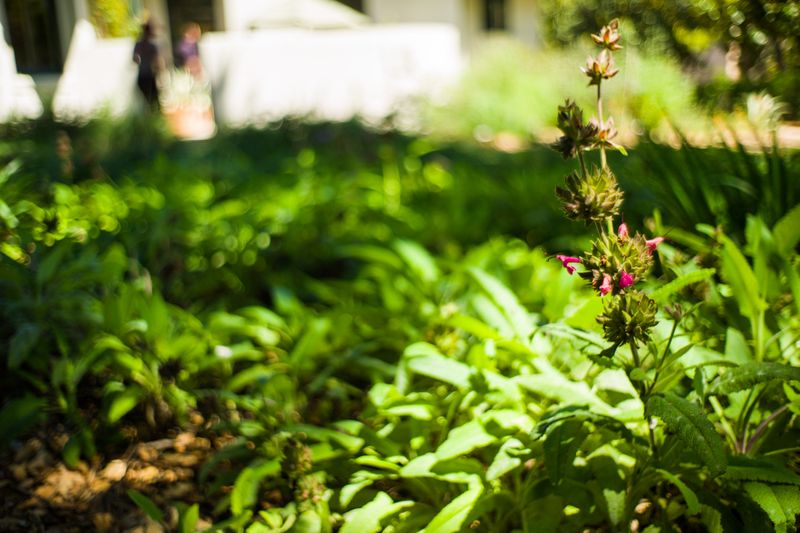
A crushed leaf releases a scent between fruit and herbs. Some people describe it as pineapple, others as grapefruit, and either way it makes a treat to brush past on a garden walk.
Winter brings hummingbird sage into its prime. After the first rains, fresh leaves push up, large and soft with a wrinkled texture.
Patches look lush and bright green through the cool months. By late winter and spring, tall stalks of magenta-pink flowers appear, and hummingbirds zoom in for nectar, just as the name promises.
This sage is a nonwoody perennial that spreads slowly by underground stems. It usually grows 1 to 3 feet tall and forms a loose carpet several feet wide.
That spreading habit makes it handy for filling tricky spots.
Shade suits it best. In the wild, it grows beneath oaks and in dry woodland, so part shade or dappled light works well, especially in hot inland areas.
Once established, it handles dry shade well.
Summer brings a natural change. Without water, leaves often brown and the plant goes partly dormant, though an occasional light drink keeps it greener. Heavy watering is best avoided.
Tired stems come off in fall, just before new growth starts, making October ideal for a tidy trim.
As a soft, low plant, it fits closer to the house than woody shrubs. Zone 0 rules approved this year still limit height and spacing within the first five feet, and CAL FIRE can confirm details.
7. Douglas Iris Keeps Its Sword Like Leaves
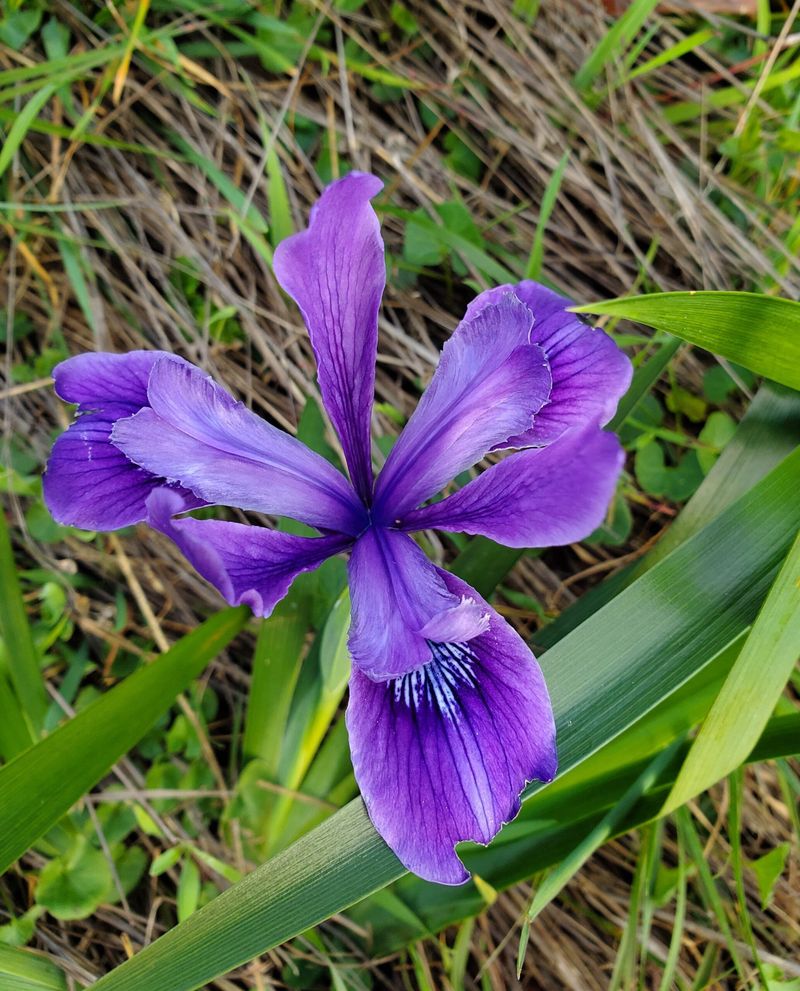
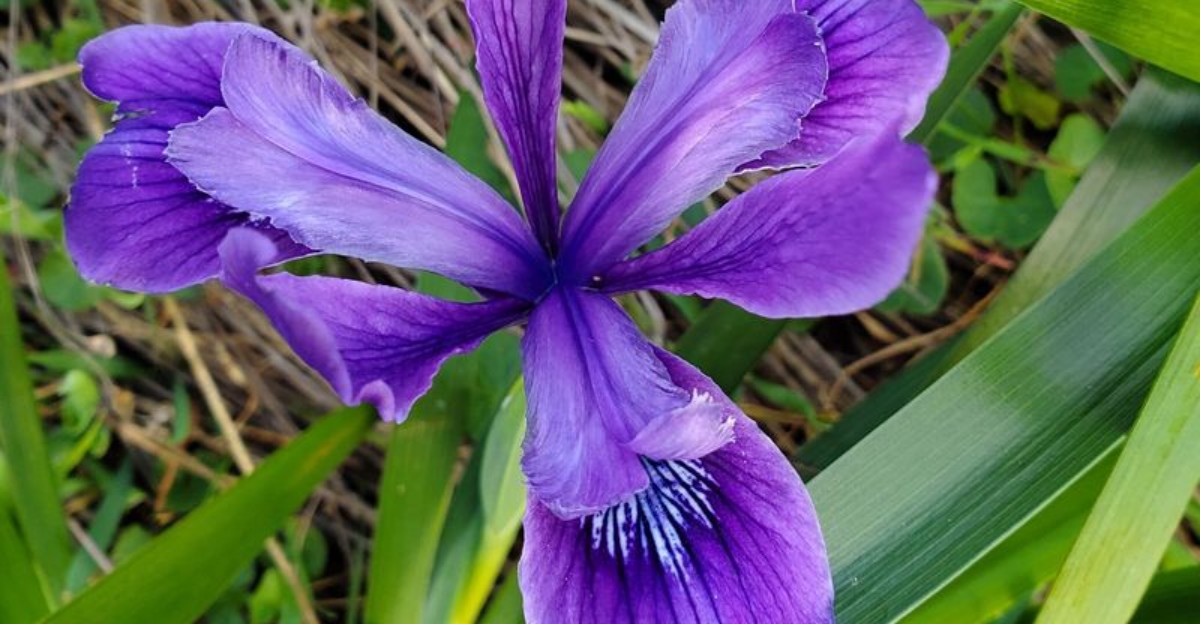
Purple flowers peeking out from the grass along coastal trails in early spring often hold a surprise. A closer look reveals delicate petals with fine veins, like tiny painted maps.
Those beauties belong to Douglas iris, a native of coastal California and Oregon.
Flowers steal the spotlight in spring, but the leaves do the steady work. Narrow, stiff, and shaped like little swords, they usually stay dark green.
Clumps hold their color through winter in most coastal gardens. Inland heat can brown the leaf tips in summer, so a slightly scruffier look is normal there.
Douglas iris grows about 1 to 2 feet tall and slowly spreads into clumps 2 feet or more across. Flower colors range from deep purple and blue to lavender, cream, and pale yellow.
Pacific Coast hybrids, which count Douglas iris in their family tree, offer even more choices.
Sun suits it near the coast, while part shade helps in hotter areas. Good drainage matters, though it tolerates some clay, and occasional summer water helps inland as long as soil stays far from soggy.
Crowded clumps divide best in fall when the rains return, since roots settle in quickly then. This fall offers a good window to split and share.
Fire-wise gardeners appreciate this one, too. As a nonwoody plant, it fits closer to the house than shrubs, with spent leaves raked out. A ribbon of iris along a front walk ends a winter garden on an elegant note.
8. Western Sword Fern Stays Lush In Deep Shade
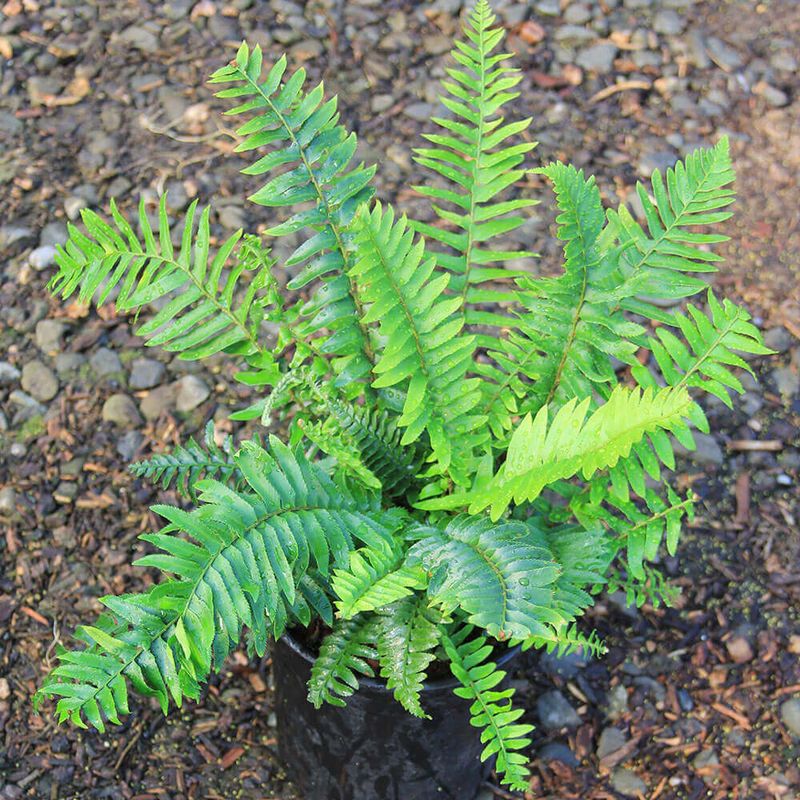
Cool, shady corners beneath redwoods and oaks hold one of the most dependable winter greens in California. Arching fronds, each lined with dozens of narrow leaflets, rise from a tidy central crown and stay deep green through the rainy season.
Western sword fern, Polystichum munitum, grows wild in forests along the coast and into the foothills. Each leaflet carries a tiny bump near its base, shaped a bit like the hilt of a sword, which inspired the common name.
Clumps usually reach 2 to 4 feet tall and about as wide. New fronds unroll each spring as fuzzy fiddleheads.
Shade suits this fern perfectly. Part shade to full shade works best, and it handles the dry shade beneath established trees better than many ferns.
Rich, organic soil and a layer of leaf litter help it thrive. Once settled, occasional deep summer watering keeps fronds fresh, especially inland, though coastal plants often get by on fog and rain.
Care stays minimal. Old, tattered fronds can come off in late winter, just before fiddleheads emerge, leaving room for fresh growth.
Wildlife appreciates the cover, too. Ground-feeding birds and other small creatures shelter beneath the fronds.
As a nonwoody plant, sword fern makes a softer choice near the house than shrubs.
Its height still places it just beyond the first five feet, where Zone 0 rules limit plant size, and spent fronds raked out keep things fire-wise. Fall planting gives roots a full rainy season to settle in.